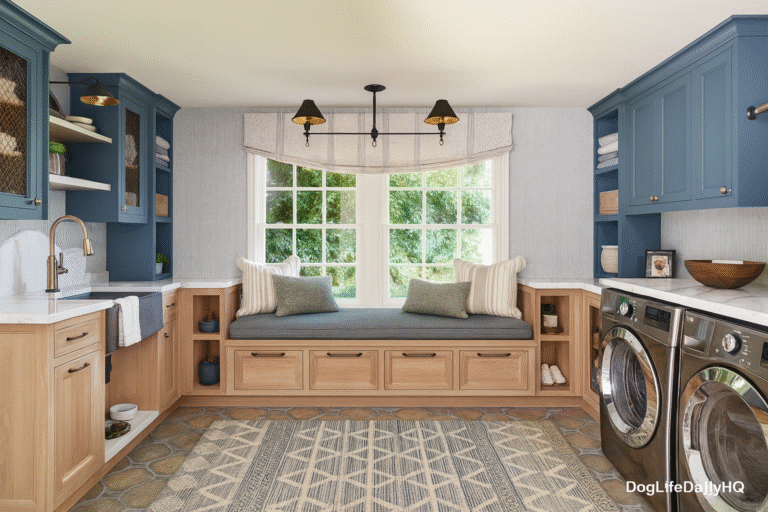
Cozy Dog Nook Ideas Your Dog Will Love: Creative Spaces for Maximum Comfort

Dog Nook Ideas – Your dog needs a special place to relax and feel safe at home. Creating a cozy dog nook gives your pet their own comfortable retreat while keeping your living space organized and stylish.
A dedicated spot for your furry friend can help reduce their anxiety. It also gives them somewhere to rest when they need quiet time.
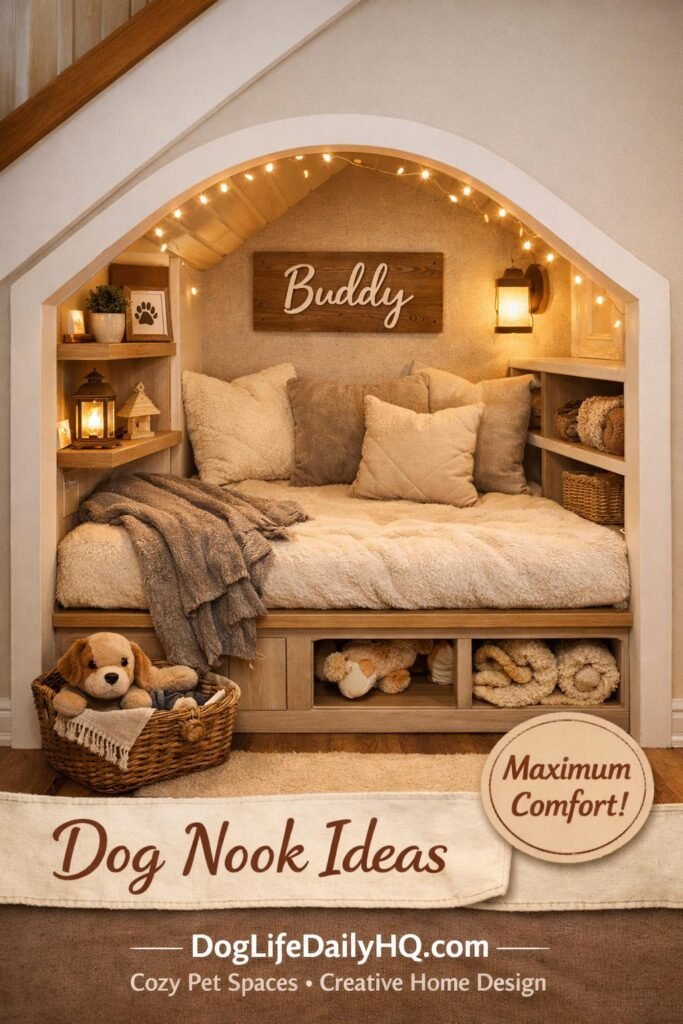
Building a dog nook doesn’t require a lot of space or money. You can turn corners, closets, or spots under stairs into perfect pet zones.
Even small apartments can fit a wonderful dog area with some smart planning. The best part is that designing a dog nook lets you match your home’s style while meeting your pet’s needs.
From simple bed setups to built-in spaces with custom features, there are options for every budget and home layout. Let’s check out how you can create a space your dog will love.
Key Takeaways
- A dog nook gives your pet a safe, comfy space and helps keep your home organized.
- You can create a cozy dog area in any room using corners, closets, or unused spaces.
- Personalizing your dog’s nook with soft bedding and their favorite items makes it more inviting.
Choosing the Perfect Spot for a Dog Nook

The right location makes all the difference when creating a space your dog will actually use. I focus on finding spots that work with my home’s layout while keeping my dog’s comfort and habits in mind.
Evaluating Space in Your Home
I start by walking through my home and looking for unused areas that could work well. Under-the-stairs spaces, empty corners in living rooms, and closets I don’t need are all great options for creating dog nooks in small spaces.
I measure the area to make sure my dog can comfortably lie down and turn around. A good rule is to add at least 6 inches on each side of my dog’s stretched-out length.
High-traffic areas like hallways near the front door usually don’t work well. My dog needs a spot where they won’t get stepped on or disturbed constantly.
I look for quieter zones where they can actually rest. I also check for nearby outlets if I want to add a lamp or heated bed later.
Good ventilation matters too, so I avoid cramped spaces without airflow.
Considering Your Dog’s Preferences
I pay attention to where my dog already likes to sleep or rest throughout the day. Some dogs prefer spots with natural light while others seek out darker, den-like areas.
My dog’s temperature preferences guide my choice too. If they tend to get hot, I pick a cooler spot away from heat vents.
If they’re always cold, I choose a warmer area or plan to add blankets. I consider whether my dog likes being near me or prefers solitude.
Anxious dogs often do better with nooks in main living areas where they can see me. More independent dogs might enjoy a separate room.
The age and mobility of my dog matter when selecting a location. Older dogs with joint issues need ground-level spots that are easy to access.
Integrating with Existing Decor
I choose locations that complement my current furniture arrangement. A nook under a console table or beside a bookshelf blends in naturally.
I think about color schemes and materials before setting up the space. Neutral-colored beds and accessories work with most decor styles, while I can add pops of color through pillows or toys.
Built-in options like alcoves or window nooks look intentional and polished. I can add trim or paint the space to match surrounding walls.
I use decorative elements like small plants, artwork, or baskets for toy storage to make the nook feel purposeful. This turns a dog area into an attractive design feature instead of an eyesore.
Creative Design Ideas for Cozy Dog Nooks

Transforming unused spaces into comfortable retreats for your dog doesn’t require a complete home renovation. Simple design choices like adding soft bedding, proper lighting, and personal touches can turn awkward corners and empty alcoves into spots your pup will seek out every day.
Under-Stair Retreats
I love using the space under my stairs because it’s often wasted anyway. This area naturally feels den-like, which appeals to a dog’s instinct to find enclosed, secure spots for rest.
Start by measuring the space to ensure your dog can stand up and turn around comfortably. Add a gate or curtain at the entrance if your dog prefers more privacy.
I recommend installing a small light inside so the space doesn’t feel too dark. Key elements to include are washable bedding, a hook for leashes, small storage for toys, and proper ventilation.
Paint the interior walls a calming color like soft gray or pale blue. You can also add removable wallpaper with fun patterns.
Make sure to check for any sharp edges or nails that might poke through from the stairs above. I always place a small rug at the entrance to define the space and catch any dirt from paws.
Window Seat Lounges
Creating a window spot retreat gives your dog a perfect place to watch the world go by. Dogs love observing outdoor activity, and natural sunlight provides warmth.
Build a raised platform or use a sturdy bench that reaches window height. Make sure it’s wide enough for your dog to stretch out fully.
Add a thick cushion with a removable, machine-washable cover. Install curtains or blinds that you can adjust to control sunlight and temperature.
During hot summer days, close them partially to prevent overheating. Consider adding a step stool if your dog is small or elderly and needs help getting up.
Place the nook away from drafty windows in winter. I also keep a favorite toy or blanket there so my dog associates the spot with comfort.
Crate Covers and Built-Ins
Transforming a standard wire crate into a stylish piece of furniture makes it blend with your home decor. Designing custom built-ins creates a permanent, attractive solution that doesn’t look like typical pet furniture.
For crate covers, choose breathable fabric that allows airflow. Attach it securely so it won’t collapse if your dog bumps against it.
I prefer covers with roll-up sides so I can adjust ventilation based on the weather. Built-in options work well in mudrooms, laundry rooms, or kitchen islands.
You can repurpose existing cabinets by removing doors and adding a cushion inside. Make the opening large enough for easy entry and include proper air circulation through the back or sides.
Materials I recommend include wood stain that matches your furniture, metal hardware for a modern look, wainscoting or shiplap for texture, and chalkboard paint for personalization.
Corner Comfort Zones
Corners are perfect for creating cozy dog nooks because they provide two walls for support and security. I position beds at a 45-degree angle to maximize space and create a more enclosed feeling.
Add floating shelves above the corner to store supplies while defining the area as your dog’s special spot. I hang a small piece of artwork or a nameplate to personalize the space.
Corner nooks work especially well in bedrooms, home offices, or living rooms where you spend lots of time. Use an L-shaped cushion or two separate beds pushed together to fill the corner completely.
This prevents gaps where toys might get lost. I also add a small basket nearby for easy access to favorite items.
Consider installing a wall-mounted water bowl holder to keep the area tidy. Peel-and-stick tiles or a small area rug underneath protect your floors and add visual interest.
Essential Elements for Comfort

A comfortable dog nook needs the right bedding, proper air flow, and a quiet atmosphere to help your pet feel safe and relaxed.
Selecting the Right Bedding
I always start with choosing bedding that matches my dog’s sleeping style. Dogs who curl up do well with bolster beds that have raised edges.
These give them something to rest their head against. Flat sleepers need orthopedic foam mattresses.
Memory foam works great for older dogs with joint pain. The foam molds to their body and takes pressure off sore spots.
I look for washable covers because dogs bring dirt, drool, and shed fur into their space. Machine-washable materials save time and keep the nook fresh.
Waterproof liners protect the bed from accidents. Size matters more than most people think.
My dog should be able to stretch out fully without hanging off the edges. I measure my dog from nose to tail and add 6-12 inches to find the right bed size.
Key bedding features to consider are durable fabric, non-slip bottoms, hypoallergenic filling, and at least 4 inches of cushioning for medium to large dogs.
Temperature and Ventilation
I make sure my dog’s nook stays at a comfortable temperature year-round. Dogs overheat easily, so I avoid placing nooks near heat vents or in direct sunlight.
Good air circulation prevents the space from getting stuffy or too warm. In colder months, I add extra blankets or a heated pet mat.
These mats have low voltage settings that warm without overheating. I never use regular heating pads meant for humans.
Elevated beds work well in warmer climates. They let air flow underneath and keep my dog cooler.
Creating cozy dog zones works even in small spaces when you pick the right spot with good air flow. I check the temperature in the nook area regularly.
It should feel comfortable to me when I place my hand there for 30 seconds.
Noise Reduction Solutions
Dogs hear much better than humans and get stressed by loud sounds. I pick quiet locations away from noisy appliances like washing machines or dishwashers.
Soft materials absorb sound naturally. I add thick rugs, cushions, or fabric wall hangings near the nook.
These materials dampen echoes and outside noise. White noise machines help mask sudden sounds that might startle my dog.
The steady background noise covers up doorbell rings, car horns, and other disruptions. Fans work too if you don’t want to buy a special machine.
Under-the-stairs nooks provide natural sound barriers because of the enclosed space. The structure blocks noise from multiple directions.
I test the noise level by sitting in the nook area myself. If I can relax there without constant interruptions, my dog probably can too.
Personalizing the Dog Nook

Making your dog’s nook feel special involves adding personal touches that reflect your pet’s unique personality and preferences. Simple additions like favorite toys, soft bedding, and custom decorations transform a basic space into a true retreat.
Incorporating Your Dog’s Favorite Toys
I always include my dog’s favorite toys in their nook to make the space feel familiar and inviting. Toys offer comfort and entertainment, especially when dogs need some alone time.
I recommend storing toys in small baskets or bins within the nook. This keeps things organized and makes it easy for your dog to grab a toy whenever they want.
Choose containers that match your home’s style so the nook blends in nicely. Rotating toys every few days keeps things interesting for your pup.
I like to swap out chew toys, plush animals, and interactive puzzles to prevent boredom. Keep two or three favorites in the nook as comfort items your dog can always find.
For dogs who are obsessed with certain toys, I create a dedicated dog space that highlights these items. Wall-mounted rope holders or hanging baskets are great for keeping favorite toys visible and easy to reach.
Adding Blankets and Pillows
Soft bedding makes any dog nook instantly cozier. I layer different textures like fleece blankets, cotton throws, and plush pillows to create a warm retreat.
Choose washable materials since dog bedding needs frequent cleaning. I prefer removable pillow covers and machine-washable blankets for easy care.
Neutral colors are handy for hiding dirt between washes. For older dogs or those with joint issues, I add extra padding.
Orthopedic pillows or memory foam cushions provide better support than regular stuffing. Layer a soft blanket on top for extra comfort.
Consider your dog’s sleeping style when picking bedding. Burrowers love loose blankets, while dogs who stretch out usually prefer flat, open beds with just a couple of pillows.
Custom Nameplates and Decor
Personal touches like nameplates make the nook feel special. I hang wooden signs with my dog’s name above their space for a stylish yet cozy addition.
Custom wall art with your dog’s breed or paw prints adds personality to the nook. Framed photos, painted portraits, or vinyl decals all work great.
I also like adding functional decor, such as decorative hooks for leashes or stylish treat containers. Choose pieces that match your furniture and flooring for a cohesive look.
Maintaining and Updating the Space
A dog nook needs regular care to stay fresh and inviting. Simple cleaning routines and seasonal updates keep things comfy year-round.
Cleaning Tips
I vacuum my dog’s nook at least twice a week to get rid of fur, dirt, and dander. Dog beds and blankets need washing every week or two, depending on how much your pup uses the space.
I wipe down hard surfaces like shelves or built-ins with pet-safe cleaners weekly. This helps prevent dust and grime from building up.
Weekly cleaning checklist:
- Vacuum floors and cushions
- Wipe down walls and furniture
- Check toys for damage
- Empty and clean food and water bowls
A lint roller is handy for quick touch-ups. Washable covers on beds and cushions make laundry day a breeze.
Refreshing the Layout Seasonally
I swap out bedding based on the season to keep my dog comfy. Heavy blankets work in winter, while lighter cotton ones are better for summer.
I like to rotate toys every few months. Storing some away and bringing them back later makes old favorites feel new again.
Seasonal updates to consider:
- Spring: Add breathable fabrics and refresh with new toys
- Summer: Use cooling mats and lighter bedding
- Fall: Introduce warmer blankets gradually
- Winter: Add extra cushions and heated beds if needed
Moving the bed to a different corner or adjusting storage baskets gives the nook a fresh look without much effort.
Frequently Asked Questions
Dog nooks work well in all kinds of spaces, from unused corners to built-in areas. Here are answers to common questions about materials, setup, and design choices that make these spaces work for different dogs and homes.
How can I create a comfortable dog nook under the stairs?
Measure the space under your stairs to make sure your dog can stand and turn around easily. Add a soft bed or cushion that fits the area, and consider installing a small gate if you want to give your dog privacy.
Lighting matters too. Try adding a small LED light or leave the area open enough for natural light to reach it.
You can hang a curtain at the entrance to make it feel more enclosed. This gives your dog a cozy, den-like vibe.
What are some DIY strategies for crafting a dog nook at home?
Repurposing furniture is a great way to create a dog nook in small spaces. An old side table with the bottom shelf can become a perfect hideaway with a cushion inside.
Crates are another good starting point. I like to remove the door and add fabric panels or wood on the sides to make it look more like furniture.
Building a wooden canine bed lets you customize the size and style. You can paint or stain it to match your home’s decor.
What features should I look for in an indoor dog house?
Look for an indoor dog house with good airflow. Ventilation keeps your dog comfortable and prevents overheating.
Choose materials that are easy to clean. Removable roofs or washable fabric covers make maintenance simple.
Size is key. Measure your dog from nose to tail and add a few inches so there’s plenty of room to stretch out. Make sure the height lets your dog sit up comfortably.
Can you suggest some soft and durable dog bed options?
Memory foam beds are great for older dogs or pups with joint issues. They provide support and comfort for long naps.
Orthopedic beds with raised edges are nice because dogs can rest their heads on the sides. Many dogs feel more secure with this style.
For durability, look for beds with waterproof liners and machine-washable covers. Tough fabrics like canvas or denim are perfect for dogs who like to dig or scratch before lying down.
What are some unique ideas for dog nooks that can fit into small spaces?
Creative uses of corners and closets work well in small homes. Window nooks give your dog a cozy spot with a view.
Built-in shelving units can have a bottom section just for your dog. Remove one shelf and add a cushion for an instant nook that blends with your storage.
Converting cabinet spaces is great for small dogs. Just remove the cabinet doors and add bedding inside for a hidden retreat.
What are the essentials to consider when designing a dog nook to ensure my pet’s comfort and safety?
I make sure the nook is away from high-traffic areas where your dog might get stepped on or disturbed. Dogs need a quiet spot where they can relax without interruptions.
Temperature control is important. I avoid placing nooks near heating vents, air conditioners, or drafty windows that might make your dog too hot or cold.
The flooring should be non-slip. I like to add a rubber mat under the bed to keep it from sliding around when your dog gets in and out.
I always remove any sharp edges or small objects that could hurt your dog. The space should be free of anything your dog could chew and choke on, especially if you have a puppy.