
10 Dog Puzzle Toys That Challenge Smart Dogs and Keep Them Entertained for Hours

Dog Puzzle Toys – Smart dogs need more than basic toys to stay happy and engaged. Puzzle toys challenge your dog’s brain by hiding treats or kibble that they have to work to find.
This helps prevent boredom and destructive behaviors. I’ve seen how the right puzzle can turn a restless pup into a focused problem-solver.
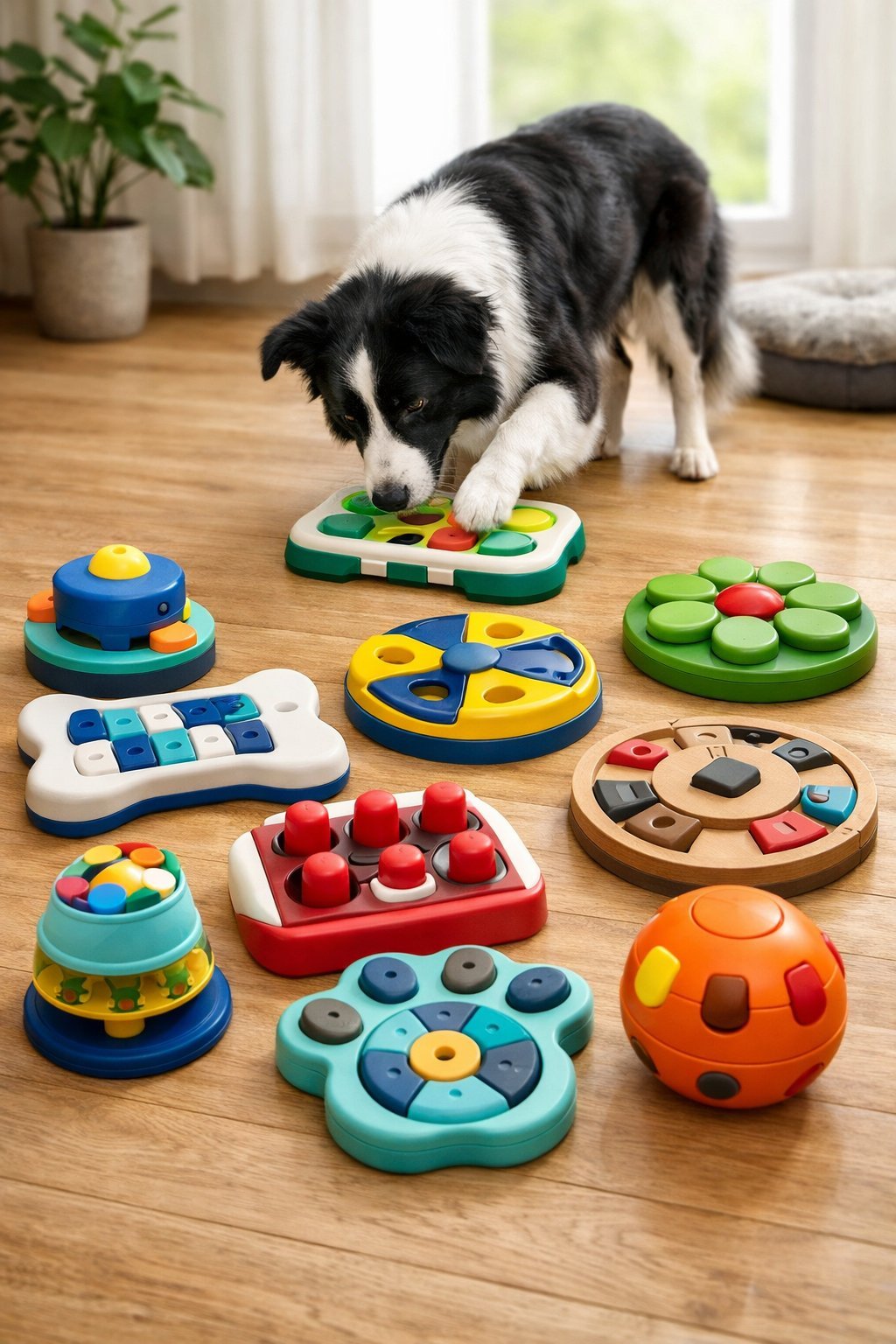
Finding dog puzzles for smart dogs can feel overwhelming with so many options out there. Some puzzles slide, some flip, and others need multiple steps to unlock the reward.
The trick is matching the toy’s difficulty to your dog’s skill level so they stay interested. That way, they won’t get frustrated.
I’ve put together this guide to help you find the best puzzle toys to keep your clever dog mentally stimulated. Whether your pup is new to puzzles or already a pro, you’ll find options that fit their abilities and keep their tail wagging.
Key Takeaways
- Puzzle toys provide mental stimulation that prevents boredom and reduces destructive behaviors in smart dogs.
- Matching the puzzle difficulty to your dog’s skill level keeps them engaged without frustration.
- Regular use of puzzle toys and proper maintenance helps keep your intelligent dog happy and sharp.
Top 10 Dog Puzzle Toys That Challenge Smart Dogs
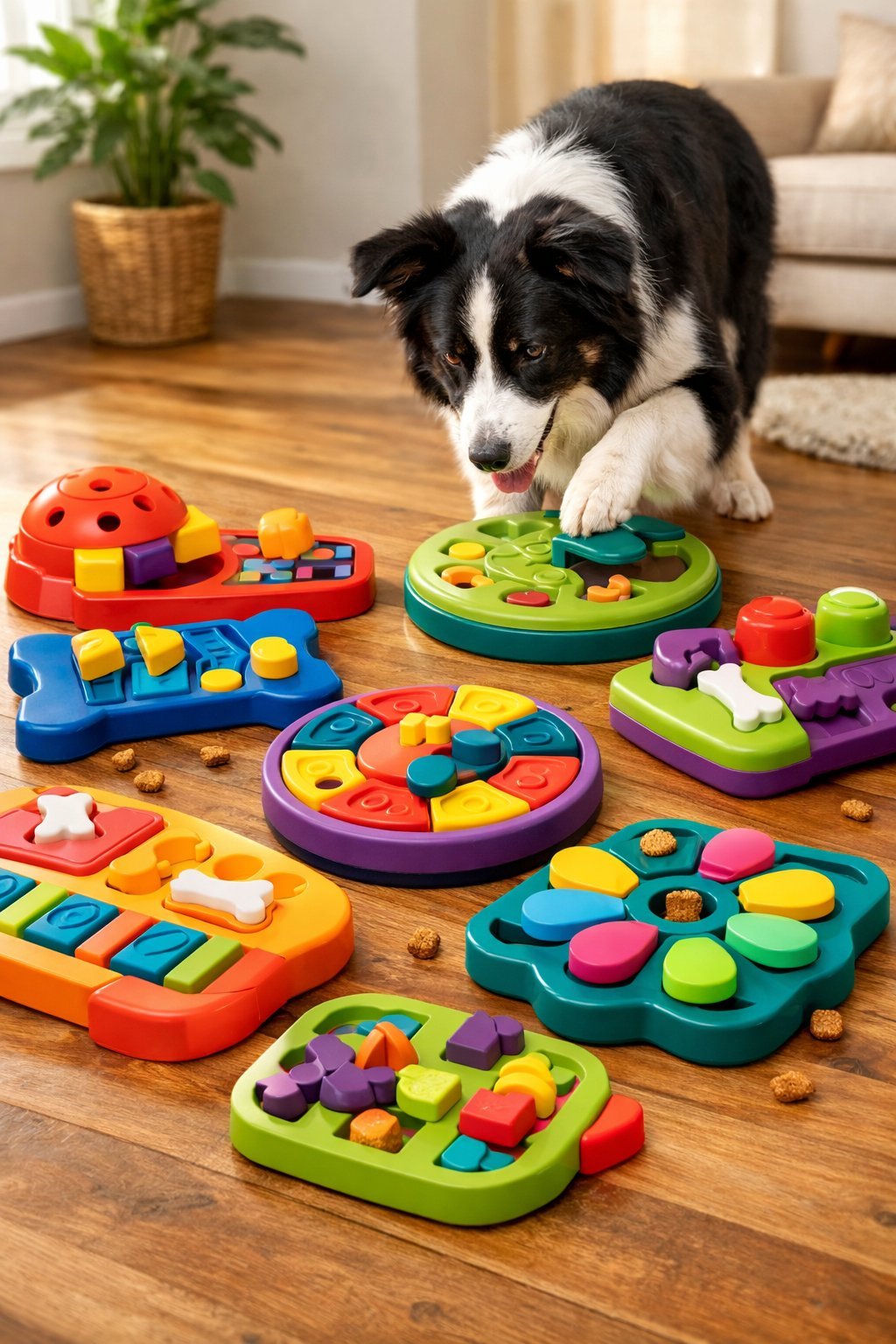
Smart dogs need toys that keep their minds busy and prevent boredom. The right puzzle toys give mental exercise while rewarding your pup with treats or kibble.
Interactive Food Dispensers
Interactive food dispensers are great for dogs who eat too fast or need extra mental stimulation at mealtime. These toys release food slowly as your dog rolls, pushes, or manipulates them.
Food-dispensing balls are super popular because they roll unpredictably, making your dog chase and interact with them to get kibble to fall out.
Some dispensers let you adjust the difficulty by changing the size of the openings. This way, the toy can grow with your pet as they get better at solving it.
I recommend starting with an easy setting and making it harder as your dog gets the hang of it. That way, they build confidence and problem-solving skills without getting frustrated.
Multi-Layer Puzzle Games
Multi-layer puzzle games have compartments, sliding pieces, and hidden treat areas that your dog has to figure out. These toys challenge your dog’s problem-solving skills in different ways.
Some puzzles have flip lids your dog lifts with their nose or paw. Others have sliding drawers that move in different directions to reveal treats.
The most advanced puzzles combine several types of challenges in one toy. Many puzzle boards offer different levels, from beginner to expert, so you can match the difficulty to your dog’s abilities.
You can also pick puzzles with more or fewer compartments depending on how long you want the activity to last.
Treat-Hiding Toys
Treat-hiding toys tap into your dog’s natural sniffing and foraging instincts. These toys hide treats in pockets, flaps, or crevices for your dog to seek out.
Snuffle mats are a favorite—they mimic searching through grass. You hide treats deep within fabric strips, and your dog uses their nose to find every piece.
Plush toys with multiple hiding spots work similarly and often have squeakers for extra fun. These toys are awesome for high-energy dogs who need to burn mental energy.
The search-and-find aspect can really tire out even the smartest pups.
Benefits of Puzzle Toys for Intelligent Dogs
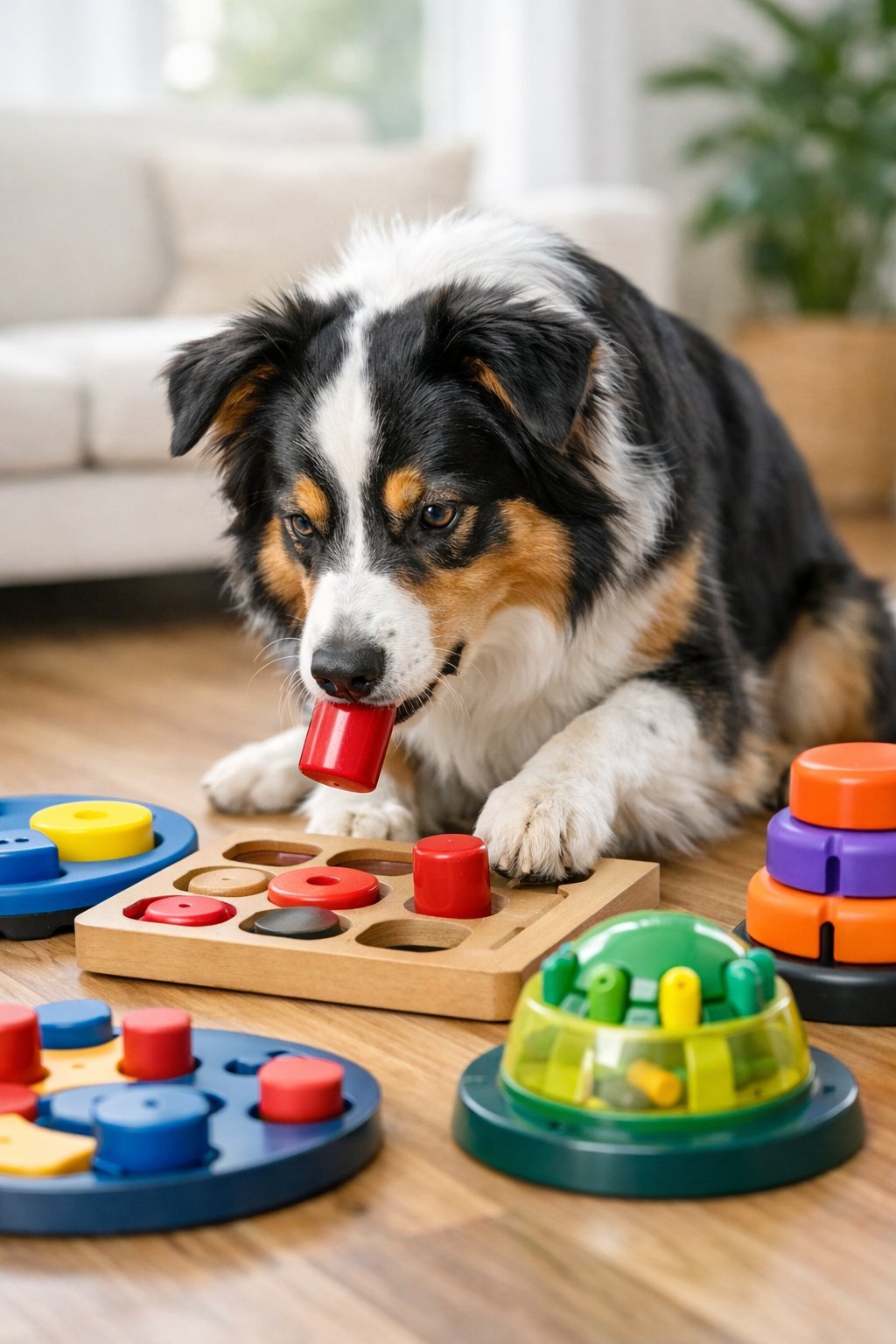
Smart dogs need more than just regular play to stay happy and healthy. Puzzle toys give their brains a workout and help keep destructive habits in check.
Mental Stimulation and Engagement
Intelligent dogs need regular mental exercise just like they need physical activity. Without it, even the smartest breeds can get restless.
Daily use of puzzle toys can help stimulate a dog’s mind by making them solve problems. This boosts cognitive skills like memory and patience.
When my dog works through a puzzle toy, I can see the concentration on their face as they figure out how to get the treats. These toys keep dogs busy for longer stretches and offer a focused activity that requires thinking.
The mental workout tires them out in a different way than a walk or fetch does. I like that there are different difficulty levels, so I can keep challenging my dog as they improve.
Reducing Boredom and Destructive Behavior
Smart dogs often develop destructive habits like chewing furniture or digging when they’re bored. I’ve seen this happen when dogs don’t get enough mental stimulation.
Puzzle toys give dogs a positive outlet for their energy and intelligence. When my dog has a puzzle to work on, they’re less likely to look for trouble around the house.
Bored dogs need something to occupy their minds. Without enrichment, they’ll make their own fun, which usually means destroyed shoes or dug-up gardens.
On days when my dog uses puzzle toys, they’re noticeably calmer and more content. These toys give dogs a job to do, which is especially important for working breeds and high-energy pups.
Encouraging Problem-Solving Skills
Puzzle toys are interactive toys that challenge dogs to think, not just play. Each one hides treats or dry food that dogs have to work hard to find.
I watch my dog learn new strategies with every puzzle. They remember what worked before and use those tricks on new toys.
The process teaches patience and persistence. My dog has learned that giving up doesn’t work, but trying different ways does.
These problem-solving skills can help with training and everyday life, too. Starting with easier puzzles and leveling up as your dog improves is the way to go.
Choosing the Right Puzzle Toy for Your Smart Dog
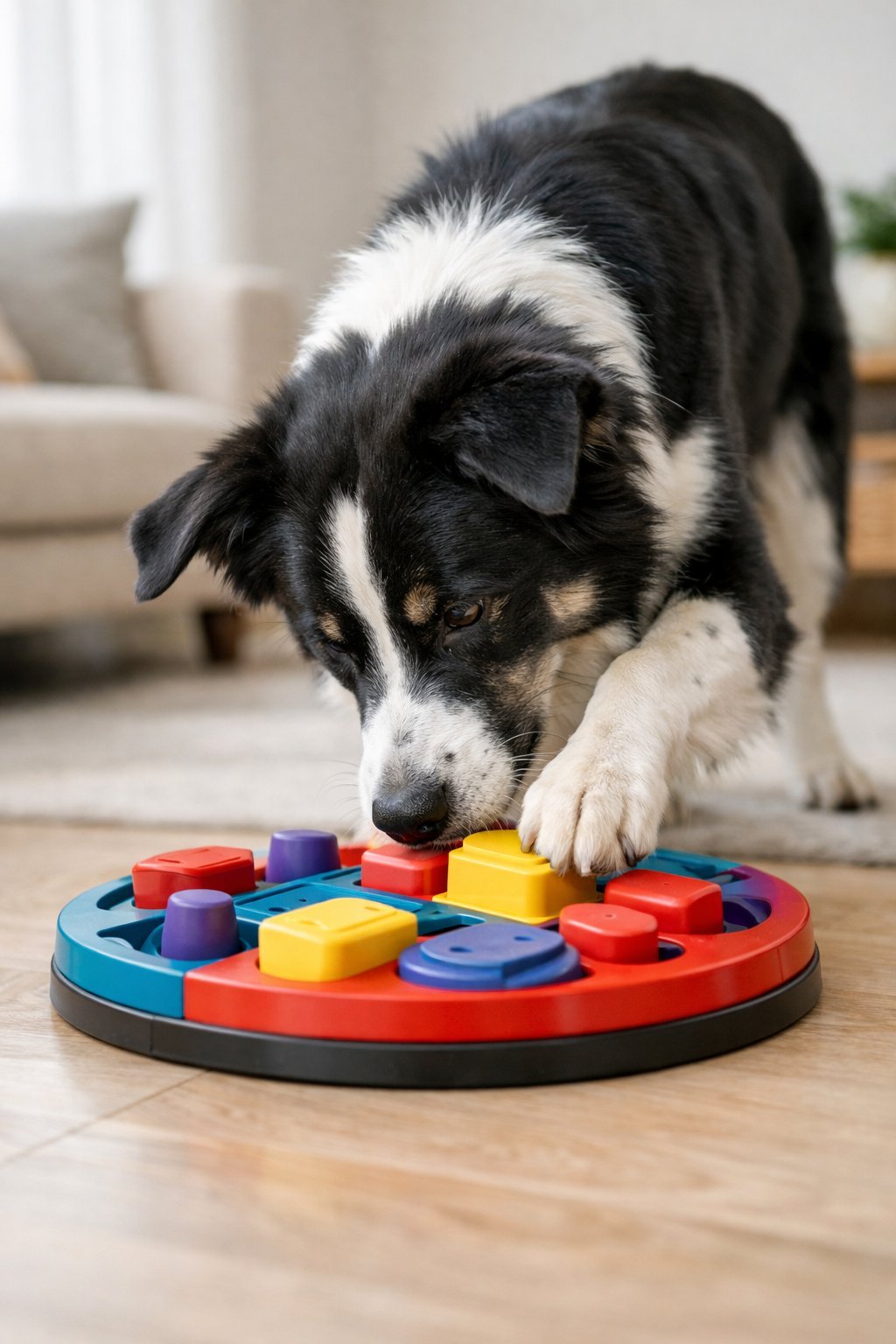
Smart dogs need the right level of challenge to stay engaged. The best puzzle toy depends on your dog’s size, mental abilities, and play style.
Considering Your Dog’s Size and Breed
I always start by picking a puzzle toy that matches my dog’s size. A tiny Chihuahua can’t handle the same puzzle as a German Shepherd.
Small dogs need puzzles with pieces they can actually move with their paws and nose. Large breeds need sturdier toys with bigger compartments that aren’t choking hazards.
Herding breeds like Border Collies and Australian Shepherds are great at complex puzzle toys because of their problem-solving instincts. Scent hounds use their noses more, so I pick puzzles that match those natural skills.
Different Difficulty Levels
I suggest starting with beginner-level toys even for smart dogs. Level one puzzles usually have simple sliding or lifting actions.
Intermediate puzzles combine multiple steps or require a sequence to solve. My dog needed about two weeks with basic puzzles before moving up.
Advanced puzzles have complex movements like rotating pieces or pressing buttons in order. If my dog solves a puzzle in under two minutes every time, I move to a harder one.
If they get frustrated after five minutes, I go back to an easier level.
Materials and Durability
Wood puzzles are super durable but cost more. I like them for dogs who chew aggressively.
Plastic toys are good for gentle dogs and are easy to clean. Rubber options handle rough play and outdoor use better.
I always check for:
- No small breakable parts
- Non-toxic materials and paints
- Smooth edges
- Easy cleaning
Heavy chewers need extra-tough puzzle toys. I replace any toy that shows cracks or damage right away.
Tips for Introducing Puzzle Toys
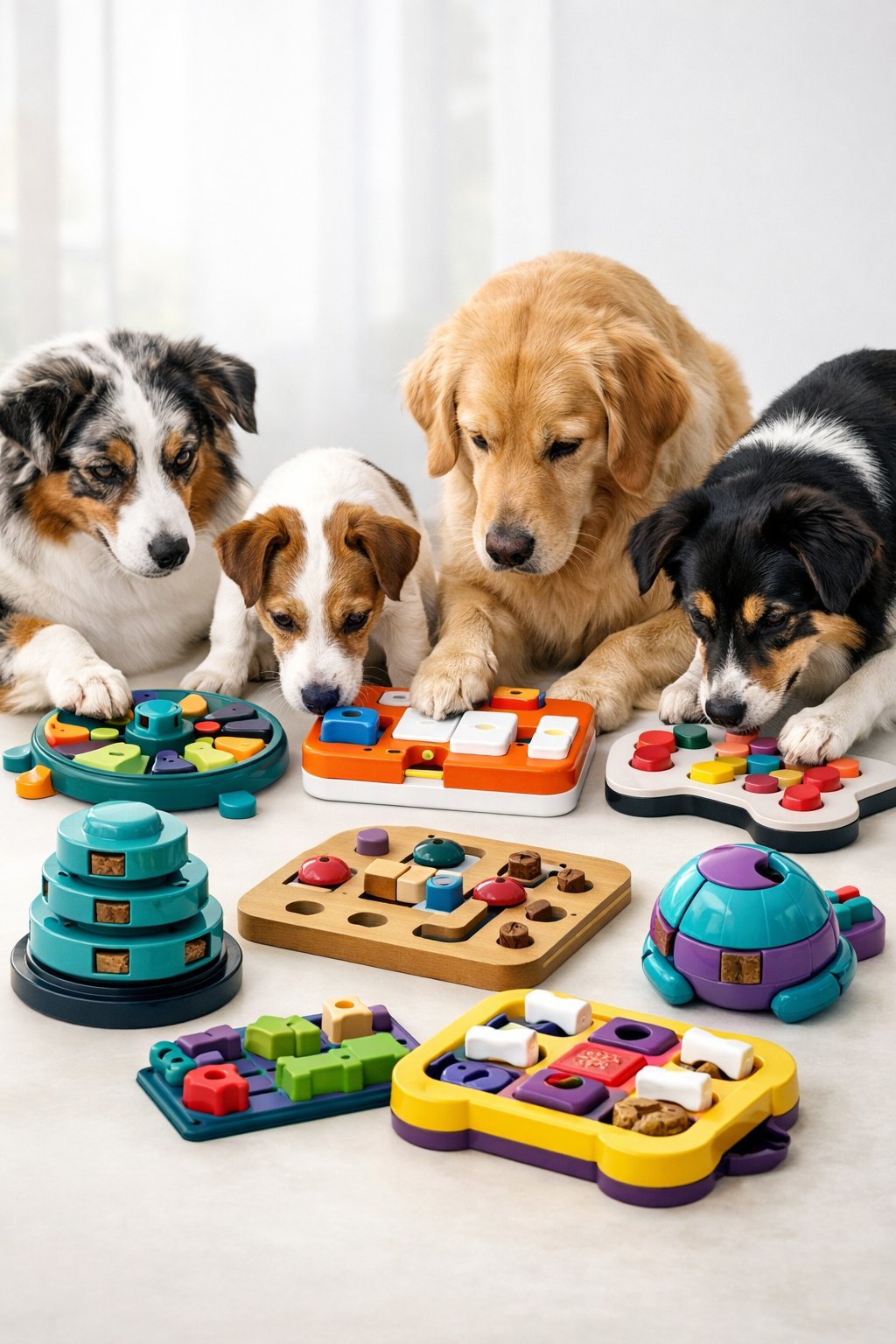
Starting your dog with puzzle toys takes patience and a smart approach. Begin with easy challenges and watch how your dog responds to keep things safe and fun.
Step-By-Step Introduction
I always tell dog owners to start with simple puzzle toys when introducing these games. Your dog needs to get the basic idea before moving to harder puzzles.
Put a few high-value treats in the easiest spots where your dog can see and smell them. Let them watch you hide the treats so they know there’s a reward inside.
Stay close during the first few sessions to encourage and guide them. If your dog seems frustrated or loses interest, make it even easier by leaving some treats partially visible.
You can make things harder once they master each level. Some dogs get it in minutes, others need a few days of practice.
Keep early sessions short—about 5-10 minutes—to prevent overwhelm. You can always add more puzzle time as they improve.
Monitoring Your Dog’s Progress
Watch your dog’s body language during puzzle play. A wagging tail and focused attention mean they’re having fun.
Signs of stress include heavy panting, whining, or walking away from the toy. I keep track of which puzzles my dog solves quickly and which take longer.
If your dog solves a puzzle in under two minutes every time, it’s time to level up to more complex options.
Notice your dog’s favorite types—some love sliding compartments, others like flipping or lifting pieces. This helps you pick puzzle toys that really challenge smart dogs.
Ensuring Safety During Play
I never leave my dog alone with puzzle toys, especially when they’re learning. Some dogs might chew pieces or try to rip the toy apart.
Check puzzle toys before each use for cracks, loose parts, or sharp edges. Remove any damaged toys right away to avoid choking or injuries.
Choose puzzle toys made from sturdy, non-toxic materials that match your dog’s size and chewing habits. Small pieces from toys for tiny dogs can be dangerous for bigger breeds.
Always match the toy size to your dog’s mouth and paws for safe play.
Caring for and Maintaining Dog Puzzle Toys
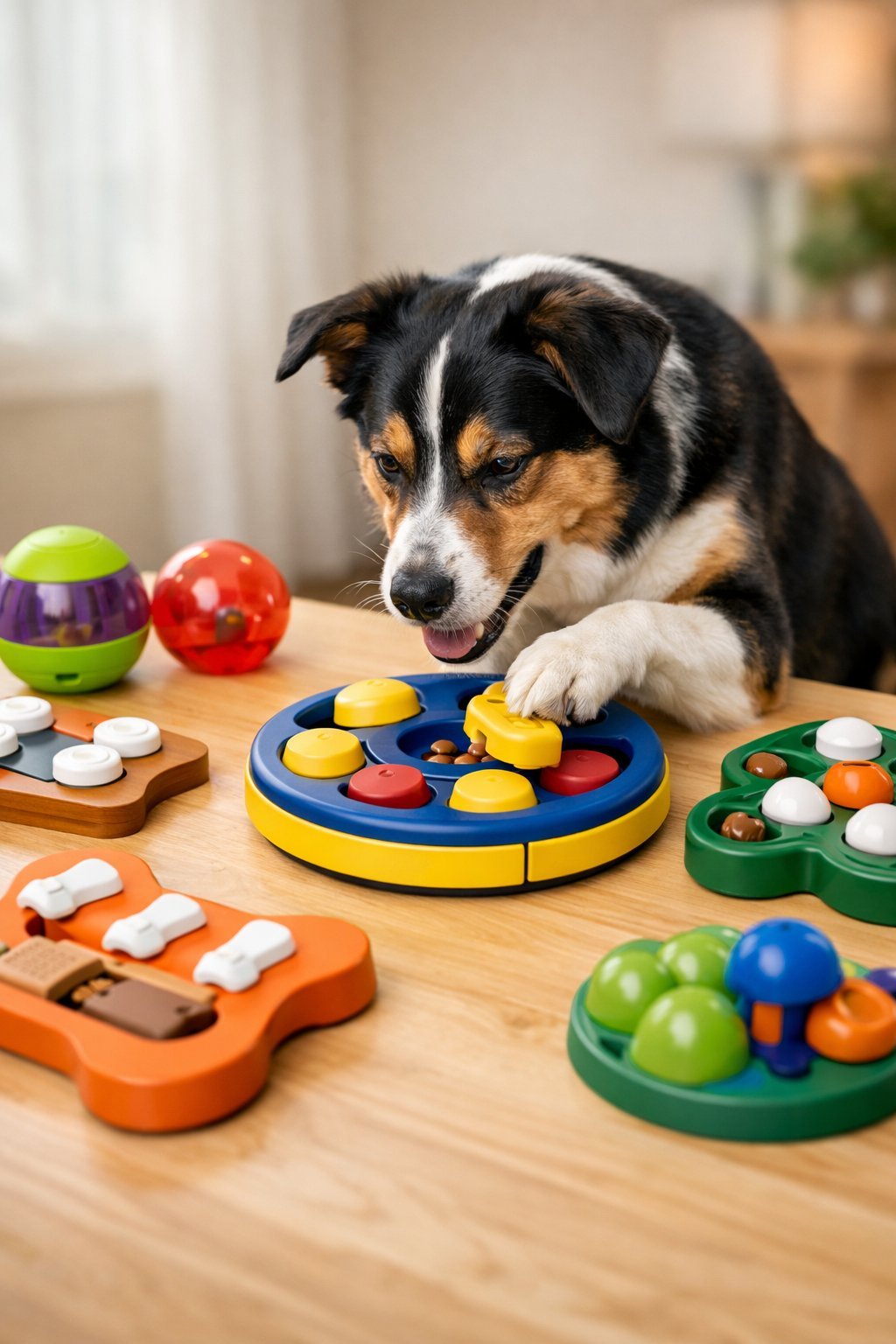
I always make sure to clean my dog’s puzzle toys regularly. I also check them for damage to keep my pup safe during playtime.
Proper Cleaning Methods
I clean my dog’s puzzle toys after every few uses to keep bacteria and smells away. For plastic and rubber toys, I use warm soapy water and a small brush to scrub out any stuck treats and drool.
After washing, I let the toys air dry completely before giving them back to my dog. Moisture inside the toys can lead to mold, which isn’t safe for pets.
If a toy is dishwasher safe, I put it on the top rack and use a normal cycle. I always check the manufacturer’s instructions first, since not all toys can handle the heat.
Wood puzzle toys need a bit more care. I just wipe them down with a damp cloth and never soak them in water.
Too much moisture can make the wood warp or crack over time.
Inspecting for Wear and Tear
I check my dog’s puzzle toys every week for cracks, loose pieces, or sharp edges. Damaged toys can break apart and become choking hazards or hurt my dog’s mouth.
I pay extra attention to moving parts like sliders and flaps. These parts get used a lot and wear out faster than the rest of the toy.
If I spot a toy with broken pieces or deep cracks, I toss it out right away. I don’t try to fix puzzle toys since quick repairs usually don’t last during playtime.
I also make sure all the small parts are still attached tightly. If anything feels loose or wobbly, I replace the toy to keep things safe.
