Dog Spaces in House: Creative Ideas to Design Perfect Areas for Your Furry Friend

Dog Spaces in House – Your dog deserves a comfortable spot in your home where they can relax, play, and feel safe. Creating a dedicated dog space in your house helps your pet feel more secure while keeping your home organized and protecting your furniture from wear and tear.
You can set up these spaces in many areas, including spare rooms, under staircases, in mudrooms, or even in corners of your living areas.

I’ve learned that designing a functional dog room doesn’t require a lot of space or money. Whether you live in a small apartment or a large house with a yard, you can create a special area that meets your dog’s needs.
The key is choosing the right location and adding features that make your dog comfortable. With smart design choices, your dog’s area can blend into your existing decor instead of looking out of place.
Key Takeaways
- Dog spaces can fit in any home size, from small corners to entire rooms dedicated to your pet
- A well-designed dog area includes comfortable bedding, storage for supplies, and easy-to-clean surfaces
- You can create both indoor and outdoor dog spaces that match your home’s style while meeting your pet’s needs
Creating Dedicated Dog Spaces in Your Home

The best dog spaces balance location, comfort, and safety to give your furry friend a place they can call their own. I’ll walk you through picking the perfect spot, making it cozy, and keeping it safe.
Choosing The Right Location
I recommend starting with a quiet corner away from high-traffic areas where your dog can rest without constant interruptions. Creating a dog nook in your living room works well because it keeps your pet close to family activities while giving them their own spot.
Think about your dog’s personality when picking a location. Does your pup like being in the middle of everything, or do they prefer peace and quiet?
I find that spaces near windows work great for dogs who enjoy watching the world outside. Avoid placing dog areas near heating vents, air conditioners, or drafty doors.
The temperature should stay comfortable year-round. Consider the floor type too.
Hardwood and tile are easier to clean than carpet, which matters when accidents happen or muddy paws come inside.
Designing a Comfortable Dog Zone
I always start with a quality dog bed that matches your pet’s size and sleeping style. Some dogs curl up tight while others stretch out completely.
Add these essentials to make the space truly comfortable:
- Soft bedding with washable covers
- Favorite toys within easy reach
- Water bowl to keep your dog hydrated
- Storage bins for supplies and treats
Functional dog spaces blend storage with comfort by keeping everything your pup needs in one place. I like using bins or baskets to organize toys, leashes, and grooming supplies.
Personalize the area with touches that reflect your home’s style. You can match the dog bed colors to your decor or add wall art featuring paw prints.
Safety Considerations for Dog Areas
I make sure all electrical cords are tucked away or covered since curious dogs love to chew. Remove any small objects your dog could swallow or choke on.
Check that the space has proper ventilation and good lighting. Dogs need fresh air and shouldn’t be stuck in dark, stuffy corners.
Use non-toxic materials for everything in your dog’s area. Paint, cleaners, and fabrics should all be pet-safe options.
Secure any furniture or shelving that could tip over if your dog bumps into it or tries to climb. Keep harmful plants, chemicals, and medications completely out of reach.
I also avoid placing the dog space near stairs where an excited pup could tumble down.
Indoor Dog Spaces for All Home Sizes

Every home can accommodate a special spot for your dog, regardless of square footage. The key is choosing solutions that match your available space while keeping your pet comfortable.
Small Apartment Solutions
Living in a small apartment doesn’t mean I can’t create a cozy space for my dog. I focus on furniture that serves double duty, like crate tables that offer storage and pet space.
Space-Saving Ideas:
- Under-stair nooks converted into dog dens
- Corner crates with cushioned tops for extra seating
- Wall-mounted food and water stations
- Fold-away beds that tuck under furniture
I recommend measuring my dog first to ensure any furniture-style crate fits properly. A 47.2-inch crate table works well for dogs between 50-95 pounds and includes a removable divider for customization.
Vertical storage helps me keep toys and supplies organized without cluttering floor space. I use wall hooks for leashes and hanging baskets for treats.
Dog Spaces for Larger Homes
With more room to work with, I can get creative with dedicated dog rooms that blend style and comfort. A full room gives my dog freedom to play and relax.
I think about including these features:
Essential Room Elements:
- Durable, easy-to-clean flooring
- Built-in feeding stations at comfortable heights
- Storage cabinets for food, toys, and grooming supplies
- Dog washing stations with handheld sprayers
- Large windows for natural light
- Climate control for year-round comfort
Some homeowners create entertainment centers that double as spacious indoor dog houses, providing plenty of counter space for decor while giving dogs room inside. I can also transform mudrooms or laundry rooms into multi-purpose areas that serve both my household needs and my pet’s comfort.
Utilizing Unused Rooms and Corners
I look around my home for spots that sit empty most of the day. These areas can become perfect dog zones with minimal renovation.
Dead space under staircases transforms into cozy indoor dog houses with simple gates or doors. I add soft bedding and ambient lighting to make it inviting.
Underused Spaces to Consider:
- Hallway alcoves
- Breakfast nook corners
- Guest bedroom closets
- Garage entry areas
- Bay window seats
I make sure any converted space has proper ventilation and lighting. Adding a small fan or opening nearby windows keeps air flowing.
Corner spaces work especially well because I can use two walls for mounting shelves and hooks, maximizing vertical organization while keeping the floor clear for my dog’s bed or crate.
Essential Features of an Ideal Dog Area

A great dog space needs comfortable places to rest, items that keep your pup entertained, and surfaces that handle messes without extra work. These basics make the area work for both you and your dog.
Bedding and Rest Areas
I always start with a quality dog bed that fits my dog’s size and sleeping style. Large dogs need beds with plenty of room to stretch out, while smaller dogs often prefer beds with raised sides that create a cozy den feeling.
The location of your dog’s rest area matters just as much as the bed itself. I look for quiet spots away from high-traffic areas where my dog can relax without interruptions.
Under-the-stairs nooks work well for smaller dogs, while spare bedrooms offer nervous dogs a private retreat.
Key bedding features I prioritize:
- Washable, removable covers for easy cleaning
- Orthopedic foam for older dogs with joint issues
- Waterproof liners to protect against accidents
- Non-slip bottoms that stay in place
I keep extra blankets nearby so my dog can adjust their comfort level. Some dogs like to burrow, while others prefer to sleep on top of their bedding.
Toys and Enrichment Items
I include a variety of toys that serve different purposes in my dog’s space. Chew toys keep teeth clean and provide mental stimulation during alone time.
Puzzle toys filled with treats challenge my dog’s problem-solving skills and prevent boredom. I rotate toys every few days to keep things interesting.
This makes old toys feel new again and prevents my dog from losing interest. I store extra toys in bins or baskets within the dog area for easy access.
Types of enrichment I include:
- Interactive toys that dispense treats
- Durable chew toys made from safe materials
- Soft plush toys for comfort
- Balls and fetch toys for playtime
I also add sensory stimulation elements like snuffle mats or lick pads. These items engage my dog’s natural instincts and provide calming activities.
Easy-to-Clean Surfaces
I choose flooring that can handle muddy paws, spills, and accidents without staining or warping. Tile, vinyl, and sealed concrete work best in dog areas because they wipe clean quickly and resist moisture.
Durable, stain-proof fabrics make a huge difference for any furniture in the space. I use washable area rugs that I can throw in the washing machine when they get dirty.
Hard-surface floors paired with these rugs give my dog traction while keeping cleanup simple. I avoid carpeting in dog spaces because it traps odors and stains.
If I must have carpet, I pick low-pile options treated with stain resistance. I also keep cleaning supplies nearby, including:
- Pet-safe floor cleaner
- Paper towels or cleaning cloths
- Odor neutralizer spray
- Vacuum designed for pet hair
Regular cleaning prevents dirt and bacteria buildup. I vacuum or sweep the area multiple times per week and wash bedding at least once a week to maintain a healthy environment for my dog.
Incorporating Dog Spaces Into Home Decor

I’ve found that creating dedicated areas for my dog doesn’t mean sacrificing style. The key is choosing designs that match my existing furniture and using creative solutions that make these spaces feel intentional rather than like an afterthought.
Blending Dog Areas With Interior Design
I always start by selecting dog furniture that matches my home’s color scheme and materials. Built-in dog beds can be integrated into lower cabinets or under staircases, which keeps them from looking clunky while giving my pup a cozy retreat.
Stylish pet gates that blend with my decor work better than basic metal ones. I look for gates in wood finishes or colors that match my walls and trim.
For feeding stations, I use elevated bowls in ceramic or stainless steel that sit on stands matching my kitchen hardware. Some homeowners build these directly into kitchen islands or mud room cabinetry for a seamless look.
I avoid bright plastic toys in my main living areas. Instead, I keep chew-resistant toys in neutral tones in decorative baskets that double as storage and decor.
Creative DIY Dog Spaces
I’ve created cozy spots under stairs by adding soft blankets, pillows, and simple wall art. This uses space that would otherwise go to waste.
Repurposed furniture works great for dog spaces. I’ve turned old end tables into dog bed frames and converted vintage crates into feeding stations.
These projects cost less than buying new pet furniture.
For dog room storage, I use labeled bins to organize leashes, treats, and grooming supplies. Wall-mounted hooks keep items off the floor while staying accessible.
I built a simple washing station in my mudroom using a large plastic tub, a handheld shower head, and waterproof flooring. This keeps bath time contained and makes cleanup easier.
Outdoor Dog Spaces for Houses With Yards
Creating outdoor spaces for your dog requires proper boundaries and comfortable areas where they can relax. The right setup keeps your pet safe while giving them room to enjoy fresh air and exercise.
Safe Fencing Options
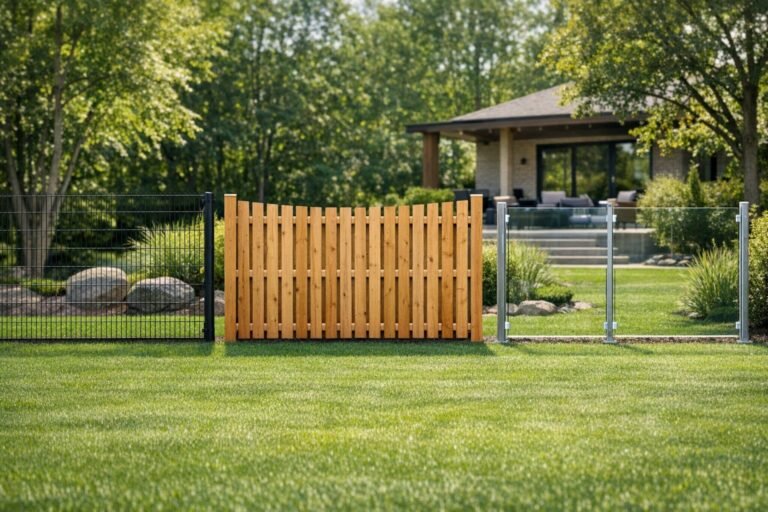
I always recommend starting with sturdy fencing that matches your dog’s size and energy level. For small dogs, a four-foot fence usually works well.
Larger or more athletic breeds need six-foot fencing to prevent jumping.
Chain link fencing offers durability and visibility at a lower cost. Wood privacy fences give your dog a calmer environment by blocking outside distractions.
Vinyl fencing requires less maintenance and won’t splinter or rot over time.
I check the bottom of my fence line regularly for gaps. Dogs can dig under fences or squeeze through small openings.
Adding concrete footers or buried wire mesh along the base stops escape attempts.
Gate security matters just as much as the fence itself. I use self-closing hinges and latches that dogs can’t easily open.
Double-checking that gates close completely prevents accidental escapes when guests visit.
Shaded Rest Zones
Dogs need protection from direct sunlight, especially during hot weather. I create multiple shaded spots around my yard so my dog can choose comfortable resting areas throughout the day.
Natural shade from trees provides the best cooling effect. Deciduous trees offer summer shade while allowing winter sunlight through bare branches.
If you don’t have mature trees, consider planting fast-growing varieties or installing shade sails.
A dog house with proper ventilation creates a permanent shaded retreat. I position mine in a naturally shaded area for extra cooling.
Adding a raised floor keeps the interior dry and improves air circulation.
Covered patios or pergolas work well for dogs who like staying close to the house. I place water bowls in shaded areas and refresh them frequently.
Cooling mats or elevated beds in these zones help regulate body temperature during summer months.