
Dog Training Tips: Simple Methods to Teach Your Puppy Good Behavior Fast

Dog Training Tips – Training a dog takes patience, consistency, and the right approach. The most effective way to train your dog is through positive reinforcement, which means rewarding good behavior with treats, praise, or playtime instead of punishing mistakes.
This method builds trust between you and your pet while making learning fun for both of you.

I’ve found that understanding how dogs think and communicate makes training much easier. Dogs learn through repetition and clear signals, so keeping training sessions short and focused helps them remember what you teach.
Whether you’re working on basic commands like sit and stay or dealing with problem behaviors like jumping or barking, the same principles apply.
Starting with the basics sets your dog up for success throughout their life. I’ll walk you through essential training techniques and tips that work for puppies and adult dogs alike.
We’ll cover everything from housebreaking to teaching commands to handling challenging situations.
Key Takeaways
- Positive reinforcement creates better results than punishment and strengthens your bond with your dog
- Consistency and short training sessions help dogs learn commands and behaviors more effectively
- Understanding dog body language and behavior patterns makes addressing problems easier
Understanding Canine Behavior
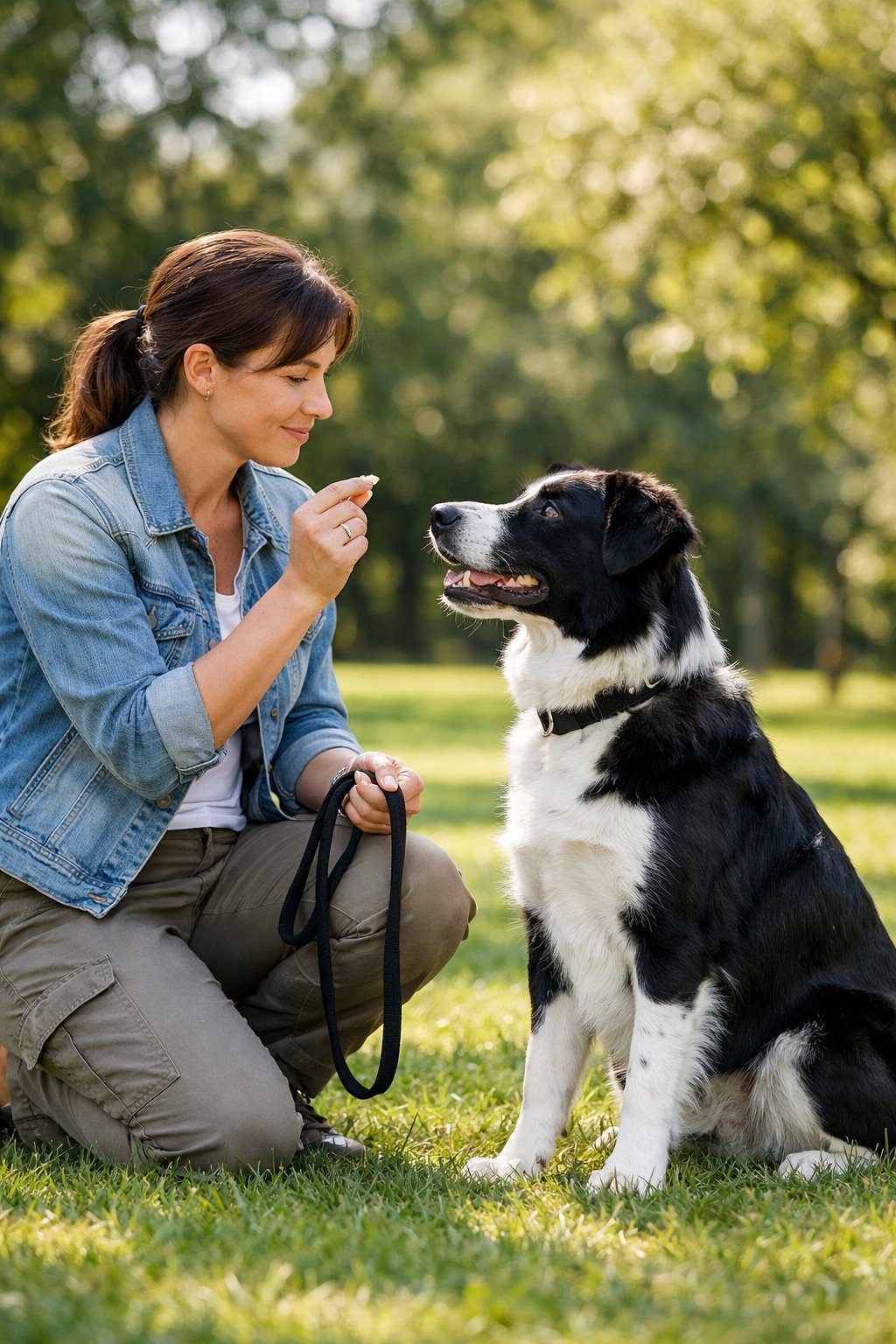
Dogs communicate constantly through their body movements, sounds, and facial expressions. Learning to read these signals helps me train more effectively and prevents misunderstandings that can lead to behavioral problems.
The Importance of Canine Communication
Dogs don’t use words, but they share their feelings and needs through body language, barking, whining, and growling. When I pay attention to how my dog communicates, I can respond appropriately to what he’s trying to tell me.
Understanding how dogs communicate helps me become a better trainer. If my dog freezes or turns his head away during training, he might be uncomfortable or stressed.
When I notice these signals, I can adjust my approach before frustration builds. Dogs also communicate through play bows, tail position, and ear movements.
A relaxed dog has soft eyes and a loose body. An anxious dog might have tight muscles, whale eyes (showing the whites), or a tucked tail.
Recognizing these differences lets me modify training sessions to keep my dog feeling safe and confident.
Recognizing Body Language
I watch several key areas to understand what my dog is feeling. Tail position tells me a lot—a high, stiff tail often means alertness or arousal, while a low or tucked tail usually indicates fear or submission.
A relaxed, wagging tail that moves the whole back end shows happiness. Ears provide important clues too.
Forward-facing ears suggest interest or attention. Pinned-back ears often signal fear or anxiety.
Eyes reveal emotion through their shape and focus. Soft, relaxed eyes mean comfort, while hard staring can indicate a challenge or high stress.
I also look at overall body posture. A dog leaning forward appears confident or curious.
A dog leaning back or crouching low feels uncertain or scared. Recognizing these behaviors helps me know when to push forward with training and when to slow down.
Building Trust with Your Dog
Trust forms the foundation of successful training. I build trust by being consistent with my commands, rules, and expectations.
When my dog knows what to expect from me, he feels more secure. I use positive reinforcement rather than punishment.
Rewarding good behavior with treats, praise, or play teaches my dog that working with me leads to good things. Starting with the basics using positive reinforcement keeps training fun and effective.
I also respect my dog’s boundaries. If he shows signs of stress during training, I take a break or change activities.
Pushing too hard damages trust. Being patient and understanding creates a stronger bond that makes all future training easier.
Essential Training Methods
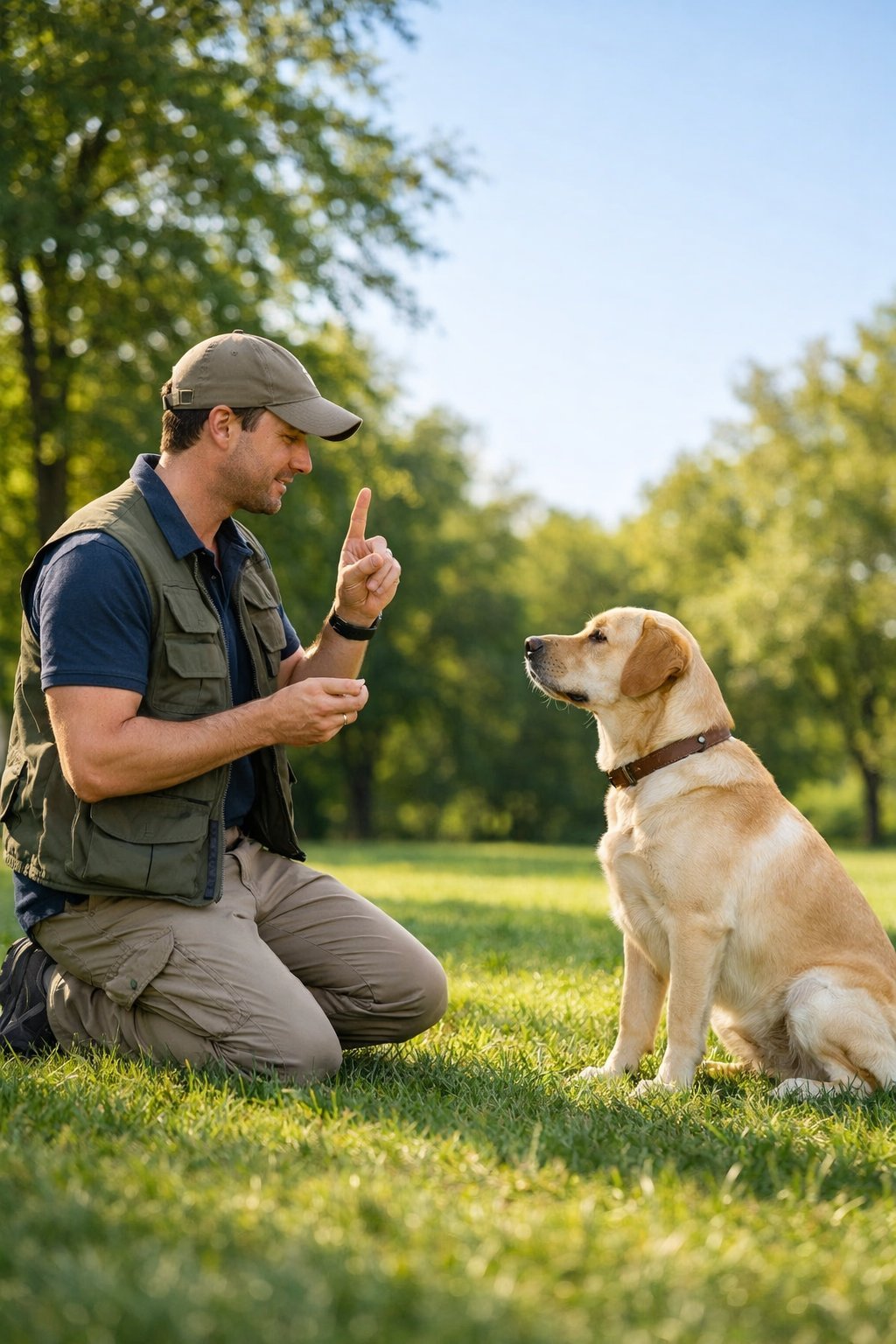
Rewarding good behavior, using the same words every time, and guiding your dog step by step form the foundation of effective training.
Positive Reinforcement Techniques
I find that positive reinforcement is the most effective way to train dogs. This method involves rewarding your dog immediately after they do something right.
The reward can be a treat, praise, toy, or playtime. Timing matters a lot.
I give the reward within seconds of the desired behavior so my dog connects the action with the positive outcome. Science-backed training approaches show that positive reinforcement builds trust between you and your dog.
It makes training sessions fun instead of stressful. Your dog learns faster when they associate training with good things.
I avoid punishment-based methods because they can create fear and anxiety. Instead, I ignore unwanted behaviors and redirect my dog to something better.
When my dog sits instead of jumping, I reward that choice right away.
Consistency in Commands
I use the same word for each command every single time. If I say “down” one day and “lie down” the next, my dog gets confused.
Everyone in my household uses identical commands and hand signals. This prevents mixed messages.
I also keep my tone consistent so my dog recognizes the command easily. Building a strong relationship through consistent guidance helps dogs learn faster.
I practice commands in different locations once my dog masters them at home. This teaches them to respond in the park, on walks, and at friends’ houses.
I train at the same times each day when possible. Short five to ten minute sessions work better than long ones.
My dog stays focused and doesn’t get tired or bored.
Shaping Desired Behaviors
I break big behaviors into small steps my dog can learn one at a time. This process is called shaping.
For example, teaching “stay” starts with my dog staying for just two seconds before I reward them. I gradually increase the difficulty as my dog succeeds.
I might add three more seconds, then five, then ten. If my dog struggles, I go back to an easier step.
I reward attempts that get closer to the final behavior. When teaching my dog to roll over, I first reward them for lying down, then for leaning to one side, then for going halfway over.
Each small success builds toward the complete action. This method works well for complex behaviors that seem too hard at first.
I stay patient and celebrate small wins along the way.
Establishing Good Habits
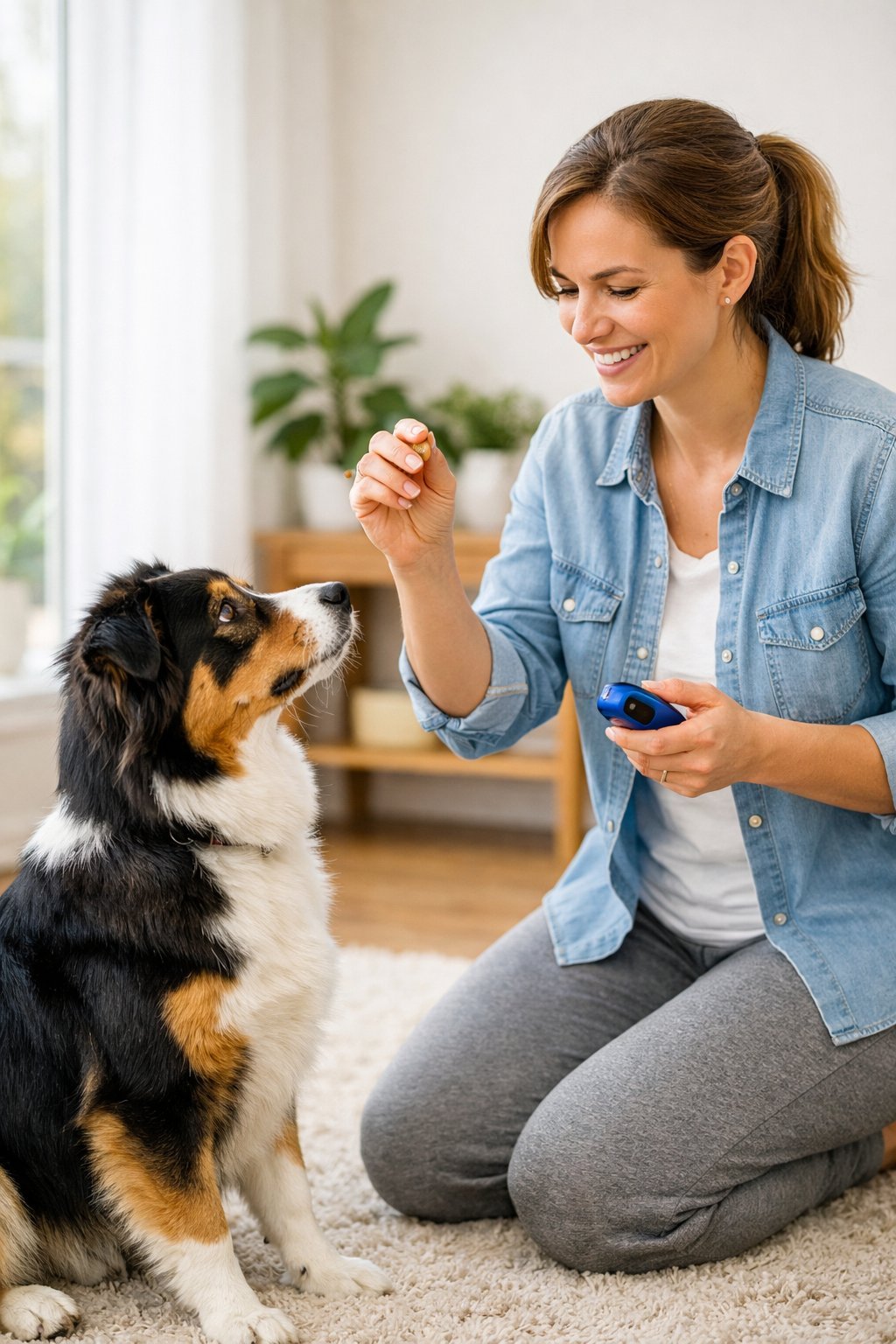
Building strong habits from day one makes training easier and helps your dog understand what you expect. A consistent schedule, clear rules about spaces, and regular contact with other dogs create a framework for good behavior.
Creating a Daily Routine
I always recommend establishing good habits early because dogs thrive on predictability. When I feed my dog at the same times each day, take walks at regular hours, and schedule play sessions consistently, my dog knows what to expect and feels more secure.
I set specific times for meals, bathroom breaks, training sessions, exercise, and rest. This helps with housetraining because my dog’s body gets used to a schedule.
I typically feed adult dogs twice daily and take them outside first thing in the morning, after meals, after playtime, and before bed.
My daily routine includes:
- Morning: Bathroom break, breakfast, short walk
- Midday: Bathroom break, training session, playtime
- Evening: Dinner, longer walk, quiet time
- Bedtime: Final bathroom break
I stick to this schedule even on weekends. When my dog knows what comes next, I see less anxiety and fewer behavior problems.
Setting Boundaries at Home
I use positive reinforcement to teach my dog which spaces are allowed and which aren’t. I decide from the start whether my dog can go on furniture, enter certain rooms, or beg at the table during meals.
I recommend prioritizing crate training because it gives your dog a safe space and helps with housetraining. I never use the crate as punishment.
Instead, I make it comfortable with blankets and toys so my dog sees it as their own room. I keep rules consistent across all family members.
If I don’t allow jumping on guests, no one else should allow it either. Mixed messages confuse dogs and slow down training progress.
Socialization with Other Dogs
I make sure to regularly socialize my dog to new environments, people, and other animals. This prevents fear and aggression issues later.
I start socialization as early as possible, ideally between 3 and 14 weeks of age. I introduce my dog to other dogs in controlled settings like puppy classes or arranged playdates with vaccinated, friendly dogs.
I watch body language carefully during these meetings. Relaxed posture, play bows, and gentle sniffing are good signs.
I expose my dog to different sizes and breeds gradually. I don’t force interactions if my dog seems scared.
Instead, I keep distance and reward calm behavior around other dogs. Over time, I slowly decrease the distance as my dog gains confidence.
Addressing Common Behavior Issues

Most dog behavior problems stem from boredom, lack of training, or confusion about what you expect from them. I’ll show you practical ways to handle barking, jumping, and leash pulling that actually work.
Managing Unwanted Barking
I’ve found that understanding why your dog barks is the first step to fixing it. Dogs bark to alert you, get attention, express anxiety, or respond to other dogs.
For alert barking, I teach the “quiet” command by letting my dog bark a few times, then saying “quiet” while holding a treat near their nose. When they stop to sniff, I give praise and the treat.
Practice this daily for best results. If your dog barks for attention, I ignore them completely until they’re quiet.
Don’t make eye contact or talk to them. The moment they stop, I reward the silence with attention or treats.
Training techniques that use positive reinforcement help your dog learn faster than punishment. I stay consistent with my responses so my dog learns what behavior I want.
For anxiety-related barking, I create a calm environment and give my dog puzzle toys or activities to keep their mind busy.
Preventing Jumping Up
I know how annoying it is when dogs jump on people, but they do it because it gets them attention. Even negative attention rewards the behavior.
My go-to method is turning away and ignoring my dog when they jump. I fold my arms, look at the ceiling, and stay silent.
Once all four paws are on the ground, I give them attention immediately. I teach everyone who visits to follow the same rule.
No petting or talking until the dog has all paws down. Consistency from everyone makes addressing common dog behavior issues much easier.
Alternative behaviors I teach:
- Sitting to greet people
- Going to a mat when guests arrive
- Holding a toy in their mouth
I practice greetings with my dog on a leash at first. This gives me control to prevent jumping before it happens.
Reducing Leash Pulling
Leash pulling happens because dogs walk faster than we do and get excited about everything outside. Letting them pull actually teaches them it works to get where they want to go.
I stop walking the instant my dog pulls. I stand still like a tree and wait.
When the leash goes slack, I praise them and start walking again. This teaches that pulling stops all forward progress.
My leash training checklist:
- Use a front-clip harness to reduce pulling power
- Keep the leash short enough to maintain control
- Reward my dog every few steps for walking beside me
- Practice in low-distraction areas first
I change direction frequently during walks. When my dog starts to pull, I turn and walk the opposite way.
This keeps their attention on me instead of everything else. I dedicate 10-15 minutes daily to focused leash training, separate from regular walks.
Advanced Training Tips
Once your dog masters basic commands, building impulse control, practicing commands in new places, and adding brain games will take their skills to the next level.
Teaching Impulse Control
I teach impulse control by making my dog wait before getting what they want. This skill helps them stay calm and make better choices in exciting situations.
Start with the “wait” command before meals. Hold your dog’s food bowl and ask them to sit.
If they lunge forward, pull the bowl back. Only put the bowl down when they stay calm and still.
Door manners work the same way. Before opening any door, ask your dog to sit and wait.
If they break the sit, close the door and try again. They only get to go through when they hold the position.
The “leave it” command is another key impulse control tool. Place a treat on the floor and cover it with your hand.
When your dog stops trying to get it, reward them with a different treat from your other hand.
I also practice impulse control during play. Stop the game randomly and ask for a sit or down.
This teaches your dog that good things continue when they show self-control.
Proofing Commands in Different Environments
Advanced dog training techniques require practicing commands in many locations with different distractions. Your dog might sit perfectly at home but ignore you at the park.
I start by training in my quiet backyard before moving to busier areas. Add one new distraction at a time instead of jumping straight to the dog park.
Practice the same commands at:
- Different rooms in your house
- Your front yard
- Quiet streets
- Busy sidewalks
- Pet stores
- Parks with other dogs
When your dog struggles in a new place, go back to basics. Use higher value treats and shorter distances.
I keep training sessions brief in distracting environments, around 5-10 minutes. Distance, duration, and distractions are the three Ds of mastering canine skills.
Only increase one at a time. If you add distance, reduce distractions.
If you extend duration, practice in an easier location.
Using Games for Mental Stimulation
Mental exercise tires dogs out just as much as physical activity. I use training games to keep my dog engaged and build their problem-solving skills.
Hide and seek teaches your dog to find you using their nose and ears. Have someone hold your dog while you hide, then call them to find you.
Start with easy hiding spots and make them harder over time.
The shell game builds focus and scent work. Put a treat under one of three cups, shuffle them around, and let your dog find it.
This game challenges their memory and concentration.
I play fetch with commands by asking for different behaviors before throwing the ball. My dog must sit, down, or spin before I release the toy.
This combines mental exercises with physical activity.
Treasure hunts involve hiding treats or toys around your house or yard. Start by letting your dog watch you hide them, then make it harder by hiding items while they wait in another room.
This taps into their natural foraging instincts and keeps them busy for 15-20 minutes.
