
Dog Training Treats: A Complete Guide to Choosing the Best Rewards for Your Pup

Training your dog takes patience, consistency, and the right rewards. The best dog training treats are small, soft, and highly appealing to your dog, making them perfect for quick rewards during training sessions.
I’ve found that having the right treats makes a huge difference in how fast dogs learn and how excited they get about training.
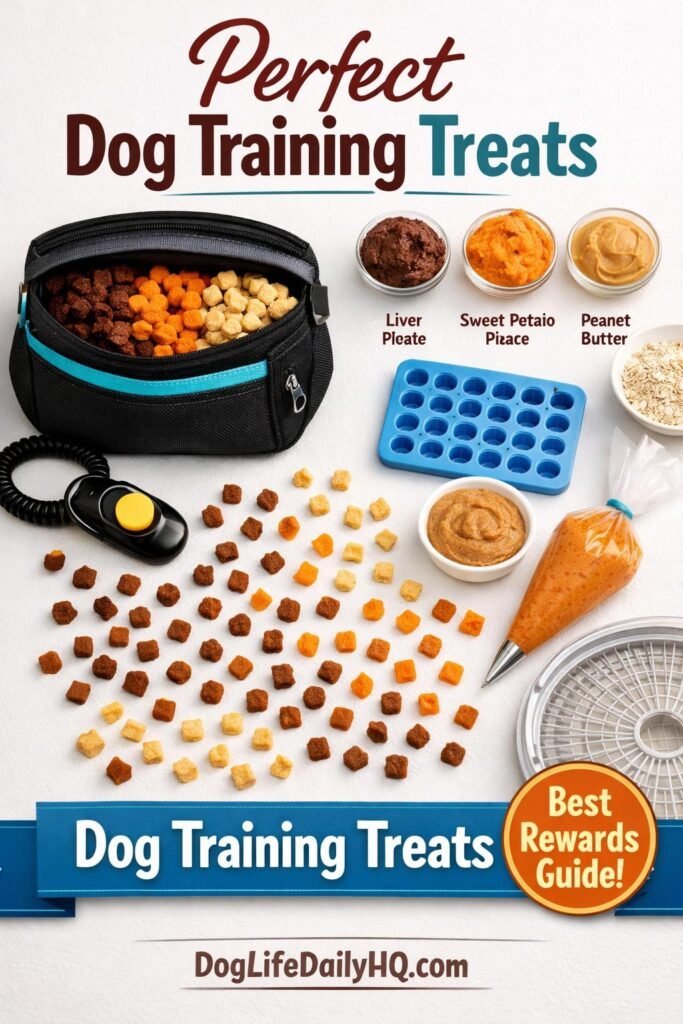
The treat you pick matters more than you might think. Professional dog trainers look for treats that balance taste, size, texture, and healthy ingredients.
When I’m working with a dog, I need treats that are easy to break into small pieces and won’t fill up their stomach too quickly. Whether you’re teaching basic commands or working on complex behaviors, understanding what makes a good training treat will help you succeed.
I’ll walk you through everything you need to know about picking and using treats that keep your dog motivated and healthy.
Key Takeaways
- Choose small, soft treats that your dog finds irresistible and can eat quickly during training sessions.
- Store treats properly and use them at the right time to make training more effective.
- Pick treats with quality ingredients that match your dog’s dietary needs and don’t cause stomach issues.
Understanding Dog Training Treats
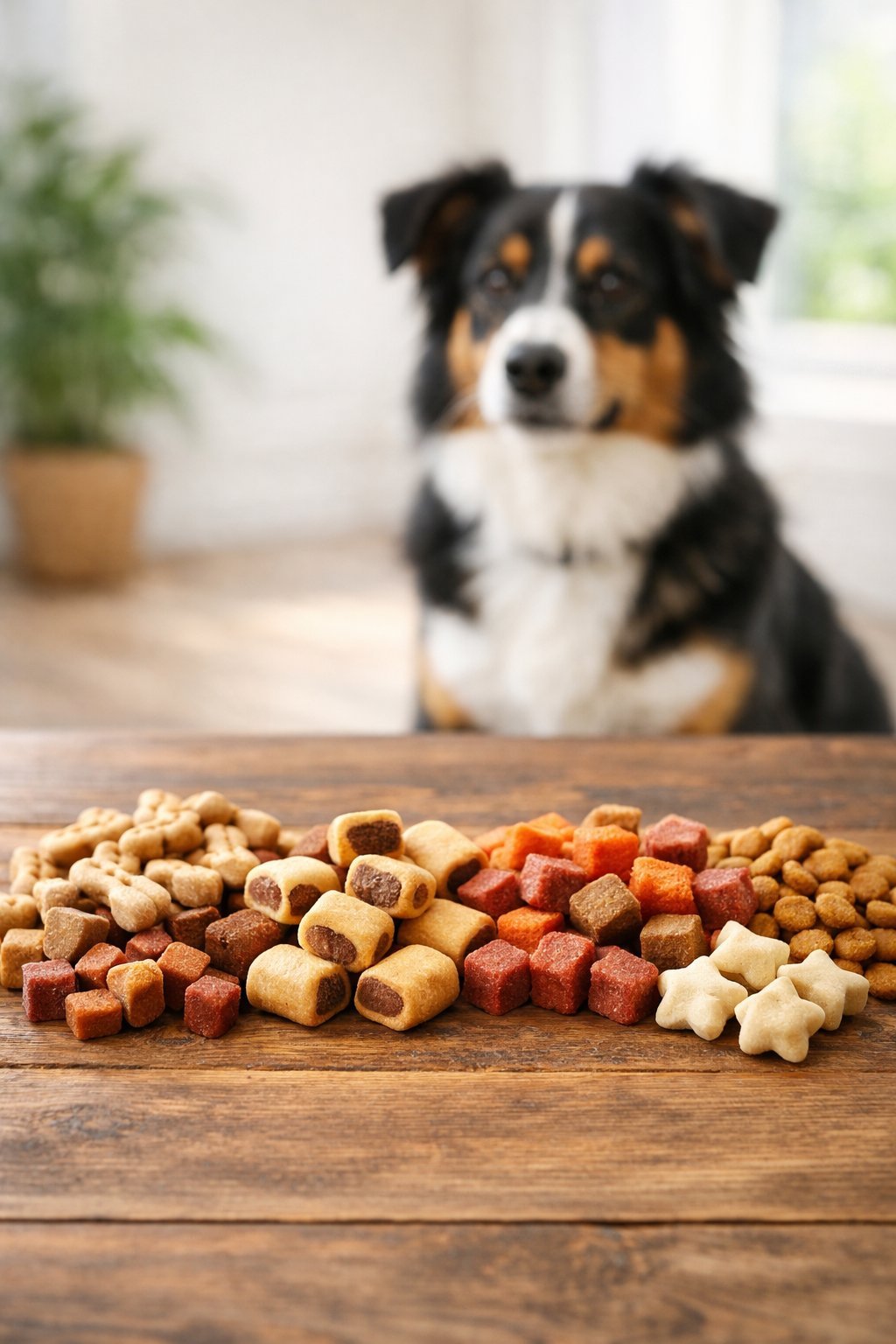
Training treats work as instant rewards that help dogs connect good behavior with positive outcomes. The right treats can speed up learning and keep your dog focused during training sessions.
What Are Dog Training Treats?
Dog training treats are small, tasty food rewards made specifically for teaching commands and reinforcing good behavior. Unlike regular dog treats or kibble, these are designed to be eaten quickly so training can continue without long breaks.
I find that training treats work best when they’re small and fast-eating, usually about the size of a pea or smaller. This size lets me give multiple rewards during a session without filling up my dog’s stomach or adding too many extra calories to their daily diet.
These treats come in different forms like soft and chewy pieces, freeze-dried meat, or crunchy bites. Soft treats are popular because dogs can swallow them fast and get back to learning right away.
How Training Treats Enhance Learning
Treats create an immediate connection between the action my dog performs and the reward they receive. This quick feedback helps dogs understand exactly what behavior I want them to repeat.
When I give a treat within seconds of my dog doing something right, their brain links the two events together. This process is called positive reinforcement, and it builds confidence while making training enjoyable for both of us.
The value of the treat matters too. High-value treats like chicken or cheese work well for teaching new or challenging behaviors. Lower-value treats like regular training biscuits are fine for practicing commands my dog already knows.
Understanding palatability preferences helps me match the reward to the difficulty level of what I’m teaching.
Choosing Treats for Different Training Goals
I select different treats based on what I’m trying to teach and where the training happens. For basic obedience like sit or stay, simple training biscuits work fine.
For harder tasks or distracting environments, I use extra-tasty options.
Training Goal Categories:
- Basic commands: Small kibble pieces or simple training treats
- New behaviors: Soft, smelly treats like chicken or liver
- Distraction training: High-value rewards like cheese or hot dog pieces
- Long sessions: Low-calorie options to avoid overfeeding
The texture matters based on timing needs. Soft treats work better for fast-paced training, while crunchy options can provide variety during longer practice sessions.
I also consider my dog’s dietary needs and any allergies when picking treats. Single-ingredient options give me better control over what goes into their diet during training.
Types of Dog Training Treats

Different treat types work better for different training situations. Soft treats are quick to eat, crunchy options help with dental health, freeze-dried treats offer intense flavors, and homemade treats let you control ingredients.
Soft and Chewy Treats
I find soft and chewy treats work best for most training sessions. Dogs can eat them quickly without needing to crunch or chew for a long time.
This keeps their attention on the training instead of the treat. Soft and stinky treats help motivate dogs during learning sessions.
The soft texture means I can break them into tiny pieces easily. Small pieces let me reward my dog many times without overfeeding.
These treats don’t create crumbs that distract dogs during training. I keep them in my pocket or treat pouch, and they stay fresh throughout the session.
The chewy texture also makes them appealing to picky eaters. Most soft treats contain more moisture than crunchy options.
I check the ingredients to make sure they don’t have too many fillers or artificial colors. Natural soft treats often use real meat or fish as the first ingredient.
Crunchy Training Treats
Crunchy treats work well for dogs who like different textures. They make a satisfying sound when dogs bite into them.
I use these treats for less intense training sessions or as rewards between exercises. The hard texture helps clean teeth while dogs chew.
Teaching new behaviors often requires small, fast-eating treats, so crunchy options might slow down training. I save these for dogs who already know the behavior well.
Breaking crunchy treats into smaller pieces can be harder than soft treats. Some create crumbs that fall on the floor and distract dogs.
I sometimes use them at the end of training as a special reward. These treats usually have a longer shelf life than soft options.
I store them in airtight containers to keep them fresh and crunchy.
Freeze-Dried and Dehydrated Options
Freeze-dried treats pack intense flavors into lightweight pieces. I use them when I need high-value rewards for challenging training tasks.
Dogs respond strongly to the concentrated meat or fish smell. The freeze-drying process removes moisture but keeps nutrients intact.
These treats break apart easily into any size I need. I can make them as small as a pea or keep them larger for special rewards.
Dehydrated treats work similarly but have a chewier texture. Both types don’t need refrigeration, which makes them easy to carry.
I take them to training classes, parks, or anywhere I go with my dog. The strong smell makes these treats perfect for outdoor training where distractions are high.
Dogs notice them even when other things compete for attention. Pure meat options work best for dogs with food sensitivities.
Homemade Dog Training Treats
Making treats at home lets me control every ingredient. I know exactly what goes into each batch.
This matters for dogs with allergies or sensitive stomachs. Simple recipes use ingredients I already have in my kitchen.
Basic treats need just a few items like flour, eggs, and peanut butter or meat. I bake them in small sizes perfect for training.
Homemade treats cost less than store-bought options over time. I make large batches and freeze extras for later use.
This saves money, especially if I train multiple dogs. I adjust recipes based on what my dog likes best.
Some dogs prefer treats with liver, while others like chicken or sweet potato. Making treats myself means I can test different flavors easily.
Fresh homemade treats need proper storage to stay good. I keep them in the refrigerator for up to a week or freeze them for longer storage.
How to Choose the Best Training Treats

The right training treats can make or break your dog’s learning experience. I focus on what my dog actually enjoys, the quality of ingredients, and any special dietary needs they might have.
Considering Your Dog’s Preferences
My dog won’t work for treats they don’t like, so I always test different options to find what gets them excited. Small, soft, and stinky treats help motivate dogs during training because they’re easy to eat quickly and smell appealing.
I look for treats that my dog can eat in one or two seconds. Hard or crunchy treats slow down training sessions because my dog spends too much time chewing instead of learning.
The size matters too. I use small treats about the size of a pea so I can reward my dog many times without overfeeding them.
When teaching new behaviors, I need to give treats frequently, and tiny portions keep my dog interested without filling them up.
Ingredient Quality and Nutrition
I read ingredient labels carefully to make sure I’m giving my dog healthy treats. Real meat, fish, or poultry should be listed as the first ingredient rather than fillers like corn or wheat.
I avoid treats with artificial colors, flavors, or preservatives. These additives don’t benefit my dog and might cause health problems over time.
Natural ingredients are always my first choice. Protein content is important.
I look for treats with at least 20-30% protein to support my dog’s muscle development and energy levels. Low-quality treats filled with starches and sugars don’t provide much nutrition.
I also check the calorie count. Training treats should be low in calories since I give so many during sessions.
I adjust my dog’s regular meals on heavy training days to prevent weight gain.
Allergies and Dietary Restrictions
My dog has a sensitive stomach, so I choose treats made with limited ingredients. Single-protein treats work well because I can identify exactly what my dog is eating.
If my dog has known food allergies, I stick to novel proteins they haven’t eaten before. Options like duck, venison, or fish can work when my dog reacts to common proteins like chicken or beef.
I watch for signs of food sensitivities after introducing new treats. Itching, digestive upset, or excessive licking might mean the treats don’t agree with my dog.
When this happens, I switch to a different protein source or simpler recipe. For dogs with grain allergies, I choose grain-free options made with vegetables or legumes instead of wheat or corn.
Using Treats Effectively in Training
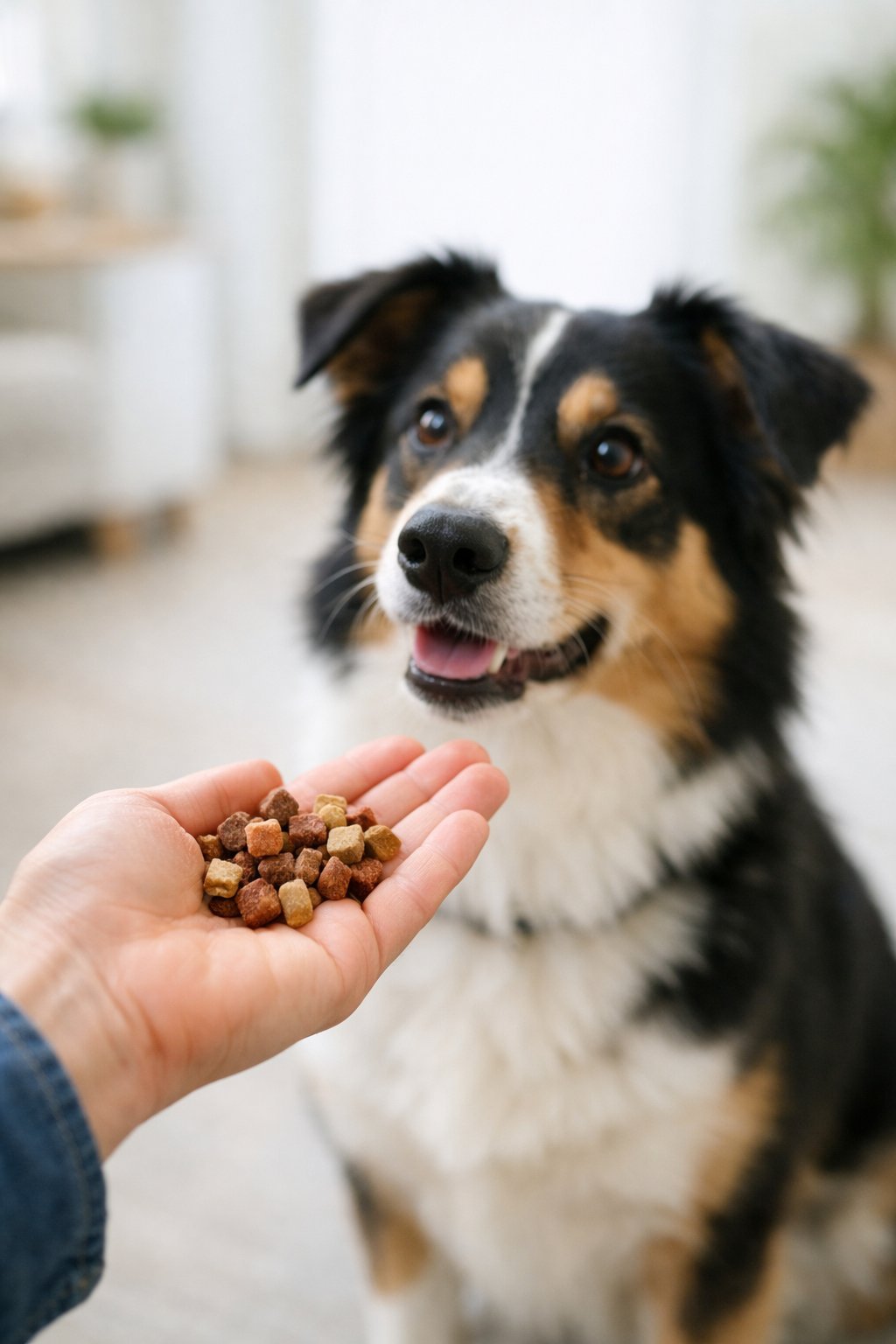
I’ve learned that the key to successful treat-based training lies in perfect timing and keeping portions small enough to maintain your dog’s interest without overfeeding.
Timing and Frequency of Rewards
I always give my dog a treat within one to two seconds of the desired behavior. This immediate reward helps my dog connect the action with the positive outcome.
If I wait too long, my dog won’t understand what earned the treat. When I start teaching a new command, I reward my dog every single time they get it right.
This is called continuous reinforcement, and it helps my dog learn faster. Using high-value treats for new or challenging tasks creates stronger behavioral changes.
Once my dog masters a command, I switch to random rewards. I might give a treat the first time, skip the second, and give one on the third attempt.
This keeps my dog guessing and actually makes the behavior stronger because they stay motivated to earn that reward. I also mix in other rewards like praise, petting, or playtime.
This prevents my dog from only responding when I have treats in my hand.
Treat Size and Portion Control
I keep my training treats super small—about the size of a pea or even tinier for little dogs. These tiny treats let me reward my dog a bunch during a session without filling them up.
Small, fast-eating treats work best because my dog can swallow quickly and stay focused. I always count training treats as part of my dog’s daily food intake.
If I give lots of treats during training, I cut back a bit on their regular meals to keep their weight in check. For longer training sessions, I use my dog’s regular kibble as rewards.
This works well for practicing commands my dog already knows. I save the extra tasty treats like chicken or cheese for teaching new behaviors or working in busy places.
Storing and Handling Dog Training Treats
I make sure my dog’s training treats stay fresh and safe by using airtight containers and keeping them in cool, dry spots. This helps prevent contamination and keeps the treats tasty.
Proper Storage Techniques
I store training treats in airtight containers to keep out moisture and air. This helps prevent them from getting stale or moldy.
Using airtight treat bags and pre-portioning for each session keeps treats fresh and helps avoid overfeeding. For homemade treats with fresh ingredients like meat or peanut butter, I keep them in the fridge.
Homemade treats usually last about a week in the refrigerator. Store-bought treats can stay in the pantry as long as I seal them up after each use.
I always check the package for storage instructions since different treats have different needs. Soft treats need refrigeration more often than crunchy ones.
I also clean my treat containers regularly to avoid pests and bacteria buildup.
Maintaining Freshness and Safety
I check treats regularly for bad smells, discoloration, or mold. If anything seems off, I toss the treats to keep my dog safe.
I write the opening date on treat packages so I know how long they’ve been stored. Temperature makes a big difference for freshness, so I keep treats away from sunlight and heat.
Keeping treats at the right temperature and away from humidity helps them last longer. I wash my hands before and after handling treats to prevent contamination.
For training, I portion out what I need instead of reaching into the main container every time. This keeps the rest of the treats fresher for next time.
Frequently Asked Questions
Finding the right training treats means knowing what ingredients to look for, how to save money, and which products work best for your dog. Here are some of the most common questions about choosing and buying training treats.
What types of ingredients are recommended for homemade dog training treats?
I like using single-protein sources like chicken, turkey, or beef in homemade training treats. These are easy to digest and most dogs love them.
Sweet potatoes, pumpkin, and oats are great for binding and add nutrition. I always avoid onions, garlic, grapes, raisins, chocolate, and xylitol since they’re toxic to dogs.
For dogs with allergies, I try novel proteins like duck, venison, or fish. A little peanut butter (without xylitol) or cheese can make treats extra tempting.
How can I find cost-effective training treats for my dog in bulk quantities?
I buy training treats in bulk from places like Costco or Sam’s Club to save money. These stores usually have big bags of popular brands at better prices.
Online retailers like Chewy and Amazon offer bulk discounts and subscribe-and-save deals. Setting up automatic deliveries can save me 5-15%.
Making treats at home is the most budget-friendly option I’ve found. I can bake big batches with simple ingredients like chicken breast or liver.
I also cut regular treats into smaller pieces to make them last longer. Training treats only need to be pea-sized, so one treat goes a long way.
What are the top-rated training treats for dogs currently on the market?
The best training treats, according to experts, are small, soft, and super tasty. I look for treats that dogs can eat quickly so they stay focused.
Zuke’s Mini Naturals are a favorite because they’re soft, small, and come in lots of flavors. They only have 3 calories per treat, which helps prevent overfeeding.
Wellness Soft Puppy Bites are great for young dogs learning new things. They’re made with natural ingredients and easy on puppy tummies.
Real meat treats like freeze-dried liver or chicken are super motivating for most dogs. I use these for tough training sessions or distracting environments.
Which healthy dog training treats are best for dogs with dietary restrictions?
For dogs with food sensitivities or allergies, I pick limited-ingredient treats with one protein source and minimal additives. Grain-free options made with chickpea flour or tapioca are good for grain allergies.
Sweet potato-based treats are another solid grain-free choice. For dogs with pancreatitis or weight issues, low-fat treats like carrots, green beans, or apple pieces work well.
If my dog has protein restrictions, I check with my vet for the best treat options. Some prescription diets need matching treats to stay safe.
Where can I find reviews and recommendations for dog training treats?
I read detailed reviews from dog food experts who look at ingredients, nutrition, and taste. These reviews help me compare different brands.
Websites like Chewy and Amazon have lots of customer reviews from other dog owners. I pay attention to comments about texture, smell, and how well dogs respond.
I also ask local professional dog trainers for their favorite treats. They work with lots of dogs and know what works best.
Social media groups and dog owner forums are great for real-world feedback. I can ask specific questions about treats for different training needs or diets.
What are some trusted brands for dog training treats available at major retailers?
Zuke’s is widely available at PetSmart, Petco, and online retailers. They use natural ingredients and offer multiple protein options.
Wellness and Blue Buffalo training treats are sold at most pet stores and major retailers like Target. Both brands focus on quality ingredients without artificial preservatives or fillers.
Old Mother Hubbard and Nudges are reliable brands found at grocery stores and big-box retailers. These treats come in resealable bags to keep them fresh between training sessions.
For budget-friendly options, Milk-Bone or Purina treats are easy to find at grocery stores and Walmart. These may have more fillers, but they work fine for basic training with dogs who don’t have dietary restrictions.


