
Dog Water Bowl Planter: A Stylish Way to Combine Pet Care with Beautiful Home Design

Dog Water Bowl Planter – Your dog’s water bowl doesn’t have to be an eyesore on your kitchen floor. There’s a simple way to turn this pet necessity into a stylish accent that actually upgrades your space.
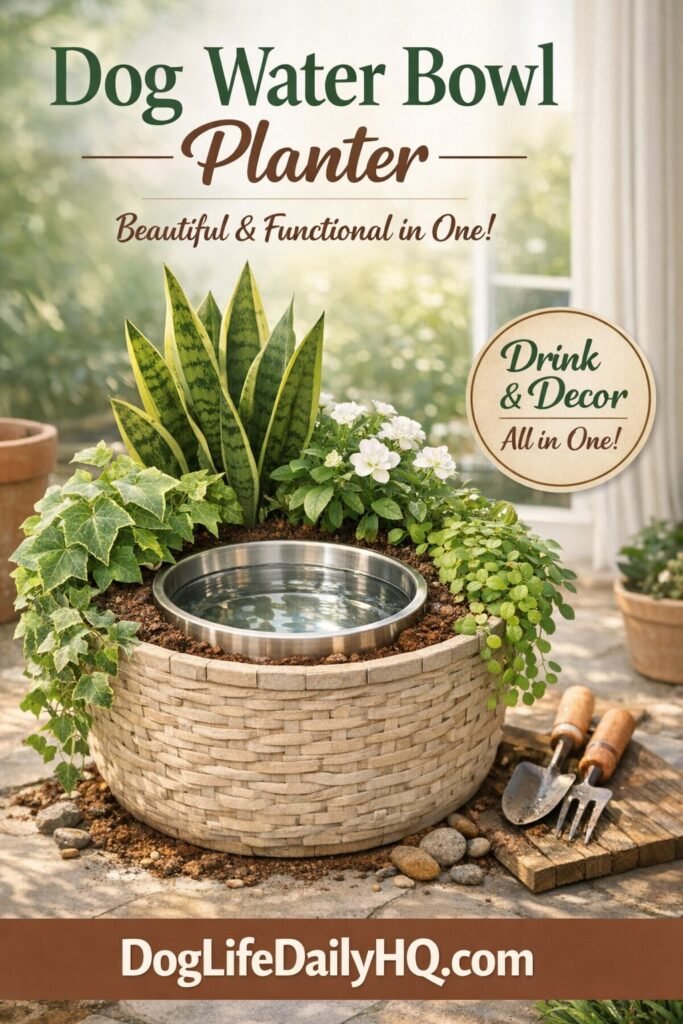
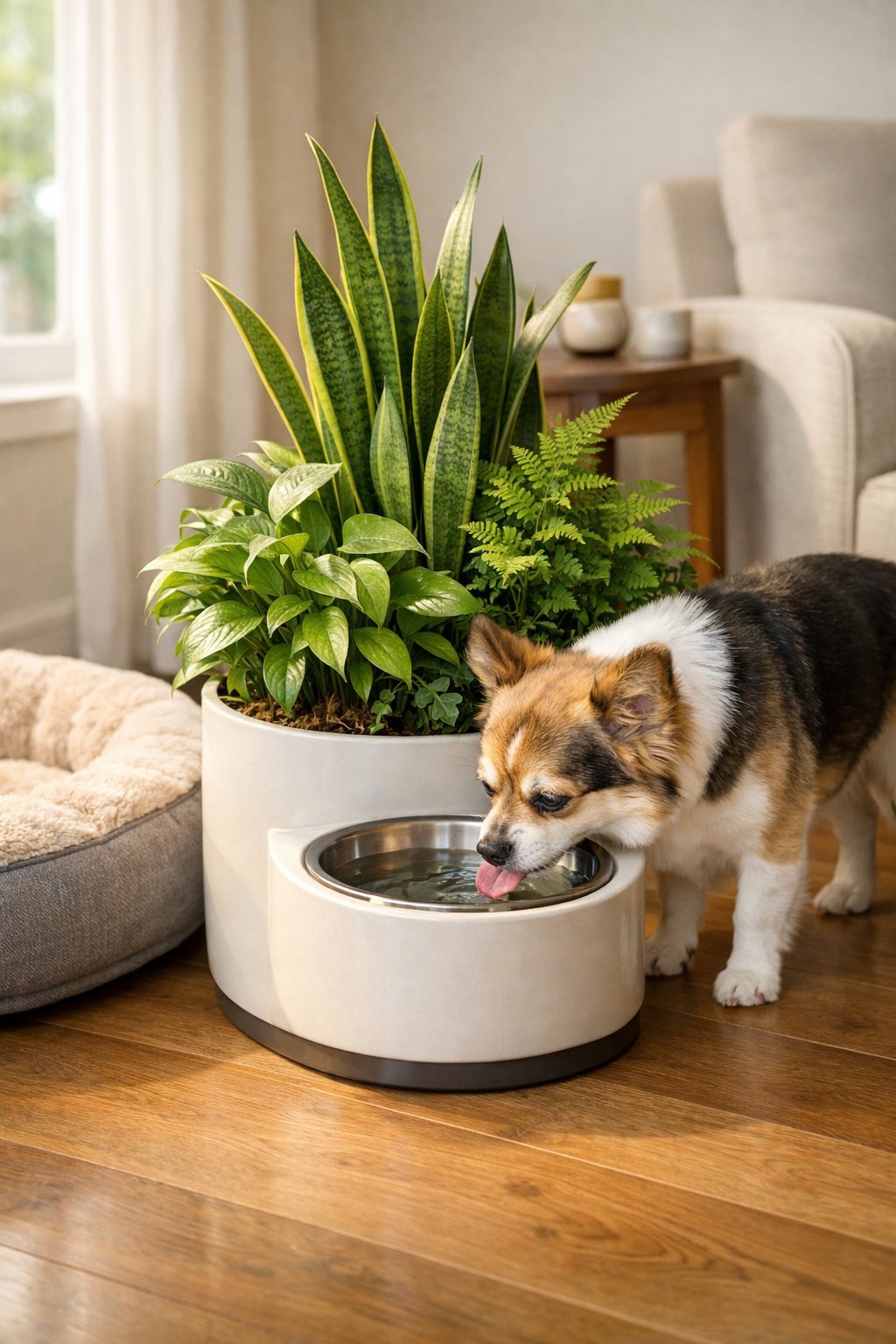
A dog water bowl planter is a decorative setup that places your pet’s water dish inside or alongside a planter. This creates an attractive feeding station that catches spills and adds greenery to your home.
The plants around the bowl soak up splashed water, keeping your floors drier. Plus, it brings natural beauty to your pet’s dining area.
I’ll show you how to pick the right planter, which plants work best, and how to make your own in a few easy steps. Whether you want to buy one or go the DIY route, you’ll find what you need to blend pet care with home decor.
Key Takeaways
- Dog water bowl planters combine your pet’s water dish with surrounding plants for a functional, attractive feeding station.
- The plants help absorb water splashes while adding natural decor.
- You can make your own with a planter, bowl, pet-safe plants, and basic supplies.
What Is a Dog Water Bowl Planter?
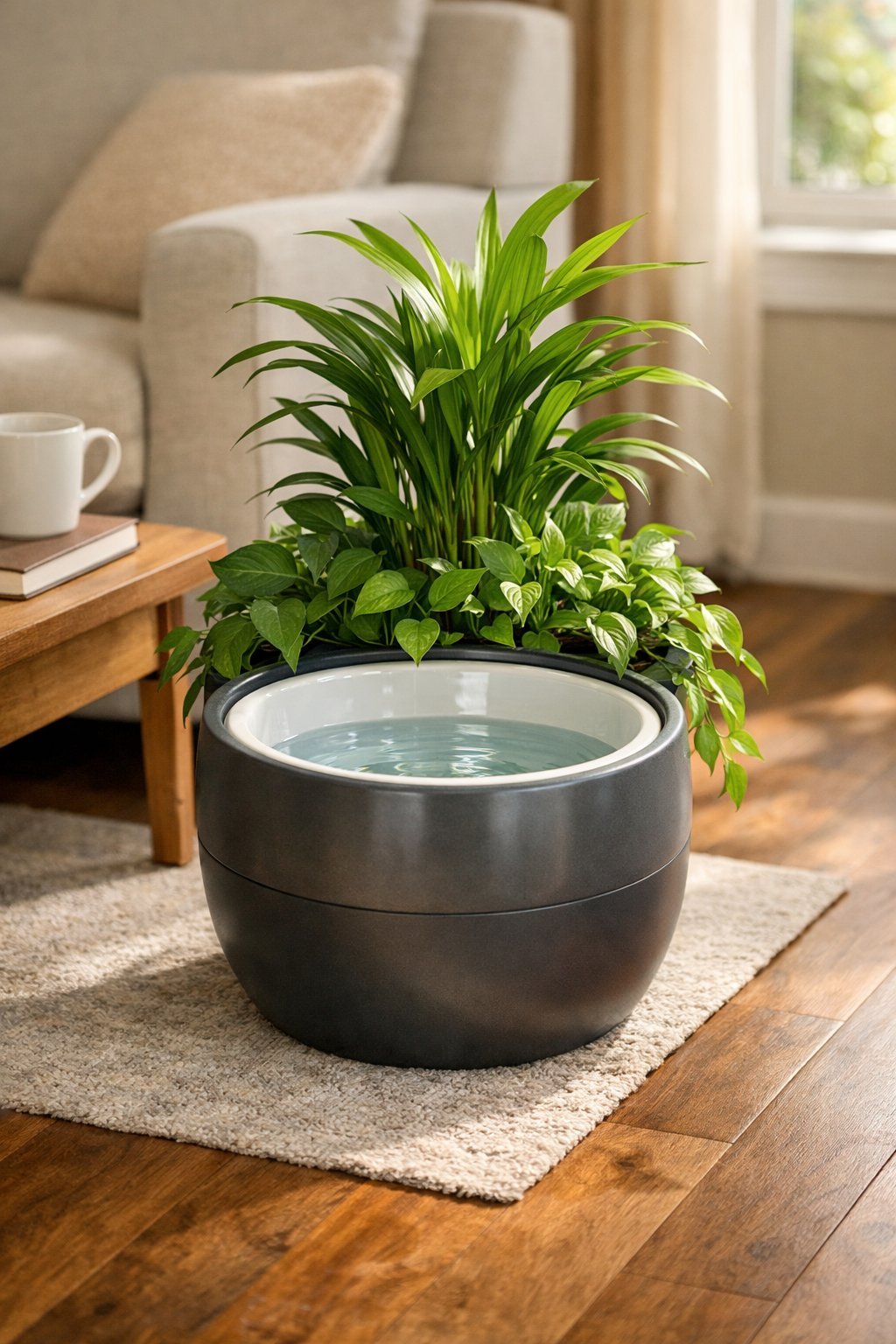
A dog water bowl planter combines your pet’s drinking spot with live plants in one setup. The water bowl sits elevated in the center, surrounded by plants to catch splashes and spills.
Definition and Concept
A dog water bowl planter creates a functional feeding station that doubles as home decor. The basic design uses a large planter or tray filled with soil and plants.
The water bowl goes in the middle—either on a platform or nestled into the arrangement. When your dog drinks, water splashes out and waters the surrounding plants.
You can use any container that’s large enough for both the bowl and plants. Metal trays, ceramic planters, or wooden boxes all work, as long as they’re waterproof or have a liner.
Benefits for Pets and Owners
The water bowl planter keeps floors dry and eliminates the need for separate watering schedules. Messy drinkers end up helping maintain the plants instead of making extra work.
You get the air-cleaning benefits of houseplants without needing extra space. Plants like spider plants thrive on the moisture from bowl splashes.
Your dog still has fresh, accessible water. Just refill the bowl as usual, and the plants get watered automatically.
Unique Features Compared to Regular Water Bowls
Regular water bowls sit on the floor with nothing to catch spills. Towels or mats underneath need constant washing.
The planter design elevates the bowl and adds a decorative border. You can customize it with different plants and containers to match your style.
The setup defines a specific pet zone in your home. Instead of a plain bowl in the corner, you get an intentional design element.
Choosing the Perfect Dog Water Bowl Planter
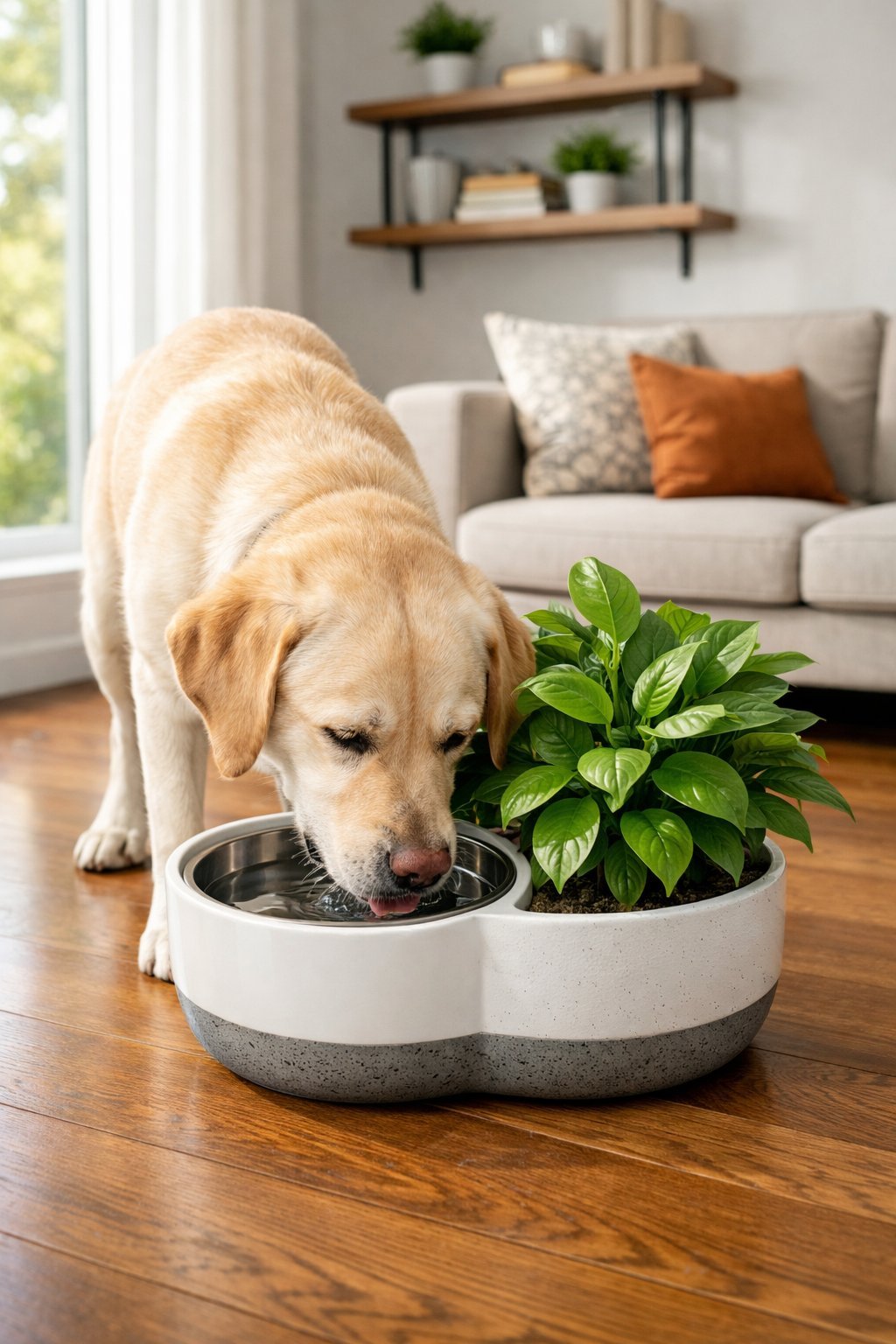
Picking the right dog water bowl planter comes down to three things: the right size for your dog, safe materials, and a style that fits your home.
Size and Capacity Considerations
Think about your dog’s size and drinking habits. Small dogs need bowls that hold at least 1-2 cups of water, while large breeds need 4-8 cups or more.
The planter should be wide enough for your plants to grow. Leave at least 3-4 inches of space around the water bowl for roots.
Height matters too. The water bowl should be positioned so your dog can drink comfortably, with the planter rim at or below chest level.
Material Options for Safety and Durability
Stainless steel or ceramic bowls are best for the water dish. They’re easy to clean and don’t hold bacteria.
For the planter, look for materials that won’t rust or break down from moisture. Glazed ceramic, powder-coated metal, or food-safe resin are solid choices.
Safe material picks:
- Stainless steel water bowls
- Ceramic or glazed pottery planters
- Powder-coated metal trays
- Food-grade plastic risers
Make sure all materials are non-toxic. Filtered water bowls can remove harmful substances for extra peace of mind.
Matching Home Decor Styles
Choose planter styles that blend with your decor. Modern homes look great with sleek metal bowls and minimalist planters.
Farmhouse style works well with galvanized steel or rustic wooden frames. Match the planter to your cabinets, floors, or nearby furniture for a pulled-together look.
Plant selection matters too. Trailing plants like pothos give a softer vibe, while upright succulents look clean and modern.
Incorporating Dog Water Bowl Planters Into Home Decor
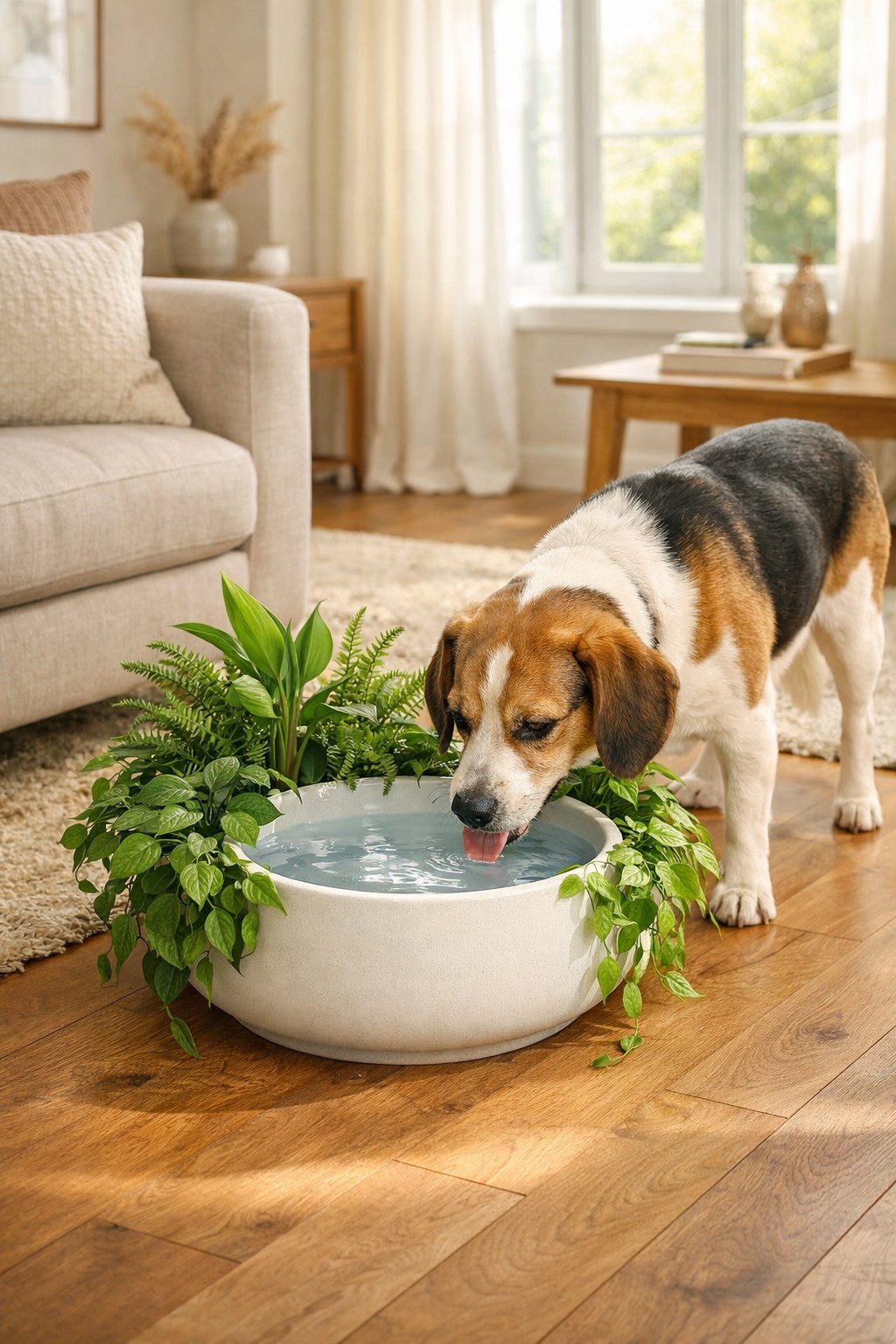
A dog water bowl planter fits naturally into your living space when you match it to your style and pick the right spot. Choose colors, plants, and placement that work with your furniture and layout.
Blending with Interior Design Themes
Start by checking out your current decor style. For modern homes, go with sleek ceramic bowls in neutral colors and minimalist succulents.
Farmhouse kitchens pair well with galvanized metal planters or rustic wooden bases. Trailing spider plants add a soft touch.
For coastal or tropical vibes, try terracotta planters with ferns or peace lilies. Boho spaces look great with colorful ceramic bowls and a mix of plant heights.
Match the planter color to your wall paint or cabinets for a cohesive look.
Placement Tips for Pet-Friendly Spaces
Put your dog water bowl planter where your dog naturally goes for water. Kitchens are great because they’re easy to clean and refill.
Keep the planter out of direct sunlight if you use low-light plants. Mudrooms or entryways work too—just use a waterproof mat underneath.
Make sure there’s at least two feet of space around the bowl so your dog can drink comfortably. Corners are handy for keeping the station out of the way but still accessible.
Seasonal and Themed Decorating Ideas
Switch up plants seasonally to keep your dog’s water station fresh. In spring, add small blooms like African violets.
Summer is perfect for bright green foliage like pothos or philodendron. For fall, try plants with burgundy or orange leaves, like coleus.
Fun holiday ideas:
- Add battery-powered fairy lights around the planter base
- Place pet-safe mini pumpkins in autumn
- Use festive pot covers or red and white plants for winter
- Tuck in pine cones or evergreen sprigs for the holidays
Keep decorations simple so your dog can still reach their water easily.
Caring for Your Dog Water Bowl Planter
Keeping your dog water bowl planter in good shape means regular cleaning and smart plant choices. Here are some easy tips to keep both your plants and your pup happy.
Cleaning and Maintenance Tips
Clean your dog’s water bowl daily, even when it’s part of a planter. Remove the bowl each morning and wash with hot, soapy water.
Wipe down the planter rim and surrounding area to prevent mineral buildup. Check the soil moisture each week—spilled water usually does the trick, but add more if it feels dry an inch below the surface.
Trim dead leaves and remove debris to keep things tidy. Every few months, deep clean by taking out the plants and scrubbing all surfaces with a pet-safe cleaner.
Ensuring Plant and Pet Safety
Only use non-toxic plants in your dog water bowl planter setup. Spider plants, Boston ferns, and most succulents are safe if your dog gets curious.
Skip common houseplants like pothos, philodendron, and snake plants since they’re toxic to dogs. Even if the plants are just around the bowl, it’s better to be safe.
Avoid chemical fertilizers and pesticides. Use organic compost or pet-safe plant food if needed.
Make sure the soil stays in the planter and doesn’t mix with the water bowl. Elevate the bowl slightly so soil can’t wash into the drinking water.
DIY Dog Water Bowl Planter Inspiration
Creating a dog water bowl planter doesn’t require expensive materials or advanced skills. Simple upcycled items from around your home can become stunning plant stations.
Following proven project methods makes the process straightforward. You don’t need to be an expert to get great results.
Creative Materials and Upcycling Ideas
I love working with IKEA pet food bowls for self-watering planters because they’re affordable and come in stackable sizes. The nested design creates a natural water reservoir system.
Metal trays work perfectly as the base container. I use cheap plastic bowls to elevate the water dish above the soil level.
You can flip the plastic bowl upside down or right-side up depending on how deep your tray is. Old planters sitting in your garage make excellent bases.
I’ve even used decorative tin containers and large ceramic bowls. The key is finding something waterproof that’s wide enough to hold plants around the water bowl.
Materials I recommend:
- Metal serving trays or shallow planters
- Stainless steel dog bowls (they don’t rust)
- Plastic nursery pots for elevation
- Cotton rope for wicking systems
Paint transforms plain containers into custom pieces that match your decor. I use outdoor paint for durability, especially if the planter sits on a patio.
Step-by-Step Project Examples
I start by adding a layer of potting soil to my chosen container. The soil depth depends on what plants I’m using.
For a basic elevated water bowl planter, I place a plastic bowl in the center as a riser. Then I arrange small potted plants or succulents around it.
The dog’s water bowl sits on top of the plastic bowl. Self-watering versions using IKEA bowls require threading cotton rope through drainage holes.
The rope wicks water from the bottom reservoir into the soil above. I fill the larger bowl with water and nest the smaller planted bowl inside.
For outdoor setups, I use drought-tolerant succulents that won’t mind occasional splashes. Indoor versions need plants that tolerate higher humidity.
Any spilled water naturally waters the surrounding plants instead of making a mess on my floor.
Frequently Asked Questions
Creating a water bowl planter involves selecting the right materials, choosing safe plants, and understanding basic care needs. Cold water is fine for dogs, and moss requires careful consideration before use.
How can I create a dog water bowl planter for my home decor?
I start by gathering a few basic supplies: my dog’s water bowl, a larger planter that can hold the bowl, potting soil, drainage rocks, and pet-safe plants. The planter needs to be big enough to fit the water bowl with space around it for plants.
I place rocks at the bottom of the planter for drainage. Then I position the water bowl in the center and fill the space around it with soil.
I add plants around the bowl’s perimeter. The water bowl planter setup creates an attractive garden feature that makes the feeding station look decorative.
What types of plants are suitable for planting around my dog’s water bowl?
I choose pet-safe plants that can handle occasional splashing. Succulents work well because they don’t need much water and are generally safe around pets.
Spider plants, Boston ferns, and African violets are good indoor options. These plants are non-toxic to dogs and can tolerate the humidity near a water bowl.
I avoid toxic plants like lilies, aloe vera, and pothos. I always check if a plant is safe before adding it to my dog’s area.
For outdoor planters, I use herbs like basil, rosemary, and thyme. These plants are safe for dogs and can handle outdoor conditions.
Is it safe to use a moss-covered water bowl for dogs?
I need to be careful with moss around my dog’s water bowl. Some types of moss are safe, but others can cause stomach upset if my dog eats them.
I make sure any moss I use is non-toxic and pesticide-free. I also position it so my dog can’t easily eat it or get pieces in the water.
I check the moss regularly for mold or decay. If the moss looks unhealthy or starts breaking apart, I remove it right away.
Regular cleaning is important. I wash the bowl and replace the moss when needed to keep everything fresh and safe.
How can I incorporate succulents into my dog’s water bowl design?
I use succulents because they’re drought-tolerant plants that don’t need frequent watering. This makes them perfect for areas that might get splashed.
I select pet-safe varieties like echeveria, haworthia, and hens-and-chicks. These succulents are generally non-toxic to dogs.
I plant them in the soil around the water bowl with good spacing. Succulents need room to grow and shouldn’t be crowded together.
I use well-draining cactus soil for the succulents. This prevents root rot from any water that splashes out of the bowl.
Can I safely give my dog cold water in their planter bowl during summer?
I can absolutely give my dog cold water during hot weather. Cold water is safe and can help my dog cool down on warm days.
Dogs naturally regulate their body temperature through panting and drinking. Cold water doesn’t cause bloat or other health problems that some people worry about.
I make sure the water stays fresh by changing it daily. In summer heat, I change it more often to keep it cool and clean.
I can add ice cubes to the bowl if my dog enjoys them. Many dogs like crunching on ice as a refreshing treat.
What are some pet-friendly design tips for integrating a garden dog bowl into my outdoor space?
I place the outdoor dog bowl planter in a shaded area to keep the water cool. Direct sunlight can heat up the water and make it less appealing for your dog.
A stable, heavy planter is best since it won’t tip over easily. Ceramic or concrete planters are usually better than lightweight plastic ones.
I like to pick plants that can handle a little roughhousing. Ornamental grasses and hardy herbs are great choices because they stand up to pet activity.
Keeping the planter on a flat surface away from high-traffic spots helps prevent spills. This also makes it easier for your dog to drink comfortably.
Adding decorative touches like river rocks or pebbles around the base can help absorb splashed water. These materials also keep the area looking neat.
