
Fleas Remedies For Dogs: Natural Solutions to Keep Your Pet Comfortable

Fleas Remedies For Dogs – Finding fleas on your dog can be stressful, but you don’t always need to rush to the store for expensive treatments. Many items you already have at home can help fight these pests.
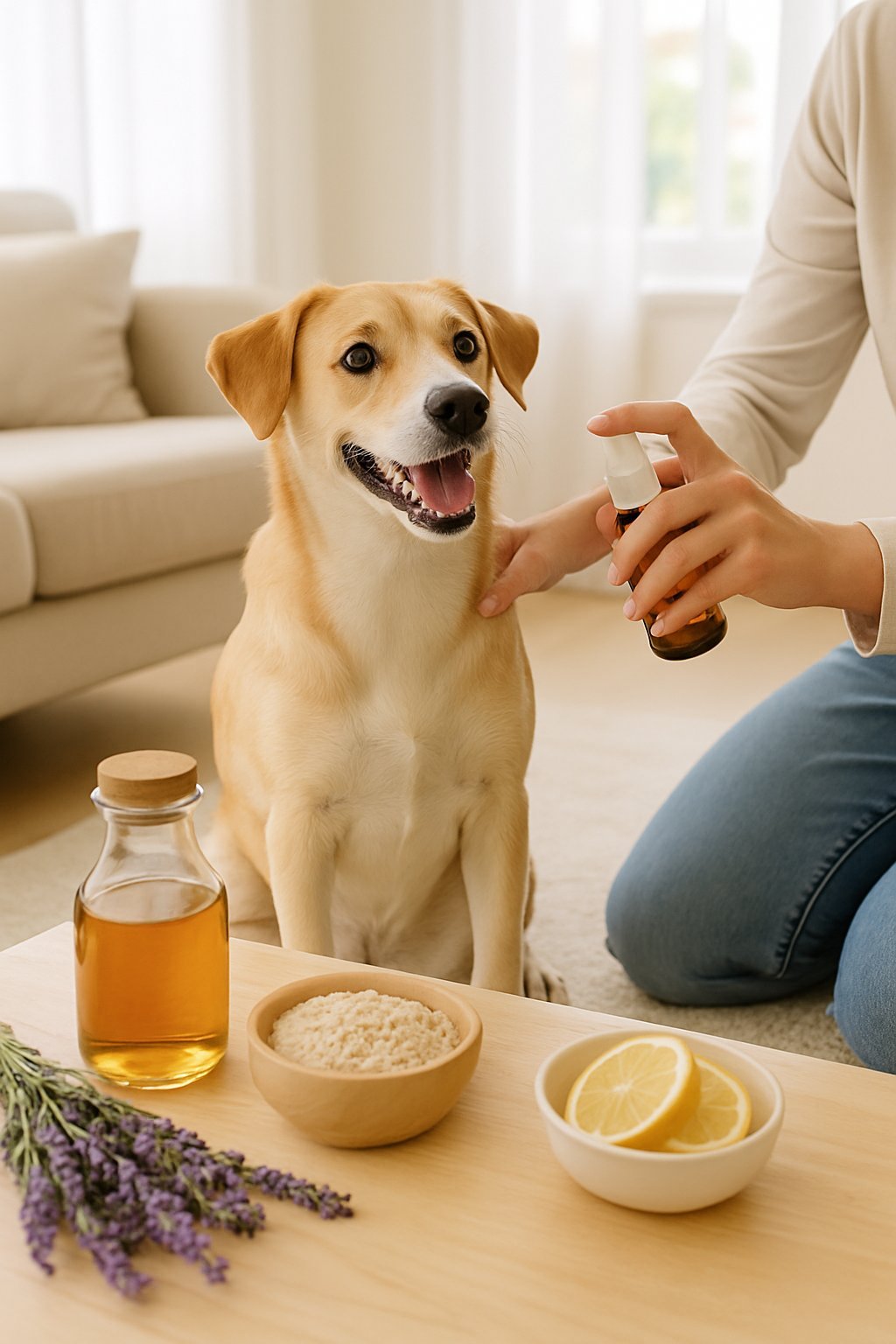
Natural remedies like apple cider vinegar, dawn dish soap baths, and diatomaceous earth can effectively kill and repel fleas on your dog when used correctly. I’ve found that home remedies for fleas work best when combined with regular cleaning of your home and your dog’s bedding. These methods are gentler on your pet and your wallet.
The key is knowing which remedies actually work and how to use them safely. I’ll walk you through the most effective natural flea treatments that have proven results, plus how to keep fleas from coming back.
Key Takeaways
- Natural ingredients like apple cider vinegar and dawn dish soap can kill fleas without harsh chemicals
- Regular home cleaning and washing your dog’s bedding are essential for preventing flea infestations
- Some home remedies work better for prevention while others actively kill existing fleas on your dog
Understanding Fleas on Dogs
Fleas are tiny parasites that feed on your dog’s blood and can multiply quickly in your home. These pests cause itching and discomfort, and they can lead to serious health problems if left untreated.
Common Signs of Flea Infestation
I always tell dog owners to watch for excessive scratching and biting at the skin. Your dog might focus on certain areas like the base of the tail, belly, or behind the ears.
You can spot actual fleas by parting your dog’s fur and looking for small, dark brown insects that move quickly. I recommend checking for flea dirt, which looks like tiny black specks or ground pepper on the skin. If you place these specks on a wet paper towel and they turn reddish-brown, that’s digested blood from fleas.
Red, irritated skin or small bumps are other clear signs. Some dogs develop hot spots or lose patches of fur from constant scratching. Hair loss often appears along the back and tail area first.
How Dogs Get Fleas
Dogs pick up fleas from other animals during walks, at dog parks, or in your yard. I’ve seen fleas jump from one pet to another during brief contact.
Your dog can also get fleas from the environment. Fleas live in grass, dirt, and shaded outdoor areas where other animals have been. They wait for a host to pass by and then jump on.
Fleas can even come into your home on your clothing or shoes. Wildlife like raccoons, squirrels, and stray cats often carry fleas into yards where your dog plays.
Risks of Untreated Flea Problems
Flea bites cause allergic reactions in many dogs. I’ve treated dogs with flea allergy dermatitis, where even one bite triggers severe itching and skin infections.
Heavy flea infestations lead to anemia, especially in puppies and small dogs. Fleas consume blood, and young or small pets can become weak and lethargic from blood loss.
Fleas carry tapeworms that infect dogs when they swallow fleas during grooming. These parasites attach to the intestinal wall and steal nutrients. Fleas also spread diseases like bartonella and can transmit plague in certain areas, though this is less common.
Natural Fleas Remedies For Dogs
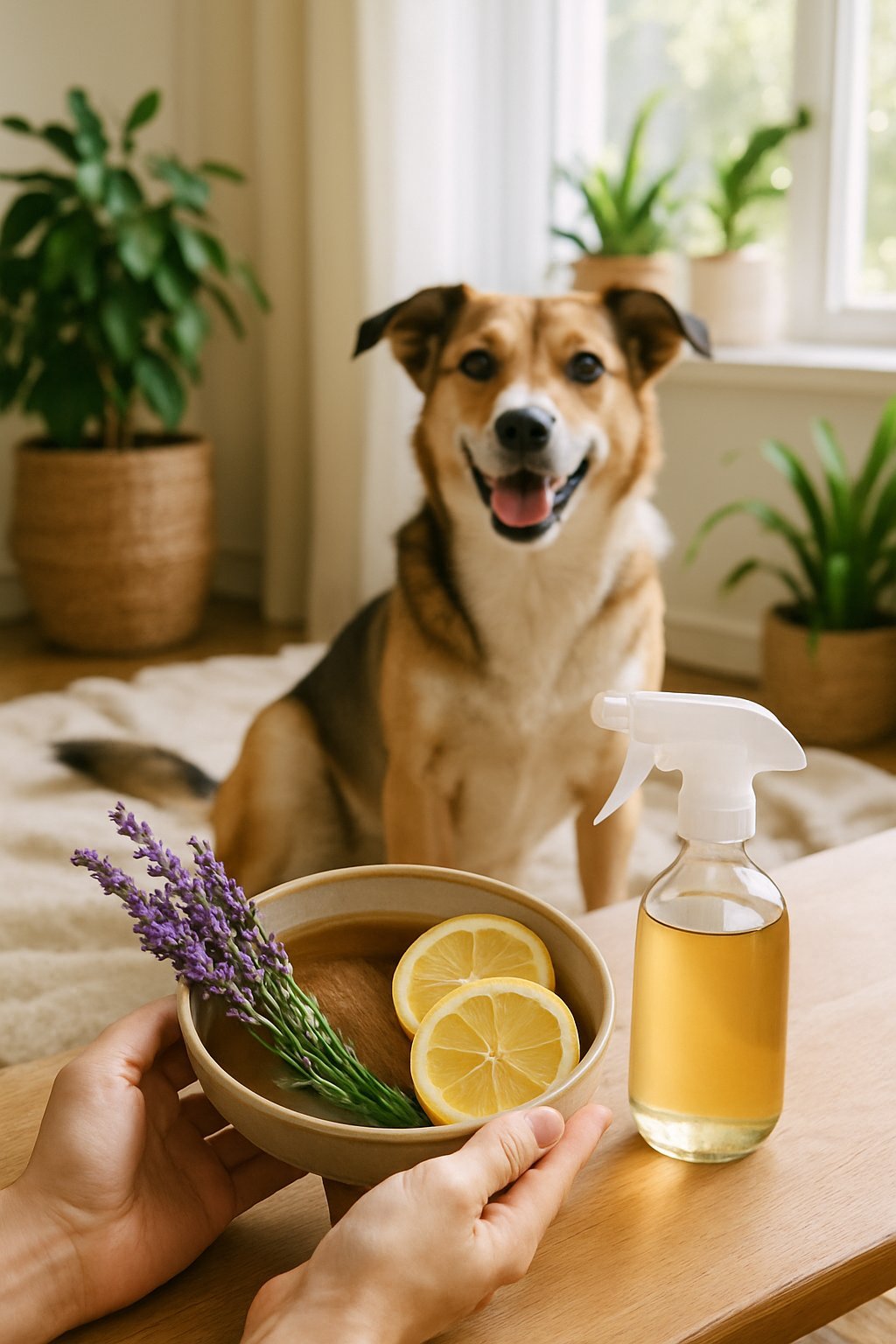
I’ve found that natural remedies can effectively combat fleas without exposing my dog to harsh chemicals. These treatments use simple ingredients like herbs, food-grade powders, and natural cleaning agents to kill fleas and prevent future infestations.
Herbal Sprays and Solutions
I make my own flea sprays using ingredients that fleas naturally avoid. Apple cider vinegar works well as a natural flea treatment because fleas dislike its strong smell and acidic nature.
To create a basic spray, I mix equal parts water and apple cider vinegar in a spray bottle. I apply this mixture to my dog’s coat, avoiding the eyes and any open wounds. The vinegar changes the pH of my dog’s skin, making it less appealing to fleas.
Essential oils also work as effective flea deterrents. I use lavender, peppermint, or cedarwood oil mixed with water. I always dilute essential oils properly—just a few drops per cup of water—because concentrated oils can irritate my dog’s skin.
Lemon spray is another option I rely on. I slice a whole lemon and steep it in boiling water overnight. After straining, I pour the mixture into a spray bottle and apply it to my dog’s fur.
Diatomaceous Earth for Flea Control
Food-grade diatomaceous earth is one of my go-to natural remedies for eliminating fleas. This fine powder consists of crushed fossils that damage fleas’ outer shells, causing them to dehydrate and die.
I sprinkle food-grade diatomaceous earth on my carpets, pet bedding, and other areas where fleas might hide. I leave it for 24-48 hours before vacuuming thoroughly. I can also dust a small amount directly onto my dog’s coat, rubbing it into the fur while keeping it away from the face.
Important safety tips I follow:
- Only use food-grade diatomaceous earth, never pool-grade
- Wear a mask when applying to avoid inhaling the fine particles
- Keep my dog from breathing in the dust during application
- Apply outdoors or in well-ventilated areas when possible
The powder works best in dry conditions since moisture reduces its effectiveness.
Homemade Flea Shampoos (Fleas Remedies For Dogs)
I create simple flea shampoos at home using natural ingredients that kill fleas on contact. My basic recipe includes dish soap mixed with water, which breaks down the waxy coating on fleas and drowns them.
For a citrus-based shampoo, I steep lemon or orange peels in hot water for several hours. I mix this citrus water with my regular dog shampoo or castile soap. The natural citrus oils repel fleas while cleaning my dog’s coat.
Adding rosemary to homemade shampoos boosts their flea-fighting power. I steep fresh or dried rosemary in boiling water, let it cool, then mix it with mild soap. I massage the shampoo into my dog’s wet coat and let it sit for 5-10 minutes before rinsing thoroughly.
I always test new shampoos on a small patch of skin first to check for reactions. I make sure to rinse my dog completely since soap residue can cause skin irritation.
Flea Prevention Methods at Home
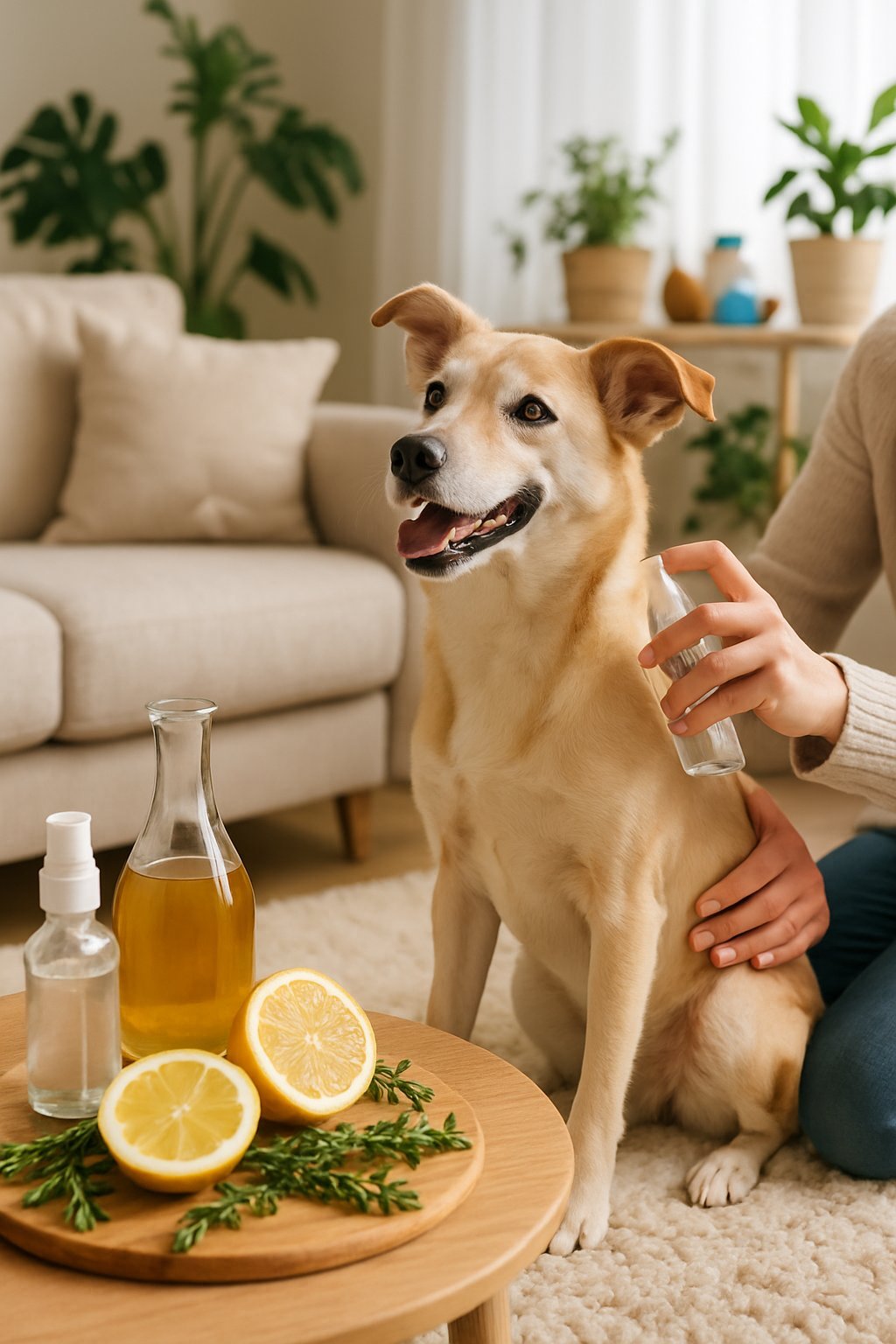
Keeping fleas away from your dog starts with maintaining a clean living space and making your home less inviting to these pests. I’ve found that combining regular housekeeping with smart outdoor practices creates the best defense against flea problems.
Regular Cleaning Practices
I make sure to vacuum my floors, carpets, and furniture at least twice a week during flea season. This removes flea eggs, larvae, and adult fleas before they can multiply.
After vacuuming, I immediately throw away the vacuum bag or empty the canister into an outdoor trash bin. Fleas can crawl back out if I leave them sitting inside.
I wash my dog’s bedding in hot water every week. The heat kills fleas at all life stages. I also wash any blankets or cushion covers where my dog likes to rest.
Baking soda and salt on carpets can help dry out flea eggs and larvae. I sprinkle this mixture on my carpets, let it sit for a few hours, then vacuum thoroughly.
Mopping hard floors with a mixture of water and a small amount of dish soap helps eliminate any fleas that might be hiding in cracks or corners.
Flea-Proofing Your Pet’s Environment
I keep my dog’s sleeping area clean and away from high-traffic spots where fleas might enter. Elevating my dog’s bed off the floor makes it harder for fleas to jump onto it.
I use washable pet bed covers that I can easily remove and clean. This makes it simple to maintain a flea-free sleeping space for my dog.
Cedar chips or cedar oil around my dog’s resting areas work as natural flea-repelling home remedies. Fleas don’t like the smell of cedar.
I check my dog for fleas after walks or visits to areas where other animals have been. Running a flea comb through my dog’s fur helps me catch any hitchhikers before they settle in.
Safe Yard Maintenance Strategies
I keep my grass cut short because fleas prefer tall, shaded grass where they can stay cool and moist. Mowing regularly reduces flea habitat.
I trim back bushes and shrubs to let more sunlight reach the ground. Fleas don’t survive well in sunny, dry areas.
I avoid overwatering my lawn since fleas need moisture to survive. Letting the soil dry out between waterings makes my yard less appealing to them.
Removing leaf piles, grass clippings, and other yard debris eliminates hiding spots for fleas. I also keep wild animals like raccoons and possums away from my yard since they can carry fleas.
I create a barrier of cedar mulch or gravel around my yard’s perimeter. This helps stop fleas from migrating into my dog’s play area from neighboring properties.
Soothing Your Dog’s Skin After Fleas
After fleas are gone, your dog’s skin still needs care to heal from bites and irritation. I focus on calming inflammation, reducing itching, and protecting damaged skin while it recovers.
Oatmeal Baths for Itching
I find that oatmeal baths have anti-inflammatory and soothing properties that work well for irritated skin. The oatmeal creates a protective layer that helps calm itching and reduces redness.
To make an oatmeal bath, I grind plain oatmeal into a fine powder using a blender or food processor. I use about one cup of ground oatmeal for a large dog and half a cup for smaller dogs.
I fill the tub with lukewarm water and mix in the oatmeal powder until it dissolves. Then I let my dog soak for 10 to 15 minutes while gently massaging the water into their coat and skin. I make sure to avoid their eyes and ears.
After the bath, I rinse my dog with clean water and pat them dry with a towel. I don’t rub hard because that can irritate the skin more. I can repeat this bath every few days until the itching improves.
Natural Oils and Balms
I use coconut oil to soothe itchy skin and reduce inflammation from flea bites. Coconut oil has natural antibacterial properties that help prevent infections in scratched areas.
I apply a small amount of coconut oil directly to the affected areas after warming it in my hands. I massage it gently into my dog’s skin, focusing on red or irritated spots. I use it once or twice daily.
Aloe vera gel is another option I recommend for cooling relief. I use pure aloe vera without added ingredients like alcohol or fragrances. I apply a thin layer to bite marks and let it absorb naturally.
Some dogs try to lick off oils and balms right away. I distract mine with play or a walk for 10 to 15 minutes after applying treatments. This gives the products time to work before they lick it off.
Minimizing Scratching and Discomfort
I know that scratching makes skin damage worse and can lead to infections. My first step is keeping my dog’s nails trimmed short to reduce the harm from scratching.
Ways I prevent excessive scratching:
- Use a cone or recovery suit if scratching is severe
- Apply cool compresses to itchy areas for 5 to 10 minutes
- Keep my dog busy with toys and activities
- Give them a comfortable, cool place to rest
I check my dog’s skin daily for signs of infection like pus, excessive redness, or a bad smell. If I see these signs, I contact my vet right away. Protecting the skin during the healing process prevents complications.
I also make sure my dog stays hydrated and eats well-balanced meals. Good nutrition supports skin healing from the inside out.
When to Seek Professional Help
I know home remedies can work well for mild flea problems. But sometimes you need a vet’s help to keep your dog safe and healthy when it comes to fleas remedies for dogs.
If your dog has a severe flea infestation that won’t go away after trying home treatments, it’s time to call your vet. Severe flea problems require professional guidance to make sure your pet gets the right treatment.
Contact your veterinarian if you notice:
- Excessive scratching that causes open wounds or bleeding
- Hair loss in patches across your dog’s body
- Signs of anemia like pale gums or weakness
- Allergic reactions such as severe swelling or difficulty breathing
- Flea dirt covering large areas of your dog’s coat
- Your dog seems lethargic or refuses to eat
I always recommend talking to a professional if your dog has existing health conditions before trying any flea treatments at home. Young puppies, pregnant dogs, and senior pets need extra care when dealing with fleas.
Sometimes fleas carry diseases or cause infections that need medical treatment. If you see signs of infection like pus, extreme redness, or a bad smell, get help right away.
Consulting with professionals ensures you’re using safe methods for your specific dog. Your vet can also prescribe stronger flea medications if natural remedies aren’t enough to solve the problem.
Conclusion
I’ve shared these home remedies for fleas on dogs because I know how frustrating flea problems can be. Natural treatments offer a gentler approach for your pet.
Remember that results vary from dog to dog. What works well for one pup might not work as quickly for another.
Important things to keep in mind:
- Always check with your vet before trying new treatments
- Watch your dog for any signs of irritation or allergic reactions
- Combine treatments with regular cleaning of your home
- Be patient as natural remedies often take longer than chemical options
I recommend starting with one or two methods rather than trying everything at once. This helps you figure out what actually works for your dog.
Good hygiene practices make a big difference when dealing with fleas. Vacuum your floors often, wash your dog’s bedding weekly, and keep your yard maintained.
If your dog has a heavy flea infestation, natural remedies might not be enough on their own. Sometimes you need to use conventional flea treatments along with home remedies for the best results.
The goal is to keep your dog comfortable and healthy while managing fleas in a way that works for your family. I hope these natural options give you a good starting point for tackling those pesky fleas.
