
Gourmet Dog Treats That Will Make Your Pup’s Tail Wag With Joy

Dog owners today want more than basic biscuits for their furry friends. Gourmet dog treats are premium snacks made with high-quality, human-grade ingredients that offer better nutrition and taste than standard store-bought options.
These special treats often feature natural components like sweet potato, pumpkin, and real meat without artificial colors, preservatives, or fillers.
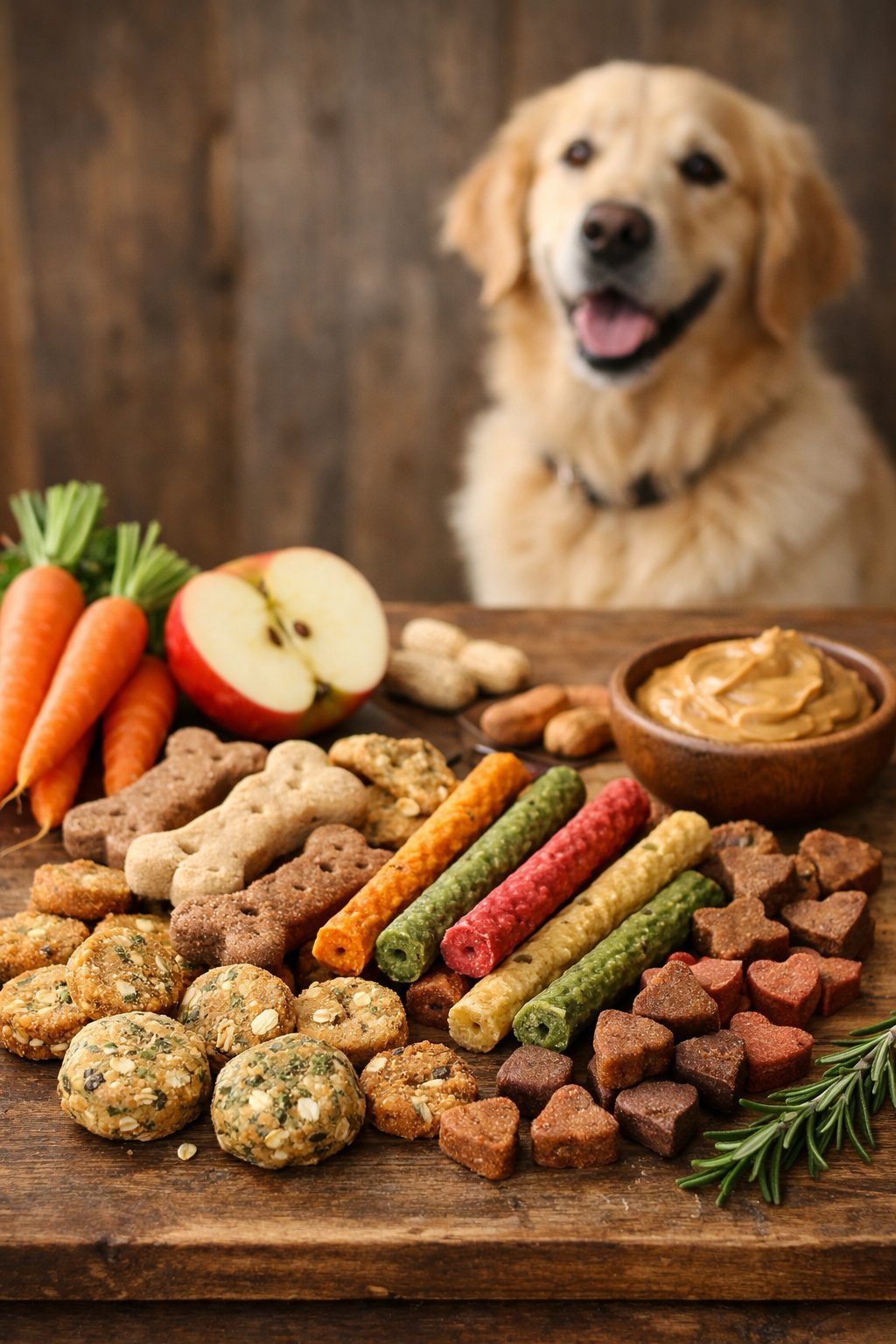
I’ve spent years exploring the world of gourmet dog treats and biscuits to find what makes them worth the extra cost. The difference between a regular dog cookie and a gourmet one comes down to ingredient quality and careful preparation.
Many companies now use all natural, human-grade ingredients that you could eat yourself. Whether you want to bake homemade treats in your kitchen or purchase from specialty shops, gourmet options give you more control over what your dog eats.
You’ll learn how to make simple recipes at home, what to look for when buying premium treats, and how to keep your pup healthy while enjoying these special snacks.
Key Takeaways
- Gourmet dog treats use premium, natural ingredients without harmful additives or preservatives
- You can make healthy treats at home or buy from trusted bakeries that use human-grade components
- Always check ingredients and consult your vet before introducing new treats to your dog’s diet
What Are Gourmet Dog Treats?
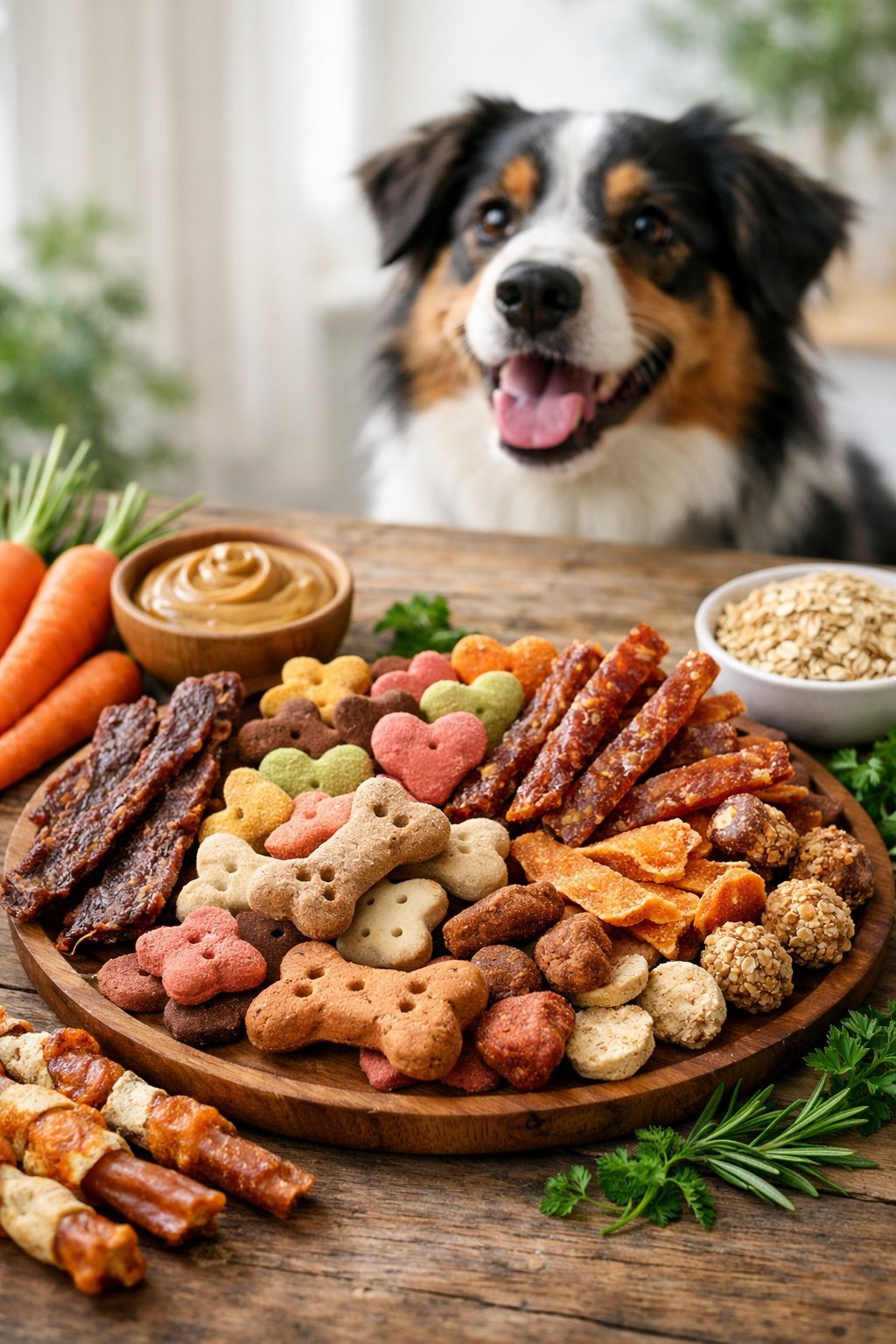
Gourmet dog treats use higher-quality ingredients than standard options and often feature unique flavor combinations like duck and pumpkin. They’re made with real meat, vegetables, and natural preservatives instead of artificial additives.
Key Ingredients in Gourmet Dog Treats
When I look at gourmet dog treats made with human-grade ingredients, I notice they contain real proteins like chicken, beef, duck, and salmon as their main components. These treats skip the mystery meat and byproducts you’ll find in cheaper options.
The vegetable ingredients often include pumpkin, sweet potato, carrots, and peas. These add fiber and vitamins that support my dog’s digestion and overall health.
I’ve found that quality gourmet treats use natural preservatives like vitamin E instead of chemical additives. Many brands also use plant-based dyes from vegetables rather than artificial colors.
Some even include extras like flaxseed for omega-3 fatty acids or turmeric for joint support. The fat sources in premium treats come from healthy options like coconut oil or salmon oil.
These provide energy and keep my dog’s coat shiny.
Differences Between Gourmet and Regular Dog Treats
Regular dog treats often list corn, wheat, or soy as their first ingredients. Gourmet options focus on wholesome ingredients like real meat and vegetables instead.
The texture and variety matter too. While basic treats come in standard shapes and flavors, gourmet treats offer soft-baked, crunchy, or chewy options to match different preferences and chewing styles.
I notice the biggest difference in what’s not included. Standard treats frequently contain:
- Artificial colors and flavors
- Chemical preservatives like BHA or BHT
- Meat byproducts
- Excessive fillers
Gourmet treats cost more per pound, but they’re more nutrient-dense. This means I can feed smaller portions while still giving my dog the same nutritional value.
Benefits of Choosing Gourmet Options
High-quality gourmet treats combine taste with health benefits that go beyond basic snacking. I’ve noticed my dog has better breath and healthier teeth when eating premium treats made without fillers.
The digestibility factor is huge. Real meat and vegetables break down easier in my dog’s stomach compared to corn-based fillers.
This means less upset stomach and better nutrient absorption. Better ingredients often mean fewer allergic reactions.
Dogs with sensitivities to common additives can usually tolerate gourmet treats made with simple, recognizable ingredients. I also appreciate that many gourmet brands are made in small batches.
This ensures fresher products and better quality control than mass-produced alternatives.
Homemade Gourmet Dog Treat Recipes
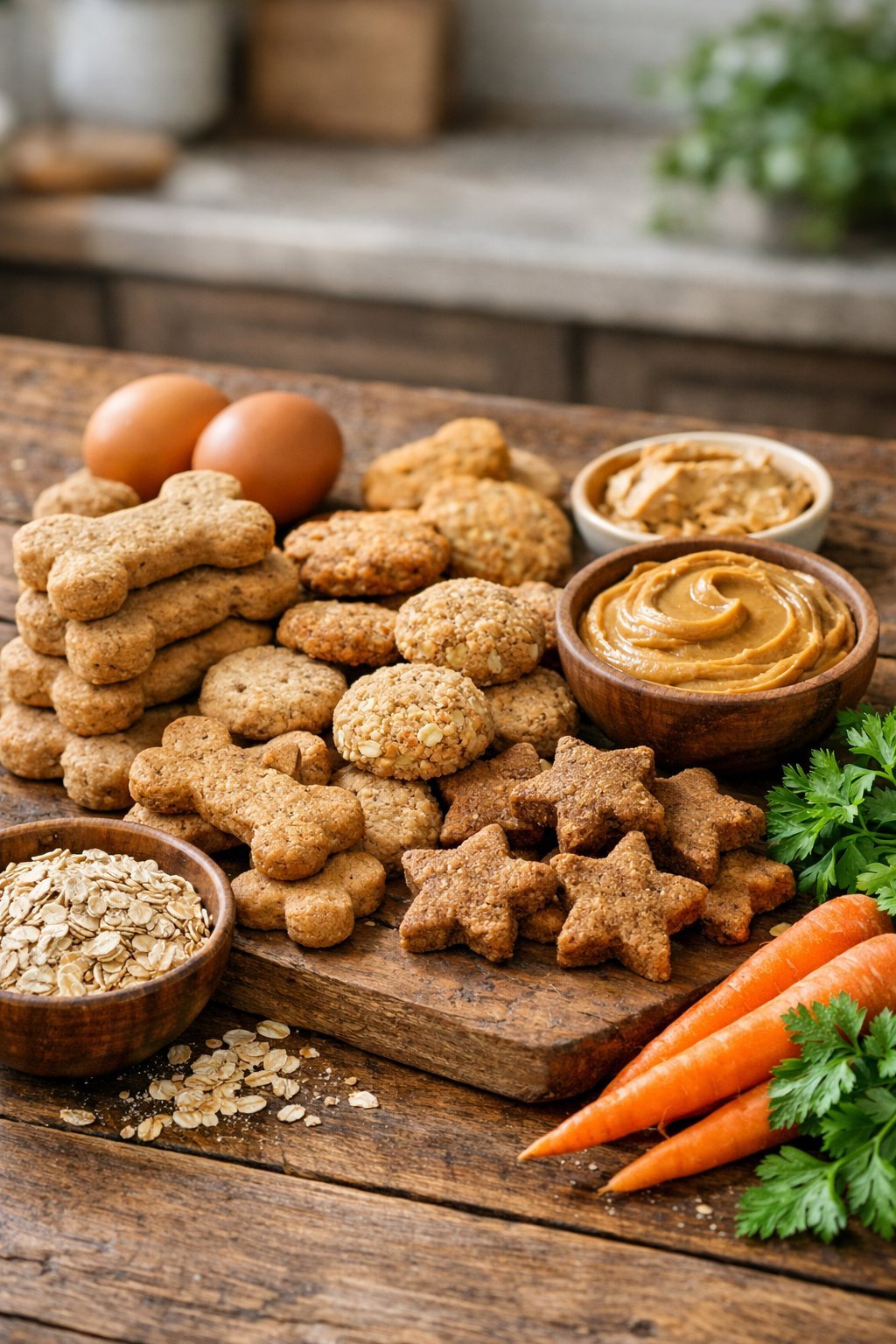
Making treats at home lets you control exactly what goes into your dog’s snacks. You can choose fresh ingredients that match your pup’s dietary needs and skip fillers or preservatives found in store-bought options.
Simple Homemade Recipes
I’ve found that simple dog treat recipes work best when you’re just starting out. Most basic gourmet treats need only three to five ingredients you probably already have in your kitchen.
Peanut butter and pumpkin treats are my go-to recipe. They combine natural peanut butter with pure pumpkin puree and whole wheat flour to create a treat that smells amazing while baking.
The best part is that you can make these in under 30 minutes from start to finish. Sweet potato chews are another favorite.
I slice sweet potatoes into thin strips and bake them low and slow until they turn chewy. Dogs love the natural sweetness, and sweet potatoes pack vitamins A and C plus fiber.
Banana oat biscuits work great too. Mashed ripe bananas bind everything together without needing eggs.
I mix them with oats and a bit of honey for treats that stay fresh in an airtight container for up to two weeks.
Peanut Butter Pumpkin Dog Biscuits
🥘 Ingredients
- 1 cup pure pumpkin puree (not pie filling)
- 1/2 cup natural peanut butter (xylitol-free)
- 2 cups whole wheat flour
- 1/2 teaspoon cinnamon
- 2 tablespoons water (if needed)
👩🍳 Instructions
- Preheat your oven to 350°F and line a baking sheet with parchment paper.
- Mix pumpkin puree and peanut butter in a large bowl until well combined.
- Add flour and cinnamon, stirring until a stiff dough forms. Add water one tablespoon at a time if dough is too dry.
- Roll dough out on a floured surface to 1/4 inch thickness.
- Cut into shapes using cookie cutters and place on prepared baking sheet.
- Bake for 20 minutes until edges are golden and firm.
- Cool completely on a wire rack before serving.
📦 Storage
Store in an airtight container in the refrigerator for up to 2 weeks or freeze for up to 3 months.
💪 Key Nutritional Benefits for Dogs
Pumpkin provides fiber for healthy digestion and can help with both diarrhea and constipation. Peanut butter offers protein and healthy fats for energy and a shiny coat. Cinnamon has anti-inflammatory properties.
⚠️ Important Notes
Always use xylitol-free peanut butter as xylitol is toxic to dogs. Check with your vet before giving these to puppies under 6 months or dogs with pancreatitis. These treats should make up no more than 10% of your dog’s daily calories.
Grain-Free Gourmet Treat Ideas
Grain-free treats help dogs with sensitivities to wheat or corn. I use alternative flours like coconut flour, chickpea flour, or almond flour as the base for these recipes.
Chicken and sweet potato bites are a hit at my house. I combine cooked shredded chicken with mashed sweet potato and coconut flour to make protein-rich treats.
Buying Gourmet Dog Treats
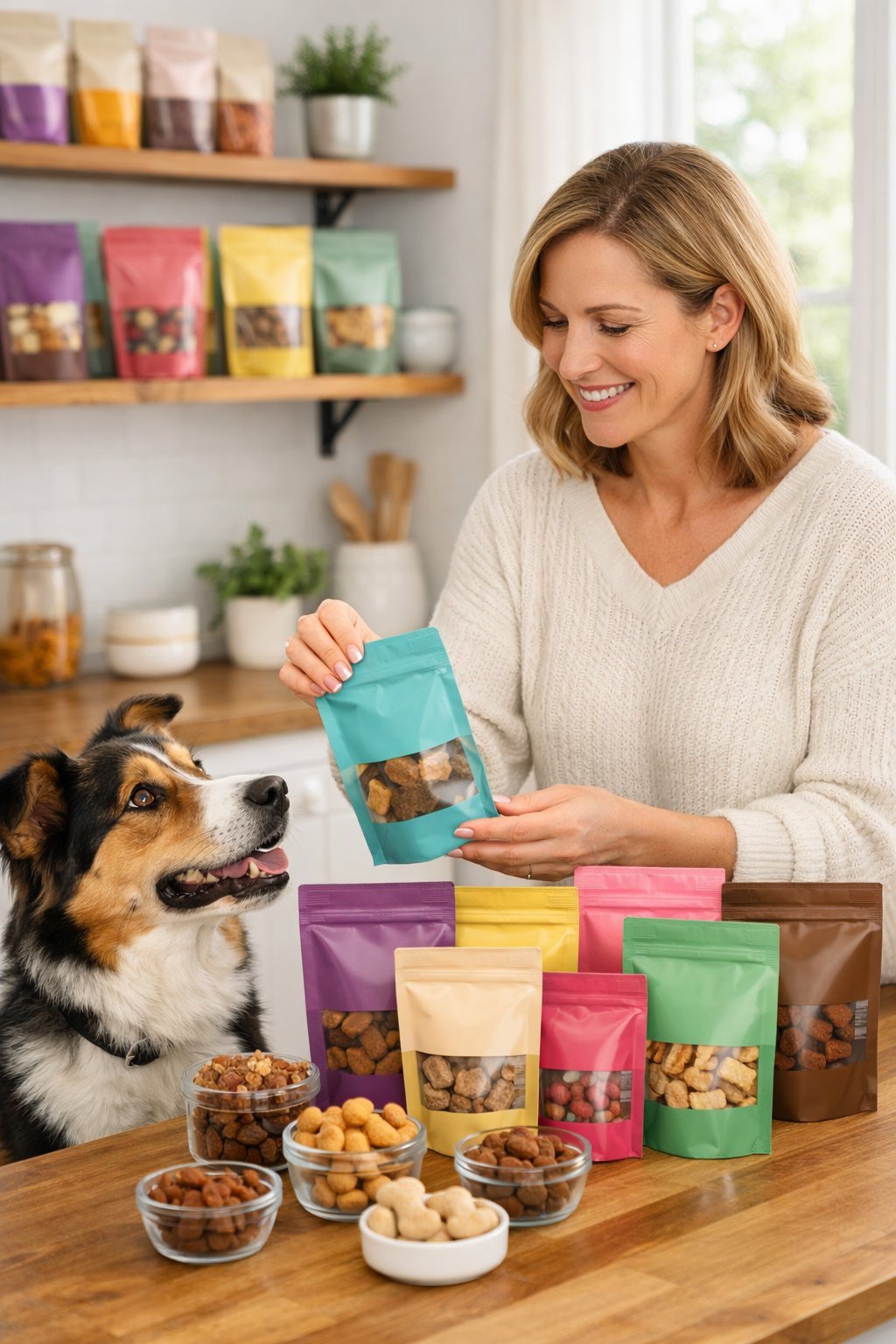
Quality ingredients and trusted brands matter when selecting treats for your dog. Look for clear labels, avoid harmful additives, and shop from companies that prioritize your pet’s health.
How to Choose High-Quality Treats
I always check what goes into a treat before I buy it. High-quality gourmet dog treats should contain real, recognizable ingredients like chicken, beef, sweet potato, or pumpkin as the first item listed.
Avoid treats with artificial colors, flavors, or preservatives. Many companies now make hand-made treats with human-grade ingredients and use plant-based dyes instead of synthetic ones.
Texture matters too. Hard biscuits work well for dental health, while softer treats suit older dogs or those with sensitive teeth.
I pay attention to the size of the treat based on my dog’s breed and weight. Look for treats made in countries with strict food safety standards.
Products made in the USA, Canada, or Europe typically follow higher manufacturing regulations. I also check for any recall history on the brand before making a purchase.
Reading Ingredient Labels for Dogs
The ingredient list tells you everything you need to know about a treat’s quality. Ingredients appear in order by weight, so the first three to five items make up most of the product.
What to look for:
- Named meat proteins (chicken, salmon, beef)
- Whole grains or grain-free options (oats, brown rice, chickpea flour)
- Natural preservatives (mixed tocopherols, rosemary extract)
- Limited ingredient lists (fewer than 10 items)
Red flags to avoid:
- Corn syrup or other added sugars
- By-products or unspecified “meat meal”
- BHA, BHT, or ethoxyquin preservatives
- Artificial colors (Red 40, Yellow 5, Blue 2)
I always read the guaranteed analysis section too. It shows minimum protein and fat percentages plus maximum fiber and moisture.
Treats should be higher in protein and lower in fat than regular dog food since they’re supplements to your dog’s diet.
Top Brands and Where to Buy
Several trusted companies specialize in premium dog treats. Loving Pets offers gourmet biscuits and meat stocks with simple, health-focused ingredients.
WagFresh creates organic treats using top-quality ingredients for dogs with sensitive systems. Doggone Goodies makes premium treats with real ingredients that even picky eaters enjoy.
Specialty pet stores usually carry more gourmet options than big-box retailers. Many brands sell directly through their websites, which often means fresher products.
You can also find gourmet dog treat gift boxes on Amazon if you want variety or gift-giving options. Local bakeries for dogs often carry unique items like doggie donuts, cupcakes, and birthday cakes.
These shops typically make everything in small batches with fresh ingredients. I like supporting these businesses because they care about what they’re feeding our pets.
Gift certificates from specialty treat makers let other dog owners choose their favorites. This is great when you’re not sure about another dog’s dietary needs or preferences.
Health Considerations When Feeding Gourmet Dog Treats
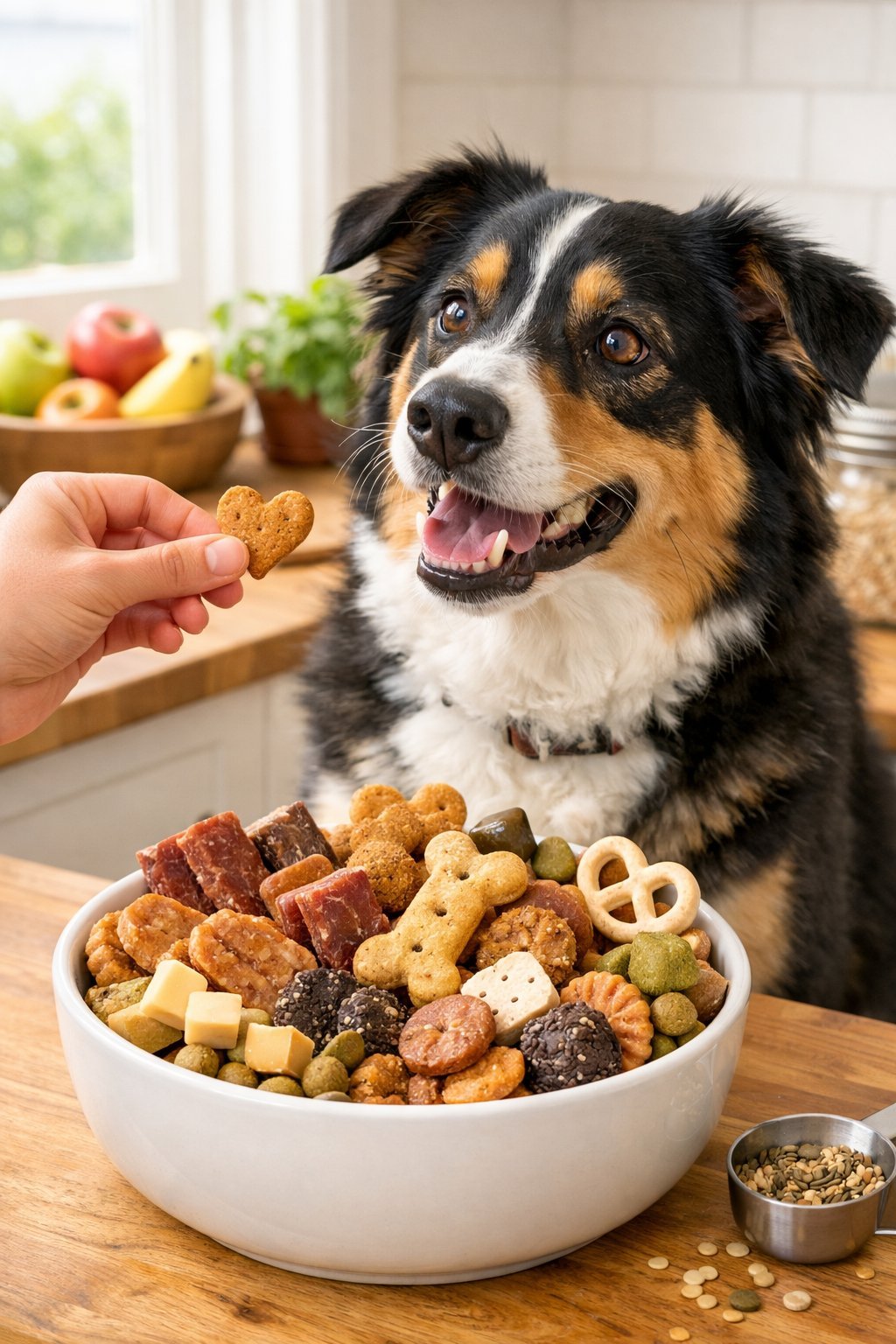
Gourmet dog treats are a fun addition to your dog’s diet, but it’s important to pay attention to how much you give, what nutrients your dog needs, and any ingredients that might cause problems.
Portion Control and Frequency
I follow the 10% rule for treats—no more than 10% of my dog’s daily calories should come from treats, with the rest from balanced meals.
Active and young dogs can enjoy more treats since they burn more calories than older or less active pups. I always check the feeding guidelines on the treat package to match my dog’s weight.
Overfeeding treats can lead to health problems like weight gain and nutritional imbalances. I weigh my dog regularly to make sure the treats aren’t adding unwanted pounds.
When I give treats throughout the day, I reduce meal portions to keep calories balanced. I like to use treats as rewards for good behavior instead of giving them randomly, which helps control how many my dog gets.
Nutritional Value for Different Dog Breeds
Different breeds have different nutritional needs based on size, age, and activity level. Large breeds need treats with controlled calcium and phosphorus, especially as puppies.
Small breeds have faster metabolisms and need calorie-dense treats that are small enough for their mouths. I look for treats with whole, nutritious ingredients that offer more than just empty calories.
Working and highly active dogs benefit from treats with extra protein and fat for energy. Senior dogs do better with treats that are soft and easy to digest, sometimes with joint support ingredients like glucosamine.
Breeds prone to certain health issues need special consideration. For example, dogs at risk for heart disease should avoid high-sodium treats, while those prone to pancreatitis need low-fat options.
Common Allergens to Avoid
The most common dog food allergens are beef, dairy, wheat, egg, chicken, lamb, soy, pork, rabbit, and fish. I watch for signs like itching, ear infections, digestive issues, or skin problems after introducing a new treat.
Many gourmet treats now come in organic, grain-free options to avoid allergens like wheat and corn. If my dog has known allergies, I carefully read labels and go for treats with novel proteins like venison, duck, or kangaroo.
I introduce new treats one at a time and wait a few days before adding another. This way, if my dog reacts, I can pinpoint the cause.
Some treats have artificial colors, flavors, or preservatives that can trigger sensitivities. I go for natural treats and fresh alternatives whenever possible.
Creative Ways to Serve Gourmet Treats
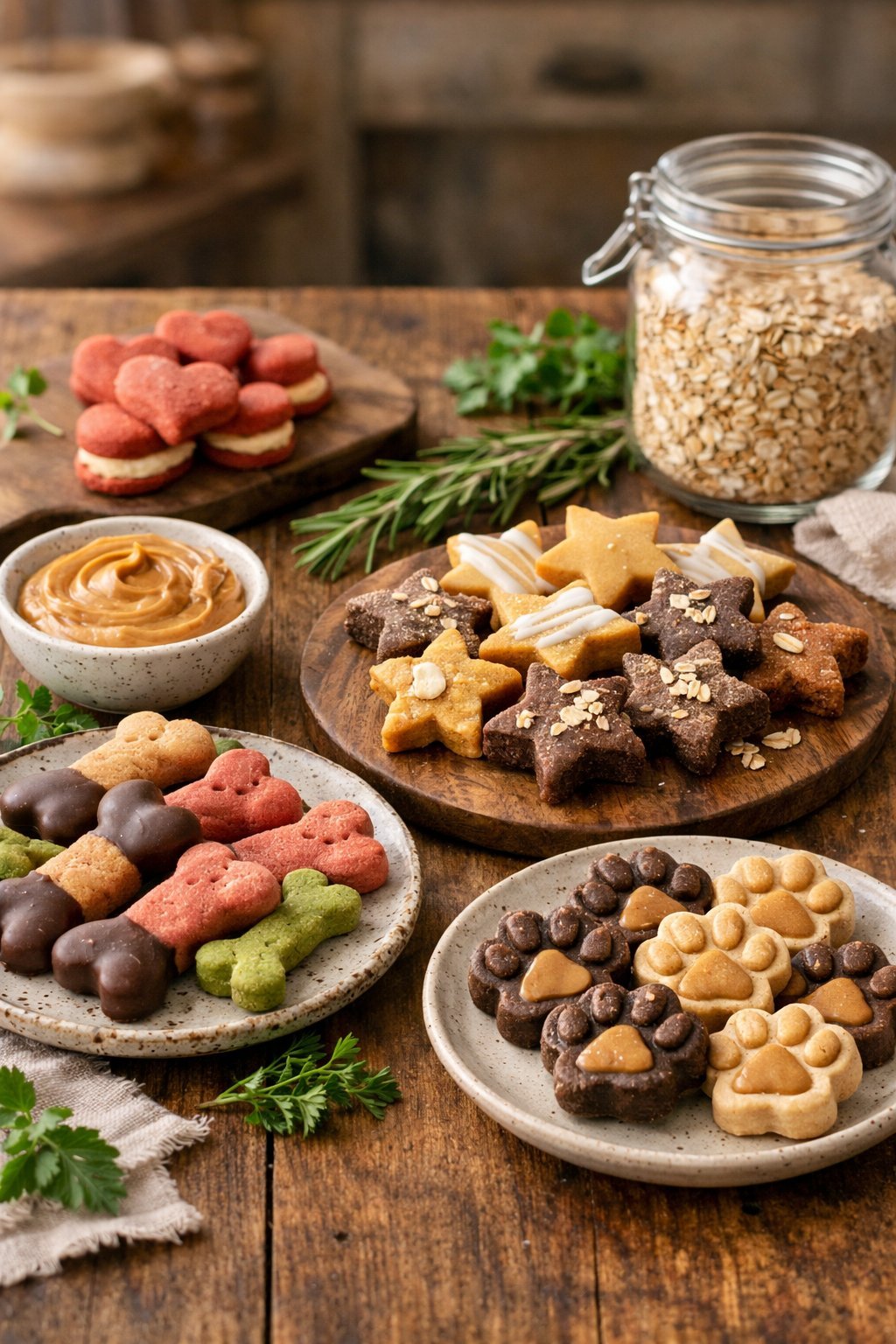
Gourmet dog treats aren’t just tasty—they’re super versatile. They’re perfect for training and make awesome gifts for special occasions.
Using Treats for Training
Gourmet treats are awesome for training because their flavors keep my dog motivated. Breaking larger treats into smaller bits helps training sessions last longer without overfeeding.
I use high-value treats when teaching new or tough commands. For basic stuff my dog already knows, I save the gourmet treats for distracting places like parks.
Training tips with gourmet treats:
- Break treats into pea-sized pieces for frequent rewards
- Use soft treats so your dog can chew them quickly
- Store treats in a sealed pouch to keep them fresh
- Go for smellier treats when training outdoors
I always make sure the treats are easy to digest and don’t upset my dog’s stomach during training.
Special Celebrations and Gift Ideas
Making your dog’s treats extra special is a fun way to celebrate birthdays, holidays, or just because. I use cookie cutters to make treats into cute shapes like bones, hearts, or seasonal designs.
For birthdays, I like to make a small treat cake with dog-safe ingredients. I decorate with plain yogurt frosting and add color using pureed blueberries or mashed sweet potato.
When gifting homemade dog treats, I package them in clear bags with ribbon, mason jars with custom labels, or small boxes lined with tissue. Including a card with the ingredients helps other pet owners check for allergies.
Gift packaging ideas:
- Paw-print themed bags or containers
- A handwritten note about the treat flavors
- Storage instructions for freshness
- Add a small toy or bandana for an extra touch
I always prep fresh batches close to the gift date so they taste great.
Frequently Asked Questions
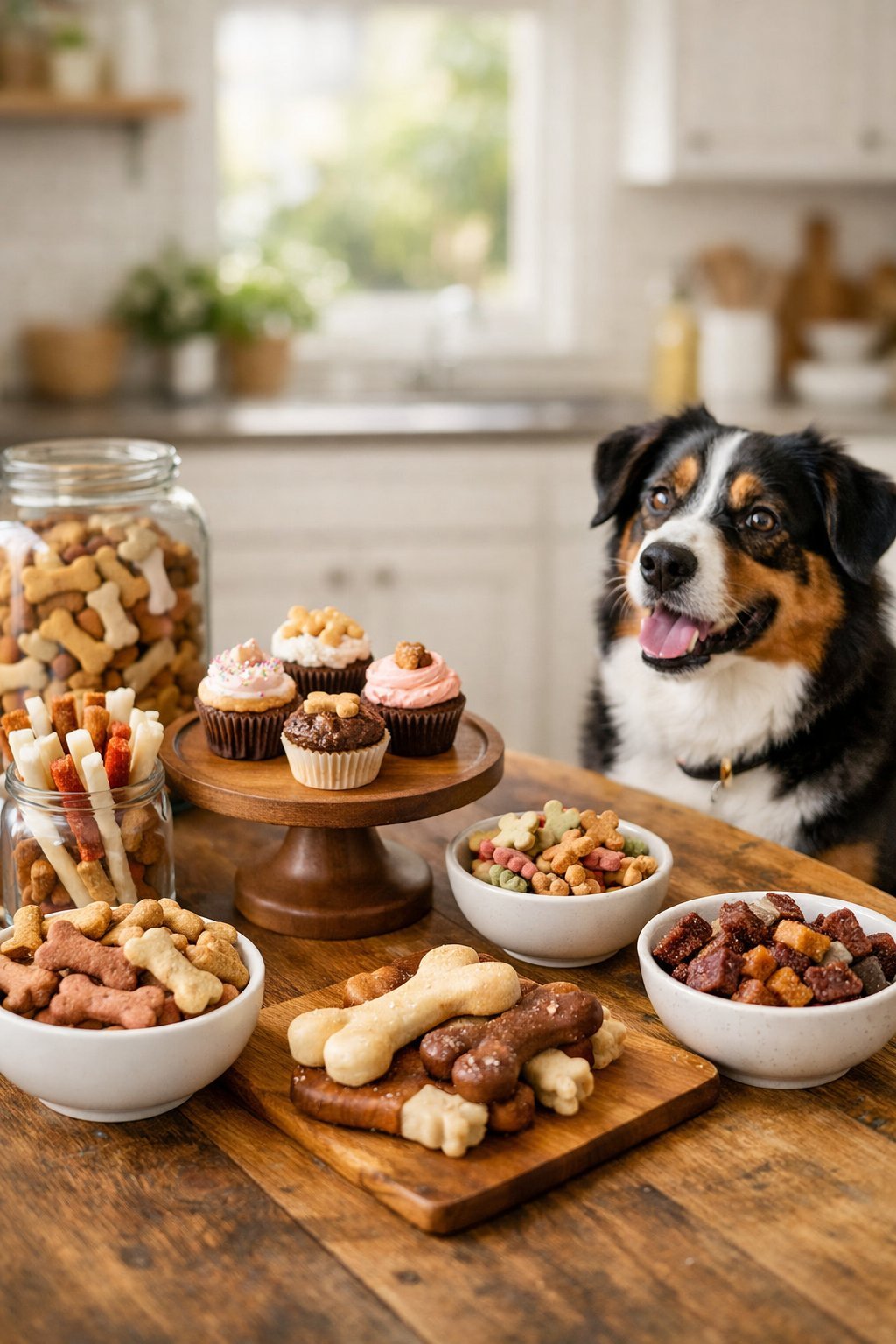
Pet owners often ask about ingredients in homemade treats, how to check for safety and quality, which brands are best, and where to find fun holiday treats or wholesale options. Many also want to know about unique gourmet bakeries for their dogs.
What ingredients are commonly used in homemade gourmet dog treats?
Most homemade gourmet dog treats use a few key ingredients that are safe and tasty for dogs. Whole wheat flour or oat flour is a common base, adding structure and fiber.
Peanut butter is super popular for its taste and healthy fats. I always use natural peanut butter without xylitol, since that’s toxic for dogs.
Pumpkin puree often pops up in recipes because it’s good for digestion and adds moisture. Sweet potatoes, bananas, and apples bring natural sweetness and vitamins.
Eggs help bind everything and add protein. Sometimes yogurt or cheese is included for calcium and probiotics.
I look for simple, recognizable ingredients and skip anything artificial. That’s what makes a good dog treat in my book.
How can I ensure the safety and quality of gourmet dog treats for my pet?
I always read the ingredient list before buying treats. The fewer ingredients, the better.
I like treats made in the USA with clear sourcing info. Brands that are carefully vetted give me peace of mind about safety and quality.
I check for recalls by searching the brand online and use the FDA’s pet food recall database. After introducing a new treat, I watch my dog for any reactions like itching, vomiting, or diarrhea.
I store treats in airtight containers and check expiration dates. Natural treats without preservatives don’t last as long, so I buy smaller amounts.
When making treats at home, I avoid anything toxic to dogs like chocolate, grapes, raisins, onions, garlic, or xylitol. I also ask my vet about treat amounts based on my dog’s size and activity.
Which brands offer the highest rated gourmet dog treats?
Some brands always get great reviews from pet owners looking for premium treats. I look for companies that use quality ingredients and cater to special diets.
Natural gourmet treats from brands with hypoallergenic and limited-ingredient options are great for sensitive dogs. These usually have single protein sources and avoid common allergens.
Lucky Premium Treats is known for rawhide alternatives and sizes treats by dog weight, which is super helpful. They have options for tiny dogs up to big breeds.
Winston’s Gourmet Dog Treats has a solid reputation for vetting and organic, natural treats. Their focus on safety and quality is reassuring.
The Dog Bakery by Pets Naturally offers fresh baked treats with all natural ingredients and wholesale options for retailers. They avoid artificial colors, flavors, and preservatives.
What are some unique holiday-themed gourmet treats available for dogs?
I love picking up special treats for holidays so my dog can join in the fun. Many gourmet bakeries make festive, dog-safe goodies.
Christmas treats often come shaped like snowmen, trees, or candy canes. I’ve seen peppermint-flavored biscuits with natural mint and carob coating (which is safe for dogs).
For Halloween, pumpkin spice flavors and treats shaped like pumpkins, ghosts, or bats are popular. Valentine’s Day brings heart-shaped treats in pink or red, usually colored with beets or strawberries.
Easter treats might be bunny-shaped cookies or egg-themed biscuits. Spring collections often feature carrot and apple flavors.
Thanksgiving usually means turkey and sweet potato combos. Birthday treats are available all year, with peanut butter “cakes” and dog-friendly frosting.
Where can I find wholesale suppliers for premium dog treats made in the USA?
I’ve found several ways to buy premium dog treats in bulk, which is a great way to save money if you need larger quantities. Most wholesale suppliers will ask for a business license or a minimum order.
The Dog Bakery by Pets Naturally offers wholesale healthy dog treats that are fresh baked with all natural ingredients. They’ve earned a good reputation with pet stores and boutiques.
A lot of USA-based manufacturers have wholesale programs right on their websites. I usually reach out to these companies to ask about their bulk pricing and order minimums.
Trade shows like Global Pet Expo and SuperZoo are great for connecting with premium treat makers. These events are also a chance to sample products and meet suppliers in person.
Looking for regional manufacturers can mean fresher products and faster shipping. I like to search for bakeries and treat makers in my own state or nearby areas.
Online wholesale marketplaces like Faire and Bulletin are also helpful. They feature curated pet product suppliers and make it easy to discover smaller, quality-focused brands.
Are there any notable gourmet dog bakeries known for their specialty items?
I’ve found several bakeries that stand out for their creative recipes and high-quality products.
These businesses treat dog treats like human pastries, putting a lot of attention into every detail.
