
Home Remedies for Fleas: Natural Solutions to Protect Your Pets and Home

Home Remedies for Fleas – Fleas can turn your peaceful home into an itchy nightmare for both you and your pets. These tiny pests multiply quickly and cause discomfort that goes beyond just scratching.
The good news is you don’t always need harsh chemicals to fight back.

Natural ingredients like diatomaceous earth, apple cider vinegar, and dish soap can effectively kill and repel fleas in your home and on your pets. Many of these home remedies for fleas use items you already have in your kitchen or bathroom.
I’ve gathered the most effective natural methods that actually work based on what pest control experts recommend. Getting rid of fleas takes more than just treating your pet.
You need to tackle your carpets, furniture, and yard at the same time. The natural remedies I’ll share are safer for your family and pets while still delivering real results against these stubborn pests.
Key Takeaways
- Natural flea remedies using common household items can effectively eliminate fleas without harsh chemicals
- Treating your pets, home, and outdoor spaces at the same time prevents fleas from coming back
- Combining multiple natural methods gives you the best chance of getting rid of fleas for good
Understanding Fleas and Their Impact
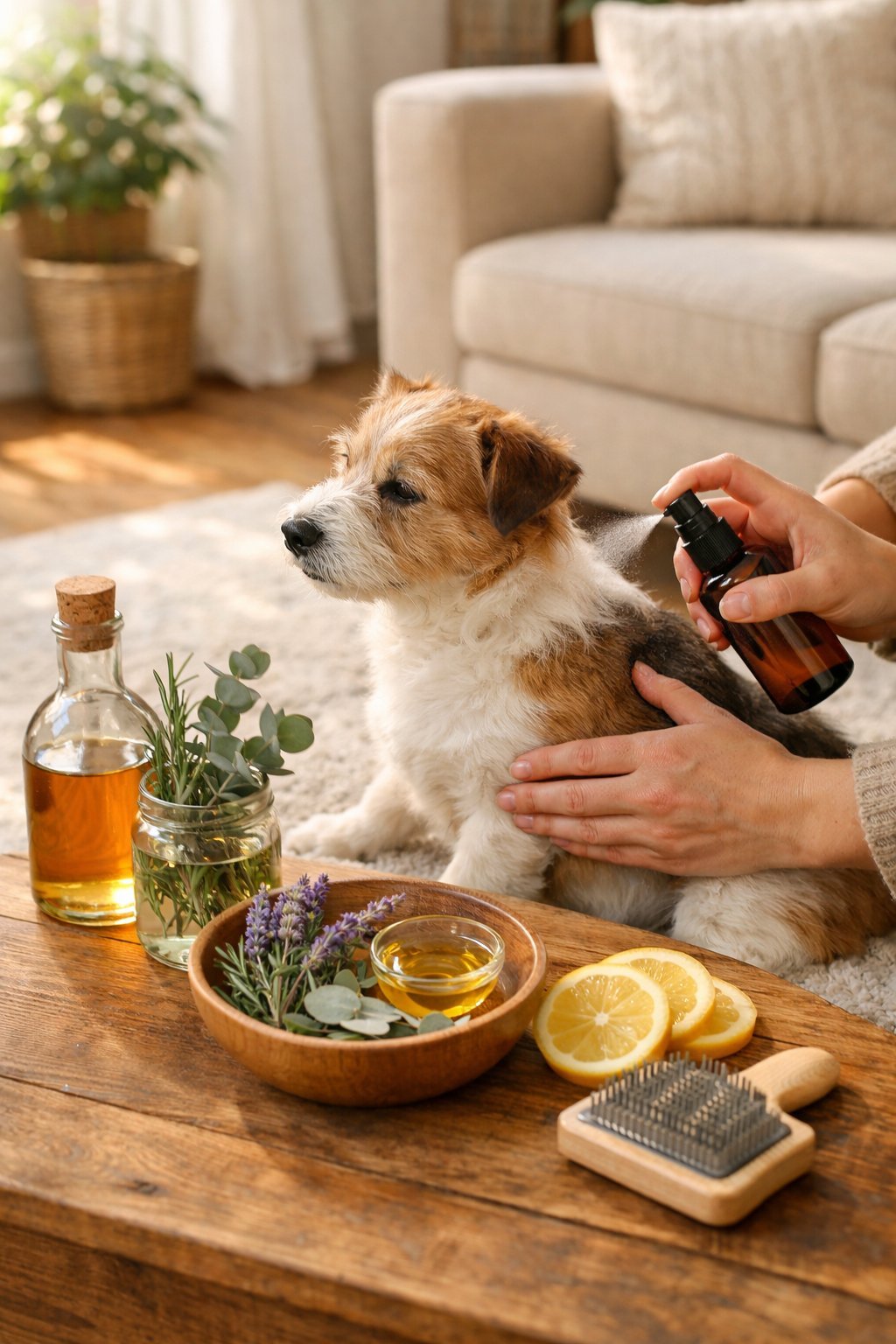
Fleas are tiny jumping insects that feed on blood and can quickly turn into a major problem in your home. These pests multiply fast, cause discomfort to both pets and people, and can spread diseases if left untreated.
Flea Life Cycle
I find it helpful to understand how fleas grow because it explains why they’re so hard to eliminate. Adult fleas lay eggs on your pet, but these eggs quickly fall off onto carpets, furniture, and bedding.
The eggs hatch into larvae within 1-12 days. These tiny worm-like creatures avoid light and burrow deep into carpet fibers or cracks in floors.
They feed on adult flea droppings and organic debris for 5-11 days before spinning cocoons. Inside the cocoon, the flea develops into a pupa.
This stage is the trickiest because the cocoon protects the flea from most treatments. The pupa can stay dormant for weeks or even months until it senses vibrations, warmth, or carbon dioxide from a nearby host.
Adult fleas emerge ready to feed within seconds. They jump onto pets or people and start biting immediately.
A female flea can lay up to 50 eggs per day, which means fleas can stick around for a long time if you don’t break this cycle.
Signs of Flea Infestation
I always tell people to watch their pets closely for the first signs. Excessive scratching, biting, or licking is usually the most obvious clue.
Your pet might also develop red, irritated skin or small scabs. You can check for fleas by parting your pet’s fur and looking for tiny dark brown insects that move quickly.
Another sign is “flea dirt,” which looks like black pepper sprinkled on your pet’s skin. If you put this dirt on a wet paper towel and it turns reddish-brown, it’s actually flea droppings made of digested blood.
In your home, you might notice small jumping insects on light-colored surfaces like white socks or bedding. Flea infestations often show up in areas where your pet spends the most time.
Health Risks for Pets and People
I want you to know that fleas can transmit diseases to both animals and humans. Pets can develop flea allergy dermatitis, which causes intense itching from even a single bite.
Heavy infestations can lead to anemia, especially in young or small animals. Fleas can carry tapeworm eggs.
If your pet swallows an infected flea while grooming, they can develop an intestinal tapeworm infection. For people, flea bites cause itchy red bumps that often appear in clusters or lines.
Some people have allergic reactions that make the itching worse. Fleas can also transmit diseases like typhus and plague, though this is rare in modern times.
Children are at higher risk because they often play on floors where flea eggs and larvae hide. The constant itching from bites can lead to skin infections if scratched too much.
Effective Home Remedies for Fleas
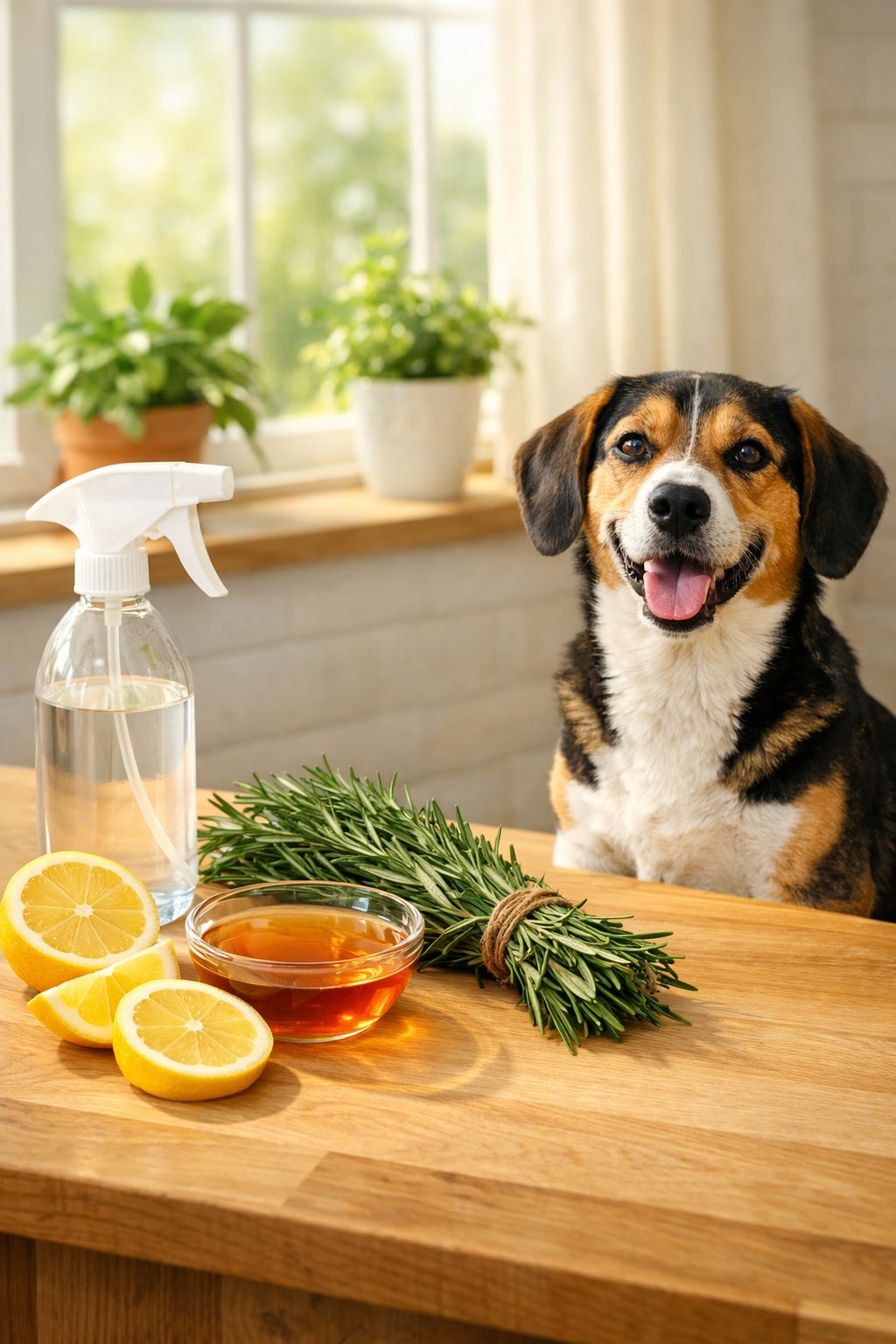
I’ve found that tackling fleas requires a multi-step approach using common household items and natural solutions. Regular cleaning combined with specific treatments can eliminate fleas without harsh chemicals.
Vacuuming and Cleaning Techniques
I recommend vacuuming daily when dealing with a flea problem. This removes adult fleas, eggs, and larvae from carpets, furniture, and baseboards.
I always focus on areas where my pets spend the most time. Fleas love to hide in carpet fibers, under furniture, and along edges of rooms.
After each vacuuming session, I immediately empty the vacuum bag or canister into an outdoor trash bin. This prevents fleas from crawling back out and reinfesting my home.
I seal the bag in a plastic bag before disposing of it. I also sweep and mop hard floors regularly.
Fleas can hide in cracks and crevices between floorboards. Using hot water when mopping helps kill any remaining flea eggs.
Diatomaceous Earth Application
I use food-grade diatomaceous earth as a natural remedy to control flea populations. This powder works by damaging the outer shells of fleas, causing them to dry out and die.
I sprinkle a thin layer of diatomaceous earth on carpets, pet bedding, and along baseboards. I leave it for 24 to 48 hours before vacuuming it up thoroughly.
Important safety tips:
- Wear a dust mask when applying
- Keep pets away during application
- Only use food-grade diatomaceous earth
- Avoid getting it in eyes or lungs
I reapply every few days for about two weeks to break the flea life cycle. This timeline helps catch newly hatched fleas before they can reproduce.
Homemade Flea Sprays
I make my own flea sprays using ingredients from my kitchen. Apple cider vinegar sprays and baking soda treatments create an environment fleas don’t like.
My go-to recipe mixes equal parts water and apple cider vinegar in a spray bottle. I spray this on furniture, carpets, and pet bedding (not directly on pets without diluting further).
Another effective spray combines lemon juice with water. I cut fresh lemons into slices, boil them in water, let it steep overnight, then strain and spray.
The citrus compounds repel fleas naturally. I also mix a few drops of lavender or cedar essential oil with water.
These scents repel fleas while making my home smell fresh.
Washing Bedding and Fabrics
I wash all pet bedding, blankets, and throw pillows in hot water weekly during a flea outbreak. High temperatures kill fleas at all life stages.
I use the hottest water setting my fabrics can handle safely. I follow up with high heat in the dryer for at least 30 minutes.
Items I wash regularly:
- Pet beds and cushions
- My own bedding if pets sleep there
- Blankets and throws
- Removable furniture covers
- Pet toys (fabric ones)
I don’t forget about items that can’t go in the washing machine. I place these in sealed plastic bags and freeze them for 24 hours.
This kills any fleas hiding in them.
Pet Care Solutions for Flea Control
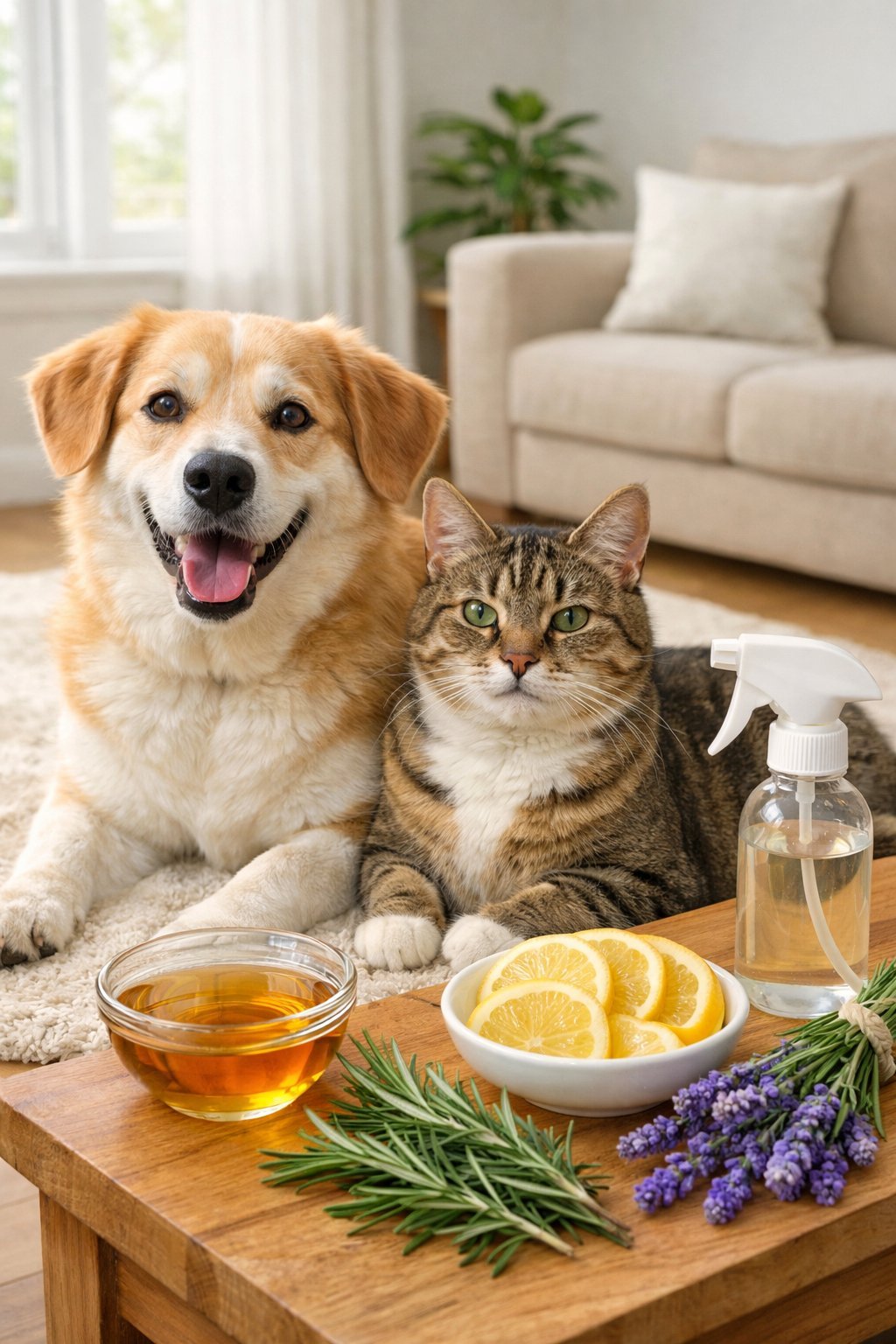
Treating your pet directly with safe methods can stop fleas before they spread throughout your home. I’ve found that combining baths, natural repellents, and regular combing creates a three-part approach that keeps pets comfortable and flea-free.
Bathing Pets Safely
I always start with a gentle bath using warm water and mild dish soap. The soap breaks down the waxy coating on fleas, which causes them to drown in the water.
I make sure to wet my pet thoroughly before applying any soap. I work the lather from the neck down to the tail, paying special attention to areas where fleas hide like behind the ears, under the legs, and around the base of the tail.
I let the soap sit for about five minutes before rinsing. This gives it time to work on the fleas.
I use lukewarm water for the rinse and make sure to remove all soap residue, which can irritate skin. For cats, I keep baths brief since most don’t enjoy water.
I use a damp cloth with diluted soap for spot cleaning if a full bath causes too much stress.
Natural Flea Repellents for Pets
Apple cider vinegar works as an effective natural deterrent when mixed with equal parts water. I spray this mixture on my pet’s coat, avoiding the eyes and any open wounds.
I also use neem oil mixed with a carrier oil to create a natural flea treatment. I apply a few drops behind the neck and at the base of the tail every few days.
Cedar oil spray is another option I keep on hand. The smell repels fleas naturally without harsh chemicals.
I spray it lightly on my pet’s bedding and coat between baths. Lavender essential oil diluted in water can be used sparingly on dogs, but I avoid it with cats since they’re sensitive to essential oils.
I always test any new product on a small area first.
Using Flea Combs Effectively
I use a fine-toothed flea comb daily during active infestations. The comb’s narrow teeth catch adult fleas, eggs, and flea dirt as I work through the fur.
I always keep a bowl of soapy water nearby. When I catch fleas in the comb, I dip it immediately into the water to kill them.
This prevents fleas from jumping back onto my pet. I comb in sections, starting at the head and working toward the tail.
I pay extra attention to warm areas like the neck, armpits, and groin where fleas gather. I wipe the comb clean after each stroke to check for fleas and debris.
My combing sessions last about 10 to 15 minutes. I do this outside when possible to prevent fleas from dropping onto indoor surfaces.
Preventing Flea Reinfestation
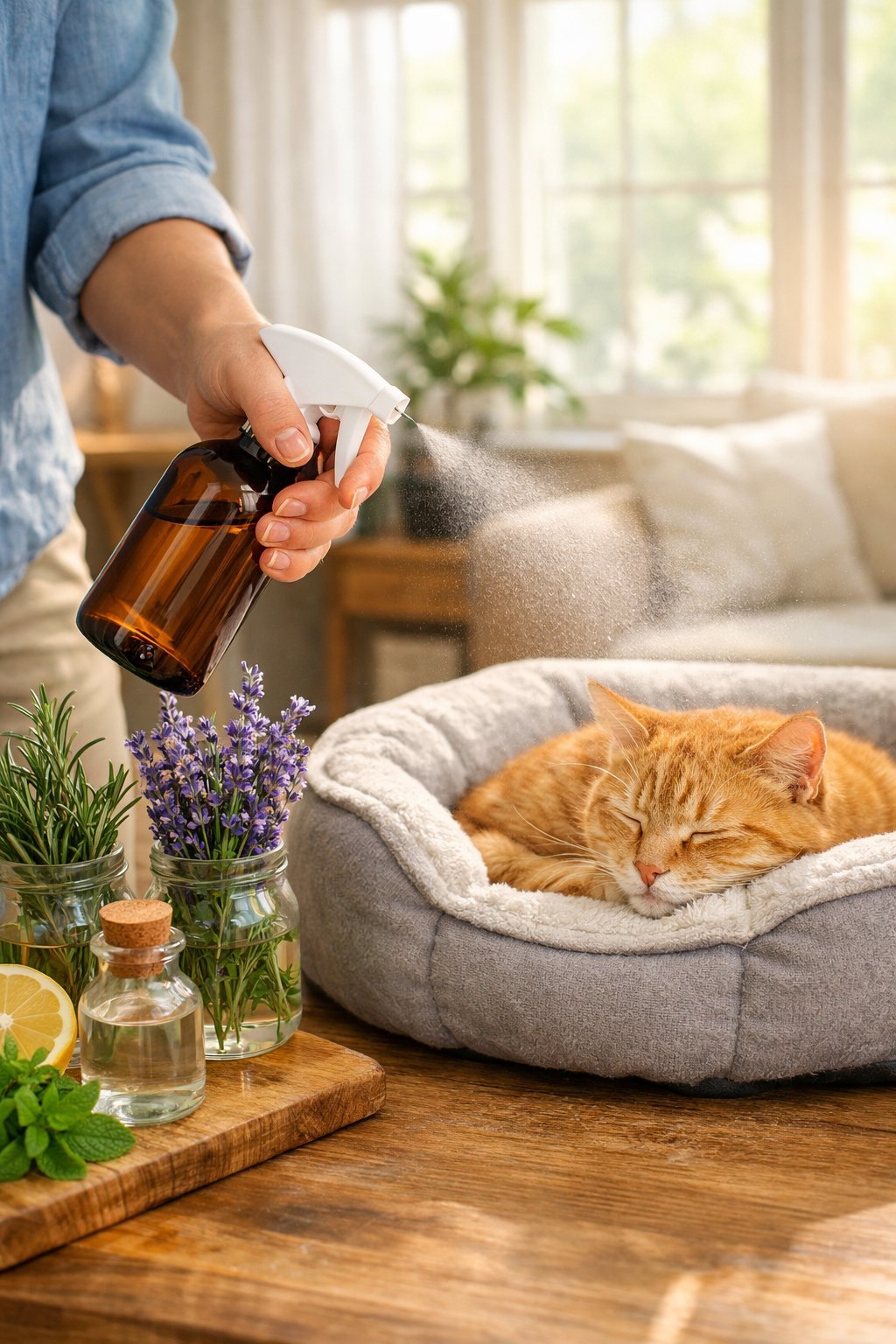
After getting rid of fleas, I focus on keeping them away for good through consistent cleaning habits, treating outdoor spaces, and maintaining my pet’s grooming routine.
Regular Home Maintenance
I vacuum my floors, carpets, and furniture at least twice a week to remove any flea eggs or larvae before they develop into adults. Vacuuming every day works best for initial control.
I maintain this schedule to prevent new infestations. I wash all pet bedding, blankets, and my own linens in hot water weekly.
The heat kills fleas at all life stages. I also make sure to empty my vacuum canister or bag immediately after each use into an outdoor trash can.
I dust hard-to-reach areas like baseboards, window sills, and under furniture with baking soda or diatomaceous earth monthly. These materials dry out any hidden flea eggs.
I keep clutter to a minimum since fleas hide in piles of clothes, newspapers, or boxes.
Outdoor Treatment Methods
I keep my lawn mowed short and remove leaf piles, tall grass, and other debris where fleas breed. Fleas prefer shaded, humid areas, so I trim bushes and trees to increase sunlight exposure in my yard.
I create a barrier around my home by treating the perimeter with cedar chips or diatomaceous earth. These natural pest control methods are safer around children and pets.
I pay special attention to areas where my pets spend time outside. I discourage wild animals like raccoons, opossums, and stray cats from entering my yard since they carry fleas.
I secure garbage cans with tight lids and avoid leaving pet food outside.
Routine Pet Grooming
I bathe my pets regularly with a gentle shampoo and use a flea comb during each bath to check for signs of fleas. I inspect behind their ears, under their legs, and around their tail where fleas gather.
I brush my pets daily to remove loose fur and check their skin condition. Between baths, I wipe them down with a damp cloth after they’ve been outside.
I trim long fur during warmer months to make it easier to spot fleas early. I consult my veterinarian about ongoing flea prevention products appropriate for my pet’s age and health.
Natural flea remedies can support prevention efforts, but I don’t rely on them as a substitute for vet-recommended treatments.
When to Seek Professional Help
Sometimes home remedies aren’t enough to eliminate a flea problem. Severe infestations and health issues require specialized treatment that only professionals can provide.
Persisting Flea Problems
If I’ve tried multiple home remedies for several weeks and still see fleas jumping around my house, it’s time to call a professional. Fleas have a complex life cycle that makes them hard to eliminate completely on my own.
A licensed pest control applicator has access to stronger treatments that work faster than store-bought products. They know exactly where fleas hide and breed in my home, including hard-to-reach spots I might miss.
Professional exterminators cost between $75 to $400, but this investment saves me time and frustration. I should also call an expert if I notice fleas coming back repeatedly after treatment.
This usually means the infestation is larger than I thought or that eggs are hatching in areas I haven’t treated properly.
Allergy or Health Complications
I need to contact a professional immediately if anyone in my home develops severe allergic reactions to flea bites. Some people experience intense itching, swelling, or skin infections that require medical attention.
Fleas can transmit diseases to both pets and people. I shouldn’t ignore health symptoms that appear after flea bites.
Red, inflamed skin or signs of infection mean I need to see a doctor. I should get the flea problem handled quickly.
If my pets show signs of distress like constant scratching, hair loss, or lethargy, I should contact my veterinarian right away. A vet can prescribe proper flea treatments and check for any flea-related health issues my pet might have developed.