
Homemade Dog Food Crockpot Recipes Your Pup Will Love

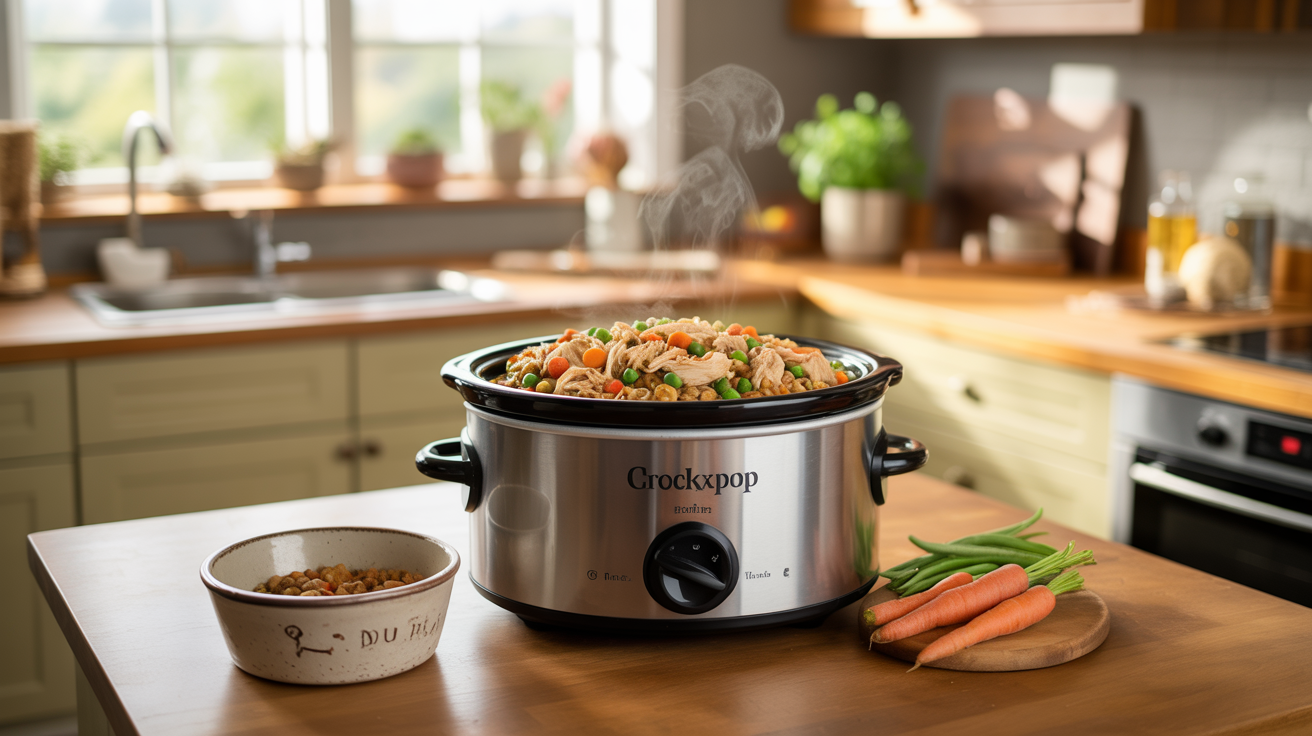
Making dog food at home might sound hard, but using a crockpot makes it really simple. You can make healthy homemade dog food crockpot meals by adding ingredients like meat, vegetables, and grains to your slow cooker, turning it on, and letting it cook for 3 to 6 hours while you go about your day. I’ve found that crockpot dog food recipes are almost as easy as buying store-bought food.
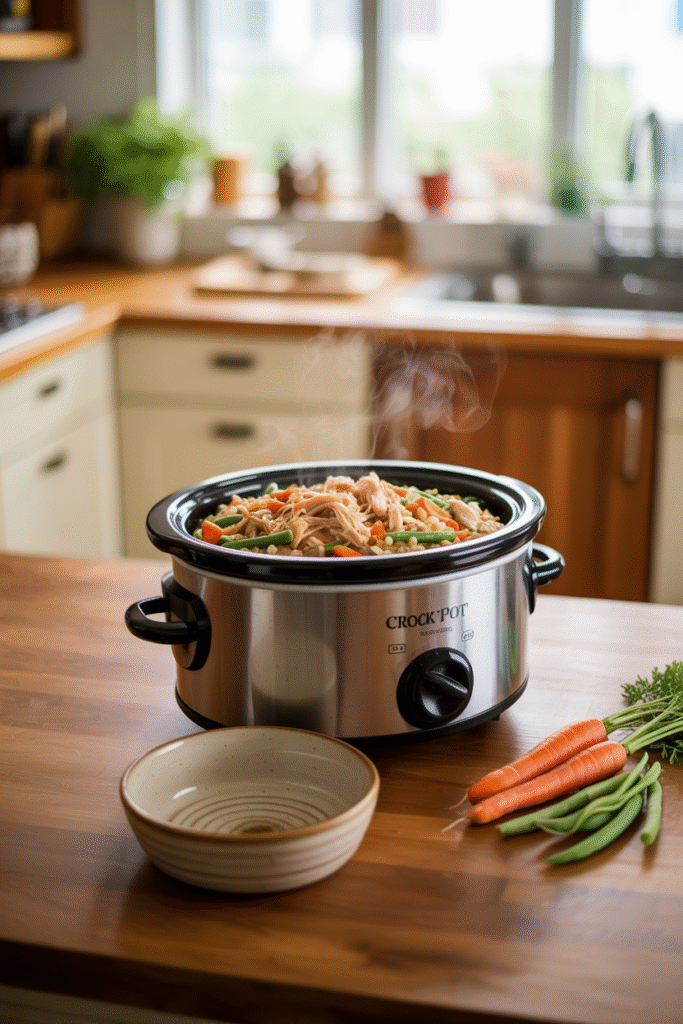
I started making my own dog food because I wanted to know exactly what my dog was eating. The crockpot saves me time and helps me avoid preservatives and fillers that come in some commercial foods. Plus, making food this way costs less than buying premium dog food at the store.
If you’re busy but want to give your dog better meals, slow cooker recipes are perfect. You don’t need fancy cooking skills or hours of free time. I’ll show you how to get started with simple recipes and tips to make sure your dog gets all the nutrients they need.
Key Takeaways
- Crockpot dog food is easy to make by combining meat, vegetables, and grains in a slow cooker for 3 to 6 hours
- Making homemade dog food saves money and lets you control what ingredients your dog eats
- Each recipe should include protein, carbohydrates, and vegetables to give your dog balanced nutrition
Benefits of Homemade Dog Food
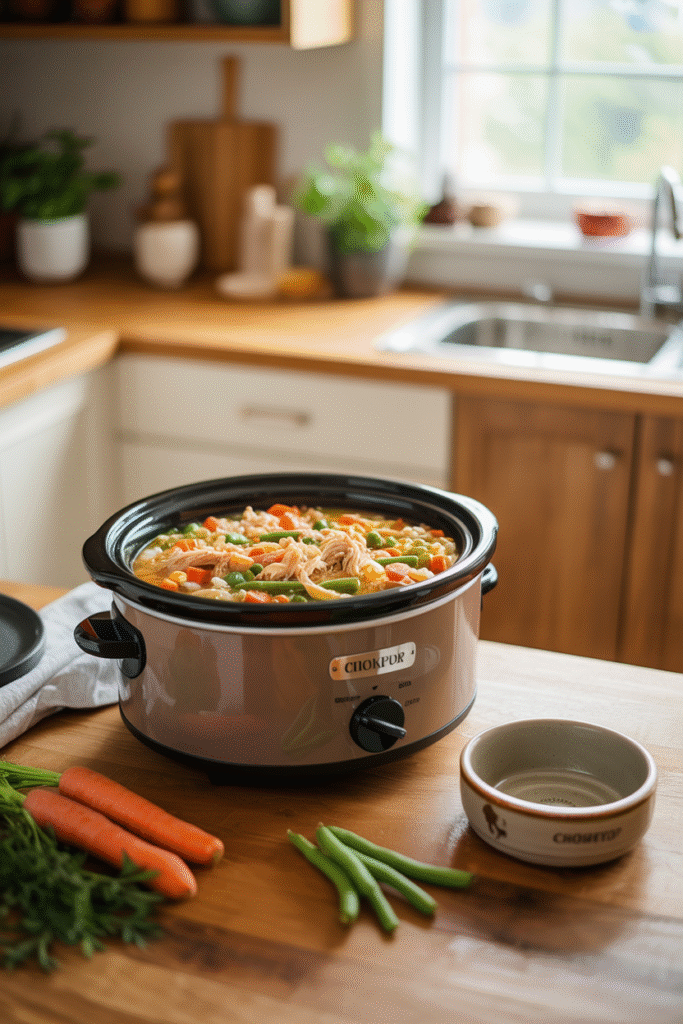
Making dog food at home gives me complete control over ingredients and helps me provide meals tailored to my dog’s specific needs. Preparing homemade meals offers health benefits, cost savings, and nutritional customization that commercial foods often can’t match.
Health Advantages for Dogs
When I prepare my dog’s meals from scratch, I know exactly what goes into every bite. Fresh, whole ingredients provide better nutrition than heavily processed kibble that sits on shelves for months.
Homemade dog food contains no artificial preservatives, colors, or flavors that can harm my pet’s health over time. I use real meat, fresh vegetables, and whole grains instead of mystery meal and fillers.
Many dogs show improvements in their coat quality, energy levels, and digestion when switched to homemade food. I’ve noticed my own dog has shinier fur and seems more active throughout the day.
The slow cooker preparation method preserves more nutrients compared to high-heat commercial processing. This gentle cooking keeps vitamins and minerals intact while making proteins easier to digest.
Customized Nutrition
Every dog has different nutritional needs based on age, size, activity level, and health conditions. I can adjust recipes to match my dog’s specific requirements.
For active dogs, I increase protein and healthy fats. Senior dogs benefit from recipes with joint-supporting ingredients like glucosamine-rich bone broth.
Homemade crockpot recipes provide essential nutrients including protein, carbohydrates, water, fat, vitamins, and minerals in balanced proportions. I can modify ingredient ratios based on my veterinarian’s recommendations.
If my dog needs to lose weight, I can reduce calories while keeping portion sizes satisfying. For underweight dogs, I add calorie-dense ingredients like sweet potatoes or lean meats.
Allergen Control
Food allergies affect many dogs and cause symptoms like itching, ear infections, and digestive upset. When I make my dog’s food, I eliminate problem ingredients completely.
Common allergens include chicken, beef, dairy, wheat, and soy. By controlling exactly what goes into my pet’s diet, I can avoid these triggers entirely.
I start with limited ingredients to identify what my dog tolerates well. If I suspect an allergy, I can easily swap one protein source for another, like replacing chicken with turkey or fish.
This level of control is impossible with commercial foods that often contain multiple protein sources and grain mixtures. Even “limited ingredient” brands may include traces of common allergens from shared processing equipment.
Getting Started With Crockpot Dog Food
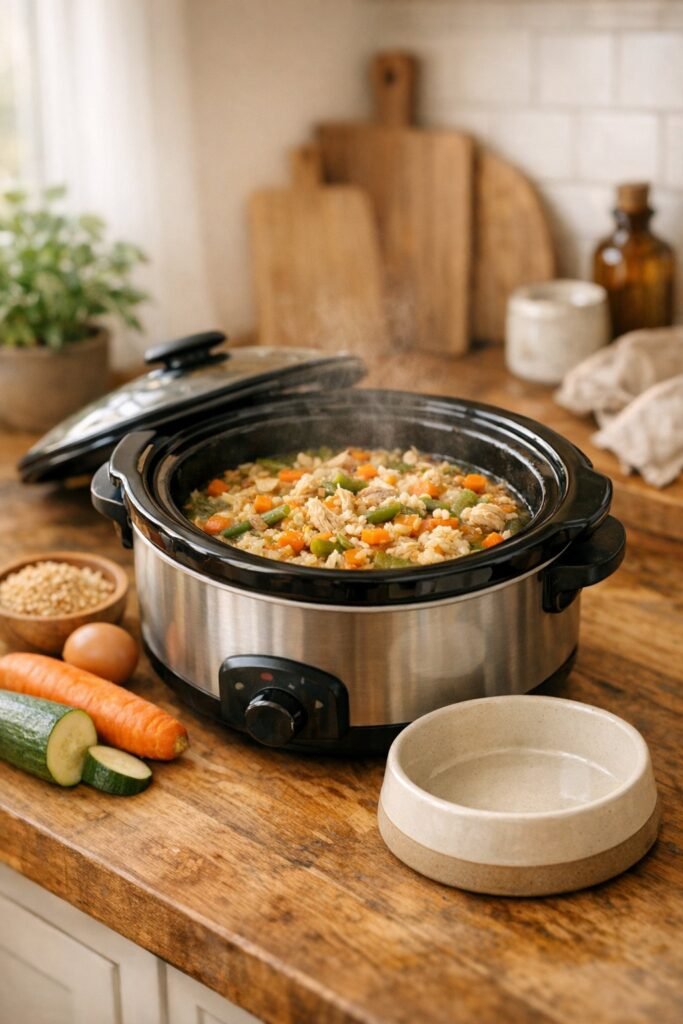
Making dog food in a crockpot requires the right ingredients, proper safety practices, and basic kitchen tools. I’ll walk you through what you need to create healthy meals your dog will love.
Essential Ingredients to Use
I always start with a quality protein source as the foundation of any crockpot dog food recipe. Chicken, turkey, beef, and fish work well because they provide the amino acids dogs need. I typically use boneless, skinless chicken thighs or ground turkey for most recipes.
Carbohydrates give dogs energy and help with digestion. I like to add brown rice, sweet potatoes, or oatmeal to my crockpot meals. These ingredients cook slowly and blend well with other foods.
Vegetables add vitamins and minerals that dogs need to stay healthy. My go-to options include carrots, green beans, peas, and spinach. I avoid onions and garlic because they’re toxic to dogs.
Each homemade crockpot dog food recipe provides essential nutrients including protein, carbohydrates, water, fat, vitamins, and minerals. I sometimes add a small amount of olive oil or fish oil for healthy fats that support coat health.
Crockpot Safety Tips for Pets
I never add ingredients that are dangerous for dogs. Chocolate, grapes, raisins, onions, garlic, and xylitol can make dogs sick or worse.
Raw bones should never go in the crockpot because cooked bones can splinter and cause choking. If I want to add calcium, I use ground eggshells or a supplement my vet recommends.
I always let the food cool completely before serving it to my dog. Hot food can burn their mouth and throat. I portion out servings and store extras in the refrigerator for up to five days or freeze them for longer storage.
Temperature matters when cooking dog food in a crock pot. I make sure meat reaches 165°F to kill harmful bacteria. I also wash my hands and clean all surfaces after handling raw meat.
Special Equipment Needed
I use a basic slow cooker that holds at least 4 quarts for making dog food. Larger crockpots work better if you have big dogs or want to meal prep for the week.
Here’s what I keep on hand:
- Slow cooker (4-6 quart size)
- Cutting board for preparing ingredients
- Sharp knife for chopping meat and vegetables
- Measuring cups to track portions
- Storage containers with tight lids
- Food thermometer to check temperatures
I also recommend having a notebook to write down recipes and portions. This helps me track what my dog likes and ensure balanced nutrition over time.
A food scale isn’t required but helps me measure portions accurately. When making homemade dog food in a crockpot, consistency matters for your dog’s diet and health.
Step-by-Step Crockpot Cooking Process
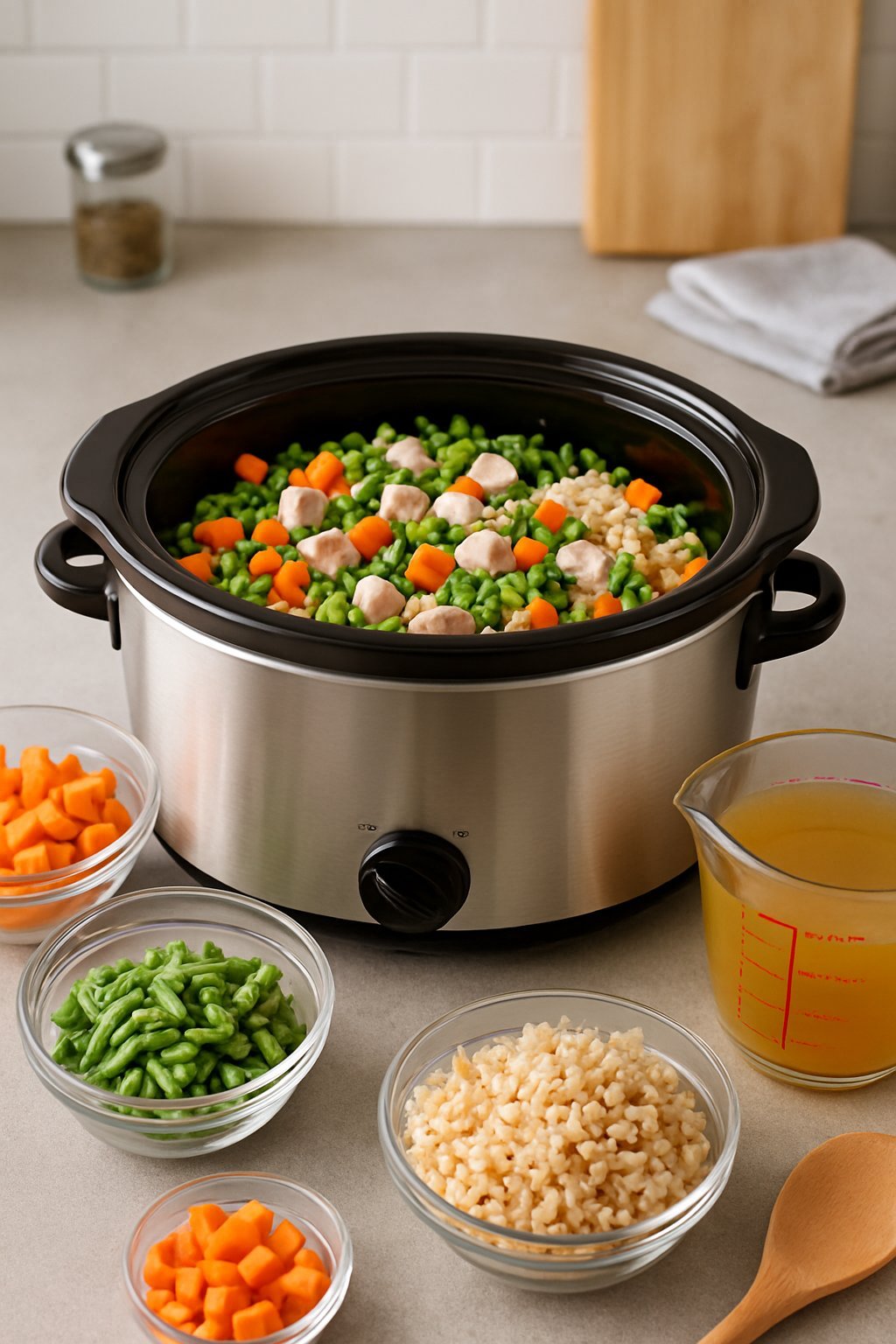
Making dog food in a crockpot involves layering your ingredients, adding liquid, and letting everything cook slowly for several hours. I’ll walk you through preparing ingredients, determining how much to feed your dog, and keeping leftovers fresh.
Preparation and Prepping Ingredients
I start by gathering all my ingredients before I turn on the crockpot. This includes my protein source like ground chicken or turkey, a carbohydrate such as brown rice or sweet potatoes, and vegetables like carrots or green beans.
I rinse the rice thoroughly and chop vegetables into small, bite-sized pieces. This helps them cook evenly and makes them easier for my dog to digest. For the protein, I break up ground meat into chunks or cut larger pieces into smaller portions.
Once everything is ready, I layer the ingredients in my slow cooker. Making this crockpot dog food typically means placing the protein at the bottom, followed by rice, then vegetables on top. I add enough water or low-sodium broth to cover the ingredients by about an inch.
I set my crockpot on low and let it cook for 6-8 hours. During cooking, I stir the mixture once or twice to ensure even cooking. The meal is done when the rice is tender and the meat is fully cooked through.
Safe Portioning and Serving
I calculate portions based on my dog’s weight to avoid overfeeding or underfeeding. The general guideline I follow is about 1 cup of food per 20 pounds of body weight daily, though this varies by activity level and age.
I let the food cool completely before serving it to my dog. Hot food can burn their mouth and make them uncomfortable. I usually wait about 30 minutes after cooking before portioning it out.
I divide the daily amount into two meals to help with digestion. For my 40-pound dog, that means 2 cups total split into 1 cup servings. Smaller dogs need less, while larger breeds require more food throughout the day.
Storing and Refrigerating Leftovers
I store leftovers in airtight containers in my refrigerator within two hours of cooking. This batch cooking method saves me time since one crockpot batch typically lasts 3-5 days for most dogs.
Refrigerated homemade dog food stays fresh for up to 5 days. I label my containers with the date I made the food so I can track freshness. If I won’t use it within that timeframe, I freeze portions instead.
For freezing, I portion the food into individual serving sizes using freezer-safe containers or bags. Frozen homemade dog food lasts up to 3 months. I thaw portions overnight in the refrigerator before serving, never at room temperature where bacteria can grow.
Homemade Dog Food Crockpot Recipes
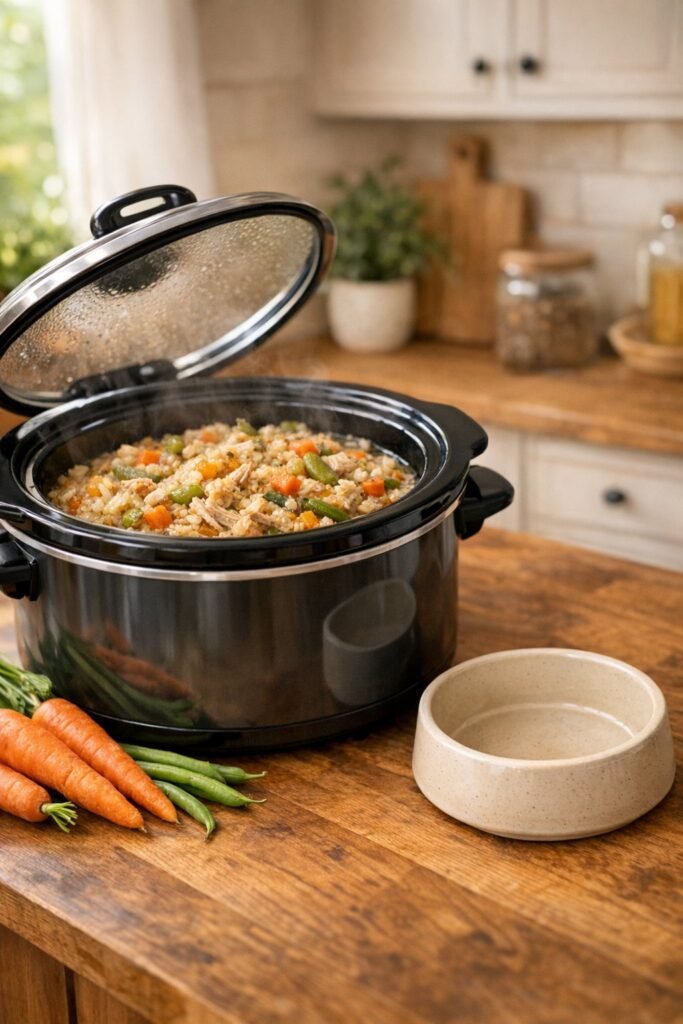
Making nutritious crockpot meals for your dog takes just a few simple ingredients and minimal effort. These recipes provide balanced nutrition with protein, carbohydrates, and vegetables your pup needs to stay healthy.
Chicken and Rice Delight
I find this recipe perfect for dogs with sensitive stomachs. It combines lean protein with easily digestible carbohydrates.
Ingredients:
- 2 boneless, skinless chicken breasts
- 1 cup brown rice
- 1 cup diced carrots
- 1 cup chopped green beans
- 1/2 cup peas
- 4 cups water or low-sodium chicken broth
I add all ingredients to my crockpot and cook on low for 6 hours. The chicken should shred easily with a fork when done.
Once cooled, I shred the chicken and mix everything together. This chicken and veggie recipe stores well in the fridge for up to five days. I portion it based on my dog’s size and weight.
Beef and Sweet Potato Stew
This hearty stew packs plenty of protein and vitamins. I use lean ground beef to keep fat content reasonable for my dog’s diet.
Ingredients:
- 2 pounds lean ground beef
- 2 medium sweet potatoes, cubed
- 1 cup spinach, chopped
- 1 cup green beans
- 3 cups water
I brown the beef first in a pan to drain excess fat. Then I add it to the crockpot with the remaining ingredients. I cook on low for 4-5 hours until the sweet potatoes are tender.
The sweet potatoes provide fiber and beta-carotene. I let the stew cool completely before serving. My dog gets excited every time I make this budget-friendly meal.
Turkey and Vegetable Medley
I love using ground turkey as a lean alternative to chicken or beef. This recipe includes a variety of vegetables for complete nutrition.
Ingredients:
- 2 pounds ground turkey
- 1 cup quinoa
- 1 cup diced zucchini
- 1 cup chopped carrots
- 1/2 cup pumpkin puree
- 4 cups low-sodium chicken broth
I combine everything in my crockpot and cook on low for 5-6 hours. The quinoa adds protein and essential amino acids. Pumpkin helps with digestion and adds moisture to the meal.
I stir the mixture halfway through cooking. This slow cooker recipe creates enough food for several days. I freeze extra portions in individual containers.
Grain-Free Crockpot Recipe
Some dogs need grain-free options due to allergies or sensitivities. I created this recipe using only meat and vegetables.
Ingredients:
- 3 pounds ground beef or turkey
- 2 cups diced sweet potatoes
- 1 cup chopped broccoli
- 1 cup sliced carrots
- 1/2 cup peas
- 3 cups water
I place all ingredients in the crockpot and cook on low for 6 hours. This recipe skips grains entirely while still providing carbohydrates from sweet potatoes.
The vegetables offer vitamins and minerals my dog needs. I always check that everything is cooked through before serving. This grain-free option works well for dogs with wheat or rice sensitivities.
Tips for Balanced and Safe Meals
When I make homemade crockpot meals for my dog, I focus on getting the nutrition right and keeping harmful ingredients out of the pot. The right balance of nutrients and proper portion sizes keep my pup healthy and energetic.
Ensuring Complete Nutrition
I always make sure my homemade crockpot dog food recipes include all six essential nutrients: protein, carbohydrates, fats, vitamins, minerals, and water. Protein should make up about 30-40% of the meal and can come from chicken, turkey, beef, or fish.
Carbohydrates like brown rice, sweet potatoes, or oats give my dog energy. I aim for about 30-50% carbs in each recipe.
Healthy fats are important too. I add a tablespoon of olive oil or fish oil to support my dog’s skin and coat.
Vegetables provide vitamins and minerals. I include carrots, green beans, peas, or spinach in most meals. After consulting with a vet about homemade crockpot dog food recipes, I learned that supplements might be needed to make meals truly balanced. Calcium powder and vitamin E are common additions I use.
Foods to Avoid for Dogs
I never put certain foods in my crockpot dog food because they can harm or even kill my dog. Onions and garlic are toxic and damage red blood cells. Even small amounts can cause problems.
Grapes and raisins cause kidney failure in dogs. I keep these far away from any dog food I make. Chocolate contains theobromine, which is poisonous to dogs.
Other foods I avoid include:
- Avocados
- Macadamia nuts
- Xylitol (artificial sweetener)
- Raw yeast dough
- Excessive salt
- Cooked bones that can splinter
I also skip foods that are too fatty or heavily seasoned. Plain, simple ingredients work best for my dog’s digestive system.
Adjusting Recipes for Dog Size or Breed
I scale portions based on my dog’s weight. Small dogs under 20 pounds need about 1-1.5 cups of food per day, while medium dogs (20-50 pounds) need 2-3 cups. Large dogs over 50 pounds typically need 3-4 cups or more.
Active breeds burn more calories and need bigger portions. My working dog gets about 20% more food than a less active dog of the same size.
I also consider age when I portion meals. Puppies need more calories per pound than adult dogs, while senior dogs often need less. I divide daily portions into two meals to prevent bloating, especially for large breeds prone to this condition.

