
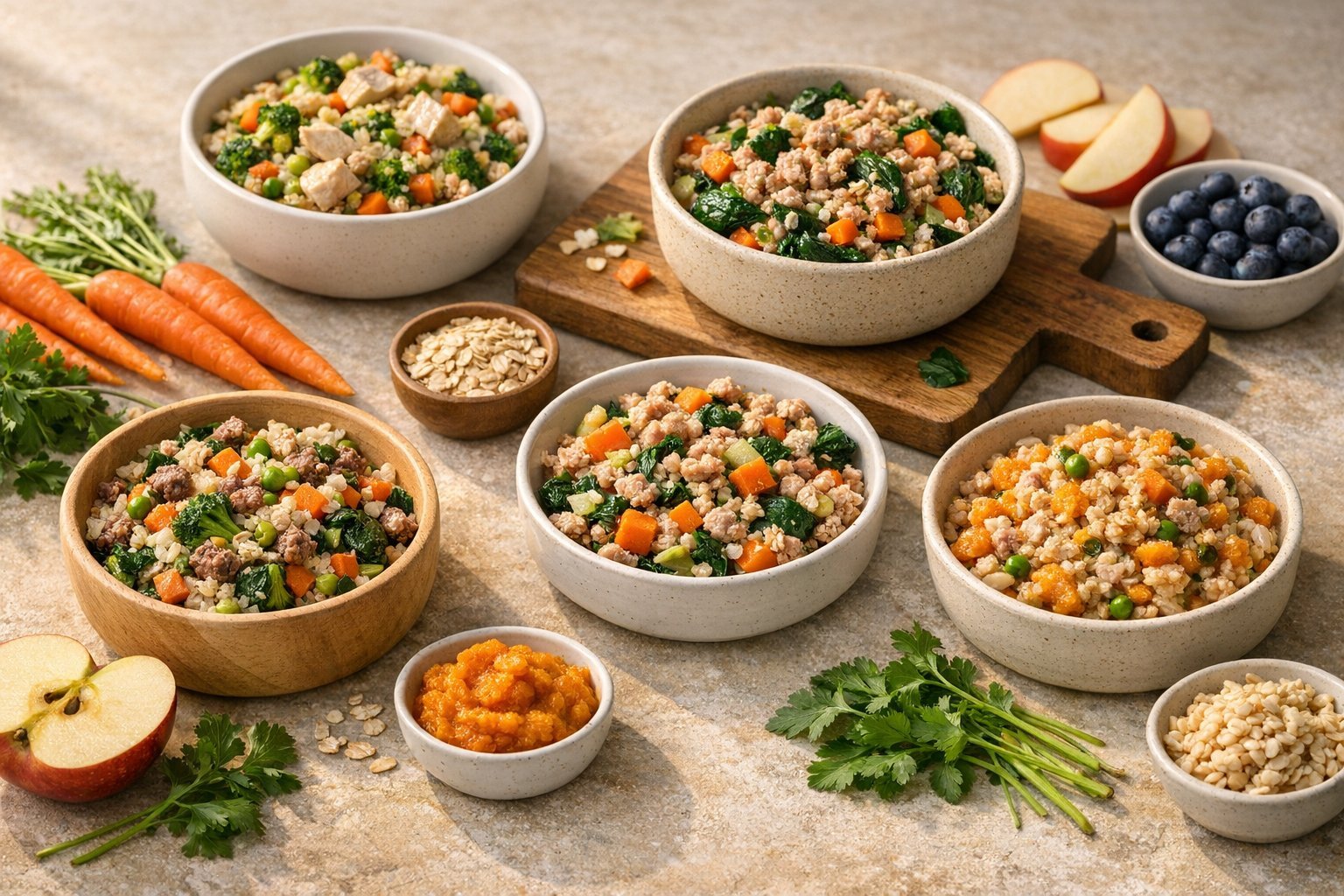
Homemade Dog Food Recipes Vet Approved: Simple and Nutritious Meals Your Pup Will Love

Want to cook for your dog with confidence? Learn how to prepare safe, balanced meals at home using homemade dog food recipies vet approved. Making your own dog food at home can seem overwhelming, but it doesn’t have to be complicated. Many pet owners worry about whether their homemade meals will give their dogs the right nutrition they need to stay healthy.
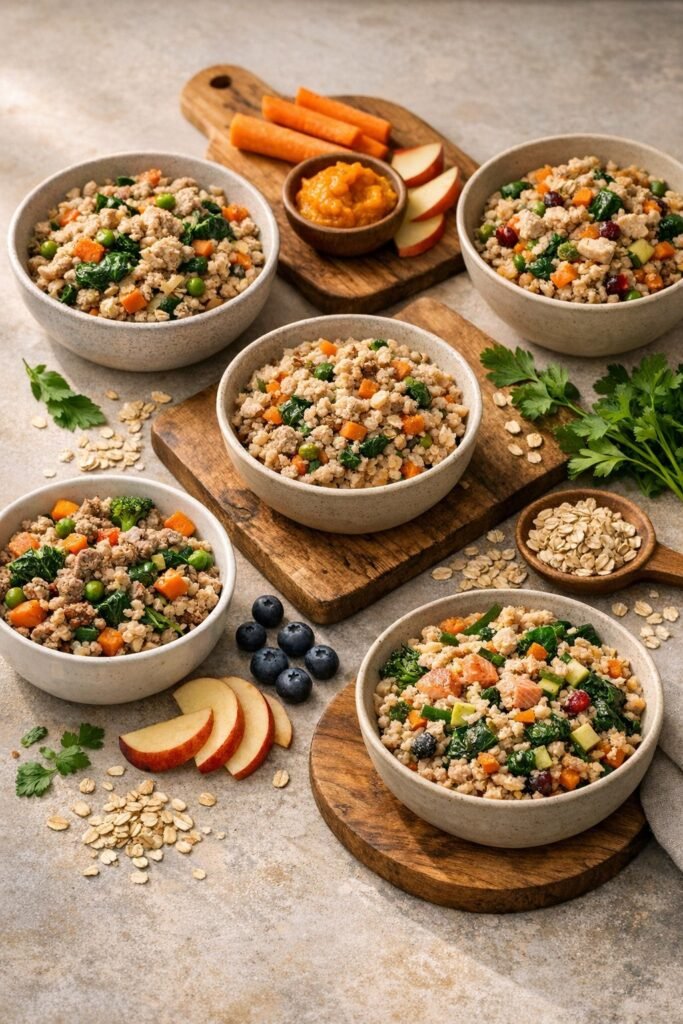
Vet-approved homemade dog food recipes include a balance of protein, vegetables, grains, and healthy fats to give your dog complete nutrition. These recipes help you control what goes into your pet’s bowl while avoiding fillers and mystery ingredients found in some commercial foods.
I’ve gathered simple recipes and tips that make cooking for your dog easy and safe. You’ll learn which ingredients to use, how to balance meals properly, and ways to adjust recipes for your dog’s specific needs.
Key Takeaways
- Homemade dog food needs the right mix of protein, vegetables, and grains to keep your dog healthy
- Working with a veterinarian helps you create balanced meals tailored to your dog’s needs
- You can adjust recipes based on your dog’s age, size, and health conditions
Why Choose Vet-Approved Homemade Dog Food
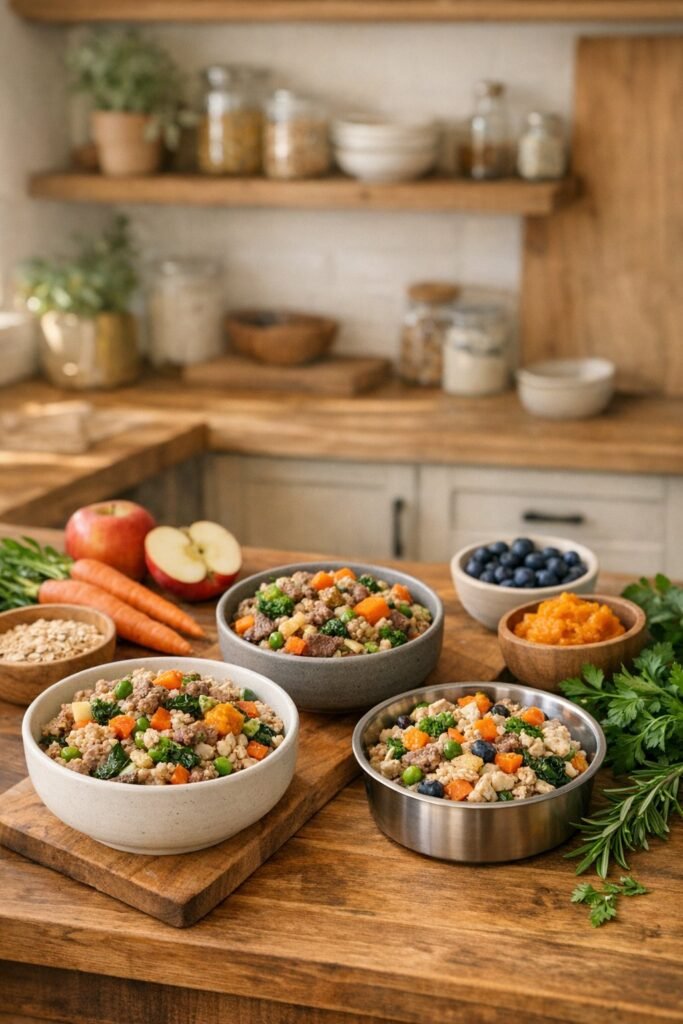
Making homemade dog food with veterinary approval gives you control over what goes into your dog’s bowl while meeting their nutritional needs. Commercial options often contain ingredients that worry pet owners, and vet-approved recipes provide a safer alternative.
Benefits of Homemade Diets for Dogs
I’ve found that homemade dog food offers several advantages over what you find in stores. You know exactly what ingredients go into each meal, which means no mystery additives or fillers.
Fresh ingredients provide better nutrition than processed kibble. Your dog gets real meat, vegetables, and grains instead of rendered by-products. This can lead to shinier coats, more energy, and better digestion.
Healthy homemade dog food lets you avoid common allergens that trigger reactions in sensitive dogs. If your dog can’t handle chicken or wheat, you simply leave those ingredients out. You can also adjust portion sizes and ingredients based on your dog’s age, weight, and activity level.
Key benefits include:
- Complete control over ingredient quality
- No artificial preservatives or colors
- Ability to customize for allergies or health conditions
- Often more affordable than premium commercial brands
- Fresh food that hasn’t been sitting on shelves for months
Comparing Homemade and Commercial Dog Food
When comparing homemade and store-bought options, I see clear differences in how they’re made and what they contain. Commercial dog food goes through heavy processing at high temperatures, which can destroy some nutrients. Manufacturers then add synthetic vitamins back in to meet minimum standards.
Many pet owners choose homemade options because store shelves contain products that have triggered recalls. Unknown ingredients in commercial foods raise concerns about long-term health effects.
However, commercial dog food offers convenience and consistent nutrition when you pick quality brands. It’s formulated to meet standards set by pet food authorities. The challenge with homemade meals is ensuring they provide complete nutrition, which is why veterinary approval matters so much.
Consulting a Canine Nutritionist or Veterinarian
I always recommend working with a canine nutritionist or your vet before switching to homemade meals. Dogs need specific ratios of protein, fat, carbohydrates, vitamins, and minerals that change based on their life stage and health status.
A veterinarian can assess your dog’s current health and recommend appropriate recipes. They’ll consider factors like breed, age, weight, and any medical conditions. Some dogs with kidney disease or diabetes need special dietary adjustments that only a professional can properly calculate.
A canine nutritionist specializes in creating balanced meal plans that meet all nutritional requirements. They can help you avoid common mistakes like calcium deficiency or vitamin imbalances that harm dogs over time. This professional guidance ensures your homemade dog food supports your pet’s health instead of causing problems down the road.
Essential Ingredients for Healthy Homemade Dog Food Recipes
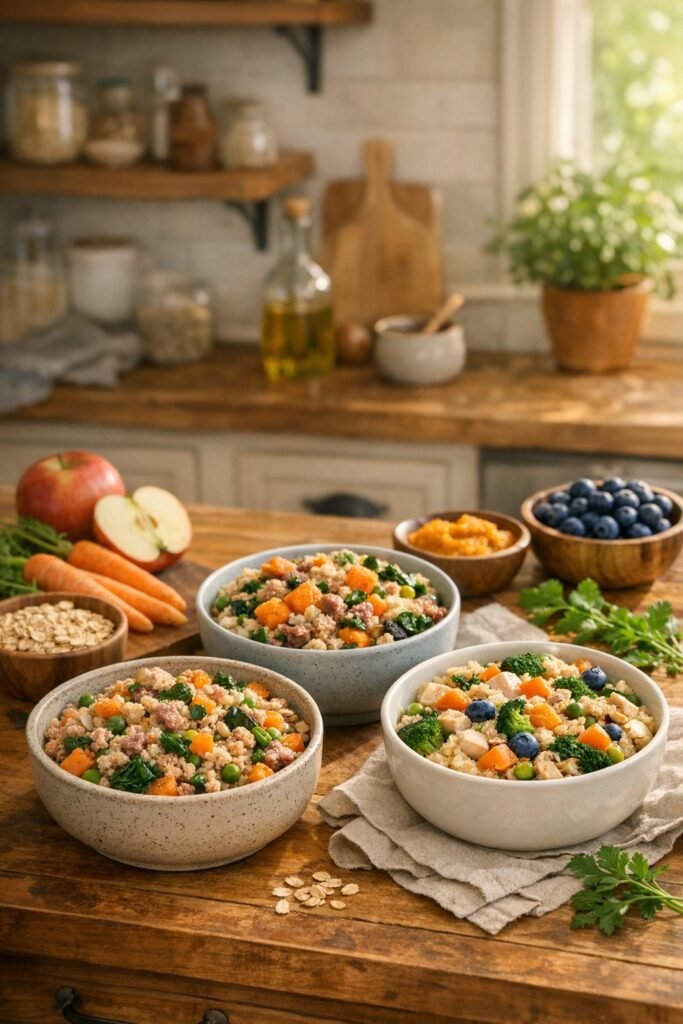
When I make dog food at home, I focus on three main categories: quality proteins, dog-safe vegetables and fruits, and wholesome carbohydrates. Adding the right superfoods and supplements helps ensure my recipes provide complete nutrition.
Protein Sources for Dogs
Protein forms the foundation of any homemade dog food recipe. I use chicken breasts as my go-to protein because they’re lean, affordable, and most dogs love them.
Ground turkey works great as an alternative to chicken. It’s easy to cook and mix with other ingredients.
For organ meats, I add chicken liver once or twice a week. Organ meats are packed with vitamins A and B, iron, and zinc that support immune health.
Sardines are one of my favorite protein additions. They provide omega-3 fatty acids for healthy skin and coat. I use canned sardines in water without added salt.
When preparing proteins, I always cook them thoroughly. Raw meat can contain harmful bacteria that make dogs sick.
Nutritious Vegetables and Fruits
I include vegetables in every batch of homemade dog food I make. Carrots are excellent because they’re crunchy, low in calories, and rich in vitamin A for eye health.
Sweet potatoes provide vitamins, minerals, and fiber for digestive health. I cook them until soft and mash or dice them into small pieces.
Green beans make a filling, low-calorie addition. They add bulk to meals without extra calories, which helps dogs maintain a healthy weight.
I use spinach in small amounts for iron and antioxidants. Zucchini and broccoli are other vegetables I rotate into recipes for variety.
Pumpkin puree (not pie filling) helps with digestion. It’s useful for dogs with upset stomachs or irregular bowel movements.
For fruits, I add blueberries as occasional treats. They’re loaded with antioxidants and most dogs enjoy their sweet taste.
Healthy Carbohydrates and Grains
Carbohydrates give dogs energy for daily activities. Brown rice is my preferred grain because it’s easy to digest and provides steady energy.
I cook brown rice until it’s soft and fluffy. This makes it easier for dogs to digest and absorb nutrients.
White rice works well for dogs with sensitive stomachs. It’s blander than brown rice but gentler on digestion.
Oats are another carbohydrate I use. They contain soluble fiber that supports heart health and helps dogs feel full.
Sweet potatoes can serve double duty as both a vegetable and a carbohydrate source. They’re more nutrient-dense than grains alone.
Some dogs do well on grain-free diets. I substitute extra sweet potatoes or other starchy vegetables when avoiding grains.
Superfoods and Supplements for Canine Health
I add supplements to ensure my homemade recipes are nutritionally complete. Calcium powder is essential when making healthy meals at home because homemade diets often lack sufficient calcium.
Fish oil provides omega-3 fatty acids for joint health, brain function, and a shiny coat. I use about one teaspoon per 20 pounds of body weight.
Coconut oil supports skin health and adds healthy fats. I use it in small amounts, about one teaspoon per day for medium-sized dogs.
Fresh parsley freshens breath and provides vitamins K, C, and A. I chop it finely and sprinkle it over finished meals.
Shiitake mushrooms boost immune function. I cook them thoroughly and chop them small before adding to recipes.
Before switching to homemade dog food recipes vet approved, I always check with my vet. They can recommend specific supplements based on my dog’s age, breed, and health needs.
Popular Vet-Approved Homemade Dog Food Recipes
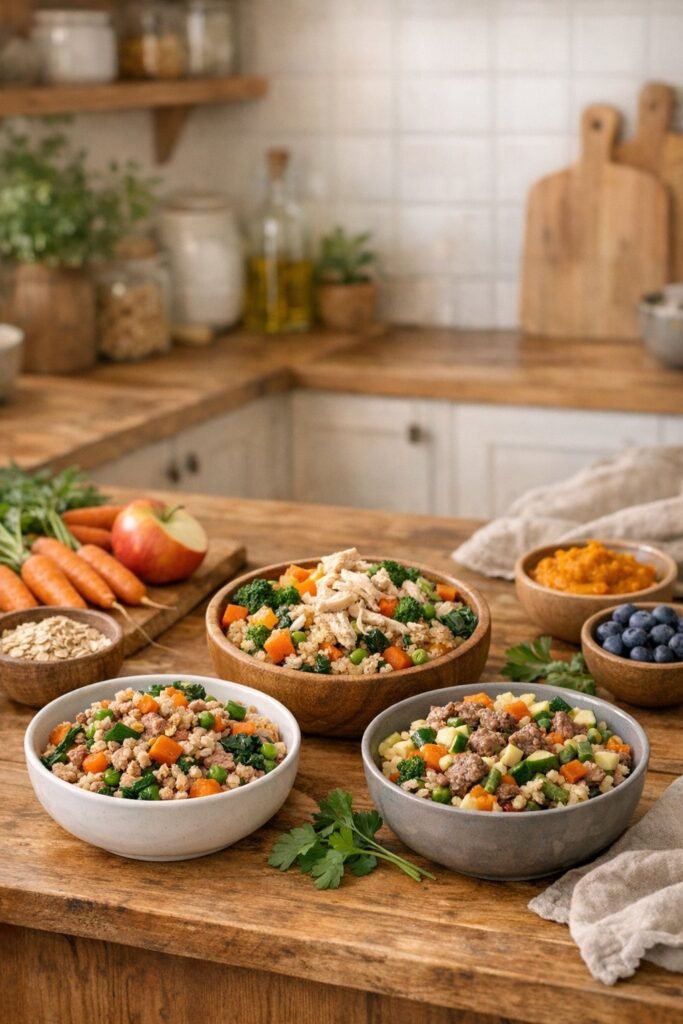
These recipes provide balanced nutrition through whole ingredients like lean proteins, vegetables, and healthy carbohydrates. Each meal delivers essential vitamins and minerals your dog needs for good health.
Chicken and Rice Balanced Recipe
I recommend this recipe as a staple for most dogs because it’s gentle on the stomach and easy to digest. You’ll need boneless, skinless chicken breast, brown rice, carrots, and green beans.
Cook 2 cups of chicken and shred it into small pieces. Boil 2 cups of brown rice until soft. Steam 1 cup each of chopped carrots and green beans until tender.
Mix all ingredients together and let it cool before serving. This chicken and rice recipe provides complete protein for muscle health and fiber for digestion.
Store portions in the refrigerator for up to 3 days or freeze them for up to 3 months. I suggest dividing the batch into meal-sized containers for easy feeding.
Turkey and Vegetable Medley
Ground turkey makes an excellent lean protein base for homemade dog food. I use 2 pounds of ground turkey with spinach, sweet potato, and peas for a nutrient-rich meal.
Brown the turkey in a pan and drain any excess fat. Cook 2 cups of diced sweet potato until soft. Add 1 cup of fresh spinach and 1 cup of peas during the last few minutes of cooking.
Combine everything and add a tablespoon of fish oil for extra omega-3 fatty acids. This recipe works well for dogs who need to maintain a healthy weight. The vegetables provide vitamins A and C while the turkey offers quality protein without too much fat.
Omega-3 Rich Salmon and Sweet Potato
Salmon provides important omega-3 fatty acids that support skin health and reduce inflammation. I prepare this recipe with fresh or canned salmon, sweet potato, and spinach.
Use 2 cups of cooked, boneless salmon and remove all bones carefully. Bake or boil 2 cups of sweet potato until tender. Mix in 1 cup of cooked spinach for iron and vitamins.
This salmon recipe helps dogs with dry skin or coat problems. The sweet potato adds fiber and beta-carotene.
Important ingredients:
- Fresh salmon (avoid seasoning)
- Orange-fleshed sweet potato
- Fresh or frozen spinach
- Optional: coconut oil
I feed this meal twice a week rather than daily because too much fish can be hard on some dogs.
Beef and Broccoli Dinner
Lean ground beef gives dogs the protein and iron they need for energy. I cook 2 pounds of lean ground beef with chopped broccoli, brown rice, and carrots.
Brown the beef and drain the fat completely. Cook 2 cups of brown rice according to package directions. Steam 1 cup of chopped broccoli and 1 cup of shredded carrots until soft but not mushy.
Mix everything together and add a teaspoon of olive oil per serving. Broccoli contains vitamins K and C, which support bone health and immune function. Keep portions of broccoli moderate since too much can cause gas in some dogs.
Nutritional Guidelines and Food Safety Tips
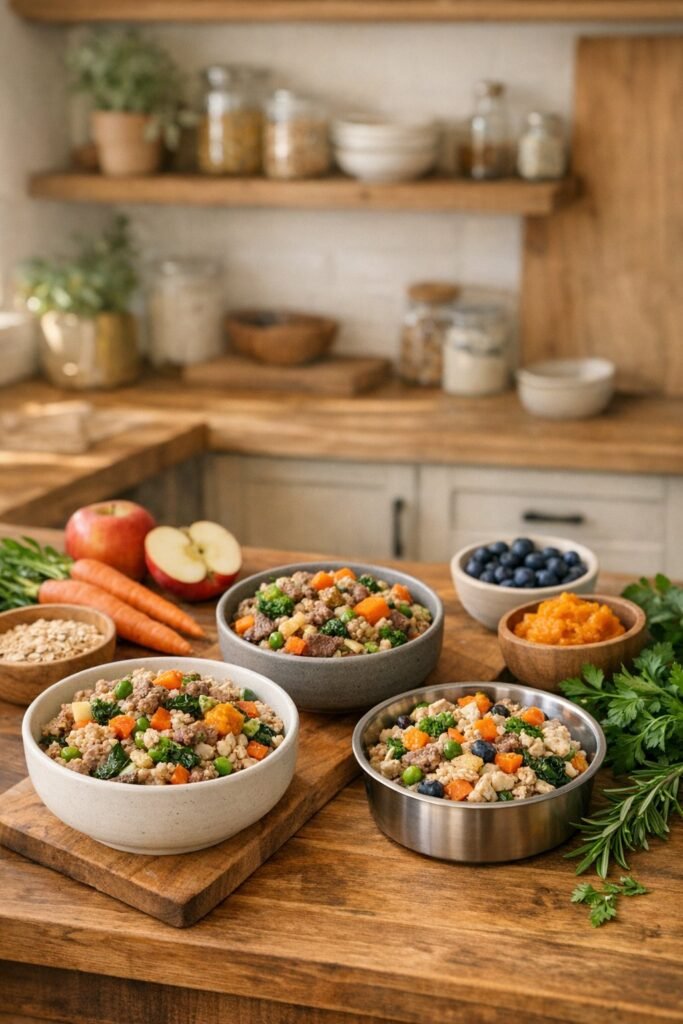
When I make homemade dog food, I focus on three main areas: meeting all nutritional needs through balanced ingredients, handling and storing food safely, and adding the right supplements while avoiding common errors.
Meeting Dietary Requirements for Dogs
Dogs need a balanced mix of protein, fats, carbohydrates, vitamins, and minerals in every meal. I make sure protein makes up about 40-50% of each recipe using meat like chicken, beef, or fish.
Healthy fats should account for 10-15% of the diet. I include sources like fish oil or chicken fat for energy and a shiny coat.
Carbohydrates provide fiber and energy. I use sweet potatoes, brown rice, or oatmeal to fill this need. Fiber helps with digestion and keeps my dog regular.
Essential minerals like calcium and zinc are critical. Growing puppies especially need calcium powder to develop strong bones. I consult with a canine nutritionist to ensure my recipes meet AAFCO standards for complete nutrition.
Proper Food Preparation and Storage
I always cook meat thoroughly to kill harmful bacteria like salmonella. Raw eggs should also be cooked to prevent biotin deficiency.
I wash all vegetables carefully and remove any parts that could be toxic. Onions and garlic must never go in dog food.
After cooking, I let food cool completely before storing. I divide meals into portion sizes and refrigerate what my dog will eat within 3-4 days. The rest goes in the freezer for up to 3 months.
I use airtight containers to prevent spoilage. Before serving, I check that refrigerated food hasn’t developed an off smell or appearance.
Supplementation and Avoiding Common Mistakes
Even with careful meal planning, homemade diets often lack certain nutrients. I add calcium powder to balance the phosphorus in meat. Without it, dogs can develop bone problems.
A multivitamin designed for dogs helps fill nutritional gaps. I also add zinc if my recipe doesn’t include enough from meat sources.
One mistake I avoid is feeding only meat without vegetables or grains. Another is using too much of one ingredient, which creates imbalances. I never guess at portions or skip supplements thinking “close enough” is fine.
I also avoid feeding cooked bones, which splinter and cause injuries. Following nutritionally balanced recipes prevents these common errors.
Adapting Recipes for Special Health Needs
Dogs with health issues need meals designed for their specific conditions. I’ve found that adjusting ingredients and portions can help manage everything from digestive problems to joint pain.
Homemade Dog Food for Sensitive Stomachs
When my dog had stomach issues, I learned that bland, easy-to-digest ingredients work best. White rice and boiled chicken form the foundation of most sensitive stomach recipes. I cook the chicken thoroughly and remove all skin and bones before shredding it into small pieces.
Pumpkin puree is one of my go-to ingredients because it helps firm up stools and soothes the digestive tract. I use plain canned pumpkin, not pie filling, and add about 1-2 tablespoons per cup of food.
Sweet potatoes also work well for dogs with digestive troubles. I peel and boil them until soft, then mash them completely. Some dogs respond better to small, frequent meals instead of two large ones.
Ground turkey is another protein I rotate in for variety. I stick with lean meats and avoid fatty cuts that can upset sensitive stomachs.
Recipes for Joint and Skin Support
I include fish oil in recipes for dogs dealing with joint pain or skin problems. This supplement provides omega-3 fatty acids that reduce inflammation. I add it after cooking to preserve the beneficial oils.
Sardines packed in water are another option I use regularly. They’re rich in omega-3s and most dogs love the taste. I mash them up bones and all since the soft bones provide calcium.
Coconut oil supports skin health from the inside out. I start with small amounts, about 1 teaspoon per 10 pounds of body weight, and mix it into meals. Too much can cause loose stools.
Bone broth provides collagen and glucosamine for joint support. I simmer bones for 12-24 hours and freeze portions for easy use. Green-lipped mussels are another ingredient that supports joint health in homemade recipes.
Weight Management and Low-Allergen Meals
For weight control, I increase vegetables and reduce carbohydrates. Green beans, carrots, and broccoli add bulk without many calories. I steam vegetables until soft and chop them into appropriate sizes.
Lean proteins like turkey breast, chicken breast, and white fish help dogs feel full while managing calories. I measure portions carefully using a kitchen scale to avoid overfeeding.
Common allergens I avoid include beef, dairy, wheat, and chicken in some cases. Novel proteins like duck, venison, or rabbit work well for dogs with food sensitivities. Many recipes designed for specific health problems focus on limited ingredient lists to identify triggers.
I replace grains with alternatives like quinoa or lentils when needed. For dogs with multiple allergies, I work with one protein and one carbohydrate source at a time. This approach helps me identify what my dog can tolerate.