Homemade Dog Food: Simple Recipes Your Pup Will Love

More dog owners are choosing to prepare fresh meals at home instead of relying solely on commercial kibble. Homemade dog food allows you to control exactly what goes into your pet’s bowl, ensuring they receive wholesome ingredients without fillers, artificial preservatives, or mystery components. This approach can be particularly helpful for dogs with food sensitivities or picky eating habits.
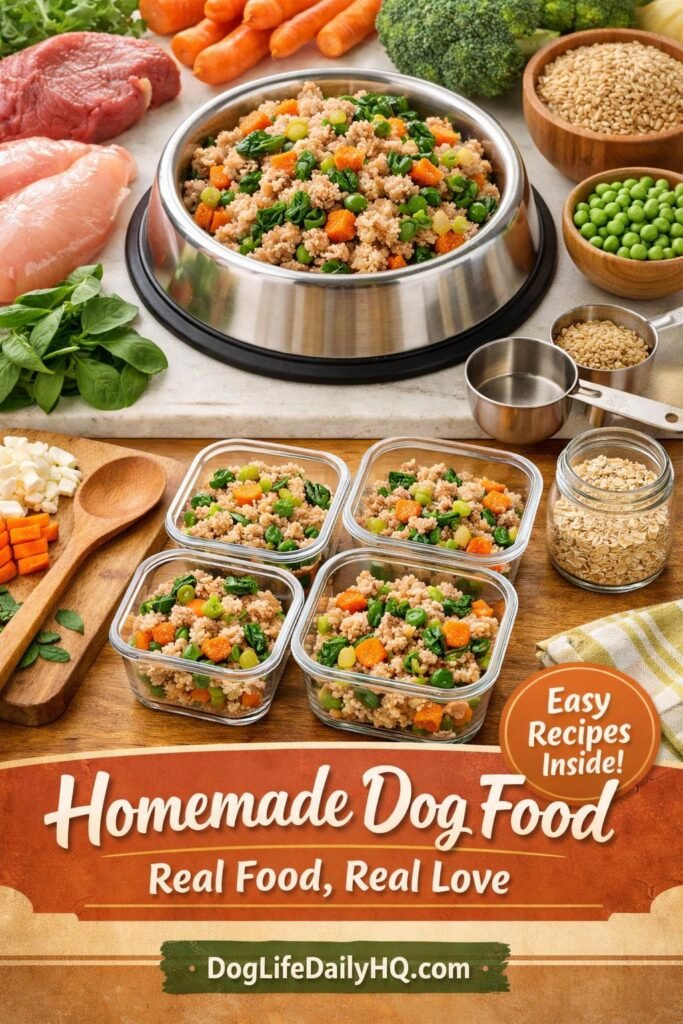
Making your own dog food isn’t as complicated as it might seem. With the right knowledge about canine nutrition and some simple recipes, you can create balanced meals that keep your dog healthy and happy. The key is understanding which nutrients your dog needs and how to combine ingredients safely.
This guide walks you through everything from selecting the best ingredients to storing meals properly. You’ll discover practical recipes, learn how to avoid common nutritional gaps, and find out how to make the switch smoothly for your furry friend.
Benefits of Homemade Dog Food
Preparing meals for your dog at home gives you direct control over what goes into their bowl and allows you to address specific health concerns. You can select quality ingredients, eliminate unwanted chemicals, and adjust recipes based on your pet’s unique needs.
Improved Nutrition
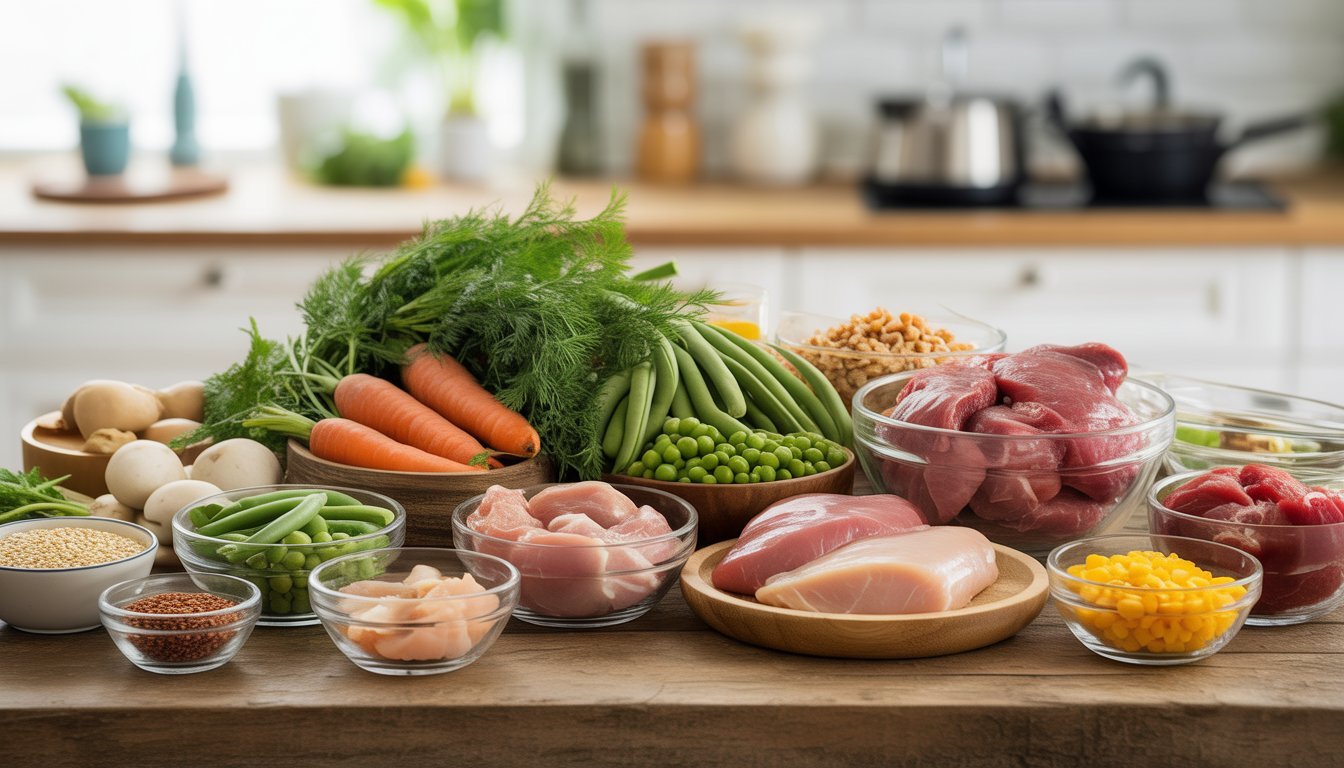
When you make your dog’s food yourself, you choose every ingredient that goes into their meals. This means you can include fresh proteins like chicken, beef, or fish alongside vegetables and whole grains that provide essential vitamins and minerals.
Commercial dog foods often contain fillers that add bulk but limited nutritional value. By preparing meals at home, you ensure your dog receives nutrient-dense foods that support their energy levels, coat health, and immune system.
You can also adjust portion sizes and ingredients based on your dog’s age, weight, and activity level. A working dog needs different nutrition than a senior dog who spends most of the day resting. This flexibility helps maintain optimal body condition and prevents nutritional deficiencies.
Fewer Additives and Preservatives
Store-bought dog food typically contains synthetic preservatives to extend shelf life. These additives include BHA, BHT, and ethoxyquin, which some pet owners prefer to avoid.
Homemade dog food stays fresh without these chemicals. You prepare small batches and store them properly in the refrigerator or freezer, eliminating the need for artificial preservatives.
Your dog also avoids artificial colors and flavor enhancers commonly found in commercial products. These synthetic ingredients serve marketing purposes rather than nutritional ones and provide no health benefits to your pet.
Tailored for Allergies and Sensitivities
Many dogs develop food allergies or sensitivities to common ingredients like corn, wheat, soy, or specific proteins. Homemade meals let you identify and eliminate problematic ingredients completely.
You can create recipes using novel proteins such as duck, venison, or rabbit if your dog reacts to traditional options. This customization helps reduce symptoms like itching, digestive upset, and skin irritation.
Working with your veterinarian or a canine nutritionist ensures your customized recipes remain nutritionally balanced while avoiding allergens. You can gradually introduce new ingredients to monitor your dog’s response and adjust the diet accordingly.
Essential Nutrients for Dogs
Dogs require a specific balance of proteins, fats, vitamins, and minerals to maintain optimal health. Understanding these nutritional building blocks helps you create meals that support your dog’s energy levels, immune function, and overall vitality.
Proteins and Animal Sources
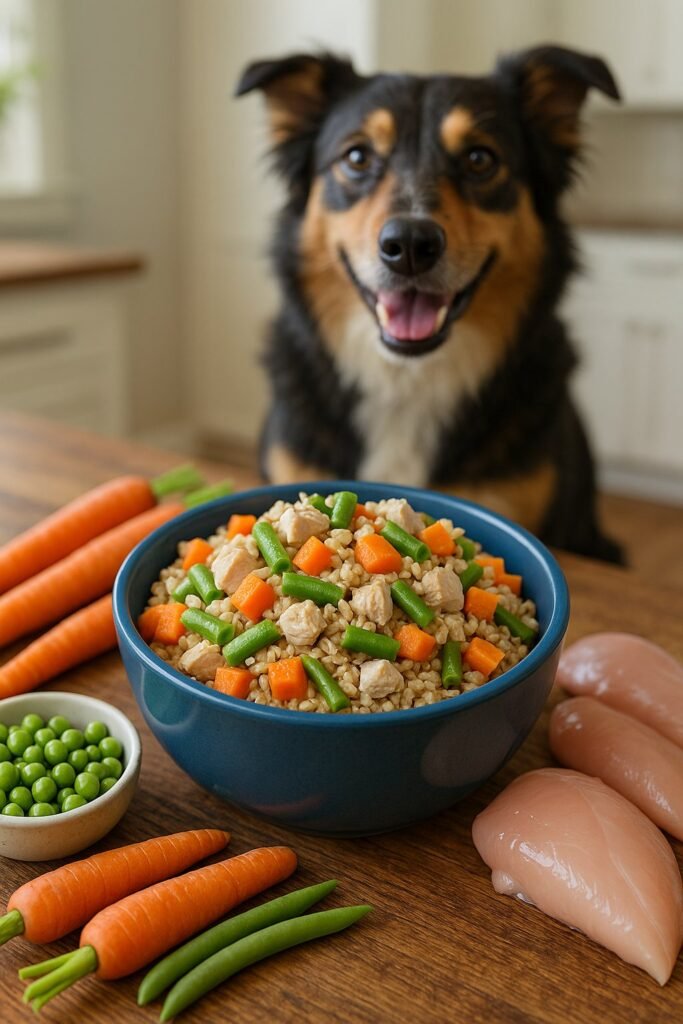
Protein serves as the foundation of your dog’s diet, providing 10 essential amino acids that their bodies cannot produce independently. These amino acids support muscle development, tissue repair, immune function, and hormone production.
High-quality animal sources deliver the most complete protein profiles for dogs. Chicken, turkey, beef, lamb, and fish offer excellent options, while eggs provide a highly digestible protein source. Organ meats like liver and kidney are nutrient-dense additions that supply concentrated vitamins and minerals.
The amount of protein your dog needs varies based on age, activity level, and health status. Adult dogs typically require protein to make up 18-25% of their daily diet, while puppies and active dogs need higher amounts. You should rotate between different protein sources to provide a wider range of amino acids and prevent potential food sensitivities from developing.
Healthy Fats and Oils
Fats provide concentrated energy and facilitate the absorption of fat-soluble vitamins A, D, E, and K. They also supply essential fatty acids like omega-3 and omega-6 that dogs cannot synthesize on their own.
Omega-3 fatty acids from fish oil, salmon, and sardines support brain function, reduce inflammation, and promote healthy skin and coat. Omega-6 fatty acids from chicken fat, sunflower oil, and safflower oil contribute to cell membrane integrity and immune response.
Your dog’s diet should include 10-15% fat content, though this varies with activity level and age. A balanced ratio of omega-6 to omega-3 fatty acids (typically 5:1 to 10:1) prevents inflammatory issues and supports overall health.
Vitamins and Minerals
Vitamins and minerals regulate thousands of biochemical processes in your dog’s body. Calcium and phosphorus build strong bones and teeth, while B vitamins support energy metabolism and nervous system function.
Key minerals include zinc for immune function and wound healing, iron for oxygen transport, and selenium for antioxidant protection. Vitamins A and E act as antioxidants, vitamin D regulates calcium absorption, and vitamin K supports blood clotting.
Many homemade diets require supplementation to meet all micronutrient needs. Adding a balanced vitamin-mineral supplement formulated for dogs ensures nutritional completeness. Fresh vegetables like carrots, spinach, and sweet potatoes contribute natural vitamins, while bone meal or ground eggshells provide calcium.
Choosing Safe Ingredients
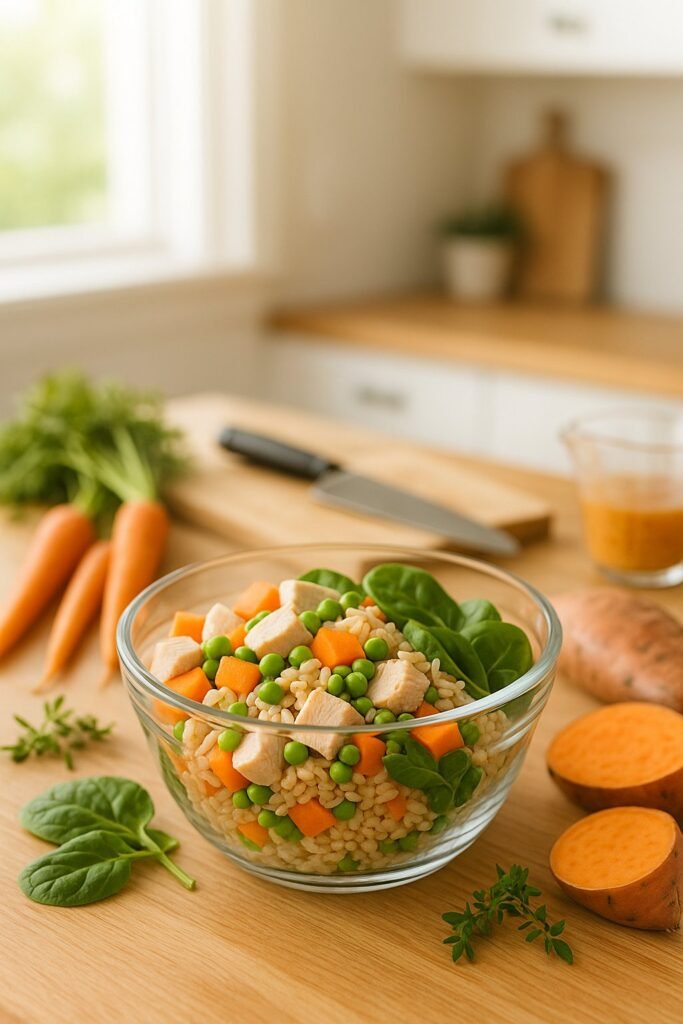
Selecting ingredients for homemade dog food requires understanding which fruits, vegetables, and grains support your dog’s health without causing harm. Fresh, whole foods provide essential nutrients when chosen carefully.
Dog-Safe Fruits and Vegetables
Your dog can benefit from various fruits and vegetables that provide vitamins, minerals, and fiber. Blueberries, apples (without seeds), and bananas make excellent additions in moderation. Carrots, sweet potatoes, and green beans offer nutritional value and most dogs enjoy their taste.
Certain vegetables require preparation before feeding. Cook spinach, broccoli, and pumpkin to improve digestibility and nutrient absorption. Always remove seeds and pits from fruits, as these can contain harmful compounds or pose choking hazards.
Some produce is toxic to dogs and must be avoided completely:
- Grapes and raisins (can cause kidney failure)
- Onions and garlic (damage red blood cells)
- Avocado (contains persin)
- Raw potatoes (contain solanine)
Wash all produce thoroughly and cut into appropriate sizes for your dog’s breed and age.
Whole Grains and Alternatives
Brown rice, oatmeal, and quinoa serve as digestible carbohydrate sources that provide energy and fiber. These grains should be cooked thoroughly without added salt, butter, or seasonings. White rice works well for dogs with sensitive stomachs, though it contains fewer nutrients than whole grain options.
Grain-free alternatives include sweet potatoes, butternut squash, and legumes like lentils or chickpeas. These ingredients suit dogs with grain sensitivities or allergies. Avoid corn and wheat if your dog shows signs of intolerance such as itching or digestive upset.
Measure grain portions carefully, as they should comprise only 10-30% of the total meal depending on your dog’s activity level and nutritional needs.
Homemade Dog Food Recipes
Making your own dog food allows you to control ingredients and tailor meals to your pet’s specific nutritional needs. These recipes range from cooked options with balanced proteins and vegetables to raw diets and single-protein formulations for dogs with sensitivities.
Cooked Dog Food Recipes
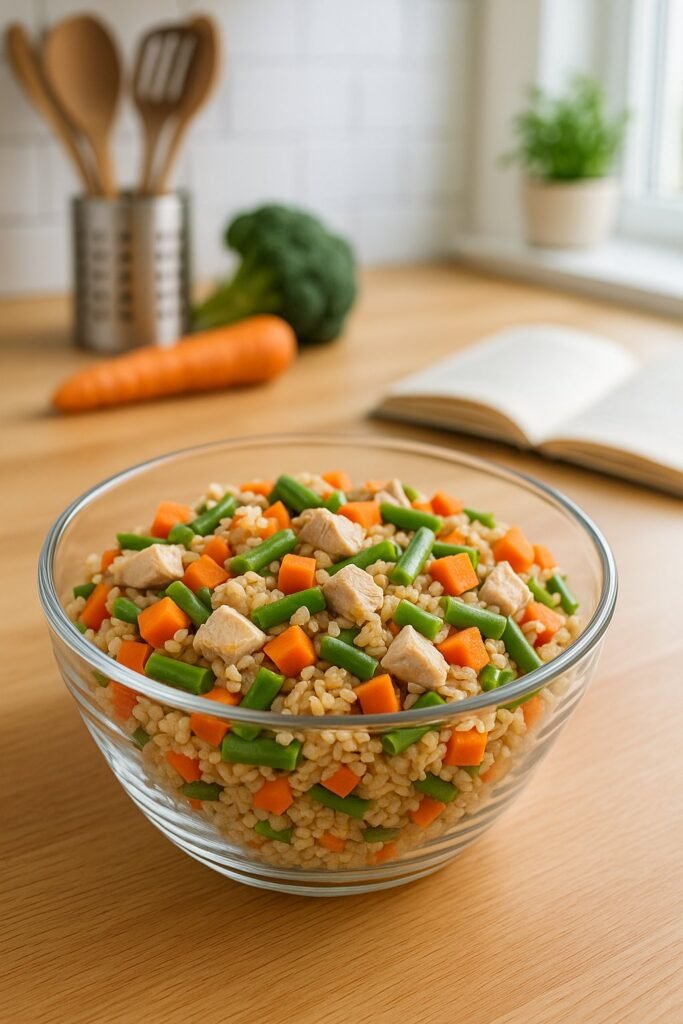
Cooked homemade dog food combines lean proteins, whole grains, and vegetables to create balanced meals your dog will enjoy. A basic recipe includes ground turkey or beef, brown rice, and dog-safe vegetables like carrots, green beans, and sweet potatoes. You’ll want to cook the meat thoroughly, prepare the rice according to package directions, and steam or boil the vegetables until soft.
Most recipes call for a 40% protein, 30% grain, and 30% vegetable ratio by weight. You can add a tablespoon of olive oil or fish oil for healthy fats and coat health.
Simple Cooked Recipe:
- 2 pounds ground turkey or lean beef
- 2 cups cooked brown rice
- 1 cup diced carrots
- 1 cup green beans
- 1 tablespoon fish oil
Mix all ingredients together after cooking and store in the refrigerator for up to five days. You can also freeze portions for longer storage.
Raw Diet Options
Raw diets focus on uncooked meats, bones, organs, and some vegetables to mimic what dogs might eat in nature. These meals typically include muscle meat, raw meaty bones, organ meats like liver, and small amounts of pureed vegetables.
A basic raw diet follows the 80-10-10 rule: 80% muscle meat, 10% edible bone, and 10% organ meat. You should introduce raw feeding gradually over 7-10 days to avoid digestive upset. Popular protein choices include chicken, beef, lamb, and fish.
Safety is important when handling raw ingredients. Use separate cutting boards and utensils, clean surfaces thoroughly, and wash your hands after preparation. Store raw portions in freezer-safe containers and thaw in the refrigerator before feeding.
Single-Protein Diets
Single-protein diets use one protein source and are helpful for dogs with food allergies or sensitivities. These recipes eliminate common allergens and make it easier to identify ingredients causing reactions.
Choose proteins like turkey, duck, venison, or fish as your base. Pair the protein with a carbohydrate source such as sweet potato, white rice, or oatmeal, and add one or two vegetables your dog tolerates well. A typical single-protein meal contains 50% protein, 25% carbohydrate, and 25% vegetables.
You’ll need to stick with the same protein for at least 8-12 weeks when doing an elimination diet. Keep a journal tracking your dog’s symptoms, energy levels, and any changes in skin or coat condition. Work with your veterinarian to ensure the diet meets all nutritional requirements, as long-term single-protein diets may need supplements to remain balanced.
Meal Preparation and Storage
Making homemade dog food in advance saves time during busy weeks, but proper preparation and storage techniques are essential to maintain freshness and prevent bacterial growth. The right approach keeps meals nutritious for days or even months.
Batch Cooking Tips
Batch cooking allows you to prepare several days or weeks worth of meals at once. Start by gathering large cooking vessels like a Dutch oven or stockpot, along with measuring cups, a food processor, and sturdy mixing bowls.
Cook proteins thoroughly to safe internal temperatures—165°F for chicken and turkey, 160°F for ground meats, and 145°F for fish. Steam or lightly cook vegetables to make them easier for your dog to digest while preserving nutrients. Avoid overcooking, which destroys vitamins and minerals.
Let all cooked ingredients cool completely before mixing them together. This prevents condensation during storage, which can lead to spoilage. Mix your recipe components in large batches to ensure consistency across all portions.
Portion meals into individual servings immediately after cooling. Use a kitchen scale to measure exact amounts based on your dog’s daily food requirements. Label each container with the preparation date and contents using waterproof markers or labels.
Safe Storage Methods
Store homemade dog food in the refrigerator for 3-5 days maximum. Use airtight glass or BPA-free plastic containers to prevent contamination and odor absorption.
For longer storage, freeze portions in meal-sized containers for up to 3-6 months. Flat freezer bags work well because they stack efficiently and thaw quickly. Remove as much air as possible before sealing to prevent freezer burn.
Thaw frozen meals in the refrigerator overnight, never at room temperature. You can also thaw portions in cold water if you need them sooner. Reheat food gently if your dog prefers warm meals, but always test the temperature before serving to avoid burns.
Storage Timeline:
| Storage Method | Duration | Best Practices |
|---|---|---|
| Refrigerator | 3-5 days | Airtight containers, back of fridge |
| Freezer | 3-6 months | Portion-sized servings, labeled with dates |
| Room Temperature | 1-2 hours maximum | Discard uneaten portions promptly |
Never refreeze thawed dog food, as this increases bacterial contamination risk. Add fresh supplements like fish oil or probiotics at serving time rather than before storage to maintain their potency.
Transitioning Your Dog to Homemade Meals
A slow, methodical approach over 7-10 days prevents digestive upset and allows your dog’s system to adapt to new ingredients. Watch for consistent energy levels, healthy stools, and enthusiastic eating as indicators your dog is adjusting well.
Gradual Introduction Strategies
Start with a ratio of 25% homemade food mixed with 75% current kibble for the first 2-3 days. This gentle introduction gives your dog’s digestive system time to produce the enzymes needed to process fresh ingredients.
Increase to a 50-50 mixture on days 4-5 if your dog shows no signs of stomach upset. Monitor their bathroom habits and energy levels during this phase.
Move to 75% homemade and 25% kibble on days 6-7. By this point, most dogs will show clear signs of accepting the new diet without digestive issues.
Complete the transition to 100% homemade meals by day 8-10 if everything looks good. Some dogs with sensitive stomachs may need a longer transition period of up to two weeks.
Keep meals at the same times each day during the transition. Consistency helps your dog’s body adjust more smoothly to the dietary change.
Signs of Successful Transition
Firm, well-formed stools that are easy to pick up indicate proper digestion of the new diet. Loose stools or diarrhea suggest you moved too quickly through the transition phases.
Your dog should maintain steady energy throughout the day without unusual lethargy or hyperactivity. A successful transition means they’ll be just as playful and alert as before.
Enthusiastic eating and a clean bowl after meals shows your dog enjoys the new food. Hesitation or leaving food behind might mean portions are too large or ingredients need adjustment.
A shiny coat and clear eyes typically appear within 2-4 weeks of consistent homemade feeding. Healthy skin without excessive itching or flaking also signals the diet is working well for your dog.
Regular weight maintenance without sudden gains or losses confirms you’re providing appropriate portions and nutritional balance.
Common Mistakes to Avoid
Creating homemade meals for your dog requires careful attention to detail. Many well-intentioned pet owners make critical errors that can compromise their dog’s health.
Nutritional imbalances are the most frequent problem when preparing homemade dog food. Studies indicate that most homemade recipes lack essential nutrients your dog needs. You should work with a veterinary nutritionist to ensure your recipes are complete and balanced.
Skipping supplements is another common error. Your dog needs specific vitamins and minerals that whole foods alone may not provide in adequate amounts. Calcium, certain vitamins, and fatty acids often require supplementation.
Dangerous ingredients must be avoided entirely:
- Onions and garlic
- Grapes and raisins
- Chocolate
- Xylitol (artificial sweetener)
- Macadamia nuts
- Avocado
You should also avoid feeding the same protein source repeatedly. Rotating between chicken, beef, fish, and other proteins helps prevent nutritional deficiencies and food sensitivities.
Improper portion control can lead to obesity or malnutrition. You need to measure ingredients carefully and adjust portions based on your dog’s size, age, and activity level.
Inadequate food safety practices put your dog at risk. Always store homemade food properly in the refrigerator or freezer. Use separate cutting boards for raw meat and follow proper hygiene protocols.
Many owners also fail to transition gradually to homemade food. You should introduce new meals slowly over 7-10 days to prevent digestive upset.
Monitoring Your Dog’s Health on a Homemade Diet
Tracking your dog’s weight, body condition, and energy levels helps you identify whether their homemade meals are meeting nutritional needs. Veterinary checkups and menu adjustments based on observable changes ensure your dog thrives on their custom diet.
Regular Vet Checkups
Schedule veterinary visits every 3-6 months when feeding homemade food. Your vet can perform blood work to check for nutrient deficiencies or excesses that aren’t visible through observation alone.
During these appointments, your vet will assess your dog’s weight, coat quality, muscle tone, and overall condition. Blood panels typically screen for anemia, protein levels, kidney function, and liver health. These tests catch problems early before they become serious health issues.
Bring a detailed food diary to each visit. Include ingredient lists, portion sizes, and any supplements you’re using. Your vet can review this information and suggest modifications based on your dog’s current health status.
Adjusting Menus as Needed
Watch for physical changes that signal dietary adjustments are necessary. Weight loss or gain of more than 10% requires immediate portion or recipe modifications.
Monitor these signs weekly:
- Energy levels – decreased activity may indicate insufficient calories
- Stool quality – loose stools suggest too much fat or fiber issues
- Coat condition – dullness or excessive shedding points to fatty acid or protein imbalances
- Body condition score – you should feel ribs easily but not see them prominently
Adjust portion sizes first before changing recipes entirely. If your dog gains weight, reduce daily portions by 10-15%. For weight loss, increase portions gradually while maintaining nutrient ratios.
Seasonal activity changes require calorie adjustments too. Active summer months may need 20-30% more food than sedentary winter periods.