
Homemade Turmeric Dog Treats: Natural Anti-Inflammatory Support for Dogs with Arthritis

Homemade Turmeric Dog Treats – Watching my dog struggle with arthritis broke my heart. I started looking for natural ways to help ease her joint pain and stiffness.
That’s when I discovered golden turmeric treats. They combine the power of turmeric with other simple ingredients to create a tasty snack that supports joint health.

Turmeric contains curcumin, a natural compound that reduces inflammation and can help dogs with arthritis move more comfortably. The best part is these treats are easy to make at home with ingredients you probably already have.
When you add black pepper and healthy fats, turmeric becomes even more effective. These ingredients help your dog’s body absorb the curcumin better.
I’ve seen the difference these treats can make, especially for older dogs. Whether your dog has arthritis or you just want to support their joint health as they age, homemade turmeric treats are a safe and natural option to try.
Key Takeaways
- Turmeric’s active ingredient, curcumin, naturally reduces joint inflammation and stiffness in dogs with arthritis.
- Adding black pepper and healthy fats to turmeric treats increases your dog’s ability to absorb the beneficial compounds.
- You can make effective anti-inflammatory dog treats at home using simple ingredients like turmeric, coconut oil, and whole wheat flour.
Understanding Canine Arthritis

Arthritis affects about 20% of adult dogs in America. It causes joint pain, stiffness, and reduced movement.
The condition involves inflammation in the joints. This makes everyday activities difficult for our furry friends.
Causes and Symptoms of Arthritis in Dogs
Arthritis develops in dogs for several reasons. Age is the most common cause, as joints naturally wear down over time.
Injuries, hip dysplasia, and elbow dysplasia can also lead to arthritis. Some breeds like German Shepherds, Labrador Retrievers, and Golden Retrievers are more prone to joint problems.
I’ve noticed that dogs with arthritis show clear warning signs. They may limp or favor certain legs.
Getting up after resting becomes slower and harder. Many dogs resist jumping into cars or climbing stairs they used to handle easily.
Common symptoms include:
- Stiffness, especially after sleep
- Reduced interest in walks or play
- Difficulty standing up
- Swollen or warm joints
- Irritability when touched near painful areas
Impact of Arthritis on Dog Mobility
Joint inflammation can really limit how dogs move and live their daily lives. I’ve seen dogs that once ran freely struggle to walk around the block.
The pain makes them hesitant to move, which creates a tough cycle. When dogs move less, their muscles weaken.
Weak muscles provide less support for already painful joints. This leads to more pain and even less movement.
Weight gain often follows reduced activity, putting extra stress on hurting joints. The emotional impact matters too.
Dogs that can’t play or explore become frustrated and sometimes even depressed. They may withdraw from family activities they once enjoyed.
Sleep quality often suffers because finding comfortable positions becomes challenging.
Common Treatments for Arthritis in Dogs
Veterinarians typically prescribe non-steroidal anti-inflammatory drugs (NSAIDs) for arthritis pain. These medications reduce inflammation and provide relief.
However, long-term use can cause side effects like stomach upset, liver problems, or kidney damage. Physical therapy and weight management help many dogs.
Gentle exercise keeps joints flexible without causing more damage. Swimming provides excellent low-impact movement.
Many pet owners now explore natural anti-inflammatories for dogs with arthritis as alternatives or supplements to traditional medications. Joint supplements containing glucosamine and chondroitin support cartilage health.
Omega-3 fatty acids also reduce inflammation naturally.
Natural Anti-Inflammatory Support for Dogs

I’ve found that natural remedies can make a real difference for dogs dealing with joint pain and inflammation. Understanding how these alternatives work compared to traditional medications helps me make better choices for my dog’s long-term health and comfort.
Benefits of Natural Remedies
Natural anti-inflammatory ingredients like turmeric offer several advantages for dogs with arthritis. Turmeric contains curcumin, a compound with strong antioxidant and anti-inflammatory properties that helps reduce joint pain and improve mobility.
I appreciate that natural remedies typically have fewer side effects than synthetic drugs. They work with my dog’s body rather than against it.
Studies show that dogs who were fed curcumin for three months had significantly lower pain indicators. Natural ingredients also support overall wellness beyond just joint health.
Curcumin acts as both a natural anti-inflammatory and antioxidant, helping dogs feel more comfortable and energetic in their daily activities.
Risks of Synthetic Medications
Long-term use of synthetic anti-inflammatory drugs can lead to serious health problems in dogs. These medications often cause stomach upset, liver damage, and kidney issues over time.
I’ve learned that many common arthritis drugs and steroids can have harsh side effects. They may provide quick relief but can harm my dog’s organs with extended use.
Some dogs develop ulcers or bleeding in their digestive system. Synthetic medications also require regular blood work to monitor organ function.
This means more vet visits and additional costs. The risk increases as dogs age and their bodies become less able to process these strong chemicals.
Why Diet Matters for Dog Joint Health
What I feed my dog directly impacts inflammation levels in their body. A diet rich in anti-inflammatory ingredients can reduce swelling and pain naturally.
Adding turmeric to my dog’s meals in proper amounts can reduce swelling and improve mobility. Joint health depends on getting the right nutrients daily.
I make sure my dog gets ingredients that fight inflammation from the inside out. This approach addresses the root cause rather than just masking symptoms.
Combining ingredients like turmeric with black pepper increases absorption significantly. Black pepper contains piperine, which helps my dog’s body absorb curcumin up to 2000% better.
I also add healthy fats like coconut oil since curcumin is fat-soluble and needs fat to be properly absorbed by the digestive system.
Golden Turmeric Dog Treats Overview

These homemade treats combine turmeric’s anti-inflammatory properties with other simple ingredients to create snacks that support joint health in dogs. The treats work because turmeric contains curcumin, a compound that reduces inflammation and stiffness in aging joints.
What Are Golden Turmeric Dog Treats?
Golden turmeric dog treats are homemade baked or frozen snacks that use turmeric as the main functional ingredient. I make these treats specifically for dogs who need natural joint support without synthetic medications or fillers.
The “golden” name comes from turmeric’s bright orange-yellow color. When I bake a batch, the warm turmeric mixed with peanut butter fills the kitchen with a distinctive smell that dogs notice right away.
These treats differ from regular dog biscuits because they serve a health purpose beyond just being a snack. The curcumin in turmeric has anti-inflammatory and antioxidant properties that can help dogs with age-related joint discomfort, arthritis, and reduced mobility.
I’ve found they work best when given regularly as part of a daily routine.
Key Ingredients and Their Roles
The foundation of these treats requires just a few essential ingredients that work together to maximize absorption and effectiveness.
Turmeric provides curcumin, which reduces inflammation in joints and tissues. I use about 1-2 teaspoons per batch depending on the recipe size.
Black pepper might seem like an odd addition, but it’s critical. The piperine in black pepper increases curcumin absorption by up to 2000%.
Without it, most of the turmeric passes through a dog’s system unused. I add just a pinch—about 1/8 teaspoon per batch.
Healthy fats like coconut oil or peanut butter help the body absorb curcumin since it’s fat-soluble. Coconut oil also supports skin, coat, and gut health.
Base ingredients vary by recipe but commonly include:
- Whole wheat or oat flour (2 cups)
- Eggs (1-2 for binding)
- Water or broth for moisture
Here’s my go-to recipe:
| Ingredient | Amount | Purpose |
|---|---|---|
| Whole wheat flour | 2 cups | Base structure |
| Turmeric powder | 2 teaspoons | Anti-inflammatory |
| Black pepper | 1/8 teaspoon | Absorption booster |
| Coconut oil | 2 tablespoons | Fat for absorption |
| Peanut butter | 1/4 cup | Flavor and fat |
| Egg | 1 large | Binding |
| Water | 1/4 cup | Moisture |
I mix the dry ingredients first, then add wet ingredients until I get a firm dough. I roll it to 1/4 inch thickness, cut shapes, and bake at 350°F for 20-25 minutes until golden and firm.
Suitability for Different Dog Breeds
I’ve made these treats for dogs of all sizes, and they work well across different breeds with some adjustments.
Large breeds like German Shepherds, Labrador Retrievers, and Golden Retrievers often develop hip dysplasia and joint issues as they age. These dogs can handle larger treat sizes and higher turmeric amounts.
I make bigger cookies for them and give 2-3 per day depending on their weight. Medium breeds including Beagles, Border Collies, and Australian Shepherds benefit from standard-sized treats.
I cut these into 1-2 inch shapes and give 1-2 daily. Small breeds like Chihuahuas, Pomeranians, and Yorkshire Terriers need smaller portions.
I make mini versions about the size of a dime and give just half to one treat per day. Small dogs can still get arthritis, especially in their knees and backs.
Senior dogs of any breed benefit most from these treats since joint discomfort increases with age. I’ve seen the biggest improvements in dogs over 7 years old who receive these treats consistently.
Dogs with existing mobility issues respond well regardless of breed. If your dog limps, struggles with stairs, or moves stiffly after resting, these treats can provide daily anti-inflammatory support alongside veterinary care.
How Turmeric Supports Joint Health

Turmeric works through its active compound curcumin. This compound reduces inflammation in your dog’s joints and may ease arthritis pain.
The key to making turmeric effective lies in how well your dog’s body can absorb it. That’s why combining it with black pepper and healthy fats makes such a big difference.
Curcumin’s Anti-Inflammatory Properties
Curcumin is the active ingredient that gives turmeric its bright golden color and powerful anti-inflammatory benefits.
When your dog has arthritis, their joints become swollen and painful because of ongoing inflammation.
Curcumin blocks specific enzymes and proteins in your dog’s body that trigger this inflammatory response.
For senior dogs and dogs with mobility issues, less inflammation means less pain and stiffness.
Curcumin also acts as an antioxidant, protecting joint tissues from damage caused by free radicals.
This combo makes it especially helpful for older dogs whose joints have seen a lot of use over the years.
I’ve noticed that dogs who struggle with stairs or jumping onto furniture often show improvement with regular turmeric supplementation.
The anti-inflammatory effect helps reduce swelling around joints, making movement more comfortable for arthritic dogs.
Absorption and Effectiveness in Dogs
Turmeric can be tricky because dogs don’t absorb curcumin very well on its own.
Most of the curcumin gets broken down in your dog’s digestive system before it can help their joints.
Black pepper changes everything. It contains piperine, which boosts curcumin absorption by up to 2,000%.
That’s why I always add a bit of black pepper to any turmeric recipe for dogs.
Healthy fats also help. Curcumin dissolves in fat, not water.
Mixing turmeric with coconut oil, olive oil, or another healthy fat means your dog’s body can use more of it.
This is why golden paste recipes combine turmeric with coconut oil and black pepper.
Here’s what makes turmeric work better:
- Black pepper (piperine) – Dramatically increases absorption
- Healthy fats – Helps curcumin get into your dog’s system
- Regular dosing – Maintains steady levels in the body
Scientific Studies on Turmeric for Arthritis
Research shows that curcumin can reduce inflammation and stiffness in dogs with age-related joint discomfort.
Studies on both humans and animals show that curcumin blocks inflammatory pathways at a cellular level, which helps explain why dogs with arthritis often move more easily after taking turmeric.
Clinical observations indicate that turmeric may help reduce arthritis-related swelling and discomfort in dogs.
The anti-inflammatory effects work similarly in dogs and humans, targeting the same biological mechanisms that cause joint pain.
Always check with your vet before starting turmeric to make sure you’re using the right dose for your dog’s specific needs.
Your vet can also monitor how your dog responds and keep an eye out for any side effects.
Golden Paste Recipe for Dogs
| Ingredient | Amount | Purpose |
|---|---|---|
| Ground turmeric | 1/4 cup | Active anti-inflammatory compound |
| Water | 1/2 cup | Creates paste consistency |
| Coconut oil | 1/4 cup | Increases absorption |
| Black pepper | 1 teaspoon | Boosts bioavailability by 2,000% |
Mix turmeric and water in a small pot.
Heat on low, stirring constantly for 7-8 minutes until it forms a thick paste.
Remove from heat and stir in coconut oil and black pepper.
Store in a glass jar in the refrigerator for up to two weeks.
For a 50-pound dog, start with 1/4 teaspoon twice daily mixed into food.
You can gradually increase to 1 teaspoon twice daily if your dog tolerates it well.
Choosing and Introducing Turmeric Treats

When adding turmeric treats to your dog’s routine, focus on ingredient quality and start with small amounts to make sure your dog tolerates them.
Proper selection and gradual introduction help maximize the anti-inflammatory benefits while keeping your pup comfy.
Selecting High-Quality Dog Treats
I always check the ingredient list first when choosing turmeric dog treats.
The best treats have organic turmeric or curcumin extract as a main ingredient, not just a tiny amount at the end of the list.
Look for treats that include black pepper or piperine on the label.
This ingredient increases curcumin absorption by up to 2,000%, so your dog actually gets the benefits.
I prefer treats made with whole food ingredients like sweet potato, oats, or coconut oil.
Skip products with artificial preservatives, corn syrup, or unnamed meat by-products.
Golden turmeric treats should use whole wheat flour for structure without getting rock hard.
Check the turmeric content per serving.
Most effective treats have between 50-200mg of turmeric per treat, depending on your dog’s size.
Smaller dogs need less, while larger breeds with arthritis may need higher amounts.
Safe Introduction to Your Dog’s Diet
I start with just one small treat per day for the first week.
This gives my dog’s digestive system time to adjust to the turmeric without causing stomach upset.
Watch for any signs of digestive issues like loose stools, gas, or decreased appetite.
If you notice these, you’re probably introducing the treats too quickly.
Take a break for a day or two, then restart with half a treat.
After the first week with no issues, I gradually increase to the recommended serving size based on my dog’s weight.
For dogs under 20 pounds, I give 1-2 treats daily.
Medium dogs (20-50 pounds) can have 2-3 treats, and large dogs over 50 pounds can have 3-4 treats per day.
I give the treats with meals, not on an empty stomach.
The fat in their regular food helps their body absorb the curcumin better.
Timing matters because curcumin works best when it has something to bind with during digestion.
Monitoring Your Dog’s Response
I keep a simple log for the first month to track changes in my dog’s mobility and comfort.
I note things like how easily they stand up, their walking speed, and whether they’re more willing to climb stairs or jump.
Signs of positive response include:
- Less stiffness when getting up from rest
- Improved willingness to go on walks
- Reduced limping or favoring certain legs
- More playful behavior
- Better range of motion in joints
I also watch for any negative reactions.
Stop giving the treats if you notice vomiting, diarrhea lasting more than 24 hours, or allergic reactions like itching or hives.
Some dogs are sensitive to turmeric, but it’s pretty rare.
It usually takes 2-4 weeks to see noticeable improvements in arthritis symptoms and joint discomfort.
I don’t expect overnight results since natural anti-inflammatory support works gradually.
Curcumin needs time to build up in their system and reduce chronic inflammation affecting their joints.
Frequently Asked Questions
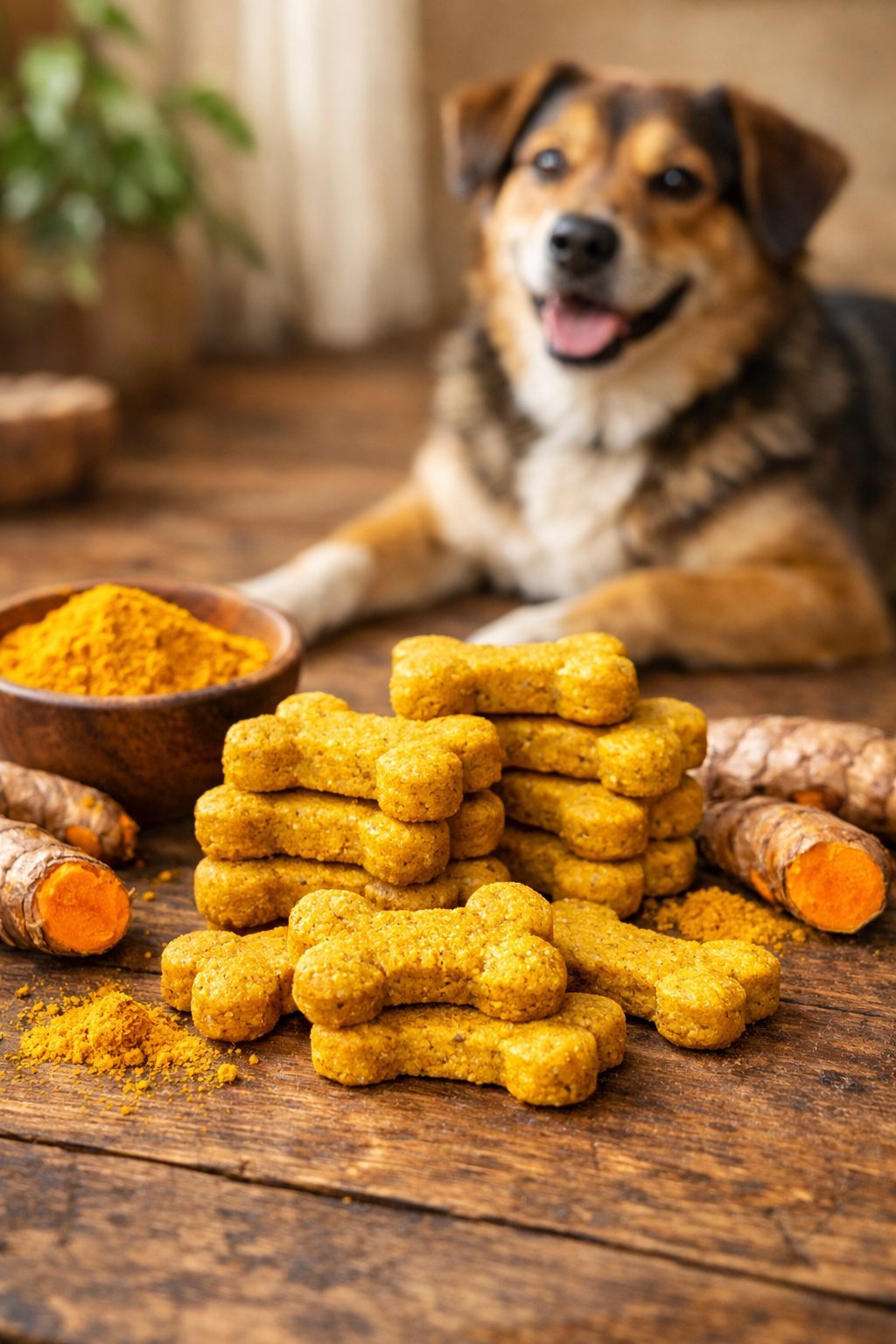
Turmeric offers proven anti-inflammatory benefits through its active compound curcumin, which can reduce joint pain and improve mobility in dogs with arthritis.
Black pepper enhances absorption, making homemade golden paste recipes more effective for senior dogs struggling with stiffness.
What are the benefits of turmeric paste for dogs with arthritis?
I’ve found that turmeric contains curcumin, a powerful anti-inflammatory compound that directly targets the swelling and pain associated with arthritis.
This natural ingredient helps reduce joint inflammation, which can lead to better mobility and less discomfort in arthritic dogs.
In my experience, dogs taking turmeric paste show noticeable improvements in their movement after a few weeks.
The anti-inflammatory and antioxidant properties work together to ease chronic pain and support overall joint health.
Senior dogs benefit the most from turmeric paste because they often deal with age-related joint deterioration.
I notice that dogs who regularly consume golden paste have more energy and seem more willing to walk and play.
How do I make a homemade golden paste recipe for my dog?
I make golden paste by combining 1/2 cup turmeric powder with 1 cup water in a small pot.
I stir the mixture over low heat for about 7 to 10 minutes until it forms a thick paste.
Once the paste thickens, I add 1/4 teaspoon of freshly ground black pepper and 1/4 cup coconut oil.
The black pepper contains piperine, which increases curcumin absorption by up to 2,000 percent in the body.
I let the mixture cool completely before storing it in a glass jar in the refrigerator.
The paste stays fresh for up to two weeks when properly refrigerated.
Can turmeric in golden paste help reduce inflammation in all dogs?
Turmeric can provide anti-inflammatory and antioxidant support for most dogs when used correctly.
However, I always recommend consulting with a veterinarian before starting any new supplement, especially for dogs with existing health conditions.
Dogs with bleeding disorders or those taking blood-thinning medications may need to avoid turmeric.
I’ve learned that turmeric can affect blood clotting, so it’s important to get professional guidance first.
Some dogs respond better to turmeric than others depending on their specific health issues.
I find that dogs with chronic inflammation, joint pain, or immune challenges see the most noticeable benefits.
What is the best way to incorporate golden turmeric treats into my dog’s diet?
I start with small amounts to let my dog’s digestive system adjust to the new ingredient.
For small dogs, I give about 1/4 teaspoon of golden paste daily, while larger dogs can have up to 1 teaspoon.
I mix the golden paste directly into my dog’s regular food or add it to homemade treats.
Baking the paste into treats makes it easier to give consistent daily doses without any mess.
Some dogs don’t like the taste at first, so I combine it with peanut butter or pumpkin puree.
I’ve found that spreading the daily dose across two meals helps with absorption and reduces any potential stomach upset.
How do reviews rate the effectiveness of golden paste for dogs with joint pain?
Many pet owners report seeing positive changes after a few weeks, including more tail wags, smoother movement, and increased energy in their arthritic dogs.
I’ve read numerous accounts of dogs showing less stiffness and more willingness to exercise.
Studies have found significantly lower pain indicators in arthritic dogs who were fed a mixture containing curcumin for three months.
These results suggest that consistent use over time produces the best outcomes.
Not every dog experiences dramatic improvements, but most owners notice at least some reduction in joint pain.
It’s important to have realistic expectations and remember that golden paste works best as part of a complete joint health plan.
What natural alternatives to turmeric provide anti-inflammatory benefits for dogs?
Omega-3 fatty acids from fish oil have strong anti-inflammatory properties that support joint health. I often use fish oil for dogs with severe arthritis.
Green-lipped mussel extract contains natural compounds that reduce inflammation and support cartilage health. This supplement comes from New Zealand mussels and provides glucosamine and chondroitin naturally.
Boswellia, also known as Indian frankincense, is an anti-inflammatory herb that targets joint pain. Some dogs respond better to boswellia than turmeric, so it’s worth trying if golden paste doesn’t work.
Ginger root offers anti-inflammatory benefits similar to turmeric. It can help with both joint pain and digestive issues.