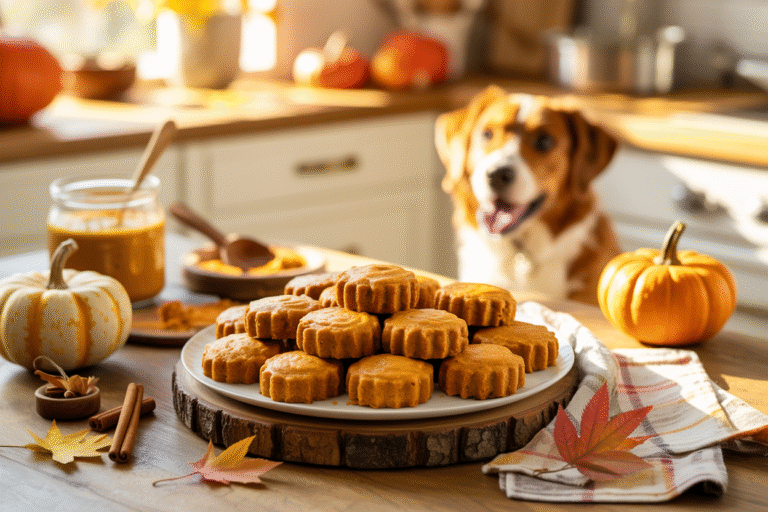
Low Fat Dog Treats: Healthy Snack Options Your Pup Will Love

Dogs need treats for training and rewards, but not all treats are good for their health. Some dogs need to watch their weight due to medical conditions or obesity.
Low fat dog treats contain less fat than regular treats, making them safer for dogs with pancreatitis, weight issues, or digestive problems while still providing tasty rewards.
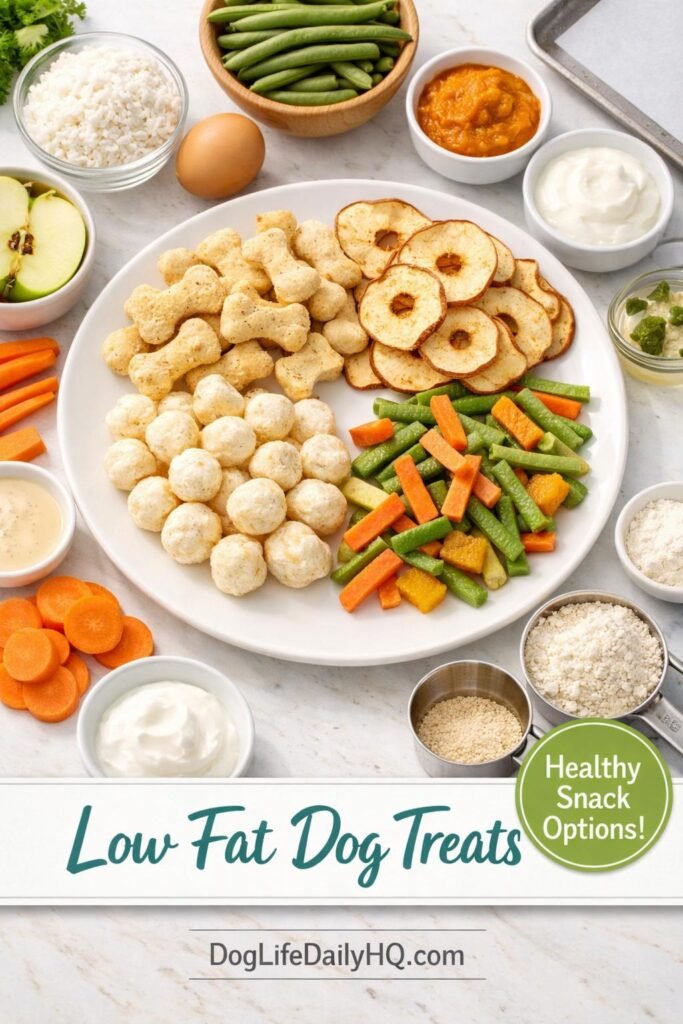
I’ve spent time researching which low fat treats work best for dogs and how to pick the right ones. Many dogs face challenges with weight gain or food sensitivities, which makes finding healthy treats harder.
The good news is that you can find great options that taste good without adding extra pounds. Whether you want to buy treats or make them at home, I’ll show you the best choices available.
You’ll learn what to look for on labels, which ingredients help your dog, and how to give treats without overfeeding. Making smart treat choices helps keep your dog happy and healthy for years to come.
Key Takeaways
- Low fat dog treats help dogs maintain a healthy weight while still enjoying rewards during training.
- Look for treats with lean proteins like turkey or bison and avoid products with excess calories or artificial ingredients.
- You can make homemade low fat treats or buy store-bought options that meet your dog’s dietary needs.
Benefits of Low Fat Dog Treats

Low fat treats help dogs maintain a healthy weight, protect their heart, and lower their chances of developing painful digestive conditions. These benefits matter most for dogs who need extra support staying healthy.
Weight Management for Dogs
Low-fat dog treats support weight control by cutting unnecessary calories from my dog’s diet. When I give my dog regular treats throughout the day, those extra calories add up quickly.
Choosing low-fat options lets me reward good behavior without worrying about weight gain. These treats help dogs maintain lean muscle while reducing fat intake.
I can use them during training sessions without derailing my dog’s diet plan. This is especially important for less active or senior dogs who burn fewer calories each day.
Dogs who are already overweight need treats that won’t make the problem worse. Low-fat options give me a way to keep training and bonding with my dog during weight loss.
The treats satisfy my dog’s cravings without adding the fat content that leads to obesity-related health problems.
Supporting Canine Heart Health
Excess fat in a dog’s diet puts strain on their cardiovascular system. I reduce this burden by choosing treats with lower fat content.
High-fat treats can contribute to plaque buildup and other heart issues over time. Low-fat treats are gentler on my dog’s circulatory system.
This matters more as dogs age and their hearts become less efficient. Keeping fat intake controlled helps maintain my dog’s energy levels and stamina.
Key heart health benefits include:
- Less strain on the cardiovascular system
- Reduced risk of fat-related arterial buildup
- Better long-term cardiac function
Reducing Pancreatitis Risk
Pancreatitis happens when my dog’s pancreas becomes inflamed, often triggered by high-fat foods. This painful condition can turn serious quickly.
Low-fat treats help me avoid this risk entirely. Dogs who have already experienced pancreatitis need special low-fat options to prevent flare-ups.
I make sure any treat I give contains minimal fat to protect their sensitive digestive system. Even one high-fat treat can trigger an episode in prone dogs.
The pancreas works harder to process fatty foods. By giving low-fat treats, I reduce the workload on this vital organ.
Choosing the Right Low Fat Dog Treats
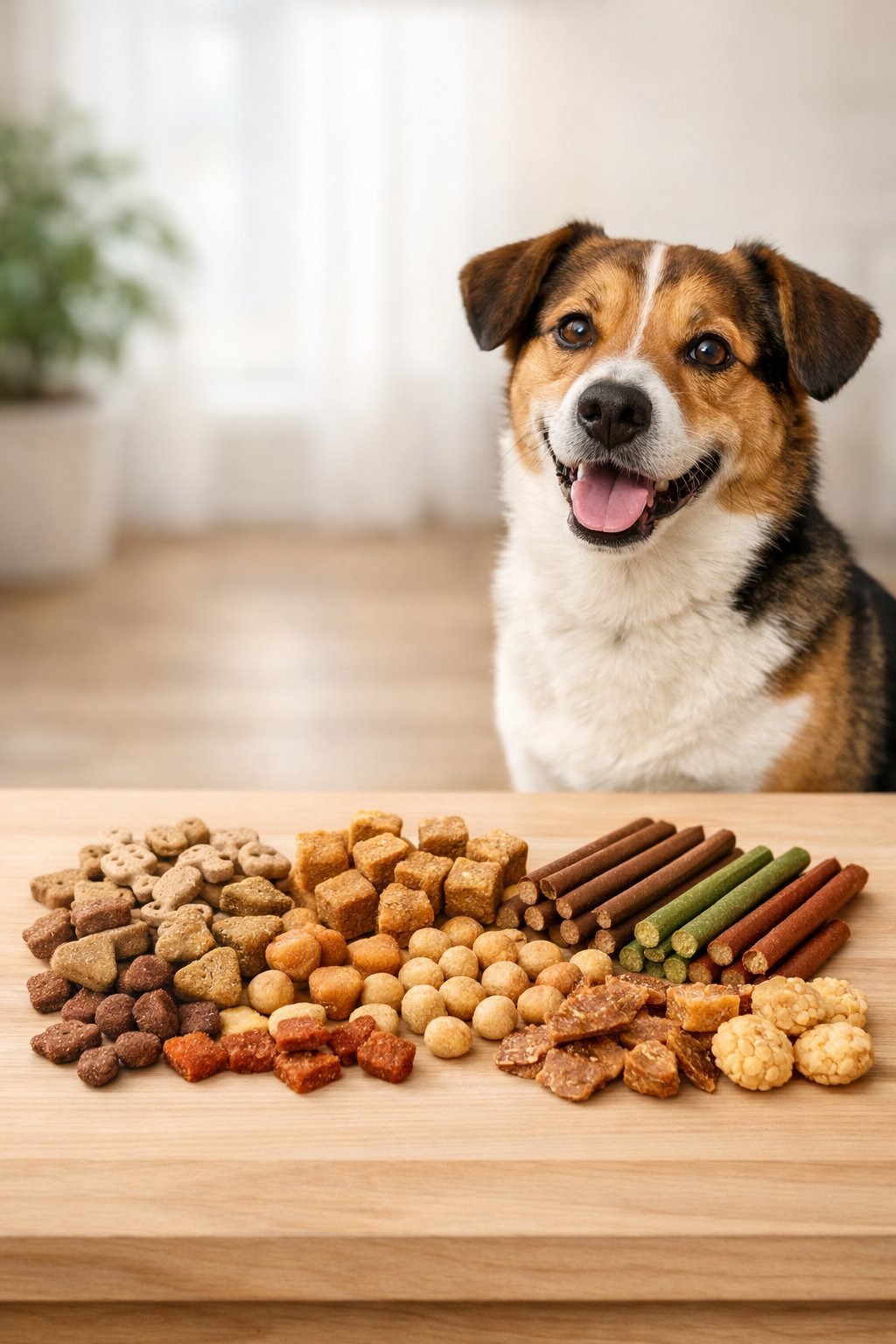
Picking the best low-fat treats means checking labels carefully and matching products to your dog’s specific health needs. Understanding ingredients, allergens, and digestive sensitivities helps you make smart choices.
Reading Ingredient Labels
I always check the fat percentage first when shopping for low-fat dog treats. The best options contain under 5% fat content.
I look for treats with real ingredients listed first on the label. My favorites include sweet potato, pumpkin, or lean proteins like turkey and bison.
These whole foods provide nutrition without unnecessary additives. I avoid treats with vague terms like “meat by-products” or “animal fat.”
Instead, I choose products that clearly name their protein sources. Fat is highly caloric and difficult to digest, so I check that it appears near the bottom of the ingredient list.
Key ingredients I look for:
- Lean proteins (chicken, turkey, fish)
- Vegetables (sweet potato, carrots, peas)
- Whole grains (brown rice, oats)
- Natural preservatives (vitamin E, rosemary extract)
Identifying Allergen-Free Options
Many dogs have food sensitivities that make treat selection tricky. Common allergens include beef, dairy, wheat, chicken, and soy.
When my dog needs allergen-free treats, I look for limited ingredient formulas. These typically contain just 3-5 components, making it easier to spot problem ingredients.
Single-protein treats work well for dogs with multiple sensitivities. I check labels for “grain-free” or “gluten-free” designations if my dog reacts to wheat or corn.
Some treats are specifically designed to avoid triggering sensitivities while still tasting great. Novel proteins like venison, duck, or salmon can help when common proteins cause reactions.
I always introduce new treats slowly to watch for any adverse responses.
Selecting Treats for Sensitive Stomachs
I choose easily digestible options when my dog has stomach issues. Treats with minimal processing and simple recipes work best for sensitive digestive systems.
Soft, chewy textures are generally easier to digest than hard, crunchy treats. However, some dogs do well with both types depending on their specific condition.
I prefer treats with added probiotics or prebiotics when available. These support healthy gut bacteria and can improve digestion over time.
Fiber-rich ingredients like pumpkin also help regulate digestive function.
Best features for sensitive stomachs:
- Single protein source
- No artificial colors or flavors
- Limited ingredients (3-5 total)
- Easily digestible carbohydrates
- Added digestive enzymes
I always consult with my vet before choosing treats for dogs with medical conditions like pancreatitis or inflammatory bowel disease.
Homemade Low Fat Dog Treat Recipes

Making treats at home lets me control exactly what goes into my dog’s snacks. I can skip unhealthy fats and focus on ingredients that keep my pup happy and healthy.
Simple Single-Ingredient Snacks
I love giving my dog simple snacks that need zero prep time. Carrots are one of my go-to options because they’re crunchy, low in calories, and most dogs enjoy them.
I wash them well and cut them into bite-sized pieces that match my dog’s size. Green beans are another favorite in my house.
I serve them raw, steamed, or frozen for a cool summer treat. They have almost no fat and provide fiber that helps with digestion.
Apple slices work great too, but I always remove the seeds and core first. The natural sweetness makes them appealing without any added sugar.
I cut them thin so they’re easy to chew. Blueberries make perfect training treats because they’re small and easy to carry.
I keep a small container in my pocket during walks. Watermelon chunks (seedless) are also refreshing, especially on hot days.
Baked Treat Ideas
I make peanut butter and pumpkin treats using just five ingredients for a simple recipe. I mix whole wheat flour, oats, pumpkin puree, and a small amount of peanut butter (making sure it doesn’t contain xylitol).
I roll out the dough and use cookie cutters to make fun shapes. Sweet potato bites are easy to prepare.
I mash cooked sweet potato with a bit of oat flour and form small balls. I bake them at 350°F for about 20 minutes until firm.
Banana oat cookies need just mashed banana and oats. I combine them until I get a thick dough, then shape small cookies and bake until golden.
These treats have no added oils or butter. For dogs with special needs, I follow vet-approved recipes to make sure the treats are safe.
I always check portion sizes to keep calories in check.
Dehydrated and Raw Options
My dehydrator gets lots of use for making dog treats. I slice sweet potatoes thin and dehydrate them for 8-10 hours until they’re chewy.
They become crispy chips my dog loves. Lean chicken breast strips work well when dehydrated.
I cut them into thin pieces and dry them completely to prevent spoilage. These make high-value training rewards.
I also dehydrate apple slices, banana chips, and green beans. The process removes moisture while keeping nutrients intact.
The treats last longer than fresh options when stored properly. Raw vegetables like cucumber slices and bell pepper strips make quick snacks.
I wash them thoroughly and cut them into appropriate sizes. Some dogs prefer certain textures, so I try different options.
Storing Homemade Treats
I keep baked treats in an airtight container in my refrigerator for up to one week. This prevents mold growth since homemade treats lack preservatives.
For longer storage, I freeze treats in portions. I place them in freezer bags with the date written on them.
They stay fresh for up to three months this way. Dehydrated treats last longer at room temperature.
I store them in sealed containers in a cool, dry place. I check them regularly for any signs of moisture or spoilage.
I never leave homemade treats out for more than a few hours. The lack of preservatives means they can spoil quickly.
When I notice any strange smell or appearance, I throw them away immediately.
Best Store-Bought Low Fat Dog Treats

Many commercial brands now offer excellent low-fat options that combine taste with nutrition. Choosing the right one depends on your dog’s size and dietary needs.
Top Rated Brands
When I look for the best low-fat dog treats, Fruitables consistently ranks at the top of my list. These oven-baked biscuits contain only 6% fat and just 8 calories per treat, making them perfect for training sessions.
They’re made with real pumpkin and bananas, which add fiber and antioxidants. I also recommend Stewart Pro-Treat Freeze Dried treats because they use lean proteins like turkey and chicken breast.
The freeze-drying process preserves nutrients without adding any fat or fillers. Zuke’s Mini Naturals are another favorite of mine for dogs that need healthy weight management.
Each treat has less than 3 calories and includes real meat as the first ingredient. I appreciate that they don’t contain corn, wheat, or soy, which can trigger allergies in some dogs.
Treats for Small Breeds
Small dogs need tiny treats that won’t add up to too many calories throughout the day. I prefer bite-sized options that are under 5 calories each.
Wellness Soft Puppy Bites work great for small breeds, even though they’re marketed for puppies. They’re soft, easy to chew, and low in fat.
Each treat is small enough that I can give several during training without worrying about overfeeding. Blue Buffalo Blue Bits are another option I use frequently.
They’re grain-free and contain no artificial flavors or preservatives. The small size means my dog can enjoy more treats without exceeding daily calorie limits.
Options for Large Dogs
Large dogs need bigger treats that satisfy their chewing instincts without packing on pounds. I look for options made with real ingredients like sweet potato, pumpkin, or lean proteins that provide volume without excess fat.
Old Mother Hubbard Classic treats are crunchy, satisfying, and come in larger sizes perfect for big dogs. They contain only 5% fat and help clean teeth while your dog chews.
I also like Milk-Bone Brushing Chews for large breeds because they serve double duty as dental treats. They’re low in fat but substantial enough that my larger dog feels like he’s getting a real snack.
The twisted shape encourages chewing, which helps reduce plaque and tartar buildup.
Tips for Healthy Treat Feeding
Giving my dog treats brings joy to both of us, but I need to be mindful about how much I’m offering and how those treats fit into my dog’s overall nutrition plan. The right portion sizes and proper balance with regular meals help keep my pup healthy while still enjoying rewards.
Recommended Serving Sizes
I follow the 10% rule when giving my dog treats. This means treats should make up no more than 10% of my dog’s total daily calories.
For a 20-pound dog eating about 500 calories per day, I limit treats to 50 calories. For a 50-pound dog consuming 1,200 calories daily, I keep treats under 120 calories.
I always check the calorie content on treat packages to track what I’m feeding.
Treat portions by dog size:
- Small dogs (under 20 lbs): 1-2 small treats per day
- Medium dogs (20-50 lbs): 2-4 treats per day
- Large dogs (over 50 lbs): 4-6 treats per day
I break larger treats into smaller pieces to make them last longer. This lets me reward my dog more frequently without adding extra calories.
I also measure out my dog’s daily treat allowance in the morning so I don’t accidentally overfeed throughout the day.
Balancing Treats With Regular Diet
I adjust my dog’s regular meal portions when I give treats during the day. If I’m doing a lot of training and using more treats than usual, I reduce my dog’s dinner by a small amount to compensate.
I choose low-fat options for dogs with pancreatitis or other health concerns. Fat is the most calorie-dense nutrient, so switching to low-fat treats helps maintain a healthy weight without cutting out treat time completely.
I make sure my dog’s main meals provide complete nutrition. Treats are extras, not meal replacements.
I focus on high dietary fiber and rich nutritional value when selecting treats to support my dog’s health goals rather than just empty calories.
Frequently Asked Questions
I’ve found that making treats at home gives me complete control over ingredients, while store-bought options need careful label reading to stay under 5% fat content. Dogs with specific health needs like pancreatitis or weight issues require extra attention to fat levels and portion sizes.
What recipes can I use to make homemade low-fat dog treats?
I love making simple sweet potato treats by slicing them thin and baking at 250°F for 3 hours until they’re chewy. These contain almost no fat and dogs go crazy for them.
Another recipe I use often combines 2 cups of oat flour, 1 mashed banana, and 1/4 cup of unsweetened applesauce. I roll the dough out, cut it into shapes, and bake at 350°F for 20 minutes.
Frozen treats work great in summer. I blend plain non-fat yogurt with blueberries and freeze them in ice cube trays.
Each cube makes a perfect low-calorie reward. Dehydrated chicken breast strips are another option I make regularly.
I slice chicken breast very thin and dehydrate it at 165°F for 6-8 hours until completely dry.
How can I ensure that homemade dog treats are vet-approved and low in fat?
I always calculate the fat percentage before making a new recipe. I add up the fat grams from all ingredients and divide by total grams, then multiply by 100 to get the percentage.
Veterinarians recommend keeping treats under 10% of daily calorie intake. I write down my recipes and share them with my vet during check-ups to get feedback.
I stick to lean proteins like chicken breast or white fish instead of fatty meats. I avoid adding oils, butter, or cheese to my homemade treats.
Using vegetables like carrots, green beans, and pumpkin helps me create filling treats without adding fat. I also measure portions carefully so I know exactly how much my dog is eating.
What are some recommended brands that offer low-fat treats for dogs?
I need to look for brands that clearly list fat content on their labels. The best low-fat dog treats contain less than 5% fat and use quality ingredients.
Freeze-dried single-ingredient treats work well because they have no added fats or fillers. I check that the first ingredient is a lean protein source.
Many training treats are naturally lower in fat because they’re designed to be given frequently. I read reviews and compare nutrition labels before buying.
I always verify that treats are made in facilities that follow safety standards. Checking for third-party testing gives me extra confidence in what I’m feeding my dog.
Can low-fat treats help my dog lose weight, and which specific treats are best for overweight dogs?
Low-fat treats definitely support weight loss when I use them correctly. I replace high-calorie treats with options under 3-5 calories per piece.
Plain air-popped popcorn (without butter or salt) makes an excellent low-calorie option. Green beans, either fresh or frozen, contain almost no calories and help my dog feel full.
Small pieces of apple or watermelon work as natural sweet treats. I remove all seeds and cut them into tiny portions to control calories.
I measure all treats and subtract those calories from my dog’s daily food intake. This prevents accidental overfeeding that can stop weight loss progress.
What should I look for in treats for a dog with pancreatitis to ensure they are low in fat?
Dogs with pancreatitis need treats with extremely low fat content, ideally under 3%. I choose options specifically designed for pancreatitis or weight loss to stay within safe limits.
I avoid any treats containing oils, animal fats, or dairy products. Even small amounts of fat can trigger painful pancreatitis flare-ups.
Plain cooked white rice or small pieces of plain baked potato work as safe options. I also use tiny amounts of lean boiled chicken breast that I’ve trimmed of all visible fat.
Reading ingredient lists carefully helps me spot hidden fats like chicken fat or fish oil. I consult my vet before introducing any new treats to make sure they’re appropriate.
Are there any suitable low-fat treat options for large breed dogs?
Large breed dogs need bigger portions to feel rewarded. I look for low-calorie options I can give in larger quantities.
Carrot sticks and celery make crunchy treats that satisfy their need to chew. I also give whole sweet potato slices that I’ve baked until they’re crispy.
These treats take longer to eat and keep my large dog occupied without adding many calories. Large frozen treats made from pureed pumpkin mixed with a small amount of plain yogurt last longer.
I freeze them in larger molds designed for big dogs. Air-dried lung or trachea pieces offer a chewy texture that large breeds enjoy.
These are naturally low in fat and provide a satisfying treat that takes time to consume.