
Natural Dog Treats Recipes: Easy Homemade Snacks Your Pup Will Love

Natural Dog Treats Recipes – Making your own dog treats at home is easier than you might think. You can create healthy, natural dog treats using simple ingredients like peanut butter, pumpkin, oats, and lean proteins that are already in your kitchen.
Store-bought treats often contain artificial preservatives, fillers, and additives that can lead to allergies and digestive problems in dogs.
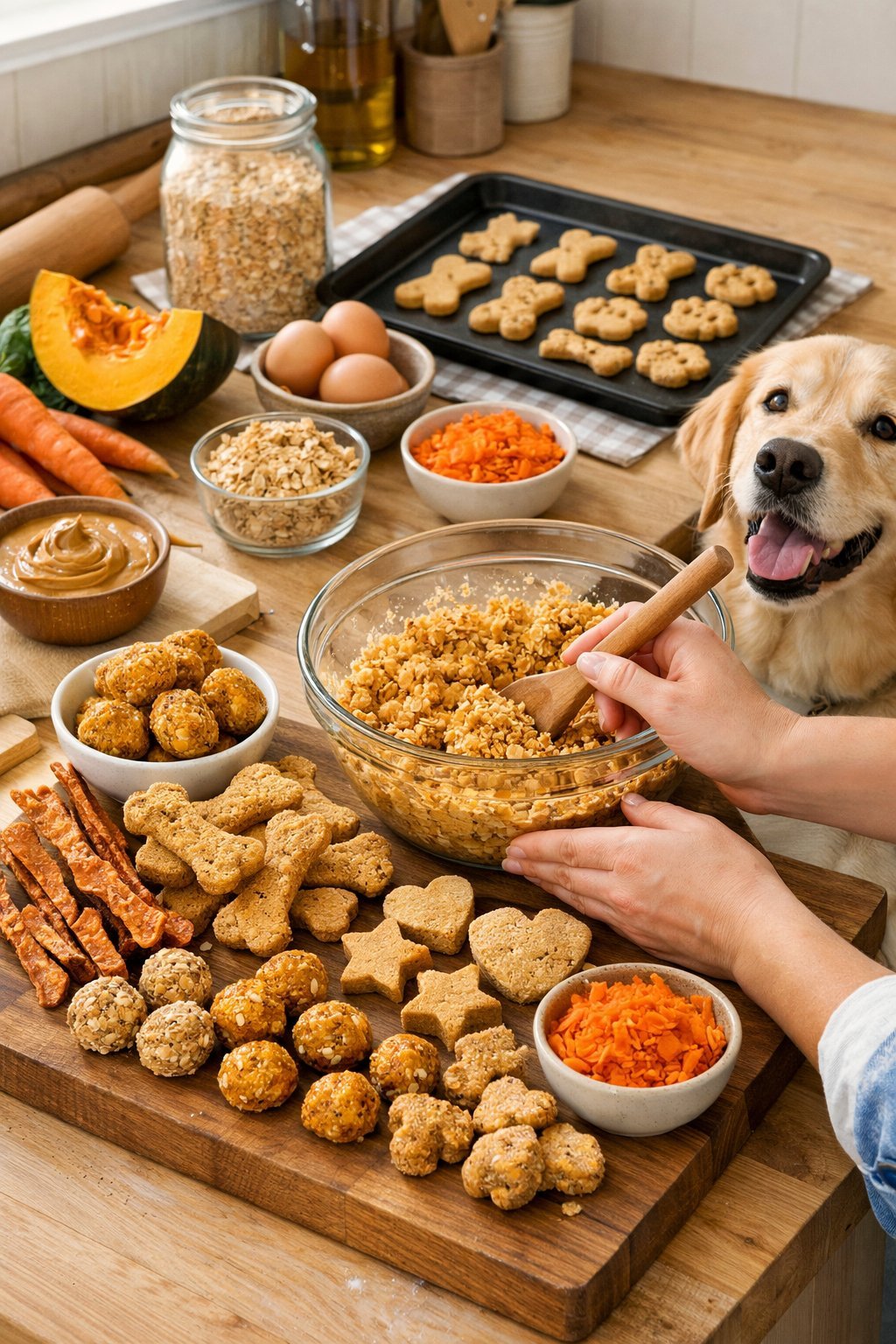
I’ve put together a collection of easy homemade dog treat recipes that take 30 minutes or less to make. These recipes use whole, natural ingredients that give your dog better nutrition without the harmful extras found in many commercial treats.
Whether your pup loves crunchy biscuits or soft snacks, you’ll find options that work for any dog. Making treats at home also helps if your dog has food allergies or sensitivities.
You control exactly what goes into each batch, so you can avoid ingredients that upset your dog’s stomach. Plus, homemade low fat dog treats recipes that are vet approved can help keep your dog at a healthy weight while still enjoying tasty rewards.
Key Takeaways
- You can make healthy dog treats with basic pantry ingredients in 30 minutes or less.
- Homemade treats let you avoid artificial additives and customize recipes for dogs with allergies.
- Natural ingredients like pumpkin, oats, and lean proteins provide better nutrition than most store-bought options.
Essential Ingredients for Natural Dog Treats

When I make dog treats at home, I focus on three main ingredient categories: proteins that support muscle health, fruits and vegetables that add vitamins, and grains and seeds that provide energy and fiber.
Healthy Proteins for Dogs
I always include a protein source in my homemade natural dog treats because dogs need protein for strong muscles and overall health. Lean meats work best for baking and freezing.
Best protein options I use:
- Chicken (cooked, boneless)
- Turkey (ground or cooked pieces)
- Beef (lean, cooked)
- Eggs (whole or just egg whites)
- Plain Greek yogurt
- Peanut butter (without xylitol)
I cook all meats thoroughly before adding them to treat recipes. Raw meat can contain bacteria that might make my dog sick.
Eggs can be used raw in some recipes, but I prefer cooking them for safety. Peanut butter is one of my favorite protein additions because dogs love the taste.
I always check the label to make sure it doesn’t contain xylitol, which is toxic to dogs.
Safe Fruits and Vegetables
Fruits and vegetables add natural sweetness, vitamins, and fiber to dog treats. I wash all produce carefully before using it in my recipes.
Fruits I include:
- Apples (remove seeds and core)
- Bananas
- Blueberries
- Strawberries
- Pumpkin (canned or fresh)
Vegetables that work well:
- Sweet potatoes
- Carrots
- Green beans
- Peas
- Spinach
I remove apple seeds and cores because they contain small amounts of cyanide. Grapes and raisins are toxic to dogs, so I never use them.
Most dogs enjoy the natural sweetness of bananas and pumpkin, which also help with digestion. Sweet potatoes are my go-to vegetable because they’re packed with vitamins and dogs find them tasty.
I bake or boil them before adding to treats.
Beneficial Grains and Seeds
Grains and seeds provide energy and help bind ingredients together in treat recipes. I choose whole grains when possible for extra nutrients.
Grains I recommend:
- Whole wheat flour
- Oat flour
- Brown rice flour
- Rolled oats
Seeds to consider:
- Chia seeds
- Flax seeds (ground)
Whole wheat flour is the most common base for baked dog treat recipes because it’s affordable and easy to work with. If my dog has grain sensitivities, I use oat flour or brown rice flour instead.
I grind flax seeds before adding them to recipes because whole seeds pass through the digestive system without breaking down. Chia seeds are small enough that I can add them whole.
Both seeds contain omega-3 fatty acids that support coat health. Rolled oats work well in no-bake treats and add a nice texture to baked ones.
I avoid using large amounts of any single grain to keep treats balanced.
Easy Homemade Natural Dog Treats Recipes

Making treats at home lets you control exactly what goes into your dog’s snacks. These simple recipes use just a few wholesome ingredients that are safe and healthy for your pup.
Peanut Butter Biscuits
I find peanut butter biscuits to be one of the easiest treats to make. You only need three ingredients: whole wheat flour, peanut butter, and water.
Mix 2 cups of whole wheat flour with 1/2 cup of peanut butter and 1/2 cup of water. Knead the dough until it’s smooth, then roll it out to about 1/4 inch thick.
Use cookie cutters to make fun shapes your dog will love. Place the treats on a baking sheet and bake at 350°F for 20 minutes.
Let them cool completely before giving them to your pup. These biscuits stay fresh for up to two weeks in an airtight container.
Important: Make sure your peanut butter doesn’t contain xylitol, which is toxic to dogs.
Pumpkin and Oat Bites
Pumpkin is great for your dog’s digestion and most dogs really enjoy the taste. I make these healthy treats with just oats, pumpkin, and eggs.
Combine 2 cups of rolled oats, 1 cup of pure pumpkin puree, and 1 egg in a bowl. Mix everything together until you have a thick dough.
Roll small balls of dough and flatten them slightly on a baking sheet. Bake at 325°F for 30-35 minutes until they’re firm.
These treats are soft when fresh and get crunchier as they dry out. I store them in the fridge for up to a week or freeze them for longer.
Use pure pumpkin puree, not pumpkin pie filling which contains sugar and spices.
Chicken and Sweet Potato Chews
My dog goes crazy for these protein-packed chews. You’ll need chicken breast and sweet potatoes, which provide vitamins and fiber.
Slice sweet potatoes into thin rounds about 1/4 inch thick. Cut chicken breast into strips or small chunks.
Baking instructions:
- Sweet potatoes: 250°F for 3 hours, flipping halfway
- Chicken: 200°F for 2-3 hours until completely dry
The low temperature and long baking time creates chewy treats that last. I like making both separately, but you can also layer chicken on sweet potato slices before baking.
These treats need to be fully dehydrated to prevent spoilage. Store them in the refrigerator for up to two weeks.
No-Bake Frozen Treats
Frozen treats are perfect for hot days and require zero cooking. I love making these because they’re ready in minutes.
Here are my favorite combinations:
| Base | Mix-in | Freeze Time |
|---|---|---|
| Plain yogurt | Blueberries | 3-4 hours |
| Pumpkin puree | Banana slices | 3-4 hours |
| Bone broth | Shredded carrots | 3-4 hours |
Pour the mixture into ice cube trays or silicone molds. Freeze until solid, then pop them out for a refreshing snack.
I always use plain, unsweetened yogurt and avoid anything with artificial sweeteners. These frozen options are especially good for teething puppies.
Keep frozen treats in a freezer-safe container for up to three months.
Allergy-Friendly Dog Treat Recipes

Making treats at home lets you control exactly what goes into your dog’s snacks, which helps avoid ingredients that trigger reactions. I focus on simple recipes using single proteins and alternative flours that skip common allergens like wheat, corn, and soy.
Grain-Free Options
I use alternatives to wheat flour when making grain-free dog treats for dogs with sensitivities. Coconut flour, chickpea flour, and tapioca starch work well as binding agents.
Sweet potato serves as both a binder and main ingredient. I bake thin slices at 250°F for about 3 hours until they turn into chewy chips.
For a more complex recipe, I mix 1 cup coconut flour with 1/4 cup coconut oil and 2 eggs. I add 1/4 cup water to form a dough, then roll it out and cut shapes before baking at 350°F for 15 minutes.
Grain-Free Flour Options:
- Coconut flour (high in fiber)
- Chickpea flour (protein-rich)
- Potato starch (neutral flavor)
- Tapioca flour (chewy texture)
Limited Ingredient Recipes
I stick to recipes with minimal ingredients when my dog needs the simplest treats possible. Three-ingredient recipes work best for dogs with multiple allergies.
My favorite single-protein treat uses just ground turkey, pumpkin puree, and oat flour. I mix 1 pound of cooked turkey with 1/2 cup pumpkin and enough oat flour to form a dough.
I roll small balls and bake them at 325°F for 25 minutes. Fish-based treats require only canned salmon, an egg, and coconut flour.
I drain the salmon completely, mash it with one egg, and add coconut flour until I can shape the mixture. These bake in 12 minutes at 350°F.
For dogs who can’t have eggs, I use mashed banana as a binder. One ripe banana mixed with 1 cup of any safe flour creates a basic dough that I can flavor with a single protein source.
Dairy-Free Treat Ideas
I skip milk, cheese, and yogurt when making treats for dogs with dairy sensitivities. Many dogs struggle to digest lactose, which causes stomach upset and skin issues.
I replace butter with coconut oil in any recipe at a 1:1 ratio. Coconut oil provides healthy fats and adds a flavor dogs enjoy.
Peanut butter treats work well without dairy. I combine 1 cup natural peanut butter (no xylitol), 2 cups oat flour, and 1/2 cup water.
I roll the dough thin and cut squares before baking at 350°F for 20 minutes.
| Dairy Substitute | Use | Ratio | | Coconut oil | Replaces butter | 1:1 | | Pumpkin puree | Adds moisture | 1:1 | | Bone broth | Adds flavor | As needed |
Frozen banana slices dipped in peanut butter make quick dairy-free treats with no baking required.
Nutritional Benefits of Homemade Dog Treats
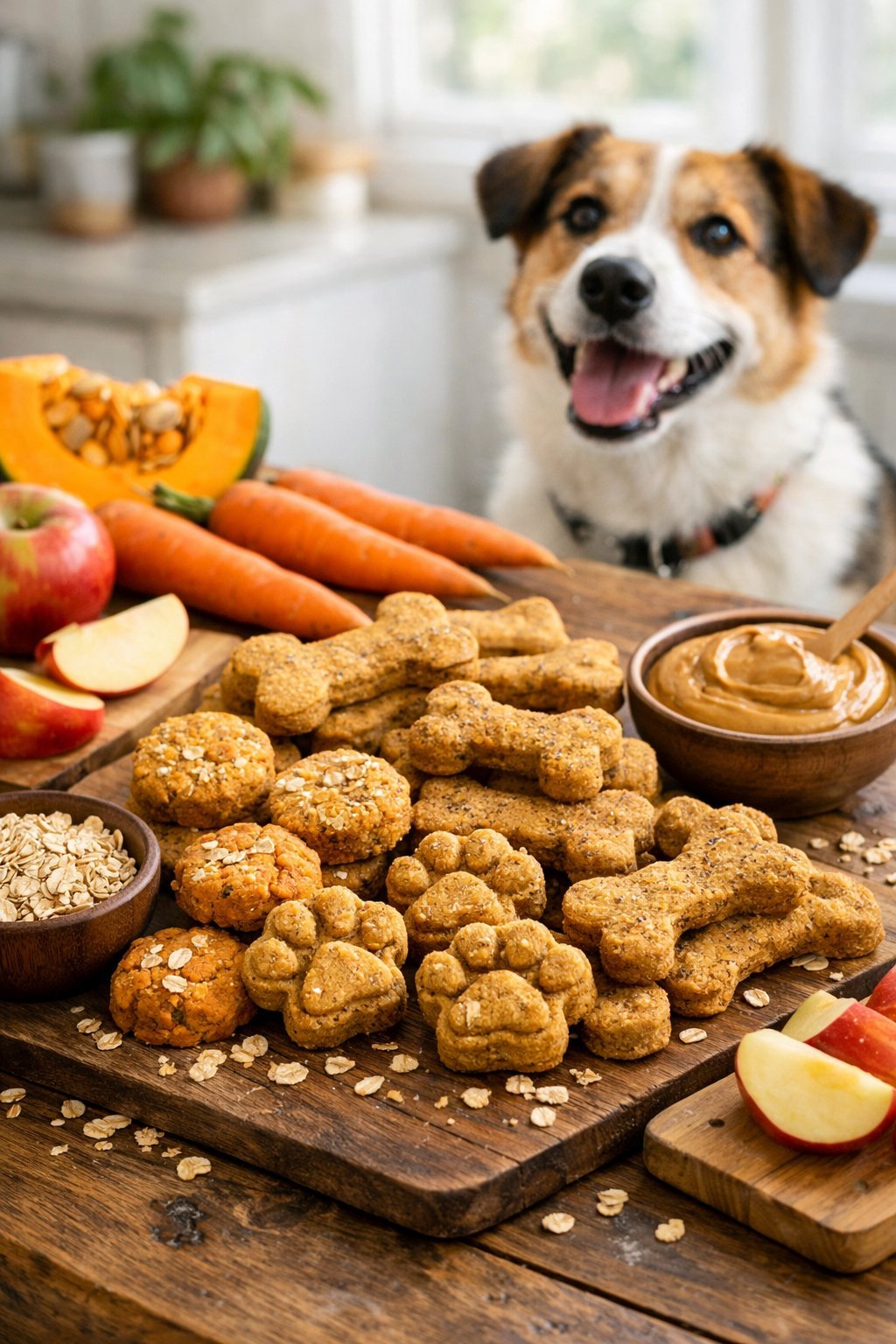
When I make treats at home, I can pack them with ingredients that directly support my dog’s health. Fresh whole foods provide vitamins, minerals, and fiber that work together to improve digestion, strengthen immunity, and help maintain a healthy body weight.
Supporting Digestive Health
Making healthy homemade dog treats from scratch helps me skip artificial preservatives and fillers that can upset my dog’s stomach. I like using pumpkin, which has soluble fiber that helps regulate bowel movements and soothes digestive issues.
Oats are another go-to because they’re gentle on the stomach and provide prebiotics that feed good gut bacteria. Sweet potatoes offer both soluble and insoluble fiber, which keeps things moving smoothly through the digestive tract.
When I make treats at home, I can avoid common allergens that might trigger sensitivities in my dog. No corn, wheat, or soy unless I know my dog tolerates them well.
Plain ingredients like lean meats, vegetables, and whole grains are much easier for dogs to digest than processed alternatives.
Boosting Immune Function
The fresh ingredients in my homemade treats are packed with antioxidants and vitamins that support my dog’s immune system. Carrots provide beta-carotene, which turns into vitamin A and helps keep skin and mucous membranes healthy.
Blueberries are full of antioxidants that fight free radicals and reduce inflammation. I also add lean proteins like chicken or turkey, which provide amino acids dogs need to build strong immune cells.
Pumpkin offers vitamin C and zinc, both important for immune function. Baking treats with these whole, natural ingredients means my dog is getting nutrients in their most natural form.
Maintaining Healthy Weight
Homemade treats let me control portion sizes and calorie content, which helps prevent obesity. I can make smaller treats for training or use low-calorie veggies like green beans and carrots as the base.
Commercial treats often sneak in added sugars and fats that add unnecessary calories. When I make treats myself, I skip those extras and focus on lean proteins and fiber-rich ingredients to keep my dog feeling full.
I tweak recipes based on my dog’s activity level and weight goals. For a dog that needs to slim down, I might use more veggies and less peanut butter.
The flexibility to customize means I’m not stuck with one-size-fits-all options from the store.
Safe Storage and Shelf Life for Natural Dog Treats
I always store my homemade dog treats properly so they stay fresh and safe for my pup. The ingredients you use and how you store treats affect how long they last.
I keep my dry, crunchy treats in airtight containers in a cool, dry place away from sunlight. They usually last about 2-3 weeks at room temperature.
For treats with meat, eggs, or other fresh ingredients, I store them in the refrigerator where they last 5-7 days. If I make a big batch, I freeze portions and they stay fresh for up to 3 months.
Signs Your Treats Have Gone Bad:
- Mold or discoloration
- Bad or sour smell
- Slimy or sticky texture
- Visible moisture inside the container
Moisture content is critical because wet treats spoil faster than dry ones. I always make sure my treats are completely cool and dry before storing them.
I label each container with the date I made the treats. This makes it easy to track freshness and know when to toss them.
When I notice any changes in smell, appearance, or texture, I throw the treats away. It’s just not worth risking my dog’s health.
Frequently Asked Questions
Making treats at home can raise questions about ingredients, storage, and safety. Here are answers to the most common concerns about creating natural snacks for your dog.
What are some simple recipes for homemade dog treats with minimal ingredients?
I love making two-ingredient treats with just banana and oats. I mash one ripe banana with two cups of oats, roll the mixture into small balls, and bake them at 350°F for 15 minutes.
Another easy option uses sweet potato as the main ingredient. I slice sweet potatoes into thin rounds and bake them at 250°F for three hours until they’re crispy.
Pumpkin and flour treats are also super simple. I mix one cup of pure pumpkin puree with two cups of whole wheat flour, roll out the dough, cut shapes, and bake at 350°F for 25 minutes.
How can I make no-bake dog treats that are healthy for my pet?
Frozen yogurt treats are easy and require no baking. I use plain, unsweetened yogurt and pour it into ice cube trays or silicone molds, then freeze for at least four hours.
I also make no-bake energy balls by mixing peanut butter with oats and a small amount of honey. I roll them into bite-sized pieces and store them in the fridge.
Frozen fruit treats are a hit in summer. I blend watermelon or blueberries with a bit of water, pour the mixture into molds, and freeze them completely.
What are the best vet-approved recipes for homemade dog treats?
Vet-approved recipes usually have simple, whole ingredients that are safe for dogs. I make chicken and rice biscuits by combining cooked chicken, brown rice flour, and an egg, then baking until firm.
Pumpkin and oatmeal treats get the vet’s thumbs up because both ingredients are gentle on digestion. I mix equal parts pumpkin puree and ground oats with one egg.
Sweet potato chews are another vet-approved option I trust. I slice sweet potatoes lengthwise and bake them low and slow until chewy.
How do I include peanut butter in DIY dog treat recipes?
I always use unsalted, natural peanut butter without xylitol, which is toxic to dogs. I check the ingredient label every time to make sure it only contains peanuts.
For basic peanut butter treats, I mix half a cup of peanut butter with one cup of whole wheat flour and one egg. I roll out the dough, cut it into shapes, and bake at 350°F for 20 minutes.
I also freeze peanut butter in Kong toys or silicone molds for a cool treat. Mixing peanut butter with mashed banana makes a softer filling that’s great for older dogs.
What are the healthiest ingredients to use in natural dog treats?
I stick with whole foods like lean proteins, vegetables, and whole grains. Chicken, turkey, and fish are great sources of protein without added fat or sodium.
Sweet potatoes, pumpkin, and carrots add fiber and vitamins. I use these veggies fresh or cooked, never canned with added salt or sugar.
Oats and brown rice flour work well as healthy binders in baked treats. If my dog has sensitivities, I use alternatives like oat flour or coconut flour instead.
Can you recommend a biscuit recipe approved by pet organizations like the RSPCA?
I make basic biscuits with two cups of whole wheat flour, half a cup of rolled oats, one egg, and half a cup of water. I mix the dry ingredients first, then add the wet ingredients and knead until I have a firm dough.
Next, I roll the dough to about a quarter-inch thickness. I cut it into fun shapes before baking.
Bake the biscuits at 350°F for 30 minutes. They come out crunchy and can last for weeks when stored right.
I usually keep them in an airtight container at room temperature for up to two weeks. If I want to store them longer, I freeze them.