
Peanut Butter Dog Treats: Homemade Recipes, Tips & Ingredient Guide

Dogs go crazy for peanut butter, and making homemade peanut butter dog treats lets you give your furry friend something special without worrying about hidden additives or harmful ingredients.
Making your own peanut butter dog treats at home is simple, affordable, and gives you complete control over what goes into your dog’s snacks. Store-bought treats often contain preservatives and sweeteners like xylitol, which is toxic to dogs.
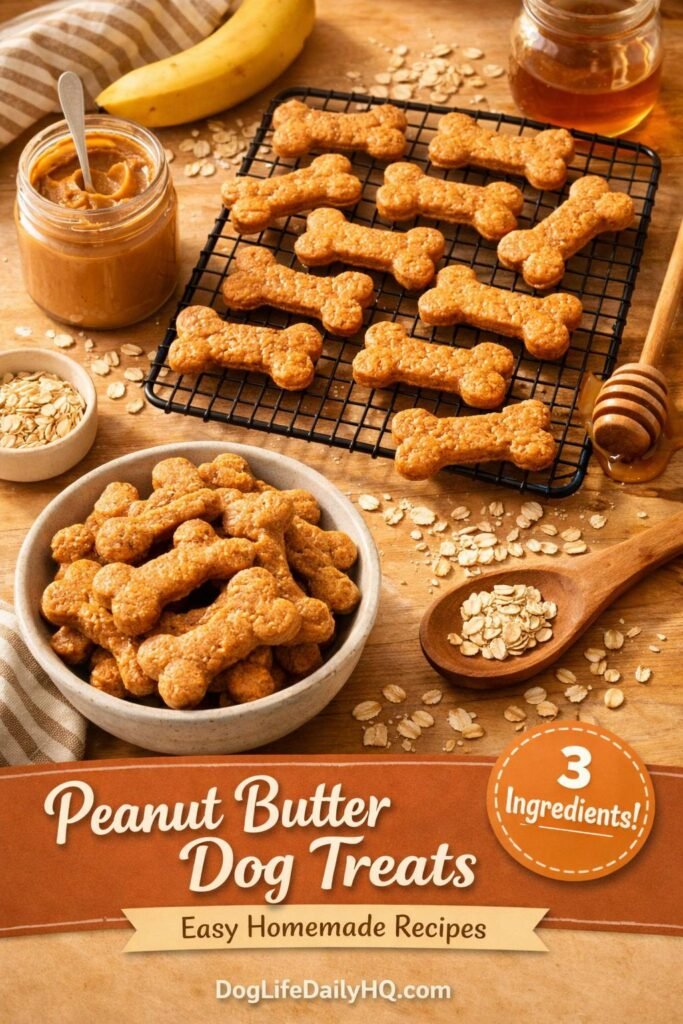
I’ve found that baking treats for my dog strengthens our bond and gives me peace of mind knowing exactly what ingredients I’m feeding.
The basic recipe only needs a few pantry staples like peanut butter, flour, and water.
You can customize the treats with healthy add-ins like pumpkin or carrots to match your dog’s preferences.
Whether you want crunchy biscuits for training rewards or soft treats for older dogs, homemade peanut butter treats are versatile and fun to make.
Key Takeaways
- Homemade peanut butter dog treats require only basic ingredients and are safer than store-bought options
- You can customize recipes with healthy additions and adjust texture based on your dog’s needs
- Always use xylitol-free peanut butter and store treats properly to keep them fresh
Why Peanut Butter Dog Treats Are a Pawsome Choice
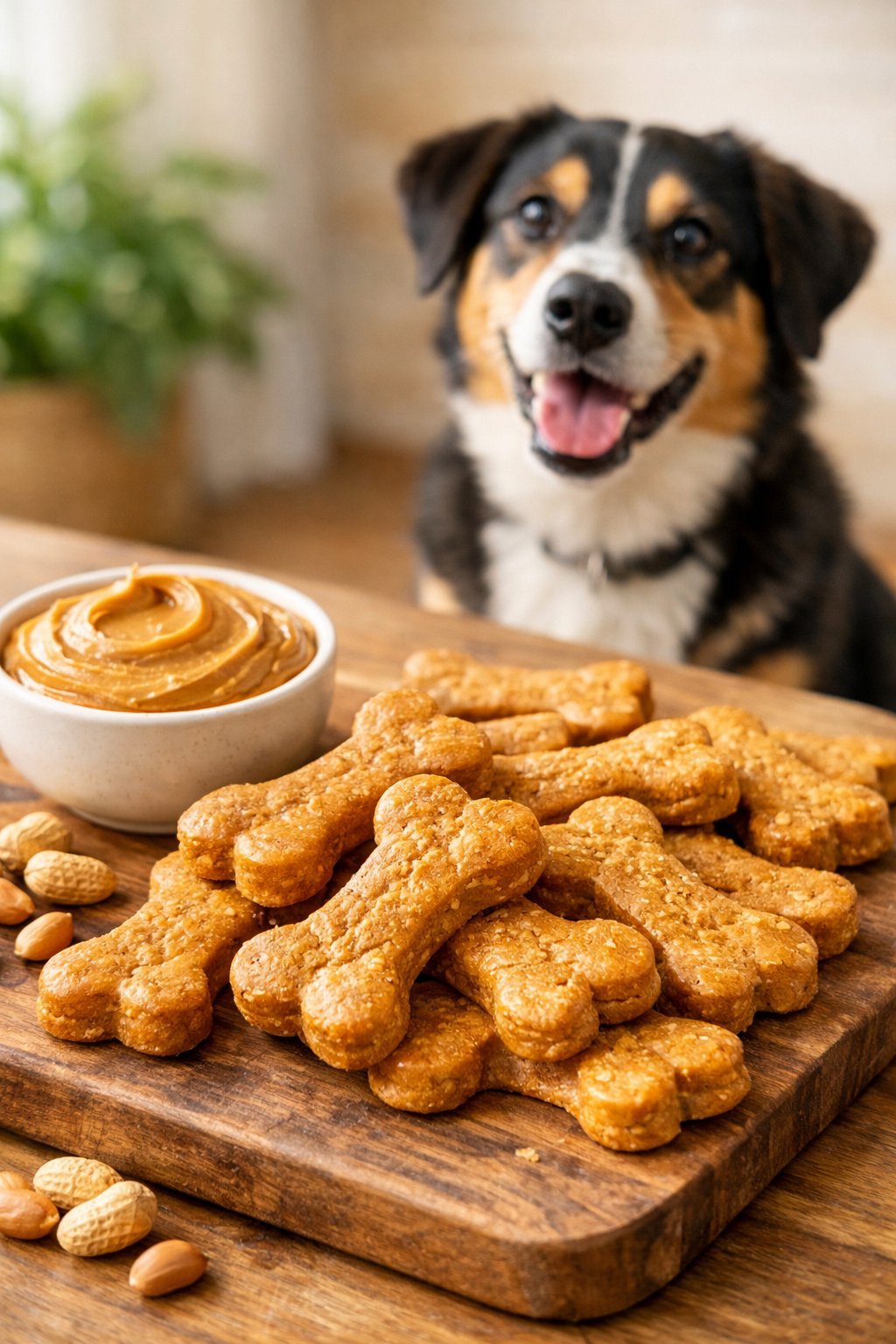
Peanut butter dog treats offer nutritional benefits like protein and healthy fats while serving as powerful training rewards.
Safety depends on choosing xylitol-free options and watching for allergies.
Both store-bought and homemade versions have their place in your pup’s treat rotation.
Benefits of Peanut Butter for Dogs
I’ve found that peanut butter treats for dogs deliver real nutritional value beyond just tasting good.
Peanut butter provides protein that helps build and repair tissues in your dog’s body, which is especially important for active pups who burn lots of energy.
The healthy fats in natural peanut butter support a shiny coat and healthy skin.
Omega-3 fatty acids help reduce inflammation and improve overall skin health in dogs.
I love using peanut butter as a training tool because most dogs find it irresistible.
The strong smell and creamy texture make it a high-value reward that motivates dogs to learn new behaviors quickly.
Peanut butter treats also work great for hiding medication.
When I need to give my dog a pill, I simply tuck it into a spoonful of peanut butter and it goes down without a fight.
Common Concerns and Safety (Xylitol, Allergies)
The biggest danger with peanut butter is xylitol, a sugar substitute that’s toxic to dogs.
This ingredient causes sudden drops in blood sugar and can damage your dog’s liver.
I always check labels carefully before buying any peanut butter product for my pup.
Some dogs can develop peanut allergies, though it’s not common.
Watch for signs like itching, swelling, hives, vomiting, or diarrhea after feeding peanut butter for the first time.
Peanut butter is high in calories and fat, so I use it in moderation.
Too much can lead to weight gain or even pancreatitis in some dogs.
Choosing simple, dog-safe ingredients helps reduce these risks.
The sticky texture can also pose a choking hazard if you give too much at once.
I stick to small amounts and avoid chunky varieties for smaller dogs.
Commercial vs. Homemade Peanut Butter Dog Treats
Store-bought peanut butter dog treats offer convenience and consistency.
Many brands now make specialized treats designed for dogs that avoid harmful ingredients and control portion sizes.
Homemade dog treats give me complete control over ingredients.
I can use unsalted, natural peanuts and skip any additives or preservatives.
Most recipes take under 30 minutes and store for weeks.
I find that making treats at home costs less money over time.
A batch of simple peanut butter biscuits uses just a few pantry staples like oats, eggs, and xylitol-free peanut butter.
Commercial treats work better when I’m traveling or need quick rewards during training sessions.
Homemade treats shine when I want to customize flavors or accommodate special dietary needs my dog might have.
Essential Ingredients for Making Peanut Butter Dog Treats
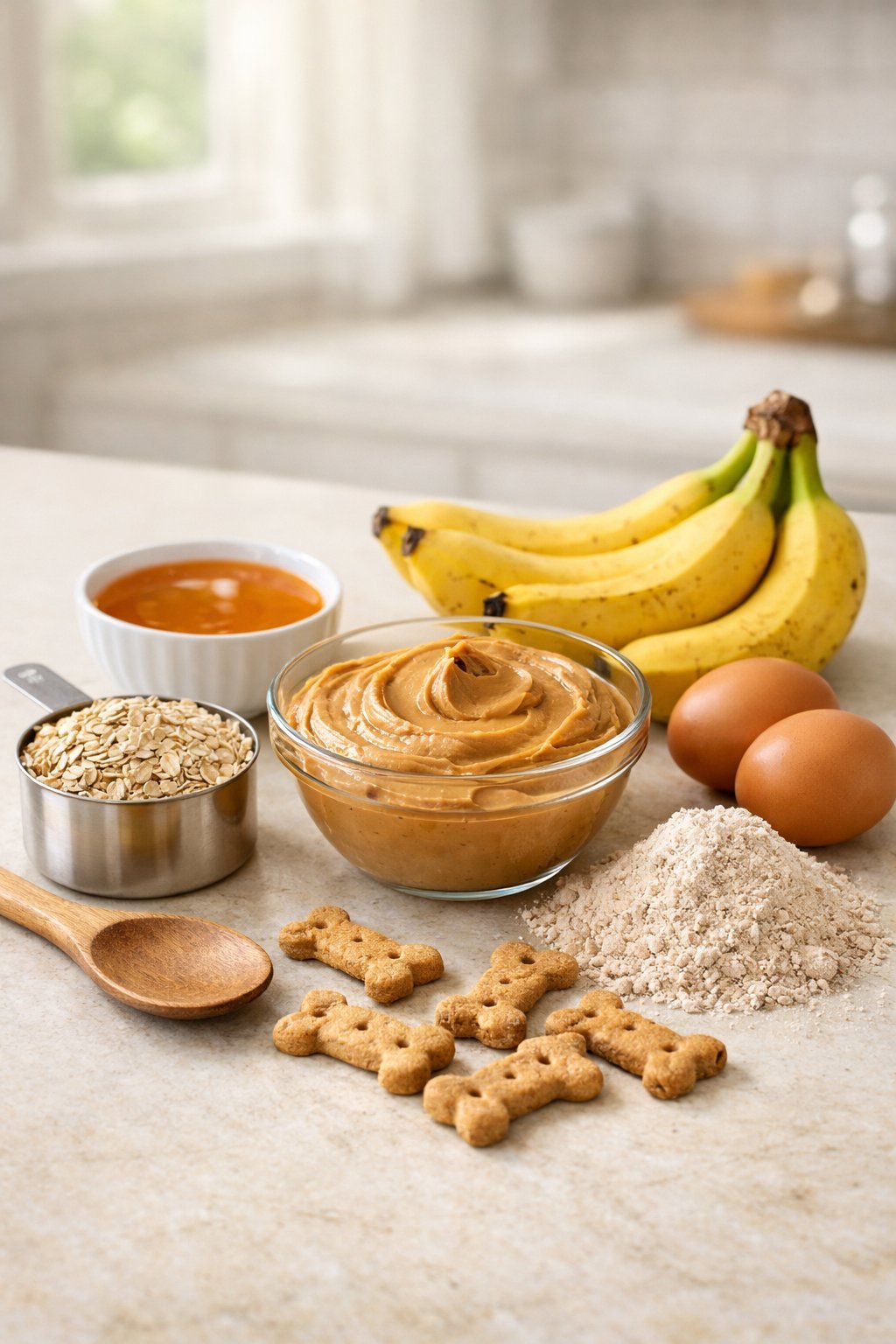
The right ingredients make all the difference when baking treats your dog will love.
I always focus on using natural ingredients that are safe and nutritious for my pup.
Choosing Dog-Safe Peanut Butter
I always check the label before buying peanut butter for my dog’s treats.
The most important thing is making sure the peanut butter doesn’t contain xylitol, which is toxic to dogs even in small amounts.
Natural peanut butter is my top choice because it usually has just one or two ingredients: peanuts and maybe a little salt.
I prefer creamy peanut butter over chunky varieties since it mixes more easily into treat dough.
Store brands work just as well as name brands as long as they’re xylitol-free.
Some peanut butters have added sugar, palm oil, or hydrogenated oils.
While these aren’t as dangerous as xylitol, I avoid them when possible.
The ingredient list should be short and simple.
I also skip reduced-fat peanut butter because manufacturers often add extra sugar or artificial sweeteners to improve the taste.
Flours: Whole Wheat, Oat, and Grain-Free Options
Choosing the right flour depends on your dog’s dietary needs and any food sensitivities they might have.
I’ve experimented with several types and found that each works well in homemade peanut butter dog treats.
Whole wheat flour is my go-to option for most recipes.
It’s affordable and creates treats with a nice firm texture.
This flour adds fiber and keeps dogs feeling full longer.
Oat flour is perfect for dogs with wheat sensitivities.
I make my own by grinding rolled oats in a food processor until they become a fine powder.
Oat flour makes treats slightly softer and adds extra nutrients.
Coconut flour works well for grain-free recipes, but I use less of it than other flours.
It absorbs a lot of moisture, so I typically use about half the amount and add extra liquid to the recipe.
| Flour Type | Best For | Texture Result |
|---|---|---|
| Whole Wheat | Most dogs | Firm and crunchy |
| Oat | Wheat-sensitive dogs | Soft and chewy |
| Coconut | Grain-free diets | Dense and hearty |
Healthy Add-Ins and Natural Sweeteners
I love adding extra ingredients to boost nutrition and flavor in my dog’s treats.
Pumpkin puree is one of my favorites because it adds moisture and fiber while supporting healthy digestion.
I use plain canned pumpkin, not pie filling.
Applesauce works similarly to pumpkin and adds a subtle sweetness dogs enjoy.
I always choose unsweetened varieties to avoid unnecessary sugar.
Mashed banana dog treats are another hit in my kitchen.
Bananas add natural sweetness and potassium.
One medium banana usually works for a single batch.
For additional nutrients, I mix in ground cinnamon (just a pinch), flaxseed for omega-3 fatty acids, or mashed sweet potatoes.
Honey can work as a natural sweetener, but I use it sparingly since it’s high in sugar.
Some dogs also enjoy almond butter as an alternative to peanut butter, though I make sure it’s also xylitol-free.
Ingredient Substitutions for Dietary Needs
I’ve learned to adapt recipes based on what my dog can and cannot eat.
If my dog has a wheat allergy, I swap whole wheat flour with oat flour or coconut flour in equal amounts (adjusting liquid as needed).
When a recipe calls for eggs and my dog is sensitive to them, I use a “flax egg” instead.
I mix one tablespoon of ground flaxseed with three tablespoons of water and let it sit for five minutes.
For dogs who can’t have peanut butter, almond butter or sunflower seed butter work well.
I just verify these alternatives don’t contain xylitol either.
If a recipe includes dairy like yogurt, I substitute with additional applesauce or pumpkin puree.
This keeps treats moist without triggering stomach upset.
I’ve also replaced honey with mashed banana when I want to reduce sugar content.
The key is maintaining the right dough consistency by adjusting wet and dry ingredients as needed.
Homemade Peanut Butter Dog Treat Recipes
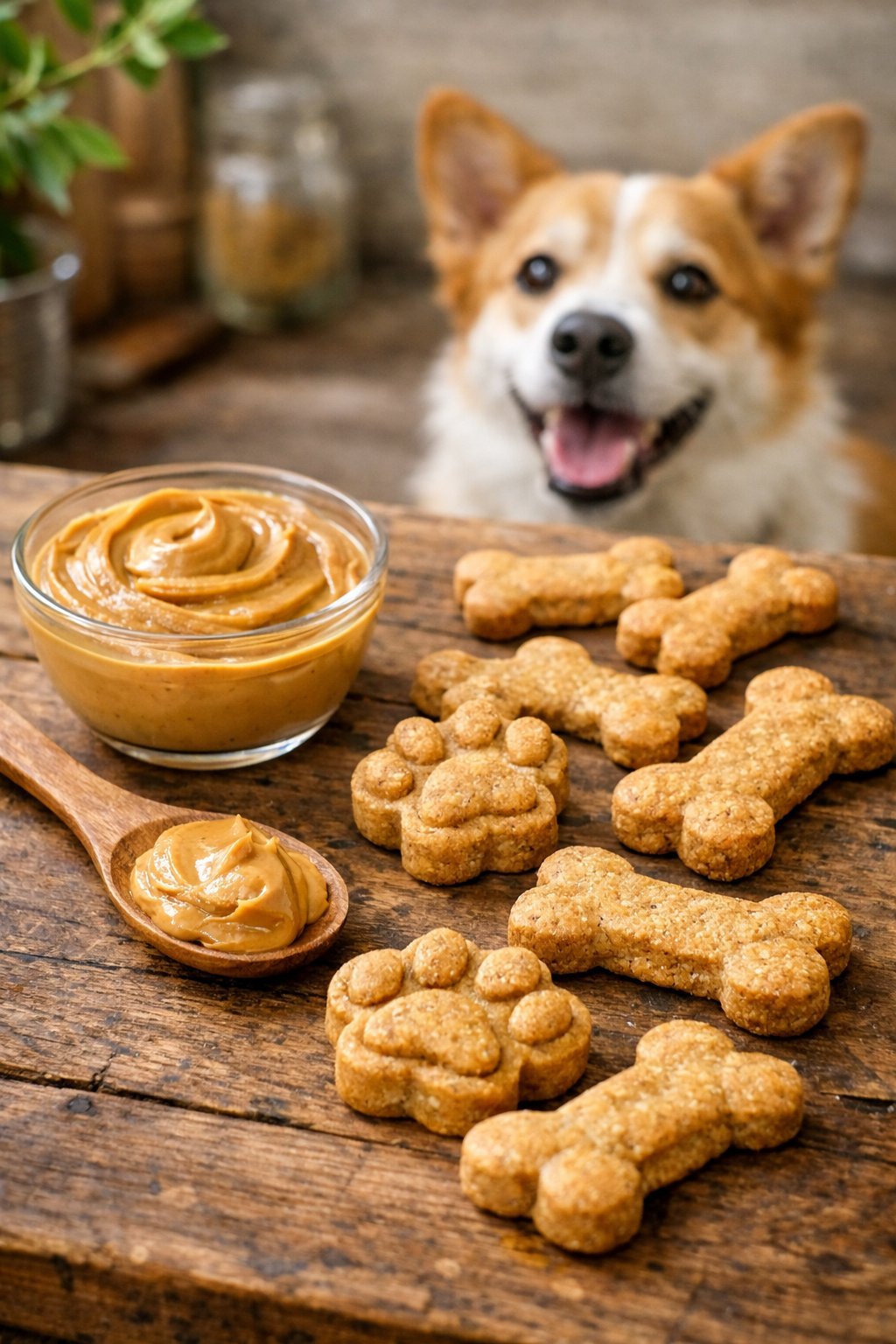
Making peanut butter dog treats at home lets me control exactly what goes into my dog’s snacks while saving money compared to store-bought options.
These four recipes use simple pantry ingredients and range from baked biscuits to quick no-bake options that my pup loves.
Classic Baked Peanut Butter Dog Biscuits
I love making these classic peanut butter dog biscuits because they only need a few basic ingredients.
I mix 2 cups of whole wheat flour with 1/2 cup of natural peanut butter, 2 eggs, and about 1/2 cup of water until I get a firm dough.
After rolling out the dough to about 1/4 inch thick, I use cookie cutters to make fun shapes.
Dog bone cutters work great for these peanut butter dog bones.
I bake them at 350°F for 12-15 minutes until they turn golden brown.
The longer I bake them, the crunchier they get.
These dog biscuits stay fresh in an airtight container for up to two weeks.
I always make sure to use peanut butter without xylitol since this sweetener is dangerous for dogs.
No-Bake Peanut Butter Dog Treats
When I need easy dog treats in a hurry, these no-bake options are perfect.
I combine 1 cup of rolled oats, 1/2 cup of natural peanut butter, and 2 tablespoons of honey in a bowl.
I mix everything together and roll the mixture into small balls.
These diy dog treats need about 1-2 hours in the refrigerator to firm up.
My dog loves these soft, chewy treats for training rewards.
I can make them even easier by pressing the mixture into a pan and cutting them into squares instead of rolling balls.
They keep in the fridge for up to a week or in the freezer for three months.
This peanut butter dog treat recipe is great when it’s too hot to turn on the oven.
Peanut Butter and Banana Cookies
This dog cookie recipe combines two flavors my dog goes crazy for.
I mash 1 ripe banana and mix it with 1/2 cup of natural peanut butter and 1 cup of oats.
The banana adds natural sweetness so I don’t need any added sugar.
I drop spoonfuls of the mixture onto a baking sheet and flatten them slightly with a fork.
These peanut butter cookies bake at 300°F for 25-30 minutes until golden.
The lower temperature keeps them from burning.
I can freeze extra ripe bananas to have them ready whenever I want to whip up a batch.
These treats stay good in an airtight container for about a week at room temperature.
Pumpkin and Peanut Butter Dog Treats
I make this simple three-ingredient dog treat recipe all year round using canned pumpkin.
I mix 1/2 cup of pure pumpkin puree with 1/2 cup of natural peanut butter and 2 cups of whole wheat flour.
The pumpkin adds fiber that’s good for my dog’s digestion.
I roll out the dough and cut it into shapes before baking at 350°F for 15-20 minutes.
These pumpkin peanut butter treats get nice and crunchy, making them perfect for dogs who like harder biscuits.
I make sure to use 100% pure pumpkin puree, not pumpkin pie filling which has added spices and sugar.
Each batch makes about 24 medium-sized treats that I store in an airtight container for up to two weeks.
Tips and Tricks for Baking the Best Dog Treats
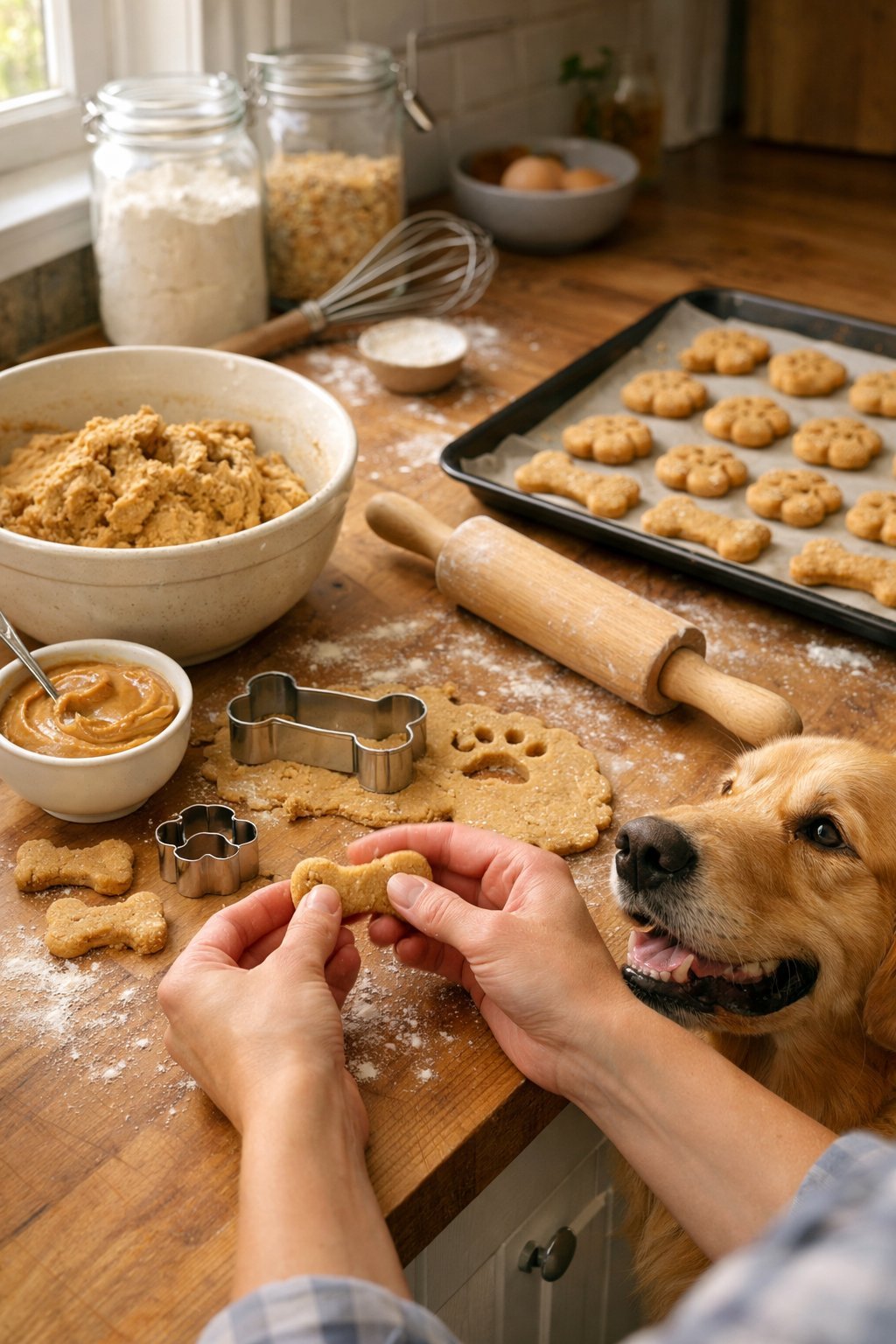
Getting the shape, texture, and flavor right makes all the difference when baking homemade snacks for your pup. Small adjustments in technique can transform a basic dog treats recipe into something your furry friend will love.
Shaping and Decorating Dog Treats
Using cookie cutters makes shaping homemade dog treats fun and easy. Bone-shaped cutters are classic, but any shape works.
For small dogs, cut treats about the size of a dime. Medium dogs do well with quarter-sized pieces.
Large dogs need treats around half-dollar size. If you don’t have cookie cutters, roll the dough into balls and flatten them with your palm.
You can also roll the dough into a log and slice it into rounds with a knife. Chilling the dough for 15 to 30 minutes before rolling makes handling much easier.
Place parchment paper above and below the dough to prevent sticking without adding extra flour. For a shiny finish, brush the tops with a beaten egg before baking.
Press a few peanut pieces or oats on top for decoration.
Texture and Bake-Time Variations
The texture of your treats depends on how long you bake them and what techniques you use. For softer treats, reduce baking time by 2-3 minutes.
These work well for senior dogs or puppies with sensitive teeth. For crunchier treats, bake them for the full time, then turn off the oven and leave the treats inside as it cools.
For chewy treats, add a tablespoon of coconut oil to the dough. This keeps them moist and gives them a different texture.
Rolling the dough to 1/4 inch thickness gives you standard treats. Thinner dough creates crispier results, while thicker dough stays softer inside.
Flavor Customizations
Adding different ingredients keeps homemade snacks interesting. Banana is a favorite—just mash half a ripe banana into the dough for natural sweetness.
Pumpkin puree adds 1/4 cup of fiber and vitamin A to your treats. It also gives them a nice orange color.
Grated carrots provide beta-carotene and add crunch. Use about 1/4 cup mixed right into the dough.
For extra nutrition, sprinkle a tablespoon of ground flaxseed into the mix. This adds omega-3 fatty acids that help with coat health.
Finely diced apple (without seeds) works well too. Use 1/4 cup for an apple-peanut butter combination.
A pinch of cinnamon pairs nicely with pumpkin flavors. Always avoid ingredients like chocolate, raisins, or artificial sweeteners that can harm dogs.
Storing and Serving Peanut Butter Dog Treats
Proper storage keeps your homemade peanut butter dog treats fresh and safe for your pup to enjoy. These treats typically last 2-3 weeks at room temperature, but you can extend their life through refrigeration or freezing.
Shelf Life and Storage Methods
Always make sure homemade peanut butter dog treats are completely cool before storing them. Warm treats create moisture in containers, which leads to mold growth.
For short-term storage of up to one week, keep dog treats in an airtight container at room temperature. Place them in a cool, dry spot away from direct sunlight and heat.
Room Temperature Storage:
- Use airtight containers with tight-fitting lids
- Keep in pantry or cupboard
- Lasts up to 2-3 weeks
For longer storage, store treats in the refrigerator for 1-2 months. The cooler temperature slows down bacterial growth and keeps treats fresh.
Always use an airtight container to prevent homemade snacks from absorbing other food odors. Check treats regularly for signs of spoilage.
Mold, unusual smells, or changes in texture mean you should throw them out immediately.
Freezing for Long-Term Freshness
Freezing is a great method for long-term storage of peanut butter dog treats. You can keep frozen treats fresh for up to 3 months when stored properly.
Wrap treats individually or in small batches using plastic wrap. Then place them in freezer-safe bags or containers to prevent freezer burn.
This method lets you take out only what you need.
Freezing Steps:
- Cool treats completely
- Wrap in plastic wrap
- Place in freezer bags
- Label with date
- Store for up to 3 months
When ready to serve frozen treats, thaw them in the refrigerator overnight. Room temperature is safest for your dog’s teeth and digestion.
How to Serve Peanut Butter Dog Snacks
I give peanut butter treats to my dog as special rewards or training incentives.
These homemade snacks should make up only a small part of my dog’s daily food intake.
I break larger treats into smaller pieces for training sessions.
This lets me reward my pup multiple times without overfeeding.
For everyday treats, I give one or two whole pieces depending on their size and my dog’s weight.
I always supervise my dog when serving any treats.
This helps me watch for choking hazards or allergic reactions.
If I’m introducing new homemade snacks, I start with just one small piece to test for sensitivities.
Serving Tips:
- Give treats in moderation
- Break into smaller pieces for training
- Always supervise while eating
- Store leftovers promptly after serving
I never leave peanut butter dog treats sitting out for extended periods.
After treat time, I return them to proper storage to maintain freshness.
