Portable Dog Fence: Your Complete Guide to Safe Outdoor Freedom for Your Pup

Keeping your dog safe while giving them space to play can be tricky, especially when you’re away from home or don’t have a permanent fence. That’s where portable dog fences come in handy. A portable dog fence is a temporary barrier system that you can set up and take down quickly to create a safe area for your dog indoors, outdoors, at the campsite, or anywhere you need it.
I’ve found that these fences work great for so many situations. Whether you’re traveling in an RV, spending a day at the beach, or just need a quick solution in your backyard, a portable option gives you flexibility. Various types of portable dog fences exist to fit different needs and budgets.
The best part is that you don’t need to dig holes or make permanent changes to your property. You can find portable dog fences for indoor and outdoor use that pack up small and weigh very little. In this guide, I’ll walk you through everything you need to know to pick the right portable fence for your furry friend.
Key Takeaways
- Portable dog fences are temporary barriers that set up quickly and work for home, travel, and camping
- You can choose from physical panel fences, wireless systems, or electric options based on your dog’s needs
- Proper setup and regular safety checks help keep your dog secure in any portable fence system
What Is a Portable Dog Fence?
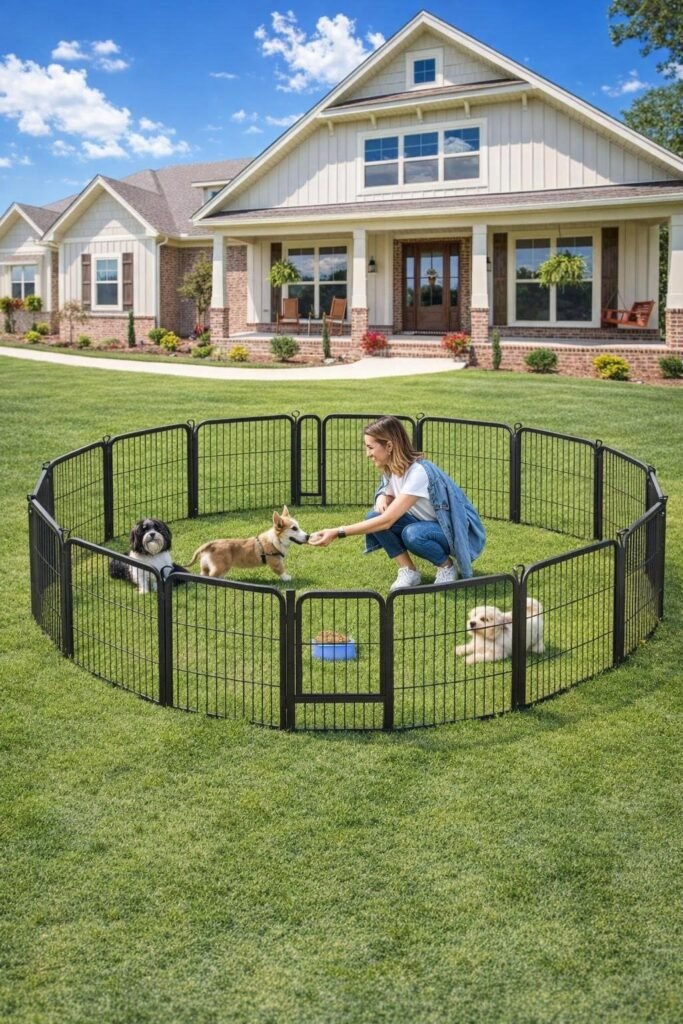
A portable dog fence is a movable barrier system that creates a safe, contained space for dogs without permanent installation. These fences work for camping trips, travel, backyard play, and indoor use.
Key Features and Benefits
Portable dog fences come in several styles, including wire panels, mesh playpens, and pop-up enclosures. Most designs fold flat for easy transport and storage. I find that the best models weigh between 10 to 30 pounds, making them light enough to carry but heavy enough to stay stable.
Common features include:
- Adjustable panel configurations
- Quick setup without tools
- Rust-resistant materials
- Multiple size options
- Secure door latches
The main benefit is flexibility. I can set up a safe space for my dog anywhere within minutes. Sturdy, rust-resistant designs with adjustable panels let me customize the play area size based on available space. These fences also cost much less than permanent fencing, typically ranging from $30 to $300 depending on size and materials.
Comparison to Traditional Fencing
Traditional fences require professional installation, permits, and significant cost. Permanent fencing can cost $1,500 to $5,000 or more for an average yard. I can’t take that fence with me if I move or travel.
A dog playpen offers immediate containment without digging holes or pouring concrete. Setup takes 5 to 15 minutes instead of days or weeks. However, portable options don’t provide the same level of security as a 6-foot wooden or chain-link fence. Determined dogs might jump over or push through lighter models.
Portable fences work best for supervised outdoor time, temporary containment, or training. They supplement rather than replace permanent fencing for long-term yard security.
Indoor vs. Outdoor Options
Indoor portable fences typically feature lighter materials like fabric mesh or thin metal wire. These dog playpen outdoor models protect floors and create boundaries in living spaces. I use indoor versions for puppies during house training or to keep dogs away from certain rooms.
Outdoor models need weather-resistant construction. Metal panels with powder coating resist rain and sun damage better than fabric. Some designs include ground stakes or heavy bases to prevent tipping on grass or dirt.
Key differences:
| Feature | Indoor | Outdoor |
|---|---|---|
| Material | Fabric, thin wire | Heavy metal, coated steel |
| Weight | 5-15 lbs | 15-30 lbs |
| Stability | Floor grip pads | Ground stakes |
| Weather resistance | Low | High |
I choose based on where I’ll use the fence most often. Some models work well in both environments if they have removable weatherproof panels.
Types of Portable Dog Fences
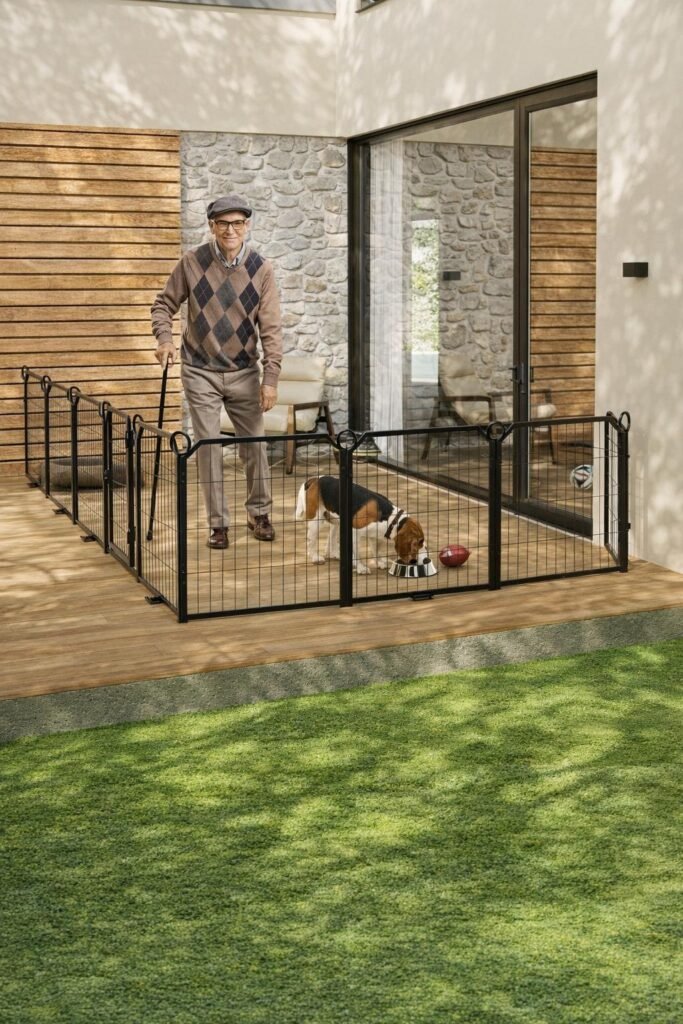
Portable dog fences come in three main styles, each designed for different needs and situations. Panel fences offer physical barriers you can set up anywhere, wireless systems use technology to create boundaries, and the material choice between metal and plastic affects durability and portability.
Freestanding Panel Fences
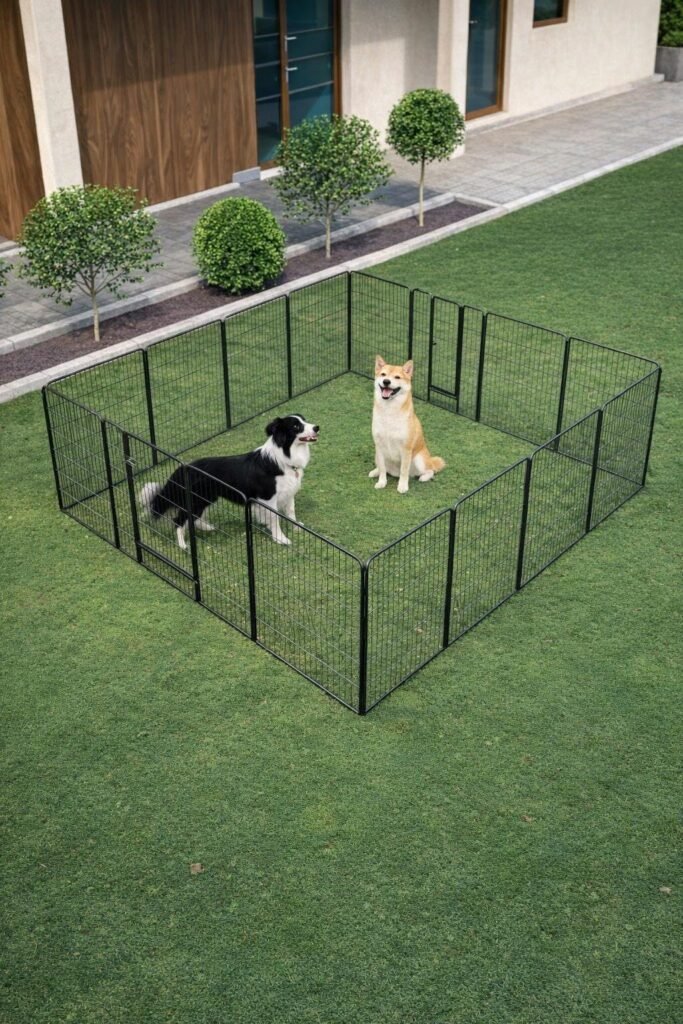
Freestanding panel fences are the most common type of portable dog fence I see pet owners using. These consist of connected panels that stand on their own without needing to be anchored into the ground.
You can arrange the panels in different shapes like squares, rectangles, or octagons. Most designs let you add or remove panels to make the space bigger or smaller based on where you are.
The panels typically range from 24 to 48 inches tall. I find that taller options work better for dogs that like to jump.
Key features include:
- Easy setup with no tools required
- Adjustable configurations
- Doors or gates for easy access
- Foldable design for transport
Many freestanding options work well as a dog playpen outdoor solution. Some models have ground stakes you can add for extra stability on windy days or with strong dogs.
Wireless and GPS Dog Fences
Wireless dog fences work differently than physical barriers. They use a transmitter that creates an invisible circular boundary around a central point.
Your dog wears a special collar that beeps or vibrates when they get close to the boundary line. If they keep going, the collar delivers a mild static correction.
Types of wireless systems:
- Traditional wireless (circular boundary only)
- GPS-based (custom boundary shapes)
- Rechargeable vs. battery-powered collars
GPS versions let me create custom boundary shapes using a smartphone app. This gives more flexibility than the fixed circular pattern of basic wireless systems.
These systems need training time so your dog learns where the boundaries are. I always recommend at least two weeks of training before trusting them completely.
The main downside is that wireless fences don’t keep other animals or people out of your dog’s space.
Metal vs. Plastic Playpens
Choosing between metal and plastic for your dog playpen affects weight, durability, and price.
Metal playpens are stronger and more stable. They resist chewing better and work well for powerful dogs or those that like to test boundaries. The panels are usually made from rust-resistant steel or powder-coated metal. However, they weigh more and cost more than plastic options.
Plastic playpens are lighter and easier to carry. They’re perfect for travel and indoor use. Many have mesh panels that let air flow through while keeping visibility high. The main concern is that determined chewers can damage plastic panels over time.
| Feature | Metal | Plastic |
|---|---|---|
| Weight | Heavier | Lighter |
| Durability | High | Moderate |
| Price | Higher | Lower |
| Best For | Strong dogs, outdoor use | Small dogs, travel |
I choose metal when I need something permanent for my backyard and plastic when I’m heading out for camping trips or park visits.
How to Choose the Best Portable Dog Fence
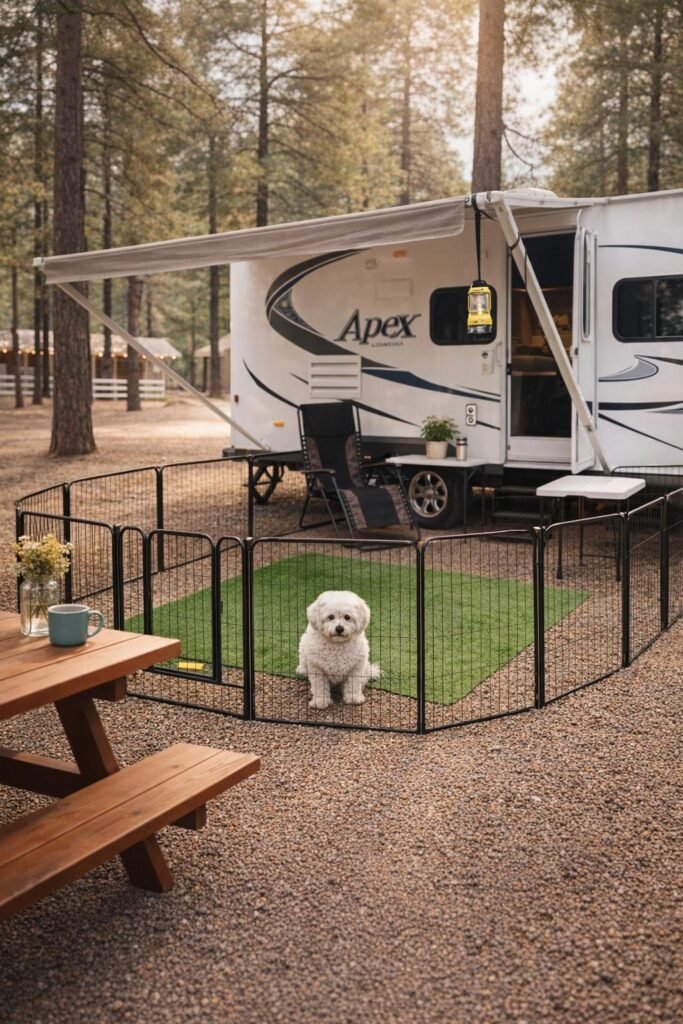
Finding the right fence means thinking about your dog’s size and energy level, how easy the fence is to move and set up, and whether it can handle outdoor conditions.
Sizing for Dogs and Spaces
I always start by measuring my dog’s height when they jump. A fence should be at least twice as tall as my dog can reach to prevent escapes. For small dogs under 25 pounds, a 24-inch fence usually works fine. Medium dogs need 36 inches, and large dogs require 48 inches or more.
The space I want to enclose matters just as much. I measure the area before buying to make sure I have enough panels. Most portable fences come in 8-panel or 16-panel sets that create circles or rectangles of different sizes.
When choosing the right portable dog fence, I consider my dog’s temperament too. A calm dog might do fine with a shorter fence, but an energetic jumper needs extra height. Dogs who dig need stakes that go deep into the ground or weighted bases that they can’t push over.
Portability and Ease of Setup
Weight makes a huge difference when I’m traveling. I look for fences under 15 pounds that fold flat for my car trunk. The best portable dog fences are lightweight and designed with travel in mind, letting me set them up in minutes instead of struggling with complicated parts.
I prefer fences that don’t need tools. Pop-up designs with connected panels save me time at the campsite or beach. Some fences come with carrying bags that have shoulder straps, which helps when I’m hauling other gear.
The setup style matters for different trips. Gate panels that hook together work well for longer stays. Wire fences with ground stakes suit grassy areas. For hard surfaces like parking lots, I need weighted bases or sandbags.
Durability and Materials
Weather-resistant materials last longer outdoors. I choose powder-coated metal or heavy-duty polyester that won’t rust or fade in the sun. Cheap plastic cracks in cold weather and warps in heat.
The joints and connectors fail first on low-quality fences. I check that hinges are made of steel, not thin plastic. Reinforced corners hold up better when my dog pushes against them.
UV protection prevents the fabric from breaking down after months of sun exposure. Waterproof coatings keep metal fences from corroding in rain. I avoid fences with sharp edges that could hurt my dog’s paws or nose.
Portable Dog Fences for Travel and Camping
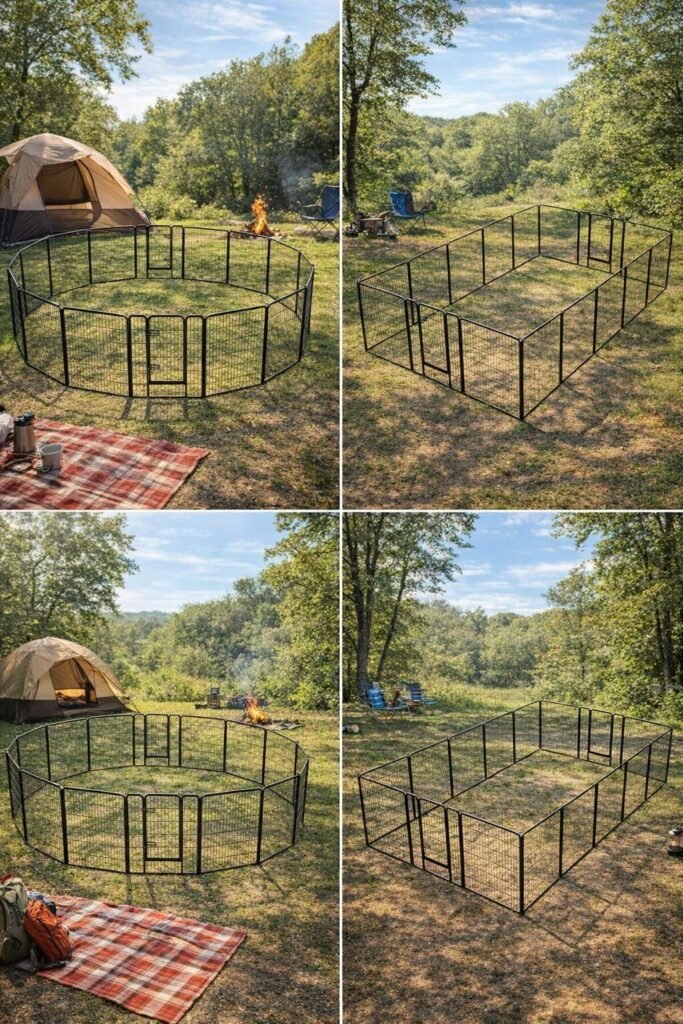
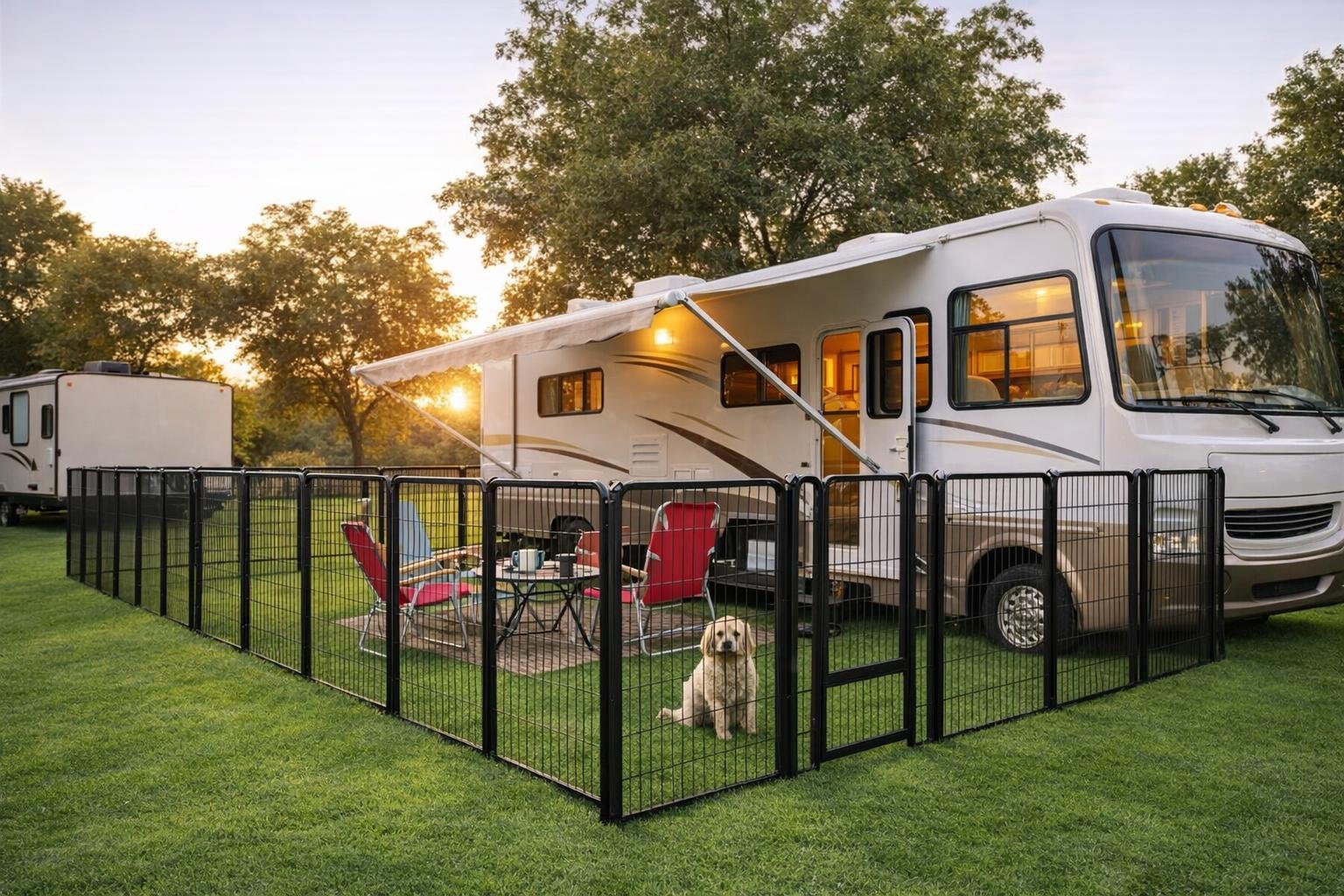
When I travel with my dog, a portable fence gives them space to move around safely while keeping them contained at campsites, RV parks, and rest stops. The right setup makes outdoor adventures stress-free for both of us.
Features for Outdoor Adventures
I look for portable dog fences designed for camping that are lightweight and easy to transport. Most quality options weigh between 10 to 30 pounds and fold down to fit in my car or RV storage compartments.
Key features I prioritize:
- Quick setup time: Models that snap together in under 5 minutes save me time at camp
- Weather-resistant materials: Rust-proof metal or UV-resistant plastic withstands rain and sun
- Ground stakes or anchors: These prevent the fence from tipping over on uneven terrain
- Adjustable panel configuration: I can create different shapes to fit around picnic tables or trees
The best dog playpen outdoor options include carrying cases with handles. I’ve found that 8-panel systems offer enough space for medium to large dogs while staying compact enough to transport easily. Some models connect multiple units together if I need more room.
Safety Considerations on the Road
I always check my dog fence for camping before each trip. Loose connections or damaged panels can create escape routes that put my dog at risk.
My pre-trip safety checklist:
- Inspect all panel connections and hinges
- Test ground stakes on similar terrain before leaving
- Verify the fence height matches my dog’s jumping ability
- Pack extra clips or zip ties for emergency repairs
I never leave my dog unattended in a portable fence for extended periods. These enclosures work best when I’m nearby to supervise. I also avoid setting up near roads or water hazards where my dog could get into trouble if they escape.
At unfamiliar campgrounds, I do a perimeter check for sharp objects, ant hills, or toxic plants before placing the fence. I secure all gates with carabiners or additional clips since standard latches sometimes fail.
Tips for Using at Campgrounds
I arrive at campgrounds early to claim flat spots for my portable dog fence setup. Uneven ground makes installation harder and creates gaps underneath panels.
My setup routine starts with laying out all panels before connecting them. I arrange the fence away from high-traffic areas where other campers and dogs pass by frequently. This reduces my dog’s stress and prevents unnecessary barking.
Best practices I follow:
- Place the fence in shaded areas during hot weather
- Provide water bowls and a comfortable resting spot inside
- Add familiar toys or bedding to help my dog settle
- Introduce the fence gradually if it’s their first time
I communicate with neighboring campers about my setup. Most people appreciate knowing there’s a contained dog nearby. Some campgrounds have specific rules about portable dog enclosures, so I check regulations before setting up.
Popular Brands and Top Picks
Several manufacturers make quality portable dog fences with different features and price points. The Kfvigoho brand offers durable options with extra-wide panels, while budget-friendly models provide basic containment without breaking the bank.
Kfvigoho Dog Playpen Overview
The Kfvigoho dog playpen stands out as a top portable fence option with its extra-wide panel design. The 16-piece set covers up to 32 feet and reaches 40 inches in height, which works well for medium to large dogs.
I like that this playpen uses heavy-duty materials that hold up to outdoor conditions. The black coating resists rust and weather damage.
The panels connect easily without tools. You can arrange them in different shapes to fit your yard or camping area. Each panel locks securely to prevent gaps where dogs might escape.
Comparison of Top-Rated Models
When I compare portable dog fences, three models rise to the top:
| Brand | Panel Count | Height | Best For |
|---|---|---|---|
| VISCOO | 16 panels | 40 inches | Large yards and active dogs |
| FDW | 8 panels | 24 inches | Small dogs and indoor use |
| Petorldog | 16 panels | 40 inches | Travel and outdoor activities |
The VISCOO model includes a built-in gate for easy access. The FDW option costs less but only works for smaller breeds. The Petorldog fence folds down compact for transport in your car or RV.
All three options set up in minutes without complicated instructions. They work indoors or outside depending on your needs.
Budget-Friendly Options
I found the IRIS USA 4-Panel Dog Exercise Playpen offers the best value at a lower price. It creates about 8 square feet of space using BPA-free plastic panels.
This lightweight fence weighs less than metal alternatives. You can carry it to different rooms or take it on trips. The plastic construction won’t rust or corrode over time.
The smaller panel count limits coverage area compared to 16-panel sets. But for apartment dwellers or owners of small dogs, this fence does the job. It includes a door panel for convenient entry and exit.
Care, Maintenance, and Safety Tips
Regular cleaning and proper storage extend your portable dog fence’s lifespan, while routine inspections catch potential problems before they become safety hazards.
Cleaning and Storage
I clean my portable dog fence after each use to prevent dirt buildup and rust. A simple rinse with a garden hose removes most debris. For stubborn dirt, I use mild soap and a soft brush.
I always dry the panels completely before storing them. Moisture trapped in storage leads to rust and mold growth. Metal fences benefit from an occasional wipe-down with a rust-preventive spray.
For storage, I keep my fence in a dry, covered area like a garage or shed. I stack the panels flat or hang them on wall hooks to save space. I avoid leaving the fence outside during winter months, as extreme cold can damage certain materials. Before packing the fence away, I check all connectors and stakes to make sure nothing gets lost.
Long-Term Durability Advice
I inspect my fence regularly for signs of wear, loose connections, or damaged panels. I check welds on metal fences and look for tears in mesh materials. Small repairs done early prevent bigger problems later.
I replace worn stakes immediately since they’re critical for keeping the fence secure. I also tighten any loose bolts or clips before each setup. Sharp edges that develop over time need filing down to protect my dog from cuts.
I avoid dragging panels across rough surfaces, which scratches protective coatings. When setting up a camping dog fence, I choose level ground to reduce stress on joints and connections. I never exceed the recommended height by stacking panels, as this compromises stability and creates a safety risk.