Pup Cups Recipe: Make This Easy Frozen Treat Your Dog Will Go Crazy For

Pup Cups Recipe – I love spoiling my pup with special treats. Nothing makes my dog’s tail wag faster than a cold, creamy pup cup.
A pup cup is a dog-friendly frozen treat typically made with plain yogurt or whipped cream and safe ingredients that dogs can enjoy. These cute cups have become popular at coffee shops. Making homemade pup cups gives you complete control over what goes into your dog’s treat.
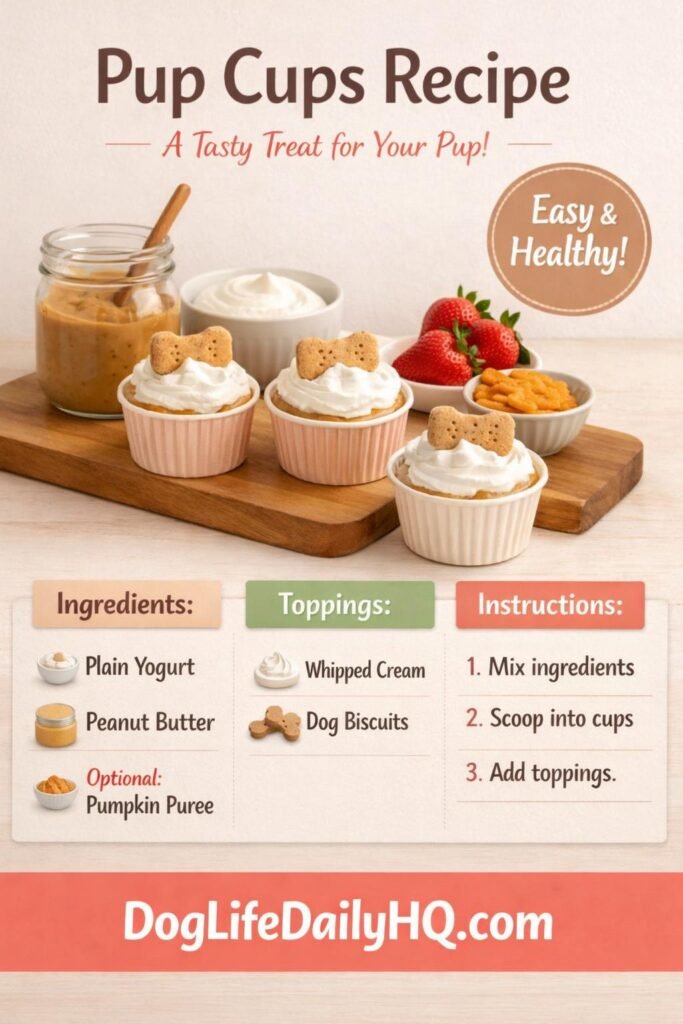
Creating your own pup cups at home is super easy and takes just minutes. You probably already have most of the ingredients in your kitchen.
You can customize the recipe to fit your dog’s taste preferences and dietary needs. This helps you avoid any weird fillers or artificial ingredients.
I’ll walk you through a simple recipe that my dog absolutely loves. I’ll also share tips for serving these cups safely and making treat time even more special.
Key Takeaways
- Pup cups are simple frozen treats made with dog-safe ingredients like plain yogurt that you can easily make at home.
- Homemade versions let you control ingredients and ensure your dog gets a healthy, safe treat without additives.
- These treats should be given in small amounts as an occasional special reward for your dog.
What Is In a Pup Cups Recipe?
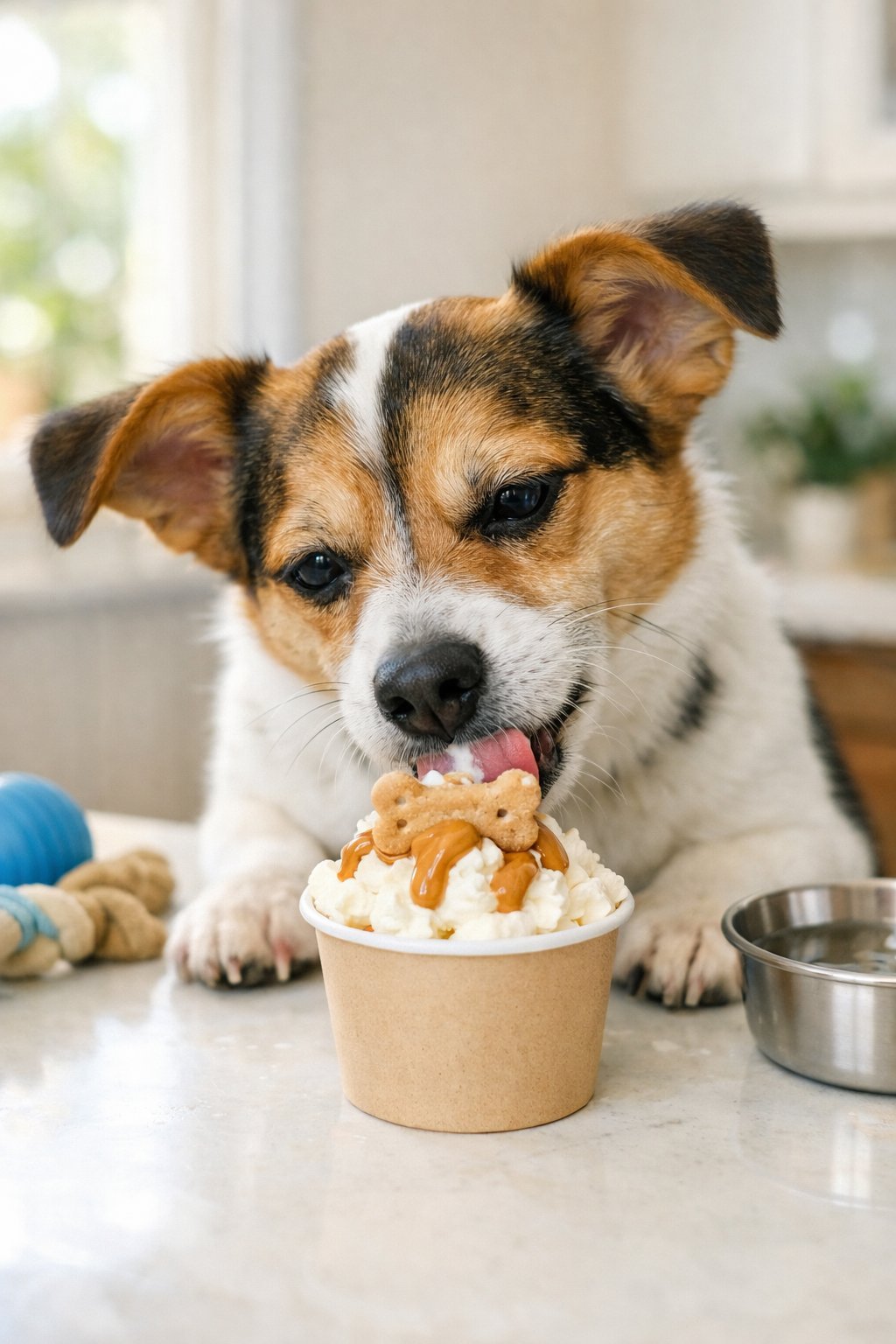
A pup cup is a frozen or creamy treat made specifically for dogs using safe ingredients like yogurt, peanut butter, and fruit. These dog-friendly desserts give our pets a special snack that keeps them cool and happy.
The Origin of Pup Cups
Pup cups became popular when Starbucks started offering free “puppuccinos” to dogs. These simple treats consisted of whipped cream served in a small cup.
Dog owners loved seeing their pets enjoy something special during coffee runs. However, Starbucks pup cups contain preservatives and sugar that aren’t ideal for dogs.
This led many pet parents to create healthier homemade versions. I started making my own after learning about the commercial ingredients.
Now dog owners everywhere are getting creative with customized recipes that match their pets’ dietary needs. Some even use special molds to create fun shapes.
Why Dogs Love Pup Cups
Dogs go crazy for pup cups because of the cold, creamy texture and delicious flavors. The combination of ingredients like peanut butter and banana creates an irresistible taste that dogs naturally love.
The cold temperature makes them especially appealing on warm days. I’ve noticed my dog gets excited just hearing me open the freezer.
Beyond taste, pup cups give dogs something they can lick and enjoy slowly. This makes them perfect for rewarding your furry friend or celebrating special occasions.
The extended eating time also helps keep dogs entertained and satisfied longer than quick-eat treats.
Healthy Ingredients for Pup Cups
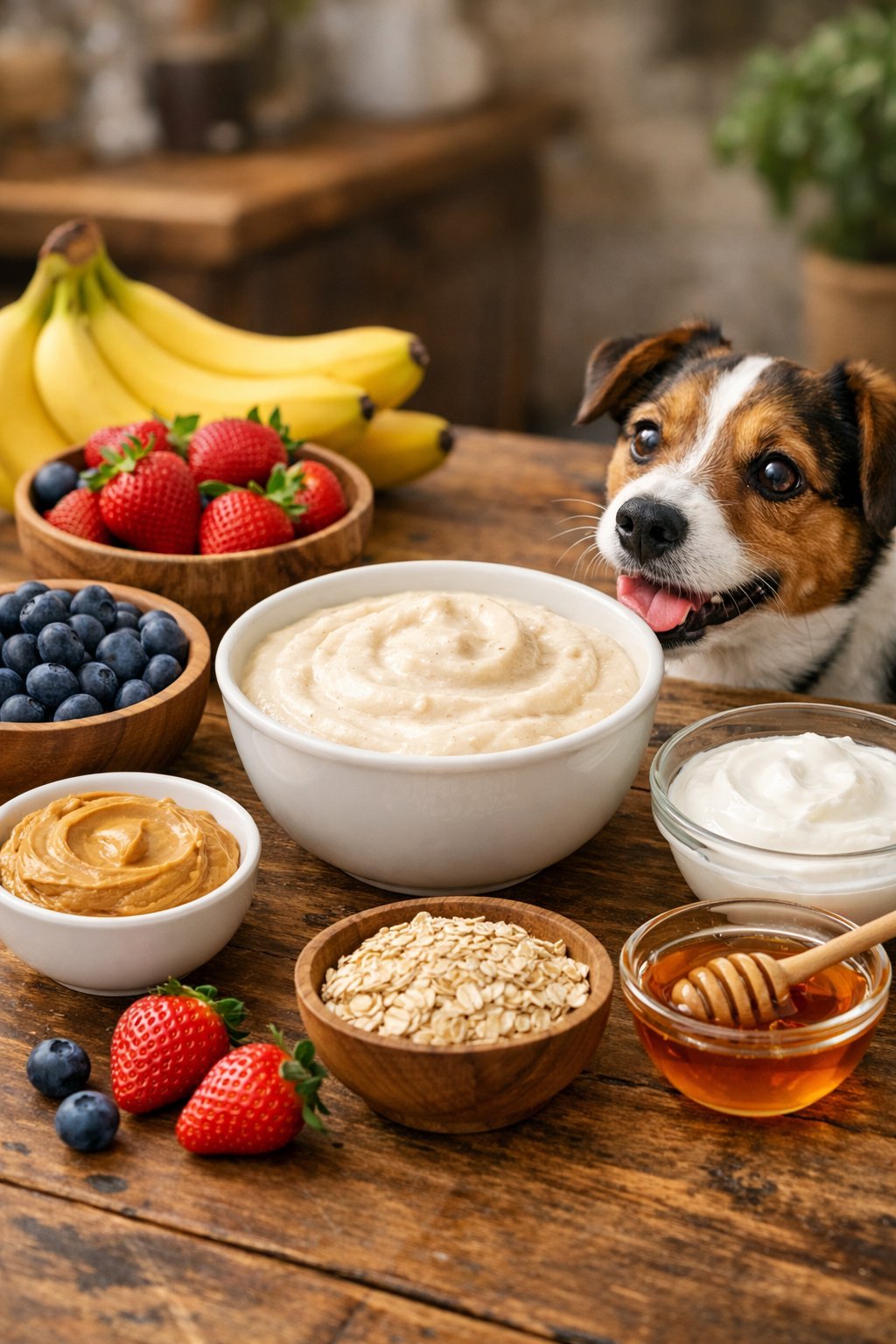
When I make pup cups at home, I stick to simple ingredients that are safe and good for dogs. The best recipes use plain yogurt or peanut butter as a base, with fresh fruit or other dog-friendly toppings added for extra flavor.
Dog-Safe Bases
Plain yogurt works great as a base for homemade pup cups. I always choose unsweetened, unflavored yogurt without any artificial sweeteners.
Greek yogurt is fine too, but regular plain yogurt has a creamier texture that dogs seem to love. Peanut butter is another popular base option.
I make sure to use natural peanut butter with no added sugar or salt. The most important thing is checking that it doesn’t contain xylitol, which is toxic to dogs.
Bananas work well mixed into the base because they add natural sweetness and potassium. I mash them up and blend them with yogurt or peanut butter.
Tasty Toppings
Fresh fruit makes excellent toppings for pup cups. I use small pieces of banana, blueberries, or strawberries.
Blueberries are packed with antioxidants and easy for dogs to eat. Shredded carrots add a nice crunch and are full of vitamins.
I grate them finely so they mix well with the creamy base. Sweet potato puree is another healthy option that adds fiber and nutrients.
A tiny drizzle of honey can be used sparingly for special occasions. I avoid adding too much since dogs don’t need extra sugar in their diet.
Ingredients to Avoid
I never use chocolate in pup cups because it’s poisonous to dogs. Even small amounts can make them very sick.
Grapes and raisins are also toxic and should never be included. Xylitol is an artificial sweetener found in some peanut butters and yogurts.
It’s extremely dangerous for dogs and can cause liver failure. I always read labels carefully before using any ingredient.
Store-bought whipped cream often contains sugar and preservatives. Homemade versions let me control what goes in.
I skip anything with artificial flavors, colors, or sweeteners. Dairy can upset some dogs’ stomachs, so I watch my dog after giving dairy-based treats.
The Adorable Pup Cup Recipe
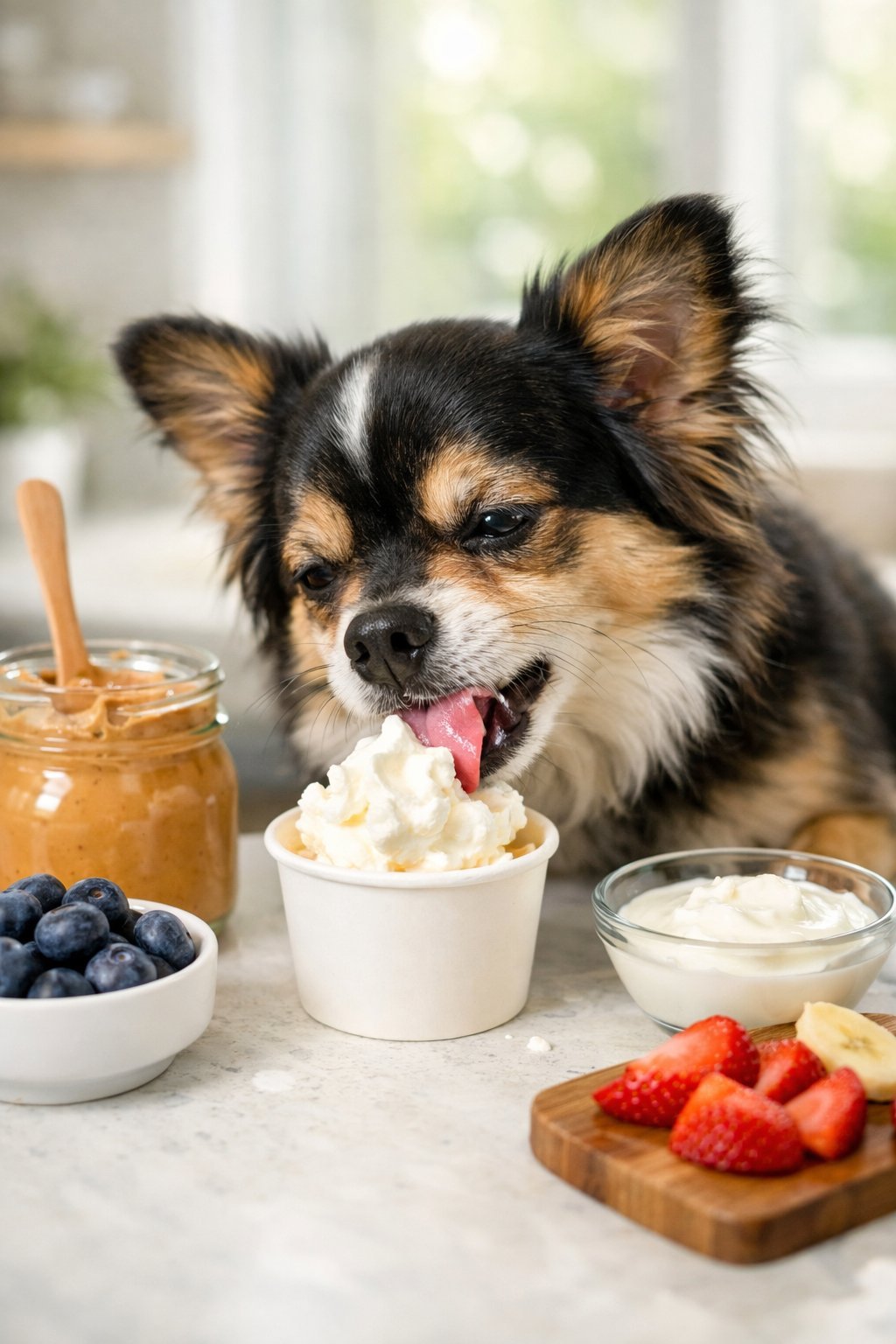
Making pup cups at home is simple and takes just a few minutes with basic kitchen ingredients. You can customize them to match your dog’s preferences and dietary needs.
Step-by-Step Instructions
I always start by gathering my main ingredient: plain, unsweetened yogurt. Greek yogurt works great too because it’s thicker and creamier.
Scoop about 1/4 to 1/2 cup of yogurt into a small cup or bowl, depending on your dog’s size. For small dogs, I stick with 1/4 cup, while larger pups can handle 1/2 cup.
If I want to add extras, I mix in a tablespoon of mashed banana or a small spoonful of peanut butter. Just make sure the peanut butter doesn’t contain xylitol, which is toxic to dogs.
I sometimes add a tiny drizzle of honey for extra sweetness. Mix everything together until it’s smooth and creamy.
For frozen pup cups, I pour the mixture into small silicone molds or ice cube trays. Pop them in the freezer for about 2-3 hours until they’re solid.
When it’s treat time, I let the frozen cup sit out for a minute or two to soften slightly. This makes it easier for my dog to enjoy without hurting their teeth.
Recommended Tools and Supplies
I keep a few basic supplies on hand to make creating pup cups easy and fun. Small cups or bowls work perfectly for serving fresh pup cups right away.
Essential items include:
- Plain yogurt (regular or Greek)
- Small serving cups or bowls
- Mixing spoon
- Measuring cups
Optional but helpful:
- Silicone molds in fun shapes
- Ice cube trays for portion control
- Small spatula for mixing
- Storage containers for frozen treats
I love using customized molds in fun shapes to make the pup cups more exciting. Silicone molds are my favorite because the treats pop out easily without sticking.
For storing extra pup cups, I use airtight containers in the freezer. They stay fresh for up to two weeks this way.
Tips for Customizing Your Pup Cup
I’ve learned that bananas support muscle function and add natural sweetness to pup cups. Ripe bananas mash easily and blend smoothly into the yogurt base.
Safe add-ins I use:
- Mashed blueberries or strawberries
- Pureed pumpkin (not pie filling)
- Shredded carrots
- Small training treats on top
- Dog-safe peanut butter
I avoid ingredients like chocolate, grapes, artificial sweeteners, and anything with added sugar. Homemade versions let you skip preservatives that commercial treats often contain.
For dogs with sensitive stomachs, I sometimes use lactose-free yogurt or coconut milk yogurt instead. This works well for pups who can’t handle dairy.
I adjust portion sizes based on my dog’s weight. Treats should only make up about 10% of their daily calories, so I keep pup cups small and occasional.
Serving Pup Cups Safely
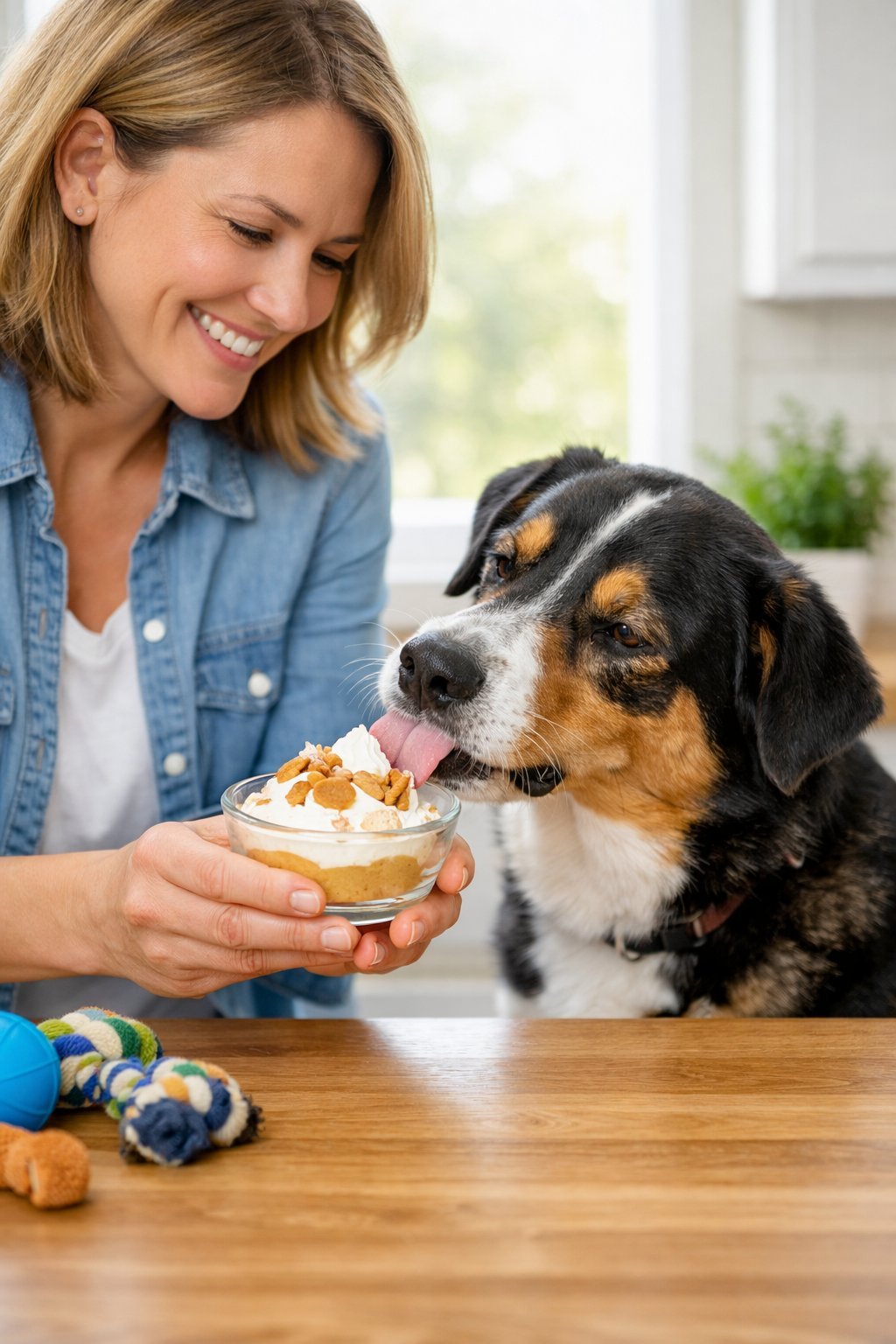
When I make pup cups for my dog, I always think about portion size and potential allergies first. These two factors make the biggest difference in keeping treats safe and enjoyable.
Portion Sizes by Dog Breed
I’ve learned that the right portion size depends on your dog’s weight and size. Small dogs under 20 pounds should get no more than 2-3 tablespoons of pup cup at a time.
Medium dogs between 20-50 pounds can handle about 1/4 to 1/3 cup. Large dogs over 50 pounds can enjoy up to 1/2 cup.
I treat pup cups as special snacks, not regular meals. They should make up less than 10% of my dog’s daily calories.
If I’m using ingredients like peanut butter or yogurt, I count those calories toward their daily total. I never give my dog a full-sized cup in one sitting, even if he begs.
I freeze smaller portions in ice cube trays or mini muffin tins. This helps me control how much he gets and makes the treats last longer.
Allergy Considerations
I always check ingredients before making pup cups because dogs can have food allergies just like people. The most common allergens for dogs include dairy, peanuts, and certain fruits.
If my dog has never had yogurt before, I start with just a tiny taste. I wait 24-48 hours to watch for signs of upset stomach, itching, or skin reactions.
Some dogs are lactose intolerant and can’t digest dairy products well. Peanut butter must be xylitol-free because this sweetener is toxic to dogs.
I read every label carefully since some brands sneak it into their ingredients. I also avoid recipes with chocolate, grapes, raisins, or artificial sweeteners.
Plain ingredients work best for dogs with sensitive stomachs.
Fun Ways to Enjoy Pup Cups Together
Pup cups work great for marking special days in your dog’s life and making training sessions more rewarding. These frozen treats give you extra chances to bond with your pet while keeping things fun and exciting.
Celebrating Special Occasions
I love bringing out homemade pup cups during my dog’s birthday parties. The treats add a special touch that makes the day feel more memorable for everyone involved.
Adoption anniversaries are another perfect time to serve these dog-friendly frozen treats. I mark the calendar each year and prepare a fresh batch to celebrate the day my pup joined our family.
Holiday celebrations become more inclusive when I make pup cups for my dog. During summer barbecues or family gatherings, my dog gets to enjoy something special too.
I often prepare multiple cups ahead of time and store them in the freezer. Playdates with other dogs turn into real parties when I serve pup cups to all the furry guests.
The treats help keep dogs calm and happy while giving owners time to chat. I always ask other pet parents about dietary restrictions before serving.
Incorporating Pup Cups Into Training
I use small spoonfuls of pup cup mixture as high-value rewards during training sessions. The cold, creamy texture makes my dog more motivated to learn new commands and behaviors.
Breaking training into short sessions works best when using frozen treats. I reward my dog with tiny tastes after successful tricks or good recall responses.
This approach keeps training positive without overfeeding. Dog owners customize their pup cup recipes to match their dog’s preferences, which helps during training.
I make smaller portions in ice cube trays so each reward stays bite-sized and manageable.
Frequently Asked Questions
Making pup cups at home brings up lots of questions about safety, ingredients, and how often to serve them. I’ve gathered the most common concerns dog parents have when preparing these frozen treats.
How do you make a safe and healthy pup cup for your dog?
I always start with plain, unsweetened yogurt as my base ingredient. Greek yogurt works great because it has probiotics that support digestion.
I mix in dog-safe add-ins like mashed banana, pure pumpkin puree, or unsalted peanut butter. The key is keeping it simple with just two or three ingredients.
I avoid anything with artificial sweeteners, especially xylitol, which is toxic to dogs. Plain ingredients you’d eat yourself are usually the safest choice.
Are pup cups okay for all breeds and ages of dogs?
Most adult dogs can enjoy pup cups in moderation. Puppies over 12 weeks old can usually handle small amounts too.
Dogs with lactose intolerance might have tummy troubles from dairy-based recipes. I recommend starting with a tiny portion to see how your dog reacts.
Senior dogs with dental issues might need softer versions that melt a bit before serving. Small breeds need smaller portions than large breeds.
Can I add fruit to my dog’s pup cup recipe?
I love adding dog-safe fruits to make pup cups more interesting and nutritious. Bananas, blueberries, and strawberries are my top picks.
Apples work well if I remove the seeds and core first. Watermelon without seeds is another refreshing option for summer treats.
I never use grapes, raisins, or cherries because they’re dangerous for dogs. Citrus fruits can upset their stomachs, so I skip those too.
What is the best way to serve a pup cup to your dog?
I let frozen pup cups thaw for about 5 minutes before serving. This makes them easier to lick without being too hard on teeth.
I serve them in small paper cups or silicone molds that my dog can lick clean. Outdoor serving keeps cleanup simple when things get messy.
I always supervise while my dog enjoys the treat. This way I can make sure they don’t try to eat the container or choke on large frozen chunks.
How often can I treat my dog to a homemade pup cup?
I give my dog a pup cup once or twice a week as a special reward. Treats should make up no more than 10% of their daily calories.
More frequent servings could lead to weight gain or digestive upset. I keep portions small, about 2-3 tablespoons for medium-sized dogs.
Hot summer days are perfect for these frozen treats. I also use them for training rewards or after vet visits to create positive associations.
What should I avoid putting in a dog-friendly pup cup?
I never include chocolate, which is toxic to dogs even in small amounts. Xylitol, found in sugar-free products, is extremely dangerous and can be fatal.
Sugary ingredients like ice cream or whipped cream with sweeteners can cause health problems. Regular dairy products that are high in fat may trigger pancreatitis.
I also skip anything with caffeine, macadamia nuts, or artificial flavors. Keeping ingredients simple and natural ensures my pup cup stays safe for my dog.
