
Puppy Training Schedule: Your Complete Week-by-Week Guide to Raising a Well-Behaved Dog

Bringing home a new puppy is super exciting, but it can feel a bit overwhelming if you’re not sure where to start with training. I remember wishing I had a clear plan when I got my first puppy.
A structured week-by-week puppy training schedule makes teaching essential skills much easier for both you and your new companion.
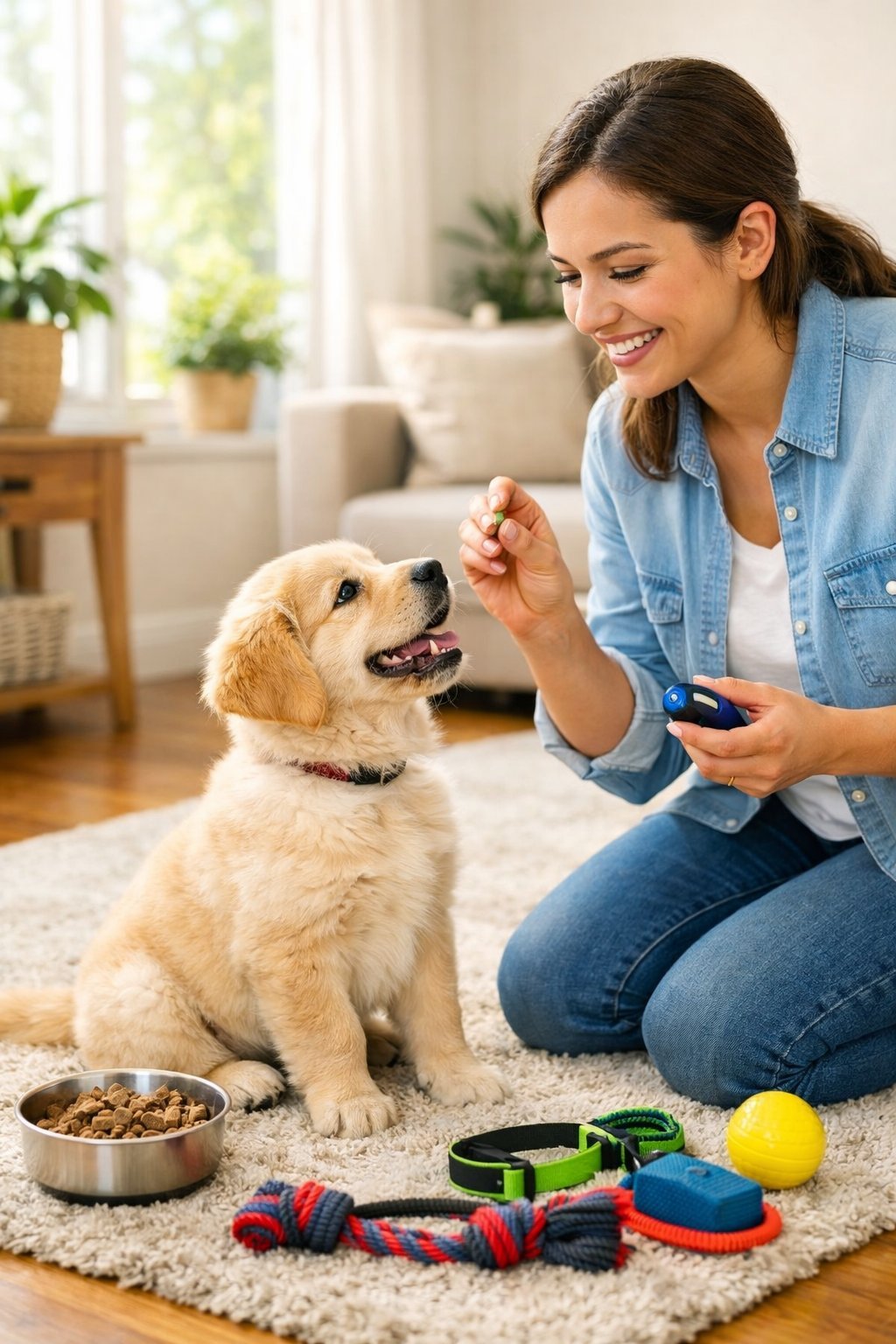
The first 90 days with your puppy are key for shaping their future behavior and temperament. Puppies learn quickly during this time and form habits that can last a lifetime.
This guide will walk you through what to focus on each week, from potty training basics to building good manners. Whether your puppy is 8 weeks old or you’re already a few days in, having a consistent training routine makes all the difference.
I’ll show you simple, practical steps that fit into your daily life. Training doesn’t have to feel like a full-time job.
Key Takeaways
- Start training right away with a daily routine for feeding, potty breaks, and sleep
- Focus on basic commands and socialization during the first 12 weeks
- Keep reinforcing good behaviors after the first three months to help your puppy grow into a well-behaved dog
Getting Started With Your Puppy’s First Week
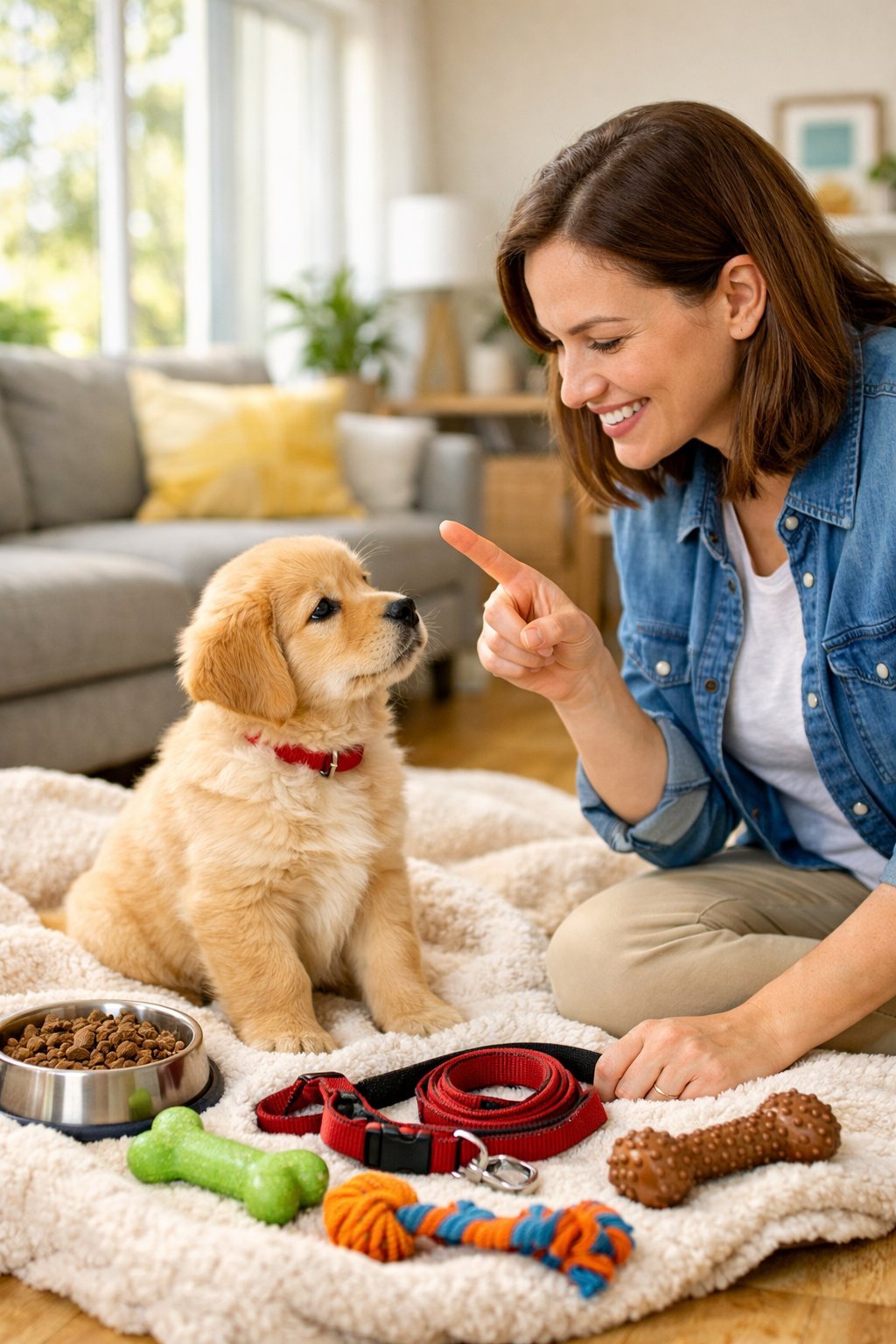
The first week sets the foundation for your puppy’s behavior and comfort in their new home. I’ll cover how to prep your space, gather supplies, and set up routines to help your puppy settle in.
Preparing Your Home for a Puppy
I always puppy-proof my home before bringing a new dog home. Remove things like electrical cords, toxic plants, and small objects that could be choking hazards.
Set up a special area just for your puppy. This should have a crate, food and water bowls, and a comfy bed.
Having everything in one spot helps puppies feel secure. Use baby gates to block off rooms you don’t want your puppy exploring.
This keeps accidents to a minimum and helps keep your puppy safe. Easy-to-clean floors are a lifesaver during the first few weeks.
Put household cleaners, medications, and trash cans out of reach. Puppies love to explore with their mouths, so anything left out could become a chew toy.
Essentials for Puppy Training
I always start with these basic supplies: a crate that fits your puppy, collar, leash, ID tag, food and water bowls, age-appropriate puppy food, and lots of training treats.
You’ll also want cleaning supplies made for pet messes. Here’s what I keep on hand:
Training Tools I Use:
- Soft, small training treats
- Clicker or a verbal marker
- 4-6 foot leash
- Interactive toys
- Chew toys in a few different textures
Stick with the same puppy food your breeder or shelter was using for at least the first week. Sudden food changes can upset your puppy’s stomach.
I always have enzymatic cleaners ready. Regular cleaners don’t get rid of the scent, and puppies might return to the same spot.
Establishing Routines Early
From day one, I create a consistent daily schedule that includes feeding times, potty breaks, play, and sleep.
Puppies need to go outside every 2-4 hours, plus after eating, drinking, playing, and waking up. Feed your puppy at the same times each day—three meals a day is perfect for pups under six months.
This makes potty training much easier, since most puppies need to go 15-30 minutes after eating. Take your puppy to the same outdoor spot every time, use a simple phrase like “go potty,” and reward them right after.
This helps your puppy connect the location and command with the behavior. I keep a simple log during your first week with a puppy to track eating, drinking, potty times, and accidents.
Patterns show up quickly and help me adjust the schedule to prevent future accidents.
Puppy Training Schedule: Weeks 2–4

During weeks 2 through 4, I focus on gentle socialization, keeping a consistent potty routine, and making the crate a safe space.
Socialization Basics
I introduce my puppy to new things slowly. The goal is to help them feel comfortable, not overwhelmed.
I let my puppy meet a few trusted friends and family members for short, positive visits. If my puppy seems nervous, I don’t push it.
I expose my puppy to household sounds like the vacuum, doorbell, and TV at low volumes. As they get more comfortable, I turn up the volume a little.
I also carry my puppy to different rooms so they can safely explore new spaces.
Important socialization activities:
- Meeting 2-3 new people per week
- Hearing everyday household noises
- Trying out different floor surfaces
- Watching cars and people from the window
I always pay attention to my puppy’s body language. If they seem stressed, I slow things down.
Potty Training Fundamentals
I take my puppy outside every 2 hours during the day, plus after waking up, playing, eating, or drinking. I pick one spot in the yard as the bathroom area and take my puppy there every time.
When they go potty, I praise them and give a treat right away.
My potty schedule looks like this:
- First thing in the morning
- After breakfast
- Mid-morning break
- After lunch
- Mid-afternoon break
- After dinner
- Before bedtime
If my puppy has an accident inside, I stay calm and bring them outside right away. I use an enzyme cleaner to remove the smell.
I keep a journal to note when accidents happen so I can spot patterns and adjust the schedule if needed.
Crate Training Tips
I introduce the crate as a positive place—never as punishment. I start by feeding my puppy in the crate with the door open.
I toss treats inside throughout the day so my puppy goes in on their own. I add a soft blanket and a safe toy to make it cozy.
Once my puppy goes in willingly, I close the door for a few seconds while they eat. Gradually, I increase the time to a few minutes, staying in the room at first.
Crate training steps I follow:
- Feed meals in the crate (door open)
- Toss treats inside at random times
- Close the door for 30 seconds while eating
- Increase to 5 minutes with the door closed
- Leave the room for 1-2 minutes
If my puppy whines or barks, I wait for a quiet moment before letting them out. My puppy sleeps in the crate at night next to my bed so they feel safe.
Building Good Habits: Weeks 5–8
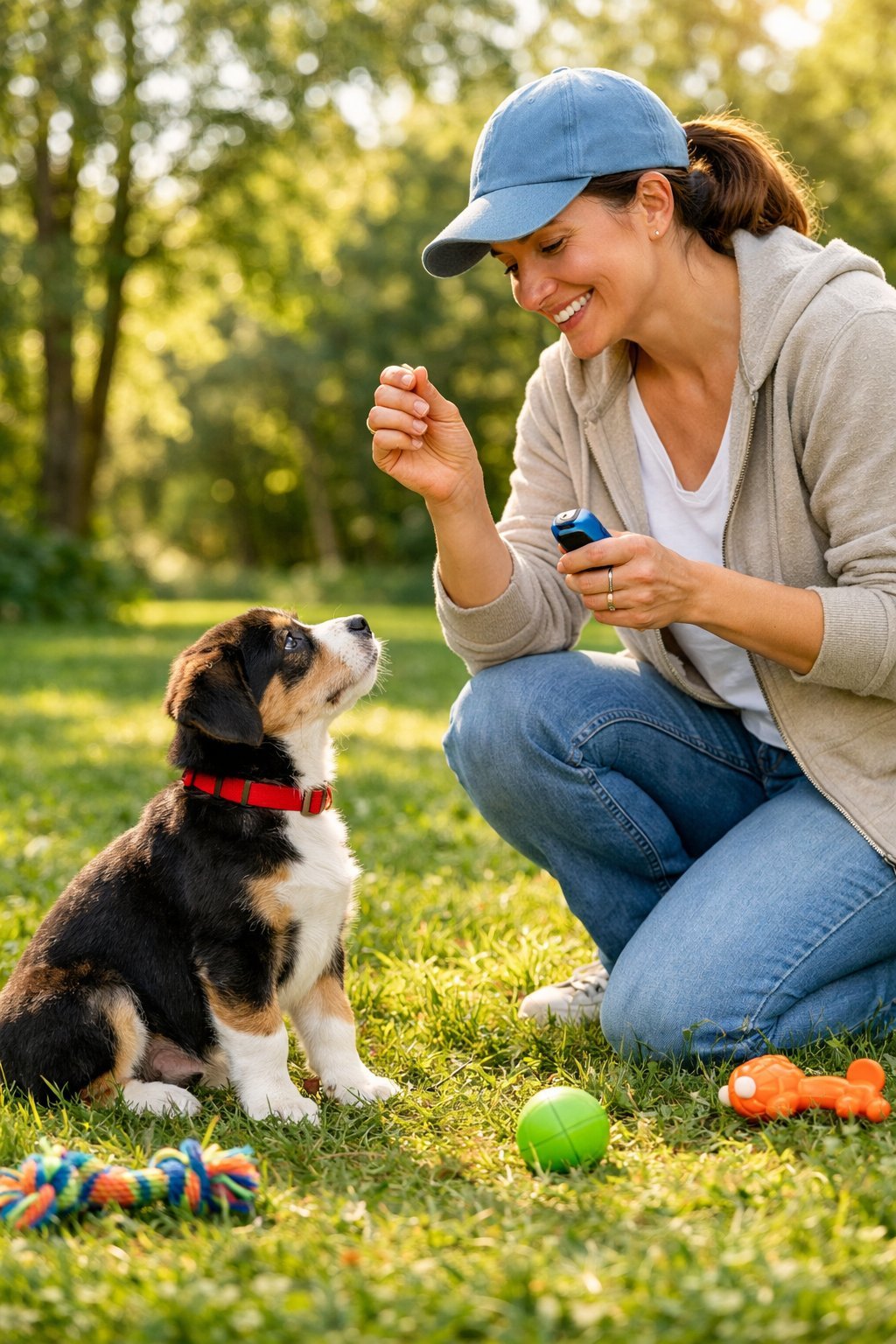
By weeks 5 through 8, your puppy is ready to learn basic commands and start building impulse control. This is when I teach sit, stay, and come, while managing chewing and setting up regular feeding routines.
Teaching Basic Commands
I start with sit since it’s usually the easiest. Hold a treat near your puppy’s nose and slowly move your hand up.
As their head follows the treat, their bottom will lower. Say “sit” as soon as their bottom hits the floor, then reward them.
Practice this 5-10 times a day in short sessions. For come, start in a small, quiet area.
Get down to your puppy’s level, call their name followed by “come,” and clap your hands. When they come to you, give lots of praise and a treat.
Once your puppy is good at sit, I add stay. Ask for a sit, hold your palm out, and say “stay.”
Take one step back. If your puppy stays for a couple of seconds, reward them right away and slowly increase the time and distance.
Handling Chewing and Biting
Puppies love to chew, so managing chewing is important. I always keep approved chew toys close by and redirect my puppy when they go for shoes or furniture.
If my puppy bites during play, I say “ouch” in a high-pitched voice and stop playing for about 30 seconds. This helps teach them to control their bite pressure.
I offer different types of toys—rubber, rope, and plush. Frozen washcloths or teething toys can help soothe sore gums.
Meal Times and Feeding Schedules
I feed my puppy at the same times every day to keep things predictable. Most puppies need three meals a day at this age—usually around 7 AM, noon, and 5 PM.
Regular feeding times make potty training easier since you can predict when your puppy will need to go out. I always take them outside 15-20 minutes after eating.
I measure out food portions based on the package and my puppy’s weight. I don’t free-feed, since it can lead to accidents and makes house training tougher.
Remove the bowl after 15-20 minutes, even if there’s food left.
Developing Skills: Weeks 9–12
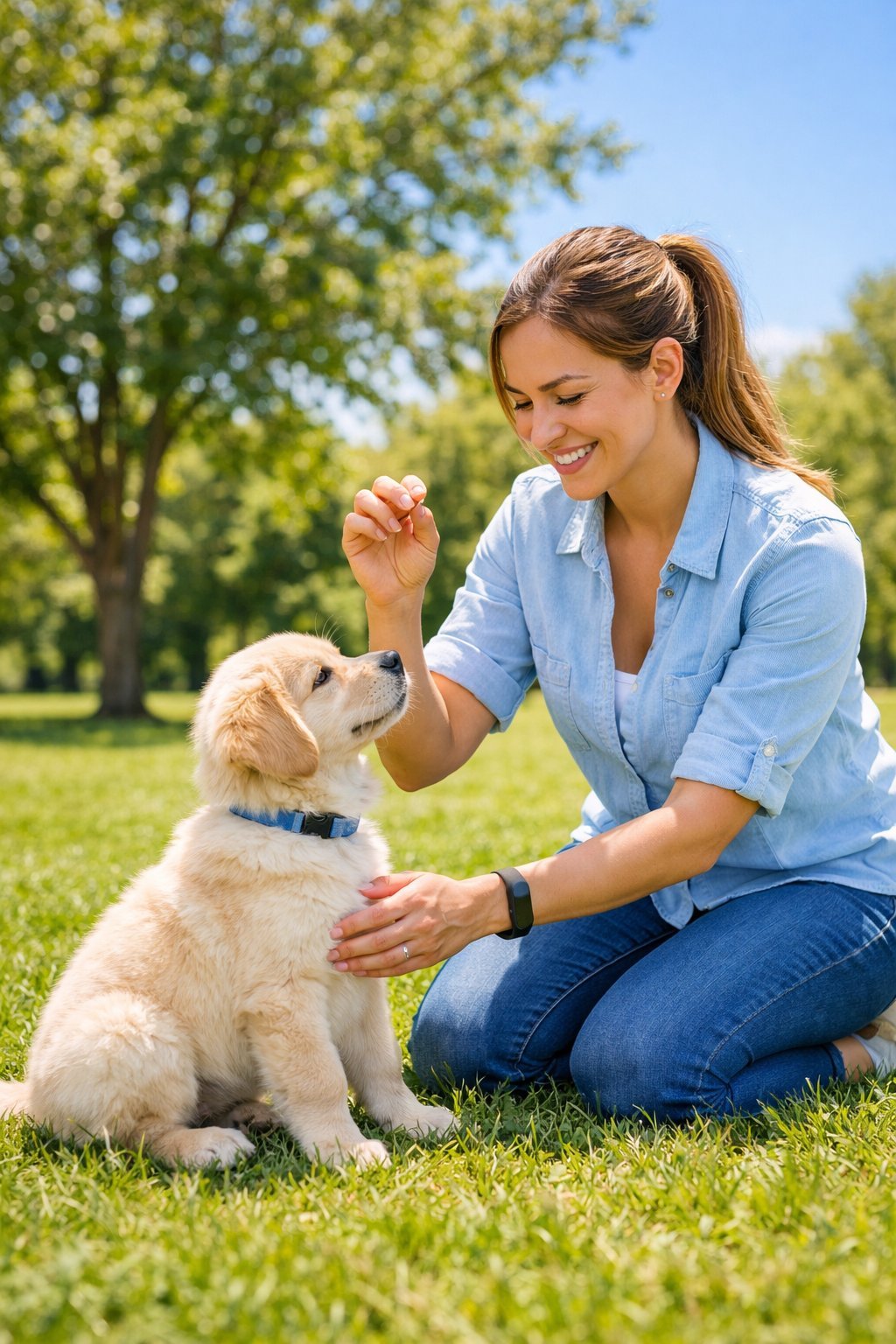
Between weeks 9 and 12, your puppy is ready to explore the world beyond your home. This is when I focus on teaching leash manners, providing brain-boosting activities, and working through typical puppy problems.
Leash Training and Walks
I start leash training indoors where there are fewer distractions. I let my puppy wear the collar or harness for short periods so they get used to the feeling.
Once my puppy is comfortable, I attach the leash and let them walk around the house while I follow. I use treats to reward them for staying near me.
When my puppy pulls, I stop walking until the leash is loose again. Creating a consistent routine helps my puppy understand what to expect during walks.
I keep early walks short, around 5 to 10 minutes. I practice in my yard before moving to the sidewalk.
The goal is to teach my puppy that pulling doesn’t get them where they want to go. I reward good behavior with treats and praise when they walk beside me without tugging.
Playtime and Mental Stimulation
My puppy needs both physical exercise and mental challenges during this stage. I use puzzle toys and treat-dispensing games to keep their brain active.
Play sessions help burn energy and strengthen our bond. I play tug-of-war, fetch, and hide-and-seek games.
These activities also teach basic impulse control. I rotate toys every few days to keep things interesting.
New scents and textures provide mental enrichment. Training games like “find it,” where I hide treats around the room, make learning fun.
Short training sessions of 5 to 10 minutes work best. I practice basic commands during playtime to reinforce learning.
My puppy stays engaged when I mix physical play with training exercises.
Addressing Common Challenges
Biting and mouthing are normal behaviors I deal with during these weeks. When my puppy bites too hard, I yelp and stop playing immediately to teach bite inhibition.
I redirect my puppy to appropriate chew toys when they bite furniture or hands. Keeping plenty of safe chew options available helps prevent destructive behavior.
Jumping on people is another common issue. I turn away and ignore my puppy when they jump, only giving attention when all four paws are on the ground.
Consistency matters when addressing these challenges. Everyone in my household follows the same rules.
If my puppy’s behavior doesn’t improve or gets worse, I consider consulting a professional trainer for guidance.
Maintaining Progress After Week 12

After 12 weeks, your puppy has learned basic skills, but training doesn’t stop there. Keep building on what you’ve taught while introducing new challenges and sticking with daily habits that support your dog’s growth.
Advanced Training Opportunities
Once your puppy masters basic commands like sit, stay, and come, it’s time to move on to more complex skills. These age-appropriate training milestones help keep your dog’s mind active and prevent boredom.
I like to teach commands such as “leave it” and “drop it” around this age. These skills protect your dog from eating dangerous items or picking up things they shouldn’t have.
You can also start working on longer stays where your puppy holds position for 30 seconds or more. Trick training is another fun option.
Teaching your dog to shake, roll over, or play dead strengthens your bond and keeps training sessions enjoyable. I always use treats and praise to reward new behaviors, just like with basic commands.
Socializing With Other Dogs
Continued socialization with other dogs is important even after the early puppy weeks. I make sure my puppy meets dogs of different sizes, ages, and energy levels in safe settings.
Dog parks can work well, but I only take my puppy when they’re fully vaccinated and comfortable around other animals. I watch for signs of stress like tucked tails or excessive barking.
If my puppy seems scared, I remove them from the situation and try again another day with calmer dogs. Puppy play groups or training classes give structured chances to interact with other dogs.
I find these dedicated training sessions helpful because a trainer supervises and can step in if play gets too rough. Regular positive experiences with other dogs now help prevent fear or aggression problems later.
Consistency in Daily Routines
I keep feeding times, potty breaks, and walks on a regular schedule even after 12 weeks. This consistency helps my puppy know what to expect and reduces accidents in the house.
My puppy still needs potty breaks every 3-4 hours during the day. I take them out first thing in the morning, after meals, after naps, and before bed.
Sticking to this routine prevents setbacks in house training. I also maintain the same rules I started with.
If my puppy wasn’t allowed on furniture before, I don’t let them up now. If I required them to sit before meals, I keep that habit going.
Consistent behavior and gentle corrections without anger work better than changing rules.
Monitoring Growth and Development
I track my puppy’s physical and behavioral changes as they grow past 12 weeks. Weight checks every few weeks help me make sure they’re growing at a healthy rate.
I watch for teething behaviors between 3-6 months old. My puppy might chew more during this time, so I provide safe chew toys and redirect them away from furniture or shoes.
I also check their teeth regularly to see when baby teeth fall out and adult teeth come in. Behavioral changes happen too.
Some puppies go through a fear period around 4-5 months where they suddenly act scared of things that didn’t bother them before. I stay calm and patient during these phases, never forcing my puppy into situations that terrify them.
These periods pass, and maintaining positive experiences helps my dog build confidence.
Frequently Asked Questions
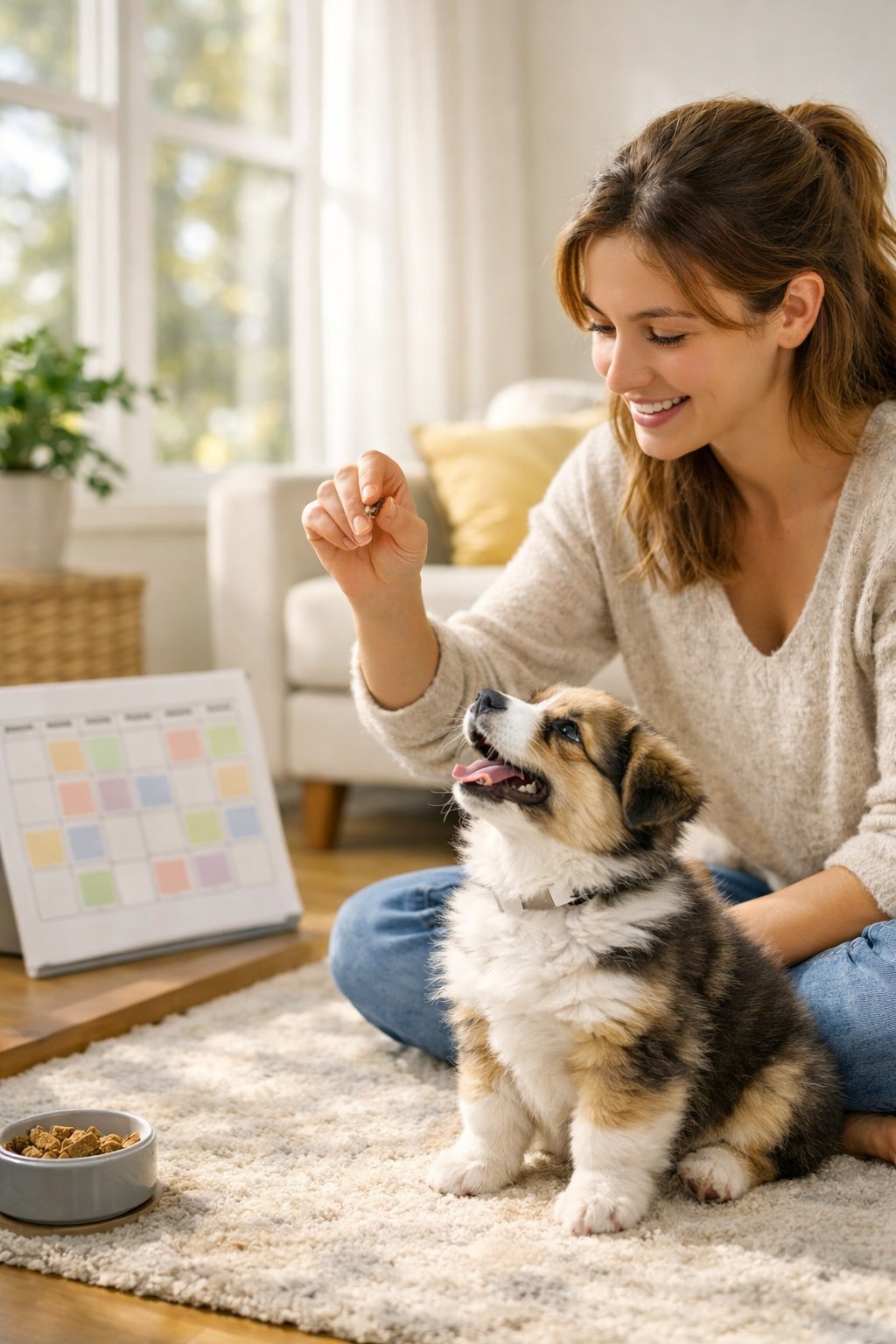
New puppy owners often have similar concerns about training timelines, daily schedules, and avoiding common pitfalls. Most training questions focus on teaching basic commands, managing time effectively, and establishing good habits from the start.
What are the basic commands I should start with when training my new puppy?
I recommend starting with sit, stay, come, down, and leave it as your core commands. These five commands form the foundation for good behavior and keep your puppy safe in everyday situations.
Sit is typically the easiest command to teach first. Your puppy can learn this within a few days of practice.
Once your puppy masters sit, you can move on to down and stay. Come is one of the most important commands for safety reasons.
I suggest practicing this command in a controlled indoor space before trying it outside. Always reward your puppy enthusiastically when they come to you.
Leave it helps prevent your puppy from eating dangerous items or jumping on guests. This command takes longer to master but is worth the effort.
How should I structure a training schedule for an 8-week old puppy?
An 8-week old puppy needs short training sessions of 5 to 10 minutes, repeated three to four times per day. Young puppies have very short attention spans and tire quickly.
I focus on establishing a predictable routine during these first weeks at home. Your puppy should eat at the same times each day, go outside for potty breaks every two hours, and have scheduled nap times.
Training sessions should happen when your puppy is alert and fed but not immediately after eating. I like to do one session in the morning, one at midday, one in the evening, and one before bedtime.
Between formal training sessions, I work on socialization by introducing new sounds, textures, and gentle handling. This doesn’t require structured time but happens naturally throughout the day.
Where can I find a printable week-by-week training guide for my puppy?
Many dog training websites offer week-by-week puppy training schedules that you can download and print. These guides typically cover puppies from 8 weeks to one year old.
I recommend looking for guides that include daily checklists for potty training, socialization activities, and command practice. The best printable guides have boxes you can check off as you complete each task.
Some professional training companies provide free downloadable schedules on their websites. Others offer more detailed guides as part of their training programs or courses.
You can also create your own personalized schedule based on training goals for your puppy’s first 30 days. Customizing a schedule helps me stay consistent with my specific goals.
What is an appropriate amount of training time per day for a 4-month-old puppy?
A 4-month-old puppy can handle about 15 to 20 minutes of focused training per session. I schedule two to three sessions throughout the day for a total of 30 to 45 minutes of formal training.
At this age, your puppy’s attention span has improved significantly from the 8-week stage. You can work on more complex commands and start introducing distractions during training.
I break up training time into different activities to keep things interesting. One session might focus on basic obedience commands while another works on leash walking or recall practice.
Remember that mental exercise is just as important as physical activity. Training sessions tire out your puppy’s brain even if they don’t seem physically exhausting.
How can I effectively house train my puppy while sticking to a training schedule?
House training requires taking your puppy outside every two to four hours during the day. I take my puppy out immediately after waking up, after meals, after play sessions, and before bed.
Feeding your puppy at consistent times makes bathroom breaks more predictable. I feed my puppy at the same times each day and take them outside 15 to 30 minutes later.
I use a specific spot in the yard for potty breaks and take my puppy there on a leash. Staying in one area helps your puppy understand what they’re supposed to do.
I praise and reward immediately after they go. Accidents will happen during the learning process.
I clean them up without punishment and adjust my schedule if I notice patterns. Young puppies physically cannot hold their bladder for long periods.
What are some common mistakes to avoid in puppy training throughout the different growth stages?
One big mistake is expecting too much too soon from young puppies. An 8-week-old puppy can’t control their bladder for hours or master complex commands overnight.
Inconsistent rules can really confuse puppies at any age. If you let your puppy on the couch one day but scold them the next, they won’t know what you want.
Everyone in your household should be on the same page with the rules. Consistency makes training much smoother.
Skipping socialization between 8 and 16 weeks is another common issue. Expose your puppy to different people, animals, sounds, and environments during this important window.
Using punishment-based training can hurt your relationship with your puppy. It’s better to reward good behavior instead of focusing on mistakes.
Positive reinforcement helps your puppy build confidence and trust. It also makes training more enjoyable for both of you.
Some people stop training once their puppy learns basic commands. Dogs need ongoing mental stimulation and practice throughout their lives.
