Soft Dog Treats Homemade: Easy Recipes Your Pup Will Love Every Day

Soft Dog Treats Homemade – Making soft dog treats at home is easier than you think. Your pup will love the chewy texture that’s perfect for training, snacking, and rewarding good behavior.
Store-bought treats can be expensive and filled with ingredients you can’t pronounce. Homemade versions let you control exactly what goes into your dog’s mouth.
Soft homemade dog treats are ideal for puppies, senior dogs, and pups with dental issues. They’re gentle on teeth while still being packed with flavor and nutrition.

I’ve found that homemade soft dog treats take just a few simple ingredients and about 30 minutes of your time. The best part is watching your dog’s tail wag when they smell these treats baking in your oven.
Whether you want to spoil your furry friend or need easy training rewards, these recipes will become your go-to solution.
In this guide, I’ll walk you through everything you need to know about making soft and chewy dog treats at home. You’ll learn which ingredients work best, how to get that perfect texture, and discover recipes your dog will beg for every day.
Key Takeaways
- Homemade soft dog treats give you full control over ingredients while being gentle on your dog’s teeth.
- Most recipes require only a few basic ingredients and can be made in under 30 minutes.
- Proper storage techniques keep your homemade treats fresh and safe for your pup to enjoy.
Benefits of Soft Dog Treats Homemade
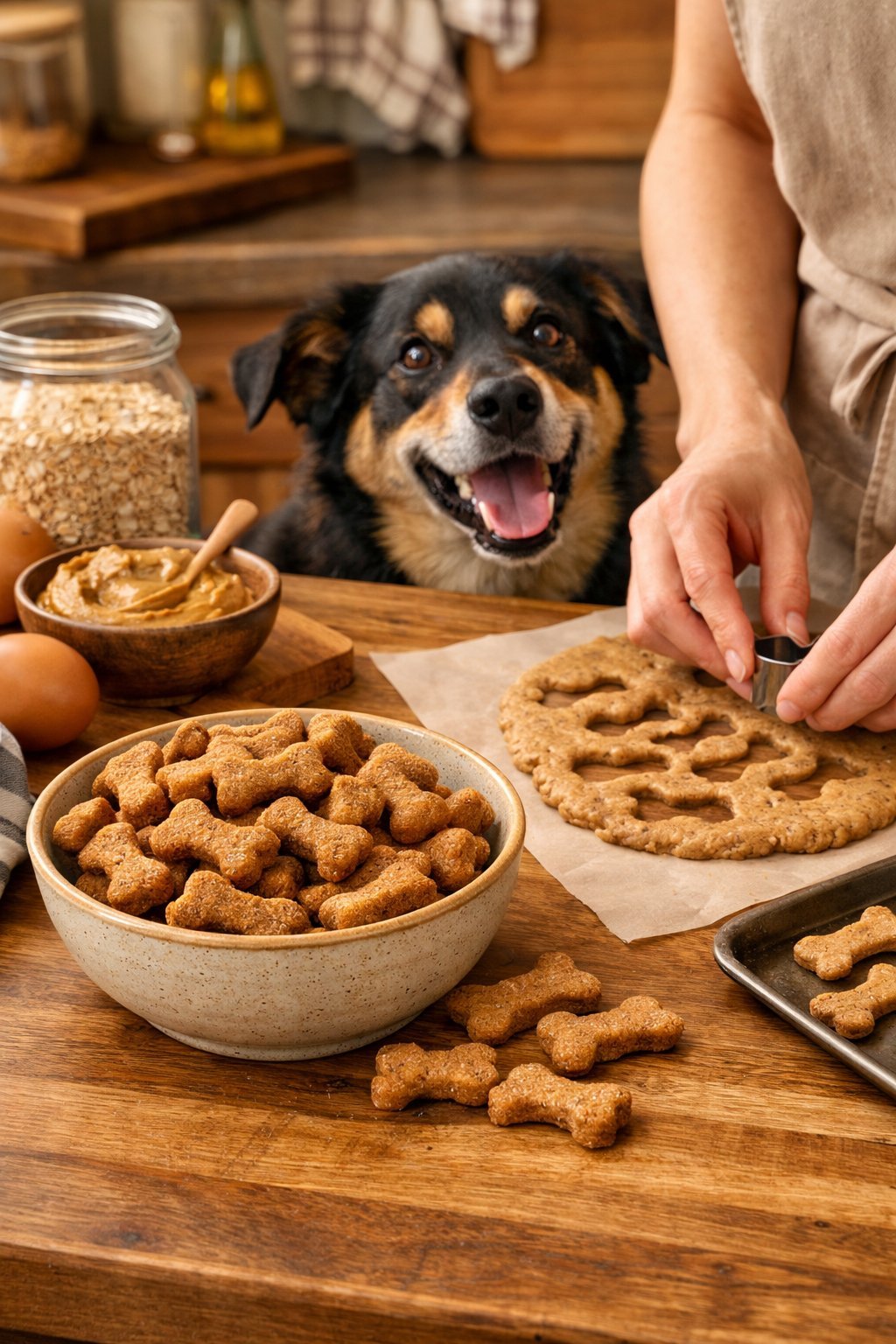
Making soft dog treats at home gives you control over what goes into your pup’s snacks. These homemade goodies are easier to chew and digest.
They work well for training and offer health advantages you won’t find in most store-bought options.
Gentle on Sensitive Teeth and Gums
Soft treats work especially well for dogs with dental issues, puppies, and senior dogs who struggle with hard biscuits. The tender texture means less jaw strain and no risk of cracked teeth.
Older dogs often have worn-down teeth or gum sensitivity that makes crunchy treats uncomfortable. Soft homemade treats let them enjoy snack time without pain or difficulty chewing.
Puppies with developing teeth also benefit from gentler textures. Their baby teeth aren’t strong enough for rock-hard cookies, so soft treats keep them safe while satisfying their urge to chew.
Dogs recovering from dental surgery need soft foods during healing. I can make treats with the perfect consistency to support their recovery without causing irritation.
Natural Ingredients for Better Health
When I make treats at home, I know exactly what my dog is eating. There are no mysterious preservatives, artificial colors, or fillers that could cause allergies or digestive upset.
Store-bought treats often contain corn syrup, wheat by-products, and chemical additives. Making treats yourself means using real, wholesome ingredients like lean meats, vegetables, and whole grains.
I can avoid ingredients that trigger my dog’s specific allergies. If my pup can’t handle chicken or wheat, I simply swap in different proteins and flours that work better for their system.
Fresh ingredients also provide better nutrition than processed options. Real pumpkin, sweet potato, and liver deliver vitamins and minerals that support my dog’s immune system and overall health.
Customizable Nutrition for Your Dog
Homemade treats let me adjust recipes based on my dog’s age, size, and health needs. I can add joint-supporting ingredients for older dogs or boost protein for active pups.
Common customization options include:
- High protein: Add more meat for working dogs or puppies.
- Low fat: Use lean proteins for dogs managing weight.
- Grain-free: Substitute coconut or almond flour for sensitive stomachs.
- Extra fiber: Mix in pumpkin or oats for digestive health.
I can also make treats smaller or larger depending on whether I need training rewards or regular snacks. Breaking soft treats into tiny pieces helps with frequent rewards during training without overfeeding.
Dogs with specific health conditions benefit from targeted ingredients. Adding blueberries for antioxidants or salmon for omega-3s addresses their unique nutritional requirements.
Bonding Through Homemade Goodies
Making treats myself creates special moments with my dog. They get excited watching me prepare their snacks, and the time I spend in the kitchen shows them love in a tangible way.
The process strengthens our relationship beyond just feeding. My dog associates me with positive experiences, which builds trust and deepens our connection.
I also save money compared to buying premium soft treats from pet stores. The ingredients cost less in bulk, and I can make larger batches that last for weeks.
Baking treats fills my home with delicious smells that get my dog’s tail wagging. That enthusiasm and appreciation make the small effort completely worthwhile.
Essential Ingredients for Soft and Chewy Dog Treats
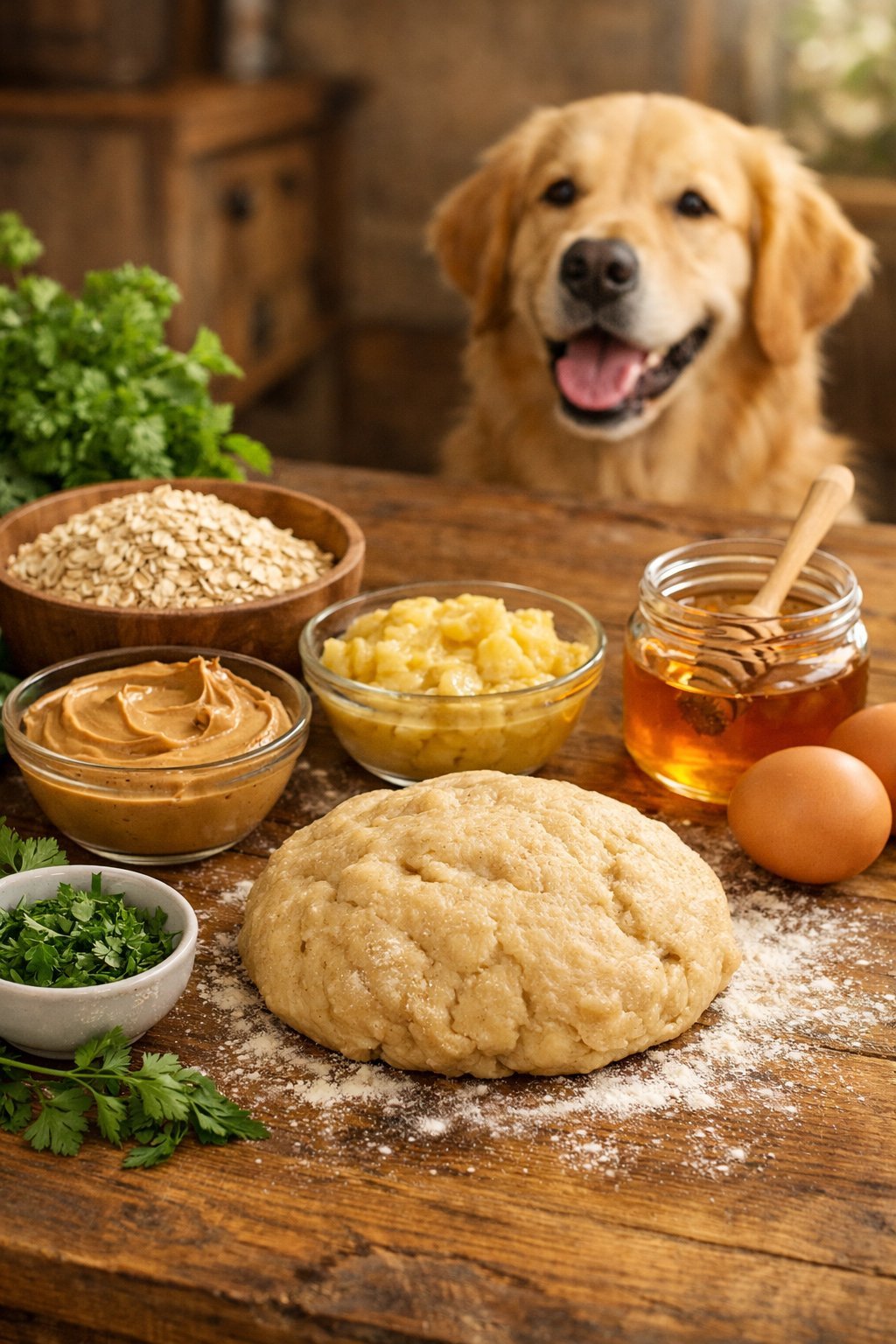
The right ingredients make all the difference between dry, crumbly treats and soft, chewy snacks your dog will love. I focus on choosing bases that provide nutrition, adding flavors dogs crave, and using binders that keep everything perfectly moist.
Choosing Safe and Nutritious Bases
I start with whole wheat flour or oat flour as my base because they’re gentle on most dogs’ stomachs. Whole wheat flour gives treats structure while adding fiber and B vitamins.
Oat flour works great for dogs with wheat sensitivities. I make it by grinding rolled oats in my food processor for about 30 seconds.
Brown rice flour is another option I use for dogs with grain allergies. It creates a slightly denser texture but still stays soft. Sometimes I mix in sweet potato flour for extra vitamins A and C.
For grain-free treats, coconut flour absorbs a lot of liquid, so I use less of it. Chickpea flour adds protein and works well in savory recipes.
I always check that my base flour is fresh because old flour can taste bitter and turn dogs away from treats.
Best Mix-Ins and Flavor Enhancers
Peanut butter is my go-to flavor because dogs go crazy for it. I always use natural peanut butter without xylitol, which is toxic to dogs.
Canned pumpkin puree (not pie filling) adds moisture and helps with digestion. Unsweetened applesauce works similarly and adds natural sweetness.
For protein, I mix in cooked chicken, turkey, or beef that I’ve ground or chopped finely. Liver powder adds intense flavor that makes treats perfect for training.
Shredded cheese like cheddar or mozzarella creates an irresistible smell. Plain yogurt adds probiotics and keeps treats moist.
I also add mashed banana for picky eaters or blueberries for antioxidants.
Using Healthy Binders
Eggs are my main binder because they hold ingredients together and add protein. One egg works for most small batches of treats.
The egg creates structure when it cooks and keeps treats from falling apart. I beat it well before adding it to my dry ingredients.
Unsweetened applesauce serves as both a binder and moisture source. Mashed banana binds ingredients while adding natural sweetness.
For dogs with egg allergies, I use ground flaxseed mixed with water. This “flax egg” works just as well as regular eggs.
Honey in small amounts adds stickiness and makes treats stay soft longer.
Ingredient Swaps for Allergies
When my dog has grain allergies, I swap regular flour for coconut flour or chickpea flour. I use about three-quarters of the amount since these flours absorb more liquid.
For peanut allergies, sunflower seed butter or almond butter work perfectly. I make sure they don’t contain xylitol or added sugars.
If dairy causes problems, I skip the cheese and yogurt. I add extra pumpkin or sweet potato for moisture instead.
Coconut oil replaces butter and keeps treats soft. For dogs sensitive to chicken, I use turkey or beef as the protein source.
Fish like salmon adds omega-3s but has a strong smell. I replace eggs with the flax egg mixture or use mashed sweet potato as a binder.
These swaps let me make treats that any dog can enjoy safely.
Step-by-Step Guide to Making Homemade Soft Dog Treats
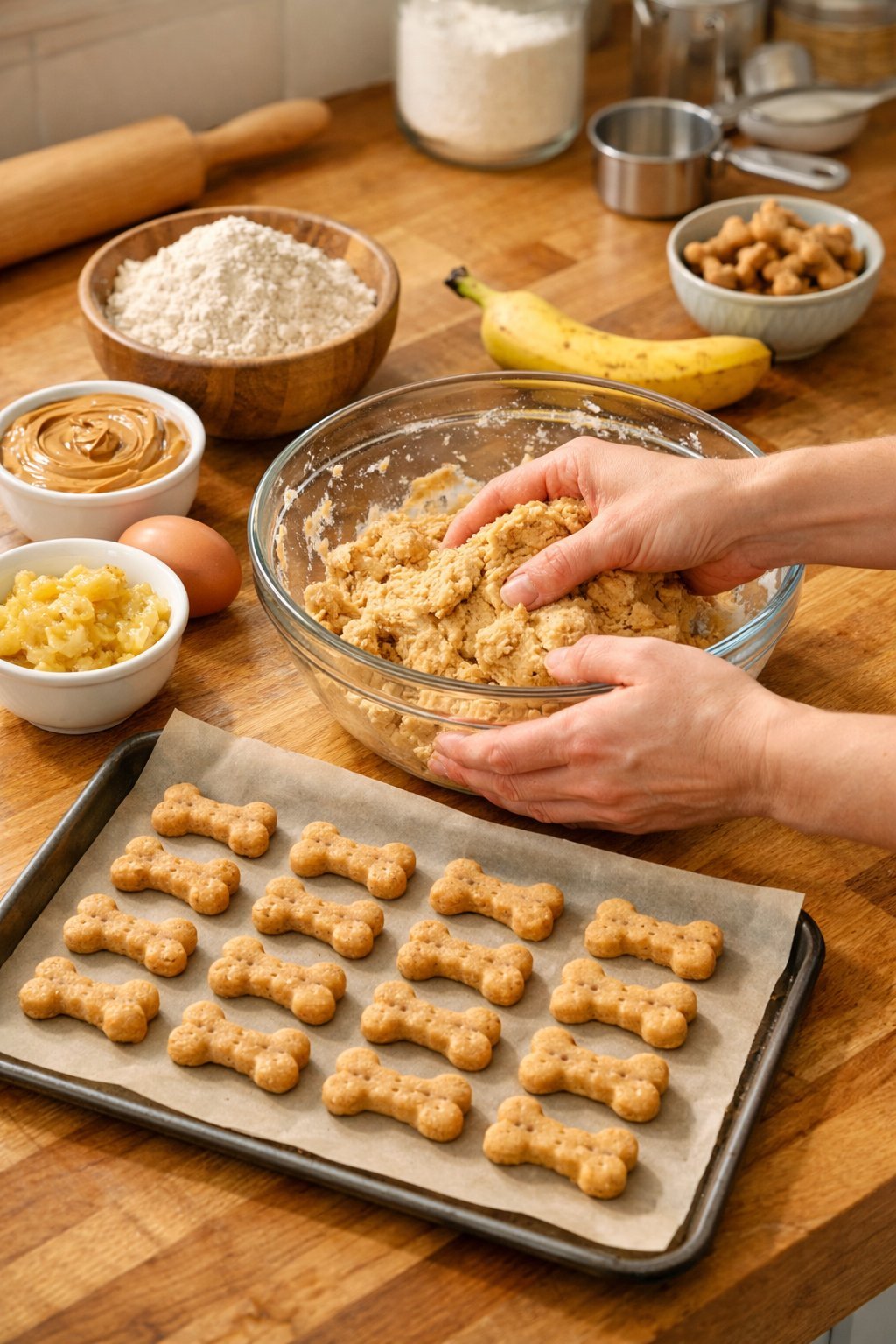
Making soft dog treats at home requires the right tools, proper dough preparation, and specific baking methods to get that perfect chewy texture. Following a clear process makes it simple to create treats your pup will love.
Gathering Tools and Supplies
I always start by collecting my basic kitchen equipment before I begin. You’ll need mixing bowls, measuring cups and spoons, a baking sheet, and parchment paper.
A silicone mat works well too if you have one. For tools, I use either a rolling pin or my hands to flatten the dough.
Cookie cutters in fun shapes make the treats more appealing, though a knife or pizza cutter works just fine. A spatula helps transfer the treats to cooling racks.
The ingredients I keep on hand include whole wheat flour or oat flour, peanut butter (xylitol-free), eggs, and mix-ins like pumpkin puree or sweet potato. I also grab a storage container with an airtight seal for keeping the finished treats fresh.
Preparing the Dough
I mix my wet ingredients first in a large bowl. This usually means combining peanut butter, eggs, and any purees like pumpkin or mashed banana.
The mixture should look smooth and well blended. Next, I add the flour gradually while stirring.
I keep mixing until the dough comes together and pulls away from the bowl sides. The texture should feel slightly sticky but manageable.
If my dough feels too dry, I add water one tablespoon at a time. If it’s too wet, I sprinkle in more flour.
The right consistency is important because homemade soft dog treats need proper moisture to stay chewy instead of crumbly. I knead the dough for about a minute to make sure everything is evenly distributed.
Shaping and Baking Techniques
I roll the dough to about 1/4 inch thickness on a lightly floured surface. Thinner treats get crispier while thicker ones stay softer in the center.
Using cookie cutters, I press out shapes and place them on my prepared baking sheet. The treats won’t spread much, so I can space them about half an inch apart.
I bake at 350°F for 15-20 minutes, watching for the edges to turn golden. For extra soft treats, I remove them when they’re just set but still pale.
I let them cool completely on a wire rack since they firm up as they cool. The treats should feel slightly soft to the touch when done, not hard or crunchy.
Creative Soft Dog Treat Recipes Your Pup Will Love
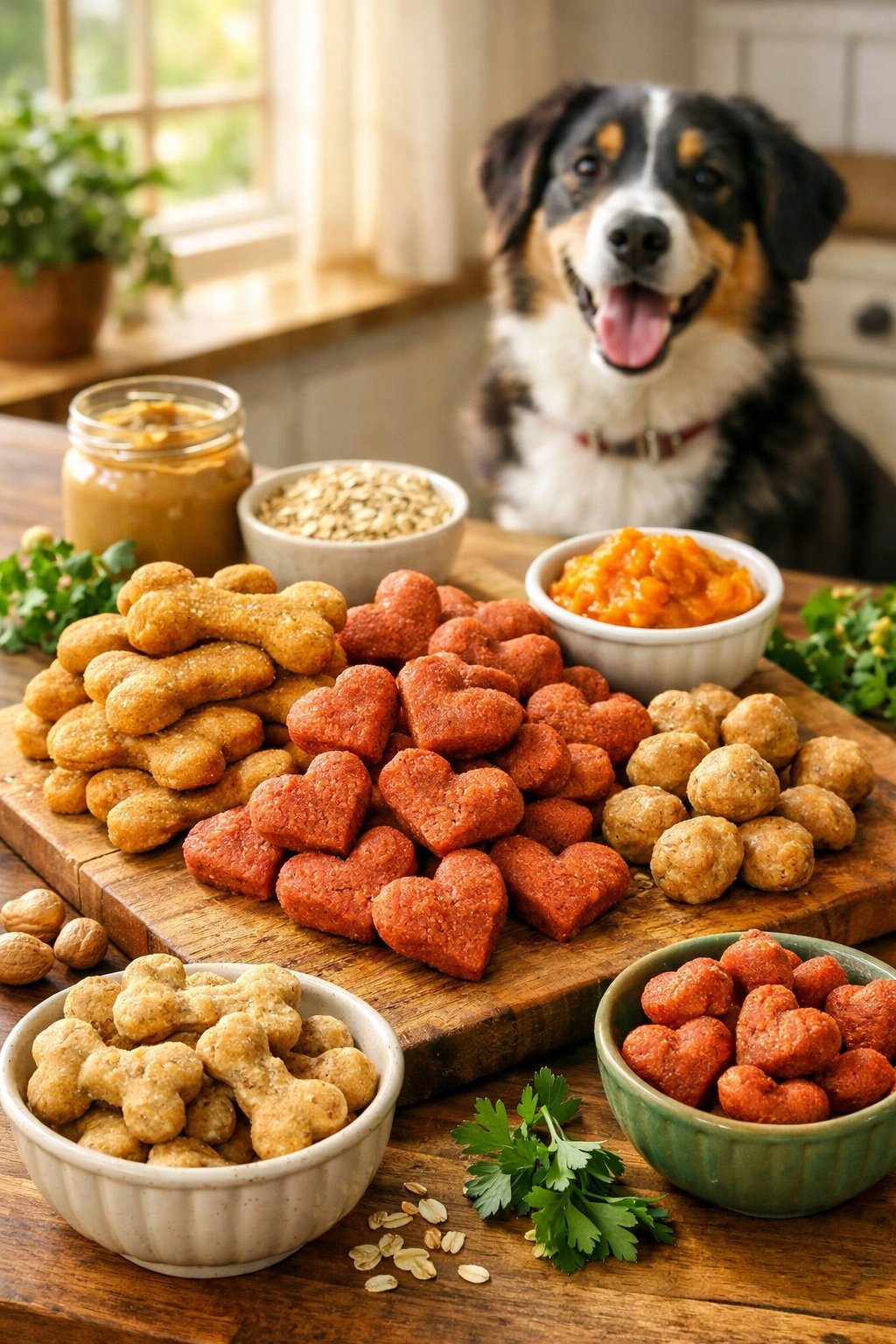
Making soft treats at home lets you control every ingredient while creating snacks your dog will actually get excited about. These three recipes use simple ingredients you probably already have in your kitchen and produce chewy treats perfect for training or daily rewards.
Peanut Butter Banana Chews
I love this recipe because it only needs a few basic ingredients. You’ll need 1 cup of whole wheat flour, 1/2 cup of mashed ripe banana, 1/4 cup of natural peanut butter (make sure it doesn’t contain xylitol), and 1 egg.
Mix all the ingredients in a bowl until you get a soft dough. Roll it out to about 1/4 inch thick and cut into small squares or use cookie cutters.
Bake at 325°F for 15-20 minutes until the edges turn slightly golden. I like to turn off the oven and let them sit inside for another 10 minutes to get that perfect chewy texture.
These soft training treats work great in your pocket during walks. Store them in an airtight container in the fridge for up to two weeks, or freeze them for up to three months.
Savory Chicken and Sweet Potato Bites
My dogs go absolutely crazy for these protein-packed treats. You’ll need 1 cup of cooked chicken (shredded), 1/2 cup of mashed sweet potato, 1 cup of oat flour, and 1 egg.
I cook the sweet potato until it’s very soft, then mash it completely. Mix in the shredded chicken, oat flour, and egg until everything combines into a thick dough.
Roll small portions into balls and flatten them slightly on a baking sheet. Bake at 350°F for 20-25 minutes.
These soft dog treats are great for senior dogs who might have trouble with harder snacks. The sweet potato keeps these treats moist and easy to chew.
I find they last about a week in the refrigerator.
Pumpkin and Apple Delight
This recipe is perfect for fall but works year-round with canned pumpkin. Mix 1 cup of canned pumpkin (not pie filling), 1/2 cup of unsweetened applesauce, 2 cups of whole wheat flour, and 1 teaspoon of cinnamon.
The dough will be sticky, so I dust my counter with extra flour before rolling it out. Cut into fun shapes and place on a parchment-lined baking sheet.
Bake at 350°F for 25-30 minutes until firm. I underbake them slightly to keep that soft, chewy center my dogs love.
These healthy homemade treats are packed with fiber and vitamins. The pumpkin and apple combination is gentle on sensitive stomachs too.
Tips for Storing and Serving Homemade Dog Treats
Proper storage keeps your soft treats fresh and safe, while correct portion sizes prevent overfeeding. I’ll show you how to use your fridge and freezer effectively, determine the right serving amounts, and spot warning signs that treats have gone bad.
Refrigeration and Freezing Methods
I always store my soft homemade dog treats in the refrigerator because they contain moisture that can lead to mold at room temperature. The ingredients you use affect storage requirements, especially if your recipe includes fruits, vegetables, or fresh meat.
For refrigerator storage, I place treats in airtight containers or resealable bags. They typically stay fresh for 5 to 7 days this way.
I use freezer storage for longer-term keeping. I portion treats into small batches using freezer bags or containers, removing as much air as possible.
Double-bagging helps prevent freezer burn and keeps treats fresh for up to 3 months. I label each container with the date I made the treats.
When I need treats, I thaw only what I’ll use within a week by moving a portion to the refrigerator overnight.
Serving Sizes and Portion Control
I follow the 10% rule: treats should make up no more than 10% of my dog’s daily calories. For a 50-pound dog eating 1,000 calories per day, that means 100 calories from treats maximum.
I adjust my dog’s meal portions slightly when I give treats throughout the day. This prevents weight gain and keeps meals balanced.
Serving size guidelines:
- Small dogs (under 20 lbs): 1-2 small treats per day
- Medium dogs (20-50 lbs): 2-4 treats per day
- Large dogs (over 50 lbs): 4-6 treats per day
I cut larger treats into smaller pieces for training sessions. This lets me reward my dog more frequently without overfeeding.
Soft treats work especially well for dogs with dental issues or senior dogs who struggle with hard, crunchy options.
Signs of Spoilage to Watch For
I inspect treats before giving them to my dog every time. The most obvious sign of spoilage is visible mold, which appears as fuzzy spots in white, green, or black colors.
I smell treats to check for freshness. Spoiled treats develop a sour, rancid, or off odor that’s noticeably different from when I first made them.
Warning signs of spoiled treats:
- Visible mold or discoloration
- Sour or rancid smell
- Slimy or sticky texture
- Unusual hardness or excessive softness
I discard any treats that show these signs immediately. If treats have been in the refrigerator for more than a week or I can’t remember when I made them, I throw them out.
When I’m unsure about freshness, I always err on the side of caution and make a fresh batch.
Frequently Asked Questions
Making soft dog treats at home raises common questions about ingredients, safety, and methods. I’ll answer the most frequent concerns about creating treats that work for different dogs and health needs.
What are some simple recipes for homemade soft dog treats that are vet-approved?
I recommend starting with a basic recipe using whole wheat flour, pumpkin puree, and an egg. Mix 2 cups of whole wheat flour with 1/2 cup of pumpkin puree and one egg until you form a dough.
Roll it out, cut into shapes, and bake at 350°F for 15-20 minutes. Another vet-approved option combines sweet potato and oats.
Mash one cooked sweet potato and mix it with 2 cups of oat flour and one egg. These soft dog treats are healthy choices that contain simple, natural ingredients.
You can also make treats with plain yogurt and banana. Blend one ripe banana with 1/2 cup of plain yogurt and 2 cups of whole wheat flour.
This creates a soft texture that dogs enjoy.
How can I make soft dog treats suitable for dogs with dental issues?
I focus on creating a very tender texture by adding more moisture to my recipes. Mix ground meat like chicken or turkey with oat flour and a bit of water to create a paste-like consistency.
Bake at a lower temperature (300°F) for a shorter time to keep them extra soft. Soft dog treats work well for dental issues because they don’t require hard chewing.
I also steam my treats instead of baking them to make them even softer. Use a silicone mold and steam for 10-15 minutes.
Adding baby food (meat varieties without onion or garlic) to flour creates treats that are easy to chew. I use 2-3 jars of baby food mixed with enough oat flour to form a dough.
Are there any soft dog treat recipes that incorporate apples and carrots?
I make apple and carrot treats by grating one cup of peeled apple and one cup of carrot. Mix these with 2 cups of whole wheat flour, one egg, and 1/4 cup of water.
The moisture from the vegetables keeps the treats soft. Another recipe I use combines applesauce with shredded carrots.
Mix 1/2 cup of unsweetened applesauce with 1/2 cup of finely grated carrot, one egg, and 2 cups of oat flour. Bake at 325°F for 20 minutes.
I always remove apple seeds before using apples in treats. The natural sweetness appeals to dogs while the carrots add nutrients and texture.
Can you suggest a basic carrot dog treat recipe that’s easy to prepare at home?
I cook and mash two large carrots until they’re smooth. Mix the mashed carrots with 1 cup of whole wheat flour, 1/4 cup of water, and one egg.
Knead the dough and roll it to about 1/4 inch thickness. Cut the dough into small pieces or use cookie cutters for fun shapes.
Bake at 350°F for 15-18 minutes until they’re slightly firm but still soft to touch. For an even simpler version, I blend raw carrots with water to make a puree.
Mix the carrot puree with oat flour until I get a thick batter, then bake in a silicone mold.
What’s a good recipe for soft-baked dog treats that senior dogs can enjoy?
I prepare soft-baked treats perfect for seniors using ground chicken and rice flour. Mix 1 cup of cooked ground chicken with 1.5 cups of rice flour and one egg.
Add water as needed to create a soft dough. Sweet potato treats work great for older dogs.
Bake a sweet potato until soft, mash it completely, and mix with oat flour in a 1:1 ratio. Add just enough water to make the dough pliable.
I keep these treats extra soft by storing them in the refrigerator and using them within a week. The cool temperature helps maintain their tender texture that senior dogs can easily chew.
How do I make peanut butter and carrot dog treats that are soft and chewy?
I combine 1/2 cup of natural peanut butter (no xylitol) with 1/2 cup of grated carrot and one egg. Then, I gradually mix in 1.5 cups of whole wheat flour until the dough is soft but not sticky.
Roll the dough thin for extra softness. Baking these peanut butter treats at a lower temperature keeps them chewy.
I bake at 300°F for 15 minutes. After that, I turn off the oven and let them sit for 5 more minutes.
For extra chewiness, I add a tablespoon of honey to the mixture. Store these treats in an airtight container in the refrigerator to keep them soft for up to two weeks.