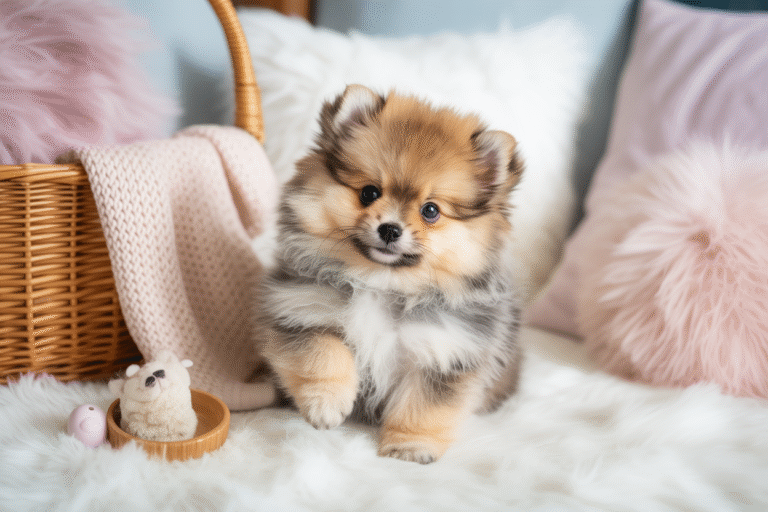
Teacup Chihuahua Puppies: Your Complete Guide to Finding and Caring for These Tiny Companions

Teacup Chihuahua puppies are the smallest version of the already tiny Chihuahua breed, typically weighing between 2 to 4 pounds when fully grown. These pocket-sized dogs have become popular with people who live in apartments or want a portable companion.
Teacup Chihuahuas are intelligent and quick learners, though their small size means they need special care and attention throughout their lives.

I’ve spent years learning about these tiny dogs, and I want to share what makes them special. They pack big personalities into small bodies and can bring lots of joy to the right home.
But before you start looking at teacup Chihuahua puppies for sale, you need to know what caring for one really involves. Understanding the needs of these tiny puppies helps you decide if they’re right for you.
From finding a good breeder to daily care requirements, there’s a lot to consider.
Key Takeaways
- Teacup Chihuahuas require special care due to their extremely small size and need homes that can meet their unique needs
- Finding a responsible breeder who provides health guarantees and proper socialization is essential for getting a healthy puppy
- These puppies need consistent training, regular vet visits, and careful monitoring to stay healthy and well-adjusted
Understanding Teacup Chihuahua Puppies
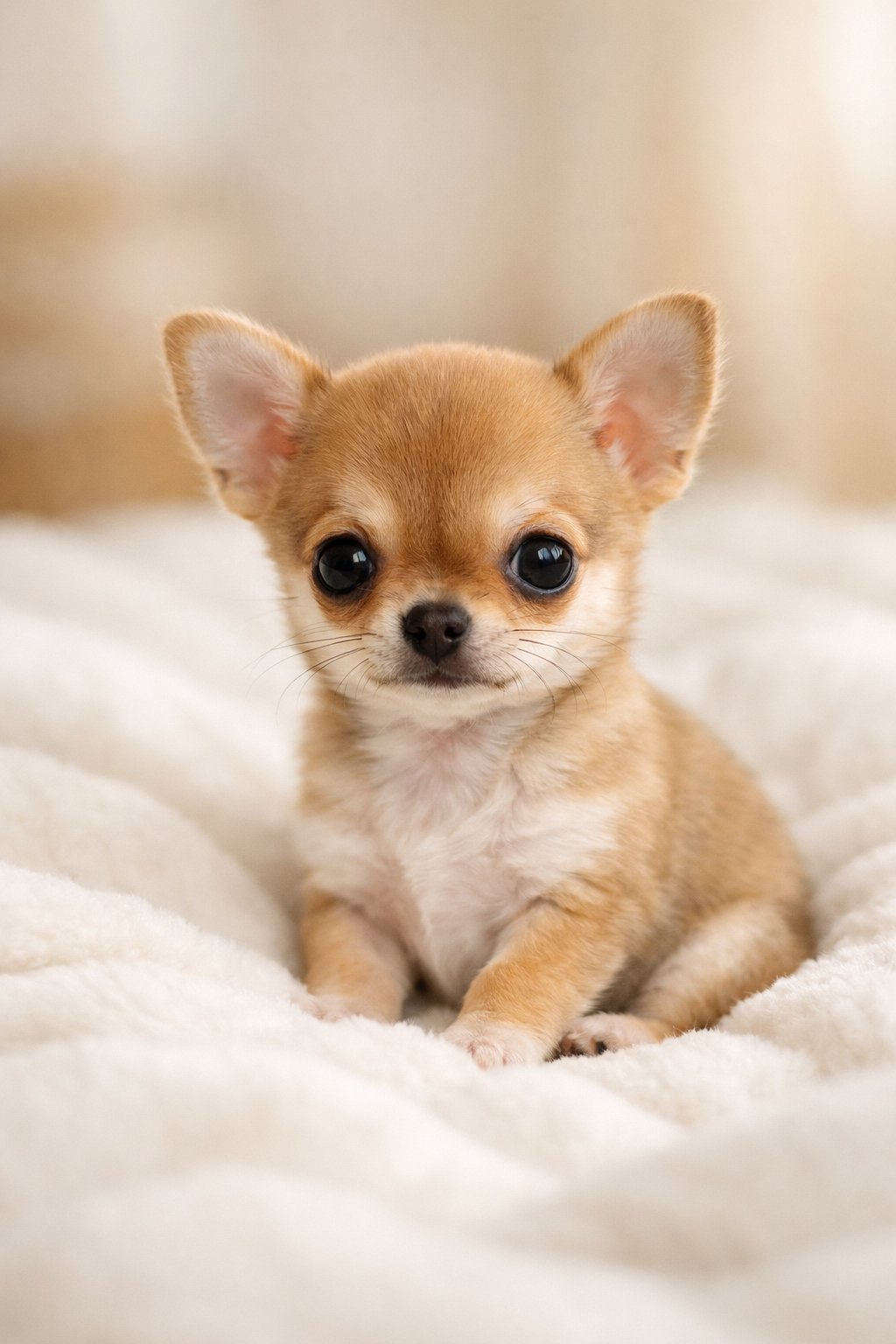
Teacup Chihuahua puppies are incredibly small dogs that weigh just a few ounces at birth and grow to be among the tiniest adult dogs you’ll find. These pups have unique physical features and personalities that set them apart from standard-sized Chihuahuas.
Defining Teacup Chihuahuas
Teacup Chihuahuas were created by breeding the smallest standard Chihuahuas together until breeders developed this tiny version. They’re not a separate breed but rather an extremely small version of the regular Chihuahua.
When I look at newborn teacup Chihuahua puppies, I’m always amazed by how small they are. These puppies typically weigh between 2.5 to 5.5 ounces at birth.
That’s lighter than many smartphones! Most teacup Chihuahuas reach their full adult size by around ten months of age.
Even when fully grown, they remain much smaller than standard Chihuahuas. Among teacup breeds like Yorkies, Maltese, and Poodles, teacup Chihuahuas are usually the smallest of all.
Physical Characteristics
I find that teacup Chihuahua puppies have distinctive features that make them instantly recognizable. Their heads are round and apple-shaped, which is a classic trait of the Chihuahua breed.
These puppies have large, expressive eyes that seem oversized compared to their tiny faces. Their ears stand erect and are proportionally large for their head size.
The body is compact and delicate, with thin legs that look almost fragile. Common physical features include:
- Weight: 2-4 pounds as adults
- Height: 6 inches or less
- Coat types: Short-haired or long-haired varieties
- Colors: Wide range including fawn, black, white, cream, and chocolate
Their small bladders mean these puppies need bathroom breaks more frequently than larger dogs. This physical reality affects house training and daily care routines.
Personality and Temperament
Teacup Chihuahua puppies pack huge personalities into their tiny bodies. I’ve noticed they often act like they don’t realize how small they are, showing boldness and confidence around much larger dogs.
These puppies form strong bonds with their owners and can be quite loyal. They tend to pick a favorite person in the household and stick close to them.
Many teacup Chihuahuas are affectionate with their chosen people but wary of strangers. Training these puppies to play nice with others is one of the most important tasks.
They can be snippy or defensive if not properly socialized early. I always recommend starting socialization during the puppy stage to help them become well-adjusted adults.
They’re alert and can be vocal, often barking to announce visitors or unfamiliar sounds.
Choosing a Teacup Chihuahua Puppy

Finding the right teacup Chihuahua puppy takes careful attention to the puppy’s health, the breeder’s practices, and asking the right questions before you commit. I’ve learned that taking time during this process helps avoid heartbreak and costly health problems down the road.
How to Identify a Healthy Puppy
I always look at a puppy’s eyes first—they should be bright, clear, and free from any discharge or cloudiness. The nose should be slightly moist without any thick mucus or constant sneezing.
A healthy teacup Chihuahua puppy moves around actively and shows curiosity about their surroundings. They shouldn’t seem lethargic or struggle to walk.
I check the puppy’s body condition by gently feeling along the ribs—I should be able to feel them without seeing them stick out prominently. The coat tells me a lot about overall health.
I look for shiny, clean fur without bald patches, flakes, or signs of fleas. When examining teacup chihuahua puppies, I make sure they weigh at least 2.5 ounces at birth, as anything less raises red flags.
I also observe how the puppy interacts with littermates. A puppy that’s too timid or overly aggressive might have behavioral issues later.
Selecting a Trustworthy Breeder
I never buy from pet stores or online sellers who won’t let me visit in person. A responsible breeder welcomes visits and wants to show me where the puppies live.
The environment should be clean, spacious, and provide proper shelter. I pay attention to how the mother dog looks and acts—she should appear healthy and well-cared for.
Reputable breeders focus on health and temperament rather than just breeding the smallest dogs possible. I ask to see health clearances for both parents.
These documents prove the parents have been tested for genetic conditions. A trustworthy breeder provides vaccination records, deworming history, and often a health guarantee.
Good breeders ask me questions too. They want to know about my home, lifestyle, and experience with dogs to ensure their puppy goes to the right family.
Questions to Ask Before Buying
I always ask about the puppy’s exact age—teacup Chihuahuas shouldn’t leave their mother before 12 weeks old, even though standard puppies can leave at 8 weeks. This extra time helps them develop properly.
Essential questions I never skip:
- What health problems have appeared in the parents or previous litters?
- Can I see the results of health screenings for both parents?
- What vaccines has the puppy received so far?
- What does the health guarantee cover and for how long?
- Will you take the puppy back if I can’t keep them?
I ask what the puppy has been eating and request a few days’ worth of the same food to prevent stomach upset. I also want to know if the breeder provides ongoing support after I take the puppy home.
Learning about care requirements and health risks before buying helps me prepare properly. I request references from previous buyers so I can hear about their experiences.
A breeder who refuses to provide references or rushes the sale process isn’t someone I trust.
Caring for Your New Puppy

When you bring home your teacup chihuahua puppy, I want you to know that their tiny size requires special attention to their diet, activity level, and coat maintenance. These small dogs need careful monitoring during their first months to help them grow into healthy adults.
Diet and Nutrition Tips
I recommend feeding your teacup chihuahua puppy small meals throughout the day rather than one or two large portions. Their tiny stomachs can’t hold much food at once, so I suggest offering food every 3-4 hours.
Toy breeds like teacups can develop low blood sugar, which is why frequent feeding helps prevent hypoglycemia. I always keep high-quality puppy food available for young chihuahuas under six months old.
Choose a puppy food made for small breeds. These foods have smaller kibble sizes that fit in their tiny mouths.
I also make sure the food has enough protein and fat to support their fast metabolism. Fresh water should be available at all times.
I use a shallow bowl so my puppy can easily reach the water without strain.
Exercise and Playtime Needs
My teacup chihuahua puppy has lots of energy despite their small size. I provide short play sessions several times a day instead of one long walk.
Indoor play works well for these tiny dogs. I use small toys and play gentle games like fetch in the hallway.
Each play session lasts about 10-15 minutes. I avoid letting my puppy jump from high places like couches or beds.
Their fragile bones can break easily from falls. I also watch them closely during play to prevent injuries.
Socialization is important too. I introduce my puppy to new people and other dogs slowly and in safe settings.
This helps them become confident adults.
Grooming Requirements
Grooming needs depend on your puppy’s coat type. Short-haired teacup chihuahuas need brushing once a week, while long-haired ones need brushing 2-3 times weekly.
I use a soft brush to remove loose hair and spread natural oils through their coat. This keeps their fur shiny and healthy.
Dental care is critical for small breeds. I brush my puppy’s teeth daily to prevent gum disease and tooth problems that are common in chihuahuas.
Bathing should happen once a month or when they get dirty. I use warm water and puppy shampoo, then dry them completely with a towel.
Keeping them warm after baths is important since they can get cold quickly. I trim their nails every 2-3 weeks and check their ears weekly for dirt or redness.
Health and Wellness Considerations

Teacup Chihuahua puppies need extra attention when it comes to their health because their tiny size makes them more fragile than regular-sized dogs. Understanding the specific health risks and taking preventive steps can help your puppy live a longer, healthier life.
Common Health Issues
Teacup Chihuahuas are prone to various health issues that I need to watch for carefully. Hypoglycemia, or low blood sugar, is one of the most serious problems these tiny puppies face.
Their small bodies can’t store much energy, so they need to eat small meals throughout the day. Dental problems are very common because their mouths are so small.
Teeth can become crowded, leading to decay and gum disease. I make sure to brush my puppy’s teeth regularly and schedule professional cleanings.
Heart issues and hydrocephalus (fluid on the brain) can also affect these dogs due to their size. Patellar luxation, where the kneecap slips out of place, is another concern.
Tracheal collapse happens when the windpipe weakens, causing breathing problems. Eye problems occur frequently in teacup breeds.
Their large eyes relative to their head size make them vulnerable to injuries and infections.
Vaccination and Vet Visits
I take my teacup Chihuahua puppy to the vet more often than I would a larger dog. Regular check-ups help catch problems early when they’re easier to treat.
Vaccinations follow the same schedule as standard Chihuahuas, but my vet adjusts the dosage based on my puppy’s weight. Core vaccines protect against distemper, parvovirus, and rabies.
These are essential for keeping my puppy safe. I schedule vet visits every few weeks during the first few months.
After that, I go at least twice a year for wellness exams. During these visits, the vet checks my puppy’s weight, teeth, heart, and overall condition.
Blood sugar monitoring is something I discuss with my vet regularly. Learning the signs of hypoglycemia helps me act quickly if my puppy shows symptoms like weakness or shaking.
Preventing Injuries
Their tiny size tends to make them fragile during the puppy stage of life, so I’m very careful about where my puppy plays and sleeps. I avoid high furniture and stairs because falls can cause serious injuries like broken bones or head trauma.
I watch where I step at all times. These puppies are so small that they can get underfoot easily.
I keep them in a safe area when I’m cooking or carrying heavy items. Other pets and children need supervision around my teacup puppy.
Even gentle play can be too rough for such a small dog. I teach everyone in my household to handle the puppy carefully and never squeeze or drop them.
Cold weather is dangerous for teacup puppies because they lose body heat quickly. I use sweaters and limit outdoor time when it’s cold.
I also protect my puppy from larger dogs who might accidentally hurt them during play.
Training and Socialization
Training a teacup Chihuahua requires consistency and patience due to their small size and bold personality. Early socialization between 8-16 weeks helps prevent fear-based behaviors and builds confidence in various environments.
Housebreaking Tips
I recommend starting potty training immediately when you bring your teacup Chihuahua puppy home. Their tiny bladders mean they need to go outside every 1-2 hours during the day.
I always take my puppy to the same spot outside and use a consistent command like “go potty.” This helps them understand what I expect.
When they successfully go in the right place, I give them a small treat right away. Indoor potty pads can be helpful because teacup Chihuahuas are so small.
I place pads near the door at first, then gradually move them outside. Some owners keep pads inside permanently since these tiny dogs can’t always make it outside in time.
Accidents will happen, and I never punish my puppy for them. Instead, I clean up thoroughly with an enzyme cleaner and stay more alert to their signals.
Watch for sniffing, circling, or whining as signs they need to go.
Basic Commands
I start with sit as the first command because it’s simple and useful. I hold a treat close to my puppy’s nose and slowly move it back over their head.
Their bottom naturally goes down, and I say “sit” then give the treat. Stay comes next once they master sitting.
I ask them to sit, then take one step back while holding my hand up. If they stay for just a few seconds, I reward them immediately and gradually increase the time.
Training teacup Chihuahuas requires short sessions of 5-10 minutes because they have limited attention spans. I practice commands 2-3 times daily rather than one long session.
I keep training sessions positive and never yell at my puppy. Their small size makes them sensitive to harsh corrections.
Treats, praise, and play work much better as rewards.
Socializing With Other Pets
The socialization window between 8-16 weeks is critical for introducing your puppy to other animals.
I start by letting my teacup Chihuahua observe other pets from a safe distance before any direct interaction.
When introducing them to larger dogs, I hold my puppy or keep them in a secure area at first.
Big dogs can accidentally hurt teacup Chihuahuas during play, so I supervise every interaction closely.
I look for calm, gentle dogs for initial meetings.
Puppy kindergarten classes provide controlled environments where my Chihuahua can meet other small dogs safely.
I avoid dog parks until my puppy is older and more confident.
For cats, I let them meet on neutral ground while keeping my puppy on a leash.
I reward calm behavior from both animals with treats.
Most cats and teacup Chihuahuas get along well once they adjust to each other’s presence.