
Toy Poodle Haircut: Easy Styles Every Owner Should Know

Toy poodles have thick, curly coats that grow continuously and need regular haircuts to stay healthy and look their best. Without proper grooming, their fur can become matted and uncomfortable.
I’ve seen countless toy poodle owners struggle to choose the right style for their furry friends.
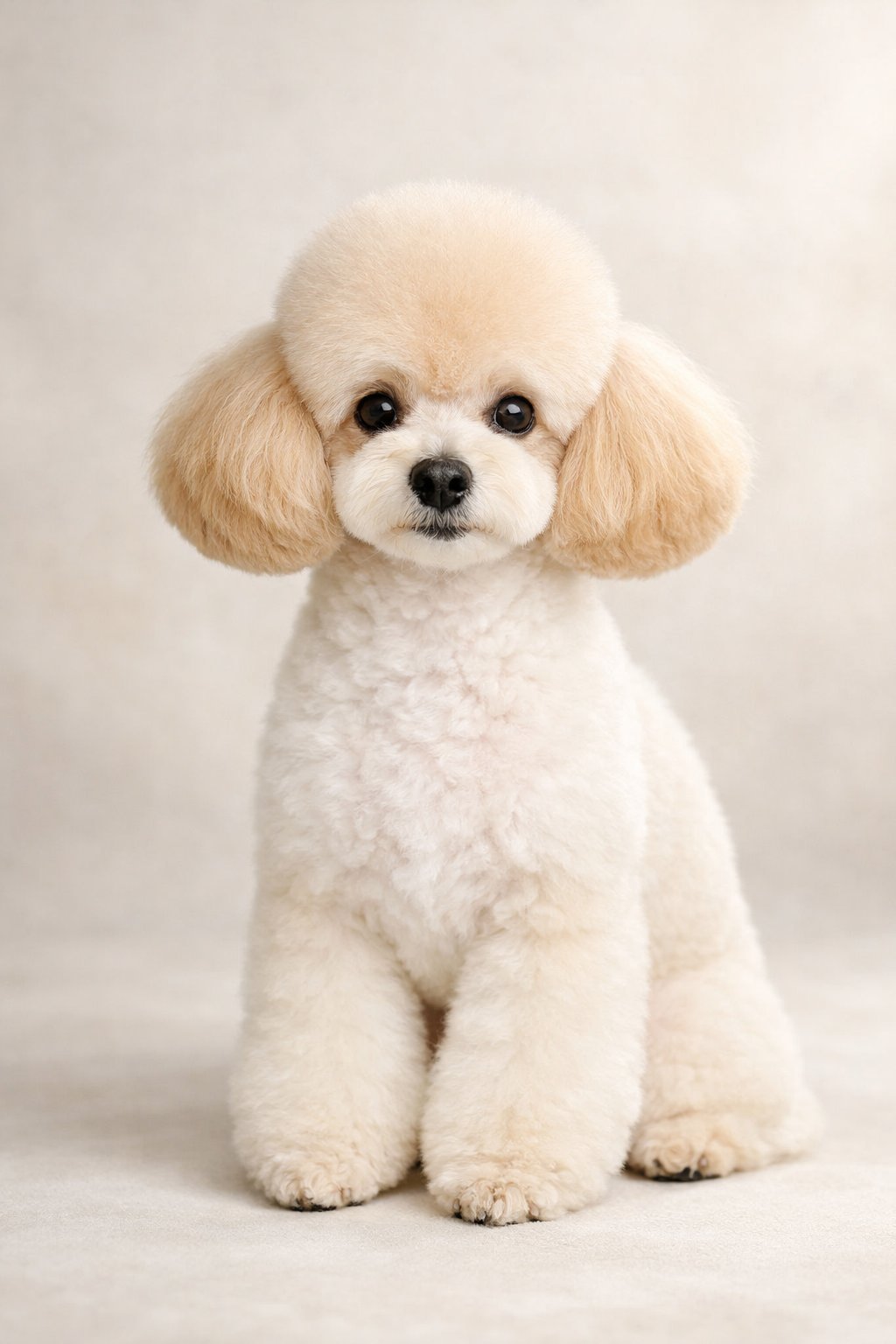
There are many popular toy poodle haircut styles to choose from, including the teddy bear cut, puppy cut, continental cut, and lamb cut. Each offers a different look and maintenance level.
The right haircut depends on your dog’s lifestyle, your grooming skills, and how much time you can spend on upkeep. Some cuts require professional grooming every 4-6 weeks, while others are easier to maintain at home.
You’ll learn about the most popular styles, how to choose the best one for your pup, and tips for keeping your toy poodle looking adorable between grooming sessions.
Key Takeaways
- Toy poodles need regular haircuts because their curly coats grow continuously and can become matted without proper care
- Popular styles include teddy bear cuts, puppy cuts, and continental cuts that each require different levels of maintenance
- Choosing the right haircut depends on your dog’s activity level, your grooming experience, and how often you can groom them
Popular Toy Poodle Haircut Styles
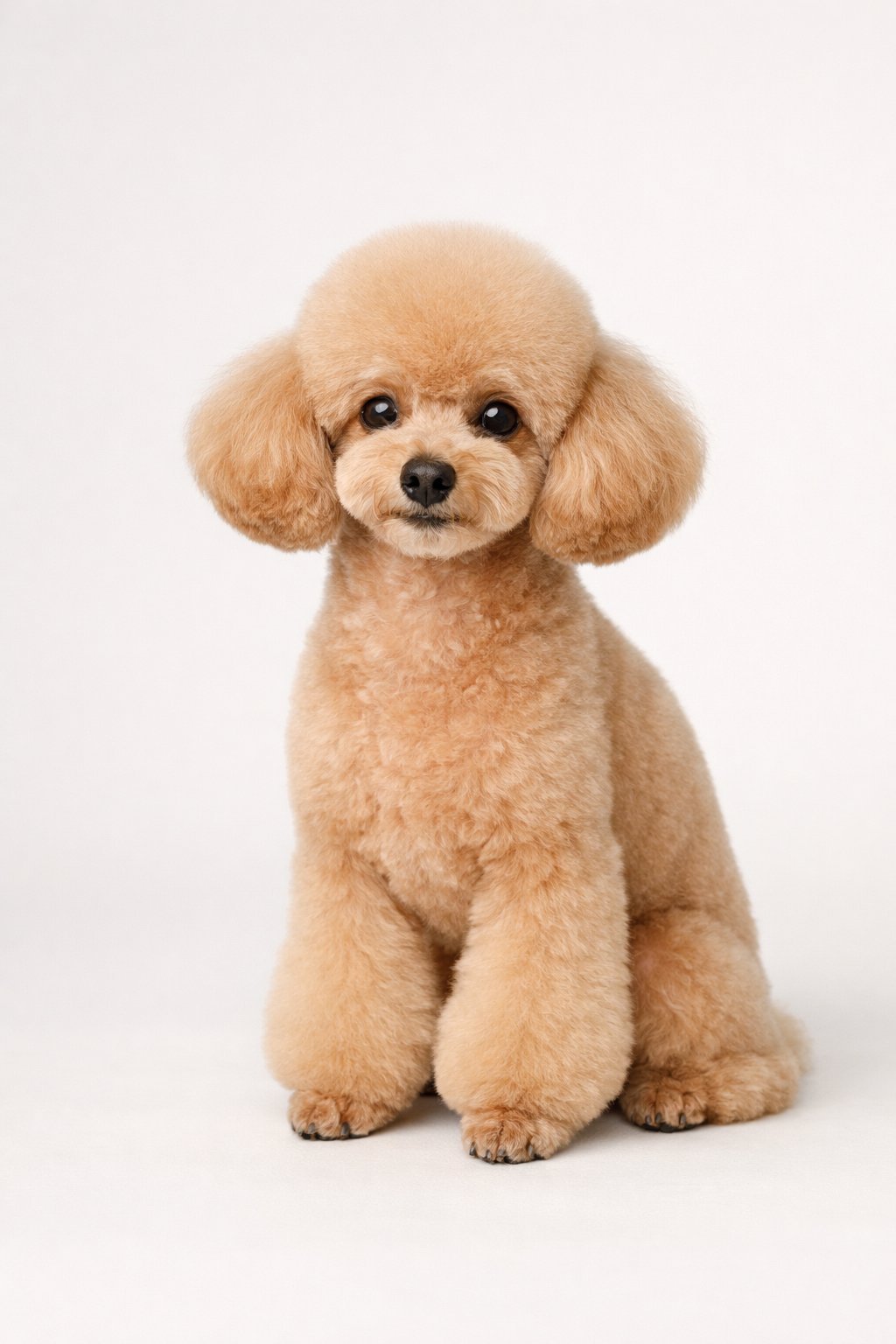
Toy poodles can wear many different haircuts that fit their small size and curly coats. Each style offers different benefits for grooming ease, comfort, and appearance.
Teddy Bear Cut
The teddy bear cut makes toy poodles look soft and cuddly like stuffed animals. This is one of the most popular haircuts for toy poodles because it creates a rounded, adorable appearance.
The face is left with longer hair that gets trimmed into a circular shape. The body hair stays medium length, usually around one to two inches all over.
This creates an even, fluffy look across the entire body. The hair is long enough to show off the poodle’s natural curls but short enough to prevent serious matting.
Most groomers can do this cut, and it works well for dogs who spend time both indoors and outdoors. The style keeps your poodle warm in cooler weather.
It also makes them look sweet and approachable, which is great if you have kids or meet new people often.
Puppy Cut
The puppy cut keeps hair short and uniform across the entire body. This simple style got its name because many puppies naturally have this shorter, even coat length.
Hair is typically trimmed to one to two inches all over, including the face, ears, legs, and body. The ears can be left slightly longer if you prefer.
This cut doesn’t have the rounded face of the teddy bear style. I find this cut practical for active toy poodles who like to play outside.
It’s easy to brush and doesn’t collect as much dirt or debris. The short length means less time grooming at home between professional appointments.
This style works well in warm weather since it keeps your poodle cool. Many owners choose this cut during summer months.
It’s also good for older dogs who don’t enjoy long grooming sessions.
Lamb Cut
The lamb cut creates a unique look with fluffy legs and a closely shaved body. The contrast between the two lengths makes this style stand out.
The body and neck are clipped very short, usually with a half-inch blade or shorter. The legs are left full and fluffy, resembling the woolly legs of a lamb.
The head is shaped into a rounded style similar to the teddy bear cut. This cut requires regular maintenance to keep the leg hair from matting.
I recommend brushing the fluffy parts every few days. The short body hair stays clean and neat with minimal effort.
The lamb cut works well for toy poodles with thick coats. It shows off their leg structure while keeping them comfortable.
Kennel Cut
The kennel cut is the shortest and most low-maintenance option. This practical style keeps hair very short all over the body, typically less than one inch.
All areas get clipped to the same short length using clippers. The face, ears, body, and legs all match.
Some groomers leave the ears slightly longer, but the overall look stays uniform and neat. I recommend this cut for busy owners who don’t have time for daily brushing.
It’s also perfect for toy poodles with skin issues since the short hair makes it easier to spot problems and apply treatments. Dogs who swim often or get dirty frequently benefit from this easy-care style.
The kennel cut needs professional grooming every six to eight weeks to maintain the length.
Choosing the Right Haircut for Your Toy Poodle
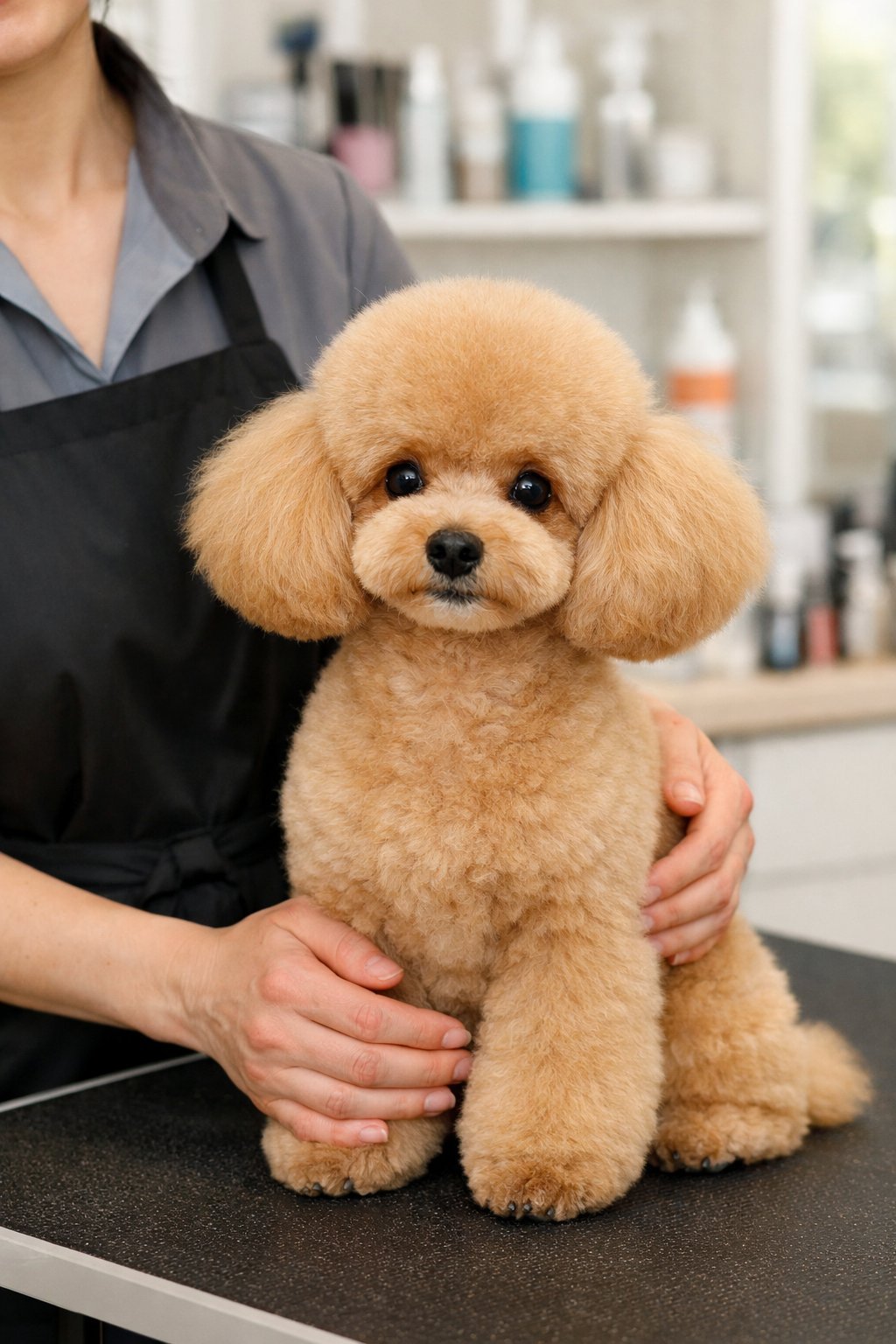
The best haircut for your toy poodle depends on their coat texture, how active they are, the weather where you live, and how much time you can spend on grooming.
Considering Coat Type
Toy poodles have curly, dense coats that grow continuously. Some dogs have softer, looser curls while others have tighter, coarser ones.
If your poodle has a softer coat, it tends to mat more easily. I recommend shorter haircut styles that prevent tangles from forming between grooming sessions.
Tighter curls hold their shape better and work well with longer styles. These coats can support more elaborate cuts without matting as quickly.
The thickness of your dog’s coat also matters. A thicker coat provides more styling options but requires more frequent trimming.
Thinner coats may look better with simpler cuts that don’t expose too much skin.
Lifestyle and Activity Level
Active dogs need practical haircuts that won’t get in their way. If your toy poodle loves running, playing, or spending time outdoors, shorter cuts work best.
The puppy cut or kennel clip keeps hair at an even 1-2 inches all over the body. This makes it easy for your dog to move around freely without fur dragging on the ground or catching on branches.
Dogs who mostly stay indoors can wear longer, fancier styles. They won’t get as dirty or pick up debris in their coat.
You can try popular styles like the teddy bear cut if your poodle has a calmer lifestyle. Show dogs need specific cuts that meet breed standards.
These require professional grooming and lots of maintenance time.
Climate and Season
Hot weather calls for shorter haircuts that help your dog stay cool. I suggest trimming the body hair to about 1 inch or less during summer months.
You can leave slightly more length on top of the head and ears for sun protection. Just make sure the belly area stays short since heat escapes from there.
Cold climates allow for longer coat styles. The natural curl of poodle hair provides good insulation when left at 2-3 inches long.
Keep the paws trimmed even in winter to prevent ice balls from forming between the pads. Rain and humidity make coats mat faster.
Consider going shorter during wet seasons to reduce grooming work.
Ease of Maintenance
Some cuts need grooming every 4-6 weeks while others can go 8-10 weeks. Be honest about how much time you have for brushing and bathing.
Low-maintenance options:
- Kennel clip (short all over)
- Summer cut (very short body, minimal styling)
- Simple puppy cut (one length everywhere)
Higher-maintenance styles:
- Continental cut (requires shaping and pom-poms)
- Lamb cut (needs regular trimming to maintain shape)
- Topknot styles (daily brushing required)
Complex cuts cost more at the groomer. If you plan to trim at home, start with easier clipper techniques before attempting fancy styles.
Daily brushing takes 5-10 minutes regardless of cut length. Factor this into your decision when picking a style that fits your schedule.
Step-By-Step Guide to Grooming
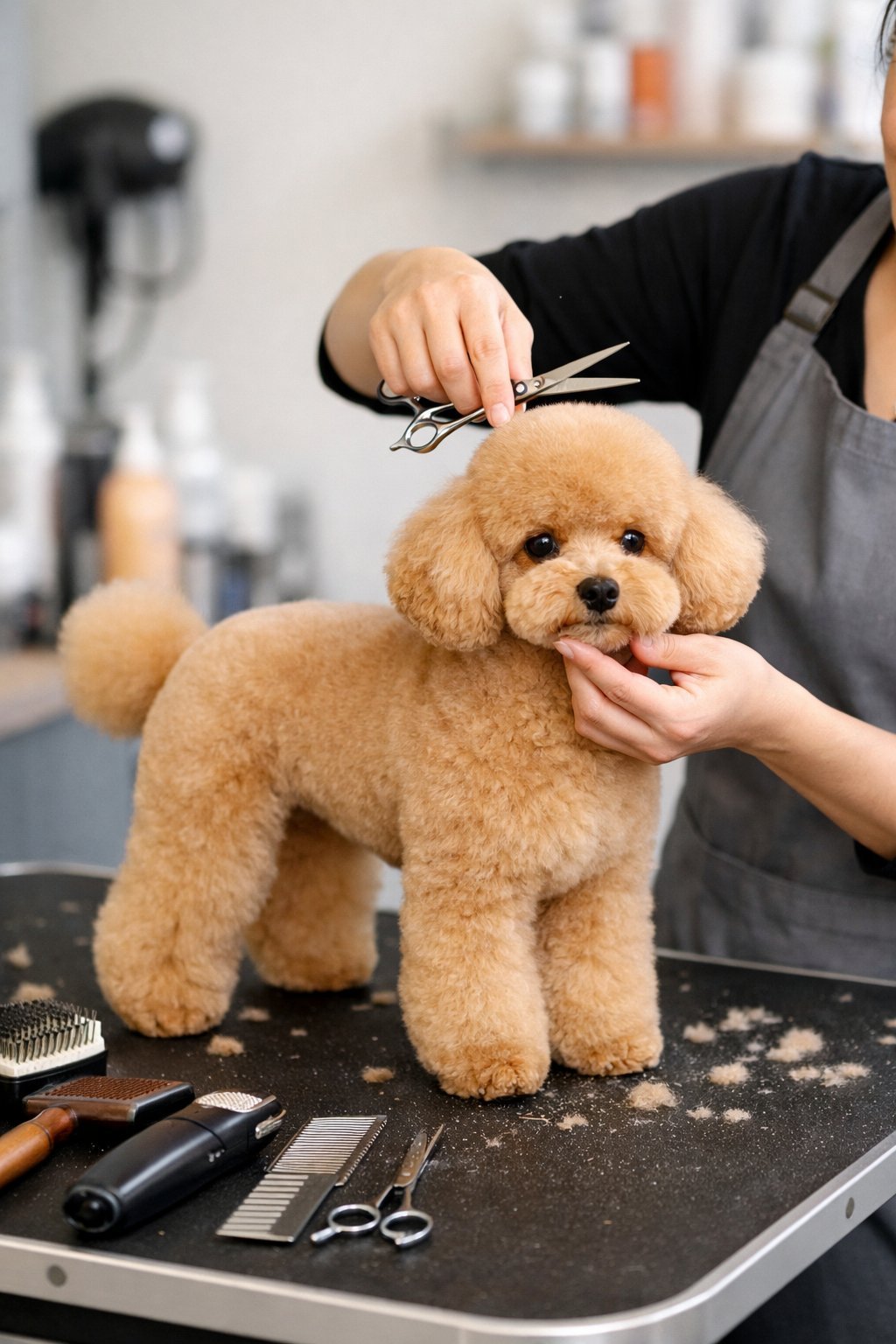
Grooming a toy poodle requires the right tools, proper bathing techniques, careful trimming, and attention to final details.
Preparation and Tools Needed
Before I start grooming, I gather all my supplies in one place. This saves time and keeps my poodle calm during the process.
Essential Tools:
- Slicker brush and metal comb
- Dog-safe shampoo and conditioner
- Electric clippers with various guard sizes
- Grooming scissors
- Nail clippers
- Cotton balls and ear cleaning solution
- Non-slip mat for bathing
I always brush my poodle thoroughly before bathing to remove mats and tangles. Wet hair makes mats worse and harder to work with.
I check for any burs or debris stuck in the coat and carefully cut them out with scissors. My workspace needs good lighting and a sturdy table at a comfortable height.
I place a non-slip mat on the table so my poodle feels secure and doesn’t slide around.
Washing and Drying
I wet my toy poodle’s coat completely with lukewarm water, starting from the neck and working backward. Cold water is uncomfortable, and hot water can dry out the skin.
I apply dog shampoo and work it through the entire coat with my fingers. I’m careful around the face and ears to avoid getting soap in my poodle’s eyes or ear canals.
After rinsing thoroughly, I apply conditioner to help prevent tangles. Rinsing is critical.
I make sure no soap residue remains because it can cause skin irritation and itching. I squeeze excess water from the coat gently before lifting my poodle from the bath.
I use a towel to remove most of the moisture first. Then I use a dog dryer on a low heat setting while brushing the coat.
I keep the dryer moving and never point it at one spot for too long.
Trimming the Body and Legs
I start with a longer guard attachment on my clippers and work my way to shorter ones if needed. This prevents accidentally cutting too much hair at once.
For the body, I clip in the direction of hair growth using smooth, even strokes. I work from the neck down the back, then along the sides.
The chest and belly need extra care because the skin is more sensitive in these areas. When trimming the legs, I shape them into cylinders for a classic look.
I comb the hair outward and trim around the leg in a circular motion. I take my time and step back frequently to check that both sides match.
The feet require special attention. I trim the hair on top of each paw and carefully clip between the paw pads to prevent matting.
Finishing Touches
I use scissors to blend any uneven areas left by the clippers. The face needs careful scissor work around the eyes, muzzle, and ears.
Final Details:
- Trim nails to a safe length
- Clean ears with cotton balls and solution
- Wipe around the eyes to remove tear stains
- Check that the tail pompom is round and even
I brush through the entire coat one more time to catch any missed tangles. I also check my poodle’s teeth and can brush them if needed.
My toy poodle should look balanced from all angles when I’m finished.
Maintaining Your Toy Poodle’s Haircut
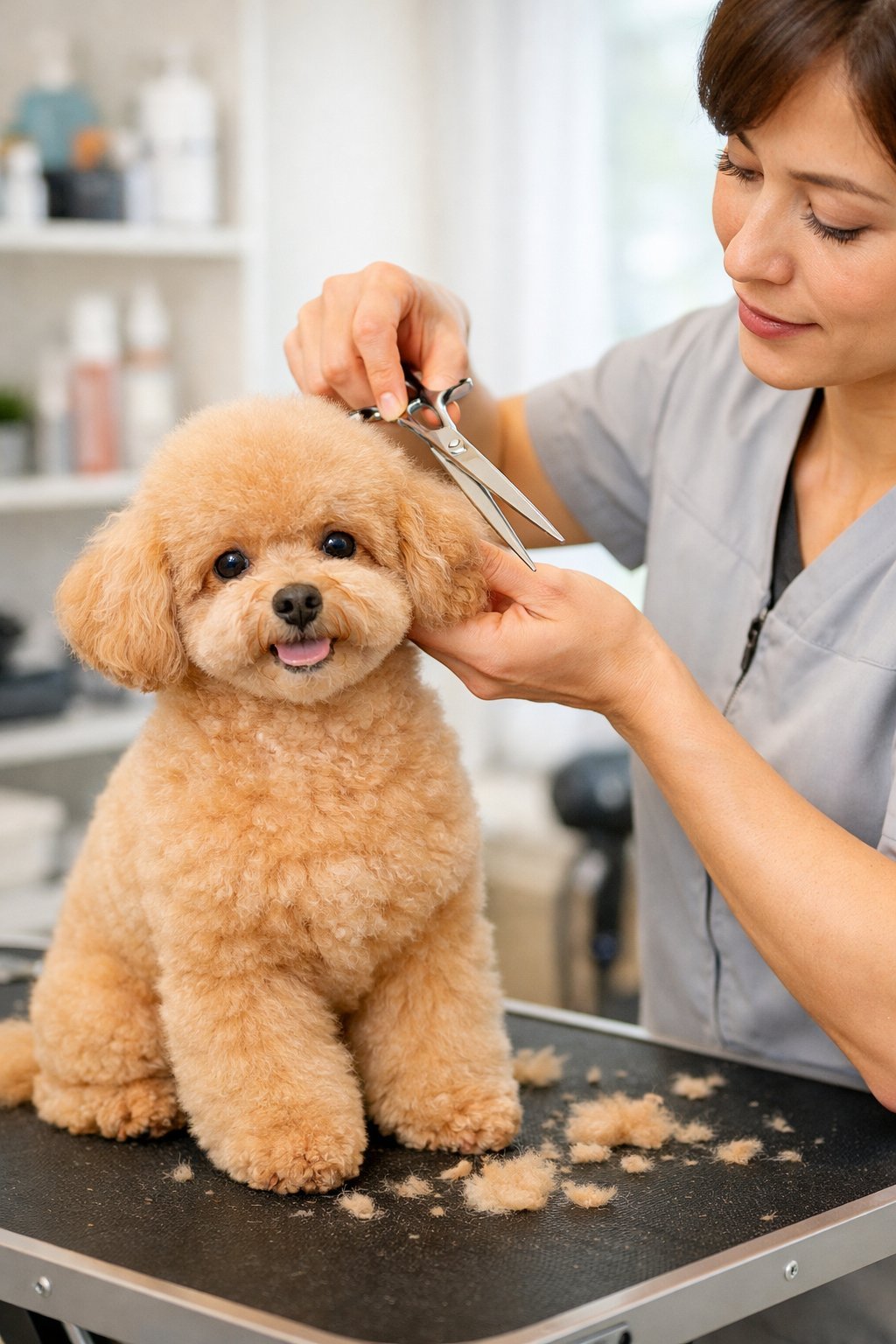
Keeping your toy poodle’s haircut looking fresh requires daily brushing, strategic mat prevention, and regular professional visits every 4-6 weeks. These three habits work together to keep your pup’s coat healthy and beautiful between grooming appointments.
Brushing Frequency
I recommend brushing your toy poodle every single day to keep their coat in top condition. Their dense, curly hair grows continuously and tangles easily without regular attention.
I use a slicker brush for the main coat and a metal comb for detail work around the face and paws. Each brushing session takes about 10-15 minutes when done daily.
I always brush in sections, working from the skin outward to catch any tangles before they become serious problems. Pay special attention to areas where friction occurs, like under the collar, behind the ears, and where the legs meet the body.
If I skip even two days of brushing, I notice small tangles starting to form. Missing a full week can create mats that are painful to remove.
Preventing Matting
I’ve learned that preventing matting requires understanding your poodle’s coat texture, which is naturally prone to tangling. Mats form when loose hair gets trapped in the curls and binds together.
I never let my toy poodle’s coat get wet without planning to dry it completely. Moisture makes the curls tighten and creates mats faster than anything else.
After baths, I use a blow dryer on a cool or warm setting while brushing to stretch out the curls. I also check for debris like leaves or burrs after outdoor play, since these attract hair and create instant tangles.
I trim the hair between the paw pads monthly to reduce mat formation in this high-friction area. If I find a small mat, I work it out gently with my fingers and detangling spray rather than cutting it out.
Scheduling Professional Grooming
I take my toy poodle to a professional groomer every 4-6 weeks to maintain the haircut shape and handle tasks that are difficult at home. This schedule keeps the coat at a manageable length and prevents overgrowth.
Professional groomers have specialized tools and skills for maintaining your poodle’s specific haircut style. They can reach difficult areas and ensure even trimming that I struggle with on my own.
Between appointments, I do minor touch-ups around the eyes and paws to keep my pup comfortable. I also communicate with my groomer about any problem areas or style adjustments I want to make.
During summer months, I sometimes increase visits to every 4 weeks for a shorter cut. In winter, I can stretch to 6-7 weeks if I’m diligent about home brushing.
Common Grooming Mistakes to Avoid
I’ve learned that grooming toy poodles requires careful attention to detail and the right techniques. Cutting too much hair, skipping delicate spots, and using the wrong equipment can harm your dog’s coat and comfort.
Over-Trimming
I’ve seen many toy poodle owners accidentally cut their dog’s hair too short, which creates problems beyond just appearance. When I trim too close to the skin, it removes the natural protection the coat provides against sun, cold, and minor scrapes.
Over-trimming around the face and paws is especially risky. I always leave at least half an inch of hair on the body to maintain proper insulation.
The coat won’t grow back evenly if I cut it too short, and it can take months to fix. Common mistakes in poodle grooming often happen when I rush or use clippers without guard combs.
I start with a longer blade setting and gradually work shorter if needed. It’s easier to take more off than to wait for regrowth.
Neglecting Sensitive Areas
I pay extra attention to areas that many groomers overlook or handle roughly. The ears, eyes, paws, and sanitary areas need gentle care because the skin is thinner and more prone to irritation.
I check inside my toy poodle’s ears regularly and trim hair carefully to prevent matting and infections. The area around the eyes needs daily cleaning to avoid tear stains.
I use blunt-tipped scissors near these sensitive spots. Between the paw pads, hair can mat and collect debris.
I trim this area every few weeks to keep my dog comfortable while walking. The sanitary region also needs regular trimming for hygiene, but I work slowly to avoid nicks.
Using Improper Tools
I invested in quality grooming tools after learning that cheap equipment damages my toy poodle’s coat. Dull blades pull and tear hair instead of cutting cleanly, which causes pain and uneven results.
I use sharp scissors designed for pet grooming, not regular household scissors. Professional clippers with adjustable blades work better than human hair trimmers.
My slicker brush and metal comb are essential for detangling without breaking hair. I clean my tools after each use and sharpen blades regularly.
The wrong brush can scratch skin or miss mats entirely.
