

Two Dogs: A Complete Guide to Raising Multiple Canine Companions

Getting a second dog is a big decision that many pet owners think about.
Having two dogs can provide built-in companionship for your pets, make training easier, and create a more active household, but it requires careful planning and commitment.
The bond between two dogs can be amazing to watch.
Many owners find that two dogs are better than one for various reasons.

I’ve learned that bringing home a second dog isn’t just about doubling the fun.
It means understanding how to successfully introduce two dogs and managing the unique challenges that come with a multi-dog home.
From choosing compatible personalities to handling feeding time and walks, there’s a lot to consider.
Key Takeaways
- Two dogs can provide companionship for each other and reduce loneliness when you’re away
- Proper introductions and choosing compatible dogs are essential for a peaceful multi-dog household
- Managing two dogs requires individual attention, separate spaces, and consistent training routines
Benefits of Having Two Dogs

I’ve found that adding a second dog to my home creates natural companionship for my pets.
It gives them more chances to stay active and socially engaged throughout the day.
Enhanced Companionship
My dogs keep each other company when I’m not home, which reduces separation anxiety and loneliness.
I’ve noticed they comfort each other during stressful situations like thunderstorms or fireworks.
Dogs are social animals by nature, and having a companion helps meet their instinctive need for pack interaction.
When I’m at work or running errands, my dogs entertain themselves through play and shared activities.
I see less destructive behavior now because they’re not bored or anxious when left alone.
They curl up together for naps and often seek each other out for comfort.
Socialization Opportunities
Having two dogs helps with better behavior and understanding of canine communication.
My younger dog learned proper play manners and boundaries from my older dog much faster than I could have taught him alone.
They practice important social skills daily through their interactions.
I watch them read each other’s body language, take turns with toys, and respect personal space.
This constant practice makes them more confident around other dogs during walks or at the park.
My second dog also helped my first dog overcome shyness around new animals.
The experienced dog’s calm behavior set a positive example that my anxious dog could follow.
Exercise and Playmate Perks
My dogs chase each other around the yard and wrestle indoors, which keeps them physically active without much effort from me.
They initiate play sessions multiple times per day, burning energy naturally.
I spend less time trying to tire out a single high-energy dog because they exercise each other.
Having two dogs can boost physical activity for both pets through spontaneous play sessions and games.
Their play includes:
- Tug-of-war with shared toys
- Chase games through the house and yard
- Wrestling matches that teach bite inhibition
- Fetch sessions where they race for the ball
I still take them on daily walks, but they’re calmer and better behaved because they’ve already burned off excess energy together.
Choosing Compatible Dog Pairs
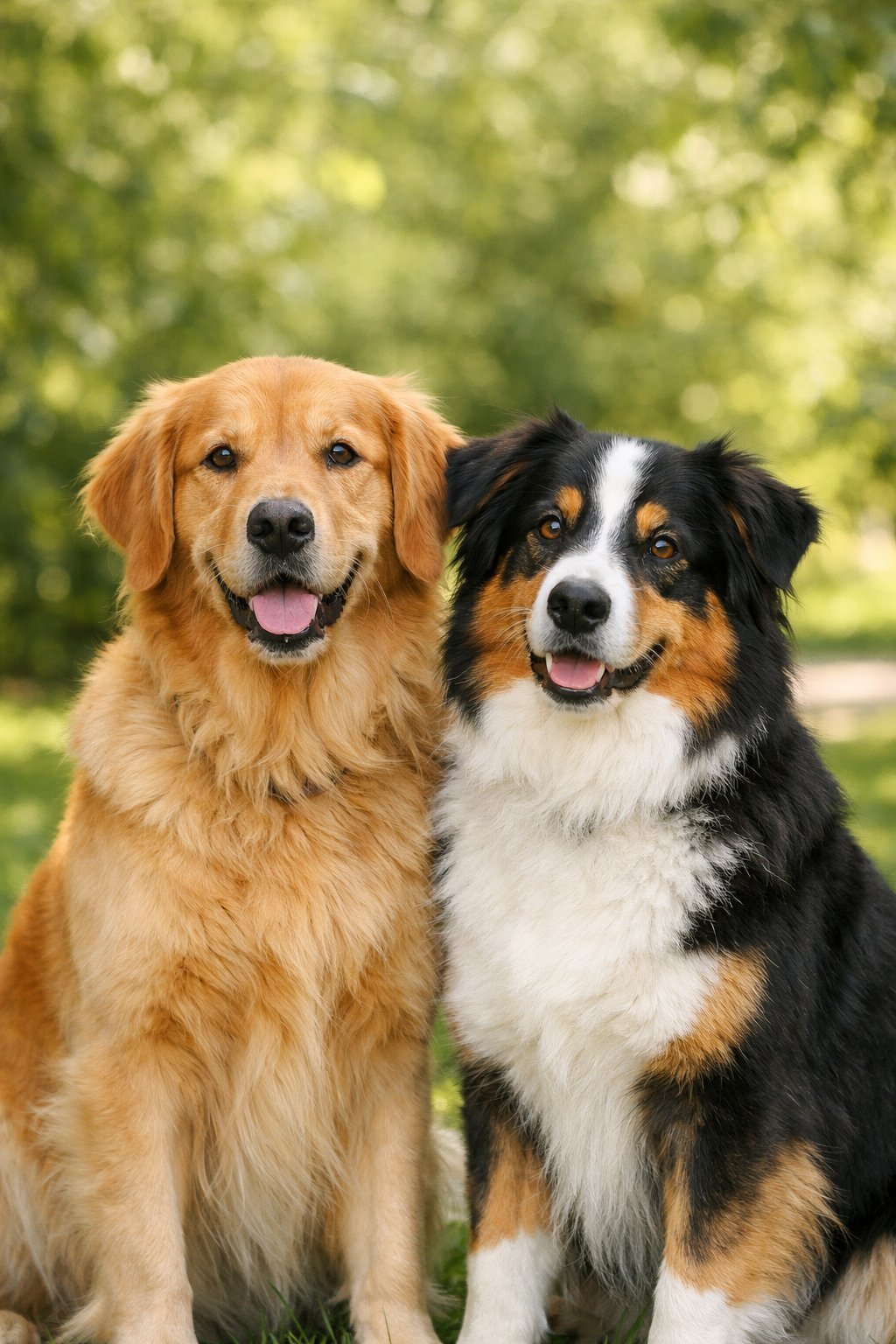
When I’m adding a second dog to my home, breed characteristics, age differences, and proper introductions make the biggest difference in whether my dogs will become best friends or struggle to coexist.
Breed and Size Considerations
I always think about breed compatibility before bringing home a second dog.
My current dog’s genetics, instincts, and size all play a role in how well they’ll accept a new companion.
Size matters more than I initially realized.
If I have a small dog, adding a large breed with high energy can create safety issues during playtime.
Large dogs may accidentally hurt smaller ones even during friendly play.
I also consider breed-specific traits when making my choice.
Some breeds naturally enjoy having canine companions, while others prefer being the only pet.
Labrador Retrievers, Golden Retrievers, and Beagles typically thrive with doggy friends.
Herding breeds may try to control other dogs.
Terriers often have strong prey drives that can create problems with smaller dogs.
I match energy levels too—pairing a high-energy breed with a low-energy one usually causes frustration for both dogs.
Age and Temperament Matching
Age differences between my dogs affect their relationship quality.
I’ve found that adding a puppy to an adult dog’s home usually works better than bringing in another adult.
Puppies are less threatening to established dogs.
Adult dogs often tolerate puppy behavior that they wouldn’t accept from another adult.
However, I make sure my older dog has good health and patience before adding an energetic puppy.
Gender can impact compatibility in my household.
Two females may compete for dominance more than other combinations.
Many experts suggest opposite-sex pairs work best, though plenty of same-sex dogs live together peacefully.
I watch how my current dog interacts with other dogs at the park.
Does my dog prefer playing with males or females?
Does my dog enjoy rough play or gentle interaction?
These observations guide my decision.
Temperament matters just as much as age.
I don’t pair a dominant dog with another dominant personality.
One confident dog and one more submissive dog usually creates better household harmony.
Meeting and Introduction Tips
I never bring a new dog home without a proper meeting first.
I arrange neutral territory introductions at a park or outdoor space where neither dog feels territorial.
I keep both dogs on leashes during the first meeting.
I let them sniff each other briefly, then walk them side by side before allowing more interaction.
Parallel walks help dogs feel comfortable together.
Key introduction steps I follow:
- Keep the first meeting short (10-15 minutes)
- Watch body language closely for signs of stress
- Separate the dogs if either shows aggression
- Schedule multiple meetings before making a final decision
- Bring both dogs home together after successful meetings
I remove toys, food bowls, and high-value items before bringing my new dog home.
Resource guarding causes many early conflicts.
I feed my dogs in separate spaces and give them individual attention time.
Socialization matters more than breed when determining how well my dogs interact.
How I raise them together makes the biggest difference in their long-term relationship.
Training and Managing Two Dogs

I find that successful training depends on treating each dog as an individual while teaching them to coexist peacefully.
The key is balancing one-on-one attention with group management skills.
Establishing Individual Routines
Each dog needs their own training time away from the other.
I recommend working with one dog while the other stays in a separate room or crate.
This prevents distractions and helps each dog focus on learning.
Training multiple dogs requires patience because dogs learn at different speeds.
I schedule 10-15 minute sessions with each dog daily.
During these sessions, I teach basic commands like sit, stay, and come.
Individual feeding times also matter.
I feed my dogs in separate areas to reduce competition and stress.
This simple change prevents one dog from rushing through meals or stealing food from the other.
I also walk each dog separately at first.
Solo walks let me work on leash manners without one dog pulling toward the other.
Once both dogs understand walking rules, I can start taking them out together.
Preventing Resource Guarding
Resource guarding happens when dogs become protective over food, toys, or even people.
I prevent this by giving each dog their own bowls, beds, and toys in different spaces.
Managing two or more dogs together means watching for early warning signs.
I look for stiff body language, growling, or blocking access to items.
When I see these behaviors, I immediately separate the dogs and redirect their attention.
I teach a “drop it” or “leave it” command to both dogs.
This gives me control when tensions rise over a toy or treat.
I practice these commands regularly using positive reinforcement.
Feeding dogs in separate rooms eliminates most food-related conflicts.
I also pick up food bowls after meals instead of leaving them down all day.
High-value items like bones or special chews get distributed when dogs are apart.
Maintaining Good Behavior
Consistency keeps both dogs following the rules.
I use the same commands and hand signals for both dogs, and everyone in my household does too.
I reward good behavior immediately with treats or praise.
When my dogs sit calmly together, I give them both attention.
This teaches them that being calm around each other brings good things.
Training two dogs at once works better after they’ve learned skills separately.
I start group sessions only when both dogs know basic commands on their own.
I address problem behaviors right away before they become habits.
If one dog jumps on guests, I work on that specific issue through individual training sessions.
I never let bad behavior slide just because I have two dogs to manage.
Regular exercise prevents many behavior problems.
Tired dogs are calmer and less likely to compete with each other or cause trouble.
Daily Life With Two Dogs

Managing two dogs requires planning around meals, exercise, and trips outside the home.
I’ve learned that keeping routines consistent while meeting each dog’s individual needs makes daily life smoother.
Feeding Strategies
I always feed my dogs in separate spaces to prevent food aggression and competition.
This means using different rooms or setting up a baby gate between them during mealtimes.
I measure out each dog’s food according to their size and activity level.
My larger dog needs more calories than my smaller one, so I keep their portions different.
Feeding schedule options:
- Same time, different locations
- Staggered feeding times if one eats faster
- Elevated bowls for larger dogs, floor bowls for smaller ones
I pick up food bowls after 15-20 minutes to maintain a routine.
This prevents one dog from grazing while the other waits or tries to steal food.
I also keep treats separate and give them individually to avoid jealousy.
Walks and Exercise
I walk both dogs together when they have similar energy levels, but sometimes I need to adjust my daily schedule for separate exercise sessions.
My high-energy dog needs a longer run while my older dog prefers shorter, slower walks.
Using a double leash or two separate leashes depends on how well my dogs walk together.
I train them to walk without pulling before attempting walks with both at once.
Exercise considerations:
- Morning walks for bathroom breaks
- Afternoon play sessions in the yard
- Evening walks for burning excess energy
I rotate activities to keep both dogs engaged.
One day might include fetch, while another focuses on training exercises or puzzle toys.
Travel and Outings With Two Dogs
I prepare twice the supplies when traveling with two dogs. This includes extra food, water bowls, leashes, waste bags, and any medications they take.
Car safety requires either two crates or a divided cargo area with safety harnesses. I never let both dogs roam freely in the vehicle.
I research pet-friendly locations before trips. Some places limit the number of dogs allowed.
Hotels, parks, and restaurants often have different policies for multiple pets.
Travel checklist:
- Two sets of vaccination records
- Individual ID tags with current contact information
- Separate water and food bowls
- Enough food for the entire trip plus extra
I plan for bathroom breaks every 2-3 hours during long drives. Finding areas where both dogs can stretch and relieve themselves safely takes more time than traveling with one dog.
Addressing Common Challenges
Living with two dogs means dealing with competition for attention. There is also twice the cleanup work and coordinating medical care for multiple pets.
Managing Sibling Rivalry
I’ve found that dogs often compete for my attention, even when they generally get along well. This shows up as pushy behavior like nudging my hand, barking for attention, or trying to squeeze between me and the other dog.
The best approach is to give each dog individual time with me every day. I set aside 10-15 minutes for one-on-one activities like training, walks, or play sessions.
I also teach both dogs to wait their turn. When one dog pushes in for attention, I calmly redirect them and reward the dog who’s being patient.
Managing attention-seeking behavior requires consistency from everyone in the household.
Key strategies I use:
- Rotate which dog gets fed first or goes outside first
- Praise calm behavior around each other
- Provide separate toys and chew items to reduce conflicts
- Never force them to share high-value items like bones
Coping With Double the Mess
Two dogs means double the fur, dirt, and general household mess. I vacuum at least three times per week during shedding season.
I keep lint rollers in every room. I’ve learned to set up a cleaning station by my door.
This includes towels for muddy paws, a small bin for dirty toys, and wipes for quick cleanups. It saves me from tracking mess throughout the house.
Food and water bowls need washing daily instead of every few days. I use separate bowls placed a few feet apart to keep mealtimes peaceful and reduce competition.
My grooming routine is more structured now. I brush both dogs outside twice a week, which cuts down on loose fur indoors.
I also trim nails every 3-4 weeks and schedule baths on the same day when possible.
Veterinary Care and Health Management
Coordinating vet care for two dogs takes more planning and money than I initially expected. Annual checkups, vaccinations, and preventive medications add up quickly.
I keep a shared calendar for both dogs that tracks:
- Vaccination due dates
- Heartworm and flea prevention schedules
- Grooming appointments
- Any ongoing treatments or medications
Setting aside a monthly pet budget helps me manage costs. I factor in routine care, emergency savings, and pet insurance if I choose that option.
When one dog gets sick, I watch the other closely for similar symptoms. Some conditions spread between dogs, so early detection matters.
I also maintain separate medical records for each dog. These include their specific allergies, reactions, and health history.