
Dog Bike Trailer: Your Complete Guide to Safe and Fun Cycling Adventures with Your Pup

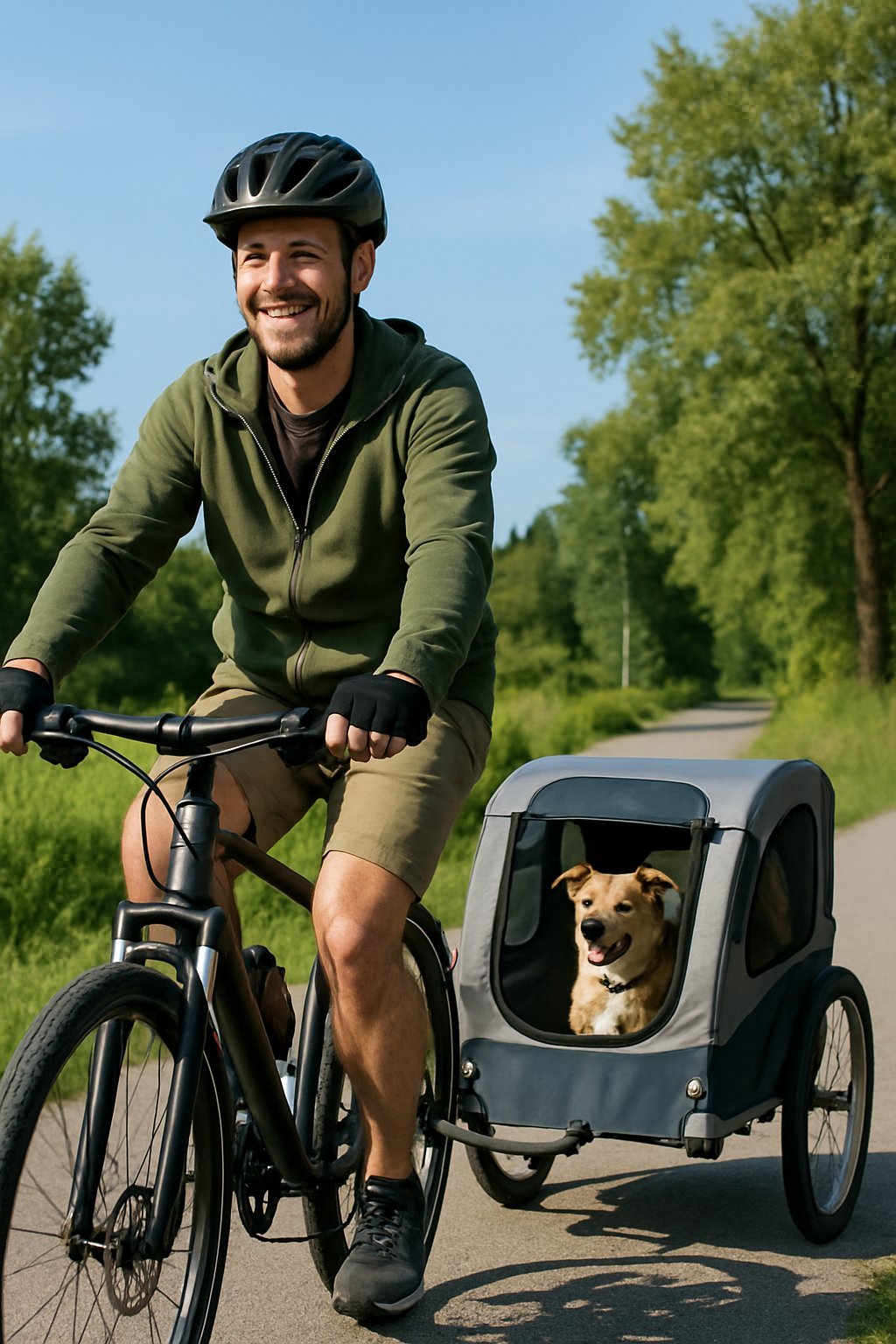
Taking your dog on bike rides can be tough when they can’t keep up or get too tired. A dog bike trailer is a wheeled carrier that attaches to the back of your bicycle, letting you safely transport your pet while you ride. These trailers attach to the back of your bike and include safety features like internal leash tethers and mesh windows for ventilation.

I’ve spent time researching the best options for bringing pets along on cycling adventures. Whether you have a small puppy or a large adult dog, there’s a trailer designed to fit your needs. Dog bike trailers come in different sizes to accommodate various breeds and weights.
The right trailer makes outdoor adventures more enjoyable for both you and your furry friend. Many models convert into strollers and include storage pockets for water and supplies. I’ll walk you through everything you need to know to pick the perfect bike trailer for your dog.
Key Takeaways
- Dog bike trailers attach to your bicycle and safely carry pets of various sizes during rides
- Important features include weight capacity, ventilation, safety tethers, and weather protection
- Consider your dog’s size and comfort needs along with trailer quality when making your choice
Understanding Dog Bike Trailers

Dog bike trailers attach to your bicycle and provide a safe space for your pet to ride along during outdoor adventures. These specialized carriers work for dogs who can’t keep up with cycling speeds or need a break during longer trips.
What Is a Dog Bike Trailer?
A dog bike trailer is a wheeled carrier that hitches to the back of your bicycle. Dog bike trailers are made to stabilize your pet and include features like safety lights for visibility, storage pockets for accessories and water, and an internal leash tether to keep your dog connected to the trailer.
The trailer typically has a metal or aluminum frame with fabric sides. Most models include mesh windows for airflow and visibility. The hitch system connects to your bike’s rear axle or seat post.
Weight capacity varies by model. Some trailers support small dogs under 40 pounds, while larger options can carry dogs up to 100 pounds. The trailer rolls on two wheels and sits low to the ground for stability.
Benefits of Using a Dog Bike Trailer
I find that trailers let me include my dog on bike rides when he can’t run alongside me. Older dogs, puppies, or dogs with joint issues can still enjoy the outdoors without physical strain.
The enclosed space protects my pet from weather and road debris. Rain covers keep dogs dry, while mesh sides provide shade on sunny days. My dog stays secure with the internal harness system.
Trailers also work as a pet stroller when detached from the bike. Many models convert for walking or jogging. I can bring water, treats, and supplies in the built-in storage pockets.
Small pets like cats can ride safely too. The enclosed design prevents escape attempts during the ride.
Types of Dog Bike Trailers
Standard trailers attach only to bicycles. These focus on lightweight design and aerodynamics for cycling.
Convertible trailers switch between bike trailer and stroller modes. I appreciate the flexibility for different activities. The conversion usually involves changing the front wheel attachment.
Heavy-duty trailers use reinforced frames and materials. These handle larger dogs and rougher terrain. They cost more but last longer with active use.
Enclosed trailers have full coverage with waterproof materials. Open-air trailers use mostly mesh for maximum ventilation. I choose based on my climate and riding conditions.
Some trailers fold flat for storage in small spaces. Quick-release wheels make assembly faster before rides.
Key Features and Design Considerations

When I’m shopping for a dog bike trailer, I focus on four main areas: safety systems that protect my pet, ventilation that keeps them comfortable, size specifications that match my dog’s measurements, and practical features that make daily use simple.
Safety Features
The most critical safety feature I look for is a secure harness system. Dog bike trailers include internal leash tethers that clip to my dog’s collar or harness, preventing them from jumping out during the ride.
I also check for a sturdy frame construction. The frame needs to handle bumps and turns without tipping over. Safety lights for visibility are essential when I ride in low-light conditions or near traffic.
A reliable hitch system is another must-have. The connection between my bike and the trailer should lock firmly in place and include a safety strap as backup. Reflective strips on the sides help drivers see us from all angles. The flag pole attachment also makes the trailer more visible to cars and pedestrians.
Comfort and Ventilation
Proper airflow keeps my dog cool and calm during rides. I prefer trailers with mesh windows on multiple sides because they allow cross-ventilation while keeping bugs out. Some models feature breathable mesh curtains that maintain airflow throughout the entire ride.
Weather protection matters too. I need a trailer with waterproof front curtains that I can roll down when it rains but open up on sunny days. The floor should have padding or space for a cushion so my dog can sit or lie down comfortably.
Small dogs especially benefit from added comfort features since they feel bumps more intensely. I make sure the interior has enough room for my dog to shift positions without feeling cramped.
Size and Weight Capacity
I always measure my dog before buying a trailer. The interior needs to fit my dog’s length when lying down plus a few extra inches. Height matters too because my dog should be able to sit up without their head touching the roof.
Weight limits vary by model. Some trailers handle small dogs up to 50 pounds, while others support up to 88 pounds for larger breeds. I check both the maximum weight capacity and the trailer’s own weight since I need to pull it.
Ease of Use and Storage
I look for trailers that attach to my bike quickly without tools. The hitch should work with standard bike frames and adjust easily. Storage pockets help me carry water, treats, and waste bags without bringing a separate bag.
When I get home, the trailer needs to fit in my garage or shed. Convertible models that function as strollers offer extra value, letting me use the same product for walks. Folding frames make storage much simpler in tight spaces. Wheels should be easy to remove or fold if needed.
Top Dog Bike Trailer Brands and Models

Several well-known brands make reliable dog bike trailers that work well for different needs and budgets. I’ve found that Burley, Retrospec, and Schwinn each offer popular models with features that keep dogs safe and comfortable during rides.
Burley Bark Ranger and Tail Wagon
Burley makes two main dog bike trailers that I recommend checking out. The Bark Ranger is their premium option built with a strong aluminum frame and weather-resistant fabric. It can hold dogs up to 75 pounds and includes a padded floor for comfort.
The Tail Wagon is Burley’s more affordable choice. It’s lighter and easier to store than the Bark Ranger. This model works well for dogs up to 75 pounds too. Both trailers come with internal leash tethers to keep your dog secure.
I like that Burley trailers have mesh windows for airflow. They also include reflective materials and a safety flag for visibility. The wheels remove quickly for storage. These trailers provide quick-release wheels and adjustable safety harnesses.
Retrospec Rover Waggin
The Retrospec Rover Waggin is a budget-friendly option that still offers good quality. I’ve seen it priced lower than many competing models. It holds dogs up to 110 pounds, which makes it work for larger breeds.
This trailer converts into a stroller when you remove the bike hitch. The conversion takes just a few minutes. It has mesh windows on three sides for ventilation. The frame folds flat for storage in small spaces.
The Rover Waggin includes a universal coupler that fits most bikes. It comes with a weather cover to protect your dog from rain. The interior has a leash clip attachment. I find this model good for people who want both a bike trailer and stroller without buying two separate products.
Schwinn Rascal Bike Pet Trailer
The Schwinn Rascal is another wallet-friendly choice that works well for small to medium dogs. It supports pets up to 50 pounds. The frame uses steel construction that holds up to regular use.
This trailer has a water-resistant canopy to keep your dog dry. It includes mesh windows for air circulation. The Rascal attaches to most bikes with a quick-release system.
I appreciate that Schwinn includes a safety flag and reflector for visibility during rides. The trailer has 16-inch wheels that roll smoothly on different surfaces. It folds down for storage. The interior floor provides cushioning for your dog’s comfort during longer rides.
How to Choose the Best Dog Bike Trailer
I’ve found that the right trailer depends on your dog’s size and weight, the type of riding you’ll do, and whether you want a model that converts into other uses like a stroller or jogger.
Matching Trailer to Your Dog’s Needs
The most important thing I look for is whether the trailer can safely hold my pet. I always check the weight capacity first. Most trailers support dogs between 50 and 100 pounds, but some models handle up to 150 pounds for larger breeds.
I measure my dog’s height and length while sitting or lying down. The trailer needs enough space for my dog to sit comfortably, turn around, and lie down without feeling cramped. Small dogs under 25 pounds need at least 20 inches of interior space, while large dogs over 60 pounds require 30 inches or more.
I prioritize ventilation and visibility features. Mesh windows on multiple sides keep air flowing while letting my dog see outside. I also look for trailers with interior safety harnesses or leash attachments. These keep my pet secure if I hit a bump or need to stop quickly.
The entry point matters too. I prefer trailers with both front and rear openings since they make it easier to load older dogs or pets with mobility issues.
Terrain and Riding Conditions
I choose different features based on where I ride most often. For smooth paved paths and city streets, standard wheels work fine. But when I take trails with gravel or dirt, I need larger wheels with better tread.
Suspension systems make a huge difference on rough terrain. Dog bike trailers with suspension absorb shocks and bumps that would otherwise bounce my pet around inside. I’ve noticed my dog stays calmer on longer rides when the trailer has good suspension.
Weather protection is something I consider carefully. I look for trailers with rain covers or waterproof materials if I ride in wet climates. For hot weather, I make sure the trailer has plenty of mesh panels and light-colored fabric that won’t absorb as much heat.
Safety features like reflective strips and bright colors help drivers see me during early morning or evening rides.
Convertible Options: Strollers and More
I find 2-in-1 trailers that convert to joggers give me the most value. These models come with a front wheel I can attach when I want to jog or walk instead of bike. The conversion usually takes less than a minute.
Some trailers fold flat for storage in my garage or car trunk. This feature matters if I have limited space or want to transport the trailer to different locations. I check how much the trailer weighs when folded since I need to lift it myself.
The hitch system should work with my bike’s wheel size and frame type. Most trailers fit bikes with 22 to 28-inch wheels, but I always verify compatibility before buying.
Tips for Safe and Enjoyable Rides
Getting your dog comfortable with a bike trailer takes patience and planning. I focus on gradual introduction, safety practices during travel, and keeping the equipment in good condition.
Introducing Your Dog to a Bike Trailer
I start by letting my dog explore the trailer while it’s stationary in my yard or living room. I place treats and my dog’s favorite toys inside to create positive associations.
Small dogs often feel more comfortable with a blanket or bed that smells familiar. I let my pet sit in the trailer for short periods without moving it at first.
After a few days, I practice training your pet for biking by taking short walks while pulling the trailer. This helps my dog get used to the motion without the speed of cycling.
I reward calm behavior with treats and praise. When my dog seems relaxed, I take short rides around my neighborhood before attempting longer trips.
Travel Safety and Best Practices
I always use a harness that attaches to the dog bike trailer to prevent my pet from jumping out during sudden stops. A collar alone isn’t safe because it can injure my dog’s neck.
I check these safety items before each ride:
- Secure harness attachment
- Proper ventilation openings
- Working safety flag
- Functional brakes
- Tire pressure
I avoid riding during extreme temperatures. Hot pavement can overheat the trailer, while cold weather may be uncomfortable for my pet.
I bring water and take breaks every 30 minutes on longer rides. I also keep rides shorter for small dogs since they may get tired more quickly than larger breeds.
Maintenance and Care
I clean my dog bike trailer after every few rides to remove dirt, fur, and debris. I use mild soap and water on fabric parts and wipe down the frame.
I inspect the wheels monthly for wear and add air when needed. Proper tire pressure makes the ride smoother and safer for my pet.
I check all attachment points where the trailer connects to my bike before each use. Loose connections can cause accidents during travel.
I store the trailer in a dry place to prevent rust and mold. I also examine the mesh windows for tears that could let my dog escape.
Transparency and Buying Considerations
When shopping for dog bike trailers, understanding how reviews work and where to buy can help you make a smarter choice. I want to explain how product recommendations are made and what to look for when comparing prices across different stores.
Transparency in Reviews and Ratings
Many websites that review dog bike trailers use a combination of methods to rank products. Some sites leverage veterinarian input and artificial intelligence to identify key features and scan thousands of customer reviews.
I recommend looking at multiple review sources before making a decision. Check how many actual customer reviews a product has, not just expert ratings. Look for patterns in complaints or praise across different sites.
Some review sites are more transparent about their testing process than others. The best ones tell you exactly how they evaluated products and what criteria mattered most. I find it helpful when reviewers explain whether they actually tested the trailers themselves or just compiled data from other sources.
Affiliate Links and Shopping Online
Most websites that recommend dog bike trailers earn money through affiliate programs. This means they get a small commission when you click their links and make a purchase.
Affiliate relationships aren’t necessarily bad. They help websites stay in business while providing free information. However, I think it’s important to know when these relationships exist because they can influence which products get recommended.
Look for disclosure statements on review sites. Honest websites will clearly state when they use affiliate links. This doesn’t mean their recommendations are wrong, but it adds context to why certain products might be featured more prominently than others.
Popular Retailers: Amazon and Others
Amazon is one of the most common places to buy dog bike trailers because of its wide selection and customer reviews. You can compare multiple brands quickly and read feedback from real pet owners.
Other retailers like Chewy specialize in pet products and often have detailed product information. Some bike shops also carry dog trailers and can offer in-person advice about compatibility with your specific bicycle.
I suggest comparing prices across at least three retailers before buying. Check return policies carefully since your dog might not take to the trailer right away. Some stores offer better warranties or customer support than others, which matters if you run into problems.
