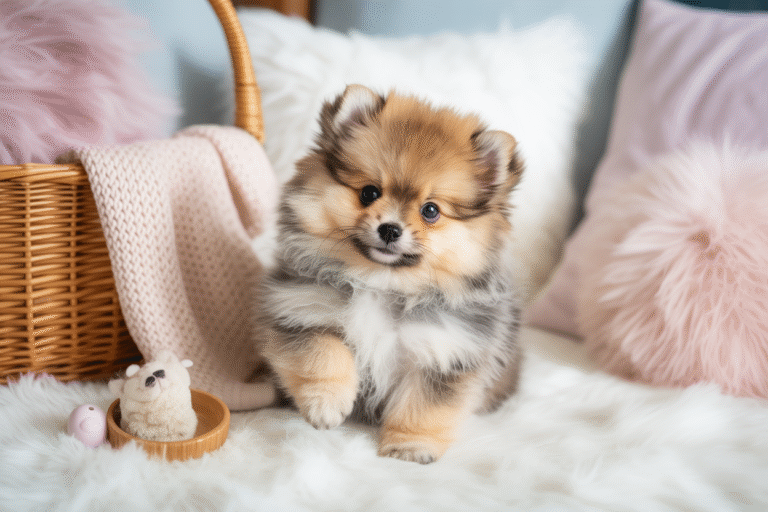

Best Small Dog Breeds: The Top Choices for Every Dog Lover

Small dogs pack huge personalities into tiny bodies. Whether you live in a cozy apartment or a spacious home, these pint-sized pups adapt easily to different living situations.
They bring endless joy to their owners.

The best small dog breeds include popular favorites like Chihuahuas, Pugs, and Maltese, along with unique options such as the Alaskan Klee Kai and Norwegian Lundehund, with most weighing between 3 and 25 pounds. I’ve gathered information on numerous small dog breeds to help you find your perfect match.
From energetic terriers to cuddly lap dogs, each breed brings something special to the table.
Finding the right small dog means understanding what makes each breed unique. Some are excellent companion dogs for apartment living, while others need more space to roam.
I’ll walk you through the most popular breeds, rare finds you might not know about, and practical tips for choosing a dog that fits your lifestyle.
Key Takeaways
- Small dog breeds typically weigh between 3 and 25 pounds and include both popular breeds and rare options with distinct personalities
- Different small breeds have varying energy levels and space requirements, making it important to match a dog’s temperament with your living situation
- Small dogs need proper care including regular grooming, health monitoring, and attention despite their compact size
Defining the Best Small Dog Breeds
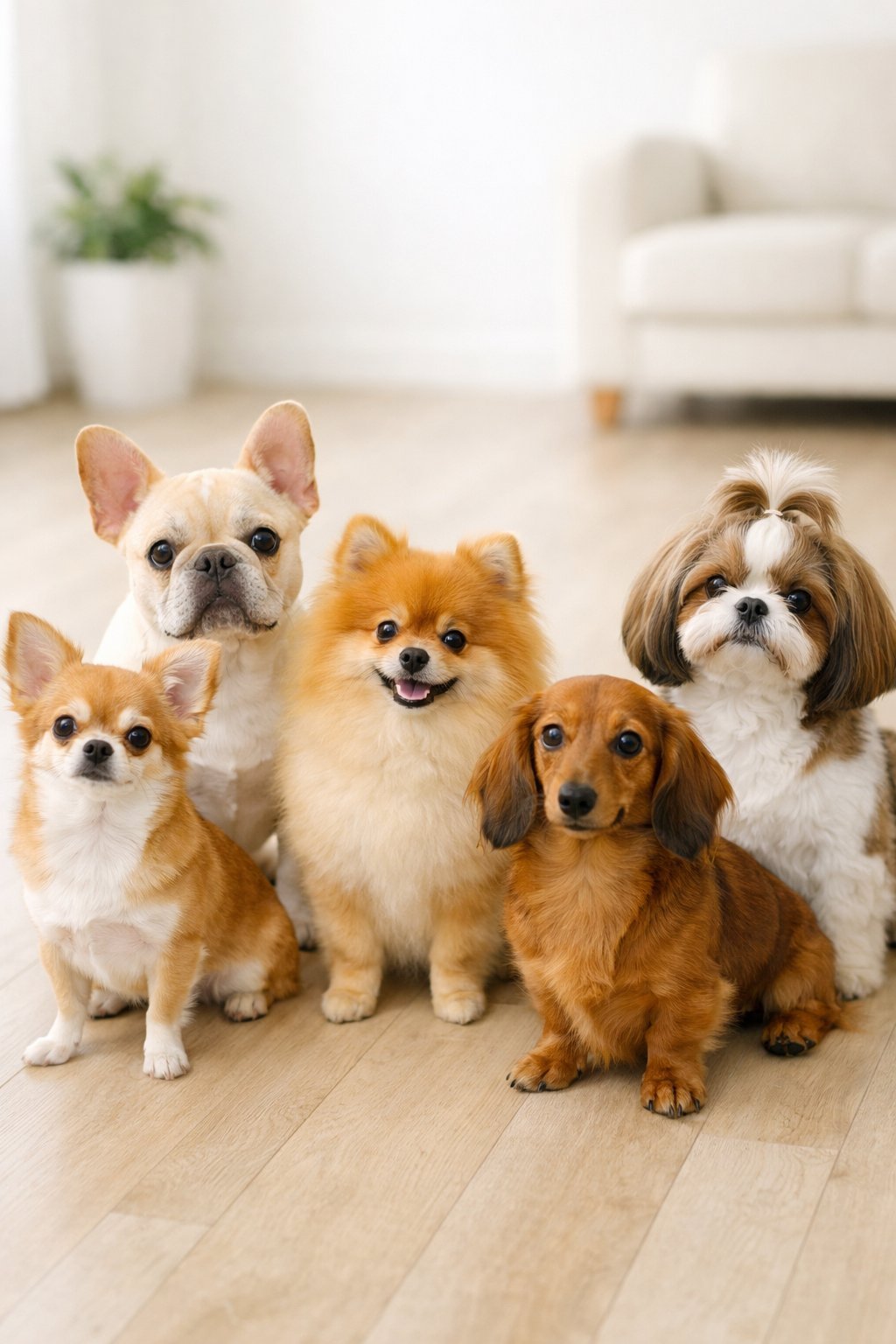
Small dogs pack incredible personalities into compact bodies. Understanding what makes them special helps you find the perfect match for your lifestyle.
The best small breeds offer manageable size, loving temperaments, and adaptability to various living situations.
What Is Considered a Small Dog Breed?
I consider dogs that weigh around 20 pounds or less to be small breeds. This category includes both toy breeds and slightly larger compact dogs.
Size Categories:
- Toy dog breeds: Usually under 10 pounds
- Small breeds: Typically 10-20 pounds
- Height range: Most stand between 5-15 inches tall
Some small-breed dogs sit very low to the ground with short legs. Others have taller, leaner builds.
The Chihuahua weighs up to 6 pounds, making it one of the tiniest options. The Boston Terrier can reach 25 pounds at the upper end of the small dog range.
I’ve noticed that toy breeds like the Yorkshire Terrier and Pomeranian fall on the smaller end. Miniature versions of larger breeds offer slightly more weight.
Your definition might vary slightly, but these general guidelines help you know what to expect.
Benefits of Small Dog Breeds
I find that small dogs offer practical advantages for many living situations. They’re easy to transport in carriers or cars for vet visits and travel.
Key Benefits:
- Lower food and medication costs than large breeds
- Suitable for apartments and homes with limited space
- Easier to manage during walks and outings
- Longer lifespans in many cases
Small-breed dogs need less room to exercise and play. I can give them adequate activity indoors when weather doesn’t cooperate.
Many small dog breeds do well in homes with limited space, which makes them perfect for city living.
Their compact size also means less physical strain when picking them up or helping them into vehicles. This becomes especially important as both you and your dog age.
Traits and Temperament
I’ve learned that small dogs often have huge personalities that don’t match their tiny size. Even small, low-energy dogs still need daily exercise and mental activities.
Many toy breeds and companion dogs bond very closely with their families. The Chihuahua shows fierce loyalty but can be wary of strangers.
Lap dogs like the Maltese and Shih Tzu enjoy cuddling and staying close to their owners.
Common Traits:
- Alert and vocal watchdog tendencies
- Strong-willed personalities requiring consistent training
- Affectionate with family members
- Varying energy levels from calm to highly active
I always recommend positive reinforcement training for small dogs. They benefit from boundaries and structure just like larger breeds.
Some companion dogs adapt easily to different households, while others prefer quieter environments.
Most Popular and Beloved Small Dog Breeds

When I look at the most beloved small dog breeds, certain names consistently appear at the top of everyone’s list. These compact companions offer big personalities, loyal devotion, and adaptable natures.
Shih Tzu
I’ve always found the Shih Tzu to be one of the most charming small breeds around. These dogs were originally bred as companion animals for Chinese royalty, and they still carry themselves with that regal air today.
Shih Tzus typically weigh between 9 and 16 pounds and stand about 9 to 10.5 inches tall. Their long, flowing coats require regular grooming to prevent matting.
Many owners choose to keep them in a shorter “puppy cut” for easier maintenance. I notice that Shih Tzus are known for their friendly and outgoing personalities.
What makes them special is their adaptability to different living situations. They do well in apartments and don’t need extensive exercise like some other breeds.
Shih Tzus are generally good with children and other pets, making them excellent family dogs. Their affectionate nature means they love being around their humans.
They’re not typically aggressive or yappy, though they will alert you when someone’s at the door.
Chihuahua
The Chihuahua holds a special place as the smallest dog breed in the world. I find it amazing how much personality these tiny dogs pack into such a small package, usually weighing between 2 and 6 pounds.
Chihuahuas come in two coat varieties: smooth and long-haired. Both types need minimal grooming compared to breeds like the Maltese or Bichon Frise.
Despite their tiny size, Chihuahuas are known for their bold and confident personalities. These little dogs form incredibly strong bonds with their owners.
They often become devoted to one person in particular, though they can be friendly with the whole family. I’ve noticed that Chihuahuas can be wary of strangers and may need proper socialization from an early age.
Their small size makes them perfect for apartment living. They don’t require long walks like a Jack Russell Terrier might.
Chihuahuas can live 14 to 16 years or longer with proper care. They’re also relatively low-maintenance when it comes to exercise needs.
Yorkshire Terrier
According to the most popular small dog breeds for 2024, Yorkshire Terriers rank as the fifth most popular small breed in America. I understand why Yorkies have captured so many hearts with their elegant appearance and spunky attitudes.
These tiny terriers typically weigh between 6 and 8 pounds and stand about 7 to 8 inches tall. Their silky coats are similar to human hair, which means they shed minimally and are considered hypoallergenic.
This makes them a great choice for people with allergies, similar to the Toy Poodle or Havanese. Yorkies have a confident, almost fearless nature that often makes them believe they’re much larger than they actually are.
I’ve found that they can be a bit stubborn during training, so firm and consistent guidance is important. These dogs are deeply devoted to their families and enjoy being lap dogs.
They bring a lot of energy despite their small size. Yorkies need regular grooming to maintain their beautiful coats, but many owners find the effort worthwhile for such a loving companion.
Pomeranian
I love how Pomeranians look like little fluffy clouds with their thick double coats and fox-like faces. These dogs typically weigh between 3 and 7 pounds, making them one of the smaller toy breeds alongside the Papillon and Pekingese.
Pomeranians are known for their lively and playful personalities. They’re intelligent dogs that learn quickly, though they can develop a stubborn streak if not trained properly.
Their thick coats require regular brushing to prevent matting, similar to the grooming needs of a Miniature Schnauzer. What I find interesting is how social Pomeranians can be.
They generally get along well with other pets when properly socialized, though their bold nature sometimes gets them into trouble with larger dogs. They’re alert and make excellent watchdogs, often barking to alert their owners of anything unusual.
Pomeranians adapt well to apartment living and don’t need as much exercise as breeds like the Boston Terrier or Pug. Their life expectancy ranges from 12 to 16 years, giving you many years of companionship with these fluffy little friends.
Diverse Range of Small Dog Breeds: Unique Choices
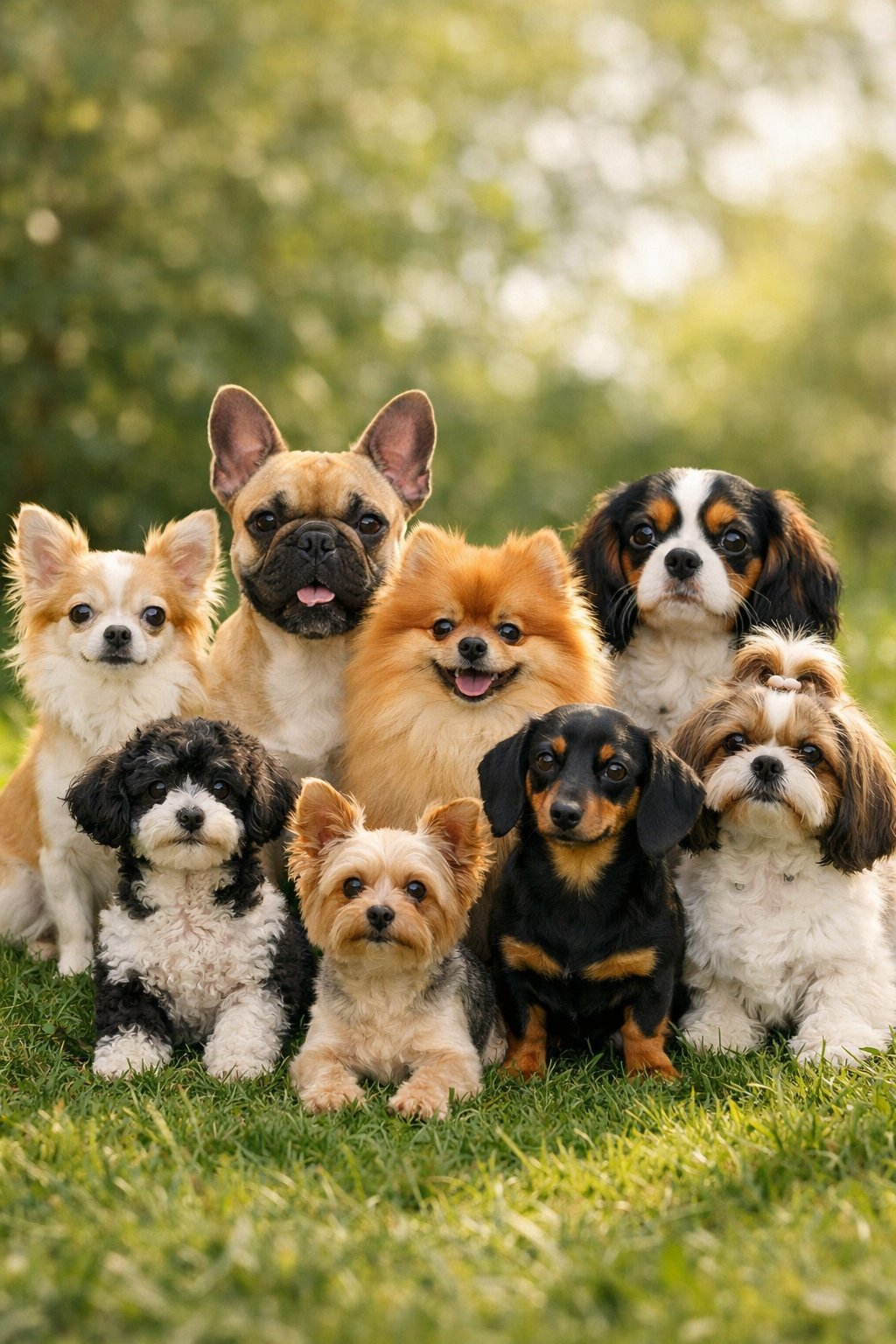
Small dog breeds offer incredible variety, from rare companions with distinctive appearances to hypoallergenic options and high-energy athletes. Each category brings specific traits that match different living situations and owner preferences.
Rare and Distinct Small Breeds
I’ve discovered some truly unique small breeds that stand out from the typical options you see at every dog park. The Alaskan Klee Kai looks like a miniature husky and brings that same striking appearance to a smaller package.
The Biewer Terrier, with its silky tri-colored coat, is a relatively new breed that catches attention wherever it goes. The Schipperke originated in Belgium as a watchdog and has a distinctive black coat with a fox-like face.
I find the Russian Tsvetnaya Bolonka particularly interesting because it was bred in Moscow and remains uncommon outside Russia. This small companion has a curly coat and loving personality.
Rare breeds like the Bolognese offer historic backgrounds dating back centuries. The English Toy Spaniel served as a companion to royalty, while the Pumi from Hungary worked as a herding dog despite its small size.
These breeds often require more effort to locate through specialized breeders, but they provide truly one-of-a-kind companionship.
Low-Shedding and Hypoallergenic Options
I recommend several small breeds for people with allergies or those who prefer less dog hair around their homes. The Chinese Crested comes in hairless and powderpuff varieties, with the hairless version being especially suitable for allergy sufferers.
The American Hairless Terrier offers another hairless option with an energetic, playful personality. The Yorkipoo combines Yorkshire Terrier and Poodle genetics to create a low-shedding companion.
The Brussels Griffon has a wiry coat that sheds minimally when groomed properly. Both the Lhasa Apso and Silky Terrier have hair rather than fur, which means less dander and reduced allergic reactions.
The West Highland White Terrier, Cairn Terrier, and Scottish Terrier all belong to the terrier group with coats that require regular grooming but shed less than many other breeds. I’ve found that small breeds with these coat types work well for apartment living where minimizing loose hair is important.
Energetic Small Dog Breeds
Some small dogs pack serious energy into compact bodies and need active owners who can keep up. Boston Terriers are playful and athletic despite their small stature.
The Rat Terrier was bred for farm work and maintains high energy levels that require daily exercise and mental stimulation. Italian Greyhounds are surprisingly fast runners who love to sprint and play chase games.
The Miniature Pinscher acts like a much larger dog with boundless confidence and energy. Border Terriers were originally bred to keep up with horses during fox hunts, so they need substantial daily activity.
Both the Pembroke Welsh Corgi and Cardigan Welsh Corgi are herding breeds that thrive on having jobs to do. The Toy Fox Terrier combines toy breed size with terrier energy and intelligence.
The Norwich Terrier and Cairn Terrier also maintain high activity levels throughout their lives. The Cocker Spaniel brings sporting dog energy to the small breed category and loves outdoor adventures.
Choosing the Best Small Dog for Your Lifestyle

Finding the right small dog means matching a breed’s needs with your daily routine, experience level, and household setup. Some breeds thrive with active owners while others prefer calm environments.
Certain dogs work better for beginners than seasoned pet parents. I always tell people to think about their actual schedule before picking a breed.
Small dog breeds have different energy levels, and that matters more than size alone. Some dogs need several walks and play sessions daily.
Others are happy with shorter outdoor time and indoor games. If I work long hours, I’d avoid breeds that struggle with alone time.
Key questions to ask yourself:
- How much time can I spend exercising my dog each day?
- Do I live in an apartment or house with a yard?
- Can I afford regular grooming appointments?
- Am I home most days or away for work?
Grooming is another big factor. Breeds with longer coats need brushing several times weekly and regular trims.
Short-coated dogs require less maintenance but still need basic care. I also consider health costs.
Some small breeds are prone to dental issues or other conditions that mean more vet visits.
Best Dogs for First-Time Owners
For first-time dog owners, I recommend breeds that are forgiving and eager to please. The Cavalier King Charles Spaniel is gentle and responds well to positive training methods.
Bichon Frises bond closely with their families and enjoy learning basic commands. They’re not overly stubborn, which helps when I’m still figuring out training techniques.
Great starter breeds:
- Cavalier King Charles Spaniel – calm, affectionate, easy to train
- Bichon Frise – friendly, adaptable, loves human interaction
- Maltese – gentle, devoted, good for apartment living
Poodles rank high for beginners too because they’re smart and pick up commands quickly. I find their intelligence makes training sessions shorter and more rewarding.
Great Small Dogs for Families and Kids
When I’m picking a dog for a household with children, temperament matters most. The Boston Terrier brings playful energy without being too fragile for active kids.
Beagles work well in busy family environments because they were bred to work in groups. They enjoy company and often get along with other pets.
Their friendly nature makes them patient with children who are still learning gentle handling. Poodles adapt to different family dynamics.
They’re energetic dogs that keep up with kids during playtime but also know when to settle down. I’d avoid very tiny toy breeds in homes with young children since small dogs can get hurt accidentally.
Look for sturdier builds and patient personalities instead. The best small dogs for families enjoy interaction without being needy.
They should tolerate some noise and activity while still being trainable enough to follow household rules.
Caring for and Living With Small Dog Breeds
Small dogs need proper exercise, regular grooming, and consistent training to stay healthy and happy. Understanding these care basics helps you build a strong bond with your small dog breed companion.
Exercise and Activity Requirements
I’ve found that small dog breeds need 20 to 40 minutes of daily activity despite their compact size. Many people assume tiny dogs don’t need much exercise, but this couldn’t be further from the truth.
Different breeds have different energy levels. A Yorkshire Terrier or Miniature Schnauzer needs more physical activity than a French Bulldog or Shih Tzu.
I recommend breaking up exercise into shorter sessions throughout the day. Daily activity options include:
- Short walks around the neighborhood
- Indoor play sessions with toys
- Interactive games like hide and seek
- Puzzle toys for mental stimulation
- Brief training sessions
I always adjust exercise based on weather conditions. Small dogs get cold quickly in winter and can overheat in summer due to their size.
Indoor activities work well when outdoor conditions aren’t ideal.
Grooming and Health Needs
Grooming requirements vary widely among small dog breeds list options. I’ve learned that coat type determines how much time you’ll spend on maintenance.
Short-coated breeds like Boston Terriers need weekly brushing. Long-haired breeds like Maltese or Shih Tzus require daily brushing to prevent mats and tangles.
Double-coated breeds such as Pomeranians benefit from regular deshedding sessions. All small dogs need regular dental care.
I brush my dog’s teeth daily because small breeds are prone to dental disease due to crowded teeth. Nail trimming every 3-4 weeks prevents overgrowth and discomfort.
Common health issues I watch for include:
- Luxating patella (slipping kneecap)
- Tracheal collapse in breeds with delicate airways
- Hypoglycemia in very small puppies
- Dental problems
I schedule routine veterinary checkups twice a year. Early detection helps manage these conditions before they become serious problems.
Training Tips for Small Dogs
I never skip training just because my dog is small.
Small dogs can develop behavioral issues when they’re overly pampered or allowed to make household rules.
The American Kennel Club recommends starting obedience training early.
I use positive reinforcement with treats, praise, and play.
Small dogs learn quickly when training sessions stay short and engaging.
My essential training priorities:
- Basic commands (sit, stay, come)
- Socialization with people and other dogs
- Leash walking without pulling
- Crate training for safety and comfort
I’ve noticed that many small dog breeds are surprisingly intelligent.
Patience matters more than perfection.
I address barking early since many small breeds are naturally vocal and protective.