
DIY Dog Food Recipe: Easy Homemade Meals Your Pup Will Love

DIY Dog Food Recipe – Making dog food at home lets you control what goes into your pet’s bowl. You can create balanced, nutritious meals using simple ingredients like lean meats, vegetables, and grains that cost less than premium store brands while avoiding fillers and additives.
Many pet owners turn to homemade dog food recipes when they worry about recalls or want to address their dog’s specific health needs.
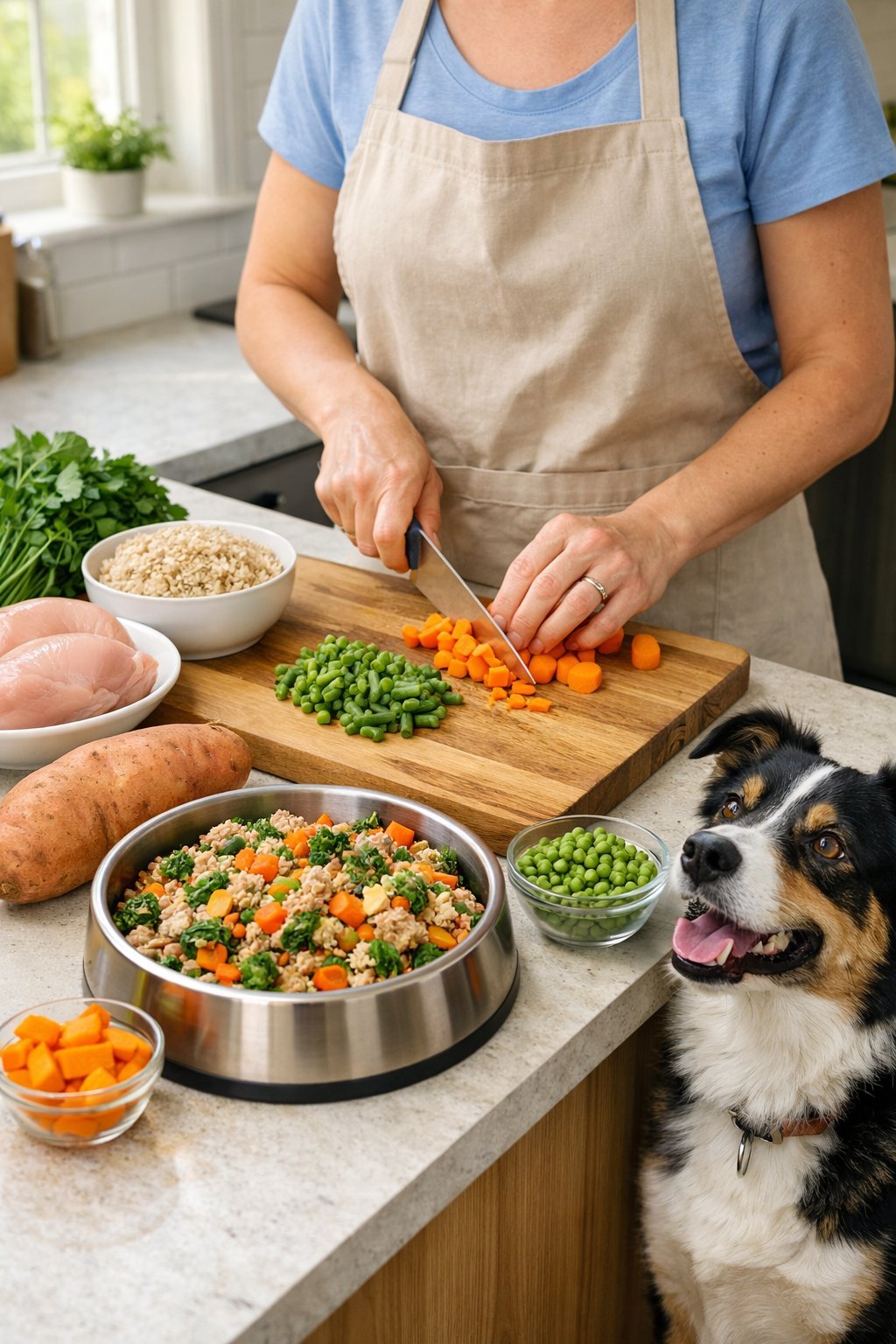
I’ve found that cooking for my dog strengthens our bond and gives me peace of mind about meal quality. The process doesn’t have to be complicated or time-consuming.
With a few basic ingredients and some planning, you can prepare fresh, healthy meals that keep tails wagging.
Before switching to homemade food, I learned that getting the right blend of ingredients matters for preventing nutritional imbalances.
This guide walks you through everything from choosing ingredients to storing meals properly so your dog gets complete nutrition in every bite.
Key Takeaways
- Homemade dog food gives you full control over ingredients while often costing less than premium commercial options
- A balanced recipe requires proper portions of protein, vegetables, and carbohydrates to meet your dog’s nutritional needs
- Proper storage and serving guidelines help maintain freshness and ensure your dog receives consistent nutrition
Benefits of Homemade Dog Food
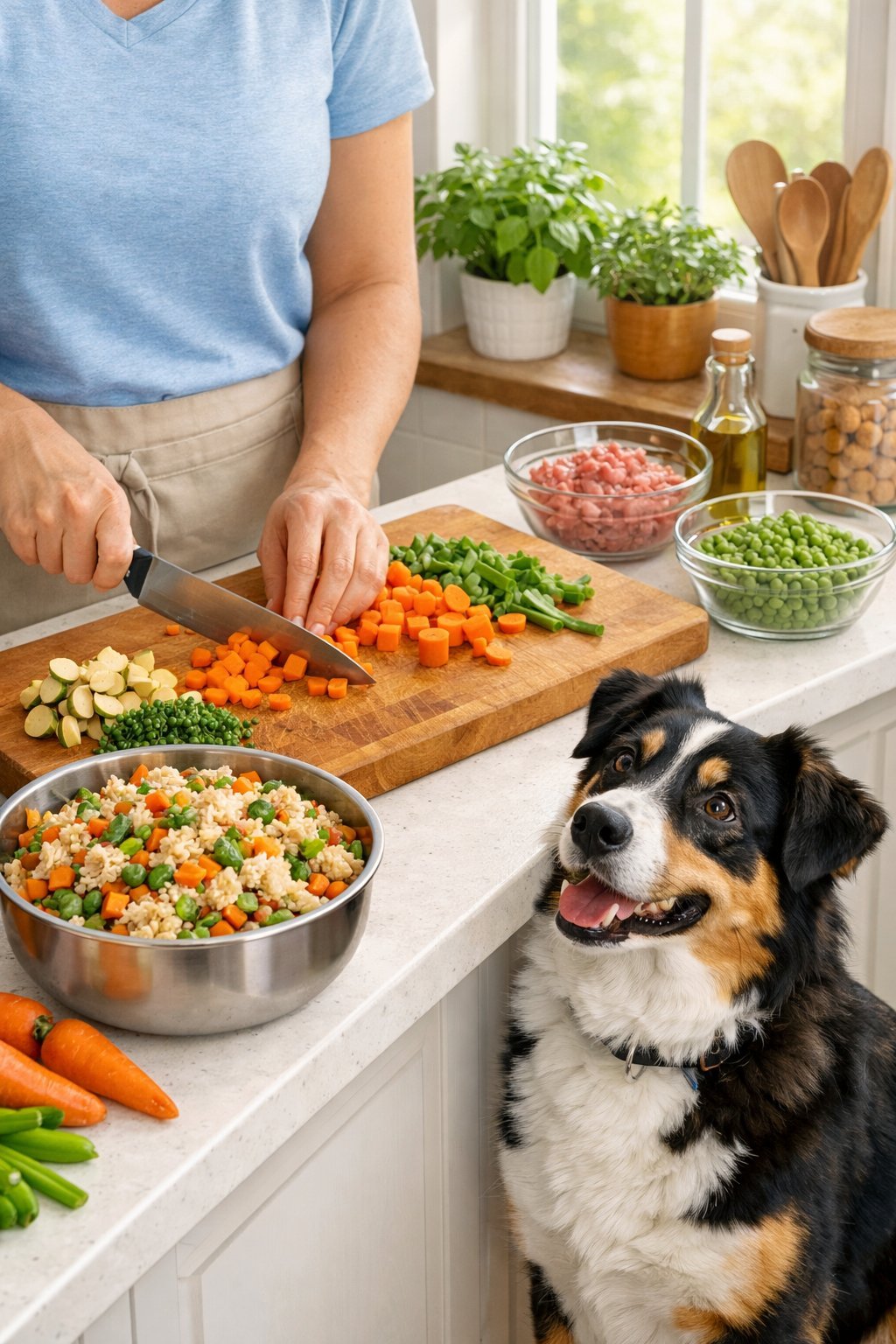
Making dog food at home gives you complete control over what goes into your pup’s bowl. You can choose fresh ingredients, save money over time, and adjust recipes to fit your dog’s specific needs.
Nutritional Advantages
When I prepare homemade dog food, I know exactly what my dog is eating. There are no mystery fillers or artificial preservatives hiding in the ingredients.
Fresh, high-quality ingredients provide better nutrition than many commercial options. I can include lean proteins like chicken or turkey, healthy vegetables like sweet potatoes and carrots, and beneficial fats from sources like fish oil.
This approach helps me avoid common allergens that might be in store-bought food. If my dog has sensitivities to certain grains or proteins, I simply leave them out of the recipe.
Homemade meals often lead to visible health improvements. Many pet owners notice shinier coats, better digestion, and more energy in their dogs.
The nutrients in fresh food are easier for dogs to absorb compared to heavily processed kibble.
Cost Savings
Making dog food at home can be cheaper than buying premium commercial brands. I buy ingredients in bulk when they’re on sale, which cuts down my overall costs.
The savings add up quickly, especially for large dogs that eat more food. A bag of high-quality kibble might cost $60-80 per month, while homemade options are budget-friendly when I plan meals around affordable proteins and seasonal vegetables.
I also reduce waste by using ingredients I already have in my kitchen. Leftover cooked chicken, brown rice, and vegetables can become part of my dog’s next meal.
Tailored Diet for Your Dog
Every dog has different nutritional needs based on their age, size, and health conditions. Homemade food lets me customize meals to my dog’s preferences and needs.
If my dog is a picky eater, I can experiment with different proteins and flavors until I find what they love. For dogs with sensitive stomachs, I can make gentle recipes with easily digestible ingredients.
I can also adjust portion sizes and ingredients as my dog ages. Puppies need different nutrients than senior dogs, and homemade food makes these changes simple.
Essential Ingredients for DIY Dog Food
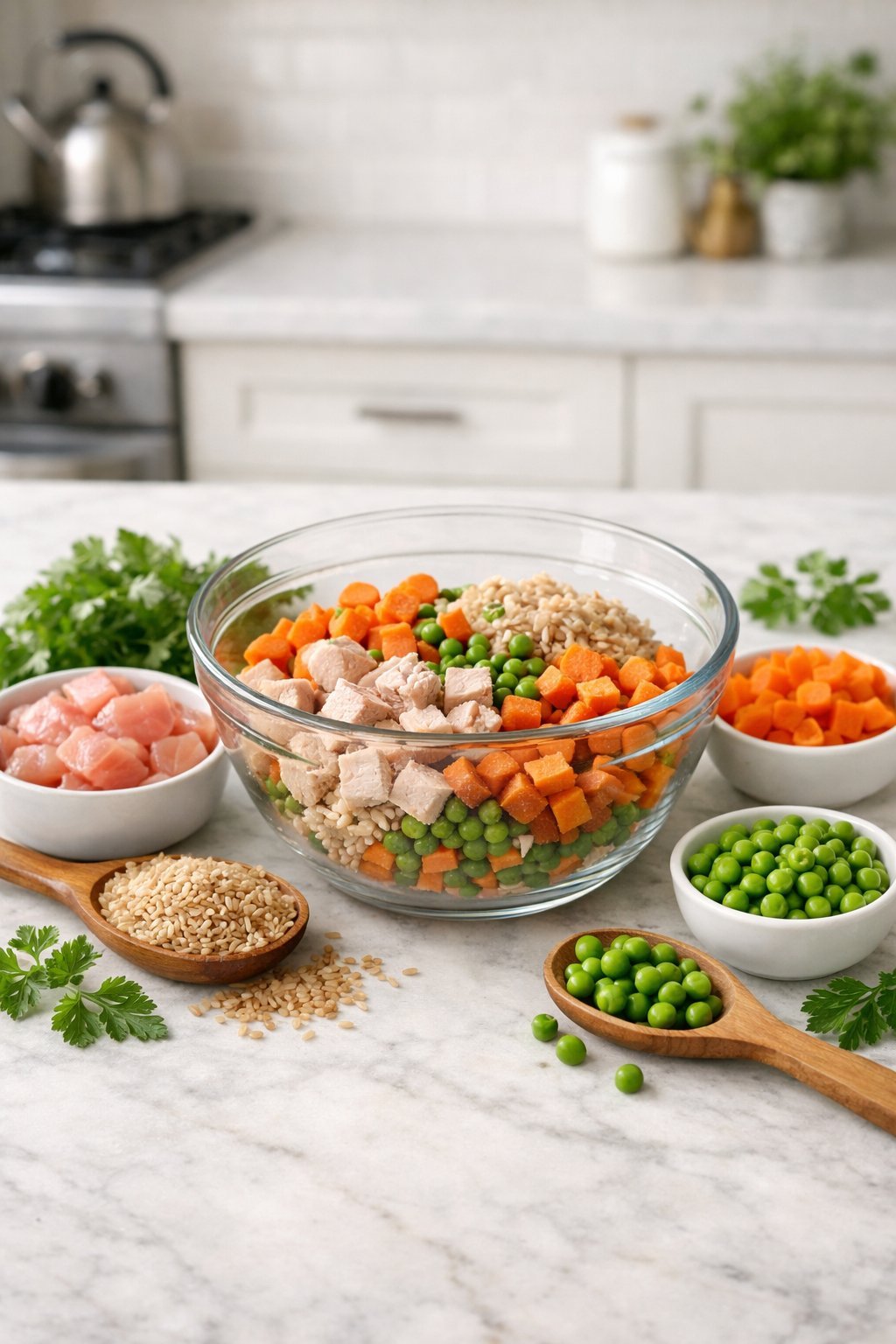
Making dog food at home requires the right balance of proteins, carbohydrates, vegetables, and supplements to keep your pup healthy. I focus on using whole, fresh ingredients that provide complete nutrition for my dog’s specific needs.
Protein Sources for Dogs
Protein forms the foundation of any homemade dog food recipe. I use lean meats like chicken, turkey, and beef as primary protein sources because they provide essential amino acids my dog needs for muscle development and energy.
Ground turkey and chicken breast are excellent choices that cook quickly and mix well with other ingredients. I also rotate in lean protein options like fish, which adds omega-3 fatty acids for a healthy coat.
Eggs work as another protein option that I scramble or hard-boil for easy mixing. Some dog owners use organ meats like liver, which provides extra vitamins and minerals.
I cook all meats thoroughly to kill harmful bacteria. Raw meat diets require careful planning to meet nutritional standards, so I stick with cooked proteins unless following a specific raw food plan.
Healthy Carbohydrates
Carbohydrates give my dog sustained energy throughout the day. I choose whole grains like brown rice as a base because they’re easy to digest and provide fiber.
White rice works well for dogs with sensitive stomachs, though it has less nutritional value than brown rice. Oatmeal is another carbohydrate I use that adds soluble fiber to support digestive health.
Sweet potatoes and regular potatoes (cooked, never raw) offer complex carbohydrates with added vitamins. I peel and cook them until soft before mixing them into meals.
Quinoa provides a grain-free alternative for dogs with wheat sensitivities. I always cook carbohydrates completely before serving to make them digestible for my dog’s system.
Safe Vegetables and Fruits
Vegetables add vitamins, minerals, and fiber to homemade dog food. I include dog-safe vegetables like carrots, green beans, and sweet potatoes in most recipes.
Carrots provide beta-carotene and crunch that my dog enjoys. I chop or shred them finely so they’re easier to digest.
Green beans are low in calories and high in fiber, making them perfect for weight management. Peas add protein and vitamins, while spinach (in small amounts) provides iron.
I avoid onions, garlic, and grapes completely because they’re toxic to dogs. Blueberries and apples (without seeds) work as occasional fruit additions.
I keep fruit portions small since too much can cause stomach upset. Steaming vegetables makes nutrients more available for absorption.
Beneficial Supplements
Even well-planned homemade meals need supplements to be nutritionally complete. I add calcium through ground eggshells or calcium carbonate powder to balance the phosphorus in meat.
Fish oil capsules provide omega-3 fatty acids that support joint and brain health. I mix one or two capsules into each batch depending on my dog’s size.
A multivitamin formulated for dogs helps fill nutritional gaps. I consult my vet about specific vitamin and mineral needs based on my dog’s age and health condition.
Some recipes benefit from added fiber through psyllium husk or pumpkin puree. I include these when my dog needs digestive support or regular bowel movements.
Step-by-Step DIY Dog Food Recipe
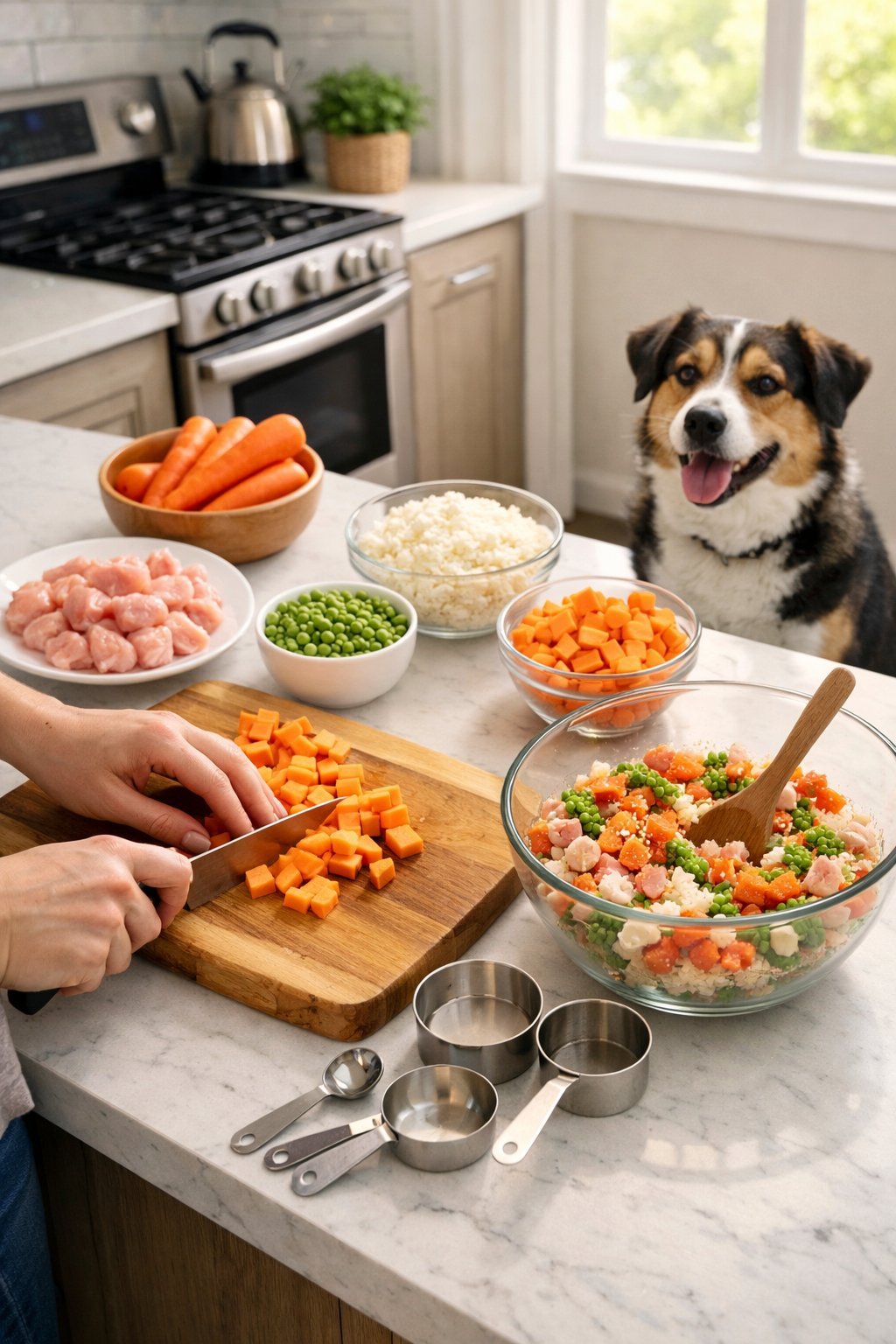
Making homemade dog food requires basic kitchen equipment, fresh ingredients, and simple cooking methods. I’ll walk you through everything you need to prepare a nutritious meal your dog will love.
Necessary Equipment and Tools
I use a large pot or Dutch oven as my main cooking vessel. This size works well for preparing multiple servings at once.
You’ll also need a sharp knife and cutting board for chopping vegetables and meat. A wooden spoon helps me stir the ingredients while they cook.
I keep measuring cups and spoons handy to get the portions right. Storage containers are essential for keeping the food fresh.
I prefer airtight containers that can go straight into the refrigerator or freezer. A food scale helps me measure ingredients accurately, especially when following vet-approved recipes that require specific proportions.
Preparing Ingredients
I start by selecting a lean protein source like ground turkey, chicken, or beef. I measure out about 2 pounds of meat for a batch.
Next, I chop vegetables into small, bite-sized pieces so they’re easy for my dog to digest. Good vegetable options include carrots, green beans, and sweet potatoes.
I aim for about 2 cups of mixed vegetables. I also prepare 2 cups of cooked brown rice or quinoa as the grain component.
Some recipes include supplements to ensure balanced nutrition. I wash all vegetables thoroughly and remove any seeds or pits.
Cutting everything into uniform sizes helps the food cook evenly.
Cooking Instructions
I brown the ground meat in my large pot over medium heat, breaking it into small pieces. Once the meat is cooked through, I drain any excess fat.
Then I add the chopped vegetables and about 4 cups of water to the pot. I bring the mixture to a boil, then reduce the heat and let it simmer for 15-20 minutes.
The vegetables should be tender but not mushy. I stir in the pre-cooked rice during the last 5 minutes.
After turning off the heat, I let the homemade dog food cool completely before serving. I portion the food into my storage containers, keeping what I’ll use within 3-4 days in the refrigerator.
The rest goes into the freezer where it stays good for up to 3 months.
Tips for Customizing Recipes
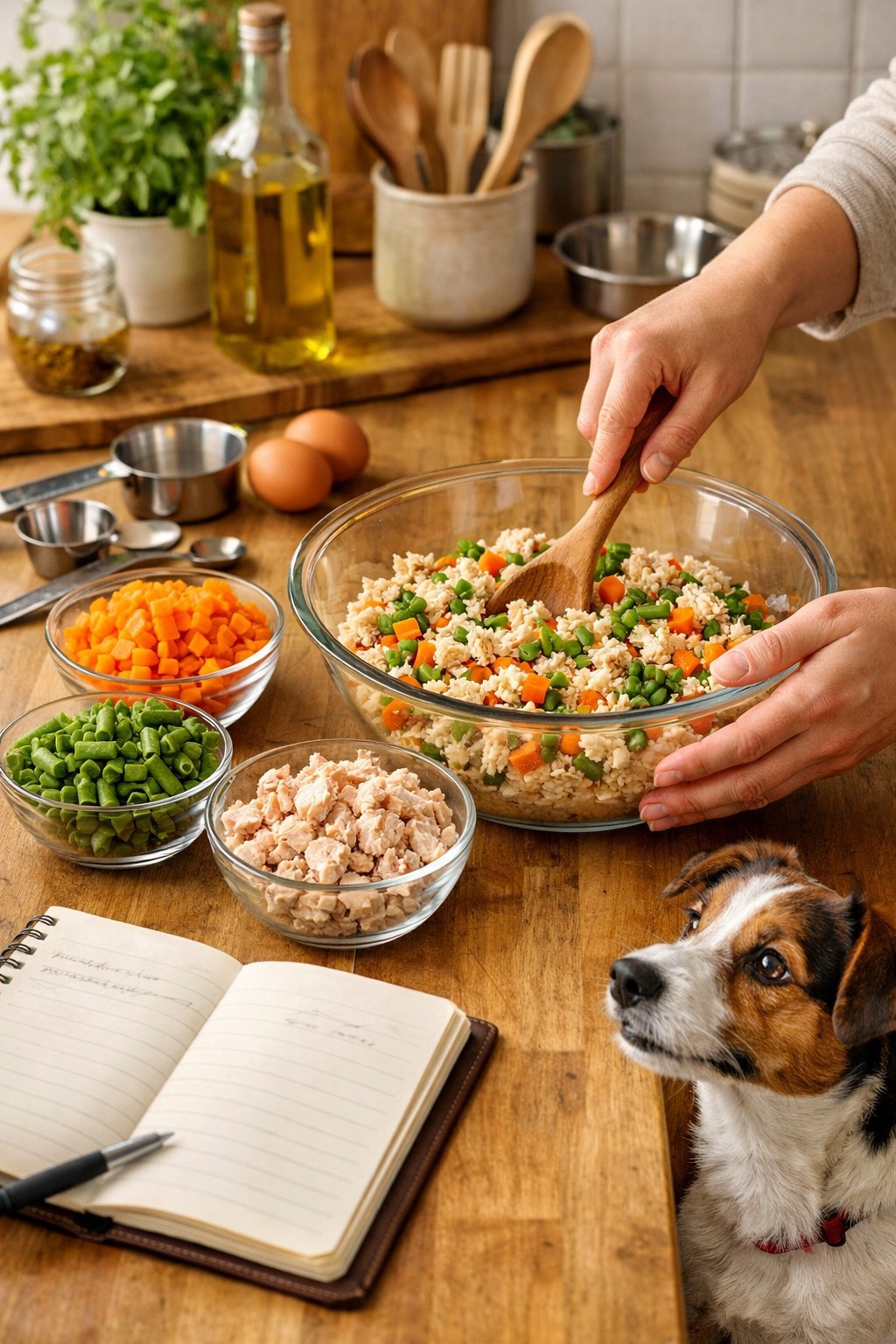
Every dog has different needs based on their size, health issues, and preferences. I’ve learned that making small changes to homemade recipes can help meet these specific requirements.
Adjusting Portions for Different Breeds
I always calculate portion sizes based on my dog’s weight and activity level. A small breed like a Chihuahua needs about 40 calories per pound of body weight daily, while larger breeds need around 20-30 calories per pound.
Here’s what I use as a starting guide:
| Dog Size | Weight Range | Daily Calories |
|---|---|---|
| Small | 5-20 lbs | 200-800 |
| Medium | 20-50 lbs | 800-1,400 |
| Large | 50-100 lbs | 1,400-2,500 |
I divide the total daily amount into two or three meals. Puppies need more frequent feeding, so I split their portions into three or four meals throughout the day.
Active dogs burn more energy and need larger portions. I increase serving sizes by about 20-30% for dogs who exercise heavily or work regularly.
Dealing with Food Allergies
I identify common allergens by watching for symptoms like itching, ear infections, or digestive problems. The most frequent culprits are chicken, beef, dairy, wheat, and soy.
When I suspect an allergy, I start with a simple recipe using one protein source my dog hasn’t eaten before. Turkey, duck, or fish work well as alternatives to chicken and beef.
I keep the recipe basic for 8-12 weeks to see if symptoms improve. I replace wheat-based carbs with sweet potatoes, white rice, or oatmeal.
These options are gentler on sensitive stomachs. For dogs with multiple allergies, I work with ingredients like lamb, venison, or rabbit as protein sources.
Rotating Ingredients Safely
I change protein sources every few weeks to prevent food sensitivities from developing. This approach also ensures my dog gets different nutrients from various foods.
When switching ingredients, I do it gradually over 7-10 days. I start by mixing 25% of the new ingredient with 75% of the old recipe.
Every few days, I increase the new ingredient proportion until the transition is complete. I rotate between different proteins like beef, chicken, fish, and turkey.
I also vary the vegetables and grains. One week might feature brown rice and carrots, while the next uses quinoa and green beans.
I keep a simple log of what I feed. I watch for any reactions to track which combinations work best for my dog’s health and energy levels.
Storage and Serving Guidelines
Proper storage keeps homemade dog food fresh and safe. Correct serving practices ensure your pup gets the right amount of nutrition at each meal.
Proper Storage Methods
I always refrigerate homemade dog food within two hours of cooking. The food stays fresh in the fridge for 3 to 5 days when I store it in airtight containers.
For longer storage, I freeze portions in meal-sized containers. Freezing homemade dog food keeps it safe for up to 3 months.
I label each container with the date so I know when I made it. I use glass or BPA-free plastic containers with tight lids.
These prevent bacteria growth and keep odors contained. I divide large batches into individual servings before freezing so I only thaw what my dog needs.
When I’m ready to serve frozen food, I thaw it in the refrigerator overnight. I never leave dog food sitting at room temperature for more than 2 hours.
This prevents harmful bacteria from growing.
Safe Serving Practices
I serve homemade dog food at room temperature or slightly warm. Cold food straight from the fridge can upset some dogs’ stomachs.
I warm refrigerated portions for 15-30 seconds in the microwave. Then I stir well and check the temperature.
The serving size depends on my dog’s weight, age, and activity level. Most adult dogs need about 2-3% of their body weight in food daily.
I divide this into two meals. I always use clean bowls for each meal.
After my dog finishes eating, I remove any uneaten food within 30 minutes. Leaving food out too long attracts bacteria and pests.
I watch my dog’s weight and energy levels closely. If my dog gains or loses weight, I adjust portion sizes accordingly.
Printable Recipe Card
Want just the essential recipe details without scrolling through the article? Get our printable recipe card with just the ingredients and instructions.