
Potty Training Puppy: Simple Methods for Fast and Stress-Free Results

Bringing home a new puppy is exciting, but accidents on your carpet can quickly dampen that joy. I’ve helped a lot of dog owners deal with house training, and I know it can feel overwhelming at first.
The good news is that with the right approach, most puppies can learn where to go potty within a few weeks.
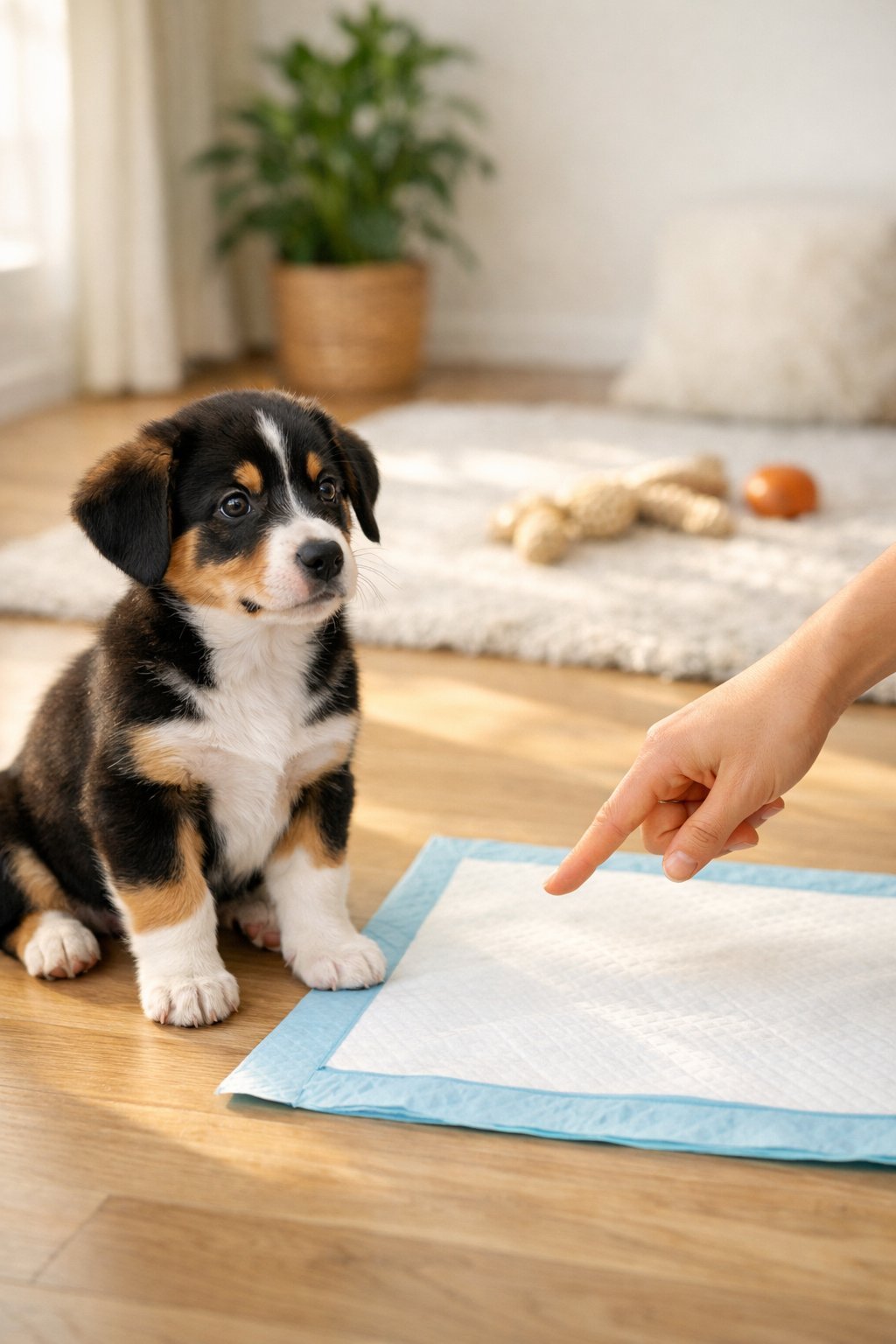
Potty training a puppy requires consistency, patience, and a solid routine. I’ll walk you through the steps that work, from setting up a schedule to handling accidents without losing your cool.
Whether you’re working with a tiny eight-week-old or an older puppy who needs a fresh start, these methods will help you out.
The key to house training your puppy isn’t complicated, but it does take dedication. I’m going to share practical strategies that fit into your daily life and help your puppy build good bathroom habits quickly.
Let’s get started on creating a clean, accident-free home.
Key Takeaways
- Establishing a consistent potty schedule helps puppies learn when and where to eliminate.
- Positive reinforcement works better than punishment when teaching your puppy bathroom habits.
- Accidents are normal during training and require patience and proper cleanup techniques.
Understanding Potty Training for Puppies
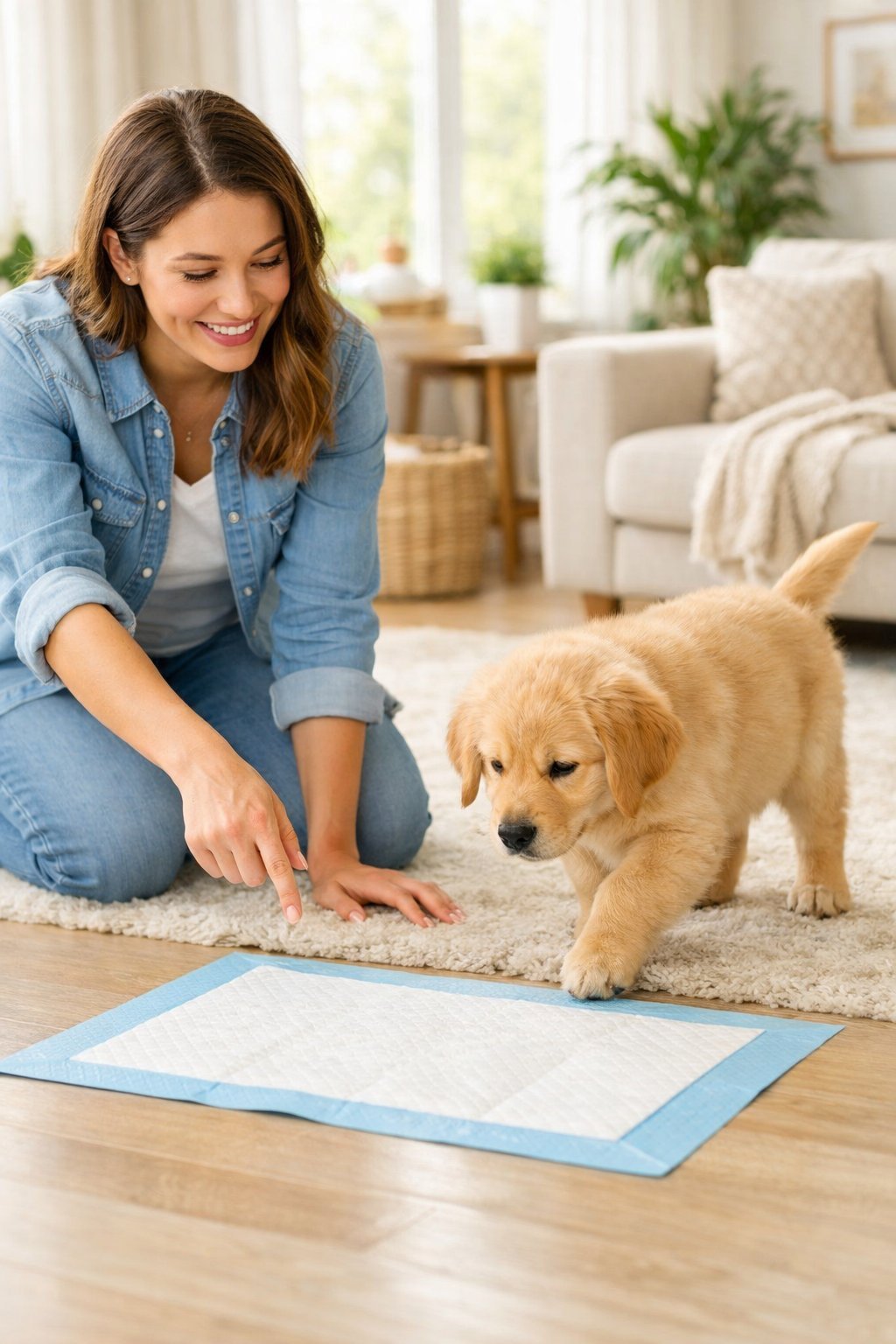
Puppies need time to develop bladder control and learn where to go potty. Success comes from understanding how puppies learn and building consistent habits from day one.
Why Early Training Matters
Starting potty training as soon as you bring your puppy home sets the foundation for good habits. Puppies are most receptive to learning between 8 and 16 weeks old.
During this time, their brains are developing quickly and they can form lasting patterns. Waiting too long to start training makes the process harder.
Puppies who don’t get early guidance often develop bad habits that take months to break. Every accident inside your home teaches your puppy that going potty indoors is acceptable.
Early training also helps prevent behavioral problems later. A puppy who learns the rules quickly feels more confident and secure in their home.
Typical Puppy Bladder Control
Young puppies have small bladders and weak muscles. They physically can’t hold their pee for long periods.
A general rule is that puppies can hold it for one hour per month of age, plus one. So a 2-month-old puppy needs to go out every three hours.
Age-Based Potty Schedule:
- 8 weeks old: Every 2-3 hours
- 12 weeks old: Every 3-4 hours
- 16 weeks old: Every 4-5 hours
- 6 months old: Every 6-7 hours
Puppies also need to go right after waking up, after eating, after playing, and before bed. I always take my puppy out during these key times to prevent accidents.
Key Principles of Puppy Learning
Successful puppy potty training is based on repetition and positive reinforcement instead of punishment. Puppies learn by connecting actions with outcomes.
When I praise my puppy immediately after they go potty outside, they understand that’s what I want. Consistency is the most important factor.
I take my puppy to the same spot every time and use the same command words. This helps them understand what’s expected.
Punishment doesn’t work and can make training harder. If I yell at my puppy for an accident, they learn to hide when they need to go.
Instead, I simply clean up accidents without fuss and focus on rewarding good behavior outside.
Preparing for House Training
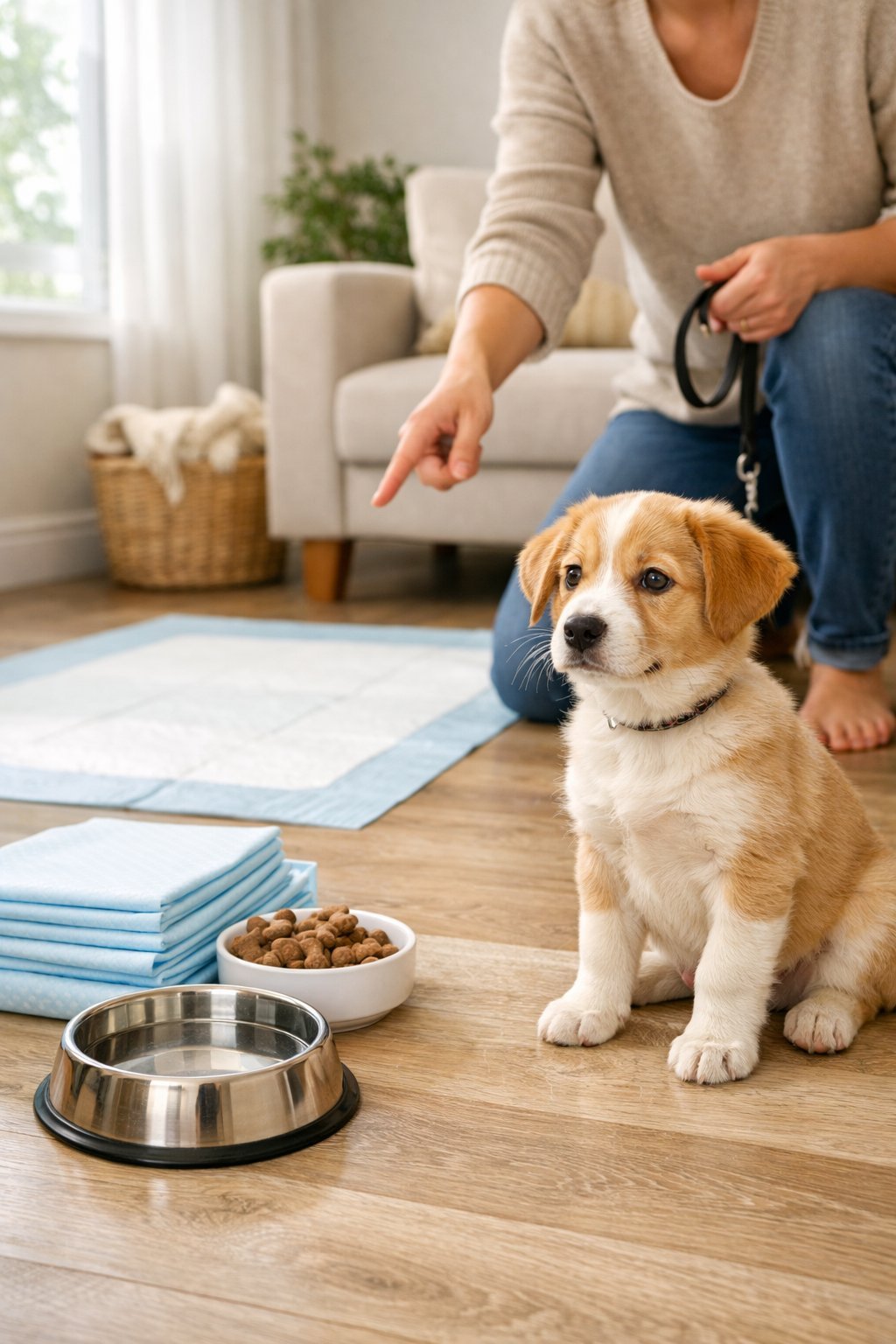
Getting ready before you start potty training makes everything smoother for both you and your puppy. Having the right supplies, picking a specific bathroom spot, and setting up a schedule will help your puppy learn faster.
Choosing the Right Supplies
I recommend gathering all your house training supplies before bringing your puppy home. You’ll need an appropriately sized crate that’s big enough for your puppy to stand up, turn around, and lie down, but not so large that they can use one corner as a bathroom.
I also suggest getting enzyme-based cleaning products specifically made for pet accidents. Regular cleaners don’t fully remove the smell, which can lead your puppy back to the same spot.
Other helpful items include:
- Puppy pads for emergency situations or apartment living
- Treats for rewards (small, soft pieces work best)
- A leash for taking your puppy to their potty spot
- Baby gates to limit access to certain areas
Designating a Potty Area
I always pick one specific outdoor spot for my puppy’s bathroom area. This helps them understand where they should go.
The spot should be easy to reach quickly, especially during those urgent middle-of-the-night trips. I make sure the area is relatively quiet and free from too many distractions.
Puppies need to focus on the task at hand. The scent from previous trips will encourage your puppy to use the same spot again.
For apartment dwellers, I suggest choosing a consistent location on your balcony or a specific area where you place puppy pads. Consistency is what matters most.
Establishing a Consistent Routine
I’ve found that puppies do best with a predictable schedule for eating, drinking, and bathroom breaks. I take my puppy out first thing in the morning, after every meal, after naps, after playtime, and right before bed.
Most puppies need to go outside every 2-3 hours during the day. Young puppies have small bladders and can’t hold it very long.
I feed my puppy at the same times each day, which helps predict when they’ll need to go. I also take up the water bowl about two hours before bedtime to reduce nighttime accidents.
Professional dog trainers recommend keeping a written log of your puppy’s bathroom times to help you spot patterns and adjust your schedule accordingly.
Step-by-Step Guide to Potty Training Success
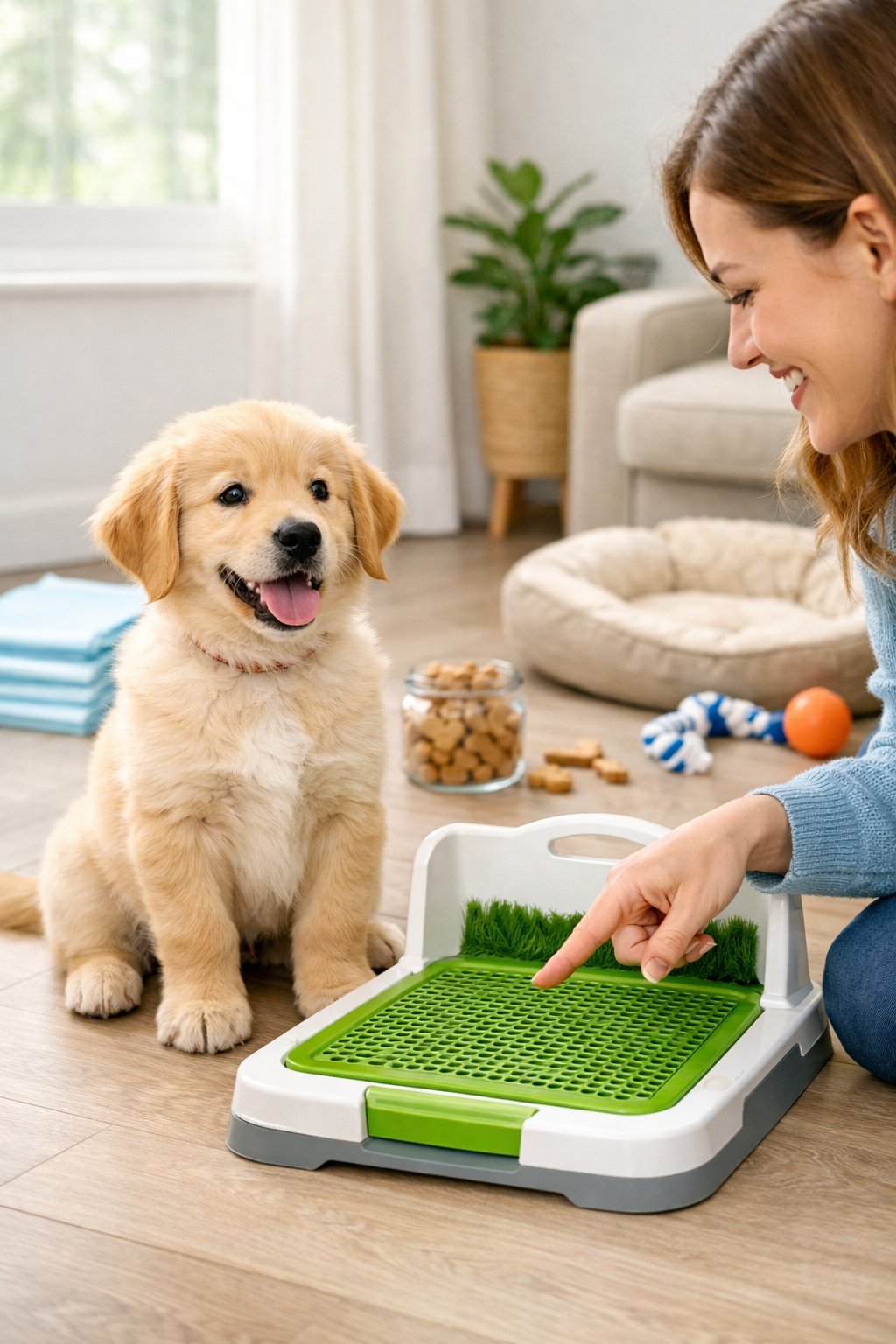
I’ve found that successful potty training comes down to reading your puppy’s signals, rewarding good behavior right away, sticking to a bathroom schedule, and managing your home to prevent mistakes.
These core skills work together to help your puppy learn where and when to go potty.
Recognizing When Your Puppy Needs to Go
I always watch for specific signs that tell me my puppy needs a bathroom break. Puppies usually show clear signals before they have an accident.
Common signs include:
-
Sniffing the ground or floor
-
Walking in circles
-
Whining or barking
-
Heading toward the door
-
Sudden restlessness or pacing
-
Squatting or lifting a leg
I pay extra attention after certain events because puppies almost always need to go at these times. Right after waking up, I take my puppy outside immediately.
The same goes for after eating, drinking water, or finishing playtime. Young puppies can only hold their bladder for about one hour per month of age.
A two-month-old puppy needs to go every two hours, while a three-month-old can wait about three hours. I keep this rule in mind to prevent accidents before they happen.
Using Positive Reinforcement
I reward my puppy immediately when they potty in the right spot. Positive reinforcement creates consistent habits and helps puppies learn faster than punishment ever could.
The moment my puppy finishes going potty outside, I give them a small treat and use an excited, happy voice. I say the same praise words every time, like “good potty!”
This helps my puppy connect the action with the reward.
My favorite rewards include:
-
Small, soft training treats
-
Verbal praise in an upbeat tone
-
A quick play session with a favorite toy
-
Gentle petting and affection
Timing matters more than anything else. I give the reward within three seconds of my puppy finishing.
Waiting even 30 seconds can confuse them about what they’re being rewarded for. I never punish accidents inside the house.
Yelling or rubbing a puppy’s nose in their mess just makes them scared of me, not better at potty training.
Scheduling Regular Potty Breaks
I stick to a strict potty schedule because consistency builds good habits fast. My puppy learns when to expect bathroom breaks and can hold it better between scheduled times.
My daily potty break schedule:
| Time | Activity |
|---|---|
| First thing in morning | Immediately after waking up |
| After meals | Within 15-20 minutes of eating |
| After drinking | Especially after long water breaks |
| After playtime | When active play sessions end |
| Before bedtime | Last break before sleep |
| Every 1-2 hours | Throughout the day for young puppies |
I take my puppy to the same spot each time. They smell their previous scent there, which encourages them to go again.
I use the same door to go outside so my puppy learns where to wait when they need out. I also keep meal times consistent.
When my puppy eats at the same times daily, their bathroom needs become predictable.
Reducing Indoor Accidents
I manage my home environment to set my puppy up for success. Prevention stops bad habits before they start.
I supervise my puppy constantly when they’re loose in the house. If I can’t watch them, I put them in a crate or small puppy-proofed room.
Puppies won’t usually soil their sleeping area, which makes crate training helpful for housebreaking.
My accident prevention checklist:
-
Keep puppy in sight at all times
-
Use baby gates to limit access to rooms
-
Take away water 1-2 hours before bedtime
-
Clean accidents with enzyme cleaner to remove odors
-
Interrupt accidents calmly and take puppy outside
When I catch my puppy starting to have an accident, I clap once or say “outside” in a normal voice. Then I quickly carry them to their potty spot.
If they finish outside, I praise and reward them. I clean accident spots thoroughly with an enzyme-based cleaner made for pet messes.
Regular cleaners don’t remove the smell that draws puppies back to the same spot.
Common Potty Training Challenges
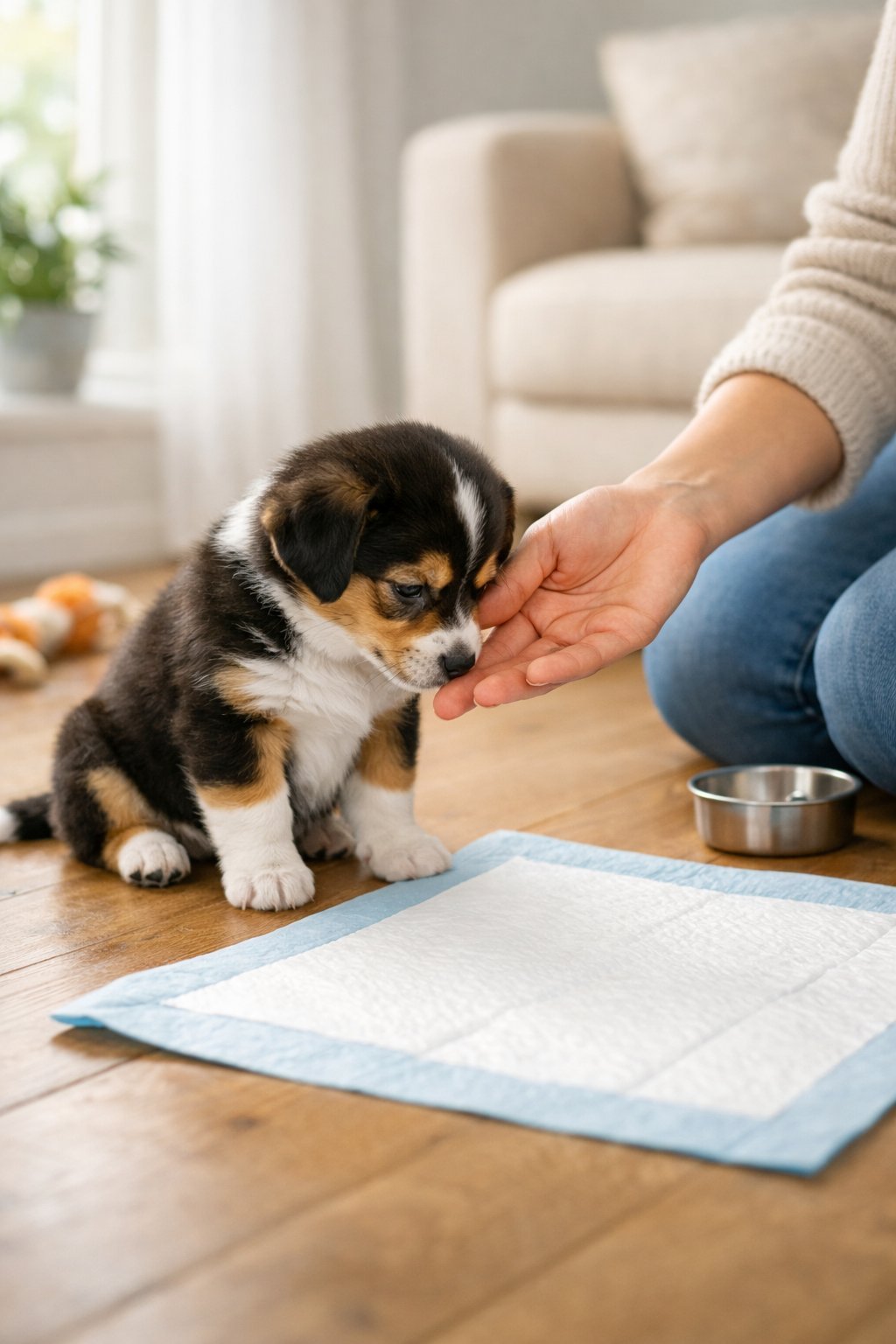
Puppies don’t always follow a perfect timeline, and accidents happen even when you’re doing everything right. Understanding the most common obstacles—from nighttime struggles to apartment restrictions—helps you stay patient and adjust your approach when needed.
Dealing With Setbacks
Setbacks are normal and don’t mean you’ve failed as a puppy parent. Your puppy might have accidents after weeks of success due to changes in routine, stress, or even medical issues like urinary tract infections.
When accidents happen, I recommend staying calm and never punishing your puppy. Clean the area thoroughly with an enzyme cleaner to remove odors that might encourage repeat accidents.
Go back to basics by increasing supervision and taking your puppy out more frequently. Sometimes setbacks occur during the first week at home as your puppy adjusts to new surroundings.
If accidents persist for more than a few days despite consistent training, contact your vet to rule out health problems. Track when accidents happen to identify patterns—maybe your puppy needs more frequent breaks or struggles at specific times of day.
Nighttime Potty Training Tips
Nighttime training requires a different strategy than daytime routines. I always limit water access about two hours before bedtime, though your puppy should never be denied water if thirsty.
Take your puppy out right before bed and be prepared for at least one middle-of-the-night bathroom break, especially for young puppies. Keep nighttime trips boring—no playing or talking—so your puppy learns it’s time for business, not fun.
Place your puppy’s crate near your bedroom so you can hear whining signals. Young puppies under 12 weeks typically can’t hold their bladder all night.
As your puppy matures, gradually extend the time between nighttime breaks until they can sleep through the night.
Managing Apartment Living
Apartment potty training presents unique challenges, but it’s totally doable with the right strategy. Pick a specific outdoor spot near your building and stick to it, even if it means a few extra elevator rides.
Here are some apartment-specific strategies that make life easier:
- Use pee pads near the door as a backup early on.
- Keep a potty kit by the door with bags, treats, and a leash for quick getaways.
- Build friendly relationships with neighbors who get that puppy training is a process.
- Set phone alarms so you never miss a potty break while inside.
High-rise living means you can’t always get outside super fast. Training your puppy to use a balcony potty area with artificial grass can help as a temporary fix, but outdoor training is still the main goal.
Addressing Separation Anxiety
Some puppies have accidents when left alone, and it’s often due to anxiety, not just lack of training. Separation anxiety can trigger stress and lead to accidents, even with puppies who know the rules.
Start small by leaving your puppy alone for just 5 to 10 minutes, then gradually make those absences longer. Practice your leaving routine without actually going anywhere to help your puppy stay calm.
Keep departures and arrivals mellow—no big fussing or excitement. This helps your puppy feel less anxious about you coming and going.
Give your puppy special toys or treats that only come out when you’re away. If anxiety sticks around, a professional trainer or veterinary behaviorist can offer extra help.
Transitioning to Outdoor Success

Moving your puppy from indoor potty habits to outdoor bathroom breaks takes patience and a clear plan. Weather and new places can throw off your puppy’s progress, so being ready for those challenges is key.
Moving From Pads to the Yard
To transition from puppy pads to outdoor potty, start by moving the pads closer to your door a little each day. Once the pad is right by the exit, place one just outside in the yard.
This helps your puppy get the idea that potty time is moving outdoors. Keep the outdoor pad in the same spot for about a week so it becomes familiar.
When your puppy reliably uses the outdoor pad, start taking it away. Always bring your puppy to the same spot for potty breaks—the familiar scent helps.
Timing is everything. Take your puppy outside every two hours, plus after meals, naps, and playtime. Young puppies might need even more trips.
Reward outdoor success right away with treats and lots of praise. Positive reinforcement helps your puppy learn fast.
Training in Different Weather Conditions
Rain, snow, or extreme temps can make puppies hesitant to go outside. I keep outings short but consistent to help my puppy adjust to potty training in all weather.
For rainy days, I use an umbrella to keep my puppy dry. A waterproof jacket can also help some pups feel more comfortable.
Cold weather means extra prep. Booties protect paws from ice or salt, and short trips work better than waiting around in the cold.
On hot days, I schedule potty breaks for early mornings or evenings. Pavement can get dangerously hot for sensitive paws.
I never skip outdoor trips, even if the weather’s bad. Skipping can confuse your puppy and slow down training.
Introducing New Environments
Taking your puppy to new places helps them learn to potty anywhere, not just at home. Start with quiet spots like a friend’s backyard before moving on to busier areas.
New smells and sounds can be distracting. Keep your puppy on a leash and guide them to a good potty spot. Walking in small circles often helps get things moving.
Bring some really tasty treats to reward your puppy in new places. It keeps them focused even with distractions.
Practice in parks, on sidewalks, and other public places. Give your puppy time to get comfortable; some need five to ten minutes before they’re ready to go.
Consistency is important everywhere. Use the same command words and reward system you use at home so your puppy knows what’s expected.
Frequently Asked Questions
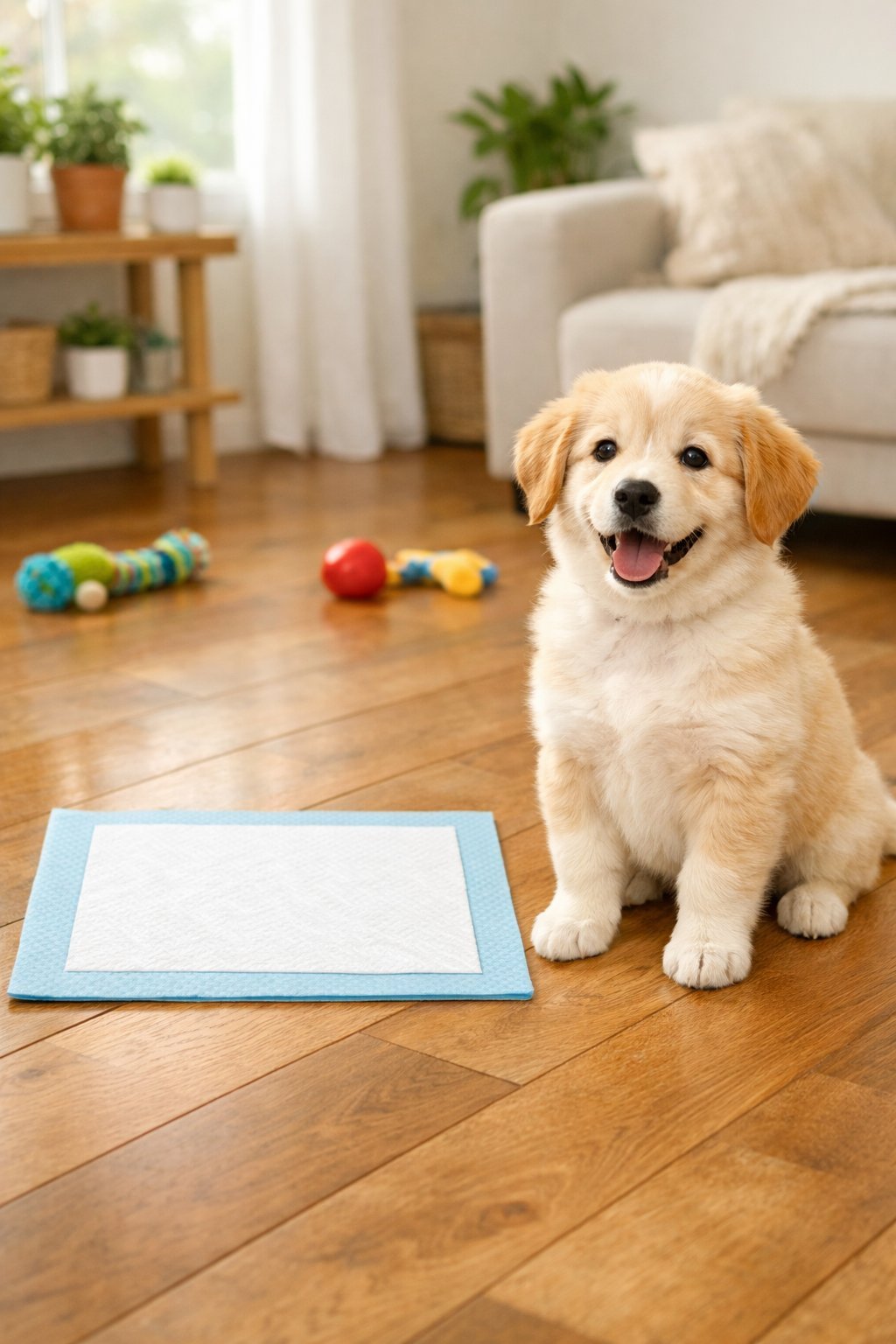
New puppy owners often ask about house training timelines, how to adapt for apartments or work schedules, and whether pee pads really work. The training process depends a lot on your living situation and daily routine.
What are the steps to successfully potty train a puppy at home?
Start with a consistent schedule—take your puppy out first thing in the morning, after meals, after naps, and before bed. Young puppies usually need to go every 1-2 hours.
Always bring your puppy to the same spot outside. Wait with them until they’re done, then give lots of praise or a treat.
Keep your puppy in sight indoors during training. If you can’t watch them, use a crate or small area since puppies don’t like to go where they sleep.
Watch for signs like sniffing, circling, or whining—these mean it’s time to head outside fast. Repetition and positive reinforcement are the secrets to success.
Can you house train a puppy within 5 days, and how would you do that?
Five days is a super short timeline for full potty training. Most puppies need weeks or even months to be totally reliable.
You can make good progress in five days with an intense routine. Take your puppy out every 30-60 minutes during the day and reward them right away when they go.
Keep your puppy close—either in a crate, on a leash with you, or in a small pen. Track when they eat, drink, and go potty to spot patterns.
Even with perfect consistency, your puppy won’t be fully trained in five days. But they’ll definitely start to get the idea.
Could you provide a typical potty training schedule based on a puppy’s age?
For puppies 8-10 weeks old, take them out every 1-2 hours during the day. Also, head outside after meals, playtime, and naps.
At this age, they can only hold it for about 1-2 hours, so nighttime usually means at least one bathroom trip.
When your puppy is 10-16 weeks, you can stretch breaks to 2-3 hours as they get better bladder control.
Puppies 4-6 months old can usually wait 4-5 hours between breaks, but still need regular trips after meals and in the morning and evening.
By 6 months and up, most puppies can go 6-8 hours if needed, but keeping a steady schedule leads to better habits.
What are some tips for potty training a puppy if you have to work long hours?
Potty training while working full-time is tough, but doable. The key is having someone check in on your puppy during the day.
Hire a dog walker or pet sitter to give your puppy a break while you’re gone. A neighbor or friend can help, too.
Doggy daycare is another option for some social time and regular potty breaks.
If no one can help, set up a puppy playpen with a designated potty area using pee pads. Keep their bed and water in one section and the pads in another.
Never leave a young puppy loose in the house—they’ll have accidents and set back training.
On long workdays, get up early for potty breaks and spend extra time training before and after work.
How can you effectively potty train a puppy in an apartment setting?
Apartment living adds a few steps, but the basic house training principles stay the same. Get your puppy outside quickly—carry them if you need to, to avoid hallway accidents.
Pick a specific spot near your building and use it every time. Don’t let your puppy wander or play until after they’ve gone.
For late-night trips, keep things boring: straight outside, potty, then right back in. No playing or excitement.
Some people use pee pads on a balcony or near the door, but this can sometimes confuse puppies about where it’s okay to go.
High-rise living can make quick trips tricky. If you’re up high, a real grass patch or artificial turf on your balcony can be a good temporary fix.
Let your neighbors know you’re training a puppy and apologize in advance for any noise. Building good relationships makes apartment life with a puppy much easier.
What techniques can be used to potty train a puppy with pee pads?
Pee pad training is great for small dogs, apartment living, or when you can’t always get outside. I usually start by covering a larger area with pads and then slowly make the area smaller as my puppy figures it out.
I always put the pads in the same spot, away from where my puppy eats and sleeps. Puppies don’t like to go to the bathroom near their food or bed.
Whenever I notice my puppy showing signs they need to go, I guide them to the pad. If they use it, I give them lots of praise and a treat right away.
I make sure to change the pads often since puppies don’t want to use dirty ones. I also leave a little piece of the old pad under the new one so the familiar scent helps them remember where to go.

