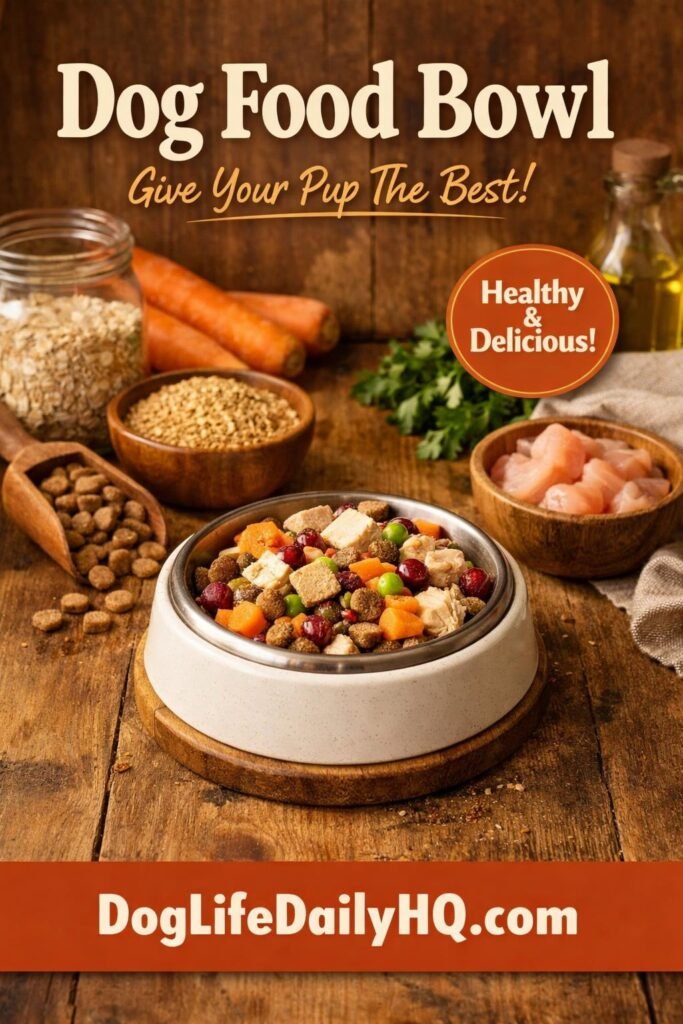
Dog Food Bowl: Transform Your Pup’s Mealtime Into a Delightful Daily Experience

Your dog’s food bowl is more than just a dish. It’s where your pup enjoys one of their favorite daily activities.
The right dog food bowl can improve your dog’s eating habits, support better digestion, and add style to your home while making mealtimes safer and more comfortable for your furry friend.
I’ve spent time looking at what makes a great dog food bowl. There are so many options out there, from elevated designs to non-slip bowls that prevent spills during meals.
The choices can feel overwhelming when you’re trying to find the perfect match for your pup. In this guide, I’ll walk you through everything you need to know about picking a dog food bowl.
You’ll learn about different materials, sizes, and special features that can transform mealtime from a simple routine into something special. Whether you have a tiny puppy or a large breed, the right bowl exists for your dog’s specific needs.
Key Takeaways
- The right dog bowl improves eating habits, digestion, and mealtime safety for your pet
- Different bowl materials, sizes, and designs serve specific needs based on your dog’s breed and eating style
- Quality bowls combine practical features with attractive designs that fit your home decor
Why a Quality Dog Food Bowl Matters
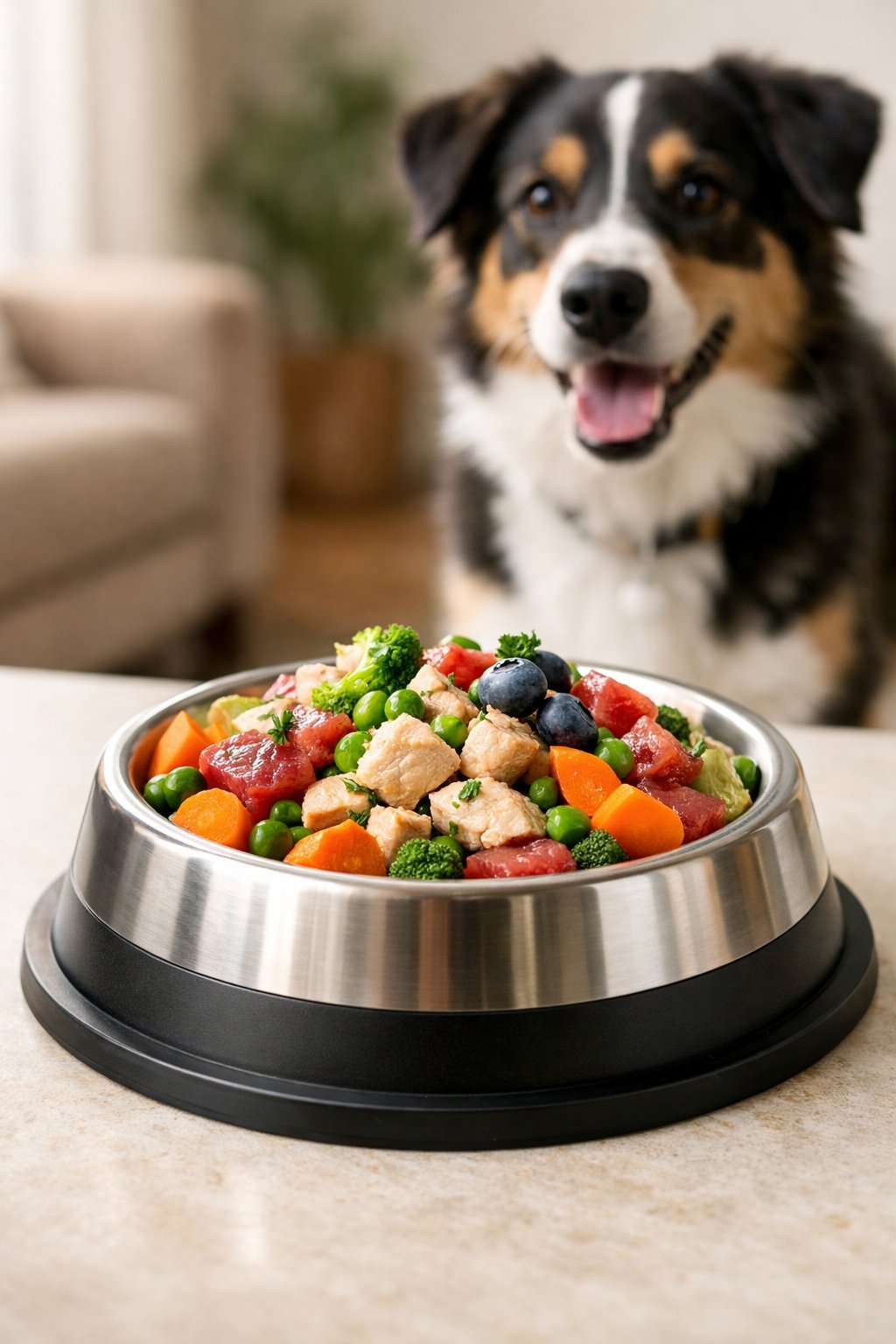
The bowl you choose affects your dog’s physical comfort during meals and can prevent health issues like neck strain or digestive problems. A well-designed bowl also encourages better eating habits and keeps your floors clean.
Health Benefits for Your Pup
I’ve learned that the right bowl height makes a real difference for dogs. When dogs eat from bowls placed at the proper level, they maintain better posture and reduce strain on their neck, back, and joints.
This is especially important for large breeds and senior dogs who might already deal with joint pain. Choosing the right bowl can also improve digestion.
When your dog doesn’t have to bend down too far, food moves more easily through their digestive system. This reduces the risk of bloating and helps prevent uncomfortable gas.
The material matters too. Stainless steel and ceramic bowls resist bacteria growth better than plastic options.
Plastic bowls can develop tiny scratches that trap food particles and germs, even after washing.
Impact on Eating Habits
I’ve noticed that bowl design directly affects how fast dogs eat. Dogs who gulp their food too quickly can choke, vomit, or develop serious bloating.
Slow-feeder bowls with ridges or patterns force dogs to eat at a healthier pace. The size of the bowl also changes eating behavior.
Small breeds under 20 pounds do best with bowls that hold 1-2 cups, while larger dogs need bigger options. When the bowl fits your dog’s size, they eat more comfortably and feel less stressed during meals.
Bowl stability plays a role too. Non-slip bowls stay in place, which helps anxious eaters feel secure.
Dogs who chase their bowls around the floor often eat less because mealtime becomes frustrating.
Reducing Mess and Stress
A quality bowl cuts down on cleanup time. Weighted bowls with rubber bases prevent tipping and sliding across the floor.
This means less food scattered on your kitchen floor and fewer water puddles to mop up. The right bowl reduces messes and makes feeding time calmer for everyone.
When your dog isn’t fighting with a sliding bowl or struggling to reach their food, they stay focused on eating. This creates a more peaceful mealtime routine.
Easy-to-clean bowls save time and keep things sanitary. Dishwasher-safe options make daily cleaning simple.
Some bowls even feature removable components that let you clean every corner where food might hide.
Choosing the Right Dog Food Bowl
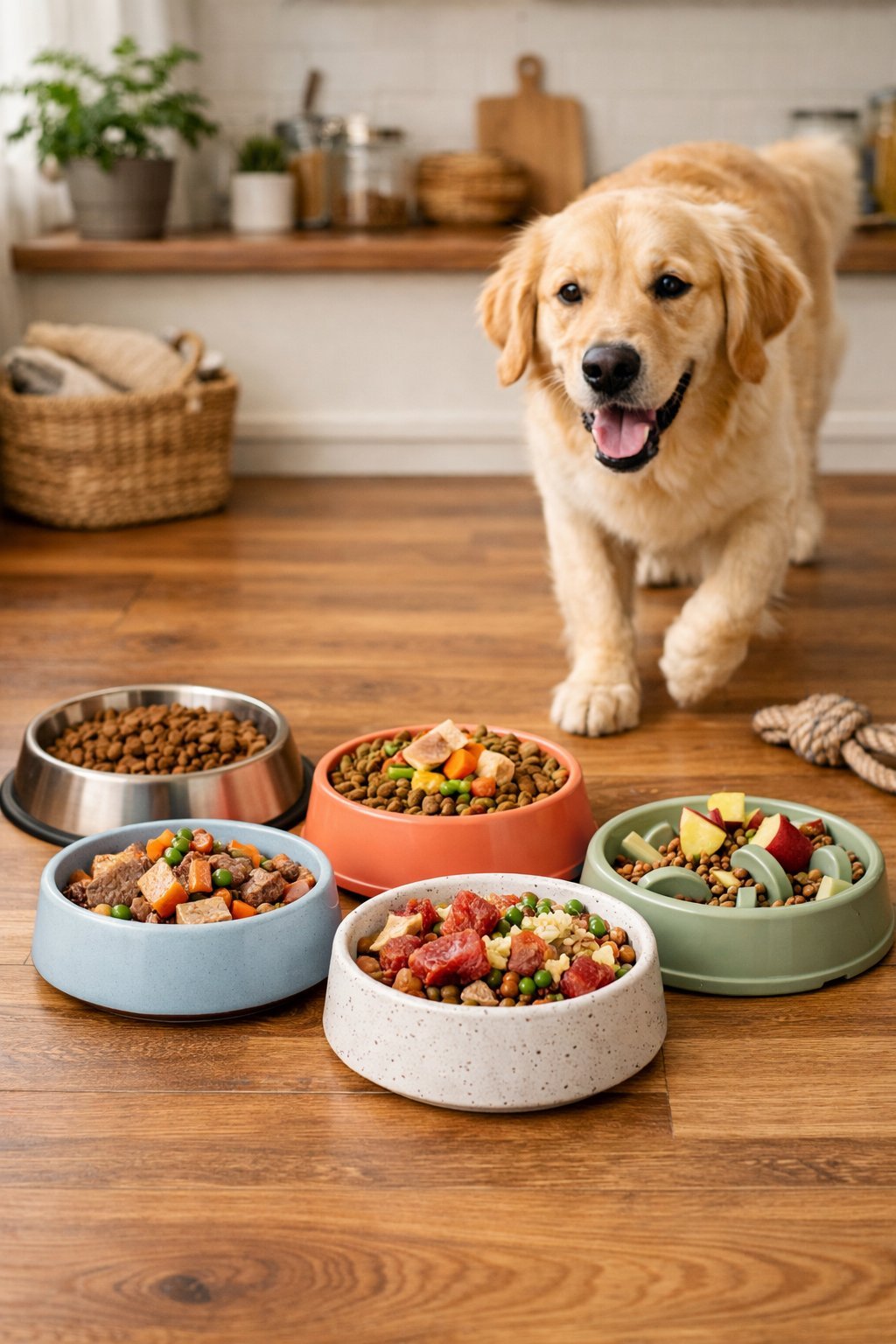
I know that picking the right bowl involves looking at what it’s made from, how big it is, and whether it sits on the floor or up higher. These choices affect your dog’s comfort and health during meals.
Materials: Stainless Steel, Ceramic, and More
I always recommend stainless steel bowls because they’re durable and easy to clean. They don’t break if dropped and won’t harbor bacteria in cracks or scratches.
You can throw them in the dishwasher without worry. Ceramic bowls look beautiful and come in many designs.
They’re heavy enough that most dogs can’t push them around easily. Just make sure the glaze is lead-free and food-safe, and check for chips or cracks regularly.
Plastic bowls are cheap and lightweight, but I’m not a fan. They scratch easily, and those scratches can hold bacteria.
Some dogs also develop allergies to plastic that cause chin acne or irritation.
Material comparison:
- Stainless steel: Most hygienic, dishwasher-safe, won’t break
- Ceramic: Attractive, stable, requires careful inspection
- Plastic: Budget-friendly but scratches and harbors bacteria
Size and Shape Considerations
I measure my dog’s food portion to figure out the right bowl size. The bowl should hold your dog’s full meal with a little extra room, but not be so big that food gets scattered.
For dogs with long ears like Cocker Spaniels or Basset Hounds, I suggest narrower, deeper bowls. This keeps their ears out of the food.
Short-nosed breeds like Pugs and Bulldogs do better with shallow, wide bowls that make it easier to reach their food. The bowl should be wide enough that your dog doesn’t have to squeeze their snout in uncomfortably.
I also look for bowls with sloped or curved sides rather than straight edges, which make it easier for dogs to get every last bite.
Elevated Bowls vs. Ground Level
I’ve seen elevated bowls help older dogs and dogs with arthritis eat more comfortably. Raising the bowl reduces neck and joint strain during meals.
They’re especially helpful for large breeds that have to bend down far to reach the floor. For puppies and most healthy adult dogs, ground-level bowls work perfectly fine.
They allow dogs to eat in their natural position. Some research suggests that elevated bowls might increase bloat risk in large, deep-chested breeds, though the evidence isn’t conclusive.
I think about my dog’s specific needs when deciding. If your dog has mobility issues, neck pain, or trouble swallowing, an elevated bowl might help.
Otherwise, a regular floor bowl does the job.
Stunning Designs to Enhance Your Home
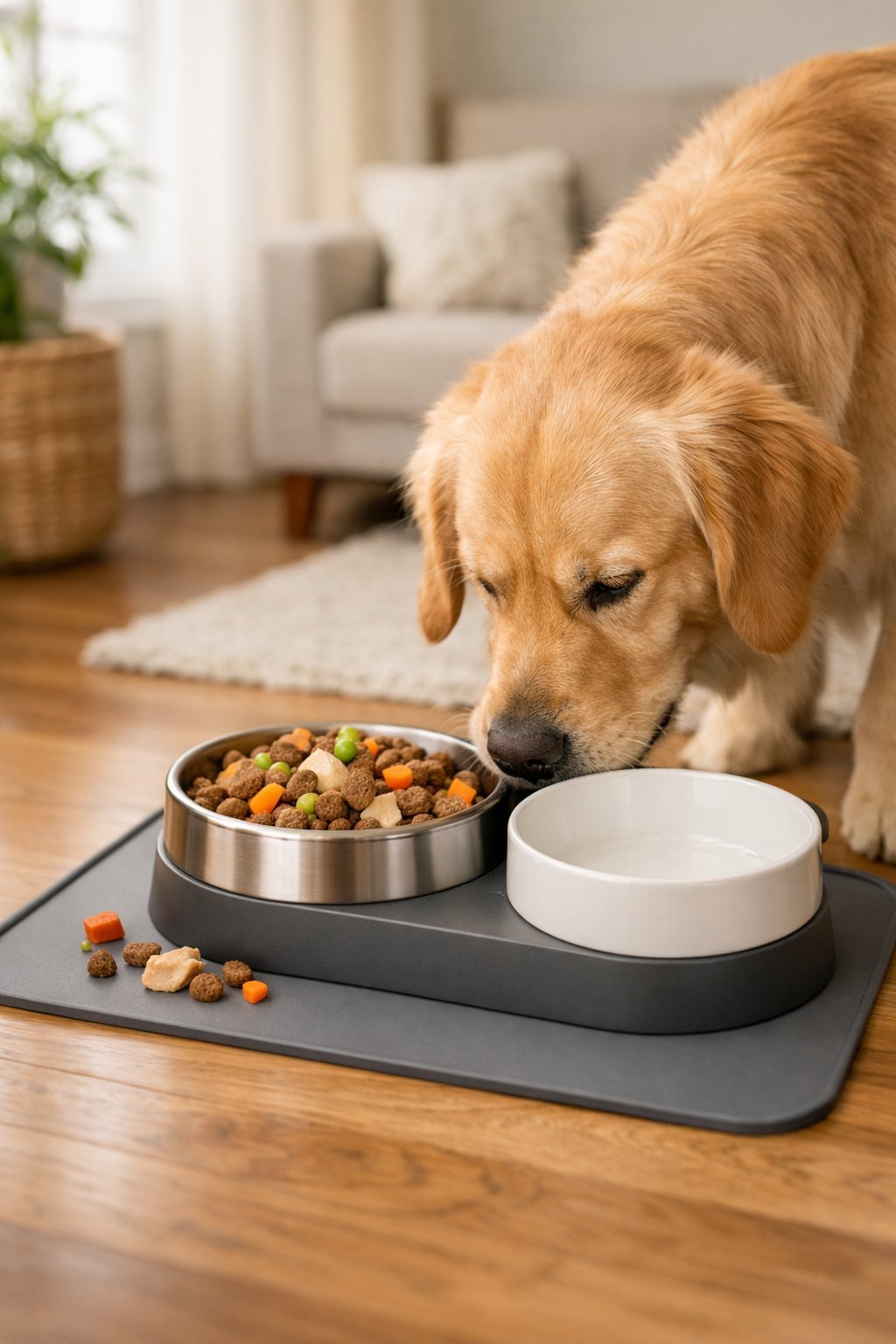
Dog food bowls don’t have to be eyesores that clash with your carefully chosen furniture and décor. The right bowl can complement your interior design while keeping your pup happy and well-fed.
Modern and Minimalist Bowls
I love how raised dog feeders come in materials like metal, ceramic, and wood that blend seamlessly into contemporary homes. Clean lines and neutral colors like white, black, gray, and natural wood tones work perfectly in modern spaces.
Stainless steel bowls with simple stands offer a sleek look that never goes out of style. They’re easy to clean and won’t stain or hold odors over time.
Ceramic bowls in matte finishes give off an elegant vibe without drawing too much attention. I find that bowls with geometric bases or slim metal frames add visual interest without overwhelming a room’s aesthetic.
Single-color designs keep things simple and sophisticated. When I choose minimalist feeding stations, I look for pieces that could pass as furniture rather than pet accessories.
Personalized and Custom Options
Adding personal touches transforms basic bowls into statement pieces. I can decorate dog bowls to reflect my pet’s unique character or match my home’s color scheme.
Custom engravings with my dog’s name add a special touch that makes feeding time feel more intentional. Many ceramic and stainless steel bowls accept personalization without compromising durability.
Popular customization options include:
- Hand-painted designs matching your décor
- Breed-specific patterns and illustrations
- Color combinations that coordinate with your kitchen or dining area
- Monogrammed feeding stations with your dog’s initials
DIY decoration projects let me change up the look seasonally or whenever I refresh my space.
Features to Look For in a Dog Food Bowl
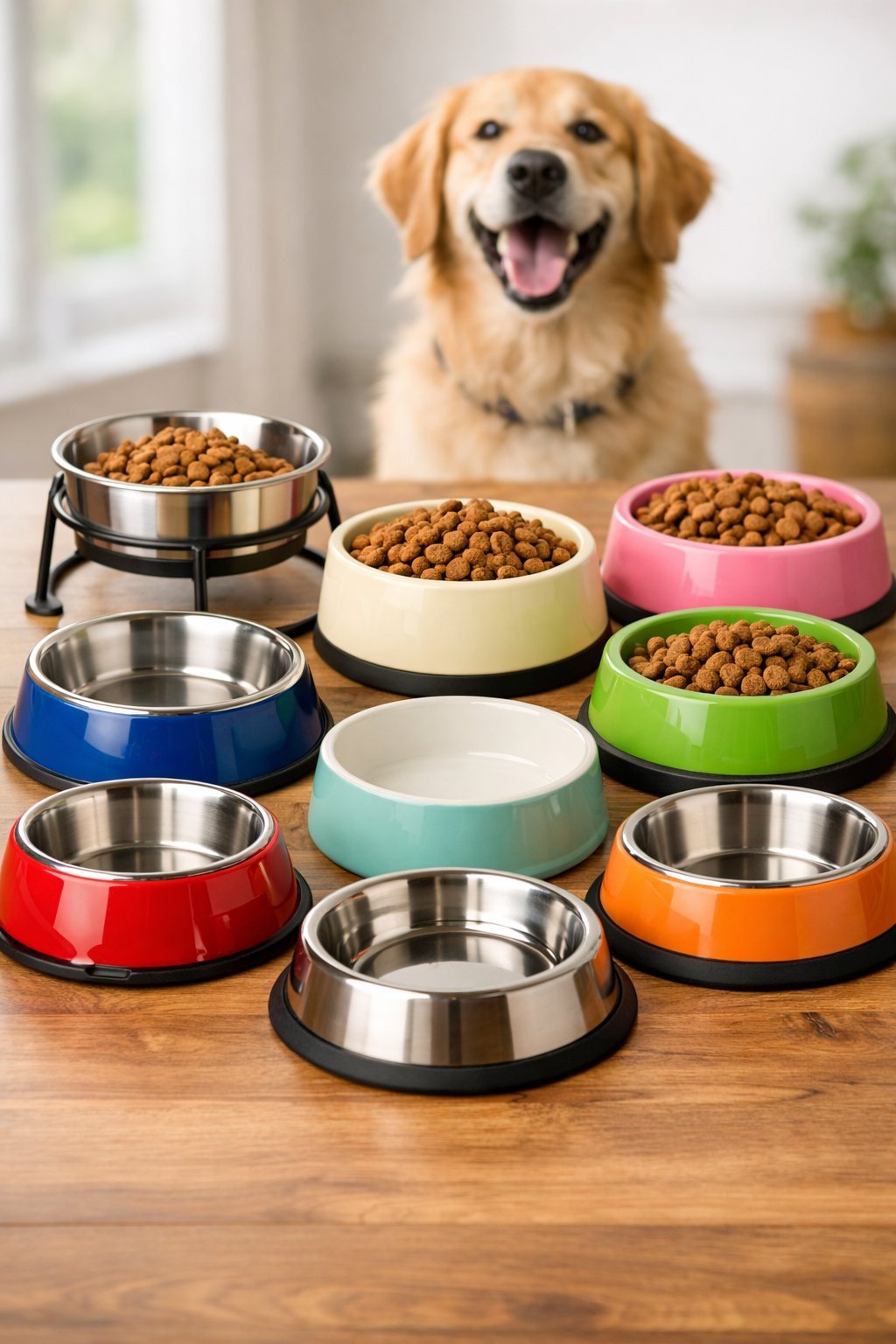
When I’m shopping for a dog bowl, I focus on three key features that make feeding time safer and more enjoyable. The right bowl should stay put during meals, be simple to keep clean, and help my dog eat at a healthy pace.
Non-Slip Bases
I’ve learned that a bowl with a non-slip base is a game-changer for messy eaters. Dogs who push their bowls around the kitchen create a frustrating cleanup situation that happens at every meal.
Most quality bowls include rubber or silicone grips on the bottom. These materials create friction against floors and prevent sliding.
I look for bowls with wide, heavy bases because they’re harder for excited pups to flip over. Some bowls feature anti-slip designs built into the base material itself.
The grip should cover the entire bottom surface, not just small dots or strips. I test this by placing the empty bowl on my kitchen floor and giving it a push to see how well it stays in place.
Easy-to-Clean Surfaces
I prioritize bowls that don’t trap food particles or develop stubborn stains. Bacteria can grow quickly in dirty bowls, which puts my dog’s health at risk.
Stainless steel bowls are my top choice because they’re dishwasher-safe and don’t absorb odors. Ceramic options work well too, as long as they have a smooth glaze without cracks.
I avoid bowls with lots of grooves or textured patterns that make scrubbing difficult. The best dog bowls should be easy to clean and made of safe materials.
I check that ceramic bowls are lead-free and that plastic options are BPA-free. Smooth surfaces without seams or joints clean up fastest and don’t give bacteria places to hide.
Anti-Gulping Designs
I recommend slow-feeder bowls for dogs who eat too fast. Rapid eating can lead to choking, vomiting, or a dangerous condition called bloat.
These bowls have raised ridges, mazes, or obstacles that force my dog to eat around them. The design makes each bite take longer to reach, which naturally slows down the eating pace.
I’ve seen dogs cut their eating time in half with these bowls. The pattern complexity should match my dog’s needs.
Simple designs with a few large ridges work for mild gulpers. Dogs who inhale their food need bowls with intricate maze patterns that really challenge them to work for each kibble.
Making Mealtime Special for Your Pup
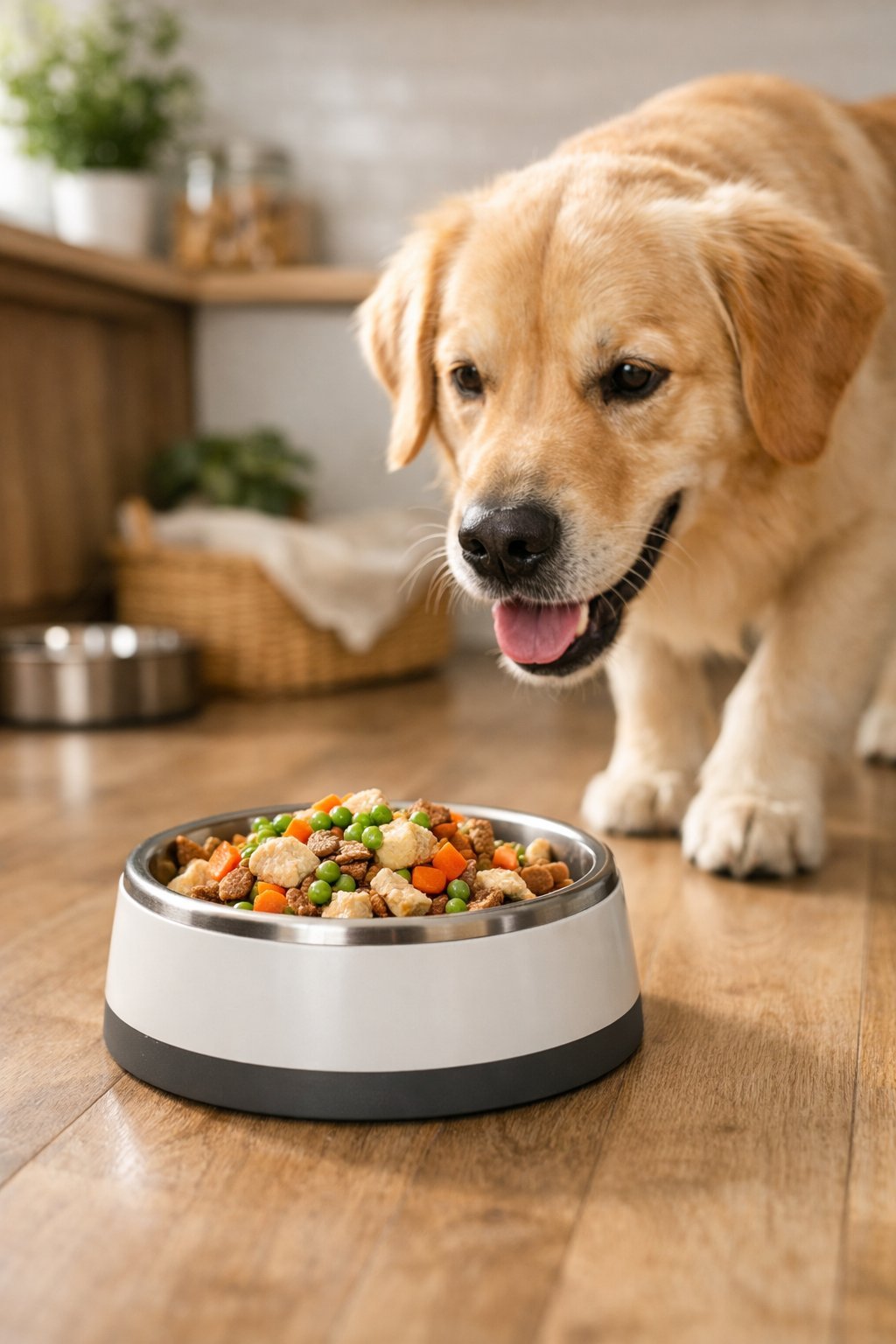
Creating a positive mealtime experience goes beyond just filling a bowl with kibble. I’ve found that establishing routines, choosing the right feeding setup, and adding interactive elements can transform an ordinary meal into something your dog looks forward to every day.
Establishing a Routine
Dogs feel more secure when they know what to expect. I always feed my dog at the same times each day, which helps regulate their digestion and reduces anxiety around mealtimes.
Creating a mealtime ritual makes feeding time feel special. I use a specific phrase like “Time to eat!” before setting down the bowl.
This simple signal gets my pup excited and ready. I also stay nearby during meals, at least for a few minutes.
My presence shows my dog that mealtime is a calm, safe experience. Some dogs eat better when their owner is close by, while others prefer quiet time alone.
When I stick to the same location and schedule, my dog feels comfortable and eats without hesitation.
Pairing Bowls with Feeding Mats
I place my dog’s bowl on a feeding mat to protect my floors and create a dedicated dining space. Silicone mats work best because they’re easy to clean and stay in place during meals.
The mat catches any spilled food or water, which keeps my home cleaner. I simply wipe it down or throw it in the dishwasher after meals.
I’ve noticed that having a designated eating area helps my dog understand where meals happen. They go straight to their mat when it’s time to eat.
This setup also prevents bowls from sliding across the floor, which can frustrate some dogs. Mats with raised edges contain water splashes better than flat ones.
I prefer neutral colors that match my kitchen, but some people like fun patterns that show their dog’s personality.
Fun and Engaging Mealtime Accessories
Interactive food puzzles turn regular meals into mental workouts. I use slow feeder bowls with ridges and mazes that make my dog work for each bite.
These puzzle feeders offer real benefits:
- Slower eating – Reduces gulping and prevents bloating
- Mental stimulation – Keeps your dog’s brain active
- Extended mealtime – Makes food last longer and feel more satisfying
I also rotate between different feeding methods. Some days I use a snuffle mat where kibble hides in fabric strips.
Other times I scatter food in the yard for a scavenger hunt. Treat-dispensing toys add variety without replacing regular bowls.
I fill them with part of my dog’s daily food portion for extra entertainment between meals.
Frequently Asked Questions
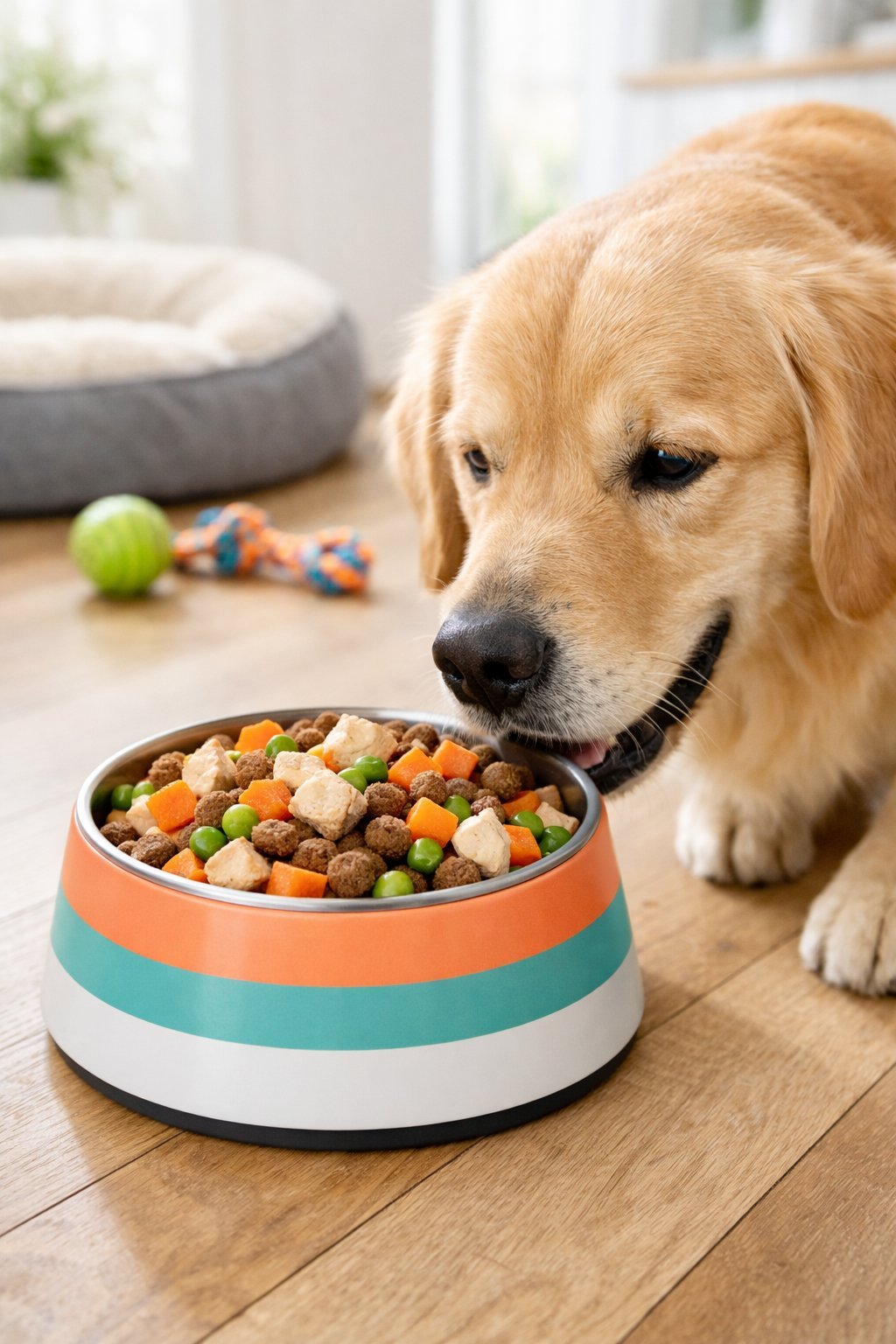
Picking the right bowl involves thinking about materials, size, and special features that match your dog’s eating habits. I’ve gathered answers to the most common questions about dog food bowls to help you make the best choice for your furry friend.
What features should I look for in a good dog food bowl?
I always recommend starting with a non-slip base to keep the bowl stable during meals. Dogs can get excited at feeding time, and a bowl that slides around makes eating frustrating.
Look for bowls that are easy to clean and dishwasher safe. Stainless steel bowls are popular because they resist bacteria and last a long time.
The right weight matters too. Heavier bowls stay in place better, especially if you have a large or energetic dog.
Are there any dog food dishes designed to slow down my pup’s eating?
Yes, slow feeder bowls are designed specifically for dogs who eat too fast. These bowls have raised sections or maze-like patterns inside that force your dog to eat around obstacles.
Slow feeder bowls encourage healthy eating and can help prevent bloating and choking. I’ve seen dogs go from finishing their meal in seconds to taking several minutes with these bowls.
They work well for dogs who gulp their food without chewing. The design makes mealtime more like a puzzle.
How can I tell if a dog food bowl is the right size for my pet?
I measure my dog’s typical meal portion first. The bowl should hold your dog’s food comfortably without being too full or too empty.
Small dogs need bowls that hold 1-2 cups of food, while large breeds might need bowls that hold 4-8 cups. The bowl’s height matters just as much as its capacity.
Your dog shouldn’t have to strain their neck down or reach uncomfortably high to eat. Watch your dog during mealtime to see if they seem comfortable accessing their food.
Can certain dog food bowls help improve my dog’s digestion?
Elevated bowls can help with digestion for some dogs. When the bowl sits higher off the ground, your dog’s neck and throat align better while eating.
This position can reduce the amount of air your dog swallows with their food. Less air means less gas and bloating after meals.
Elevated designs benefit messy eaters and older dogs with joint problems too. I’ve noticed my dog seems more comfortable eating from a raised bowl.
What materials are best for dog food bowls considering health and hygiene?
Stainless steel tops my list for health and hygiene. It doesn’t harbor bacteria like plastic can, and it won’t chip or crack over time.
Ceramic bowls are another good option if they have a food-safe glaze. They’re heavier than plastic and stay in place during meals.
I avoid plastic bowls when possible because they can scratch easily. Those scratches create places where bacteria can hide even after washing.
What are some tips for keeping my dog’s feeding area clean and organized?
I use a feeding mat under my dog’s bowls to catch spills and splashes. Dog feeding mats make cleanup much easier and help protect your floors from water damage.
Pick a spot for your dog’s feeding area that’s away from busy parts of your home. Your dog will feel more relaxed eating in a quieter space.
Wash food bowls after every meal with hot, soapy water. Make sure to give your dog fresh water and clean the water bowl at least once a day.

