DIY Dog Poop Bag Holder: Easy Sewing Tutorial for Pet Lovers

DIY Dog Poop Bag Holder – Walking my dog should be enjoyable, but fumbling around for poop bags in my pockets or purse always made it a hassle.
I used to stuff plastic bags in my coat or tie them to the leash, which looked messy and felt disorganized.
That’s when I discovered that making a dog poop bag holder was the perfect solution.
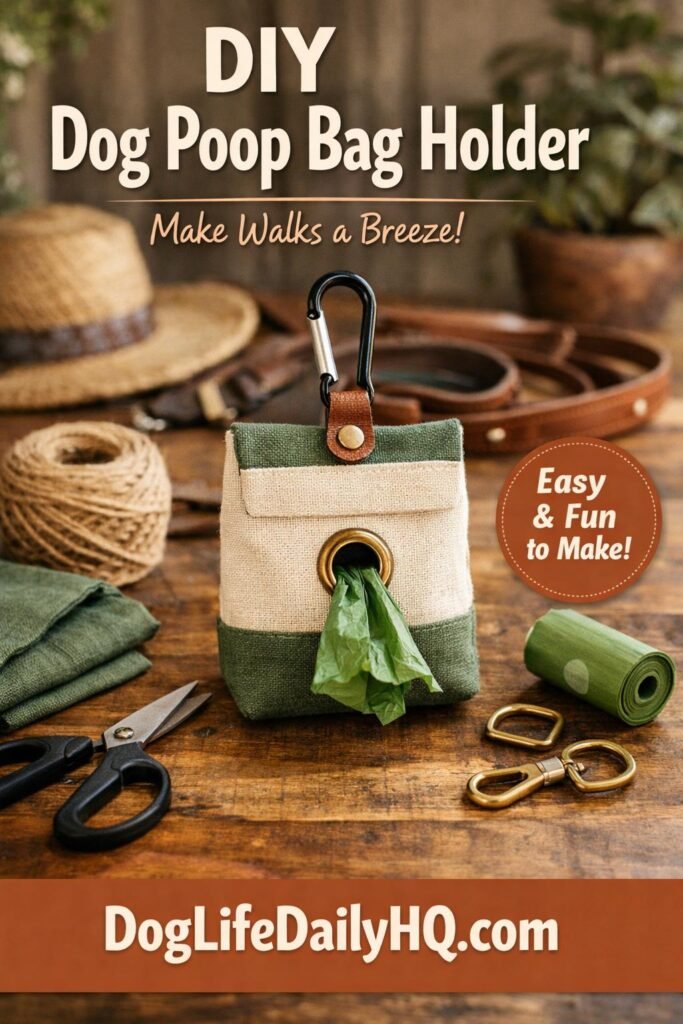
A DIY dog poop bag holder is a small pouch that attaches to your leash and stores waste bags so they’re always within reach during walks.
You can make one in about 15 minutes using fabric scraps, felt, or other simple materials you probably already have at home.
The best part is that you can customize it to match your style while keeping it practical.
I’ll show you how to create your own holder that’s both cute and useful.
This easy sewing project works great for beginners and experienced sewers alike.
It also makes a thoughtful gift for other dog owners.
Key Takeaways
- You can make a dog poop bag holder in 15 minutes using fabric scraps or felt
- The holder attaches to your leash and keeps waste bags easily accessible during walks
- This beginner-friendly project can be customized to match your personal style
Why Make a DIY Dog Poop Bag Holder?
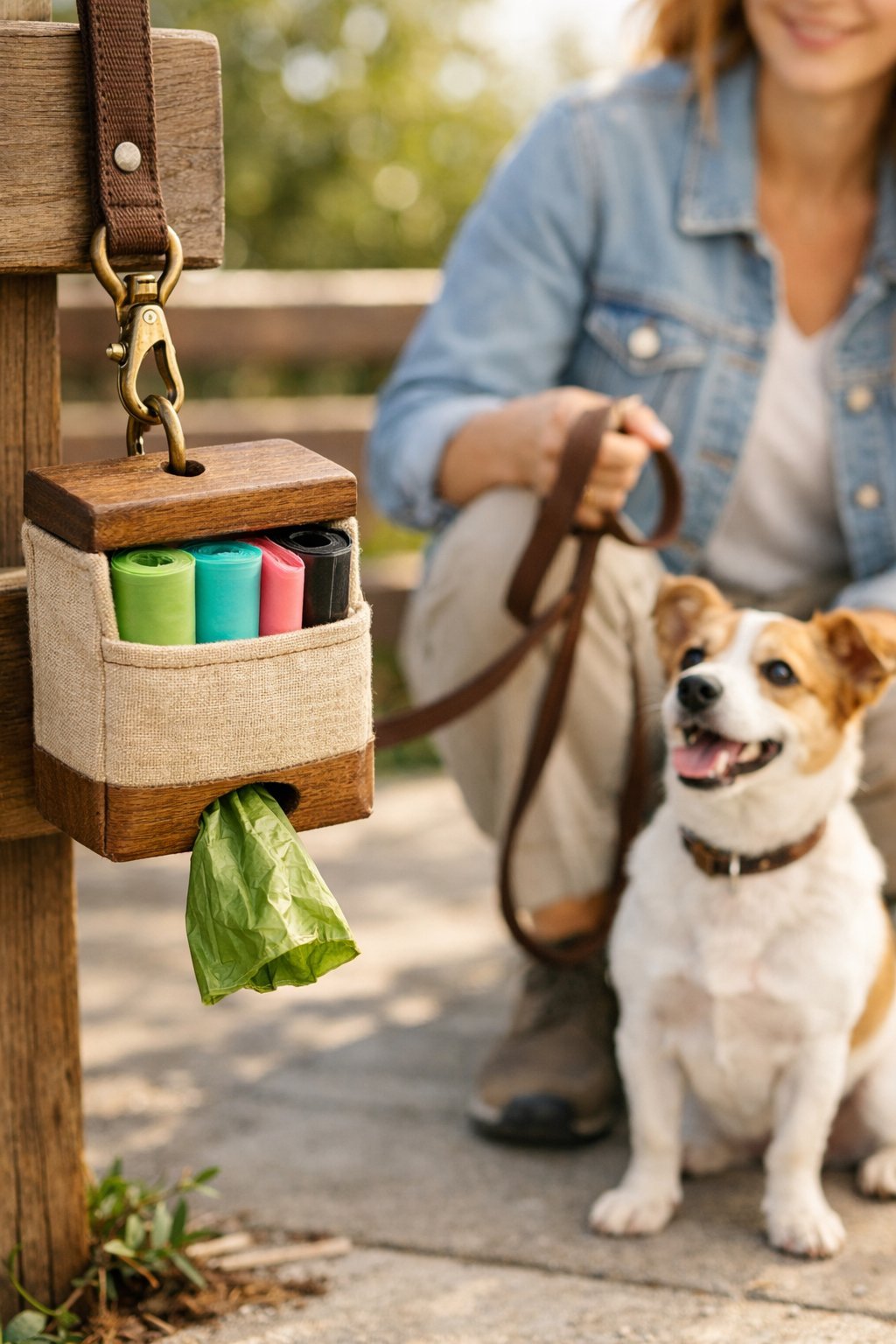
Making your own poop bag holder saves money, reduces waste, and lets you create something that matches your style perfectly.
You can finish most projects in under 20 minutes using materials you already have at home.
Benefits of Homemade Holders
I’ve found that making a dog poop bag holder costs far less than buying one from a pet store.
Most DIY versions use fabric scraps, old containers, or items from around the house.
This means I can make several holders for different leashes without spending much money.
Store-bought holders often break after a few months of use.
When I make my own, I control the quality of materials and can reinforce weak spots.
I also know exactly how it’s constructed, which makes repairs easy if something does wear out.
The convenience factor is huge too.
I can attach my homemade holder directly to my dog’s leash so bags are always within reach.
No more fumbling through pockets or forgetting bags at home when we head out for walks.
Environmental Impact
Creating a fabric poop bag holder from scraps keeps textile waste out of landfills.
I’ve used old jeans, leftover quilting fabric, and even worn-out t-shirts to make functional holders.
Mass-produced plastic holders contribute to environmental problems through manufacturing and shipping.
When I make my own, I eliminate packaging waste and transportation emissions.
Plus, fabric holders last longer than cheap plastic versions that crack and need replacing.
I can also pair my DIY holder with biodegradable bags for an even more eco-friendly setup.
Many homemade designs accommodate standard roll sizes, so I’m not locked into buying specific brands or wasteful packaging.
Personalization Options
The best part about making my own holder is choosing colors and patterns that match my dog’s personality.
I’ve made bright floral ones for spring walks and durable canvas versions for hiking trips.
I can add my dog’s name, fun patches, or decorative buttons to make the holder unique.
Customizing the size and shape means it fits perfectly on my specific leash setup.
Different dogs need different solutions.
My small dog needs a lightweight holder, while my friend’s large breed needs something sturdier.
Making it myself means I can adjust dimensions, strap length, and closure type to match my exact needs.
Choosing Materials for Your Poop Bag Holder
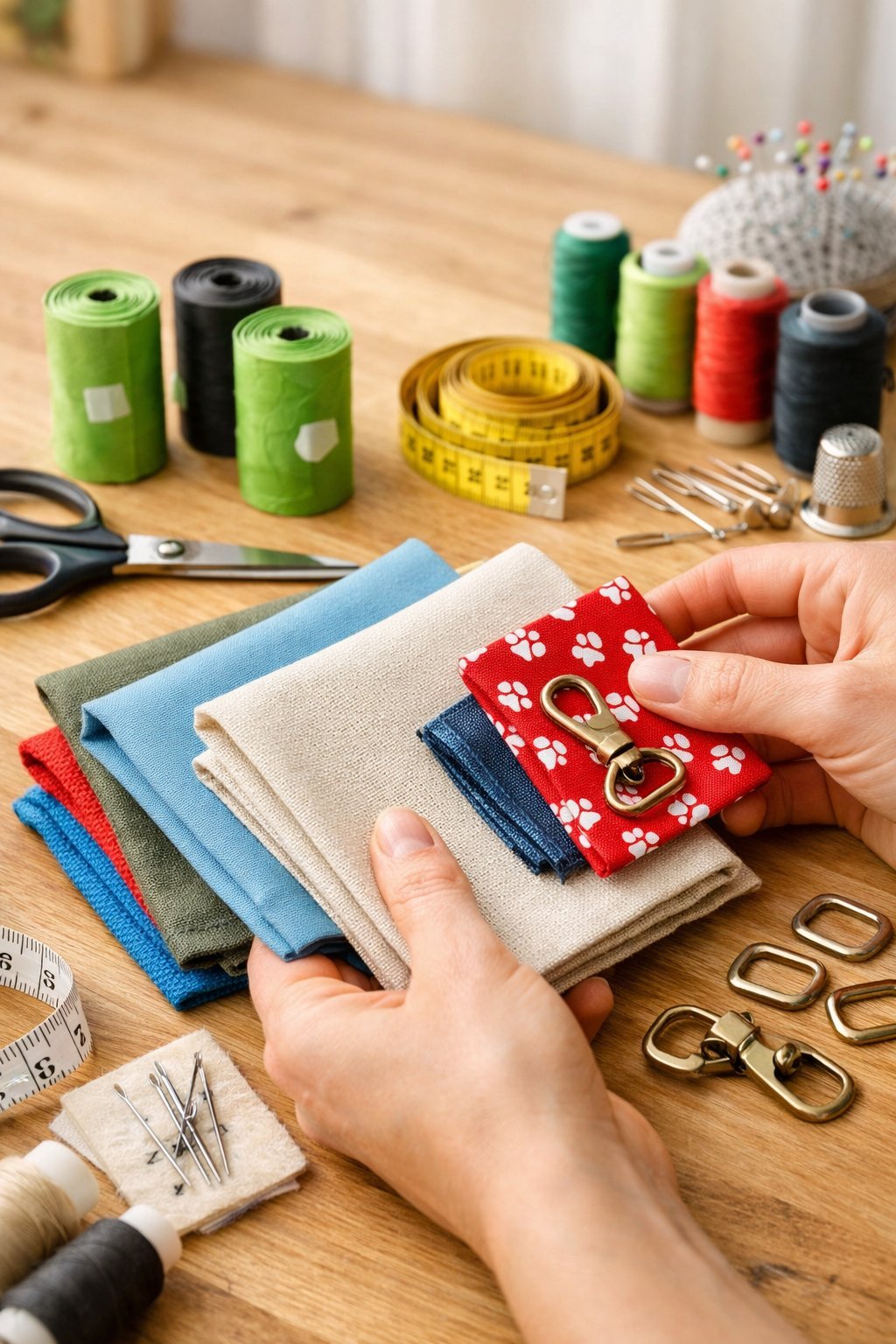
I’ve found that selecting the right materials makes a big difference in how well your holder works and how long it lasts.
Cotton fabrics work best for most projects, while eco-friendly options help reduce waste during your walks.
Best Fabric Types
I always recommend cotton fabric as my top choice for making poop bag holders.
It’s easy to sew, holds up well to regular use, and comes in endless colors and patterns.
Canvas and quilting cotton are my go-to options because they’re sturdy enough to handle daily wear.
They also wash well if they get dirty on walks.
For the lining, I prefer a slightly lighter cotton fabric.
This makes it easier to stuff the bags inside without too much bulk.
Felt is another great option if you want a no-sew dog bone-shaped holder.
It’s thick, durable, and doesn’t fray at the edges.
You can cut it into fun shapes without worrying about finishing the seams.
Avoid fabrics that are too thin or stretchy.
Jersey knit and lightweight voile won’t hold their shape well.
The holder needs structure to keep the bags secure on your leash.
Eco-Friendly Material Choices
I love using fabric scraps from old projects for my poop bag holders.
This perfect sewing project uses scrap fabrics and keeps textile waste out of landfills.
Old clothes work great too.
I’ve made holders from worn-out jeans, button-up shirts, and even vintage pillowcases.
Just cut around any stained or damaged areas and use the good parts.
Organic cotton is my preferred choice when buying new fabric.
It’s grown without harmful pesticides and breaks down naturally over time.
For closures, I use metal snaps or wooden buttons instead of plastic ones.
These materials last longer and have less environmental impact.
You can also repurpose buttons from old clothing instead of buying new ones.
Supplies Checklist
Here’s what I gather before starting my project:
Fabric & Notions:
- Main fabric: 5″ x 8″ piece
- Lining fabric: 5″ x 8″ piece
- Snap or button for closure
- Ribbon or elastic loop (6-8 inches)
Tools:
- Sewing machine or needle and thread
- Scissors or rotary cutter
- Pins or clips
- Iron and ironing board
- Measuring tape
I don’t worry about washing my fabric before starting this project since the holder will be used outdoors.
This saves time and gets me to the fun part faster.
Most of these supplies are items I already have at home.
If you’re just starting out, a basic sewing kit and two fabric pieces are all you really need.
Step-by-Step Guide: Crafting Your Holder
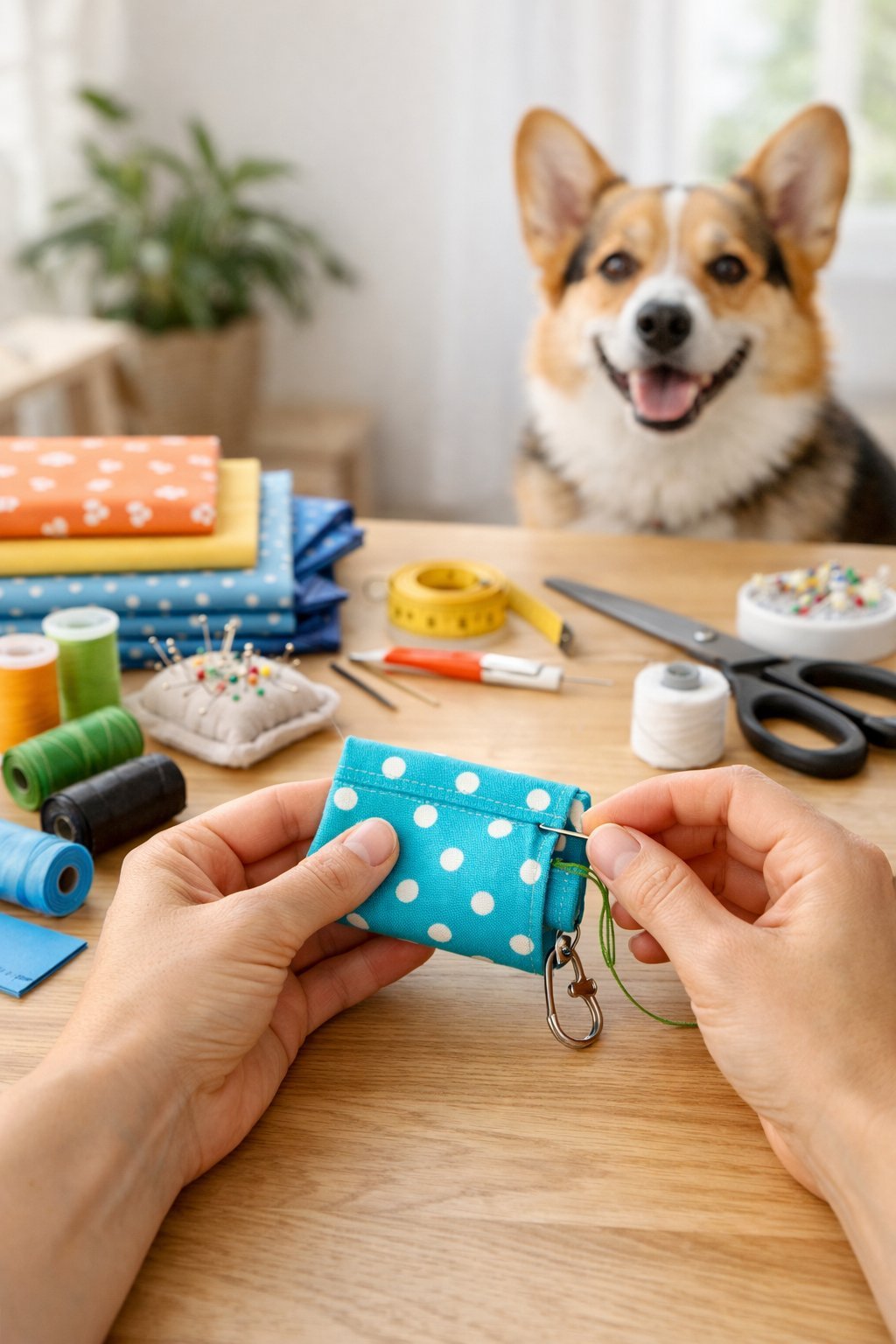
I’ll walk you through the basic construction process that works for most fabric holders.
The key is getting your measurements right and creating a secure closure that keeps bags accessible.
Measuring and Cutting Fabrics
I start by cutting two pieces of fabric that measure 5 inches wide by 9 inches long.
These dimensions work well for standard poop bag rolls.
If I’m using a single fabric square, I need at least a 10-inch by 10-inch piece.
For a simple one-square fabric design, this eliminates the need for a pattern.
I always add a quarter-inch seam allowance on all sides.
This extra fabric prevents fraying and gives me room to work.
Basic cutting list:
- 2 pieces of outer fabric (5″ x 9″)
- 2 pieces of lining fabric (5″ x 9″)
- 1 piece of interfacing (optional, same size)
- Strap material (1″ x 4″)
I recommend washing and ironing fabric scraps before cutting.
Pre-washed fabric won’t shrink after I complete my holder.
Sewing or No-Sew Methods
For sewn holders, I place the fabric pieces right sides together and stitch around three sides with a quarter-inch seam.
I leave the top open for turning.
Most basic fabric holders take about 15 minutes to sew.
I use a straight stitch on my machine set to medium length.
No-sew options include:
- Fabric glue along edges
- Iron-on hem tape
- Hot glue for felt versions
I find that felt works best for no-sew projects because it doesn’t fray.
If I’m making a felt bone-shaped holder, I can skip sewing entirely and use fabric glue.
After stitching, I trim corners at an angle before turning the holder right-side out.
This creates crisp corners that look professional.
Adding a Dispenser Opening
I measure 2 inches down from the top edge to mark my dispenser hole.
The opening needs to be about 1 inch wide for bags to pull through easily.
I create the opening before sewing the holder closed.
I can cut a simple slit or make a buttonhole using my machine’s buttonhole function.
For a cleaner finish, I fold the raw edges of the opening inward and topstitch around the hole.
This reinforces the area where bags will pull through repeatedly.
Some people prefer a slot at the bottom instead of a hole.
I make this by leaving a 1-inch gap in my bottom seam before turning the holder right-side out.
Attaching Clips or Straps
I use a lobster clasp or swivel clip that attaches to my dog’s leash.
The clip needs to hold at least 5 pounds to stay secure during walks.
I fold a 4-inch fabric strap in half and sandwich it between my fabric layers before sewing.
This creates a permanent loop.
The strap goes at the top or side of the holder.
Hardware options:
- Lobster clasps (most secure)
- D-rings with snap hooks
- Carabiner clips
- Key ring attachments
I thread the strap through the hardware before folding it in half.
Then I pin it in place and sew across multiple times for strength.
For leather straps, I punch a hole and use a small rivet to attach the clip.
This method works well on felt holders with leather accents and looks more polished than fabric alone.
Creative Ideas to Make It Cute & Practical
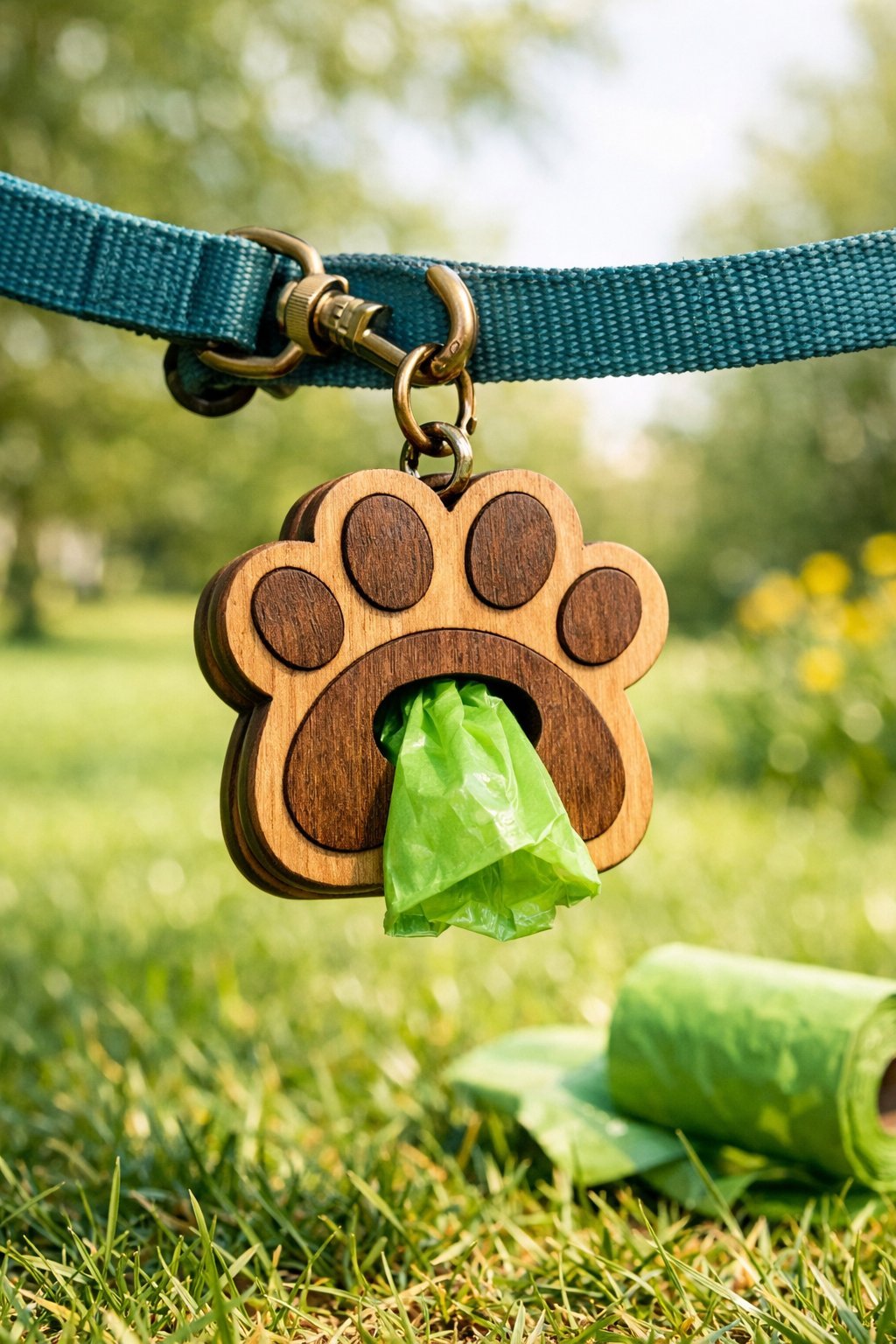
I’ve found that the best dog poop bag holders combine style with function.
Adding personal touches like fun fabrics, custom details, and smart closures turns a basic necessity into something you’ll actually enjoy using on every walk.
Fun Patterns and Prints
I always start by choosing fabric that matches my personality and style.
Bold prints like florals, geometric shapes, or animal patterns make the holder easy to spot in my bag.
Seasonal fabrics work great too—think pumpkins for fall or snowflakes for winter.
You can use scrap fabrics from other projects to create unique holders without buying new materials.
I like mixing two coordinating patterns, using one for the outside and another for the lining.
This adds visual interest when you open the holder to grab a bag.
Dog-themed prints are popular choices.
Paw prints, bones, or breed-specific fabrics show off your love for dogs.
For a more sophisticated look, I go with solid colors in durable materials like canvas or outdoor fabric that hold up better to daily use.
Custom Embroidery
Adding embroidery takes a basic holder to the next level. I like to embroider my dog’s name on the front in simple block letters.
This personalization makes it feel special and helps identify it as mine at the dog park. You can add small decorative elements like paw prints, hearts, or bones around the edges.
I use contrasting thread colors to make the design pop against the fabric. Machine embroidery is faster, but hand embroidery adds a handmade charm.
Simple phrases like “Good Dog” or “Walk Time” add personality without much effort. I keep the text short so it fits well on the small surface area.
If you’re new to embroidery, stick with basic stitches like backstitch or running stitch. These are easy to learn and look great.
Innovative Closures
I’ve tested different closure types and found that each has its own benefits. Snap closures are my favorite because they’re quick to open with one hand while holding a leash.
Metal snaps hold up better than plastic ones over time. Velcro strips work well but can collect dog hair and lint.
I use small pieces of Velcro instead of long strips to minimize that issue. Elastic loops with buttons create a secure closure that looks polished and stays shut in your bag.
Magnetic snaps offer easy access and a clean look. They work best with thicker fabrics that can support the weight.
I avoid them if I plan to clip the holder to a metal leash since the magnets can interfere. It’s all about finding what works best for you.
Personalization Tips
I attach a small carabiner or D-ring to clip the holder onto my leash or belt loop. This keeps it accessible and prevents me from forgetting it at home.
Choose hardware in metals that match your other gear, like bronze, silver, or black. Adding a small fabric loop on top makes hanging easier.
I make mine about 2 inches long using the same fabric as the holder. You can also add a wrist strap if you like carrying it separately from the leash.
Consider making dog bone-shaped holders instead of traditional rectangles for extra cuteness. I’ve also seen people add small fabric tags with care instructions or contact info in case the holder gets lost.
Caring for Your DIY Dog Poop Bag Holder
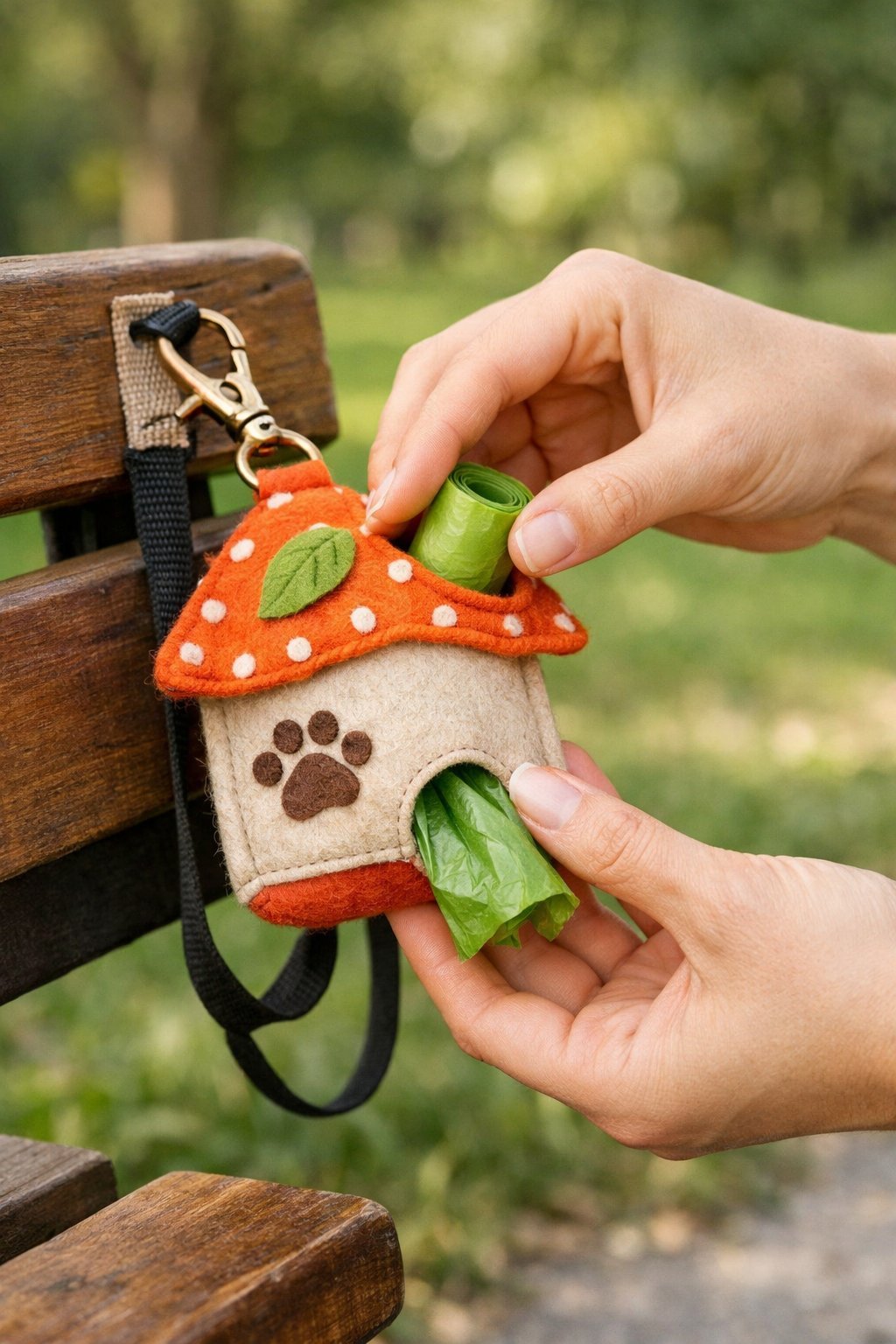
Regular cleaning keeps your holder fresh and helps prevent bacteria buildup. Proper care extends its lifespan so you can use it for years of daily walks.
Washing and Maintenance
I wash my fabric poop bag holder every two to three weeks to keep it clean and odor-free. Most fabric holders are machine washable, which makes maintenance easy.
I toss mine in with my regular laundry on a gentle cycle with cold water. If your holder has a metal clip or carabiner, I recommend removing it first to prevent damage to both the hardware and your washing machine.
You can also hand wash it in a sink with mild soap and warm water if you prefer. After washing, I let mine air dry completely before refilling it with bags.
This prevents any moisture from getting trapped inside, which could lead to mildew or unpleasant smells. I never put my fabric holder in the dryer because the heat can shrink the material or damage any elastic openings.
For spot cleaning between washes, I use a damp cloth with a tiny bit of dish soap to wipe down the exterior. This works great if my holder gets muddy during a rainy walk.
Durability Tips
I reinforce high-stress areas like the clip attachment point and opening with extra stitching when I first make my holder. This simple step helps prevent the fabric from tearing where it experiences the most pull and use.
I check my holder’s hardware monthly for signs of wear. The carabiner or snap clip can loosen over time, so I replace these pieces if they feel weak or don’t close securely anymore.
Most craft stores sell replacement clips for just a few dollars. I store my holder in a dry place when I’m not using it.
Leaving it attached to a wet leash or in a damp garage can weaken the fabric and promote mold growth. I also avoid overstuffing it with too many bag rolls, which can stretch out the elastic or seams and reduce its lifespan.
Frequently Asked Questions
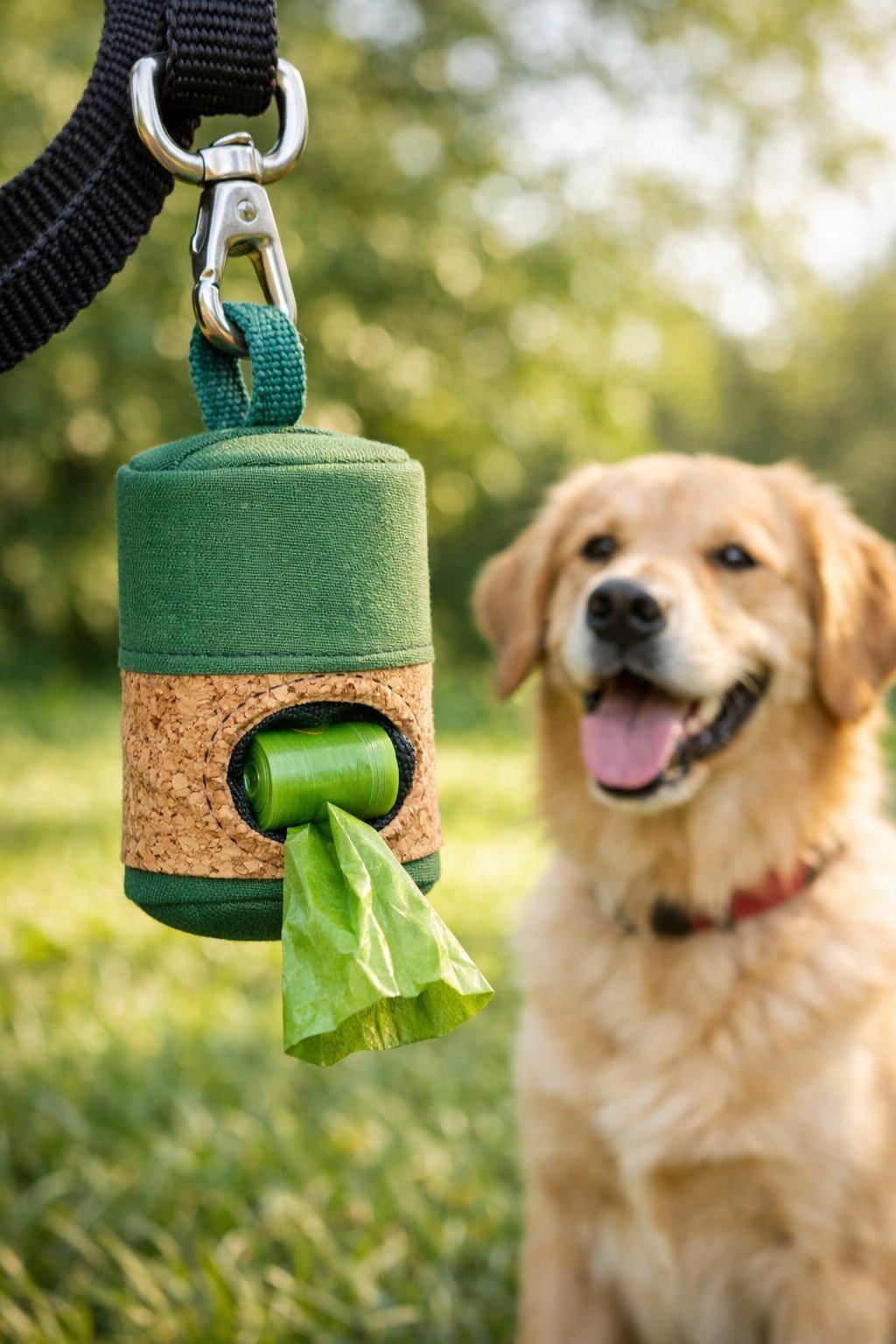
Making your own poop bag holder brings up practical questions about construction methods, materials, and attachment options. Here are some common questions to help you create a holder that works for your needs.
How can I make a no-sew dog poop bag holder?
I can make a no-sew holder using a small plastic container with a snap-on lid. I drill a hole in the bottom for the bags to dispense through and attach a carabiner clip to the side using strong adhesive or by drilling another hole.
Another option is to use a keychain holder or pill bottle. I simply load the bags inside and pull them through the opening as needed.
For a fabric option without sewing, I can use fabric glue to assemble the pieces. This works best with felt or other materials that don’t fray easily.
What materials do I need to create a cute dog poop bag holder?
I need fabric for a sewn poop bag holder project, which can be cotton, canvas, or any sturdy material. Scrap fabric works perfectly since the project requires very little material.
I also need a clip or carabiner to attach it to my leash. A swivel lobster clasp works well and looks professional.
For the closure, I can use a snap, button, or Velcro. I also need basic sewing supplies like thread, scissors, and a sewing machine or needle for hand stitching.
Where can I find a free crochet pattern for a dog poop bag holder?
I can find free crochet patterns by searching online crafting communities and yarn brand websites. Many crafters share their patterns on platforms like Ravelry and Pinterest.
YouTube has video tutorials that walk me through crocheting a holder step by step. These are helpful because I can watch the technique in action.
Most crochet patterns use basic stitches and require only a small amount of yarn. This makes it a quick project I can finish in an evening.
Is there a pattern for a large dog poop bag holder that’s print-friendly?
Many websites offer free sewing patterns that I can download and print at home. I look for PDF patterns that include full-size templates without scaling.
I can adjust any standard pattern to make it larger by adding extra width to the fabric pieces. This accommodates bigger rolls of bags or thicker materials.
Some patterns include measurements in inches that I can simply increase. I add an extra inch or two to both the height and width for a roomier holder.
How do I attach a homemade dog poop bag holder to a leash?
I use a swivel lobster clasp or carabiner clip to attach my holder to the leash handle. This lets me easily remove it when needed.
I can sew a fabric loop at the top of my holder and thread the clip through it. The loop should be reinforced with extra stitching to handle daily use.
Some people prefer attaching the holder to a belt loop or bag strap instead. A D-ring sewn into the holder gives me multiple attachment options.
Are there any easy-to-follow sewing patterns for DIY dog poop bag holders?
I can find beginner-friendly sewing patterns with step-by-step instructions and photos. These patterns usually just need basic sewing skills.
Many tutorials show me how to make a holder from one square of fabric without needing a printed pattern. This makes the project great for first-time sewers.
I like patterns with video tutorials because I can see exactly how each step should look. The fabric dog poop bag holder takes about 15 minutes to finish once I know the process.