
DIY Dog Leash Station That Makes You Actually Want to Go on Walks: A Simple Weekend Project for Dog Lovers

Dog Leash Station – If you’re tired of searching for your dog’s leash every time you want to go for a walk, you’re not alone. I used to waste precious minutes digging through closets and drawers while my pup waited impatiently by the door.
A DIY leash station keeps all your dog walking supplies organized in one spot, making it easy to grab everything you need and head out the door.
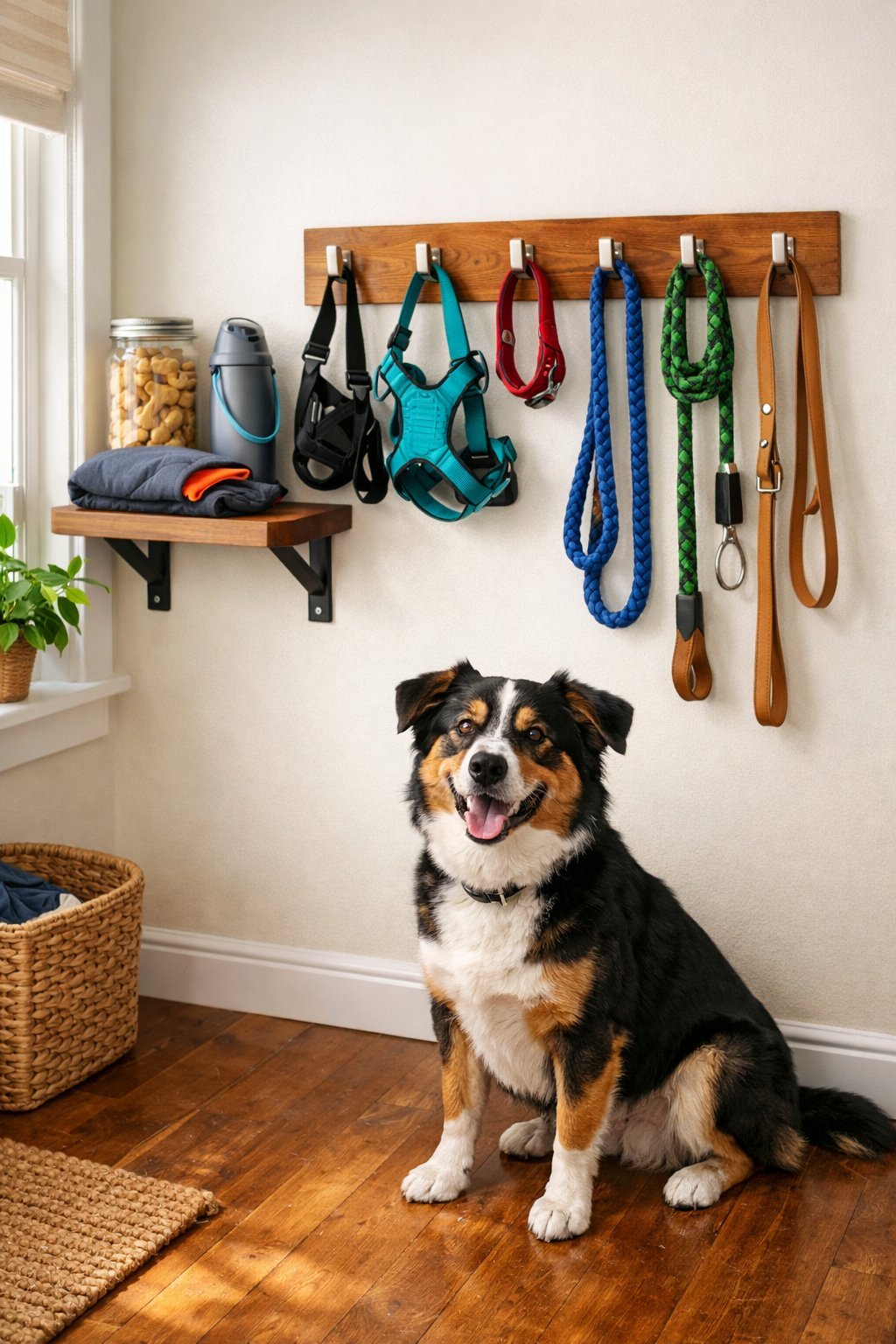
I discovered that building a leash holder gives your dog’s gear a proper home while also adding a personal touch to your entryway. When you create a dog walking station, walks become less stressful because you always know where to find the leash, treats, and poop bags.
Plus, it looks so much better than having dog stuff piled on the counter or hanging off random doorknobs. The best part is that you don’t need fancy woodworking skills or expensive materials to build one.
I’ll show you how to make your own leash station that actually makes you excited to take your dog outside.
Key Takeaways
- A wall-mounted leash station keeps all walking supplies organized in one easy-to-reach location.
- You can build a simple leash holder with basic tools and materials from any hardware store.
- Personalizing your station with hooks, shelves, and treat jars makes it both functional and decorative.
Why Build a DIY Leash Station?
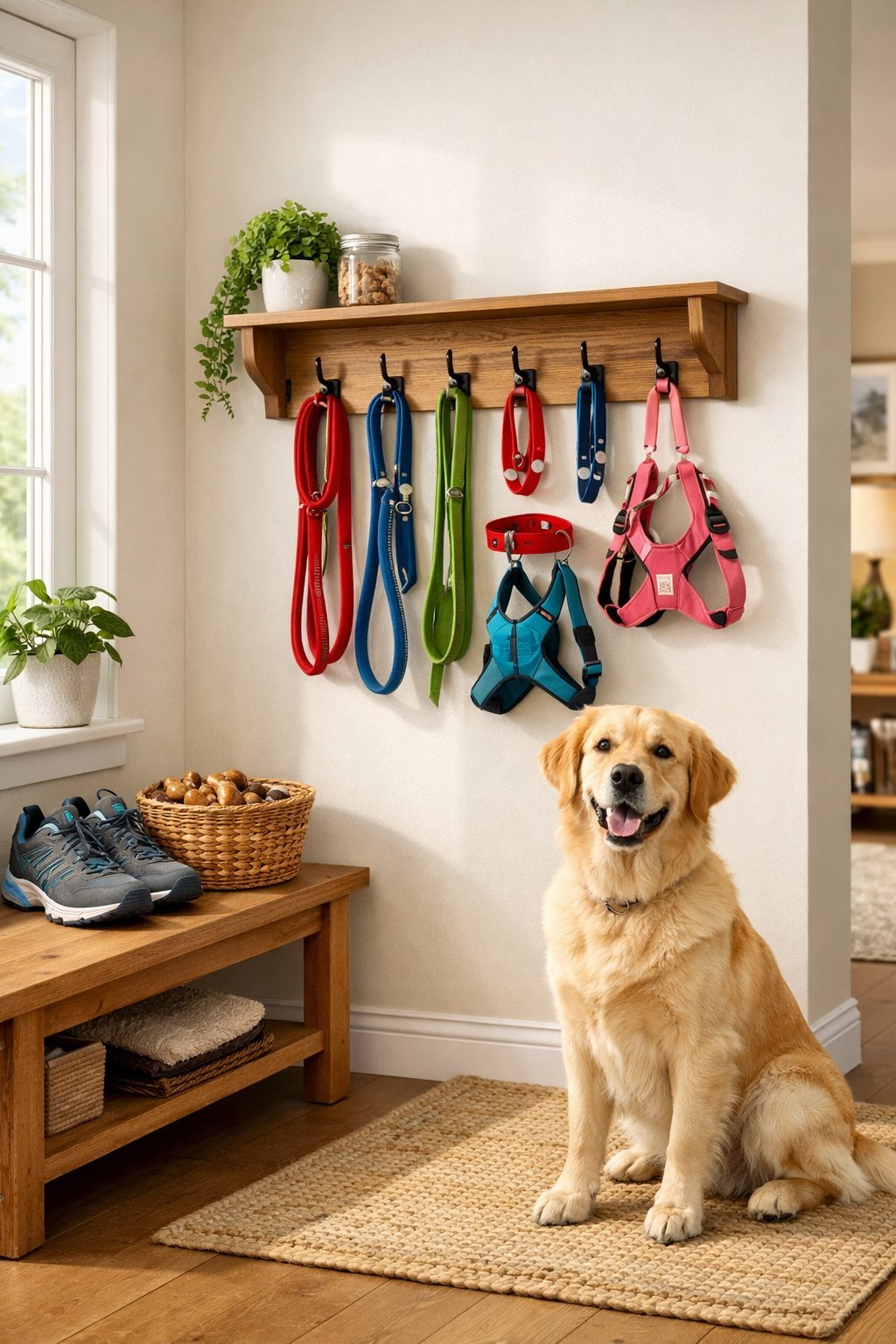
A leash station keeps everything you need for walks in one spot and makes leaving the house with your dog much easier. It also saves time during those moments when your dog is already excited and ready to go.
Benefits of an Organized Entryway
I used to waste so much time searching for leashes, poop bags, and treats before every walk. My dog would get more excited while I dug through drawers and closets.
Creating a dedicated dog walking station stops this stressful scramble before it starts. Having everything in one place means I can grab what I need in seconds.
My leash hangs on a hook where I can see it. Poop bags sit in a small container nearby.
Treats stay fresh in a jar that’s always within reach. An organized entryway also looks better than a messy pile of dog stuff.
Instead of leashes draped over chairs or hooks, I have a proper spot that fits my home’s style. Guests notice the difference too.
The mental relief matters just as much as the time saved. I don’t have to remember where I put things last time.
Everything returns to the same spot after each walk.
Encouraging Daily Walks
A visible leash station reminds me to take my dog out every day. When I see the leash hanging by the door, it’s harder to make excuses about being too busy.
My dog has also learned what the station means and gets excited whenever I walk near it. DIY dog treat and leash stations make walks feel like a special routine rather than a chore.
I keep high-value treats in the jar that my dog only gets before or after walks. This creates positive associations with the entire walking process.
Having everything ready removes the biggest barrier to regular exercise. The walk can happen right when the mood strikes or when my schedule allows.
Customizing for Your Pets’ Needs
Every dog owner has different requirements based on their pets and lifestyle. I built my station with exactly the right number of hooks for my dogs’ leashes.
Some people need space for multiple leashes and a chalkboard to track which family member walked the dog last. You can adjust the height to match where you naturally reach.
Add a shelf for water bottles if you take long walks. Include a small basket for bandanas or reflective gear if you walk at night.
The customization extends to style choices too. Pick wood stains that match your furniture.
Choose hook styles that fit your decor. Add your dog’s name or silhouette to make it personal.
Building it yourself means the station grows with your needs. Add more hooks when you adopt another dog.
Swap the treat jar for a larger size if needed.
Picking the Right Spot for Your Leash Station
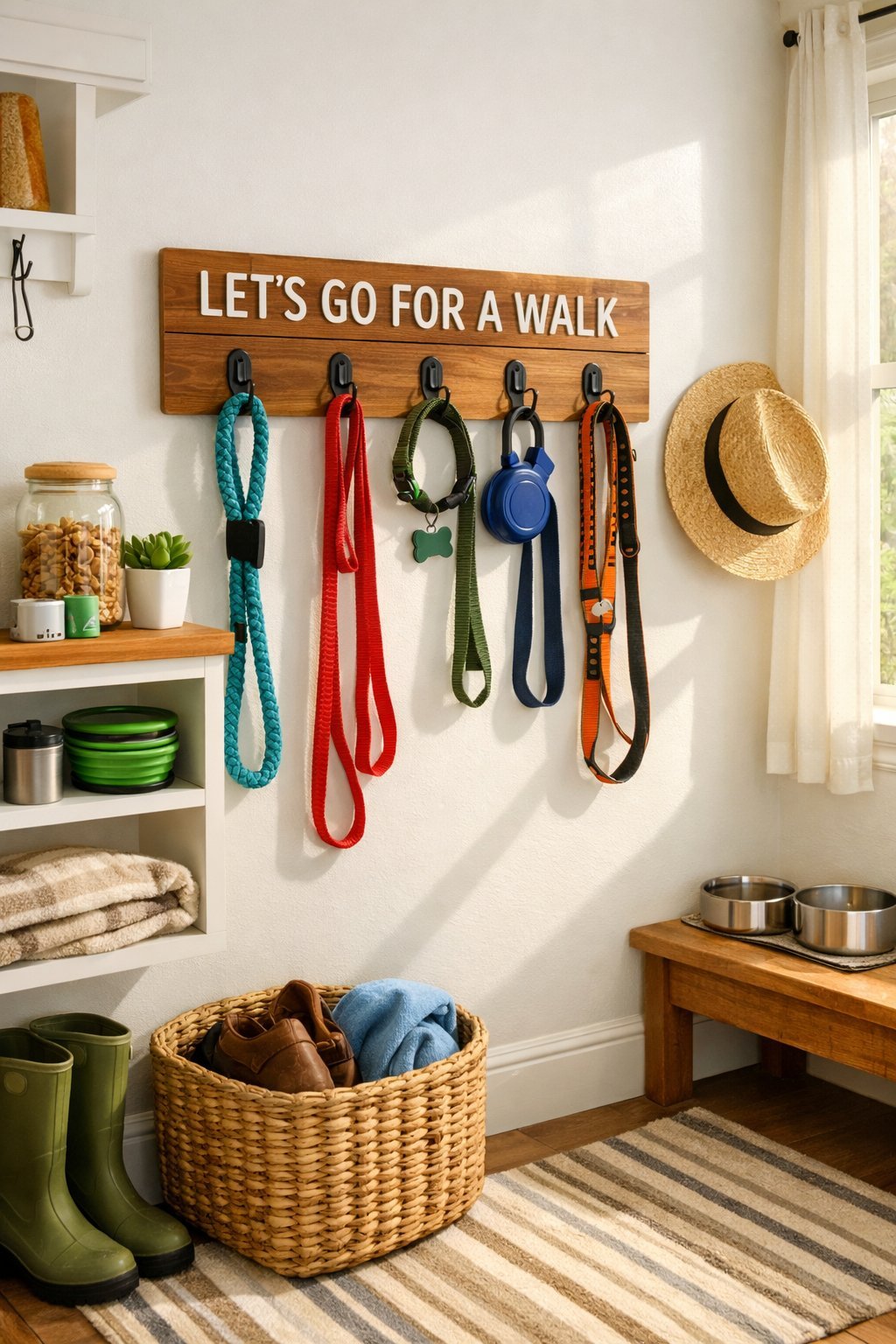
The location you pick for your leash station can make or break how often you actually use it. I’ve learned that the best spot balances convenience with your home’s layout and your dog’s routine.
Entryway Versus Mudroom
Your entryway works great if it’s the main door you use for walks. I recommend this spot for smaller homes or apartments where space is limited.
The key benefit is that everything sits right where you need it when heading out. A mudroom offers more room to spread out.
You can add extra hooks for multiple leashes, a basket for toys, and even a towel station for muddy paws. If you have a DIY dog walking station in a mudroom, you won’t clutter your main entrance.
Think about which door you use most often. I made the mistake of putting mine near my front door when I always exit through my garage.
It sat unused for weeks until I moved it.
Factors for Accessibility
Height matters more than most people realize. I mount my leash hooks about 4 to 5 feet high so I can grab them without bending down.
This puts them at eye level where I won’t forget them. Keep your station within arm’s reach of the door.
I position mine no more than 2 feet from my exit. This means I’m not walking back and forth across my entryway.
Consider your dog’s behavior too. Some dogs get excited when they see their leash.
If yours jumps or barks, you might want the station slightly out of their direct sight line but still easy for you to access. Leave enough space around your station for movement.
I keep at least 2 feet of clearance so I can clip the leash on my dog without bumping into furniture.
Avoiding Common Location Mistakes
Don’t put your station in direct sunlight. I learned this the hard way when my treats melted and my leather leash dried out and cracked.
UV rays damage materials over time. Avoid spots near heating vents or radiators.
The heat causes similar problems with treats and can warp wooden holders. Skip areas with high moisture like right next to exterior doors that get rain blown in.
Metal hooks rust and wood swells when exposed to dampness regularly. I also avoid placing stations behind doors that swing open.
Nothing’s more frustrating than having to close a door just to grab your leash.
Gathering Tools and Materials
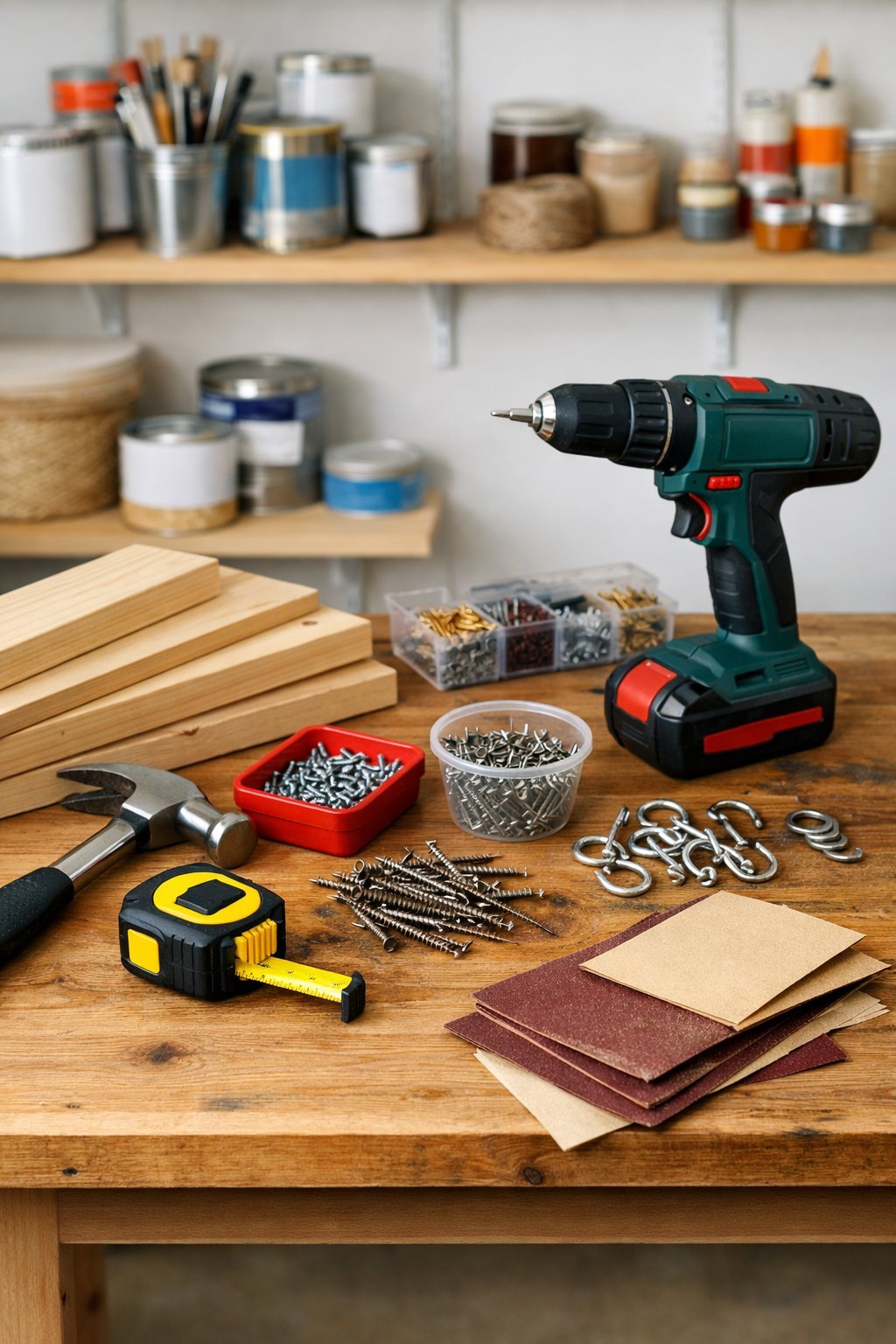
Building a leash station requires basic supplies you probably already have at home, along with a few specific items like hooks and wood pieces. I’ll walk you through what you need to grab before starting this project, including ways to save money and choose materials that look great in your space.
Essential Supplies Checklist
For a basic wall-mounted dog leash holder, I need a piece of wood for the backing board. A simple 1×6 or 1×8 board works well, cut to about 12-18 inches long depending on how many leashes I want to hang.
I’ll need 2-4 sturdy hooks that can support the weight of leashes and collars. Heavy-duty wall hooks or decorative coat hooks both work fine.
For assembly, I should have wood screws, sandpaper (120-grit and 220-grit), and wood glue on hand. If I’m painting or staining my station, I’ll need brushes, paint or stain, and a clear protective finish.
Mounting hardware is important too. I need wall anchors if I’m not drilling into a stud, plus screws long enough to go through my board and into the wall securely.
Optional additions include small shelves for treats, wooden dowels for organizing supplies, or a mason jar with a hose clamp to hold treats right on the station.
Eco-Friendly and Stylish Material Choices
I love using reclaimed wood or pallet wood for my leash station because it adds character and reduces waste. These materials often have unique grain patterns and weathered textures that give the piece a rustic charm.
Bamboo is another great choice since it grows quickly and creates a clean, modern look. It’s naturally water-resistant, which helps if the leashes are damp from rainy walks.
For hooks, I can choose vintage brass or iron pieces from thrift stores instead of buying new. These add personality while keeping functional items out of landfills.
Natural finishes like beeswax or linseed oil protect the wood without harsh chemicals. They’re safer for my home and still give the wood a nice sheen.
If I want to add a shelf component, reclaimed barn wood or old fence boards create a charming dog walking station that feels thoughtfully designed.
Budget-Friendly Options
I don’t need to spend much money on this project. Scrap wood from previous projects works perfectly as a backing board, and many hardware stores sell small wood pieces for just a few dollars.
Dollar store hooks are surprisingly sturdy and come in various finishes. I can spray paint them to match my decor if needed.
Instead of buying new wood, I can ask local hardware stores if they have damaged boards they’d sell at a discount. Small scratches or imperfections won’t matter since I’m cutting the piece down anyway.
For a quick 30-minute version, I can use a single piece of pallet wood with one hook and a mason jar I already own. A simple hose clamp costs less than two dollars and securely holds the jar.
Sandpaper and basic screws are inexpensive at any hardware store. If I skip paint and use a clear coat or leave the wood natural, I save even more while still creating something attractive and useful.
Step-by-Step Guide to Building Your Leash Station
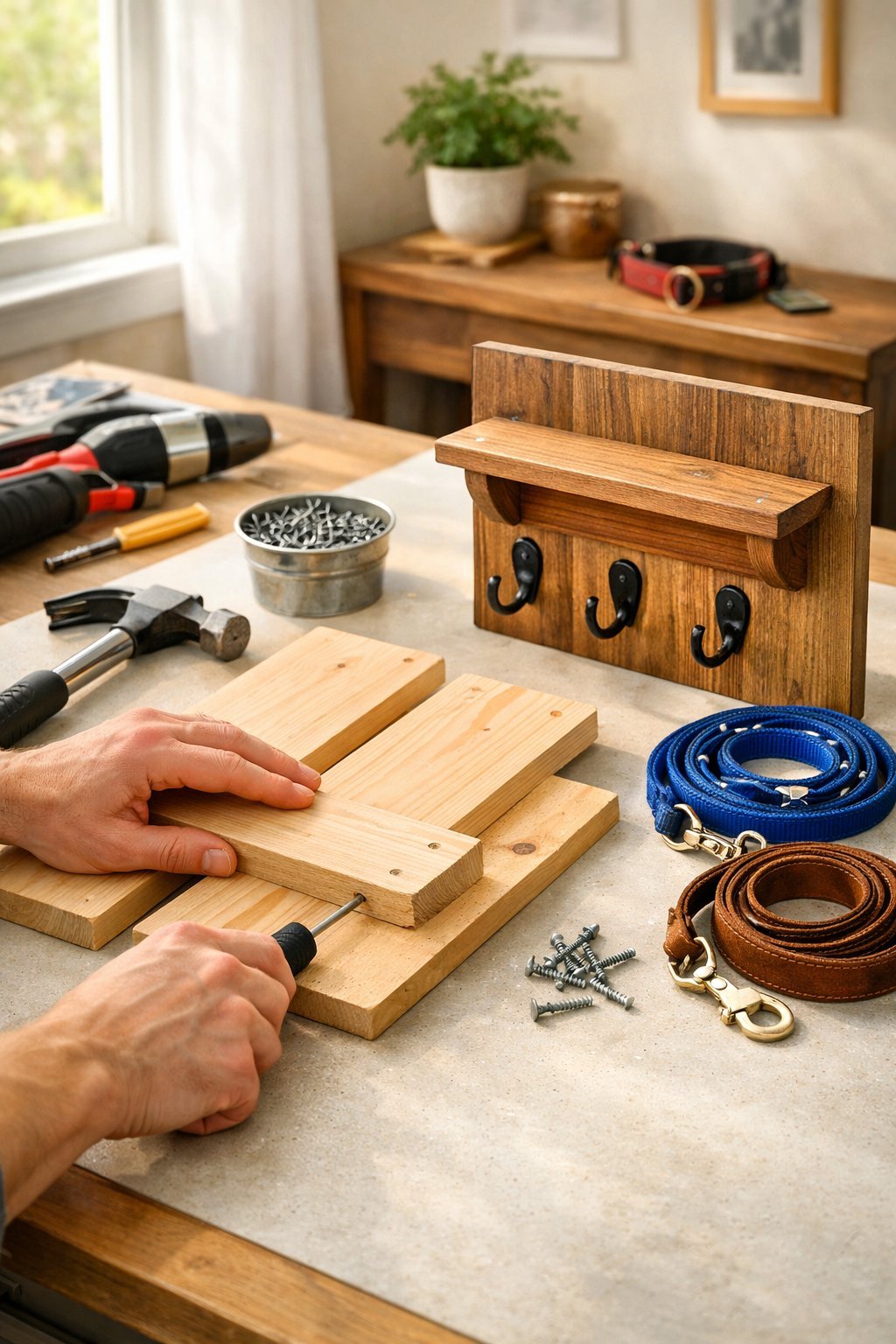
I’m going to walk you through building a functional leash station that keeps everything in one place. The process involves measuring your space, assembling basic components, installing hooks and storage, and adding finishing details.
Measuring and Planning Your Layout
I start by picking the right spot for my leash station. The best location is near the door I use most often for walks, whether that’s my front door, mudroom, or garage entrance.
I measure the wall space to figure out how wide and tall my station can be. Most leash stations work well between 12 to 24 inches wide and 8 to 16 inches tall.
I write down these measurements before buying any materials. Then I think about what I need to store—one leash or multiple, collars, harnesses, and other items.
I make a list of everything that will hang on or sit in my station. A simple sketch on paper helps me visualize where hooks and shelves might go.
Hooks are spaced about 3 to 4 inches apart so leashes don’t get tangled. This quick planning step makes assembly much smoother.
Simple Assembly Techniques
I gather my materials before starting. For a basic wooden leash station with hooks, I need a wood board, screws, hooks, sandpaper, and wall anchors.
If my wood needs cutting, most home improvement stores will do it for free with my measurements. I sand all the edges smooth to avoid splinters.
I pre-drill holes where my hooks will go. This helps prevent the wood from splitting.
If I want a finished look, I apply stain or paint and let it dry completely. Two thin coats usually turn out better than one thick one.
Adding Hooks and Storage Solutions
I attach sturdy hooks to my board first. Coat hooks or heavy-duty utility hooks work perfectly for leashes and can handle at least 5 pounds each.
If I have dogs of different sizes, I position hooks at different heights for easy access. I make sure to space them out so everything hangs neatly.
For treats and small items, I add a small shelf or a treat jar holder below the hooks. Small floating shelves or adhesive organizer bins work great if I want to skip extra drilling.
I mount the station to my wall using appropriate anchors. Finding wall studs with a stud finder gives the strongest hold, but heavy-duty drywall anchors rated for at least 20 pounds work if studs aren’t available.
Final Touches for a Polished Look
I add labels so everyone in the house knows where things go. A label maker or small chalkboard tags keep things organized long-term.
A small basket or bin at the bottom is perfect for poop bags, tennis balls, or other walk essentials. Command hooks can hold lightweight fabric bins without extra drilling.
Personalizing with my dog’s name using vinyl letters, paint, or wood-burning tools adds a cute touch. Dog paw designs or bone shapes make it feel special.
I test everything by hanging all my leashes and gear. If anything wobbles, I adjust spacing or add extra support.
Personalizing and Decorating Your Leash Station
A leash station works best when it reflects your dog’s personality and fits your home’s style. The right personal touches make this functional piece blend right in and keep everything handy.
Incorporating Your Pet’s Personality
Adding my dog’s name to the leash holder makes the station feel special and custom-made. You can paint, use vinyl lettering, or wood-burn your pet’s name onto the wood.
Photos of your dog add instant personality to any DIY dog leash station. I like mounting a small frame above the hooks with my favorite picture.
Paw print stamps or painted bones and hearts in your dog’s collar colors look great. You can also use breed-themed or activity-inspired decorations, like blue accents for water-loving dogs or bright colors for playful pups.
Creative Labeling Ideas
Labeling each hook helps keep things organized, especially with multiple dogs or different types of leashes. I like painting words like “Leash,” “Harness,” or each dog’s name under the hooks.
Chalkboard paint is a fun option for labels you can change anytime. I paint small rectangles under my hooks and update them as needed.
Label ideas I use:
- Individual dog names for multi-pet homes
- Leash types (walking, training, retractable)
- “Poop bags” for the dispenser hook
- “Keys” for your own items
Easy Cleaning and Maintenance Tips
I wipe down my leash station weekly with a damp cloth to keep dust and dirt away. Wood stations especially need regular cleaning to stay nice.
Sealing wooden stations with clear polyurethane makes cleaning easier and protects against moisture. I applied two coats to mine so spills wipe right off.
I check hooks monthly to make sure they’re secure. Tightening loose screws right away helps prevent accidents, and metal hooks hold up best if your leashes get wet.
Frequently Asked Questions
What are some creative ideas for a DIY leash station to encourage walking my dog?
A bone-shaped wall-mounted holder with hooks for leashes and shelves for treats is both fun and functional. You can also make a leash and treat station with a mason jar for treats so rewards are always handy.
Having a spot for poop bags and a small basket for essentials makes getting out the door quick and easy.
Can you suggest the best materials to use for building a leash station at home?
Wood is sturdy and easy to customize, and I love using reclaimed pallet wood for a rustic vibe. Heavy-duty metal hooks are a must—they should hold at least 10 pounds each.
Mason jars with metal hose clamps make great treat containers, and the clear glass lets you see when it’s time to restock.
How do I add a personal touch to my DIY leash station to make it more appealing?
I like painting or staining the wood to match my home decor. Bright colors make it pop, while natural wood tones blend in.
Adding my dog’s name with vinyl letters, wood burning, or hand-painting gives it a personal feel. Hanging a photo of my dog near the station or adding small frames makes it a true pet corner.
What are some tips for organizing leashes and walking gear to make it easily accessible?
Separate hooks for each leash keep them from tangling. If you have multiple pets, each gets their own hook.
Keeping treats at eye level is a good reminder before walks. I stash poop bags in a small basket or dispenser attached to the station.
A small shelf or basket for keys, gloves, and a flashlight turns the leash station into a complete dog walking station for all your essentials.
Are there any space-efficient DIY leash station designs suitable for small homes or apartments?
A simple board with hooks is perfect for tight spaces and can be mounted near the door without blocking anything. Vertical designs with stacked shelves use less width but still store everything you need.
Command hooks are a great temporary solution for renters. They’re not as sturdy, but they work for lightweight leashes and small treat containers.
How can I integrate a leash-training schedule into my new leash station setup?
I attach a small whiteboard or chalkboard near my leash station to track daily walks. Writing down walk times helps me stick to a routine.
Adding a calendar with marked walking times keeps me accountable. I use different colors for morning and evening walks.
I keep training treats separate from regular treats using two different jars. This way, I remember to work on commands during our walks instead of just hurrying through them.
