
The DIY Paw Balm Recipe Vets Wish More People Knew About: A Simple Guide to Soothing Your Dog’s Dry Paws

Your dog’s paws go through a lot every day—think hot pavement, icy sidewalks, rough terrain, and chemicals. Many pets end up with cracked, dry, and sore paw pads that could easily be avoided with a little extra care.
A homemade paw balm with simple natural ingredients like shea butter, coconut oil, and beeswax can protect and heal your dog’s paws. It’s safe enough for them to lick, too.
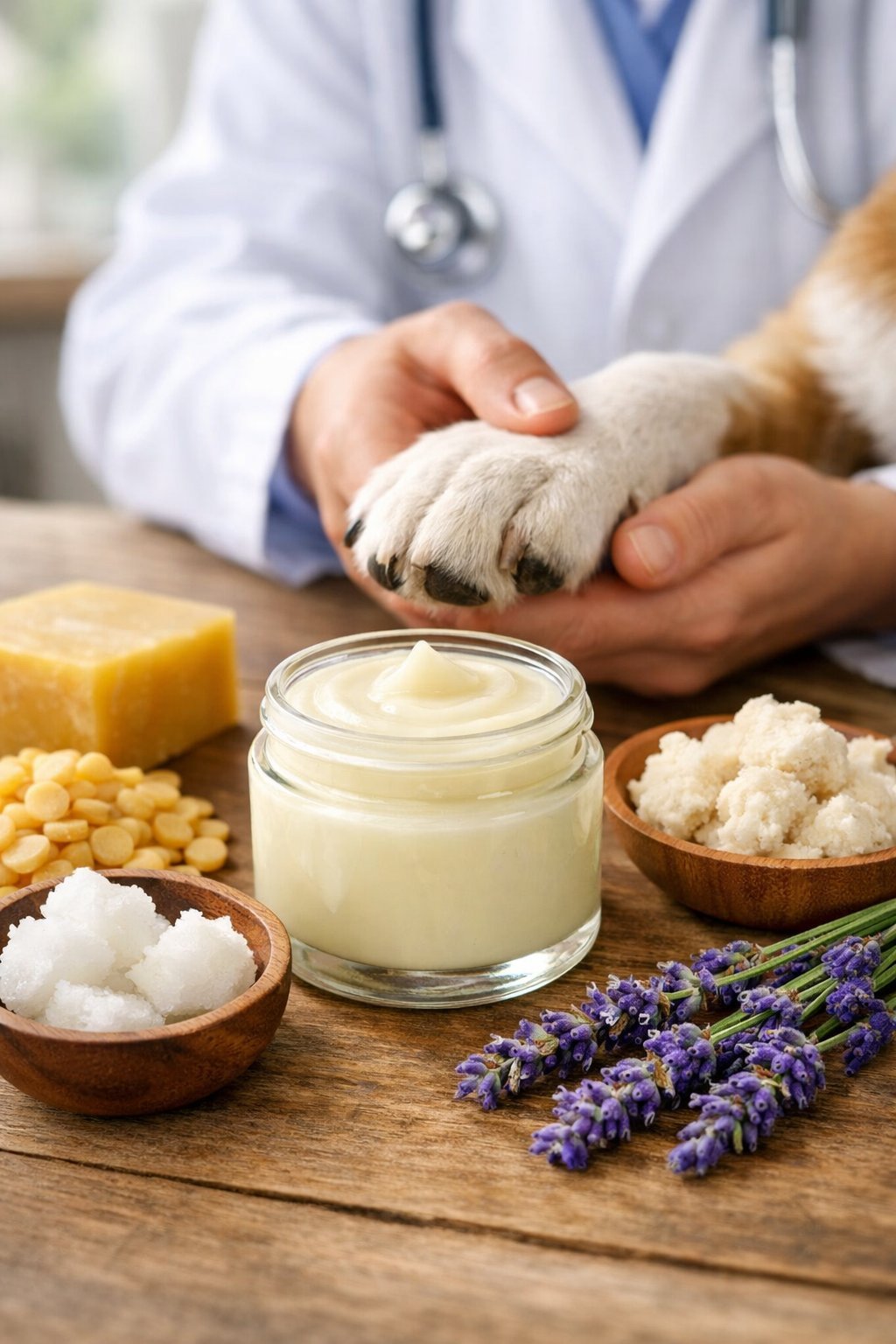
Most store-bought paw balms are pricey and often have mystery ingredients. Here’s a DIY dog paw balm recipe that vets actually recommend, so you know exactly what’s going on your pup’s paws.
Since dogs love to lick their feet, it’s important to keep things simple and safe.
Making your own paw balm takes less than 15 minutes and costs way less than buying it. This natural option works all year—shielding paws from winter salt, summer heat, and helping to heal damage.
Key Takeaways
- Homemade paw balm protects against weather extremes and heals cracked paws using safe, natural ingredients.
- The basic recipe combines shea butter, coconut oil, and beeswax in equal parts for effective protection.
- Apply a thin layer before walks and store in a cool place to keep your dog’s paws healthy year-round.
Why Vets Love This DIY Paw Balm
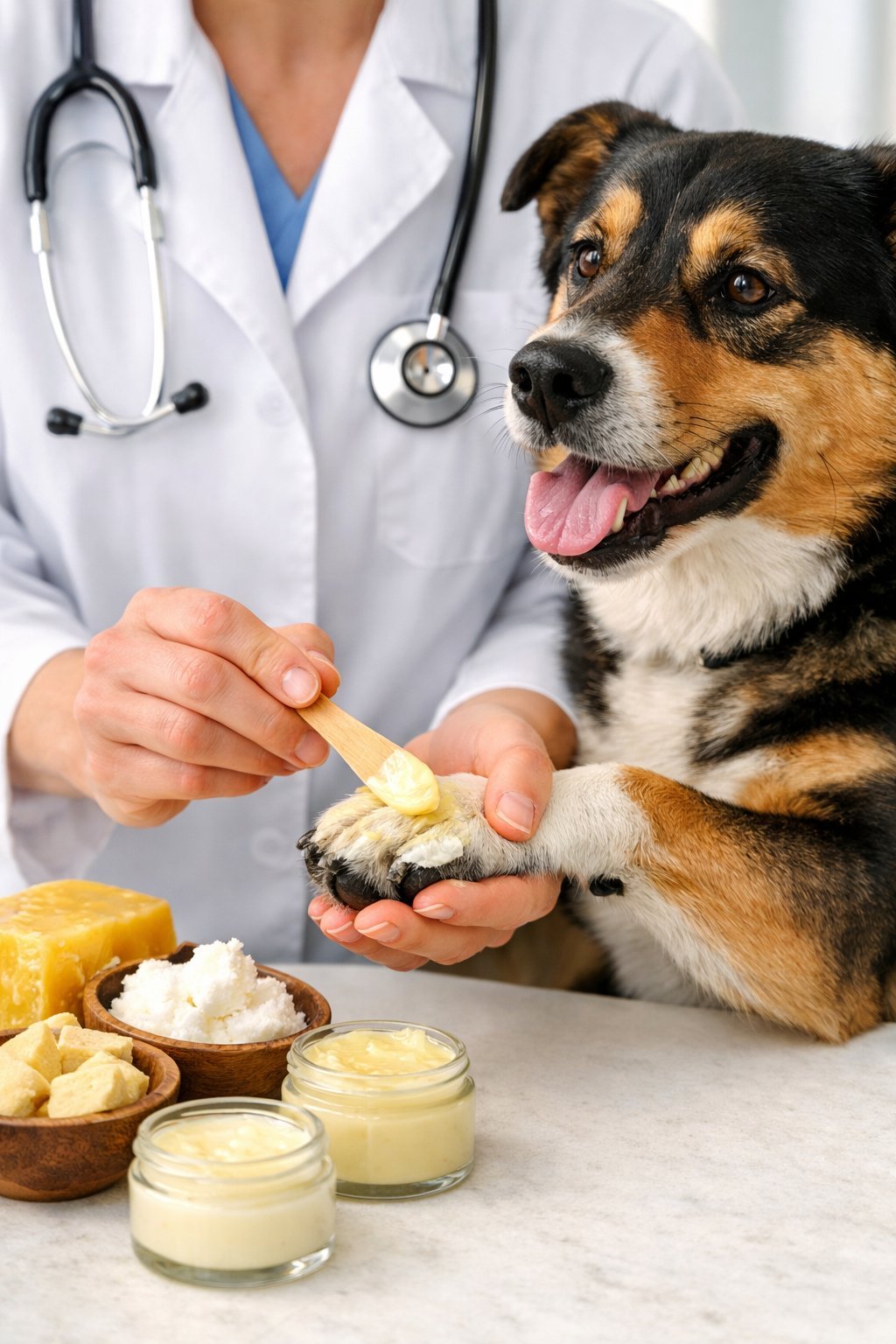
Vets like homemade paw balms because they use safe, natural ingredients and skip harsh chemicals. They’re simple, effective, and easy to make for everyday paw care.
Common Paw Problems in Dogs
Dogs deal with a lot of paw pad issues all year. Dry, cracked paws are super common, especially in winter when ice, snow, and salt can really irritate their skin.
Hot pavement in summer can burn their paw pads and cause painful blisters. Rough terrain like gravel, rocky trails, and concrete can also wear down their paw pads over time.
Other common paw problems include:
-
Excessive licking or chewing at paws
-
Redness and inflammation between toes
-
Peeling or flaking skin on pads
-
Limping or favoring certain paws
-
Cuts and abrasions from sharp objects
A lot of these problems happen because dogs’ paws are always exposed to the elements. Unlike our feet, theirs don’t have shoes for protection.
Vet-Approved Benefits of Natural Ingredients
Natural ingredients like shea butter, coconut oil, and beeswax are the backbone of a good homemade paw balm. They work together to moisturize, protect, and heal.
Shea butter deeply hydrates and has vitamins A and E to help skin heal. Coconut oil brings natural antibacterial and antifungal properties, helping prevent infections.
Beeswax forms a protective barrier to lock in moisture but still lets the skin breathe. These ingredients are totally safe if your dog licks their paws.
Store-bought balms sometimes have petroleum-based stuff or artificial additives that can upset a dog’s stomach. The natural formula takes away that worry.
Comparisons With Store-Bought Balms
Homemade paw balms are much cheaper than store-bought ones. You can make several tins for the price of one commercial container.
Key differences between DIY and store-bought balms:
| Feature | DIY Balm | Store-Bought Balm |
|---|---|---|
| Cost per tin | $2-4 | $12-25 |
| Ingredients | 3-5 simple items | 10+ complex ingredients |
| Shelf life | 6-12 months | 12-24 months |
| Customization | Fully adjustable | Fixed formula |
Store-bought balms often have preservatives and fillers that don’t actually help your dog’s paws. Homemade versions with simple ingredients work just as well—sometimes better—and you know exactly what’s in them.
Essential Ingredients for a Safe and Effective Paw Balm
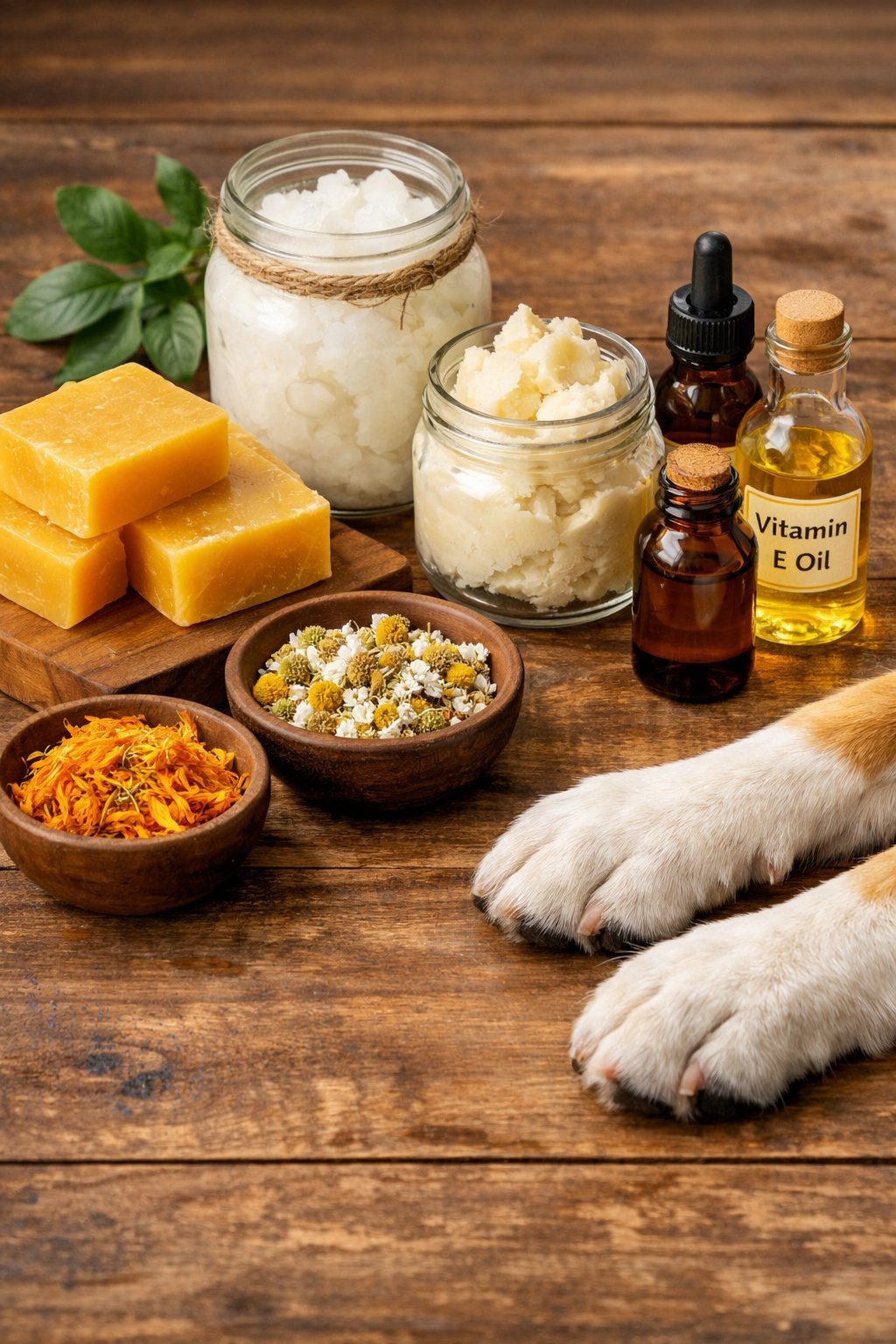
The best paw balms use just a few natural ingredients that moisturize without any risk to your dog. Oils and waxes that are safe if licked are the way to go.
Best Natural Moisturizers to Use
Coconut oil is a great base because it absorbs quickly and has natural antibacterial properties. It’s totally safe if your dog licks it.
Shea butter is another must-have. It creates a barrier on cracked paw pads and sticks around longer than lighter oils.
Beeswax is what gives the balm its solid form and adds extra protection against snow, ice, and hot pavement. About one part beeswax to four parts oils gives a nice texture.
Vitamin E oil is a nice bonus—it helps preserve the balm and supports skin healing.
Avoiding Harmful Additives
Skip essential oils. Dogs have sensitive noses and can react badly even to tiny amounts.
Avoid petroleum jelly or mineral oil—they just sit on top of the skin and can make paws feel greasy.
Stay away from zinc oxide, which is common in human products but can be toxic to dogs if licked. Ingredients should be all-natural and edible.
Artificial fragrances and dyes can irritate your dog’s skin or stomach, so leave them out.
Easy Ingredient Alternatives
If you can’t find shea butter, cocoa butter or mango butter work great. They have similar textures and moisturizing power.
Out of coconut oil? Olive oil is a gentle swap, though it doesn’t solidify as much, so you might need more beeswax. Sweet almond oil is another mild option.
No beeswax? Try candelilla wax for a plant-based alternative. Carnauba wax works too, but use a little less since it’s harder.
Ingredient Sourcing Tips
I usually grab coconut oil and olive oil from the grocery store—cooking grade works just fine and is cheaper than cosmetic grade.
For shea butter and beeswax, check craft stores or online. Farmers markets sometimes have local beeswax, which is usually fresher.
Go for unrefined versions when you can. Refined ingredients lose some of their good stuff during processing.
Buying in bulk saves money if you plan to make balm regularly. A pound of beeswax lasts a long time and is cost-effective.
Step-by-Step DIY Paw Balm Recipe
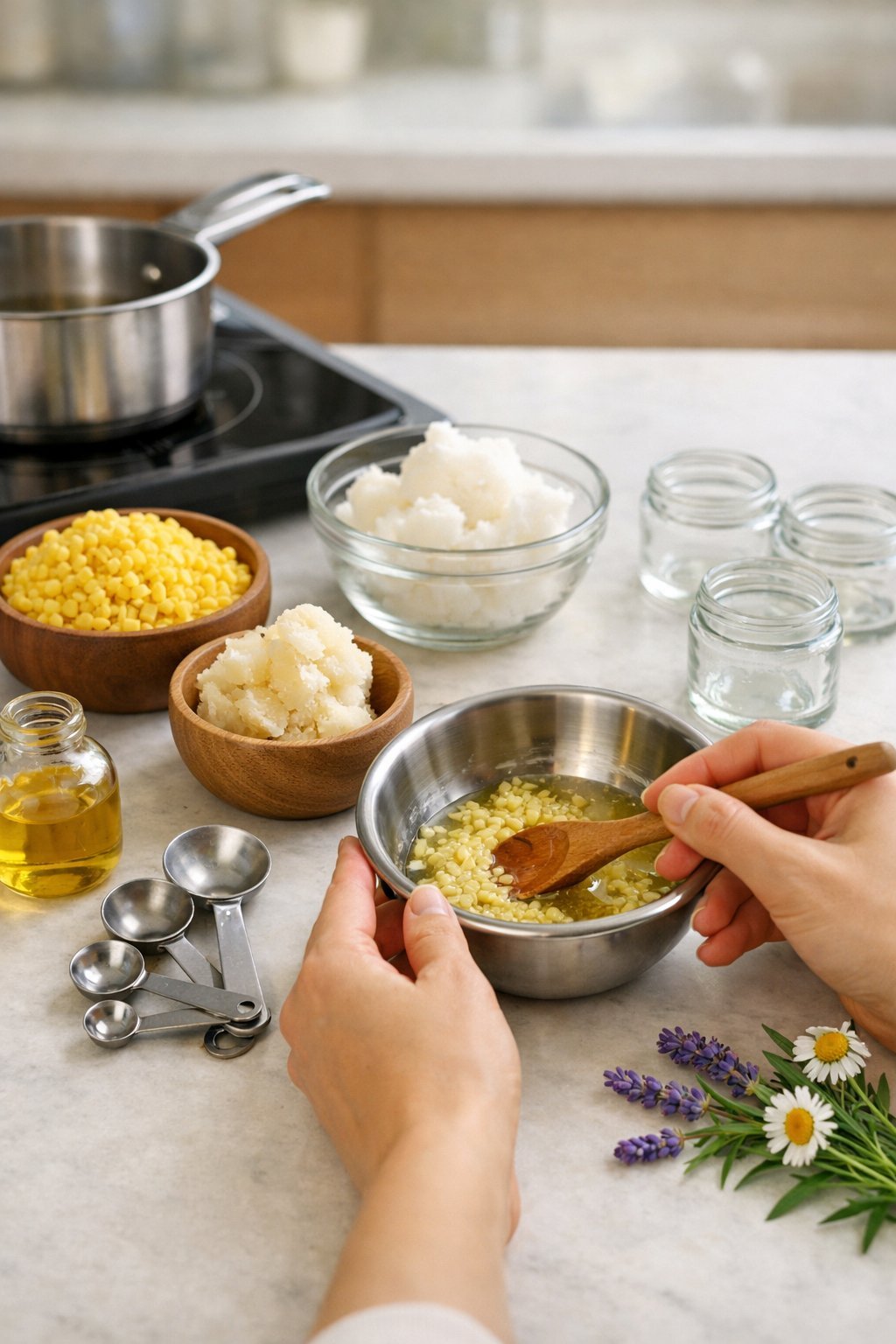
Making your own paw balm is quick and easy. You just melt the oils and waxes together, pour into containers, and let it cool.
Full Ingredient List and Measurements
Here’s what you’ll need for a basic batch:
- 2 tablespoons beeswax (helps the balm solidify)
- 2 tablespoons coconut oil (for moisture)
- 2 tablespoons shea butter (to heal cracked paws)
- 1 tablespoon olive oil (for extra softness)
This makes enough for 2-3 small tins. Double or triple the recipe if you want more. Make sure everything is food-safe.
Simple Cooking and Mixing Instructions
Set up a double boiler by filling a small pot with a couple inches of water and bringing it to a simmer.
Put a heat-safe bowl on top and add the beeswax first—it melts the slowest. Stir now and then.
Once the beeswax is melted, add the coconut oil and shea butter. Stir until it’s all smooth.
Take it off the heat and mix in the olive oil last. Let it cool for a couple minutes before pouring.
Pouring and Setting the Balm
Pour the warm mixture into small tins or silicone molds while it’s still liquid. It’ll start to harden quickly.
Fill each container about three-quarters full. Let them sit at room temp for 30-45 minutes.
You can pop them in the fridge for 20 minutes to speed things up. Once firm, your paw balm is ready to use.
Store it in a cool, dry spot for up to six months.
How to Apply and Store Paw Balm for Best Results
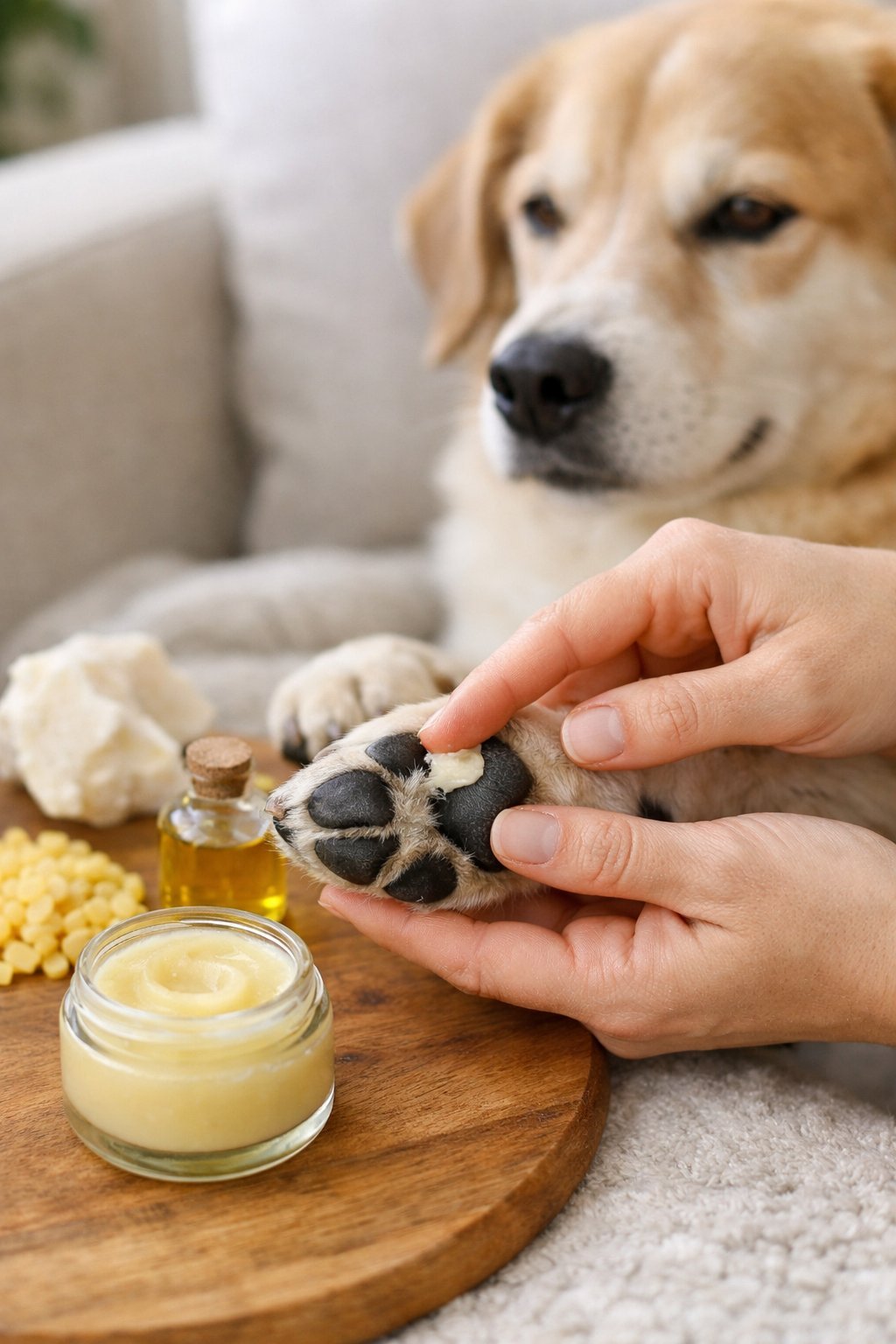
Applying paw balm the right way helps it work better, and storing it properly keeps it fresh.
Application Techniques Your Dog Will Love
Let your dog sniff the balm first so they’re comfortable with it.
The best time to apply paw balm is before heading out for walks. A thin layer protects paws from hot pavement or winter chemicals.
Here’s how I do it:
- Clean your dog’s paws with a damp cloth.
- Scoop a small amount of balm with your finger.
- Gently massage it into each paw pad.
- Focus on any cracked or dry spots.
- Let them lick your hand if they want—it’s safe!
I also like to apply balm at night before bed. While your dog sleeps, the balm can soak in without getting wiped off.
If your dog tries to lick it off right away, distract them with a treat or toy for a few minutes.
For dogs who don’t love having their paws touched, start with one paw at a time. Give lots of praise and treats to keep it positive.
Frequency and Timing for Use
I check my dog’s paws every few days to see if they need balm. Dry or rough paw pads mean it’s time for another application.
In winter, I apply balm before every walk outside. Salt and ice-melting chemicals can really damage paw pads.
In summer, I focus on walks that happen during the hottest parts of the day. That’s when paw pads are most at risk from hot pavement.
My typical schedule looks like this:
- Winter: Before each outdoor walk and once at bedtime
- Summer: Before midday walks and 2-3 times per week at night
- Spring/Fall: 2-3 times per week as needed
Active dogs who run on rough surfaces need balm more often than dogs who mostly walk on grass. I adjust based on what my dog’s paws look and feel like.
Storage Tips for Freshness
I keep my paw balm in a cool, dry place away from direct sunlight. Heat makes the balm melt and can shorten its shelf life.
A bathroom cabinet or kitchen drawer works perfectly. I avoid leaving it in my car, especially during summer, because temperatures can get too hot.
Best storage practices I follow:
- Use a container with a tight-fitting lid
- Keep away from moisture and humidity
- Store at room temperature (60-75°F)
- Label with the date you made it
Homemade paw balm typically lasts 6-12 months when stored properly. I always smell it before using it—if it smells weird or rancid, I toss it and make a fresh batch.
I also keep a small travel-size tin in my dog’s walking bag. That way, I always have balm handy for longer trips or unexpected rough terrain.
Important Precautions and Customizations
Not every dog reacts the same way to natural ingredients. Weather can also change what your pup’s paws need most.
Tweaking the basic recipe and watching for warning signs makes a big difference in keeping paws healthy all year.
Allergy Awareness for Sensitive Paws
I always recommend testing any new balm on a small area first, even with natural ingredients. Some dogs have allergies to coconut oil, shea butter, or beeswax without their owners knowing it.
Apply a tiny amount to one paw pad and wait 24 hours. Watch for redness, swelling, excessive licking, or any signs of discomfort.
If your dog shows sensitivity to common ingredients, you can swap them out. Replace coconut oil with sweet almond oil or use mango butter instead of shea butter.
Dogs allergic to beeswax usually do well with candelilla wax as a plant-based alternative.
Common allergy signs to watch for:
- Persistent paw licking or chewing
- Red or inflamed skin between toes
- Swelling around paw pads
- Hives or bumps on contact areas
Stop using the balm immediately if you notice any reactions. Some pups just need a simpler formula with fewer ingredients to avoid sensitivities.
Adjusting the Recipe for Different Seasons
I modify my paw balm recipe based on what my dog faces outside. Winter conditions require extra protection from salt, ice, and cold surfaces.
For winter balm, I increase the beeswax by about 20% to create a thicker barrier. This helps shield paws from sidewalk salt and prevents ice balls from forming between toes.
The firmer texture stays on longer during snowy walks. For summer, I reduce beeswax slightly and add more coconut oil so the balm absorbs faster.
This prevents my dog from slipping on hardwood floors after application.
Seasonal adjustments I use:
- Winter: More beeswax, add vitamin E for healing
- Summer: Less wax, lighter consistency
- Spring/Fall: Standard recipe works best
Apply winter balm 15 minutes before walks to let it set. Summer balm works better right after walks when paws are clean.
Identifying When to Seek Veterinary Help
Homemade balm works great for routine paw care, but sometimes professional help is needed. Deep cracks that bleed, oozing wounds, or severe swelling require a vet visit right away.
If your dog limps, refuses to walk, or constantly favors one paw despite using balm, something more serious might be going on. Sometimes what looks like dry paws is actually a cut, infection, or embedded foreign object.
Watch for paws that smell bad, feel hot to the touch, or have thick yellow or green discharge. These signs point to infection that balm alone won’t fix.
When to call your vet:
- Bleeding that doesn’t stop within 10 minutes
- Visible cuts deeper than surface level
- Limping lasting more than a day
- Paw pads that feel unusually warm
- Bad odor coming from paws
Burns from hot pavement need immediate attention too. If balm doesn’t improve cracked paws within a week of regular use, schedule a checkup to rule out underlying health issues.
Frequently Asked Questions
Making paw balm at home is pretty simple. It usually involves coconut oil, shea butter, and beeswax—all safe if your dog licks them.
Most recipes have you melt these ingredients together and let them cool before applying.
How can I make homemade paw balm for my dog?
I start by gathering the basic ingredients: coconut oil, shea butter, and beeswax. These three make up the base of most DIY dog paw balm recipes.
I melt the ingredients together in a double boiler or microwave-safe bowl. The usual ratio is 2 parts coconut oil, 1 part shea butter, and 1 part beeswax.
Once melted, I stir the mixture well and pour it into small containers. I let it sit out for about 20 minutes before using it on my dog’s paws.
What are the benefits of using natural ingredients in paw balm?
Natural ingredients are gentle on my dog’s paws and skin. They don’t contain harsh chemicals that could irritate cracked or dry paw pads.
Coconut oil has moisturizing properties that help heal rough skin. Shea butter provides extra moisture and creates a protective barrier against cold weather and rough surfaces.
Beeswax helps the balm stick to my dog’s paws longer. It also adds a layer that keeps moisture in while blocking out harmful elements.
Are there any safe, lickable ingredients I can use in a DIY paw balm?
All the main ingredients I use are safe if my dog licks them. Coconut oil, shea butter, beeswax, and Vitamin E are non-toxic to dogs in small quantities.
I still try to distract my dog after applying the balm so it can absorb first. Too much oil can cause loose stool if my dog licks off large amounts.
I avoid adding essential oils or fragrances that might upset my dog’s stomach. Sticking to plain, food-grade ingredients keeps the balm completely safe.
Can I include carrots and apples in recipes for my dog, and are they safe for use in paw balms?
Carrots and apples are safe and healthy treats for dogs to eat. I don’t include them in paw balm recipes, though.
Paw balms need ingredients that create a protective barrier and moisturize the skin. Fruits and veggies would spoil quickly and just aren’t right for topical use.
I keep carrots and apples as nutritious snacks for my dog instead.
How do I prepare a nutritious homemade meal for my dog that’s beneficial for their paws as well?
I include foods rich in omega-3 fatty acids like salmon or fish oil in my dog’s meals. These nutrients support healthy skin and paw pads from the inside out.
Adding lean proteins, vegetables like carrots and green beans, and healthy fats helps maintain overall skin health. Good nutrition really shows up in the condition of my dog’s paws.
I also make sure my dog stays hydrated with plenty of fresh water. Proper hydration keeps skin and paw pads from becoming dry and cracked.
What should I look for in a paw balm to ensure it’s vet recommended for my dog’s health?
I look for balms with simple, natural ingredients that vets approve of. Basic ingredients like coconut oil, shea butter, and beeswax are commonly recommended by veterinarians.
I avoid balms with artificial fragrances, dyes, or preservatives. These additives can irritate my dog’s paws or cause problems if licked off.
I also check that all ingredients are food-grade and non-toxic. A vet-approved homemade paw balm should be safe enough to eat in small amounts since dogs naturally lick their paws.
Printable Recipe Card
Want just the essential recipe details without scrolling through the article? Get our printable recipe card with just the ingredients and instructions.
