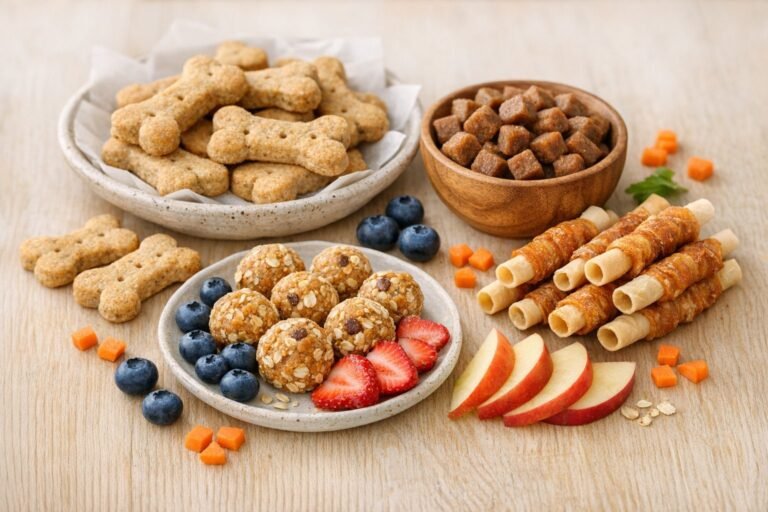
Chicken Dog Food Recipes: Easy Homemade Meals Your Pup Will Love

Chicken Dog Food Recipes – Making your own dog food at home gives you full control over what your pet eats every day.
Chicken-based homemade dog food lets you avoid fillers and preservatives while providing lean protein that supports your dog’s muscle health and energy levels.
When you combine chicken with the right vegetables and grains, you create balanced meals tailored to your dog’s specific needs.
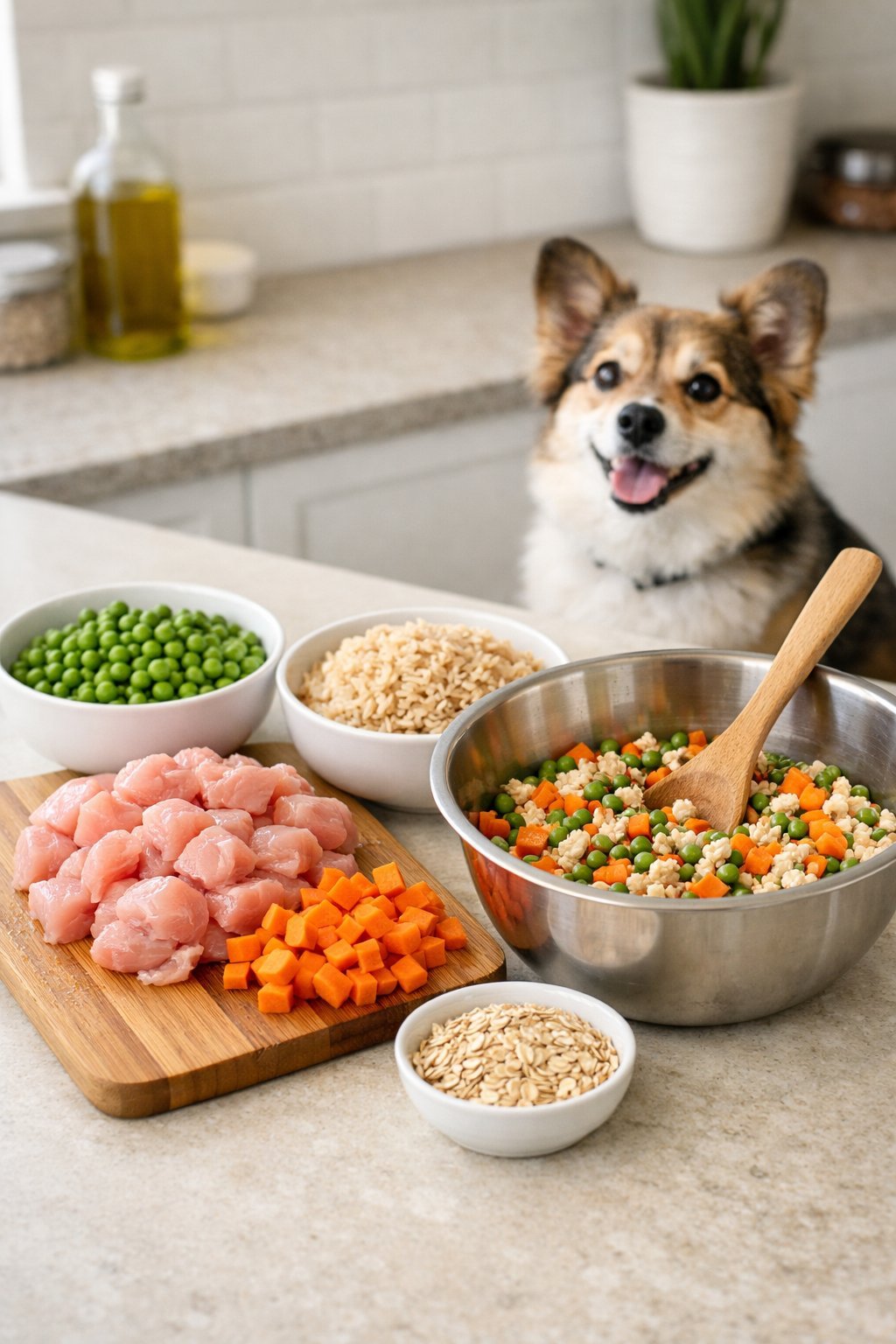
I’ve found that homemade chicken dog food recipes are easier to make than most people think.
Whether you prefer cooking on the stovetop, using a crockpot, or baking in the oven, there are simple methods that fit any schedule.
Your dog will notice the difference in taste and freshness compared to processed kibble.
The best part about making your own chicken dog food is knowing exactly what goes into each meal.
You can adjust ingredients based on your dog’s age, size, and any dietary restrictions they might have.
I’ll walk you through everything you need to know to start preparing nutritious, homemade meals your dog will love.
Key Takeaways
- Homemade chicken dog food provides quality protein while letting you control ingredients and avoid artificial additives
- Combining chicken with vegetables, grains, and healthy fats creates complete and balanced meals for your dog
- Proper preparation, storage, and portion control ensure your homemade dog food stays fresh and meets your pet’s nutritional needs
Benefits of Homemade Chicken Dog Food
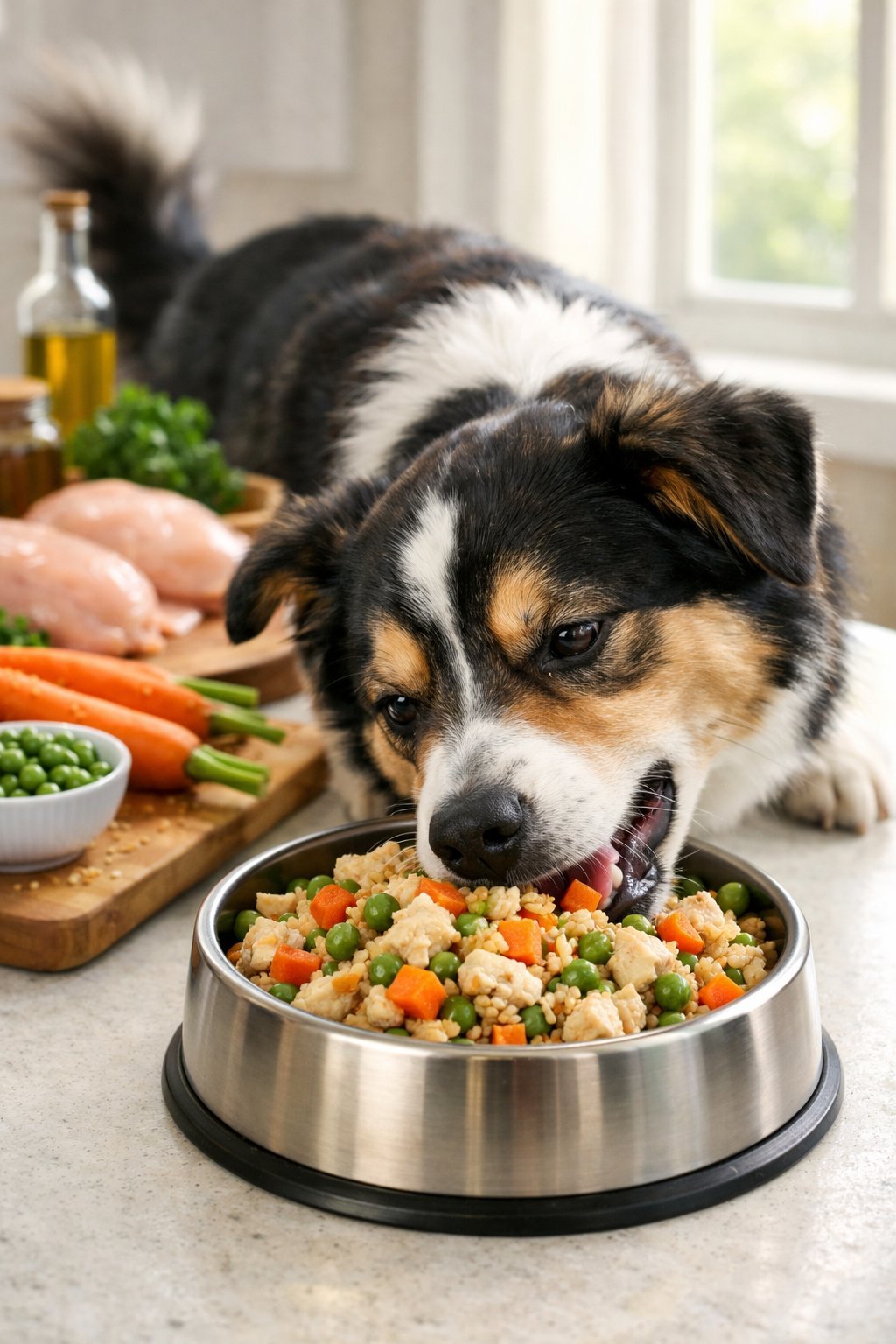
Making chicken dog food at home gives me complete control over what goes into my dog’s bowl while providing fresh, wholesome nutrition tailored to their specific needs.
I can select high-quality ingredients, avoid unnecessary additives, and create meals that support my pet’s health in ways commercial foods sometimes cannot.
Nutritional Advantages
When I prepare homemade chicken dog food, I ensure my dog gets balanced nutrition from whole food sources.
Chicken provides lean protein that supports muscle development and maintenance.
I can add vegetables like carrots, green beans, and sweet potatoes for essential vitamins and minerals.
The combination of protein, carbohydrates, and vegetables creates a complete meal.
Brown rice or quinoa adds fiber for digestive health.
Pumpkin is particularly beneficial for dogs with sensitive stomachs.
I know exactly how much protein, fat, and carbohydrates my dog receives in each meal.
This precision helps me manage their weight and energy levels better than guessing at commercial food labels.
Ingredient Quality Control
Making dog food myself means I choose every single ingredient that goes into the recipe.
I buy fresh chicken from trusted sources and wash all vegetables thoroughly.
There are no mystery meat meals or unidentifiable by-products in my homemade batches.
Homemade chicken dog food allows me to avoid fillers and preservatives that many commercial brands use to extend shelf life.
I don’t have to worry about recalls or contamination issues that sometimes affect store-bought products.
My kitchen becomes the quality control center.
I can select organic ingredients when possible and adjust recipes based on seasonal availability.
Fresh ingredients contain more nutrients than heavily processed kibble that sits on shelves for months.
Allergy Reduction
Many dogs suffer from food sensitivities or allergies to common commercial dog food ingredients.
When I make chicken and rice dog food at home, I eliminate potential allergens like corn, wheat, soy, and artificial additives.
I can identify exactly what triggers my dog’s reactions by controlling every ingredient.
If my dog has grain allergies, I substitute sweet potatoes for rice.
If they’re sensitive to certain vegetables, I simply leave them out.
This customization helps reduce skin issues, digestive problems, and other allergy symptoms.
I’ve noticed improvements in my dog’s coat quality and energy levels after switching to homemade meals tailored to their needs.
Essential Ingredients for Chicken Dog Food Recipes
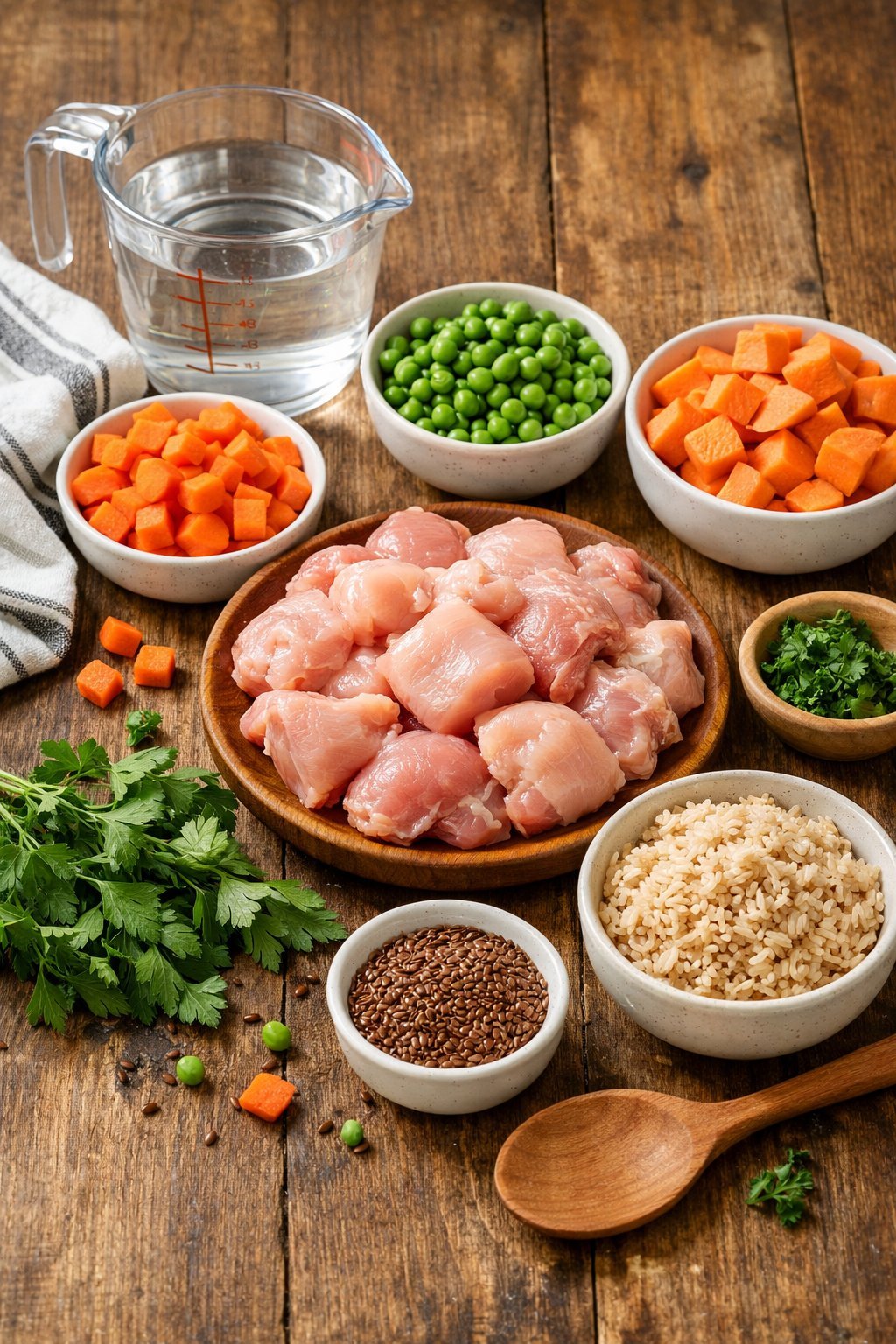
I always make sure to use quality proteins, dog-safe vegetables, appropriate carbohydrates, and necessary supplements when preparing homemade meals for my pup.
These ingredients work together to create balanced, nutritious food that supports my dog’s health.
Choosing the Right Chicken
I use both chicken breasts and thighs in my homemade dog food recipes.
Chicken breast is leaner and works well for dogs that need to watch their weight.
Thighs contain more fat and flavor, which many dogs prefer.
I can also use ground chicken, which makes preparation easier on the stovetop.
Ground chicken cooks faster and mixes well with other ingredients.
I always cook chicken thoroughly to kill harmful bacteria like salmonella.
I remove bones before feeding chicken to my dog because cooked bones can splinter and cause choking or internal injuries.
I also take off the skin since it contains excess fat that can upset my dog’s stomach.
Raw chicken isn’t safe for homemade dog food because of bacteria risks.
Safe Vegetables for Dogs
I add vegetables to provide vitamins, minerals, and fiber in my dog’s meals.
Carrots are one of my favorites because they’re rich in vitamin A and add a sweet crunch.
I use both raw shredded carrots and cooked chunks.
Green beans are another staple I include often.
They’re low in calories and high in fiber, making them perfect for dogs that need to maintain a healthy weight.
Peas add protein and essential vitamins.
I also use sweet potatoes, which provide complex carbohydrates and beta-carotene.
Broccoli in small amounts offers vitamin C and fiber.
Spinach gives my dog iron and antioxidants.
Vegetables to avoid include:
- Onions
- Garlic
- Mushrooms
- Avocado
Healthy Grains and Carbohydrates
I include grains and carbs to give my dog energy throughout the day.
Brown rice is my go-to choice because it’s easy to digest and provides B vitamins.
White rice works too, especially for dogs with sensitive stomachs.
Oatmeal is another grain I use regularly.
It contains soluble fiber that supports digestive health.
Quinoa offers complete protein and works well for dogs with grain sensitivities.
Sweet potatoes serve as both a vegetable and a carbohydrate source in my recipes.
They’re packed with nutrients and most dogs love the taste.
Regular potatoes work fine too when cooked plain without any seasonings.
I avoid corn and wheat in my homemade chicken dog food recipes since some dogs have trouble digesting them.
The amount of carbs I use depends on my dog’s activity level and weight goals.
Essential Supplements and Additions
I add supplements to make sure my homemade dog food is nutritionally complete.
Fish oil provides omega-3 fatty acids for healthy skin and a shiny coat.
I use about one teaspoon per 20 pounds of body weight.
Calcium is critical when making homemade dog food.
I add ground eggshells or calcium carbonate powder to balance the phosphorus in meat.
Dogs need proper calcium-phosphorus ratios for strong bones.
I include a small amount of olive oil or coconut oil for healthy fats.
These oils support brain function and help my dog absorb fat-soluble vitamins.
A multivitamin designed for dogs fills any nutritional gaps in homemade meals.
Salt isn’t necessary since chicken provides enough sodium naturally.
I never add garlic, onion powder, or other seasonings that humans enjoy but dogs shouldn’t eat.
Step-by-Step Chicken Dog Food Recipes
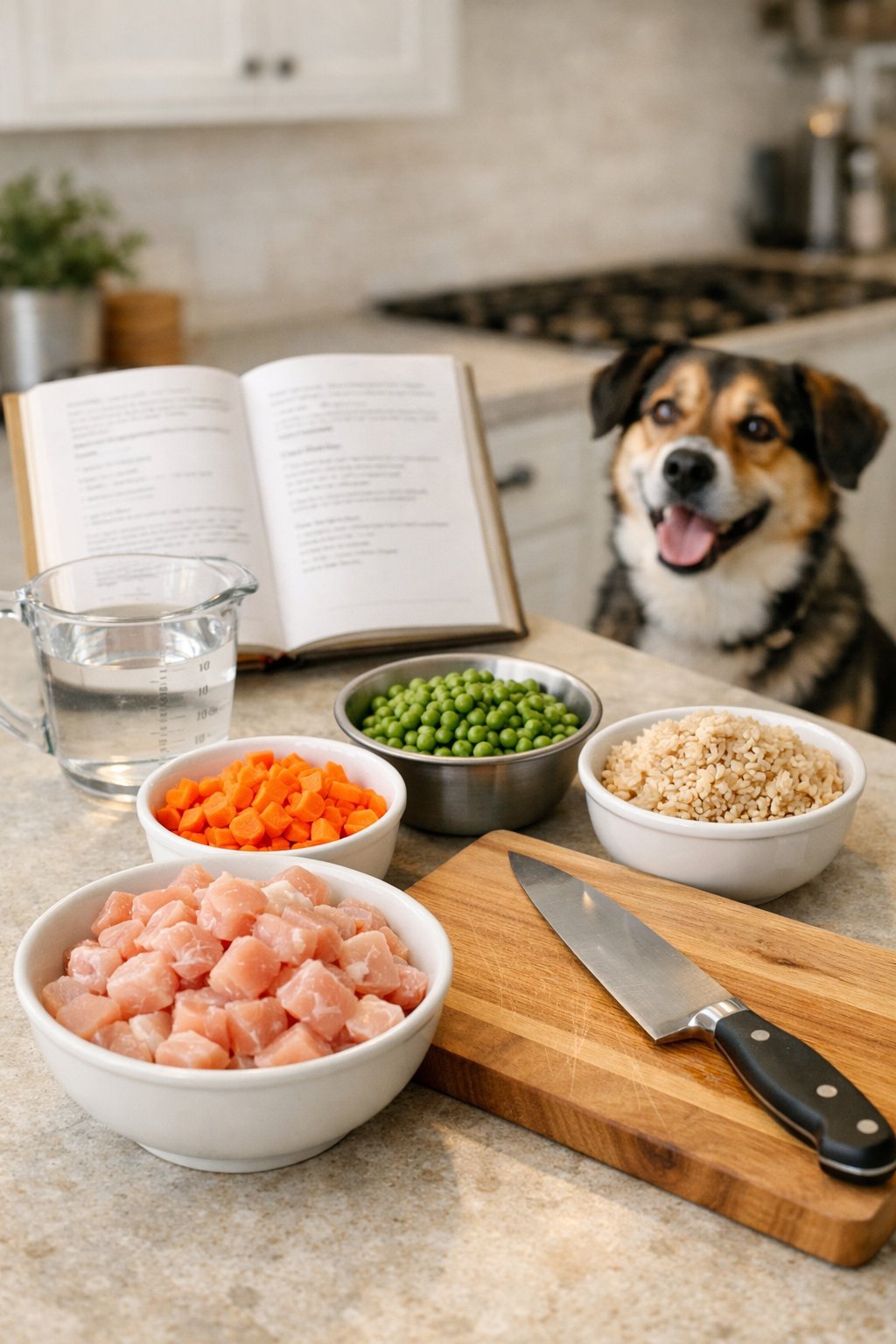
I’ve found that making homemade chicken meals for dogs works best when you have clear recipes to follow.
These three recipes cover different dietary needs, from basic chicken and rice to grain-free options.
Simple Chicken and Rice Meal
I always recommend this recipe as a starting point because it’s gentle on digestion and uses ingredients most people already have at home.
Ingredients:
- 2 cups boneless, skinless chicken breast
- 1 cup white or brown rice
- 1 cup chopped carrots
- 1/2 cup green beans
- 4 cups water
I start by cooking the rice according to package directions.
While the rice cooks, I cut the chicken into small chunks and boil it in water until fully cooked through, which takes about 15 minutes.
Once the chicken is done, I add the chopped vegetables to the same pot and cook for another 5-7 minutes until tender.
I drain the excess water and mix everything together with the cooked rice.
After letting it cool completely, I portion it out based on my dog’s size.
This basic chicken and rice recipe provides lean protein and easy-to-digest carbohydrates that work well for most dogs.
Chicken and Vegetable Stew
I love making this stew because it packs more variety into each meal and my dog gets excited when I bring out the bowl.
Ingredients:
- 3 cups chicken thighs (bone-in, then remove bones)
- 1 sweet potato, diced
- 1 cup pumpkin puree
- 1 cup peas
- 1 cup spinach
- 6 cups low-sodium chicken broth
I place the chicken in a large pot with the broth and bring it to a boil.
After reducing to a simmer, I cook for 30 minutes until the chicken is fully cooked.
I remove the chicken, let it cool, and carefully take out all bones before shredding the meat.
Back in the pot, I add the sweet potato and simmer for 10 minutes.
Then I stir in the pumpkin, peas, and spinach, cooking for another 5 minutes.
I add the shredded chicken back in and mix well.
This chicken and vegetable combination creates a nutrient-rich meal with vitamins from different vegetables.
Grain-Free Chicken Dog Food
I make this recipe for dogs who have grain sensitivities or need a lower-carb diet.
Ingredients:
- 2 pounds ground chicken
- 2 cups cauliflower, chopped
- 1 cup broccoli florets
- 1 cup blueberries
- 2 tablespoons fish oil
- 1/4 cup chicken liver (optional)
I brown the ground chicken in a large skillet over medium heat, breaking it apart as it cooks.
Once the chicken is cooked through, I steam the cauliflower and broccoli separately until soft, about 8-10 minutes.
I pulse the cooked vegetables in a food processor until they’re finely chopped but not mushy.
Then I combine everything in a large bowl, including the blueberries and fish oil.
If I’m using liver, I cook it separately until done and chop it finely before mixing it in.
This grain-free approach works well for dogs with allergies while still providing complete nutrition through vegetables and protein.
Tips for Preparing and Storing Homemade Dog Food
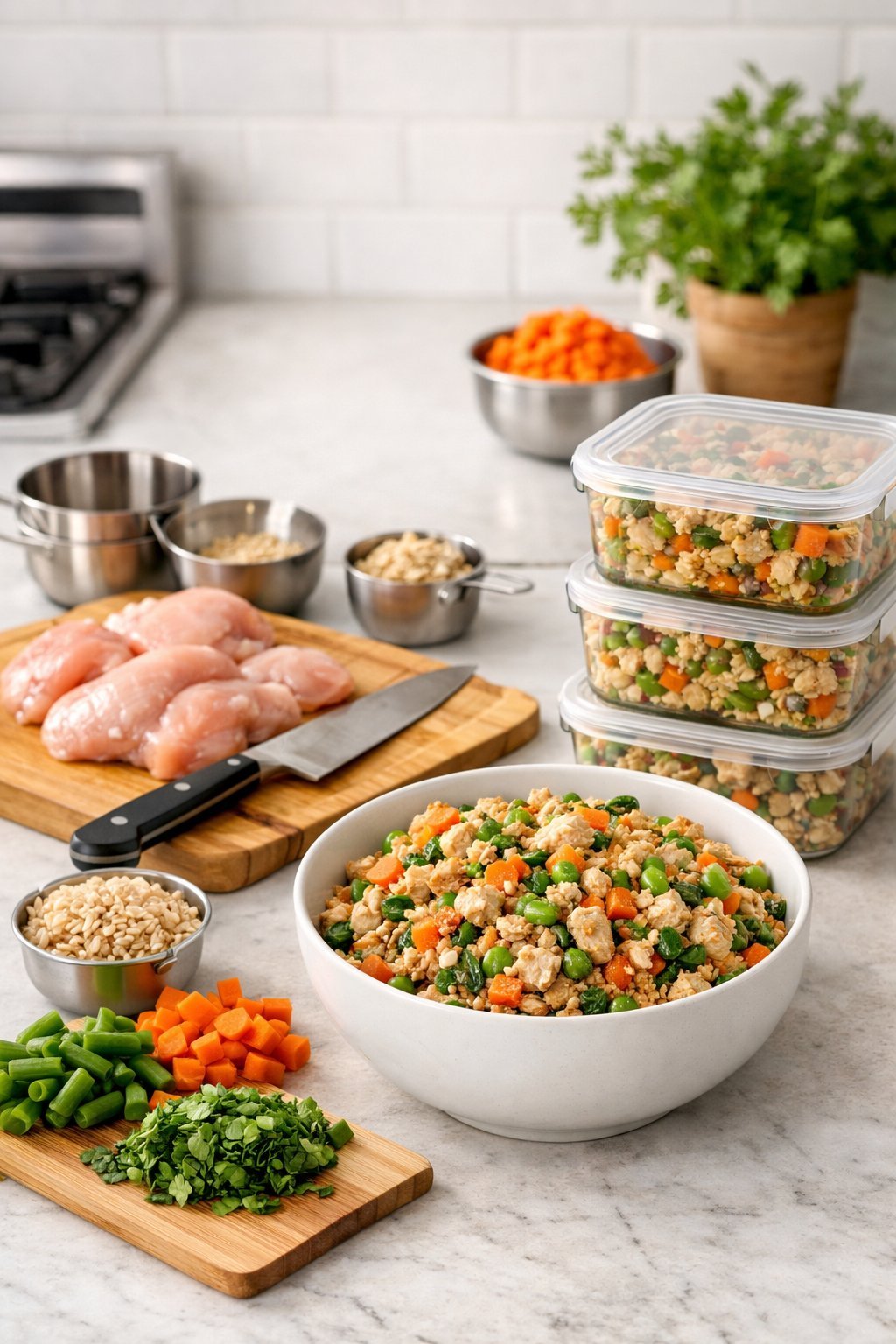
Making chicken-based meals for your dog requires attention to cooking methods, storage temperatures, and portion sizes to keep the food safe and nutritious.
Proper Cooking Techniques
I always cook chicken thoroughly to an internal temperature of 165°F to kill harmful bacteria like salmonella.
I use a meat thermometer to check the thickest part of the chicken breast or thigh.
I remove all bones before serving because cooked chicken bones splinter easily and can cause choking or internal injuries.
I also trim off excess fat and skin, which can upset my dog’s stomach.
When I prepare vegetables like carrots or sweet potatoes, I cook them until they’re soft enough to mash with a fork.
This makes them easier for my dog to digest.
I avoid using seasonings like salt, garlic, onion, or spices because these ingredients can be toxic to dogs.
I let the food cool completely before storing it.
Hot food creates condensation in containers, which promotes bacterial growth.
Safe Food Storage
I store homemade dog food in the fridge for no more than 4 days because ingredients like chicken and other meats spoil quickly even when refrigerated.
I use airtight containers made of glass or BPA-free plastic to prevent contamination and keep odors contained.
For longer storage, I freeze portions in individual servings.
Frozen homemade dog food stays fresh for up to 3 months when stored at 0°F or below.
I label each container with the preparation date so I can track freshness.
When I’m ready to use frozen food, I thaw it overnight in the refrigerator rather than at room temperature.
I never refreeze food that’s already been thawed.
Meal Portioning Guidelines
I divide my homemade chicken dog food into daily portions based on my dog’s weight and activity level.
A general guideline is 2-3% of body weight per day for adult dogs.
For a 50-pound dog, I prepare about 1 to 1.5 pounds of food daily, split into two meals.
Active dogs need portions at the higher end of this range, while less active dogs need smaller amounts.
I use a kitchen scale to measure portions accurately instead of eyeballing amounts.
I store individual portions in separate containers so each meal is ready to serve without extra measuring.
Feeding Guidelines and Serving Suggestions
Getting portion sizes right matters because too much food can lead to weight gain while too little leaves your dog hungry and lacking nutrients.
Age also plays a big role in what your dog needs from their meals.
Portion Sizes for Different Dog Breeds
I calculate portions based on my dog’s weight to make sure they get the right amount.
Small dogs under 20 pounds need about 1/2 to 1 cup of food per day.
Medium dogs between 20-50 pounds should get 1 to 2 cups daily.
Large dogs over 50 pounds typically need 2 to 3 cups each day.
Giant breeds over 100 pounds may require 3 to 4 cups or more.
I always split these amounts into two meals to help with digestion.
Active dogs burn more calories and might need 10-20% more food.
Dogs who mostly lounge around need slightly less to avoid gaining extra pounds.
Weight-Based Guidelines:
- 10 lbs: 1/2 cup daily
- 25 lbs: 1 to 1.5 cups daily
- 50 lbs: 2 to 2.5 cups daily
- 75 lbs: 2.5 to 3.5 cups daily
- 100+ lbs: 3.5 to 4.5 cups daily
I monitor my dog’s body condition and adjust portions as needed.
You should be able to feel their ribs without pressing hard.
Adjusting Recipes for Puppies and Seniors
Puppies need more calories and protein than adult dogs because they’re growing fast. I feed puppies three to four times per day until they reach six months old.
They need about twice as many calories per pound compared to adult dogs. Homemade chicken dog food recipes for puppies should include extra calcium and phosphorus for bone development.
I add more protein-rich ingredients and healthy fats to support their energy needs. Senior dogs move less and have slower metabolisms.
I reduce their portions by about 20% to prevent weight gain. Older dogs benefit from softer textures that are easier to chew and digest.
I also add joint-supporting ingredients like fish oil for my senior dog. They need fewer calories but still require quality protein to maintain muscle mass.