
Coconut Oil Dog Treats: Easy Homemade Recipes Your Pup Will Love

Making homemade treats for your dog is a great way to show them love while keeping their diet healthy. Coconut oil dog treats mix tasty flavors dogs enjoy with real health perks for their skin, coat, and digestion.
Coconut oil dog treats are easy to make at home and can replace less-healthy store-bought options. Your pup gets a nutritious snack, and you know exactly what’s inside.
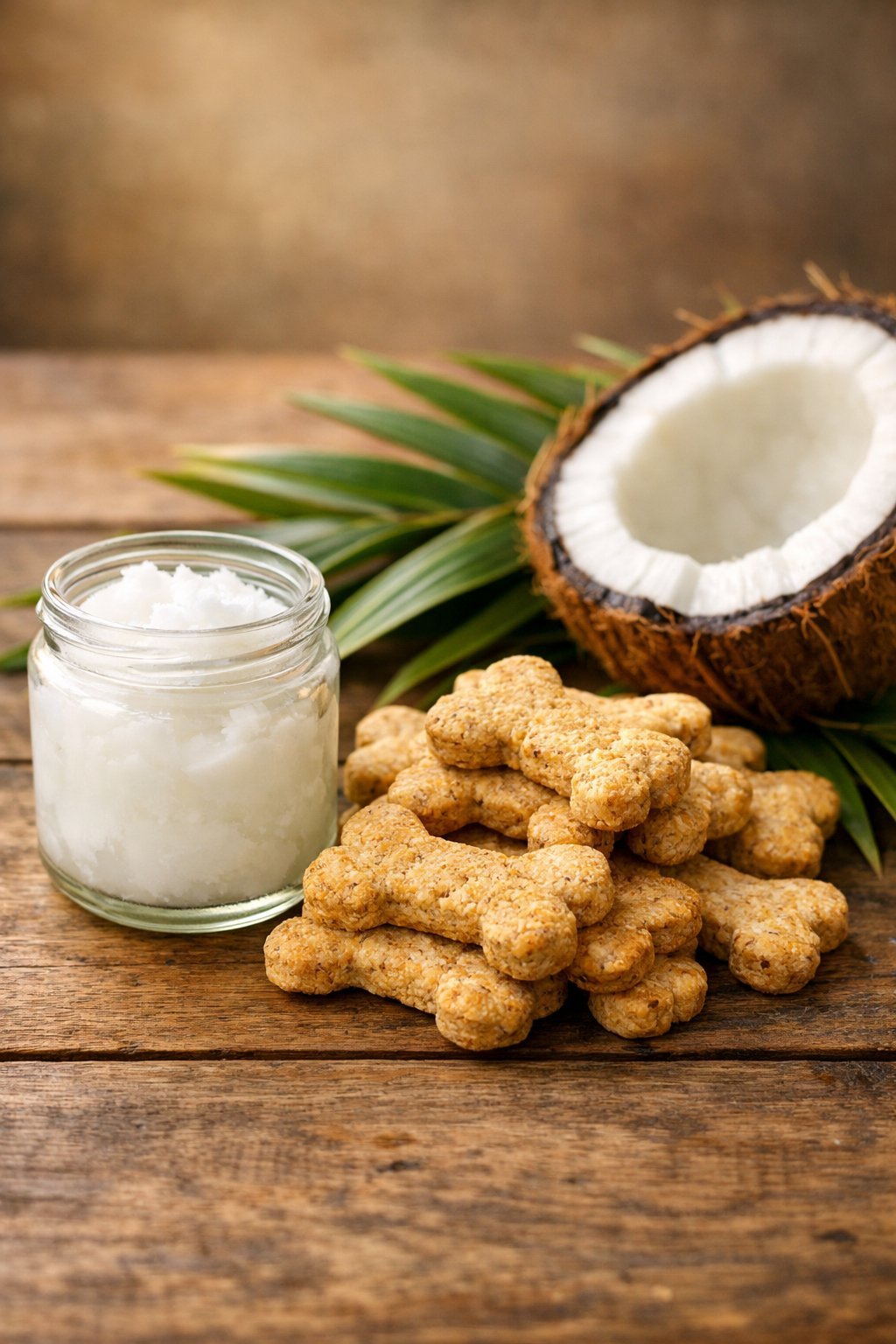
I’ve been making these treats for my own dogs, and they absolutely love them. They get excited every time I pull out the coconut oil because they know something good is coming.
The best part is that most recipes need just a few simple ingredients you probably already have in your kitchen. Whether you want frozen coconut oil and peanut butter bones or no-bake options, there’s a recipe for you and your dog.
These treats are perfect for training, rewarding good behavior, or just spoiling your furry friend on a regular day.
Key Takeaways
- Coconut oil provides health benefits for dogs including improved digestion, healthier skin, and a shinier coat.
- Most coconut oil dog treat recipes require only a few simple ingredients and are easy to make at home.
- You should give coconut oil treats in moderation based on your dog’s weight and always use xylitol-free ingredients.
Benefits of Coconut Oil Dog Treats

Coconut oil dog treats offer a bunch of advantages that can support your dog’s overall health. From providing essential nutrients to improving coat shine and aiding digestion, these homemade snacks are a win for both you and your pup.
Nutritional Advantages for Dogs
Coconut oil contains medium-chain triglycerides (MCTs), which are fats dogs can digest and use for energy more easily than other types. The main MCT in coconut oil is lauric acid, making up about 50% of its fatty acid content.
When I add coconut oil to my dog’s treats, I’m giving them a concentrated source of these beneficial fats. MCTs are absorbed quickly and converted into energy by the liver.
Coconut oil supports skin health and can aid in digestion, which makes it a helpful addition to homemade biscuits. The lauric acid in coconut oil also has antimicrobial properties that may help support your dog’s immune system.
Small amounts of coconut oil in treats provide these nutritional benefits without overloading your dog’s diet with excess calories or fat.
Support for Skin and Coat Health
One of the most noticeable benefits I’ve seen from using coconut oil for dogs is the improvement in coat shine and skin condition. The fatty acids in coconut oil help moisturize skin from the inside when eaten in treats.
Dogs with dry, flaky skin or dull coats often show improvement after regularly eating coconut oil treats. The oil helps seal moisture into the skin and supports the natural oils that keep fur soft and shiny.
I’ve found that coconut oil treats work especially well for dogs dealing with minor skin irritation or seasonal dryness. The anti-inflammatory properties of coconut oil may help soothe itchy skin.
You can also massage a little coconut oil into your dog’s paws or patches of dry skin for direct relief, but including it in treats provides benefits throughout the body.
Digestive Health Improvements
Coconut oil can help support healthy digestion in dogs when included in their treats. The MCTs in coconut oil are easier for dogs to break down compared to long-chain fatty acids found in many other oils and fats.
I’ve noticed that dogs with sensitive stomachs often tolerate coconut oil treats well. The oil may help with nutrient absorption and can support the balance of good bacteria in the gut.
Some dog owners report that coconut oil-infused biscuits help with their dogs’ digestive regularity. The antimicrobial properties of lauric acid may also help keep harmful bacteria in check within the digestive system.
I always start with small amounts when introducing coconut oil treats, since too much fat at once can cause loose stools in some dogs.
Choosing the Right Coconut Oil for Dogs

Not all coconut oils work the same way for homemade dog treats. The type you pick and where it comes from can affect how healthy and safe your treats turn out for your furry friend.
Types of Coconut Oil
I’ve found that there are three main types of coconut oil you’ll see at the store: refined, unrefined (virgin), and fractionated coconut oil. Refined coconut oil goes through processing that removes some of the natural compounds.
It has a milder smell and taste, which some dogs might prefer. However, the refining process can strip away beneficial nutrients.
Unrefined or virgin coconut oil is the least processed option. I like this type best for dog treats because it keeps more of the natural medium-chain fatty acids that make coconut oil beneficial for dogs.
It has a stronger coconut smell and flavor. Fractionated coconut oil is liquid at room temperature because manufacturers remove the long-chain fatty acids.
While it’s easier to mix into recipes, it lacks lauric acid, which is one of the main reasons people use coconut oil for their pets. For baking dog treats, I stick with virgin coconut oil.
It gives the best nutritional value even though you’ll need to melt it if your recipe calls for liquid oil.
Quality and Sourcing Tips
I always check the label carefully before buying coconut oil for my dog’s treats. The production method matters a lot.
Cold-pressed coconut oil is extracted without high heat. This method preserves more nutrients compared to oils made with heat processing.
The jar should be dark or opaque to protect the oil from light damage. Clear glass containers might look nice, but they let light in, which can break down the oil’s beneficial properties over time.
I avoid coconut oils with added flavors, colors, or preservatives. Dogs don’t need these extras, and some additives could upset their stomachs.
The ingredient list should say just one thing: coconut oil. Price can be a clue about quality.
Super cheap coconut oil often means shortcuts in processing or lower-quality coconuts were used. I don’t always buy the most expensive option, but I stay away from the bargain brands.
Selecting Organic and Virgin Options
Choosing organic coconut oil for your dog helps you avoid pesticides and chemicals that might have been used on conventional coconut farms. I think this extra step is worth it for treats I’m making myself.
Organic certification means the coconuts were grown without synthetic pesticides or fertilizers. The USDA Organic seal is what I look for on the label.
This matters because whatever was on those coconuts can end up in the oil and then in your dog’s body. Virgin coconut oil that’s also organic gives you the best of both worlds.
It’s minimally processed and free from agricultural chemicals. I’ve noticed these products often come from smaller producers who care more about quality.
Some brands will tell you exactly where their coconuts come from. I appreciate this transparency because it shows the company cares about their supply chain.
Countries like the Philippines, Sri Lanka, and Thailand are common sources. When I’m making treats, I use about the same amount whether the oil is organic or conventional.
The difference is in what’s not in the oil rather than how it performs in recipes.
How to Make Coconut Oil Dog Treats

Making coconut oil dog treats at home is simpler than you might think. You get complete control over what goes into your pup’s snacks.
The basic process involves combining coconut oil with a few dog-safe ingredients, shaping them, and either baking or freezing until set.
Basic Homemade Recipes
I’ve found that the easiest way to start making coconut oil dog treats is with a simple two-ingredient frozen treat.
This method requires no baking and takes just minutes to prepare.
The simplest recipe combines melted coconut oil with unsalted peanut butter in equal parts.
I mix them together while the coconut oil is liquid, pour the mixture into ice cube trays or silicone molds, and freeze for about two hours.
These treats stay solid when frozen but soften quickly at room temperature.
For a slightly fancier frozen option, I like adding a single blueberry to the center of each mold before pouring in the coconut oil mixture.
The blueberries add natural antioxidants while creating an appealing look.
Simple Frozen Coconut Peanut Butter Treats
🍳 Cook/Bake: 0 min
⏰ Total: 2 hours 5 min (includes freezing)
🦴 Yield: 12 treats
📊 Difficulty: Easy
🥘 Ingredients
- 1/2 cup coconut oil, melted
- 1/2 cup unsalted peanut butter (xylitol-free)
👩🍳 Instructions
- Melt coconut oil in microwave for 20-30 seconds or until fully liquid.
- Mix melted coconut oil and peanut butter together in a bowl until smooth and well combined.
- Pour mixture evenly into silicone molds or ice cube trays.
- Place in freezer for 2 hours or until completely solid.
- Pop treats out of molds and serve immediately or store in freezer.
📦 Storage
Keep frozen in an airtight container or freezer bag for up to 3 months. These treats will melt at room temperature, so serve directly from freezer.
💪 Key Nutritional Benefits for Dogs
Coconut oil supports healthy skin and a shiny coat while peanut butter provides protein and healthy fats. The medium-chain fatty acids in coconut oil may support brain function in older dogs.
⚠️ Important Notes
Always use xylitol-free peanut butter as xylitol is toxic to dogs. Start with small portions to ensure your dog tolerates coconut oil well. Consult your vet before introducing new treats, especially for dogs with pancreatitis or sensitive stomachs.
Safe Ingredient Additions
When I’m looking to add more variety to my coconut oil treats, I stick to ingredients that are proven safe for dogs.
Oat flour works beautifully in baked versions and provides fiber without common allergens found in wheat.
Fresh or frozen blueberries, strawberries, and bananas are my go-to fruit additions.
They add natural sweetness and beneficial nutrients.
I avoid grapes, raisins, and cherries entirely since these are toxic to dogs.
For protein boosts, I sometimes add a tablespoon of plain Greek yogurt or a beaten egg to baked recipes.
Unsweetened carob powder makes a great chocolate substitute that’s completely dog-safe.
Pumpkin puree is another ingredient I love mixing in.
It adds moisture and supports digestive health.
Just make sure you’re using pure pumpkin, not pumpkin pie filling which contains spices and sugar.
I always avoid onions, garlic, mac
Serving Guidelines and Safety
Starting with the right amount of coconut oil and watching for any negative reactions will help keep your homemade treats safe and healthy for your dog.
I always tell pet parents that less is more when introducing any new ingredient.
Recommended Serving Sizes
When I first started making coconut oil dog treats, I learned that the general starting rule is ¼ teaspoon per 10 pounds of body weight per day.
This guideline helps me figure out how many treats to give my own dog.
For a 20-pound dog, that means about ½ teaspoon of coconut oil total per day.
For a 50-pound dog, I use roughly 1¼ teaspoons daily.
I always start with even less than the recommended amount when introducing coconut oil treats.
My approach is to begin with half the suggested serving and gradually increase over one to two weeks.
This gives my dog’s digestive system time to adjust.
Here’s my serving size guide:
| Dog Weight | Daily Coconut Oil | Number of Small Treats* |
|---|---|---|
| 10 lbs | ¼ tsp | 2-3 treats |
| 20 lbs | ½ tsp | 4-5 treats |
| 50 lbs | 1¼ tsp | 10-12 treats |
| 70 lbs | 1¾ tsp | 14-16 treats |
*Assuming each small treat contains about ⅛ teaspoon of coconut oil
I spread treats throughout the day rather than giving them all at once.
This helps prevent any stomach upset and keeps the excitement level high.
Identifying Allergies and Sensitivities
Even though coconut oil allergies are rare in dogs, I’ve seen them happen.
I always watch my dog carefully when introducing any new treat ingredient.
Signs of an allergic reaction I look for:
- Itching or scratching more than usual
- Red or irritated skin
- Hives or bumps on the skin
- Swelling around the face or paws
- Upset stomach or vomiting
- Diarrhea
If I notice any of these symptoms after giving coconut oil treats, I stop immediately.
Most reactions show up within a few hours to two days after eating the treats.
I keep a simple log when testing new treats.
I write down what time I gave the treat and any changes I notice over the next 48 hours.
This helps me identify patterns.
For dogs with sensitive stomachs or known food allergies, I check with my vet before adding coconut oil to their diet.
Some dogs simply don’t tolerate oils well, and that’s okay.
Recognizing Potential Side Effects
The most common issue I’ve encountered with coconut oil treats is digestive upset.
Too much coconut oil can cause loose stools or diarrhea in dogs.
Side effects I watch for include:
- Diarrhea or loose stools (the most common problem)
- Greasy or oily stool
- Weight gain from extra calories
- Pancreatitis symptoms in susceptible dogs (vomiting, abdominal pain, loss of appetite)
I pay extra attention to dogs who are overweight or have a history of pancreatitis.
Coconut oil is high in fat, with about 120 calories per tablespoon.
Those calories add up quickly in small treats.
If my dog develops diarrhea after eating coconut oil treats, I cut back the amount by half or stop giving them for a few days.
Once things return to normal, I can try reintroducing them at a lower dose.
Dogs with sensitive digestive systems may never tolerate coconut oil well.
I’ve learned that starting very low and increasing gradually is essential for success.
Creative Coconut Oil Dog Treat Ideas
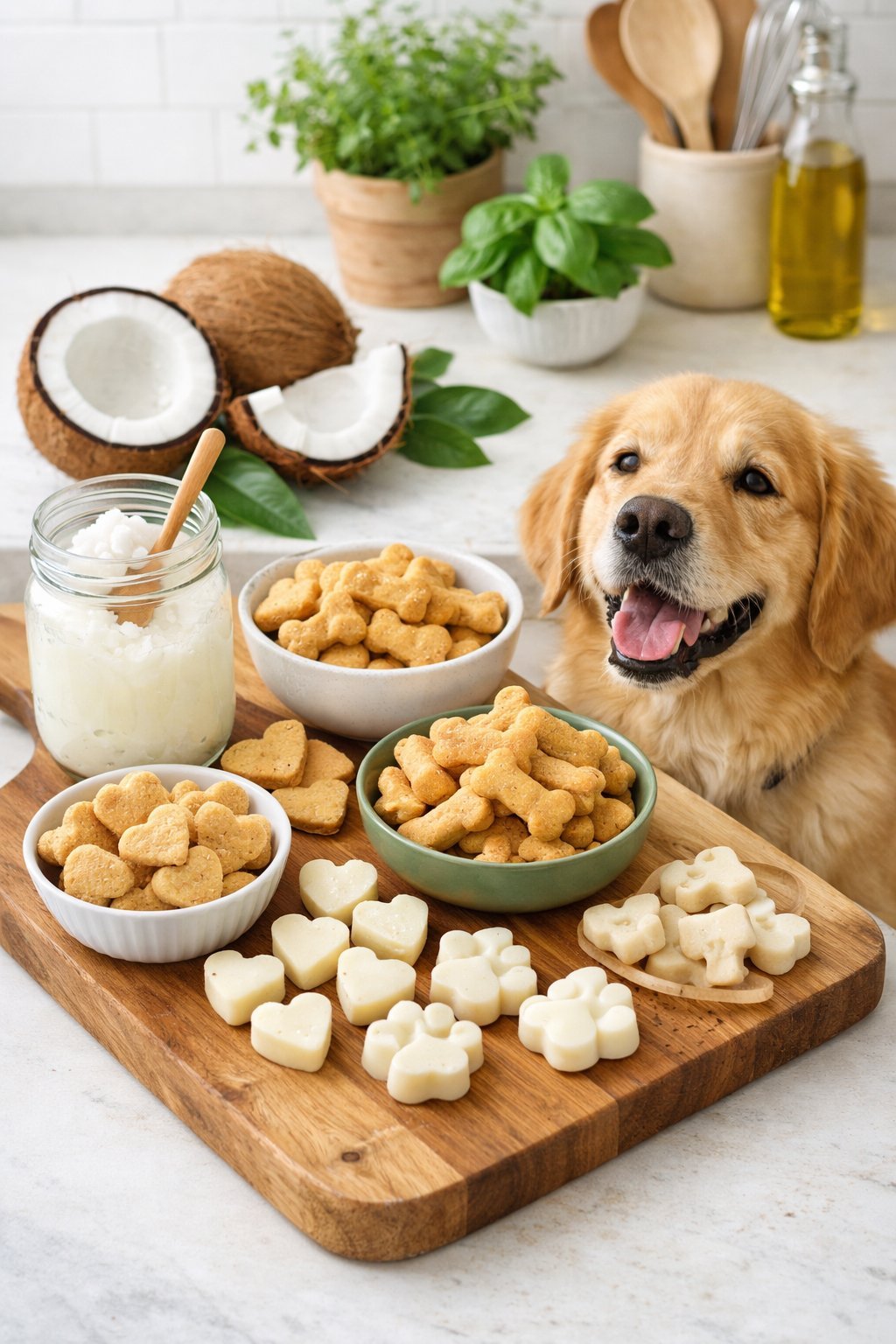
Making coconut oil treats doesn’t have to be boring.
I love getting creative with seasonal ingredients and adjusting recipes for younger pups.
Celebrating holidays with special dog-friendly goodies always makes tails wag.
Seasonal and Themed Treats
I switch up my coconut oil treat recipes based on what’s fresh each season.
In summer, I make frozen coconut oil and blueberry treats that help keep my dog cool while delivering antioxidants.
Spring calls for treats with fresh carrots and parsley mixed into coconut oil bases.
The coconut oil helps the ingredients stick together while adding healthy fats.
Fall brings pumpkin season, which pairs perfectly with coconut oil.
I blend pure pumpkin puree with melted coconut oil and oat flour to create autumn-themed biscuits.
Winter treats work great as warm, soft bites.
I melt coconut oil slightly and mix it with mashed sweet potato for a cozy snack my dog loves on cold days.
Themed treats for birthdays or gotcha day celebrations are easy too.
I use bone-shaped molds with coconut oil mixtures or add a tiny drizzle of coconut oil on top of regular treats for a special touch.
Puppy-Friendly Variations
Puppies need gentler treats that won’t upset their developing digestive systems.
I make simple coconut oil treats with just two or three ingredients to keep things easy on tiny tummies.
For teething puppies, frozen coconut oil treats work wonders.
I pour melted coconut oil into small silicone molds and freeze them.
The cold helps soothe sore gums while the oil provides benefits.
I keep puppy portions small since their stomachs are sensitive.
A treat the size of my pinky nail is plenty for most young dogs.
Plain banana mixed with coconut oil makes an excellent starter treat.
Both ingredients are gentle and easy to digest for puppies over eight weeks old.
I avoid adding honey, spices, or too many mix-ins for puppies under six months.
Simple is always better when they’re young and still adjusting to solid foods.
Holiday-Inspired Dog Treats
Valentine’s Day means heart-shaped treats made with coconut oil, strawberries, and a touch of beet powder for natural pink color.
My dog doesn’t care about the shape, but I enjoy making them festive.
For Easter, I create carrot-based biscuits with coconut oil that look like little eggs when shaped properly.
The coconut oil keeps them moist and adds shine.
Summer celebrations call for frozen treats.
I make patriotic-looking frozen coconut oil treats by layering blueberries and strawberries in melted coconut oil.
Halloween pumpkin treats are my favorite to make.
The natural orange color looks perfect, and pumpkin pairs beautifully with coconut oil’s mild flavor.
Christmas means adding safe ingredients like cranberries or apples to coconut oil mixtures.
I shape them into stars or trees using cookie cutters before baking.
Thanksgiving leftovers can become dog treats too.
I mix plain sweet potato or turkey bits with coconut oil to create post-feast snacks my pup looks forward to each year.
Frequently Asked Questions
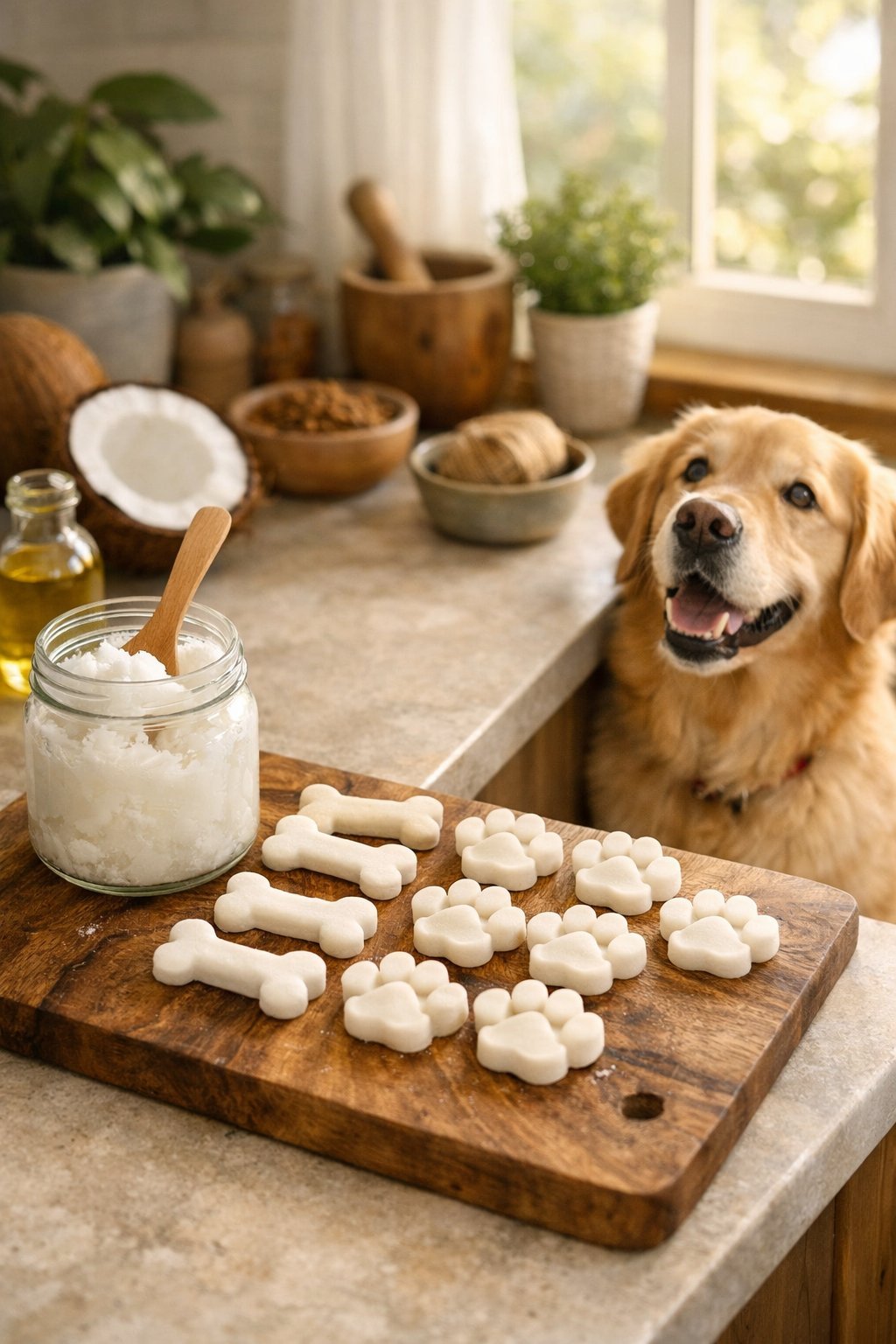
Making coconut oil dog treats at home is actually pretty easy. I’ll walk you through some of the most popular recipes and methods.
From simple baked options to quick no-bake versions, these treats combine coconut oil with other dog-friendly ingredients like peanut butter and pumpkin.
What is a simple recipe for making coconut oil dog treats at home?
I love starting with a basic three-ingredient recipe that you can whip up in just a few minutes. All you need is whole wheat flour, coconut oil, and an egg to hold it all together.
The trick is to use melted coconut oil so it mixes smoothly. I usually go with about 1/4 cup of coconut oil for every 2 cups of flour.
You can shape these treats however you want, but I find rolling the dough to about 1/4 inch thick and using cookie cutters works best. Bake them at 350°F for 20-25 minutes until they’re golden brown and crunchy.
Simple Coconut Oil Dog Treats
🍳 Cook/Bake: 25 min
⏰ Total: 35 min
🦴 Yield: 30 treats
📊 Difficulty: Easy
🥘 Ingredients
- 2 cups whole wheat flour
- 1/4 cup coconut oil, melted
- 1 large egg
- 1/2 cup water (add more if needed for consistency)
👩🍳 Instructions
- Preheat your oven to 350°F and line a baking sheet with parchment paper.
- In a large bowl, mix the melted coconut oil and egg until well combined.
- Add the flour gradually, mixing as you go, then add water until you have a firm dough.
- Roll the dough out on a floured surface to about 1/4 inch thickness.
- Use cookie cutters to cut out shapes and place them on the prepared baking sheet.
- Bake for 20-25 minutes until the treats are golden brown and firm.
- Let the treats cool completely on a wire rack before serving.
📦 Storage
Store in an airtight container at room temperature for up to 1 week. You can also keep them in the fridge for up to 3 weeks, or freeze for up to 3 months.
💪 Key Nutritional Benefits for Dogs
Coconut oil is packed with medium-chain fatty acids that help support your dog’s skin and coat. Whole wheat flour gives a boost of fiber and B vitamins, while eggs offer protein for muscle health.
⚠️ Important Notes
If your pup has grain sensitivities, swap in oat flour or rice flour instead of whole wheat. Always introduce new treats slowly and check with your vet if your dog has special dietary needs.
How can you create no-bake coconut oil dog treats?
No-bake treats are awesome when you need something quick or just don’t want to turn on the oven.
These treats set in the fridge instead of baking.
Coconut oil is perfect as the binding agent since it hardens up when cold.
Mix it with things like oats and nut butter, and the treats stick together nicely.
All you need to do is mix your ingredients in a bowl.
Then, shape the mixture into balls or press it into molds.
Pop them in the fridge, and in about an hour, they’re ready to serve.
