
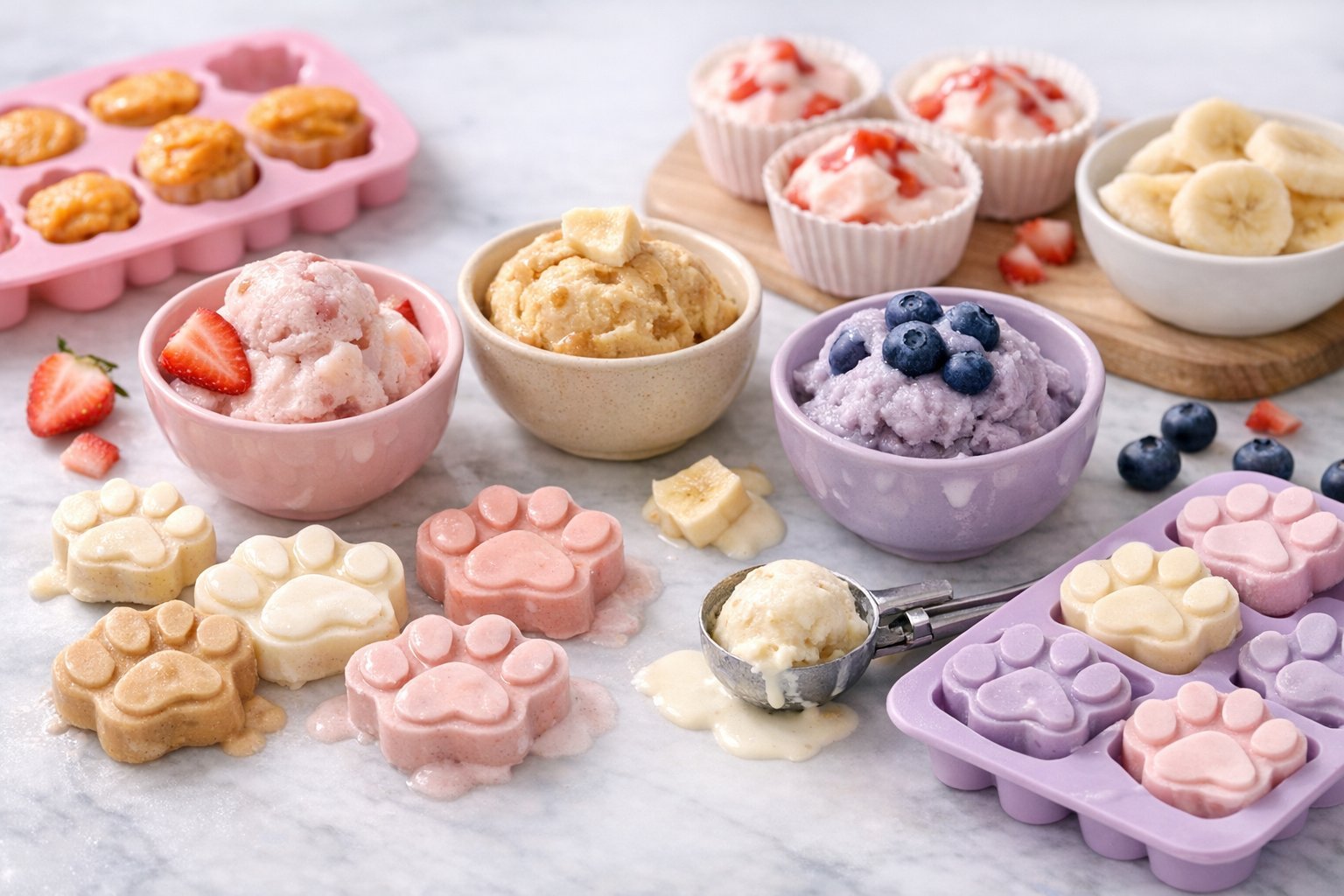
Dog Ice Cream Recipe: Easy, Healthy Frozen Treats for Pups

Your dog deserves this dog ice cream recipe, especially on hot days, but regular ice cream can upset their stomach or even make them sick. Most store-bought ice cream contains too much sugar, dairy that dogs can’t digest well, and sometimes dangerous ingredients like chocolate or xylitol.
That’s why I make homemade ice cream for my pup instead.
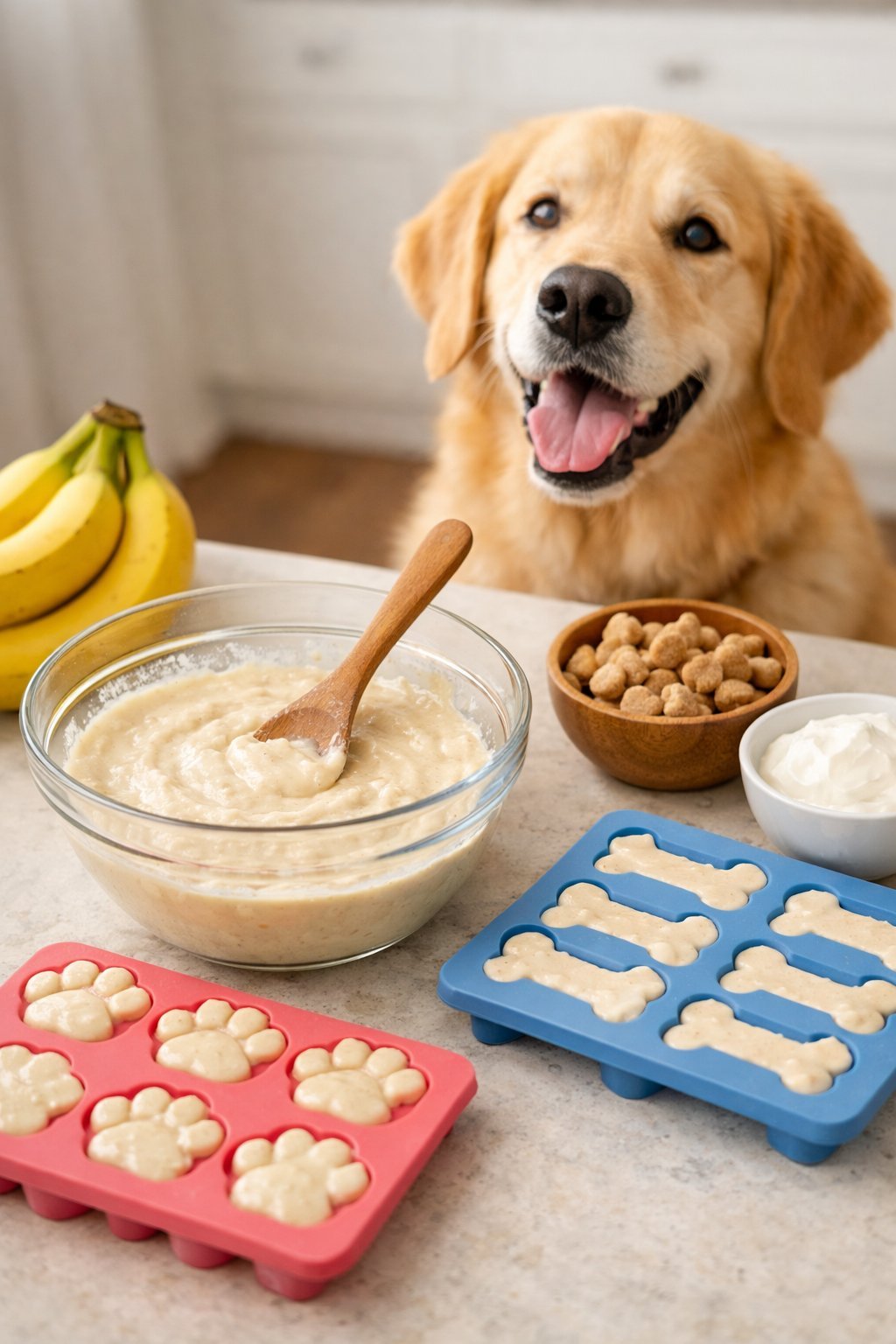
Making dog ice cream at home is simple and only requires three basic ingredients: plain yogurt, ripe bananas, and dog-safe peanut butter. I can whip up a batch in just a few minutes using a blender or food processor.
The best part is that I know exactly what goes into my dog’s treat, so I don’t have to worry about hidden ingredients that could harm them.
Homemade dog ice cream recipes are not only safer and healthier than regular ice cream, but they’re also cheaper to make. My dog goes crazy every time I pull out the blender because she knows what’s coming.
Whether you want a simple three-ingredient recipe or fun flavor variations, I’ll show you how to make frozen treats your pup will love.
Key Takeaways
- Dog ice cream uses yogurt, bananas, and peanut butter as safe base ingredients that won’t upset your dog’s stomach
- You can make easy frozen treats for your dog in just minutes with ingredients you already have at home
- Always avoid chocolate, xylitol, and excessive dairy when making treats for your dog
What Is In A Dog Ice Cream Recipe?
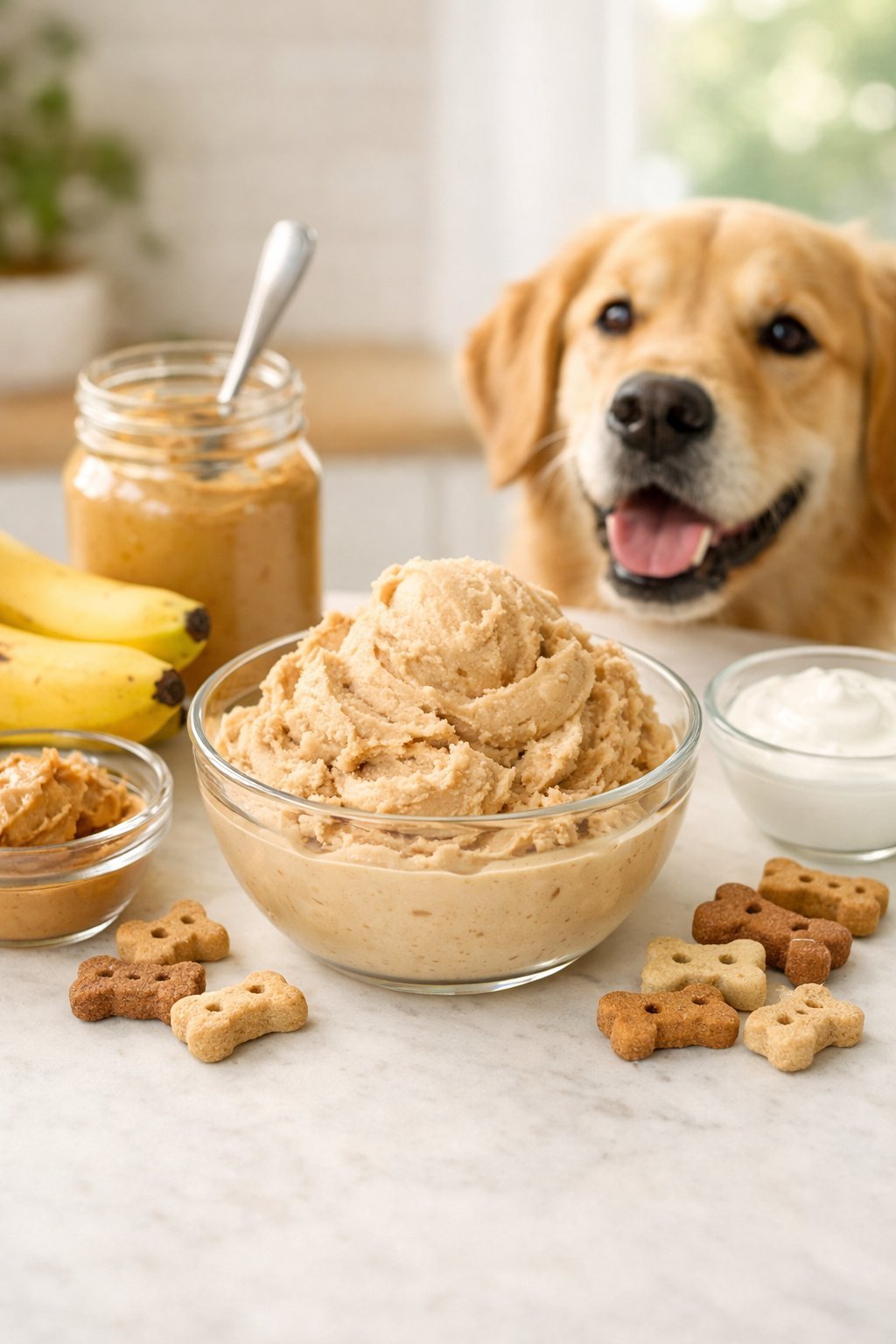
Dog ice cream is a frozen treat made specifically for dogs using safe, pet-friendly ingredients. Unlike regular ice cream, it avoids harmful additives and focuses on simple, natural foods that won’t upset your pup’s stomach.
Benefits of Dog Ice Cream
I’ve found that homemade frozen dog treats offer several advantages for our furry friends. They help cool down dogs during hot weather, which is especially important after walks or outdoor play.
Dogs can overheat quickly, and a cold treat helps bring their body temperature down naturally. These frozen treats provide mental stimulation as dogs work to lick and chew them.
This keeps them entertained and can reduce boredom-related behaviors. Many dog-friendly ice cream recipes include ingredients like yogurt, which contains probiotics that support healthy digestion.
I also appreciate that homemade versions give me complete control over what goes into my dog’s treats. I can avoid preservatives, artificial colors, and added sugars.
Plus, ingredients like pumpkin and banana add fiber and vitamins to my dog’s diet.
How Dog Ice Cream Differs From Human Ice Cream
Regular ice cream contains ingredients that can harm dogs. Most human ice cream has high amounts of sugar, which dogs don’t need and can lead to weight gain.
Many varieties also include chocolate, which is toxic to dogs. The biggest concern with human ice cream is xylitol, an artificial sweetener that’s extremely dangerous for dogs.
Even small amounts can cause life-threatening problems. Human ice cream also contains high levels of dairy fat that many dogs can’t digest well, leading to stomach upset or diarrhea.
Dog ice cream recipe uses plain yogurt instead of heavy cream, natural peanut butter instead of candy mix-ins, and fruit for sweetness instead of refined sugar. I never add any artificial flavors or sweeteners to my homemade versions.
Common Dog Ice Cream Recipe Bases
The most popular base for homemade dog ice cream is plain Greek yogurt. It’s thick, creamy, and contains beneficial probiotics.
I always choose unsweetened, low-fat varieties to keep it light on my dog’s stomach. Another excellent base is unsweetened coconut milk.
This works perfectly for dogs who are lactose intolerant or have dairy sensitivities. It creates a smooth, creamy texture without any dairy products.
Some recipes use mashed banana as both a base and natural sweetener. Bananas provide potassium and create a naturally thick consistency when frozen.
I also use pumpkin puree as a base, especially for dogs with sensitive stomachs, since it’s gentle on digestion.
Essential Dog-Safe Ingredients
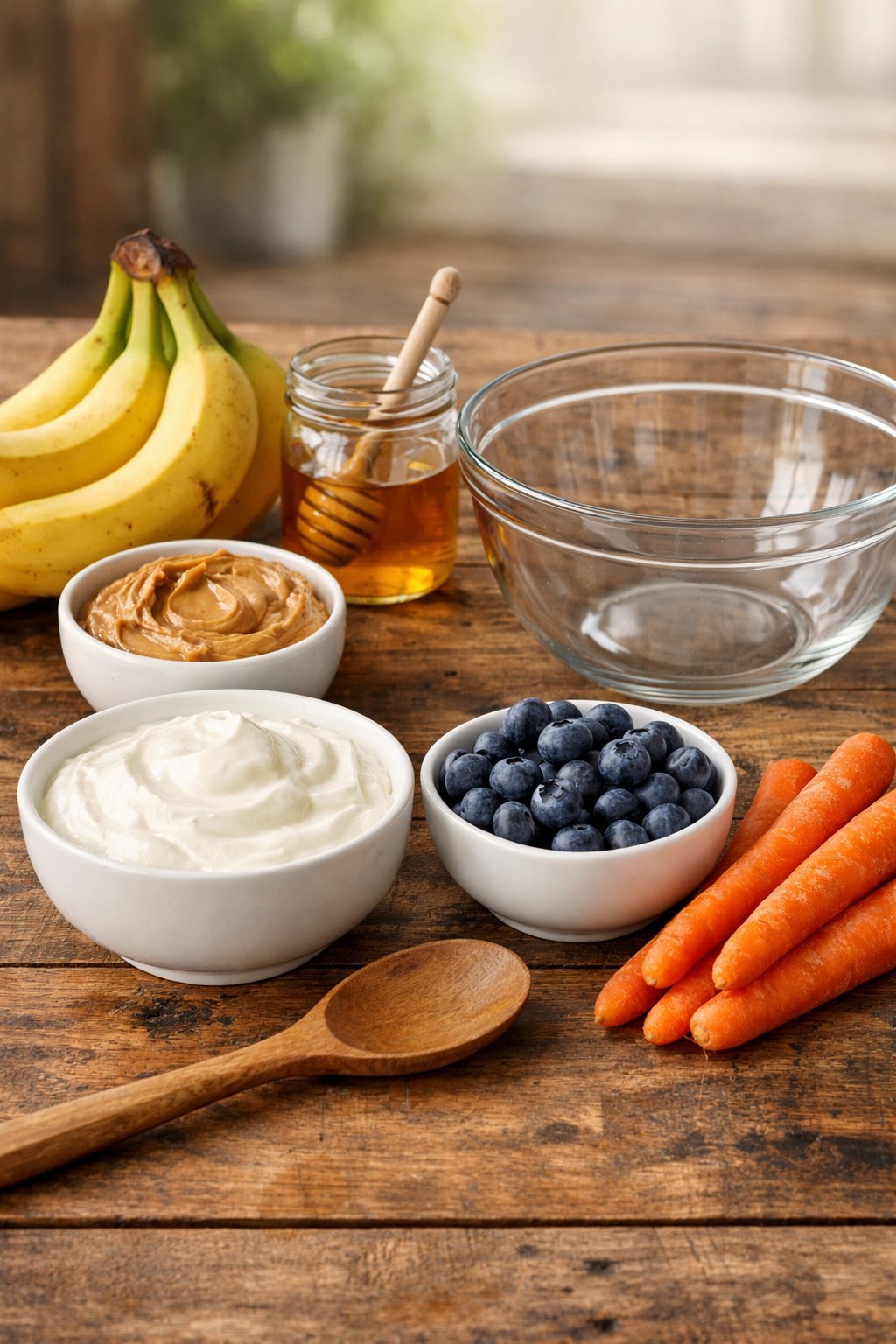
When making homemade dog ice cream, I focus on three main ingredients that are safe, healthy, and delicious for dogs. Greek yogurt provides protein and probiotics, ripe bananas add natural sweetness, and the right peanut butter creates that creamy texture dogs love.
Greek Yogurt and Plain Yogurt
I always use plain Greek yogurt as my base because it’s packed with protein and easier for dogs to digest than regular ice cream. Greek yogurt contains probiotics that support gut health and has less lactose than milk-based products.
Plain yogurt works just as well if your dog tolerates dairy. I make sure to choose unsweetened varieties with no artificial sweeteners or added sugar.
Key points when choosing yogurt:
- Must be plain with no flavoring
- Should contain no xylitol or artificial sweeteners
- Greek yogurt has more protein than regular yogurt
- Look for live active cultures on the label
Some dogs have dairy sensitivities, so I watch for signs like upset stomach or gas after their first serving. If your pup can’t handle dairy, coconut milk or coconut yogurt makes a great substitute.
Ripe Banana and Other Fruits
I use ripe bananas in almost every batch of dog-friendly ice cream because they’re naturally sweet and creamy when frozen. Bananas are rich in potassium and fiber, making them a healthy treat option.
The riper the banana, the sweeter your ice cream will be. I look for bananas with brown spots for the best flavor.
Other dog-safe fruits I rotate:
- Blueberries (fresh or frozen)
- Strawberries (hulled and chopped)
- Watermelon (seedless)
- Pumpkin puree (plain, not pie filling)
Blueberries and strawberries add antioxidants and a burst of flavor dogs enjoy. I usually add about 1/4 cup of berries per batch.
Always avoid grapes, raisins, and cherries, which are toxic to dogs.
Best Peanut Butter for Dogs
Natural peanut butter is my go-to ingredient for adding richness and protein to dog ice cream. I only use xylitol-free peanut butter because xylitol is extremely toxic to dogs.
The best dog-safe peanut butter has just one or two ingredients: peanuts and maybe salt. I avoid brands with added sugars, oils, or artificial sweeteners.
What to look for:
- Ingredients list shows only peanuts
- No xylitol, which is also called birch sugar
- Unsalted or low-sodium options are best
- Natural peanut butter with oil separation is fine
I check every label carefully before buying. Some “natural” brands still contain xylitol, so I never assume a product is safe without reading the full ingredient list.
If I’m ever unsure, I skip the peanut butter and use mashed banana instead for a nut-free option.
Dog Ice Cream Recipe: Step-by-Step Guide
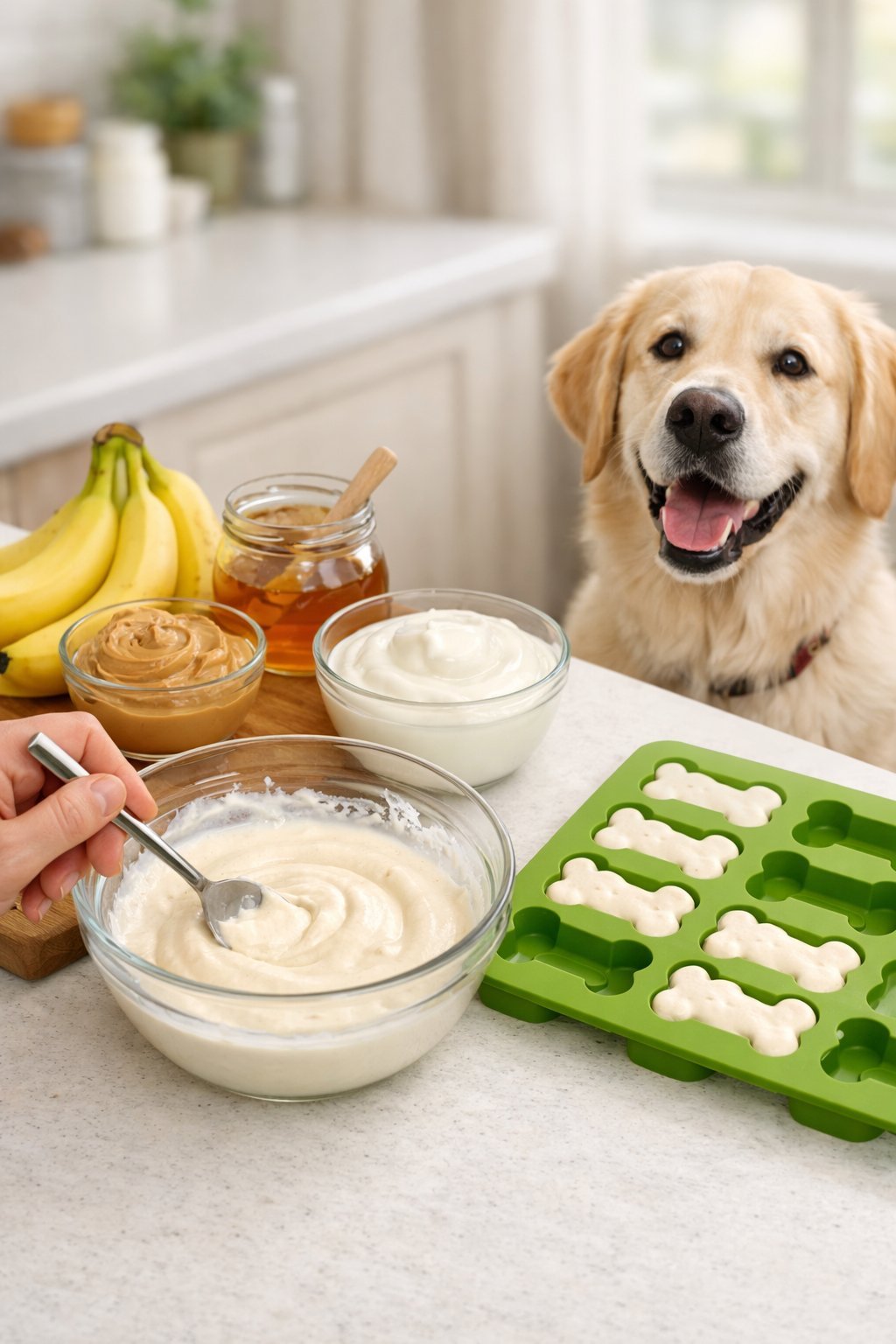
Making homemade dog ice cream takes just a few minutes and requires basic kitchen tools you likely already own. The process involves gathering your ingredients, blending them into a smooth mixture, and freezing in your choice of containers.
Gathering Ingredients and Equipment
I start by collecting three simple ingredients for my basic dog ice cream recipe. You’ll need 1 cup of plain Greek yogurt, 1 ripe banana, and 1/2 cup of natural peanut butter.
Make sure your peanut butter is xylitol-free since this sweetener is toxic to dogs. For equipment, I grab my blender or food processor.
You’ll also need freezer-safe containers. I like using ice cube trays because they create perfect single-serving portions.
Silicone ice cube trays work best since you can pop out the frozen treats easily. If you want to get fancy, paw print molds make adorable shapes that look great for special occasions.
Regular muffin tins or small plastic cups also work well. Just make sure whatever container you choose is safe for freezing.
Blending and Mixing
I add all three ingredients to my blender at once. The ripe banana should be peeled and broken into chunks first.
This helps everything blend more smoothly. I blend on medium speed for about 30 seconds.
You want a completely smooth and creamy texture with no lumps. If the mixture seems too thick, I add a tablespoon of water at a time until it reaches a soft-serve consistency.
The mixture should look like regular ice cream before freezing. It will be lighter in color and fluffy.
I scrape down the sides of the blender with a spatula to make sure everything gets mixed evenly.
Pouring Into Molds and Freezing
I carefully pour the mixture into my chosen containers. When using ice cube trays, I fill each section about three-quarters full.
This prevents overflow as the mixture expands slightly when frozen. For frozen dog treats that are easy to serve, I smooth the top with the back of a spoon.
I place the filled containers in the freezer on a flat surface. This keeps them level while freezing.
The homemade dog ice cream recipe needs at least 2 hours to freeze solid. For best results, I leave mine overnight.
These treats stay fresh in the freezer for up to 8 weeks when stored in an airtight container or freezer bag.
Delicious Variations and Flavor Ideas
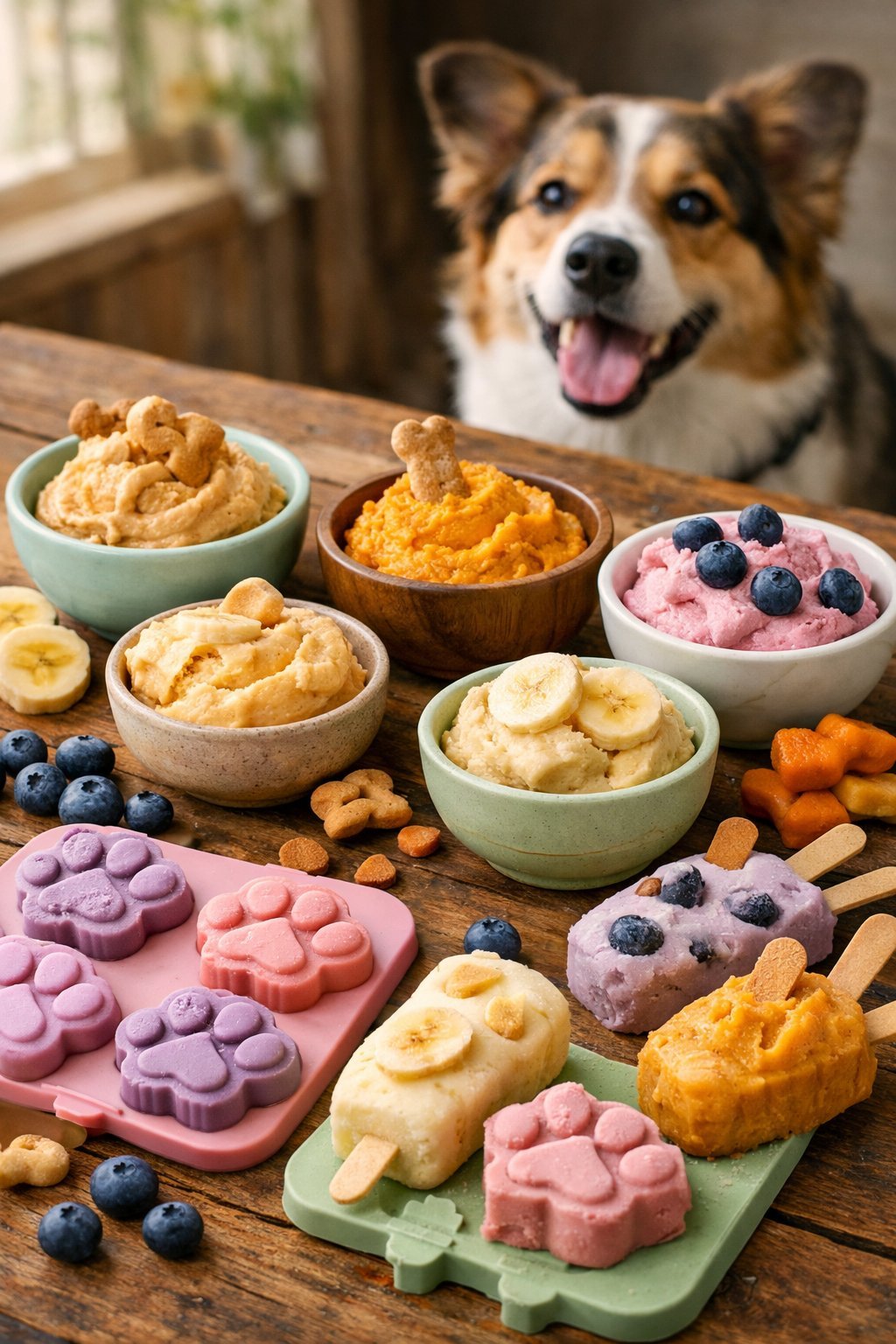
Once you master a basic dog ice cream recipe, you can experiment with different ingredients to keep your pup excited about treat time. Pumpkin offers digestive benefits while berries add antioxidants, and sweet potato brings natural sweetness and nutrients your dog will love.
Pumpkin Puree and Pumpkin Pupsicles
I love using pumpkin puree in frozen treats because it’s gentle on sensitive stomachs and dogs go crazy for the taste. You can mix half a cup of canned pumpkin with one cup of plain Greek yogurt and freeze the mixture in molds for simple pumpkin pupsicles.
Make sure you buy plain canned pumpkin and not pumpkin pie filling. Pie filling has added sugars and spices that aren’t safe for dogs.
I add a tablespoon of ground flaxseed to my pumpkin mixture for extra fiber and omega-3 fatty acids. The combination helps with digestion while giving your pup a creamy, tasty treat.
These frozen pumpkin treats work perfectly year-round, not just in fall.
Berry Blends and Fruity Mix-Ins
Blueberries pack antioxidants, vitamins, and fiber into every bite. I blend one cup of plain Greek yogurt with half a cup of fresh or frozen blueberries until smooth.
You can add a drizzle of honey if your dog isn’t sensitive to it, but most dogs love the natural sweetness of the berries alone. Strawberries work just as well as blueberries in homemade dog ice cream.
I mash three to four strawberries and mix them with yogurt before freezing. Both berry options create beautiful colors that make the treats look as good as they taste.
You can combine different berries for variety. I sometimes mix blueberries with mashed banana or add strawberry pieces to pumpkin puree for a fruity twist my dog can’t resist.
Sweet Potato and Savory Options
Mashed sweet potato creates a naturally sweet and nutritious base for dog ice cream. I bake one medium sweet potato until soft, let it cool, then mash it with plain yogurt in equal parts.
Sweet potatoes are loaded with vitamins A and C, which support your dog’s immune system and eye health. For dogs who prefer savory flavors over sweet ones, I add ingredients like pureed apples or even sardines.
A spoonful of unsalted bone broth mixed with mashed sweet potato makes a frozen treat that feels more like a meal than dessert. You can also grate carrots into the mixture for added crunch and vitamin A.
Dog Ice Cream Recipe Treats for Special Occasions
Your dog’s special days deserve extra-special frozen treats that go beyond basic recipes. Adding birthday cake elements, creative toppings, and customized mix-ins transforms simple ice cream into celebration-worthy desserts.
Dog Birthday Cake Additions
I love combining ice cream with cake elements to create memorable dog birthday cake treats. You can crumble up homemade or store-bought dog-safe cake into softened ice cream before freezing it again.
This creates a fun texture that mimics birthday cake ice cream. Another option I use is layering ice cream between thin slices of dog-friendly cake in a small pan.
Freeze the layers together and slice into portions for serving. The contrast between creamy ice cream and soft cake makes each bite exciting.
For an easy approach, I’ll top scoops of frozen dog ice cream with small cubes of plain cake. You can also press cake crumbs around the outside of frozen ice cream balls to create a coated effect.
Just make sure any cake you use contains dog-safe ingredients without chocolate, raisins, or xylitol.
Homemade Dog Treat Toppings
Crunchy homemade dog treats make excellent ice cream toppings. I bake small training-size treats and crush them into bits for sprinkling.
The texture contrast between smooth ice cream and crunchy pieces keeps my dog interested. Popular topping options include:
- Crumbled peanut butter cookies
- Crushed plain oat biscuits
- Chopped dehydrated sweet potato
- Broken pieces of carob treats
I also like making a simple granola topping with rolled oats, peanut butter, and a touch of honey. Toast the mixture in a pan until golden, let it cool, and break it into small pieces.
This adds a satisfying crunch that dogs love. Fresh fruit pieces work well too.
I dice strawberries, blueberries, or banana slices and scatter them on top. They add natural sweetness without processed sugars.
Customizing with Dog Treats
Store-bought dog treats can be mixed directly into ice cream before freezing. I break up dog ice cream treats into small chunks and fold them into the mixture.
This creates a cookies-and-cream style dessert your dog will recognize. You can also use training treats as mix-ins since they’re already bite-sized.
I’ll stir in about 1/4 cup of small treats per batch of ice cream. Freeze-dried meat treats add protein and a savory element that balances sweet ingredients.
For presentation, I press whole treats into the top of frozen ice cream scoops before serving. You can even stick a small dog biscuit vertically into the center like a wafer cookie.
Just remember to account for the extra calories from treats when planning your dog’s daily food intake.
Storage, Safety, and Serving Tips
I always make sure my homemade dog ice cream stays fresh and safe by following proper storage guidelines and serving sizes. Knowing which ingredients to avoid protects my dog from potential health risks.
How to Store Frozen Dog Treats
I store my homemade dog ice cream in an airtight container in the freezer for up to three months. This keeps the treats fresh and prevents freezer burn from affecting the taste and texture.
I like using silicone molds or ice cube trays because they make it easy to pop out individual servings. Once frozen, I transfer the treats to a freezer-safe container or bag.
I always label my containers with the date I made the treats. This helps me track how long they’ve been stored and ensures I use them while they’re still good.
If I’m making savory frozen dog treats with broth, I find they stay fresh for about two weeks. The shorter storage time applies to recipes with meat-based ingredients.
Portion Sizes and Moderation
I keep treats under 10% of my dog’s daily caloric intake to maintain a balanced diet. This prevents weight gain and stomach upset from too many treats.
For small dogs, I serve one or two small cubes per day. Medium-sized dogs can handle two to three cubes, while large dogs can enjoy three to four cubes.
I start with smaller portions when introducing new frozen treats to my dog. This lets me watch for any digestive issues or allergic reactions before offering larger amounts.
I thaw the treats slightly before serving if my dog has sensitive teeth. This makes them easier to eat and prevents discomfort from eating something too cold too quickly.
Recognizing and Avoiding Harmful Ingredients
I never use chocolate, xylitol, grapes, raisins, or macadamia nuts in my dog ice cream recipes.
These ingredients are toxic to dogs and can cause serious health problems.
When I use peanut butter, I check the label carefully to make sure it doesn’t contain xylitol.
This artificial sweetener is extremely dangerous for dogs, even in small amounts.
I avoid onions, garlic, and chives in any savory recipes.
These ingredients can damage a dog’s red blood cells and cause anemia.
Regular ice cream for humans contains too much sugar and dairy for dogs to digest properly.
I stick to plain Greek yogurt or lactose-free options instead.
I watch my dog closely after introducing any new ingredient.
Signs of trouble include vomiting, diarrhea, excessive drooling, or unusual behavior that means I should contact my vet.