
Dog Playground Backyard DIY: Easy Ideas to Create the Ultimate Play Space for Your Pup

Dog Playground Backyard Diy – Your dog needs exercise and mental stimulation every day. Trips to the dog park aren’t always easy to fit into your schedule.
Building a DIY dog playground in your backyard gives your pet a safe space to play, burn energy, and stay healthy without leaving home. You can create fun backyard playground equipment using simple materials you might already have.
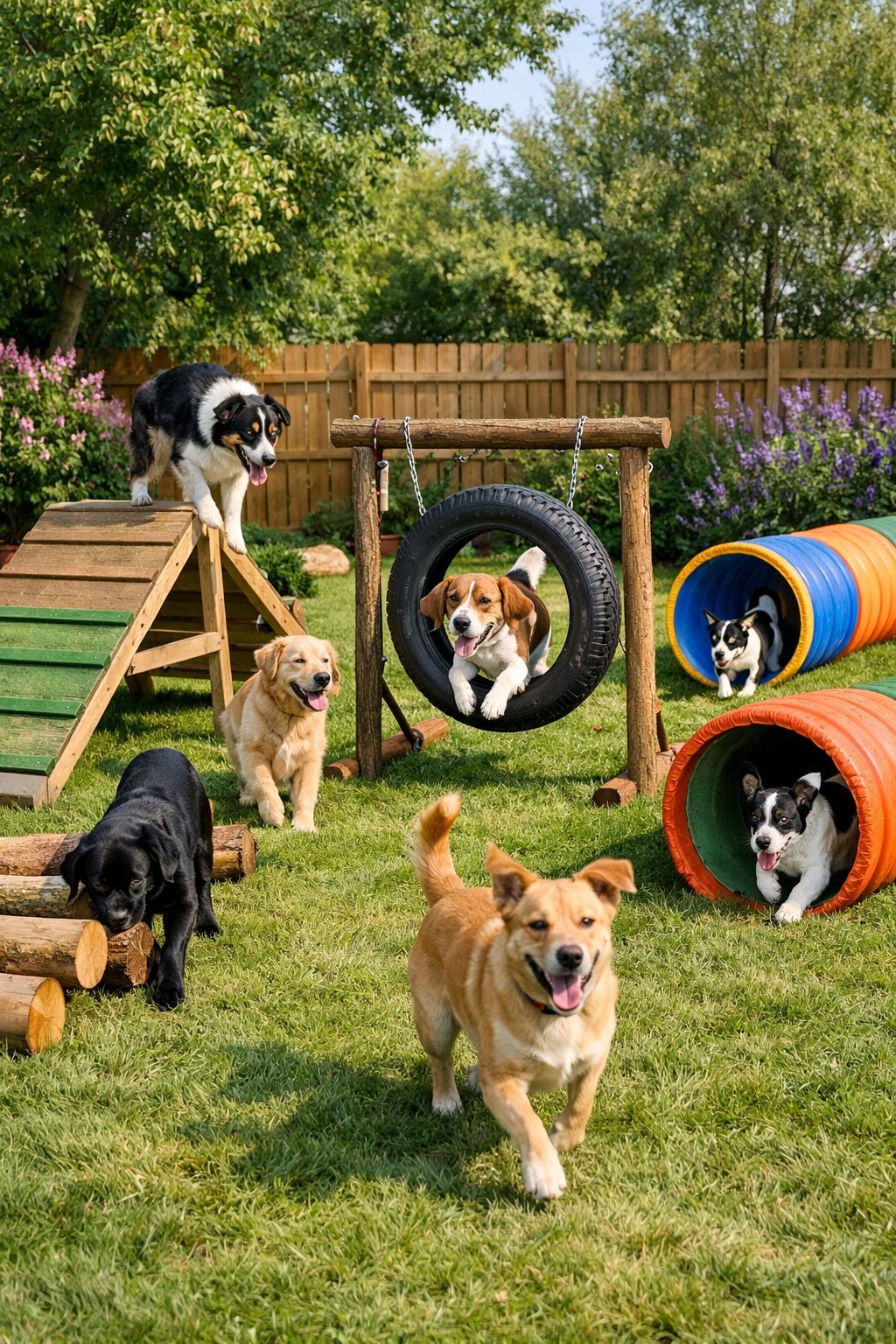
I’ve found that making your own dog playground doesn’t have to be complicated or expensive. You can start with basic features like tunnels, jumps, and digging areas.
Many dog owners build playgrounds from recycled materials that cost very little. A backyard dog playground does more than just entertain your pet.
It gives your dog a routine and helps them burn energy safely while improving their physical and mental health. Whether you have a small yard or lots of space, you can create a playground that fits your needs and keeps your dog happy.
Key Takeaways
- You can build a DIY dog playground using simple materials and recycled items to save money.
- A backyard playground keeps your dog active and mentally stimulated without trips to the park.
- Regular maintenance and starting with easy obstacles helps your dog enjoy the playground safely.
Planning Your DIY Dog Playground
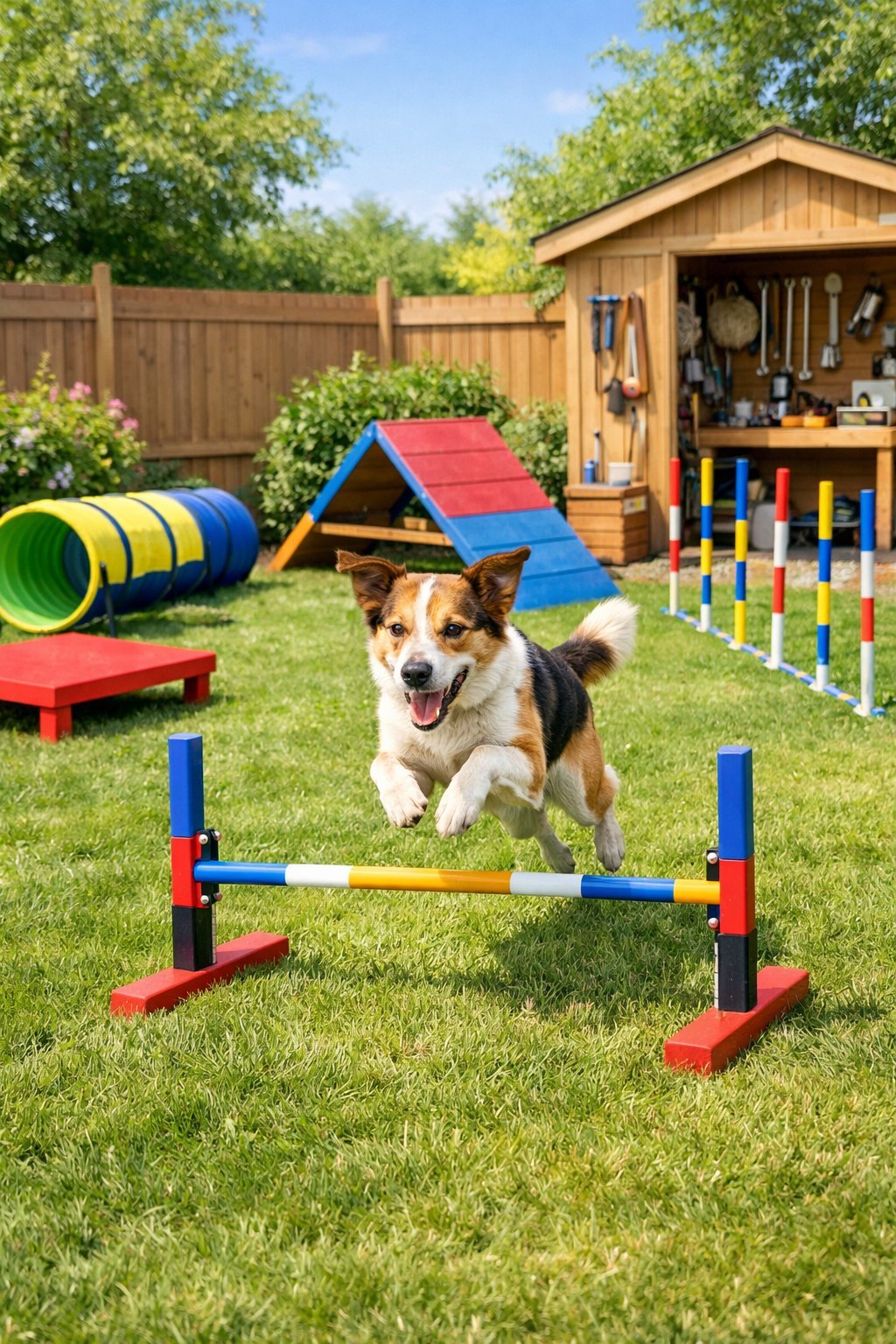
The success of your backyard dog playground depends on picking the right spot and making smart choices about safety and design. Taking time to plan upfront saves money and creates a space your dog will actually want to use.
Choosing the Right Location
Look for a flat area in your yard when setting up a backyard dog playground. Slopes can cause water to pool and make some obstacles unsafe.
The best spots get partial shade during the day. Full sun makes the playground too hot in summer, while too much shade keeps the ground damp and muddy.
Check how the sun moves across your yard at different times. Keep the play area away from flower beds and vegetable gardens.
Dogs running at full speed don’t always watch where they’re going. Fences work great as natural boundaries, and make sure there’s at least three feet of clearance from any structures.
Ground surface matters more than you might think. Grass works fine but wears down quickly in high-traffic spots.
Use mulch or wood chips under jump areas and sand in digging zones.
Safety Considerations for Your Backyard
Inspect your entire yard for hazards before building anything. Sharp objects, toxic plants, and gaps in fencing need fixing first.
Key safety checks:
- Remove poisonous plants like azaleas, lilies, and sago palms.
- Fill holes where paws could get stuck.
- Check fence height (at least 6 feet for jumpers).
- Remove or cover exposed nails and screws.
- Clear away pesticides and fertilizers.
Sand down all wooden obstacles to prevent splinters. Rounded edges work better than sharp corners on every piece of equipment.
When building playground obstacles, avoid using treated lumber with harmful chemicals. Test each obstacle yourself before letting your dog try it.
If something wobbles or feels unstable, reinforce it. Secure anchoring prevents tipping when dogs jump on or off equipment.
Designing for Different Dog Sizes and Ages
Your design should match your dog’s age and physical abilities. A puppy needs different challenges than a senior dog with arthritis.
Size-based measurements:
| Dog Size | Jump Height | Tunnel Width | Ramp Slope |
|---|---|---|---|
| Small | 8-12 inches | 18 inches | 1:7 ratio |
| Medium | 12-16 inches | 24 inches | 1:5 ratio |
| Large | 16-24 inches | 30 inches | 1:4 ratio |
Keep jumps low for older dogs and add ramps instead of stairs. Young, energetic dogs need more challenging obstacles like weave poles and A-frames.
Small breeds do better with scaled-down versions of standard agility equipment. Create multiple activity zones in your DIY dog playground for variety.
Have one area for physical exercise and another for mental stimulation with puzzle toys and sniffing games.
Essential Features for a Dog Playground
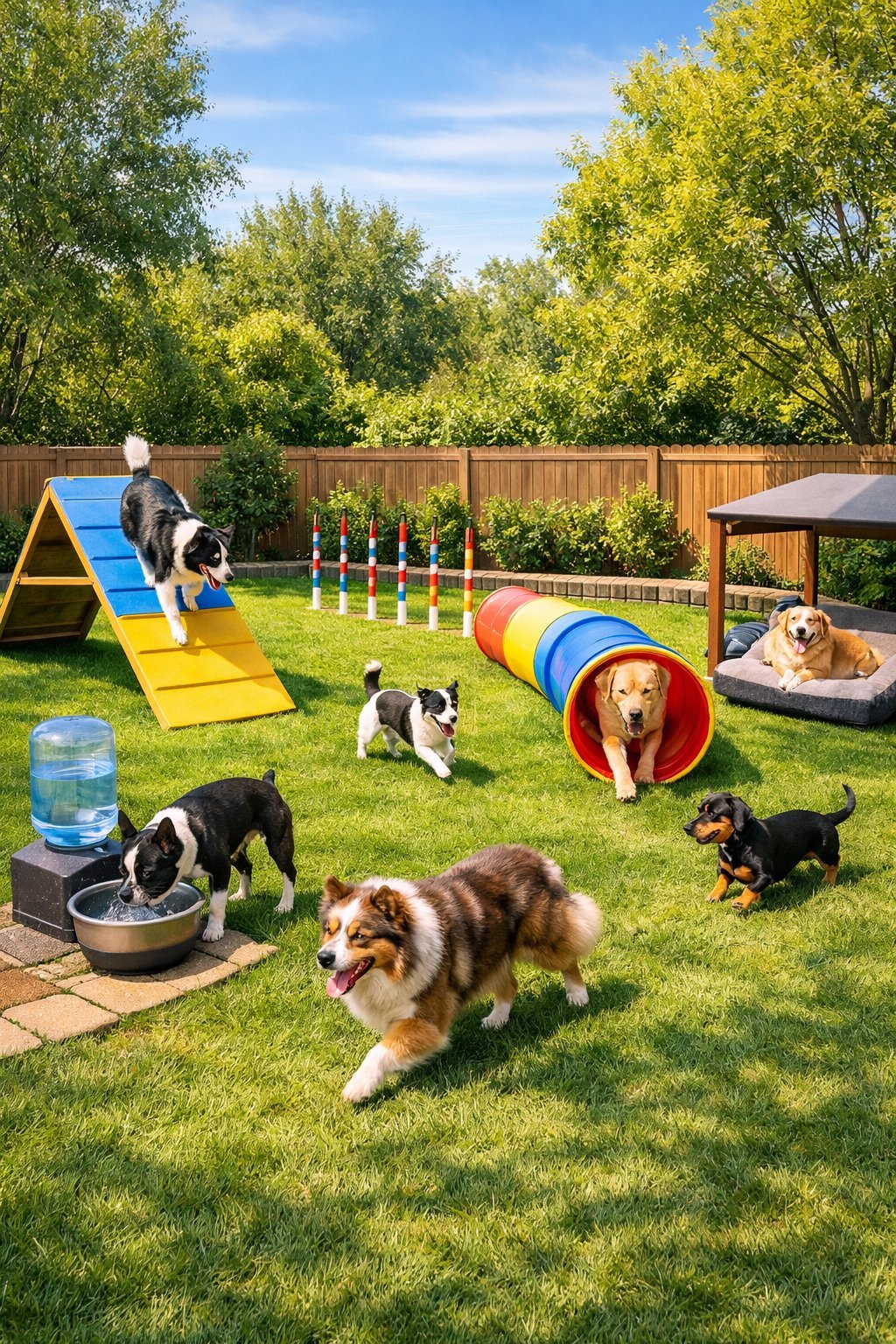
A successful backyard dog playground needs proper boundaries, protection from harsh weather, and easy access to fresh water.
Secure Fencing and Boundaries
Always start with fencing—it’s the most important safety feature. Your fence should be at least 4 to 6 feet tall depending on your dog’s size and jumping ability.
Check for gaps at the bottom where dogs might dig under or squeeze through. Bury chicken wire or concrete pavers along the fence line to stop escape artists.
Key fencing requirements:
- No sharp edges or protruding nails.
- Sturdy gate latches that dogs can’t open.
- Regular inspection for damage or weak spots.
- Smooth surfaces to prevent injuries.
The fence material matters too. Chain link works well for visibility, while wood or vinyl provides more privacy.
Make sure whatever you choose can withstand your dog’s strength and won’t splinter.
Shaded Areas and Weather Protection
Dogs overheat quickly, so make sure your DIY dog playground includes multiple shaded spots. Natural shade from trees works great, but not every yard has mature trees in the right places.
Shade sails or canopies provide flexible coverage options. You can position them over high-activity areas like agility equipment or digging zones.
A covered rest area gives your dog somewhere to retreat during rain or intense sun. This could be as simple as a large umbrella or as permanent as a small roof structure.
Look for options that allow airflow while blocking direct sunlight.
Water Stations and Hydration Solutions
Keep at least two water stations in different areas of your dog’s play space. This ensures water is always nearby no matter where your dog is playing.
Water station options:
- Automatic waterers that refill from a hose.
- Heavy bowls that won’t tip over easily.
- Raised water dishes for large dogs.
- Splash pads for cooling off.
Check and refill water bowls multiple times daily, especially in hot weather. Place bowls away from digging areas or sandboxes to keep the water clean.
DIY Play Structures and Activities
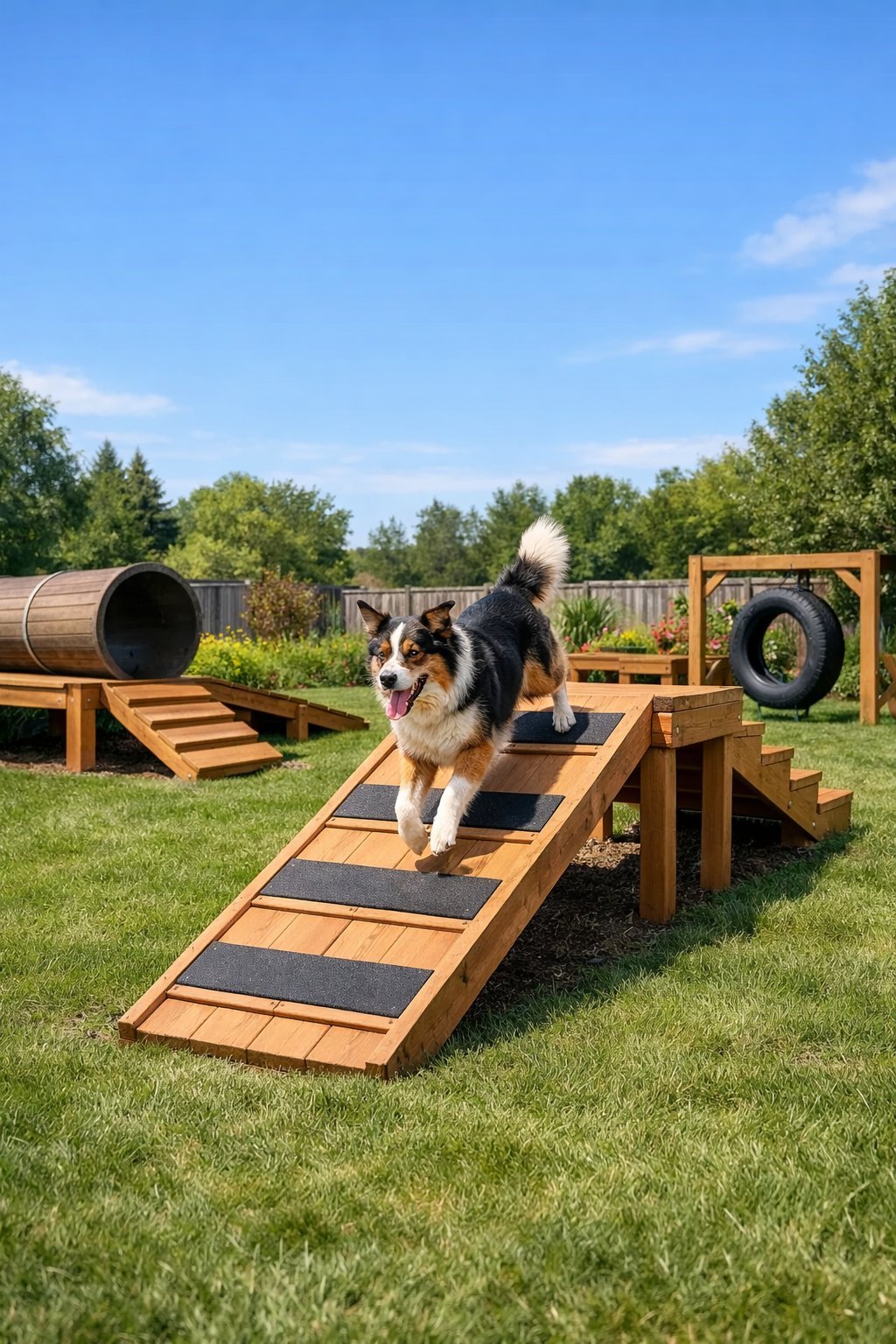
Building play structures gives your dog physical exercise and mental challenges right in your own yard. These projects range from simple obstacle courses to more complex climbing platforms.
Agility Courses and Obstacles
Setting up agility courses in your backyard helps your dog stay fit while having fun. Weave poles are one of the easiest obstacles to start with.
You can make them using PVC pipes stuck into the ground about 24 inches apart. Jump bars are another great addition.
Build them using two cones or blocks as stands with a lightweight pole resting on top. This lets you adjust the height based on your dog’s size and skill level.
A tire swing obstacle provides swinging fun and a jumping challenge. Hang an old tire from a sturdy tree branch using strong rope.
Pause tables teach your dog to stop and stay on command. Use a simple wooden platform about 12 inches high and 3 feet square.
Tunnels and Hideaways
Tunnels tap into your dog’s natural instinct to explore enclosed spaces. Buy collapsible fabric tunnels or make your own using large plastic barrels with both ends removed.
For a budget option, arrange several cardboard boxes with openings cut through them. Dogs love having covered hideaway spots in the yard.
Create these using old pallets leaned against a fence or by draping weather-resistant fabric over a simple frame. These spots give your dog a place to rest in the shade while still being part of the outdoor fun.
Multiple tunnel entrances make the game more interesting. Connect different tunnel sections at angles or create a T-shape so your dog can choose different paths.
Climbing Ramps and Platforms
Multi-level platforms add vertical space to your backyard playground. Build them using treated lumber to create different height levels connected by ramps.
The highest platform should only be about 2-3 feet off the ground for safety. Ramps need a non-slip surface so your dog doesn’t slide.
Add outdoor carpet strips or attach thin wooden slats across the ramp width. The angle should be gentle enough for your dog to walk up comfortably, usually around 30 degrees.
A-frame ramps work well for more athletic dogs. Hinge two wide boards at the top to form a triangle shape.
This teaches balance and coordination while giving your dog a fun climbing challenge.
Creative Ideas to Enrich Your Dog’s Playground
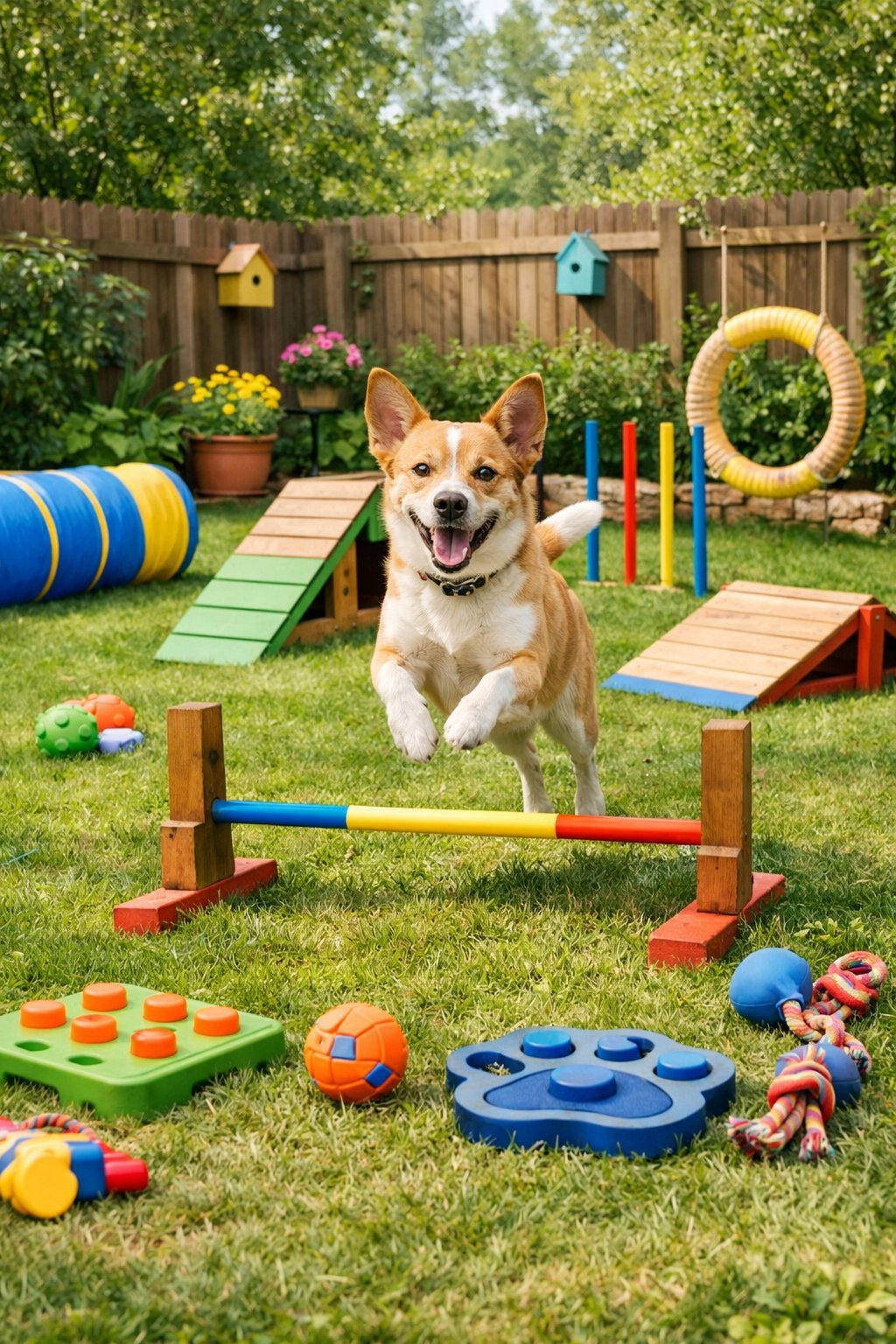
Dogs need mental stimulation along with physical exercise to stay happy and healthy. Adding sensory elements and dedicated digging areas gives your pup new experiences while keeping your yard organized.
Sensory Gardens with Dog-Friendly Plants
Create a sensory garden section where your dog can safely explore different smells and textures. This adds mental enrichment to outdoor time.
Safe plants to try:
- Rosemary
- Basil
- Mint
- Lavender
- Thyme
These herbs are non-toxic and provide interesting scents for dogs to investigate. Plant them in raised beds or designated areas so your dog knows where exploration is encouraged.
Add different textures by placing smooth river rocks, mulch paths, and grass sections next to each other. Dogs enjoy walking across these varied surfaces.
Some owners incorporate agility equipment into their play zones to add physical challenges alongside sensory experiences. Avoid toxic plants like azaleas, tulips, and daffodils in your dog’s play area.
Keep a list of safe plants posted somewhere handy for reference when adding new greenery.
Digging Zones and Sand Pits
Build a designated digging area to save the rest of your yard from random holes. This gives your dog an acceptable place to follow natural instincts.
A simple sandbox works perfectly for this purpose. Use a 4×4 foot wooden frame filled with sand about 12 inches deep.
To encourage use, bury some toys and treats in the sand at first. Place the digging zone in a shaded area to keep the sand cool during summer.
Rake the sand weekly and check for any unwanted debris. Some dog owners prefer using DIY playground obstacles that include multiple activity stations beyond just digging areas.
Whenever you catch your dog digging elsewhere, redirect to the approved zone with positive reinforcement.
Maintenance Tips and Upkeep for Your Backyard Playground
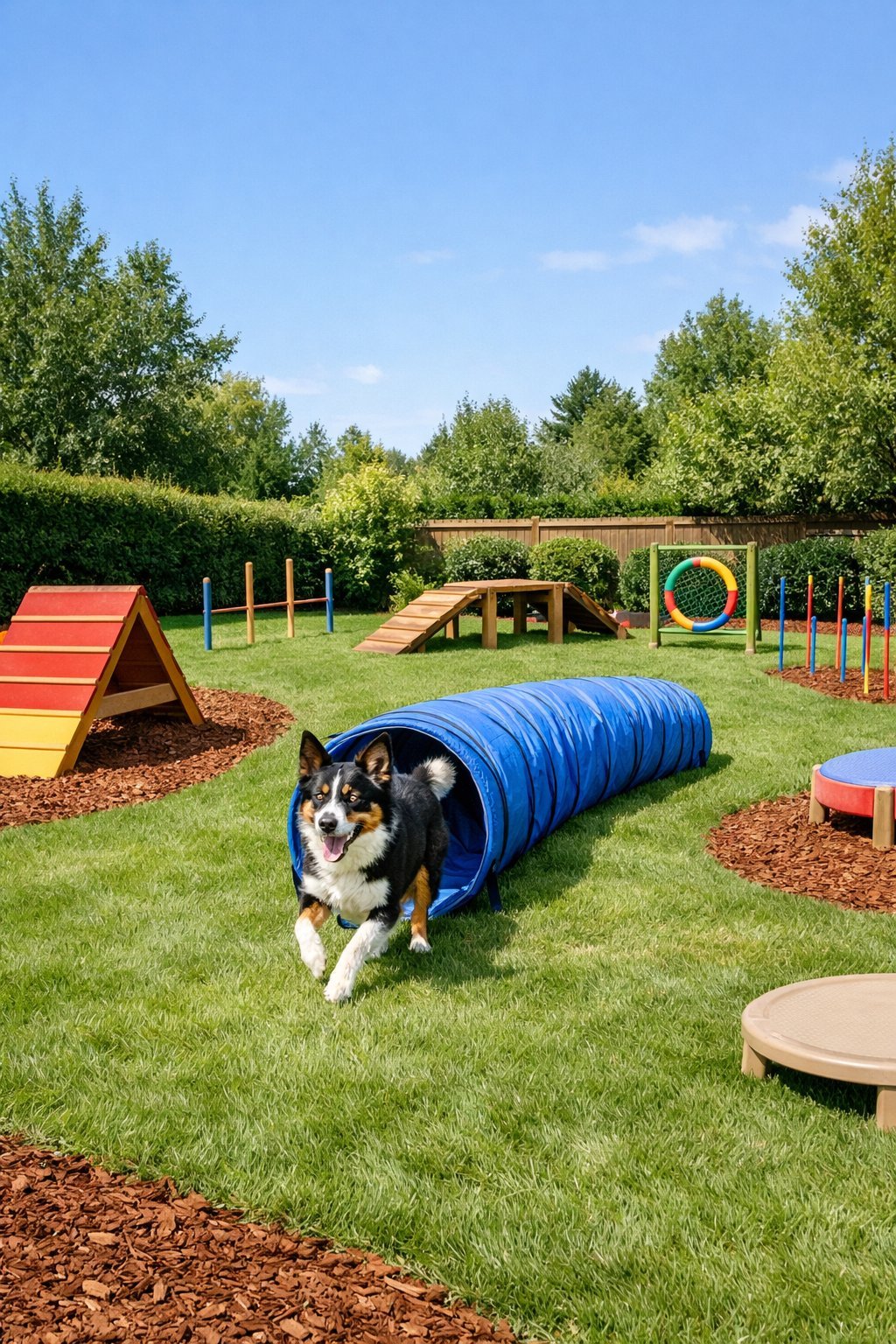
Regular cleaning keeps your dog healthy, and proper inspections help you catch safety issues early. I also adjust my dog’s playground with the seasons to handle weather changes and keep things interesting.
Cleaning and Sanitizing Play Equipment
I clean my dog’s playground equipment every week to stop bacteria from building up. For cleaning, I use a pet-safe cleaner or diluted vinegar with water to wipe down all the surfaces my dog touches.
Hard plastic and metal surfaces get a good scrub with a brush to remove dirt and slobber. After that, I rinse everything thoroughly with a hose.
For wooden structures, I make sure they’re completely dry before my dog uses them again. Once a month, I deep clean the whole play area, including washing rope toys, scrubbing ramps, and disinfecting high-contact spots like tunnel entrances.
I always let equipment air dry in the sun since sunlight helps kill off leftover germs naturally.
Inspecting for Wear and Repair
Once a week, I walk through the playground to look for any damage or loose parts. I check all bolts and screws to make sure they’re tight because loose hardware can be a safety hazard.
I run my hands along wooden surfaces to find any splinters or rough spots that need sanding. Ropes and fabric get checked for fraying, since dogs can chew through worn materials.
Metal parts are checked for rust or sharp edges. I also test the stability of ramps, platforms, and jumping obstacles by applying some pressure before letting my dog use them.
If something wobbles or feels weak, I fix it right away. I keep basic tools and replacement hardware nearby so I can make quick repairs when needed.
Seasonal Adjustments and Upgrades
I move equipment to shadier spots during summer months to prevent overheating. Metal and plastic surfaces can get hot enough to burn paw pads in direct sunlight.
I add a small kiddie pool or water feature when temperatures rise.
In winter, I clear snow and ice from play surfaces before my dog goes outside. I check that wooden structures haven’t absorbed too much moisture or developed cracks from freezing temperatures.
I bring fabric and rope toys indoors during extreme weather.
I rotate toys and obstacles every few months to keep my dog interested and engaged. Adding new challenges encourages different types of movement.
I also adjust obstacle heights as my dog ages or if their mobility changes.
