Dog Treats Homemade: Easy and Healthy Recipes Your Pup Will Love

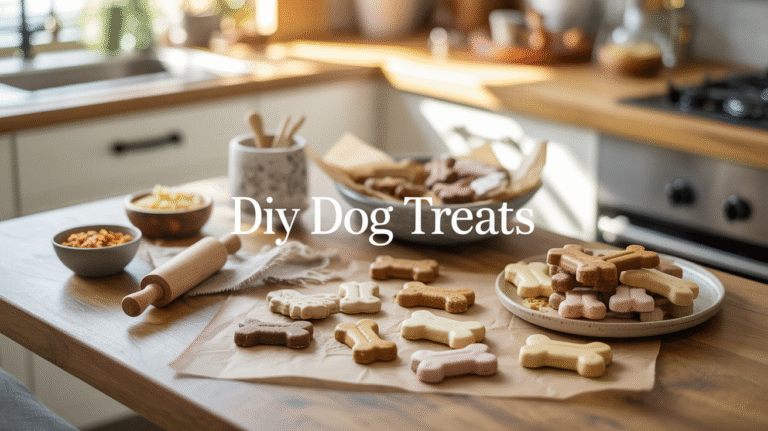
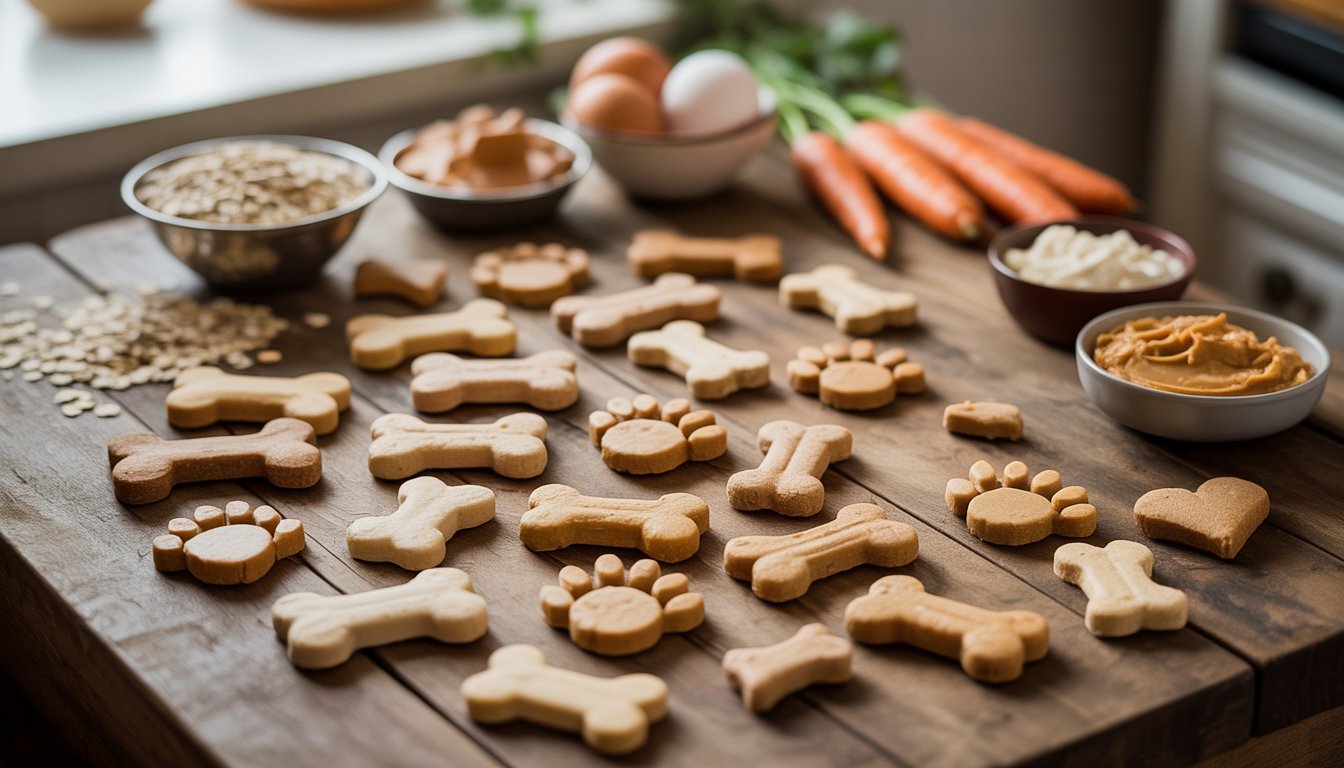
Making treats for your dog at home is easier than you might think. Dog treats homemade are typically simple and easy to follow, which means you don’t need special cooking skills or fancy equipment to get started. You can create healthy, tasty snacks for your pet using just a few simple ingredients like peanut butter, oats, and banana.

I’ve found that making my own dog treats saves money and gives me control over what goes into my dog’s food. Store-bought treats often contain additives and preservatives that aren’t necessary. When I make treats at home, I know exactly what my dog is eating.
The best part is that many recipes use five ingredients or less, so you probably already have what you need in your kitchen. My dog gets excited every time I pull out the mixing bowl, and watching their tail wag makes the effort worth it.
Key Takeaways
- You can make healthy dog treats at home with basic ingredients you already have in your kitchen
- Homemade treats let you avoid additives and preservatives found in store-bought options
- Most recipes are simple enough to make even if you’re not an experienced cook
Benefits of Dog Treats Homemade
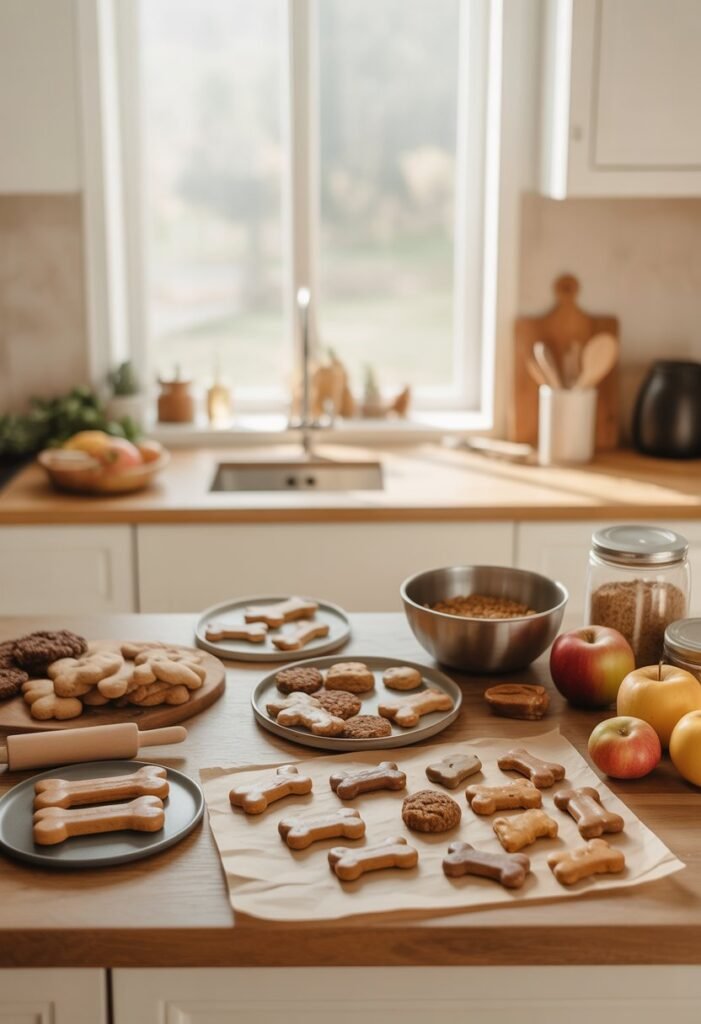
Making treats at home gives me complete control over what my dog eats while saving money and creating snacks perfectly suited to their needs. Fresh ingredients and customized recipes mean healthier, safer options than many store-bought alternatives.
Healthier Ingredients
When I make treats at home, I know exactly what goes into each batch. Many store-bought options contain artificial preservatives, fillers, and additives that can trigger digestive problems or other health issues in dogs.
I can choose fresh, whole ingredients like oats, pumpkin, and lean meats. Using natural options instead of artificial preservatives provides better nutrition and treats my dog actually enjoys eating.
Homemade treats offer improved digestion, healthier skin and coat, better weight control, and enhanced dental hygiene. I avoid harmful chemicals and mystery ingredients that appear on labels of cheaper commercial treats.
Dietary Customization
I can tailor homemade treats to match my dog’s specific nutritional needs. If my dog needs more protein, I add chicken or beef. For senior dogs, I can reduce calories and add joint-supporting ingredients.
Making personalized snacks tailored to specific needs means addressing individual health concerns directly. I control portion sizes, ingredient ratios, and texture based on my dog’s age, size, and activity level.
Simple recipes with ingredients I already have work perfectly. I can make healthy treats with just three ingredients like oats, banana, and peanut butter for quick, nutritious snacks.
Allergy-Friendly Options
If my dog has food sensitivities, homemade treats become essential. I eliminate problem ingredients completely rather than hoping manufacturers follow clean production practices.
Common allergens like corn, wheat, soy, or certain proteins disappear from my recipes. I substitute safe alternatives that my dog tolerates well without worrying about cross-contamination from factory processing.
Complete control over ingredients means I create wholesome, nutritious treats beneficial for dogs with restrictions. I test new ingredients one at a time to identify any reactions before adding them to regular rotation.
Essential Ingredients and Tools
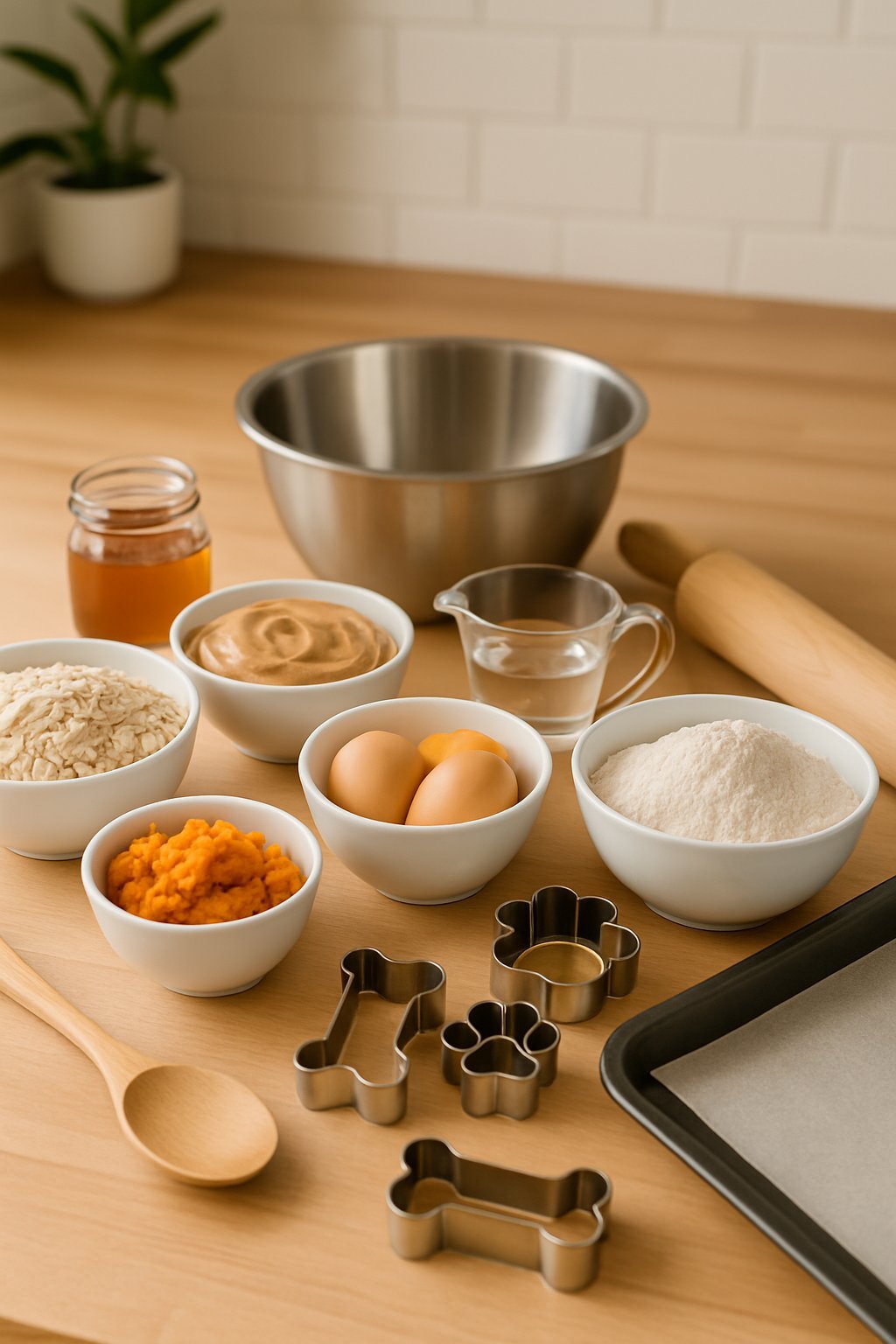
Making dog treats at home requires simple, wholesome ingredients and basic kitchen equipment that most people already own. I focus on using nutritious base ingredients, safe flavor additions, and a few essential tools to create treats my dog loves.
Nutritious Core Ingredients
I always start with dog-safe ingredients that are both healthy and nutritious. Whole wheat flour or oat flour serves as my go-to base because they provide fiber and are easy to digest. I also use rice flour for dogs with wheat sensitivities.
Peanut butter is another staple in my kitchen, but I make sure it contains no xylitol, which is toxic to dogs. Natural peanut butter with just peanuts and maybe salt works perfectly. Pumpkin puree adds moisture and vitamins while keeping treats soft and chewy.
Eggs bind my ingredients together and add protein. I use one egg for most single-batch recipes. Sweet potatoes are excellent for adding natural sweetness and nutrients like vitamin A.
Safe Additions and Flavorings
I enhance my treats with ingredients that add flavor without harming my dog. Applesauce provides natural sweetness and moisture without added sugar. I always choose unsweetened versions to keep treats healthy.
Carrots give treats a subtle sweetness and satisfying crunch when grated fresh. Blueberries work as tiny flavor bursts packed with antioxidants. I also use plain yogurt for added probiotics and creaminess.
Chicken broth makes treats more appealing to picky eaters, but I use low-sodium or homemade versions. Parsley freshens breath naturally when mixed into the dough. Cinnamon adds warmth in small amounts, about a quarter teaspoon per batch.
Must-Have Kitchen Tools
I keep my dog treat-making simple with basic kitchen equipment. A mixing bowl, measuring cups, and spoons are essential for getting proportions right. I use a wooden spoon or spatula for mixing dough.
A rolling pin helps me flatten dough to an even thickness, usually about a quarter inch. Cookie cutters in fun shapes make treats more enjoyable to create, though I sometimes just cut squares with a knife. A baking sheet lined with parchment paper prevents sticking and makes cleanup easier.
A cooling rack allows air to circulate around finished treats so they crisp up properly. I store an airtight container specifically for dog treats to keep them fresh for up to two weeks.
Simple Dog Treats Homemade Recipes

Making treats at home gives you full control over ingredients while saving money. Most recipes need just a few basic items you probably already have in your kitchen.
Quick No-Bake Dog Treats
I love no-bake treats because they’re ready in minutes without heating up my kitchen. These easy 3 ingredient dog treats typically use peanut butter, oats, and honey mixed together and rolled into balls.
One of my favorite no-bake options combines peanut butter with mashed banana and rolled oats. I simply mix equal parts of each ingredient until I get a thick dough. Then I roll the mixture into small balls and pop them in the fridge for 30 minutes.
Another quick option uses carob chips, coconut oil, peanut butter, and honey to make dog-friendly peanut butter cups. I melt the ingredients together, pour them into small molds, and refrigerate until firm. The whole process takes about 30 minutes from start to finish.
No-bake treats work great when I’m short on time or during hot summer days when I don’t want to turn on my oven.
Easy Oven-Baked Biscuits
Baked biscuits are crunchy and store well for weeks in an airtight container. I start with simple flour-based recipes that use whole wheat flour, eggs, and either pumpkin puree or peanut butter as the main ingredients.
My basic biscuit recipe calls for 2 cups whole wheat flour, 1 egg, and 1/2 cup pumpkin or peanut butter. I mix everything until it forms a dough, roll it out to about 1/4 inch thick, and cut shapes with cookie cutters.
I bake these at 350°F for 20-25 minutes until they’re golden and firm. The longer I bake them, the crunchier they get. For softer treats, I pull them out a few minutes early.
Basic ingredients I keep on hand:
- Whole wheat flour
- Eggs
- Pumpkin puree
- Natural peanut butter (no xylitol)
- Chicken or beef broth
These homemade dog treat recipes typically require five ingredients or less, making them simple enough for anyone to try.
Chewy Treats for Beginners
Chewy treats have a softer texture that works well for puppies or older dogs with dental issues. I make these by adding more wet ingredients and reducing baking time compared to crunchy biscuits.
My go-to chewy recipe uses sweet potato as the base. I bake a sweet potato until soft, mash it up, and mix it with an egg and enough oat flour to form a sticky dough. I spread this thin on a baking sheet and bake at 325°F for about 15 minutes.
Another beginner-friendly option involves mixing ground meat with an egg and a bit of flour. I form small patties and bake them just until cooked through. My dog goes absolutely crazy for these meat-based treats.
The key to chewy treats is not overbaking them. I watch them carefully and remove them while they still feel slightly soft to the touch.
Advanced Recipes and Special Diets
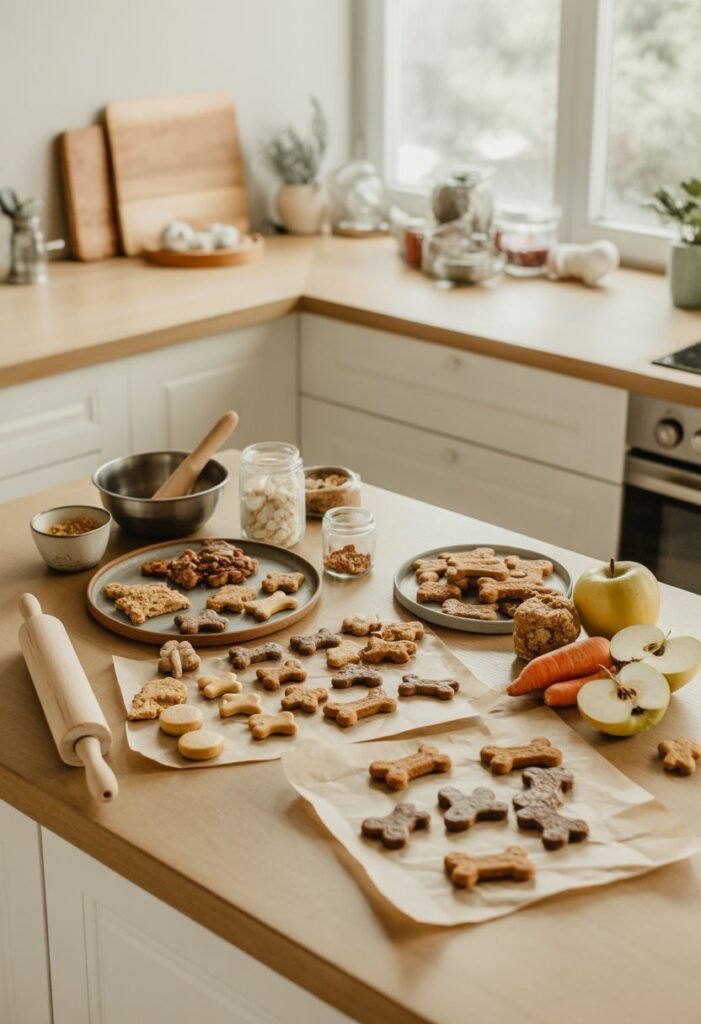
Making treats that work with your dog’s dietary needs doesn’t have to be complicated. I’ve found that recipes for special diet dog treats use whole ingredients like oats, pumpkin, and lean proteins to keep things simple and healthy.
Grain-Free Dog Treat Recipes
I use almond flour or coconut flour as my go-to replacements when making grain-free treats. These flours work well in most recipes and won’t upset sensitive stomachs.
Sweet potato serves as an excellent binder in grain-free recipes. I mix it with peanut butter and coconut flour to create chewy treats my dog loves. The sweet potato adds moisture and natural sweetness without any grains.
Chickpea flour is another option I reach for often. It’s high in protein and creates a nice texture for crunchy biscuits. I combine it with mashed banana and a bit of honey for flavor.
Common grain-free ingredients:
- Almond flour
- Coconut flour
- Chickpea flour
- Sweet potato
- Tapioca starch
When I bake grain-free treats, I usually need to adjust the liquid amounts. These flours absorb moisture differently than wheat flour.
Single-Protein Options
Single-protein treats help me identify food allergies or sensitivities in dogs. I stick to one meat source per batch to keep things clear.
I make chicken jerky by slicing boneless breasts thin and baking them at 180°F for 3-4 hours. The low temperature preserves the meat without added ingredients. Turkey works the same way.
For fish-based treats, I use canned salmon mixed with egg and coconut flour. I form small balls and bake them until firm. These treats smell strong but dogs go crazy for them.
Beef liver treats are simple to prepare. I slice fresh liver into thin strips and dehydrate them in the oven. They’re packed with nutrients and contain only one ingredient.
Treats for Sensitive Stomachs
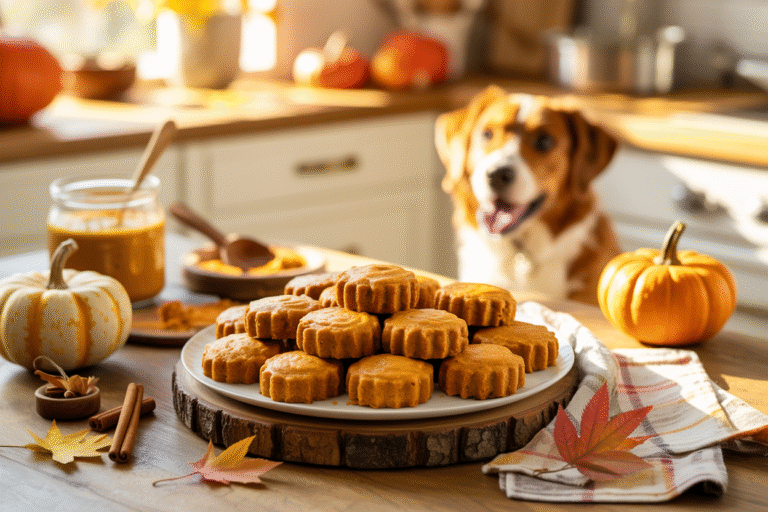
Plain pumpkin puree mixed with oat flour creates gentle treats for upset stomachs. I keep the recipe minimal with just these two ingredients plus a bit of water.
Boiled chicken mixed with white rice forms a bland treat that’s easy to digest. I shape the mixture into small balls and refrigerate them. These work well during recovery from stomach issues.
I avoid high-fat ingredients when making treats for sensitive dogs. Lean proteins like turkey breast or white fish work better than beef or pork. I also skip dairy products since many dogs have trouble digesting lactose.
Binding ingredients matter for sensitive stomachs. I use egg whites instead of whole eggs to reduce fat content. Mashed banana or applesauce also work as gentle binders that add natural sweetness without causing digestive problems.
Storage, Safety, and Serving Tips
Keeping dog treats homemade fresh requires the right containers and temperature control, while portion sizes depend on your dog’s weight and daily calorie needs. Training with treats works best when you use small pieces and pair them with consistent timing.
Proper Storage Methods
I always let my dog treats homemade cool completely on a wire rack before storing them. Any moisture left in warm treats can lead to mold growth.
For short-term storage, I use airtight, BPA-free containers to keep my treats fresh on the counter. Dry, baked treats typically last 1-2 weeks at room temperature. I keep my refrigerator between 32-39°F for treats with meat, pumpkin, or other moist ingredients, which stay good for about 5-7 days.
Freezer bags or airtight containers work perfectly for long-term storage. I double-bag frozen treats to prevent freezer burn. Most frozen treats stay fresh for 3-6 months. I write the date on each bag so I can rotate older treats to the front.
Before serving any stored treat to my dog, I check for signs of spoilage. Mold, sliminess, or an off smell mean the treat should go straight in the trash.
Safe Serving Sizes
I follow the 10% rule when giving my dog treats. Treats should make up no more than 10% of my dog’s daily calorie intake.
For a 20-pound dog eating about 500 calories per day, that means treats should total around 50 calories maximum. I break larger treats into smaller pieces to make them last longer. A small dog needs just one or two small treats per training session, while a large dog can handle slightly bigger portions.
I adjust my dog’s regular meal portions on days when I give extra treats. This prevents weight gain and keeps my dog at a healthy size.
Treat Training Strategies
I keep training treats small—about the size of a pea for small dogs and a penny for large dogs. Tiny pieces let me reward my dog multiple times without overfeeding.
Timing matters more than treat size in training. I give the treat within 2-3 seconds of the desired behavior so my dog makes the connection. I use high-value treats like meat-based options for teaching new commands and save simpler biscuits for practicing known behaviors.
I store training treats in a small pouch on my belt or in my pocket for quick access. Room-temperature treats work better than cold ones during training sessions because the smell is stronger and more appealing to my dog.