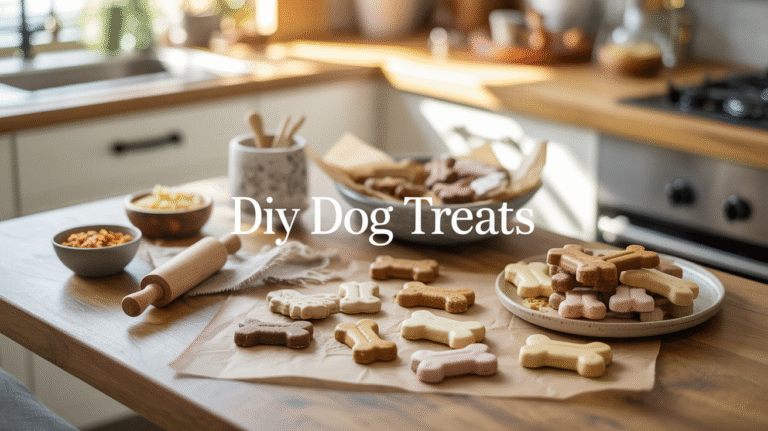

Healthy Dog Treats Homemade: Nutritious Recipes & Tips for Your Pup

Making your own dog treats at home lets you control exactly what goes into your pet’s snacks. Store-bought treats often contain preservatives, artificial flavors, and ingredients you can’t even pronounce.
When you make healthy dog treats homemade , you choose fresh, wholesome ingredients that support your dog’s health while saving money.

I’ve discovered that making dog treats from scratch is much easier than it sounds. Most recipes use simple ingredients like peanut butter, pumpkin, oats, and flour that you probably already have in your kitchen.
The best part is that your dog will love these treats just as much as the expensive ones from the pet store. Whether you want crunchy biscuits, frozen treats for hot days, or soft snacks for older dogs, homemade options give you endless possibilities.
I’m excited to share my favorite recipes and tips that will have your dog’s tail wagging with joy.
Key Takeaways
- Homemade dog treats give you full control over ingredients and help you avoid harmful additives found in store-bought options
- Most healthy dog treat recipes require basic kitchen ingredients like flour, eggs, and dog-safe fruits or vegetables
- Proper storage methods keep your homemade treats fresh and safe for your dog to enjoy over several weeks
Why Choose Homemade Healthy Dog Treats?

Making treats at home gives you complete control over what goes into your dog’s snacks while supporting their health and saving money. You can avoid questionable ingredients and tailor recipes to your dog’s specific needs.
Health Benefits of Homemade Treats
When I make homemade dog treats, I know exactly what my dog is eating. Store-bought options often contain artificial colors, flavors, and preservatives that can cause digestive issues or allergic reactions.
Fresh ingredients provide better nutrition for your pet. I can add nutrient-rich foods like pumpkin for fiber, blueberries for antioxidants, or ground flaxseed for omega-3 fatty acids.
These whole food ingredients support better digestion, healthier skin and coat, and stronger immune function. Homemade treats help manage weight because I control portion sizes and calorie content.
I can make smaller treats for training or use low-calorie vegetables like carrots and zucchini. This is especially important for dogs who need to lose weight or maintain a healthy body condition.
For dogs with allergies or sensitivities, homemade options are game-changers. I can eliminate trigger ingredients completely and use alternative proteins or grain-free flours that work for my dog’s specific dietary requirements.
Control Over Ingredients
Choosing each ingredient myself means I skip the mystery fillers and low-quality by-products found in many commercial products. I read every label and select human-grade ingredients I trust.
I avoid harmful additives like BHA, BHT, and ethoxyquin that appear in mass-produced dog treats. These preservatives have been linked to health concerns in pets.
Instead, I use natural preservation methods like proper baking and storage. The ingredient list stays simple and readable.
My basic recipes might include just oat flour, peanut butter, and pumpkin rather than the 20+ ingredients on a store-bought package. This transparency gives me peace of mind about my dog’s health.
I can also ensure ingredients are safe. Some peanut butters contain xylitol, an artificial sweetener that’s toxic to dogs.
When I make treats myself, I verify every ingredient is dog-safe before using it.
Economical and Customizable
Homemade dog treats cost significantly less than premium store-bought options. A batch using basic pantry ingredients like oats and eggs might cost $3-4 and yield 30+ treats.
The same quantity of quality commercial treats could cost $8-12. The savings add up quickly if I have multiple dogs or use treats frequently for training.
Buying ingredients in bulk reduces costs even more over time. I customize recipes to my dog’s preferences and dietary needs.
If my dog prefers chicken over beef, I adjust the recipe. If my dog needs low-fat options for pancreatitis, I control the fat content precisely.
Making my own treats lets me experiment with different shapes, sizes, and textures. I can make softer treats for senior dogs with dental issues or crispy biscuits for dogs who love a good crunch.
This flexibility isn’t possible with pre-packaged options.
Essential Dog-Safe Ingredients for Homemade Treats

Choosing the right ingredients ensures your dog gets nutritious treats without harmful additives. Whole food proteins, safe grains, and fresh produce form the foundation of healthy homemade treats.
Certain common foods must be completely avoided to protect your pet’s health.
Best Ingredients for Dog Treats
When I make treats for my dog, I focus on wholesome ingredients that provide nutritional benefits. Whole wheat flour works as a great base because it contains fiber and nutrients, though I switch to alternatives if my dog has sensitivities.
For protein, I use peanut butter (always checking it’s xylitol-free), eggs, or cooked chicken and beef. Eggs help bind ingredients together while adding vitamins.
I also include chicken or beef broth for extra flavor and moisture. Oat flour is my go-to grain-free option since it aids digestion and works well for dogs with wheat allergies.
Brown rice flour provides a gentle, gluten-free alternative that creates a chewy texture. Fresh produce adds natural sweetness and vitamins.
Pumpkin supports digestion with its high fiber content. Sweet potatoes offer vitamins and can be mashed into recipes easily.
Carrots provide crunch and help with dental health. Blueberries contain antioxidants, while apples (seeds removed) give vitamins A and C.
I sometimes add small amounts of cinnamon for blood sugar regulation or parsley for fresh breath. These extras boost both flavor and health benefits.
Ingredients to Always Avoid
Some common foods are dangerous for dogs, so I never include them in treats. Chocolate contains theobromine, which is toxic to dogs even in small amounts.
Grapes and raisins can cause kidney failure. Xylitol is extremely dangerous and appears in many peanut butters and sugar-free products.
I always check labels carefully before using any packaged ingredient. Onions and garlic damage red blood cells and should never be added to dog treats, even in powder form.
Macadamia nuts cause weakness and tremors in dogs. Other foods to skip include:
- Avocados (contain persin)
- Raw yeast dough (expands in stomach)
- Alcohol of any kind
- Caffeine
- Foods with artificial sweeteners
I keep these items completely separate when preparing treats to avoid any accidental contamination.
Allergy-Friendly and Special Dietary Options
Dogs with food sensitivities need special ingredient considerations when making treats. For grain allergies, I use almond flour or coconut flour as complete wheat replacements.
Coconut flour absorbs a lot of liquid, so I use it sparingly. Chickpea flour works well for dogs avoiding both grains and nuts.
It provides protein and creates a hearty texture in baked treats. For protein allergies, I rotate between different meat sources.
If my dog reacts to chicken, I switch to turkey, beef, or fish. Some dogs do well with pumpkin and banana combinations that minimize animal proteins.
Dogs needing low-fat diets benefit from treats made with plain yogurt (if lactose-tolerant), green beans, and zucchini. These ingredients add moisture and nutrients without excess calories.
I always introduce new ingredients one at a time to watch for reactions. This helps me identify any sensitivities before they become problems.
Top Healthy Homemade Dog Treat Recipes

Making treats at home lets you control every ingredient that goes into your dog’s snacks. These recipes use simple, wholesome foods like peanut butter, pumpkin, sweet potatoes, and chicken that most dogs love.
Classic Peanut Butter Dog Treats
I’ve found that peanut butter dog treats are among the easiest recipes to start with. You’ll need just a few basic ingredients: 2 cups whole wheat flour, 1 cup natural peanut butter (make sure it doesn’t contain xylitol), 1 cup water, and 2 tablespoons honey.
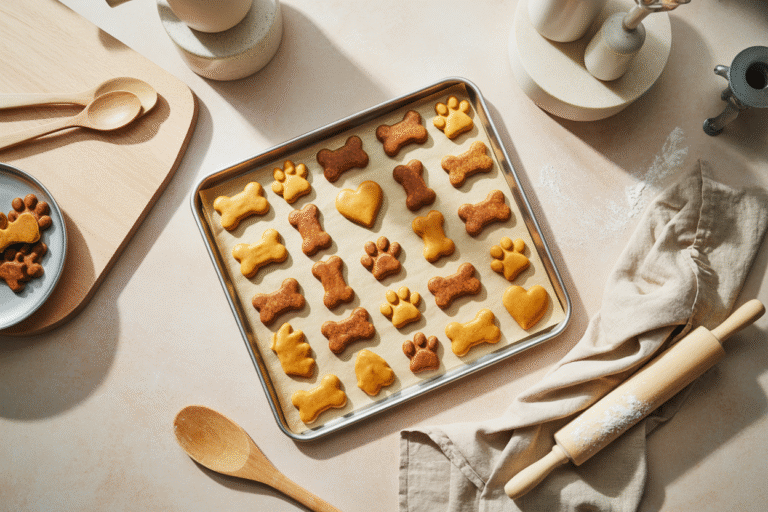
Mix all ingredients in a bowl until a dough forms. Roll the dough to about 1/4-inch thickness and cut shapes with cookie cutters.
Bake at 350 degrees for 20 minutes until golden brown. These treats stay fresh in an airtight container for up to two weeks.
Important safety note: Always check your peanut butter label. Xylitol is toxic to dogs and appears in some brands.
Pumpkin Peanut Butter Dog Treats
Pumpkin peanut butter dog treats combine two ingredients dogs love. For this recipe, I use 2 1/2 cups whole wheat flour, 1/2 cup canned pumpkin (not pie filling), 1/2 cup peanut butter, 2 eggs, and 1 teaspoon cinnamon.
Pumpkin adds fiber that helps with digestion. It’s also low in calories, which makes these treats good for dogs watching their weight.
Mix the wet ingredients first, then add flour and cinnamon. The dough should be slightly sticky but workable.
Roll it out and cut into shapes. Bake at 350 degrees for 25-30 minutes.
Let them cool completely before storing.
Sweet Potato Chews
Sweet potato chews are one of the simplest healthy homemade dog treats you can make. You only need sweet potatoes and an oven.
Wash the sweet potatoes and slice them lengthwise into 1/4-inch strips. Don’t make them too thick or they won’t dry properly.
Place the strips on a baking sheet lined with parchment paper. Bake at 250 degrees for about 3 hours, flipping them halfway through.
The low temperature dries them out without burning. Storage tips: Keep these chews in the refrigerator for up to three weeks.
They have a chewy texture similar to rawhide but are much safer and more digestible.
Chicken Dog Treats
I love making chicken dog treats because they’re high in protein and most dogs go crazy for them. You can use chicken breast or thighs, but remove all bones and skin first.
Slice the chicken into thin strips about 1/4-inch thick. Arrange them on a baking sheet without overlapping.
Bake at 200 degrees for 2-3 hours until completely dried. The treats should be firm and dry, not soft or moist.
You can also add a sprinkle of parsley for fresh breath. Store these in the refrigerator for up to one week, or freeze them for longer storage.
Creative and Fun Recipe Variations

Making homemade treats opens up endless possibilities to match your dog’s preferences and dietary needs. You can bake crunchy biscuits, whip up soft pupcakes, freeze refreshing snacks, or create grain-free options for sensitive stomachs.
Homemade Dog Biscuits
I find that baked dog biscuits are perfect for training and everyday rewards. They stay fresh for weeks when stored in an airtight container.
Apple pretzels made with almond flour give you a fun shape to twist and roll. The recipe only needs three ingredients: almond flour, egg, and unsweetened applesauce.
You bake them at 350 degrees for 25-30 minutes until they’re firm and slightly browned. For something different, I make blackberry biscuits using almond flour, flax meal, fresh blackberries, egg, and olive oil.
Roll the dough to 1/4-inch thickness and cut out shapes with cookie cutters. These bake for 30 minutes and come out nicely browned and crunchy.
Basic tips for biscuits:
- Use parchment paper to prevent sticking
- Store in airtight containers for up to 3 weeks
- Let treats cool completely before serving
Soft Dog Treats and Pupcakes
Soft treats work great for older dogs with dental issues or puppies still growing their teeth. I make carrot peanut butter pupcakes by mixing shredded carrots, natural peanut butter (without xylitol), flour, and eggs.
These bake in muffin tins at 350 degrees for about 15-20 minutes. You can top them with a small dollop of plain yogurt for a special occasion.
Another option is mini omelets with eggs, salmon or chicken, and diced bell peppers. Cook them in a lightly oiled pan until the eggs are fully firm.
Let them cool and cut into bite-sized pieces.
Soft treat advantages:
- Easier to chew for senior dogs
- Great for hiding medications
- Can be frozen for longer storage
Frozen Dog Treats
Frozen treats are my go-to for hot summer days or teething puppies. Red, white, and blue yogurt popsicles combine whole blueberries, chopped strawberries, and plain yogurt in ice cube trays.
Freeze them for 4-5 hours before serving. I also make frozen meat treats with grilled chicken, plain yogurt, carrots, and olive oil.
Mix everything together and pour into ice cube trays or use a piping bag for smaller portions. These keep for months in the freezer.
Simple frozen options include freezing plain pumpkin puree in silicone molds. You can also stuff Kong toys with mashed banana and freeze them solid.
Grain-Free and Allergen-Sensitive Recipes
Dogs with allergies or sensitivities need special attention when making treats. I use almond flour or coconut flour instead of wheat flour for grain-free biscuits.
For dogs allergic to common proteins, I substitute turkey or duck for chicken in recipes. Sweet potato can replace regular flour as a binding agent when mashed and mixed with eggs.
Safe ingredient swaps:
- Almond butter instead of peanut butter
- Coconut oil instead of olive oil
- Oat flour for wheat-sensitive dogs (check with your vet first)
Always check labels for xylitol, which is poisonous to dogs. Introduce new ingredients slowly to watch for reactions.
How to Store and Serve Homemade Dog Treats
Proper storage keeps your homemade dog treats safe and tasty. Correct serving sizes prevent overfeeding.
Storing for Freshness
Homemade treats lack chemical preservatives, so moisture, oxygen, and warm temperatures can quickly turn them into a science experiment. I always let my treats cool completely before storing them—trapped steam creates humidity that invites mold.
For dry baked biscuits, I use airtight glass jars on the counter for 5-7 days. If you live in a humid area, cut that time by two days or move straight to the fridge.
I keep my jar in a cupboard away from sunlight since heat speeds up spoilage. Soft treats like pupcakes need refrigeration.
I line an airtight container with parchment paper to stop condensation from pooling underneath. These stay fresh in the fridge for about one week.
For long-term storage, I freeze treats in double bags to prevent freezer burn. Baked biscuits last three months frozen, while soft chews stay good for two months.
I always label bags with the date and contents using painter’s tape. Permanent marker smears on plastic.
Serving Sizes and Portion Control
I follow the 10% rule—treats should make up no more than 10% of my dog’s daily calories. A 50-pound dog eating about 1,000 calories per day can have roughly 100 calories in treats.
Treat sizes by dog weight:
- Small dogs (under 20 lbs): Thumbnail-sized pieces
- Medium dogs (20-50 lbs): Quarter-sized pieces
- Large dogs (over 50 lbs): Half-dollar-sized pieces
I adjust meal portions slightly when I give treats throughout the day. Breaking larger treats into smaller pieces lets me reward my dog more often without overfeeding.
Shelf Life and Signs of Spoilage
Different treat types have different lifespans. Baked biscuits last longest—5-7 days on the counter, two weeks refrigerated, or three months frozen.
Meat-based jerky keeps for three days at room temperature or 10 days refrigerated. I check treats before serving by smelling them first.
Any sour or off odor means they’ve gone bad. I also look for visible mold, color changes, or a slimy film on the surface.
When I thaw frozen treats, I only take out what my dog will eat within a week. I never refreeze thawed treats because bacteria can multiply and texture gets mushy.
Refrigerated treats should smell the same on day six as they did on day one.
Supporting Your Dog’s Health with Treats
Homemade treats can boost your dog’s health when you balance them properly with regular meals and check with your vet about ingredients that match your pup’s needs.
Balancing Treats with Nutrition
I always follow the 10% rule when giving my dog treats. The other 90% needs to come from complete and balanced dog food.
If your dog eats 800 calories per day, treats should stay under 80 calories. I subtract treat calories from meal portions to prevent weight gain.
Daily calorie needs vary by size:
| Dog Size | Average Daily Calories | Max Treat Calories |
|---|---|---|
| Small (10 lbs) | 275 | 27 |
| Medium (40 lbs) | 900 | 90 |
| Large (70 lbs) | 1,400 | 140 |
I make sure homemade treats include nutritious ingredients like lean proteins, vegetables, and whole grains. These add vitamins and minerals instead of empty calories.
Consulting Your Veterinarian
I talk to my vet before introducing new ingredients, especially if my dog has health issues. Dogs with kidney disease need low-protein treats.
Dogs with diabetes need low-sugar options. Your vet can tell you which ingredients help with specific conditions.
They might recommend adding fish oil for joint health or pumpkin for digestive issues. I always ask about food allergies before trying new recipes.
Common allergens include chicken, beef, dairy, and wheat. Your vet can suggest safe alternatives like turkey or oat flour.
Puppies and senior dogs have different nutritional needs too. I check with my vet about age-appropriate treat ingredients and portion sizes.
Safe Treat Frequency
I limit treats to 2-3 times per day for regular snacking. During training sessions, I use tiny pieces so my dog can have more without overdoing calories.
Never feed these toxic ingredients:
- Xylitol (artificial sweetener)
- Chocolate
- Grapes and raisins
- Onions and garlic
- Macadamia nuts
I watch my dog after introducing new homemade treat recipes for signs of upset stomach or allergies. Symptoms include vomiting, diarrhea, or excessive scratching.
For training purposes, I cut treats into pea-sized pieces. This lets me reward good behavior frequently without adding too many calories.
I store homemade treats in airtight containers and use them within 5 days. Alternatively, I freeze them for up to 3 months.