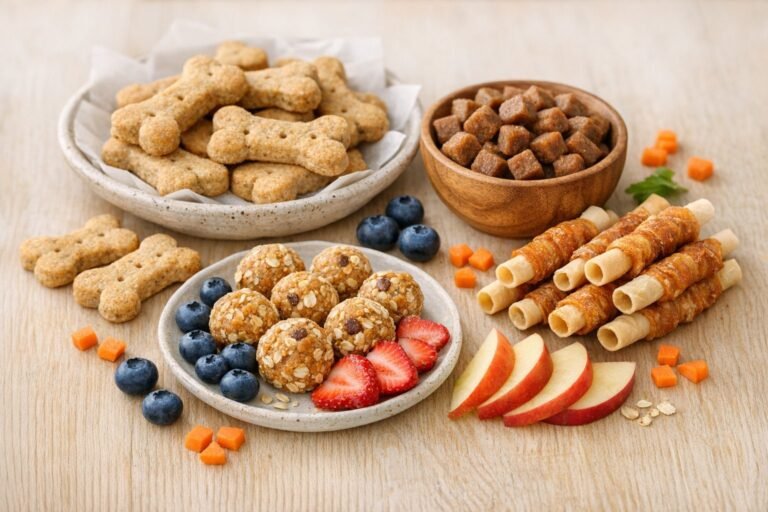
10 Long Lasting Dog Treats Homemade for Heavy Chewers That Will Keep Your Pup Busy and Happy

Long Lasting Dog Treats Homemade – If your dog destroys every chew toy within minutes, you know how frustrating and expensive it can be to keep them entertained. Heavy chewers need treats that can stand up to their powerful jaws without breaking the bank or filling them with questionable ingredients.
Making long-lasting homemade dog treats gives you control over what goes into your dog’s mouth while creating durable chews that actually last.

The secret to treats that survive aggressive chewing comes down to the right ingredients and preparation. Simple items like sweet potatoes, peanut butter, and oats can be transformed into tough, satisfying chews with the right techniques.
These homemade dog chews cost way less than store-bought options and let you skip preservatives and mystery ingredients.
In this guide, I’ll share my favorite recipes that keep even the most determined chewers busy for hours. Whether your dog is teething, bored, or just loves to gnaw, these treats will save your furniture and your wallet.
Key Takeaways
- Homemade treats let you control ingredients and save money compared to store-bought chews.
- The right combo of ingredients and baking techniques creates durable treats for heavy chewers.
- You can customize recipes for your dog’s size, chewing strength, and dietary needs.
Why Choose Homemade Long-Lasting Dog Treats

Making my own dog treats gives me control over what goes into my dog’s mouth. It saves money over time and gives my heavy chewer safer options that actually last.
Benefits for Heavy Chewers
Heavy chewers need treats that can stand up to their powerful jaws and persistent gnawing. I bake treats at low temperatures for longer periods, which creates a harder, more durable texture.
These homemade long-lasting treats keep my dog busy much longer than soft store-bought options. A heavy chewer can destroy a regular biscuit in seconds, but a well-made hard treat can provide 20 to 30 minutes of chewing time.
I also shape my treats to be thicker and larger for my big chewer. This makes them harder to break apart and gives my dog more to work on.
Quality Control and Ingredient Safety
When I make treats at home, I know exactly what goes into each batch. Store-bought treats often contain excess sodium and chemical preservatives that can worsen kidney disease, heart issues, or obesity.
I can avoid common allergens like corn, wheat, or soy if my dog has sensitivities. I just swap in safe alternatives like oat flour or sweet potato.
Key ingredients I control:
- Protein sources (chicken, beef, fish)
- Flour types (whole wheat, oat, rice)
- Added fats (peanut butter, coconut oil)
- Moisture content for shelf life
I never add artificial colors, flavors, or preservatives that might upset my dog’s stomach.
Cost Effectiveness
Making my own treats costs a lot less than buying premium chews from pet stores. A bag of quality commercial chews can run $15 to $30 and might only last a week with a heavy chewer.
I spend about $10 on basic ingredients like flour, eggs, and peanut butter, which makes enough treats to last three to four weeks. My cost per treat drops to around 25 cents compared to $2 to $3 for store-bought options.
The initial investment is minimal. I use baking sheets and cookie cutters I already have, so no special equipment needed.
Top 10 Homemade Treats for Heavy Chewers
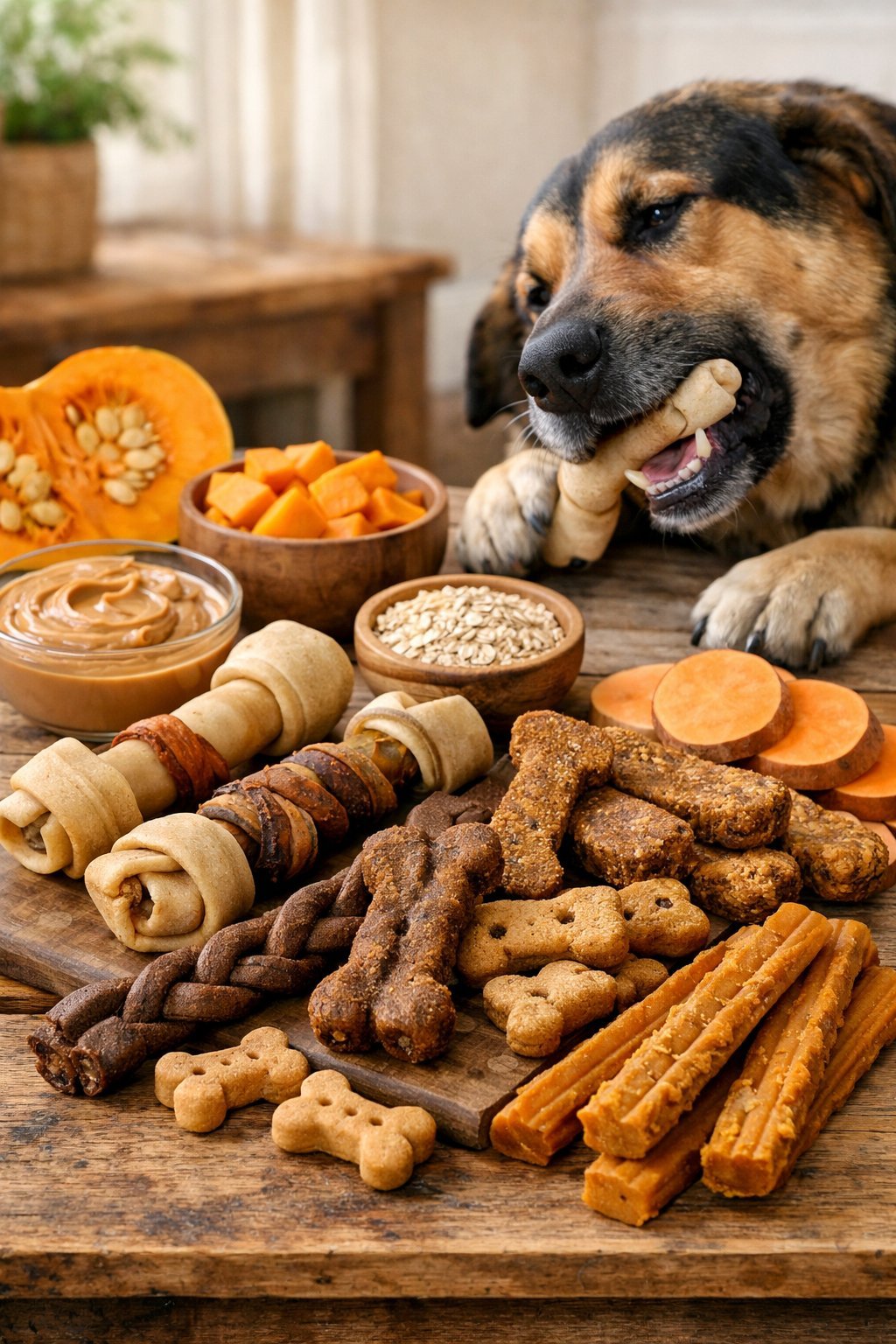
Heavy chewers need treats that can stand up to their powerful jaws while providing healthy ingredients. Making treats at home with durable textures like dehydrated meats, dense baked goods, and frozen combos keeps my dog occupied much longer than soft store-bought options.
Beef Tendon Chew Sticks
I love making beef tendon chews because they’re super tough and perfect for aggressive chewers. You can buy raw beef tendons from your butcher or grocery store, then dehydrate them in your oven at 200°F for about 4-6 hours until they’re totally dry and hard.
Slice them lengthwise if they’re thick so they dry evenly. I flip them every hour to make sure both sides get properly dehydrated.
These homemade long-lasting chews are packed with protein and help clean your dog’s teeth naturally. Once cooled, they last for weeks in an airtight container.
My heavy chewer can work on a single tendon stick for 30-45 minutes, which is way longer than most commercial treats.
Baked Sweet Potato Chews
Sweet potato chews are one of my go-to recipes because they’re super simple and dogs love them. I slice sweet potatoes into 1/4-inch thick rounds or strips, then bake them at 250°F for about 3 hours until they’re dried out and leathery.
The lower temperature prevents burning while removing moisture to create that tough, chewy texture. You don’t need to add anything else—just the sweet potatoes.
These treats are rich in fiber and vitamins, making them a healthy option for daily chewing. I store mine in the fridge where they stay fresh for up to two weeks.
For extra durability, I sometimes bake them a bit longer until they’re almost crispy. The thicker you cut them, the longer they’ll last.
Peanut Butter and Oat Bones
I make these dense bones using 2 cups whole wheat flour, 1 cup rolled oats, 1/2 cup natural peanut butter (no xylitol), and 1 cup water. Mix everything into a stiff dough, roll it out thick (about 1/2 inch), and cut into bone shapes.
Bake at 350°F for 30 minutes, then reduce heat to 225°F and bake for another 2 hours to make them extra hard. This double-baking method makes them rock-solid for serious chewing.
The oats add fiber while the peanut butter gives protein and healthy fats. Always check that your peanut butter doesn’t have xylitol, which is toxic to dogs.
These bones keep for several weeks in an airtight container. My dog takes a good 20-30 minutes to work through one of these tough treats.
Frozen Yogurt and Berry Bites
Frozen treats are great for heavy chewers because they take time to work through. I mix 2 cups plain Greek yogurt with 1/2 cup mashed blueberries or strawberries, then pour into silicone molds or ice cube trays.
Freeze them for at least 4 hours until solid. The yogurt gives probiotics for gut health while berries add antioxidants.
Sometimes I add a small biscuit or piece of carrot in the center before freezing to make them last even longer. These healthy frozen treats are especially awesome in hot weather.
They usually last 15-20 minutes depending on how enthusiastically your dog licks and chews. I keep a batch in my freezer for quick, refreshing chew sessions.
Creative Ingredients for Durable Dog Chews

The right ingredients can turn ordinary dog treats into tough, long-lasting chews. Natural proteins, sturdy veggies, and strong binding agents all help make treats that stand up to heavy gnawing.
Using Natural Proteins
Protein-based ingredients create some of the most durable homemade chews. Dried meats like chicken, beef, and turkey form tough textures when baked low and slow.
Dehydrated proteins work especially well because drying removes moisture and makes them harder. I like to use chicken breast strips or thinly sliced beef liver, dried in my oven or dehydrator for a few hours.
Sweet potato mixed with meat creates a dense, chewy treat. I combine ground turkey or beef with mashed sweet potato and form it into thick shapes before baking.
Eggs work as both a protein source and binder. I add one or two eggs to my homemade dog treat recipes to help ingredients stick together and create a tougher final product.
Incorporating Vegetables and Fruits
Veggies and fruits add fiber and create chewier textures in dog treats. I use ingredients with natural starches and fibers to build structure.
My go-to vegetables include:
- Carrots (shredded or pureed)
- Pumpkin puree
- Sweet potatoes
- Green beans (pureed)
Shredded carrots work great because they add tiny fiber strands throughout the treat. I’ve noticed that treats with finely shredded carrots take longer for my dog to chew.
Pumpkin puree adds density without too much moisture. I use about half a cup in most recipes to help bind things together.
Apples (without seeds) can add a little sweetness and pectin, which helps create structure. I avoid fruits with high water content since they make treats softer and less durable.
Bananas work in small amounts, but I keep them to a minimum to prevent mushiness.
Edible Binding Agents
Strong binding agents hold ingredients together and make treats that don’t crumble easily. I use flour, oats, and other starches to make long-lasting treats that stay intact.
Whole wheat flour provides gluten, which gives elasticity and strength. I usually use two cups of flour as my base.
For dogs with wheat sensitivities, coconut flour or rice flour are good alternatives, though they make slightly different textures.
Effective binding ingredients:
- Oatmeal (old-fashioned or quick oats)
- Tapioca starch
- Cornstarch
- Ground flaxseed
Old-fashioned oats add both binding power and texture. I grind them into flour or use them whole to create bumpy surfaces that increase chewing time.
Ground flaxseed mixed with water forms a gel that acts like glue between ingredients. I often mix multiple binders for max durability.
Mixing one cup of oat flour with two cups of whole wheat flour creates treats that hold together better than using just one type of flour.
Safe Preparation and Storage Tips

Making treats at home means I control what goes into them, but I also need to handle them properly so they stay safe and fresh for my dog. The way I cook, store, and check my homemade treats can make the difference between snacks that last weeks or ones that spoil in days.
Best Cooking Methods for Longevity
I’ve found that baking at low temperatures works best for treats that last. I set my oven between 300-325°F and bake treats longer to remove as much moisture as possible.
Dry treats resist mold and bacteria growth much better than soft ones. Dehydrating is my favorite method for long-lasting homemade dog treats.
I use a food dehydrator set to 160°F for 8-12 hours, or I can use my oven on the lowest setting with the door cracked open. This removes nearly all moisture, which is what causes treats to go bad.
I always make sure treats are completely cool before storing them. If I put warm treats in a container, condensation builds up inside and creates moisture that leads to mold.
I let them sit on a cooling rack for at least an hour. For treats I want extra hard, I do a double bake.
After the first baking, I let them cool completely, then bake them again at 250°F for another hour.
Proper Storage for Freshness
I store my homemade treats based on how moist they are. Dry, crunchy treats can sit in an airtight container on the counter for up to 2 weeks.
I use glass jars or plastic containers with tight-fitting lids. For treats with any moisture, I keep them in the refrigerator where they last 1-2 weeks.
Storing homemade dog treats safely means watching the temperature and keeping them sealed tight. Freezing gives me the longest shelf life.
I can freeze most homemade treats for 3-6 months. I wrap them in small batches using freezer bags, removing as much air as possible.
I write the date on each bag so I know when I made them. I avoid storing treats in areas with high humidity like near the sink or dishwasher.
Moisture in the air can make treats soft and lead to mold growth faster.
Signs of Spoilage to Watch For
I check my treats regularly before giving them to my dog. Mold is the most obvious sign of spoilage.
It looks like fuzzy spots that can be white, green, blue, or black. If I see any mold, I throw out the entire batch.
A bad smell means treats have gone rancid. Fresh treats should smell like their ingredients.
If they smell sour, musty, or just off, I don’t risk it. I also look for changes in texture.
If crunchy treats become soft or develop a slimy coating, they’ve absorbed too much moisture and bacteria may be growing. Soft treats that become unusually hard or dried out have likely passed their prime.
Discoloration can signal problems too. Dark spots or areas that look different from when I made them might indicate spoilage or mold starting to form.
Customizing Dog Treats for Individual Chewing Needs
Every dog chews differently, so I adjust my homemade treats based on size, dietary needs, and jaw strength. Making small changes to recipes helps me create treats that work perfectly for each individual dog.
Size and Shape Adjustments
I’ve learned that bigger dogs need larger treats they can grip with their paws, while smaller dogs do better with treats they can hold in their mouth. For heavy chewers, I make treats at least 3-4 inches long and 1-2 inches thick.
Shape matters just as much as size. I cut treats into bone shapes, sticks, or rings depending on what my dog prefers.
Rings work great because dogs can hold them with their paws while chewing. Flat, wide shapes are harder to break apart quickly.
When I bake treats for puppies or small breeds, I make them thinner and shorter. A treat that’s too big can be frustrating or even dangerous.
I always test the size by making sure my dog can comfortably fit it in their mouth without choking.
Allergy-Friendly Substitutions
Many dogs have food sensitivities, so I swap ingredients to keep treats safe. If my dog can’t eat wheat, I use oat flour, coconut flour, or chickpea flour instead of regular flour.
For dogs with chicken allergies, I replace chicken broth with beef broth or vegetable broth. Sweet potato works as a great substitute for pumpkin if needed.
I’ve found that allergy-friendly substitutions keep treats safe without sacrificing quality. Dogs with severe allergies might need single-ingredient treats.
I make these by dehydrating one type of meat or vegetable until it’s completely dry. It’s simple but effective for sensitive stomachs.
Adjusting Hardness for Your Dog
I control how hard treats become by changing baking time and temperature.
For extreme chewers, I bake treats at 275°F for 3-4 hours until they’re rock hard.
Moderate chewers do better with treats baked at 325°F for 1-2 hours.
The thickness of the dough also affects hardness.
I roll dough to about ¼ inch thick for crunchy treats and ½ inch thick for chewier ones.
Some dogs need softer treats because of dental problems or age.
For these pups, I reduce baking time or add a bit more liquid to the recipe.
I can also create long-lasting treats that are tough but not too hard by keeping an eye on texture during baking.