New Puppy Checklist: Everything You Need for Your First Week Together

New Puppy Checklist – Getting a new puppy is exciting, but it can also feel overwhelming when you’re not sure what to buy or prepare. You’ll need essential items like food and water bowls, a collar and leash, a crate, bedding, puppy food, toys, and supplies for potty training before bringing your new dog home.
Having everything ready makes the transition smoother for both you and your puppy.

I remember bringing my first puppy home and realizing I forgot half the things I needed. I had to make multiple trips to the pet store during those first few days.
That’s why I created this comprehensive new puppy checklist to help you avoid the same mistakes.
In this guide, I’ll walk you through everything from basic supplies to health essentials and training tools. You’ll learn exactly what to buy and how to prepare your home so your puppy can settle in comfortably from day one.
Key Takeaways
- Stock up on basic supplies like food bowls, a crate, bedding, and toys before your puppy arrives
- Schedule a vet appointment and gather health records to keep your puppy healthy from the start
- Set up a safe space with training tools and puppy-proof your home to help your new dog adjust
Essential Supplies for Your New Puppy

Getting the right supplies before bringing your puppy home makes the transition easier for both of you. You’ll need proper dishes for meals, a comfortable place to sleep, and the right gear for walks and training.
Puppy Food and Water Bowls
I recommend choosing bowls that are the right size for your puppy’s breed. Small breeds need shallow dishes they can easily reach, while larger puppies benefit from bigger, heavier bowls.
Stainless steel bowls are my top choice because they’re easy to clean and don’t harbor bacteria like plastic can. They also last longer and won’t chip or crack like ceramic options.
You’ll want to have at least two bowls ready—one for food and one for fresh water. Some puppies are messy eaters, so I suggest getting bowls with non-slip bottoms or placing them on a mat.
This keeps your floors cleaner during feeding time. Make sure to wash the bowls daily with hot soapy water.
Clean dishes help prevent upset stomachs and keep your puppy healthy from day one.
Bedding and Crates
A crate provides essential safety and comfort for your new puppy. I always tell new owners that the crate should be large enough for your puppy to stand up, turn around, and lie down comfortably.
Choose a crate with a divider panel if you’re buying one sized for your puppy’s adult size. This lets you adjust the space as they grow without buying multiple crates.
For bedding, I prefer washable options that are soft but durable. Avoid anything with stuffing that puppies might chew and swallow.
A simple fleece blanket or crate pad works well for most puppies. Place the crate in a quiet area where your puppy can rest without too much noise or activity.
I like keeping it near where the family spends time so the puppy doesn’t feel isolated.
Collars, Leashes, and Harnesses
Your puppy needs a properly fitted collar with an ID tag attached right away. I recommend getting an adjustable collar since puppies grow quickly in their first few months.
A standard 4-6 foot leash made from nylon or leather works best for training and daily walks. Avoid retractable leashes at first because they make it harder to teach your puppy to walk nicely beside you.
Many puppies do better with a harness than just a collar, especially during leash training. Harnesses distribute pressure across the chest instead of the neck, which is safer and more comfortable.
Check the fit of all gear regularly as your puppy grows. You should be able to fit two fingers between the collar or harness and your puppy’s body.
Health and Wellness Basics

Getting your puppy off to a healthy start means finding the right vet, staying on top of vaccines, and making your home safe. These steps protect your new friend from common dangers and health problems.
Veterinarian Visits
I recommend choosing a trusted veterinarian as one of your first important decisions. Your puppy needs a checkup within the first week of coming home.
During the first visit, the vet will check your puppy’s weight, heart, lungs, and overall condition. They’ll also look for any health issues you might not notice at home.
I suggest asking about spaying or neutering during this appointment. The vet can tell you the best age for this procedure based on your puppy’s breed and size.
Most vets also discuss microchipping, which helps reunite lost pets with their owners. Schedule regular checkups every 3-4 weeks until your puppy is about 16 weeks old.
These visits track growth and development while building a relationship with your vet.
Vaccinations
Puppies need several vaccines to protect them from serious diseases. Core vaccines include distemper, parvovirus, adenovirus, and rabies.
Your puppy will get shots starting at 6-8 weeks old. They need boosters every 3-4 weeks until they’re 16 weeks old.
Missing these appointments puts your puppy at risk. I keep a record of all vaccination dates and types.
Your vet will provide this paperwork, which you’ll need for boarding, grooming, and dog parks. Non-core vaccines depend on your location and lifestyle.
These might include Bordetella (kennel cough), Lyme disease, and leptospirosis. Talk with your vet about which ones your puppy needs.
Puppy-Proofing Your Home
I make sure to remove anything dangerous before my puppy arrives. Puppies explore by chewing and eating things they shouldn’t.
Common household hazards include:
- Electrical cords and cables
- Toxic plants like lilies and azaleas
- Cleaning products and chemicals
- Small objects they can swallow
- Human medications
I secure trash cans with lids and move food off low tables. Puppies can reach higher than you think, especially when curious.
I use baby gates to block off rooms with hazards I can’t remove. This gives my puppy safe spaces to explore while learning house rules.
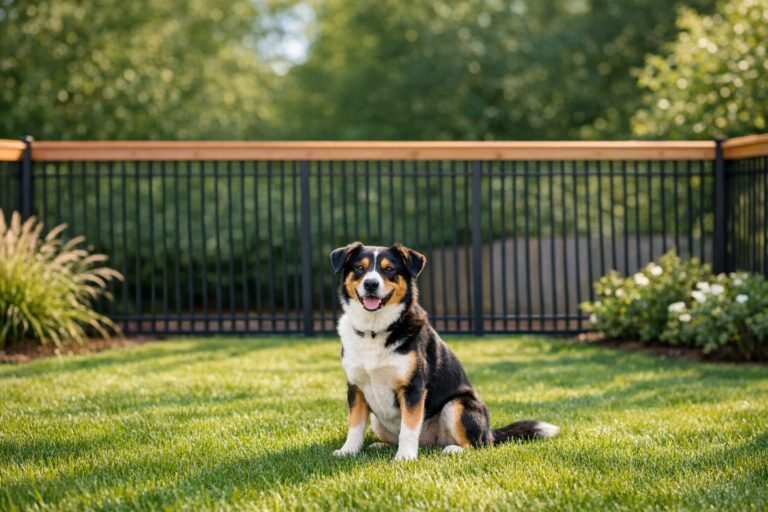
I also check the yard for gaps in fencing, toxic plants, and small objects before letting my puppy outside.
Grooming and Hygiene Essentials

Keeping your puppy clean starts with the right tools for bathing, nail care, and coat maintenance. These basic grooming supplies help prevent health problems and get your puppy comfortable with being handled.
Bathing and Shampoo
I recommend using a gentle puppy shampoo made specifically for dogs. Human shampoo can harm your puppy’s skin because dogs have a different pH level than we do.
Starting early with grooming helps your pup get comfortable with handling. This makes vet visits and future grooming much easier.
Most puppies need a bath every 4-6 weeks, but this depends on their breed and activity level. I suggest keeping grooming wipes on hand for quick cleanups between baths.
These wipes are perfect for muddy paws or dirty faces after outdoor play. Make sure the water is lukewarm, not hot or cold.
Always rinse thoroughly because leftover shampoo can irritate your puppy’s skin.
Nail Trimming Tools
I use either nail clippers or a nail grinder to keep my puppy’s nails at a healthy length. Long nails can cause pain and walking problems for your puppy.
Nail trimming tools include:
- Scissor-style clippers for small puppies
- Guillotine-style clippers for medium to large breeds
- Electric grinders for smooth, gradual trimming
- Styptic powder to stop bleeding if you cut too short
Start handling your puppy’s paws early so they get used to the feeling. I trim just a small amount at first to avoid cutting the quick, which is the blood vessel inside the nail.
If your puppy has white nails, you can see the pink quick inside. Check your puppy’s nails every 2-3 weeks.
If you hear clicking on hard floors, it’s time for a trim.
Brushing Supplies
I choose brushes based on my puppy’s coat type. A soft-bristle brush works well for most puppies and won’t irritate their sensitive skin.
Short-haired puppies need brushing once or twice a week. Long-haired breeds need daily brushing to prevent mats and tangles.
I make brushing a positive experience by giving treats and praise. Different coat types need different tools.
Slicker brushes remove loose fur and work through tangles. Pin brushes suit longer coats.
Rubber curry brushes massage the skin and remove dead hair from short coats. Regular brushing removes dirt and spreads natural oils through your puppy’s coat.
This keeps their fur shiny and healthy.
Training and Socialization Tools

Getting your puppy off to a good start means having the right supplies for potty training, rewarding good behavior, and keeping their brain active. These basic items make daily training easier and help your puppy learn faster.
Potty Training Pads
I recommend buying absorbent potty pads with a waterproof backing to protect your floors during the house training process. Place them in a consistent spot where you want your puppy to go, such as near the door or in a bathroom.
Look for pads that are at least 22 by 22 inches for small breeds and 28 by 30 inches for larger puppies. Some pads have built-in attractants that encourage puppies to use them.
Change the pads as soon as they get soiled to keep the area clean and prevent your puppy from tracking waste around your home. I suggest keeping extras on hand so you never run out during those first few months.
Key features to look for:
- Leak-proof plastic backing
- Quick-dry top layer
- Odor control technology
- Adhesive strips to prevent sliding
Training Treats
I use small, soft treats that my puppy can eat quickly without losing focus during training sessions. The treats should be pea-sized or smaller so your puppy doesn’t fill up too fast.
Choose treats with simple ingredients and high protein content. Avoid products with artificial colors, flavors, or excessive fillers.
Keep treats in a pouch or pocket for easy access during training. I limit treats to no more than 10% of my puppy’s daily calories to prevent weight gain.
Break larger treats into smaller pieces to make them last longer while still providing frequent rewards.
Toys for Mental Stimulation
I provide puzzle toys and interactive feeders that make my puppy work for their food or treats. These toys prevent boredom and tire out puppies mentally, which is just as important as physical exercise.
Snuffle mats, treat-dispensing balls, and Kong toys stuffed with frozen food keep puppies busy for 15 to 30 minutes at a time. Rotating different toys every few days keeps them interesting.
I match the toy difficulty to my puppy’s skill level, starting simple and gradually introducing harder puzzles. This builds confidence and prevents frustration.
Chew toys also belong in this category since they satisfy natural chewing instincts while protecting your furniture.
Creating a Safe and Happy Environment
Your puppy needs a secure space where they can explore without danger, and identifying potential hazards early helps prevent accidents and injuries.
Setting Up a Puppy Area
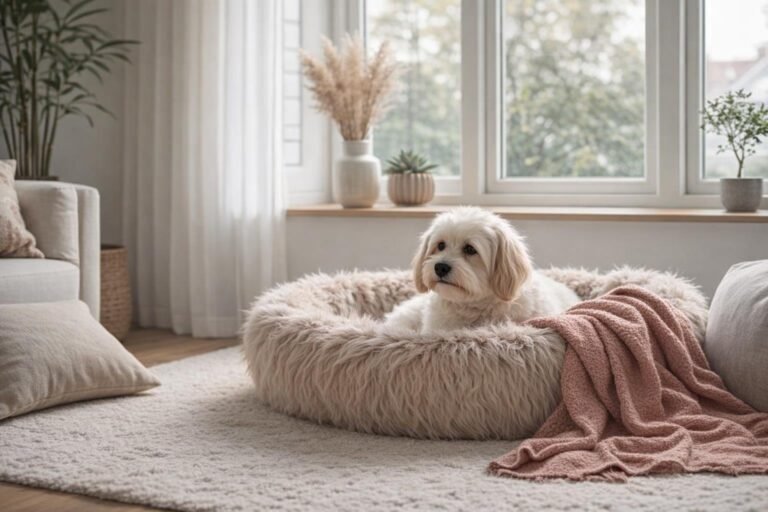
I recommend designating a specific safe space for your puppy that includes areas for feeding, sleeping, and resting. This helps your new pet feel secure and gives them a place to retreat when overwhelmed.
Choose a quiet corner or room where you can place a comfortable bed or crate. Keep food and water bowls nearby in an easy-to-clean spot.
I suggest using washable rugs or puppy pads under the bowls to catch spills. Add a few safe toys to this area so your puppy has approved items to chew.
Make sure the space stays free from clutter and small objects that could be swallowed. The area should be warm but not too hot, with good airflow and natural light when possible.
Puppy Gates
Puppy gates help me control where my new pet can go while keeping them safe. These barriers let you block off stairs, rooms with hazards, or areas you want to protect.
I use pressure-mounted gates for doorways and hallways since they don’t require drilling holes in walls. For wider spaces or the top of stairs, hardware-mounted gates offer better security.
Look for gates at least 22 inches tall for small breeds and 30 inches or taller for larger puppies. Choose gates with narrow bar spacing so your puppy can’t squeeze through or get their head stuck.
Some gates have small walk-through doors that make it easy for me to pass without removing the entire barrier.
Household Hazards to Avoid
Securing or hiding electrical cords prevents puppies from chewing on them and risking electric shock.
I also remove toxic plants like lilies, azaleas, and sago palms from areas my puppy can reach.
Common household items pose serious dangers to curious puppies.
I store cleaning supplies, medications, and chemicals in locked cabinets.
Small objects like coins, rubber bands, and children’s toys can cause choking or intestinal blockages if swallowed.
I keep trash cans behind closed doors or use ones with secure lids.
Food items like chocolate, grapes, onions, and xylitol (found in sugar-free gum) are toxic to dogs and must stay out of reach.
I also secure window blind cords and remove any decorative items that could fall or break easily.