
Sweet Potato Dog Treats for Digestive Health: Easy Homemade Recipe Your Pup Will Love

Sweet Potato Dog Treats for Digestive Health – Dogs with upset stomachs need gentle, easy-to-digest treats that won’t make their tummy troubles worse. I’ve seen too many pet parents struggle to find snacks that work for their pups with sensitive digestive systems.
Most store-bought treats are packed with fillers and ingredients that can upset delicate stomachs even more.

Sweet potatoes are naturally high in fiber and contain prebiotics that help regulate digestion and soothe upset stomachs in dogs. When I combine sweet potato with digestive-supporting ingredients like ginger and cinnamon, I create treats that actually help my dog’s gut health instead of harming it.
Sweet potato fiber aids in digestion and helps regulate bowel movements while supporting overall gut health. These homemade sweet potato dog treats are gentle, nutritious, and easy to digest, making them perfect for dogs dealing with occasional digestive upset or more serious issues like inflammatory bowel problems.
I’ll walk you through a simple recipe that uses gut-friendly ingredients your pup will love.
Key Takeaways
- Sweet potatoes provide natural fiber and prebiotics that support healthy digestion in dogs with sensitive stomachs
- Adding ingredients like ginger and cinnamon to sweet potato treats enhances digestive benefits and soothes upset stomachs
- Homemade sweet potato treats are low-fat and allergy-friendly, making them safer than commercial options for dogs with digestive issues
Why Sweet Potato Is Great for Dog Digestive Health
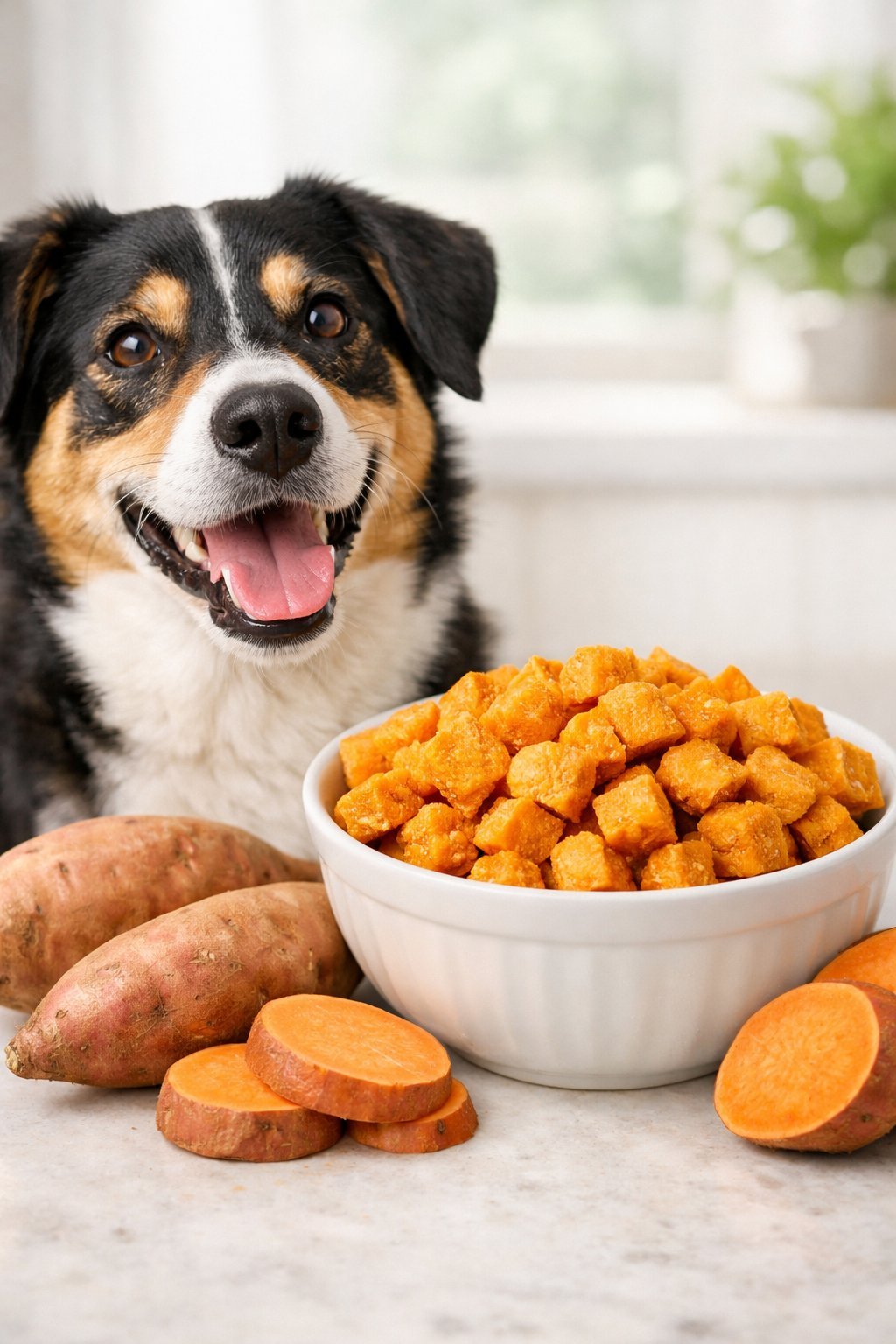
Sweet potatoes pack about 3.8 grams of fiber per medium serving, which helps dogs maintain regular bowel movements while providing essential vitamins that support their immune system and gut health. This root vegetable works gently in your dog’s digestive system, making it ideal for pups who struggle with stomach sensitivity or occasional digestive upset.
Natural Fiber Content and Its Benefits
The fiber in sweet potatoes helps regulate bowel movements and adds gentle bulk to your dog’s stool. This makes it easier for them to pass waste comfortably without straining.
I’ve found that the soluble fiber in sweet potatoes acts as a natural prebiotic. It feeds the good bacteria in your dog’s gut, which helps maintain a healthy digestive system.
This fiber also slows down digestion, which means your dog absorbs more nutrients from their food. The insoluble fiber helps move food through the digestive tract at a steady pace.
This prevents both constipation and diarrhea by keeping things balanced. For dogs with irregular bowel movements, sweet potato can help establish a more predictable routine.
Nutrient Profile of Sweet Potatoes
Sweet potatoes are rich in vitamins A, B6, and C, which all play important roles in digestive health. Vitamin A helps maintain the lining of the digestive tract, creating a healthy barrier against harmful bacteria.
Key nutrients in sweet potatoes include:
- Vitamin A: Supports gut lining and immune function
- Vitamin B6: Helps break down proteins for easier digestion
- Vitamin C: Reduces inflammation in the digestive system
- Manganese: Aids in nutrient absorption
- Potassium: Supports muscle function in the intestinal tract
These nutrients work together to keep your dog’s digestive system running smoothly. The natural sugars in sweet potatoes provide quick energy without causing blood sugar spikes.
Supporting Sensitive Stomachs
Sweet potatoes are especially beneficial for dogs with sensitive stomachs or digestive issues. The gentle nature of this ingredient makes it easy to digest when cooked properly.
I always cook sweet potatoes thoroughly before giving them to dogs. Raw sweet potatoes are hard to digest and can cause gas or bloating.
Boiling, baking, or steaming removes the tough starches that upset sensitive stomachs. Dogs with inflammatory bowel issues respond well to sweet potato because it’s naturally soothing.
The soft texture is easy on irritated digestive tracts. When combined with ginger, which reduces nausea and inflammation, sweet potato becomes even more effective for upset stomachs.
Signs your dog might benefit from digestive support:
- Frequent vomiting or diarrhea
- Gas or bloating after meals
- Loss of appetite
- Gurgling stomach sounds
- Straining during bowel movements
Cinnamon adds another layer of digestive support by helping control blood sugar and reducing inflammation in the gut.
Allergen-Friendly Qualities
Sweet potatoes are less likely to trigger allergic reactions compared to common proteins or grains in commercial dog foods. This makes them a safe choice for dogs with food sensitivities.
I use sweet potatoes as a wholesome alternative to commercial treats that may contain additives or preservatives. These additives often irritate sensitive digestive systems and cause inflammation.
The simple, natural composition of sweet potatoes means fewer ingredients that could upset your dog’s stomach. They work well as a novel ingredient for elimination diets when you’re trying to identify food allergies.
Key Ingredients for Gut-Friendly Dog Treats

When I make treats for dogs with sensitive stomachs, I focus on ingredients that are easy to digest and actively support gut health. The right combination can reduce inflammation, promote healthy bacteria, and keep digestion running smoothly.
Selecting Digestive-Friendly Additions
Sweet potato forms the foundation because it’s packed with fiber that aids digestion and supports gut health. I always use plain, cooked sweet potato without any seasonings or added fats.
Pumpkin puree is another ingredient I often add. It contains soluble fiber that absorbs excess water in the digestive tract.
This helps firm up loose stools while also preventing constipation. Plain Greek yogurt provides beneficial probiotics that support healthy gut bacteria.
I use small amounts because too much dairy can upset some dogs’ stomachs. Make sure it contains live active cultures and no artificial sweeteners.
Ginger soothes nausea and reduces inflammation in the digestive tract. I use fresh grated ginger in very small amounts—about 1/4 teaspoon per batch.
Cinnamon helps regulate blood sugar and has anti-inflammatory properties. A light sprinkle goes a long way in supporting digestive comfort.
Understanding Ingredient Functions
Each ingredient I choose serves a specific purpose for digestive health. Sweet potato contains prebiotic fiber that feeds good bacteria in your dog’s gut.
This fiber also helps regulate bowel movements whether your dog has diarrhea or constipation. The beta-carotene in sweet potatoes converts to vitamin A, which maintains the intestinal lining.
A healthy gut lining prevents inflammation and keeps harmful bacteria from entering the bloodstream. Coconut oil acts as a binding agent while providing medium-chain fatty acids.
These are easier to digest than other fats and can help reduce inflammation. I limit it to one tablespoon per recipe.
Oat flour provides gentle, soluble fiber without common allergens found in wheat. It creates a soft texture that’s easy on sensitive stomachs.
Rice flour works as an alternative for dogs with oat sensitivities.
Avoiding Common Triggers for Sensitivities
I never include wheat, corn, or soy in my gut-friendly recipes. These are common allergens that can trigger digestive upset in sensitive dogs.
Ingredients to avoid:
- Artificial preservatives and colors
- Xylitol or any artificial sweeteners
- Garlic and onion powder
- Excess fat or oils
- Raw eggs
I skip dairy entirely if a dog shows signs of lactose intolerance like gas, bloating, or diarrhea. Excessive protein from meat can also be hard to digest during flare-ups.
Salt is another ingredient I leave out completely. Dogs with digestive issues don’t need the extra sodium, which can cause dehydration and worsen symptoms.
When I’m working with dogs who have inflammatory bowel issues, I keep the recipe as simple as possible. Fewer ingredients mean more control over what goes into their bodies and makes it easier to identify any problem foods.
Step-by-Step Sweet Potato Dog Treat Recipe
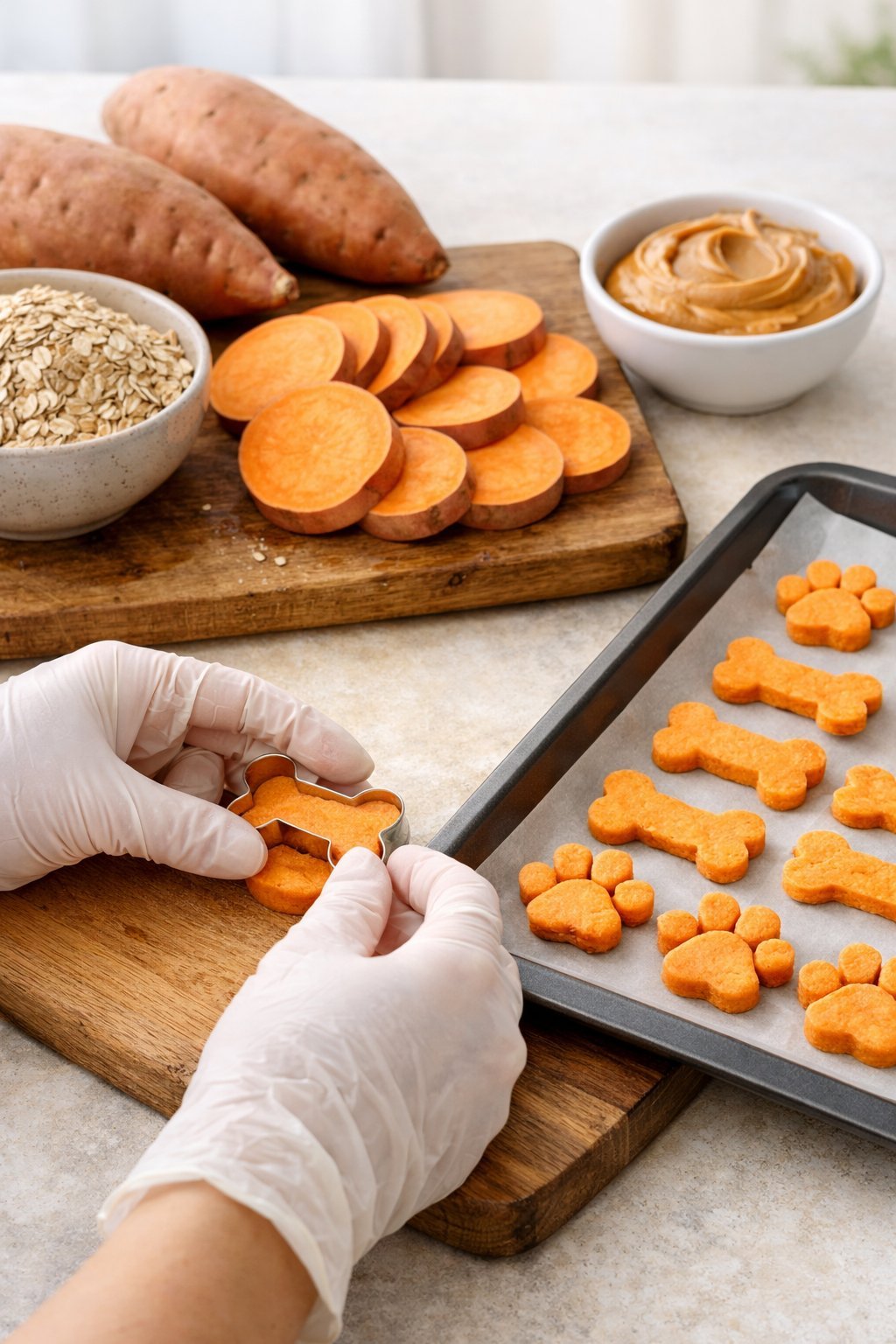
I’m sharing my go-to recipe that combines sweet potato’s natural fiber and prebiotics with digestive-soothing spices to create gentle treats that won’t upset sensitive stomachs. These ingredients work together to support healthy gut bacteria and regulate digestion naturally.
Ingredient Measurements and Substitutions
I use 2 cups of cooked sweet potato puree as my base, which provides about 8 grams of fiber per cup to help regulate your dog’s digestion. You’ll also need 2 cups of oat flour (or ground oats), 1/4 cup of unsweetened applesauce, 1/4 teaspoon of ground ginger, and 1/8 teaspoon of cinnamon.
The ginger helps calm nausea and reduce inflammation in the digestive tract. Cinnamon supports healthy gut bacteria and adds natural sweetness without sugar.
If your dog can’t tolerate oats, I recommend substituting with rice flour or coconut flour (use only 1 cup of coconut flour since it absorbs more liquid). For dogs with apple sensitivities, replace applesauce with 1 tablespoon of coconut oil mixed with 3 tablespoons of water.
You can leave out the spices entirely if your dog has extreme sensitivities, though they add valuable digestive benefits.
Mixing and Shaping the Treats
I start by mashing my cooked sweet potato until it’s completely smooth with no lumps. Mix in the applesauce, ginger, and cinnamon first, then gradually add the oat flour.
The dough should be firm enough to roll but still slightly sticky. If it’s too wet, add flour one tablespoon at a time.
If it’s too dry and cracking, add water one teaspoon at a time. I roll the dough to about 1/4 inch thickness on a floured surface.
For dogs with serious digestive issues, I make smaller treats about the size of a nickel so they’re easier to digest. You can use cookie cutters or simply cut the dough into small squares with a knife.
These simple three-ingredient treats work well for sensitive stomachs because they minimize potential triggers.
Baking and Storage Instructions
I bake these treats at 325°F for 25-30 minutes on a parchment-lined baking sheet. The lower temperature helps preserve the digestive enzymes in sweet potato.
Flip them halfway through for even baking. The treats are done when they’re firm to the touch but not rock hard.
For dogs with very sensitive stomachs, I prefer a softer texture that’s easier to digest. Let them cool completely on a wire rack.
Storage tips:
- Keep in an airtight container in the refrigerator for up to 2 weeks
- Freeze for up to 3 months in freezer bags
- Store only 2-3 days’ worth at room temperature
I always check for any signs of mold before feeding. Start with just one treat per day to monitor how your dog’s digestive system responds before increasing the amount.
Serving Guidelines for Dogs With Sensitive Stomachs

Getting the portion size right and introducing treats gradually makes all the difference when you’re helping a dog with digestive issues. I’ve learned that patience and careful observation lead to the best results.
Correct Portion Sizes
When I’m feeding sweet potato treats to dogs with sensitive stomachs, portion sizes depend on the dog’s size, breed, and overall health. Small dogs should start with just one or two small treats per day.
Medium dogs can handle three to four treats. Large dogs can enjoy up to five or six.
I always keep treats to 10% or less of daily calorie intake. For example, a 10-pound dog needs roughly 200-275 calories daily, so treats should stay under 20-27 calories.
A 50-pound dog requires about 700-900 calories, meaning treats should max out at 70-90 calories. Sweet potato is filling because of its fiber content, so I’ve found less is more.
Too much sweet potato can lead to weight gain even though it’s healthy. I monitor my dog’s body condition and adjust portions if I notice any weight changes.
Introducing New Treats Slowly
I never rush when adding new treats to a sensitive dog’s diet. The first day, I offer just half of a small treat and watch for any reaction over 24 hours.
If everything looks good, I increase to one full treat the next day. By day three or four, I might offer two treats if my dog’s stomach seems settled.
This gradual approach lets me spot problems before they become serious. I wait three to five days before reaching the full recommended portion for my dog’s size.
Dogs with especially sensitive stomachs or a history of inflammatory bowel disease need even more time. I give them a full week to adjust to each new ingredient level.
During this period, I keep a simple log of what I feed and any digestive changes I notice.
Signs of Improved Digestion
I watch for specific changes that tell me the treats are working. Firmer, more regular stools usually appear within three to seven days of starting sweet potato treats.
The fiber helps bulk up loose stools and regulate bowel movements. Other positive signs I look for include:
My dog’s coat often looks shinier after a few weeks because sweet potato supports skin health along with digestion. I also notice fewer episodes of vomiting or refusing meals.
The ginger in these treats helps calm nausea, while cinnamon supports healthy gut bacteria balance. If I don’t see improvement within two weeks, or if symptoms worsen, I contact my vet right away.
Tips for Customizing Treats to Your Dog’s Needs
Every dog has unique dietary needs, especially when dealing with digestive issues. You can adjust sweet potato treats by removing grains for sensitive pups or adding ingredients that support gut health even further.
Adapting for Grain-Free Diets
Some dogs struggle to digest grains, which can trigger stomach upset or allergic reactions. If your pup needs grain-free options, I recommend swapping regular flour with coconut flour or almond flour.
Coconut flour absorbs a lot of moisture, so you’ll need less of it. Start with one-quarter cup and add more only if the dough feels too wet.
Almond flour works in a one-to-one ratio with regular flour. You can also use chickpea flour, which adds protein and fiber without grains.
It has a mild taste that most dogs enjoy. For an even simpler approach, make dehydrated sweet potato chips by slicing them thin and baking at 250°F for three hours.
These grain-free sweet potato treats are just as gentle on sensitive stomachs as versions with oats.
Incorporating Additional Gut-Friendly Ingredients
I love adding ingredients that boost digestive benefits beyond what sweet potato already offers. Canned pumpkin is my top choice because it contains soluble fiber that firms up loose stools.
Digestive-boosting additions:
- Plain yogurt – Provides probiotics for healthy gut bacteria (use 2 tablespoons per batch)
- Ground ginger – Reduces nausea and inflammation (use 1/4 teaspoon)
- Cinnamon – Helps regulate blood sugar and supports digestion (use 1/2 teaspoon)
- Banana – Adds potassium and prebiotics (mash half a ripe banana into the dough)
Apple sauce without added sugar works well for moisture and contains pectin, which supports digestive health. I add one-quarter cup to my recipe.
Bone broth instead of water gives the treats extra flavor while providing collagen that helps heal the gut lining.
Frequently Asked Questions
Sweet potato treats offer natural digestive support through their high fiber content and prebiotic properties. Knowing how to properly use them for your dog’s sensitive stomach requires understanding the right ingredients, serving sizes, and potential benefits or risks.
What ingredients should I look for in dog treats for digestive support?
I recommend looking for treats with plain, cooked sweet potatoes as the main ingredient. Sweet potatoes provide soluble fiber that helps regulate bowel movements and supports healthy gut bacteria.
Ginger is another ingredient I look for because it naturally soothes upset stomachs and reduces inflammation in the digestive tract. Cinnamon also supports digestion by helping reduce gas and bloating in dogs.
I avoid treats with artificial colors, preservatives, or added sugars. These additives can irritate sensitive stomachs and make digestive issues worse.
Pumpkin is another prebiotic-rich ingredient that works well alongside sweet potato for digestive health. Coconut oil in small amounts can also help support a healthy gut lining.
How often can I give my dog sweet potato treats if they have a sensitive stomach?
I give my dog with a sensitive stomach sweet potato treats 1-2 times per day in small portions. The key is starting slowly to see how your dog’s digestive system responds.
For small dogs, I stick to about 1-2 small treats per day. Medium dogs can handle 2-3 treats, while large dogs can have 3-4 treats daily.
I always watch my dog’s stool quality and energy levels when introducing these treats. If I notice any changes, I reduce the amount or frequency.
Too much sweet potato can lead to weight gain because of the carbohydrate content. I make sure treats don’t make up more than 10% of my dog’s daily calories.
Are there any risks associated with feeding sweet potatoes to dogs with digestive issues?
The main risk I watch for is overfeeding, which can cause digestive upset or unwanted weight gain. Sweet potatoes are high in fiber, and too much fiber can actually worsen diarrhea or cause gas.
I never feed raw sweet potatoes because they’re difficult for dogs to digest and can cause stomach pain. Always cook sweet potatoes thoroughly by boiling, baking, or steaming them.
I remove the skin if my dog has a particularly sensitive stomach. The skin contains more fiber and can be harder to digest for some dogs.
Some dogs may be allergic to sweet potatoes, though this is rare. I watch for signs like itching, ear infections, or worsening digestive symptoms after feeding sweet potato treats.
What are the benefits of incorporating sweet potatoes into my dog’s diet for gut health?
Fiber is the biggest benefit I see from sweet potatoes because it helps regulate bowel movements in both directions. If my dog has diarrhea, the soluble fiber helps firm up stools.
If my dog is constipated, the fiber adds bulk and moisture. Sweet potatoes contain natural prebiotics that feed the good bacteria in my dog’s gut.
This helps maintain a healthy digestive system and can reduce inflammation in the intestines. I’ve noticed that sweet potatoes help dogs with inflammatory bowel issues because they’re gentle and easy to digest.
The vitamins and minerals also support overall immune function, which ties directly to gut health. The natural sweetness makes these treats appealing even to picky eaters with sensitive stomachs.
This means I can provide digestive support without forcing my dog to eat something unpleasant.
Can homemade sweet potato treats help alleviate my dog’s digestive discomfort?
I’ve found that homemade sweet potato treats work well for occasional digestive upset. The combination of sweet potato, ginger, and cinnamon creates a soothing effect on the stomach.
When I make treats at home, I control exactly what goes into them. This means no hidden ingredients that might trigger my dog’s sensitive stomach.
Sweet potatoes can help soothe digestive issues and provide essential nutrients during recovery from stomach problems. I bake them into soft, easy-to-digest treats that don’t require much chewing.
For dogs with chronic digestive issues, I use these treats as part of a consistent feeding routine. Regular use helps maintain stable gut health rather than just treating acute problems.
What signs should I watch for to ensure sweet potato treats are benefiting my dog’s digestive health?
I look for firmer, more regular bowel movements as the first sign that the treats are working. My dog should have 1-2 well-formed stools per day without straining.
Reduced gas and bloating tell me that the digestive system is functioning better. I also notice less gurgling stomach sounds after meals.
Better appetite and energy levels are good indicators that my dog is absorbing nutrients properly. A shiny coat and healthy skin can also reflect good digestive health.
I watch for any negative signs like increased diarrhea, vomiting, or loss of appetite. If these happen, I stop the treats right away and check in with my veterinarian.