
The Doodle Puppy Cut: How to Maintain That Perfect Scruffy Look Your Pup Deserves

Doodles have those irresistibly fluffy coats that make them look like living teddy bears. But keeping that fur looking good takes work.
If you’re tired of dealing with mats and tangles, or if your pup seems uncomfortable in hot weather, the puppy cut might be your answer. The doodle puppy cut keeps your dog’s coat short and even all over their body, usually between one to two inches long, which makes grooming easier while keeping that cute, scruffy look everyone loves.
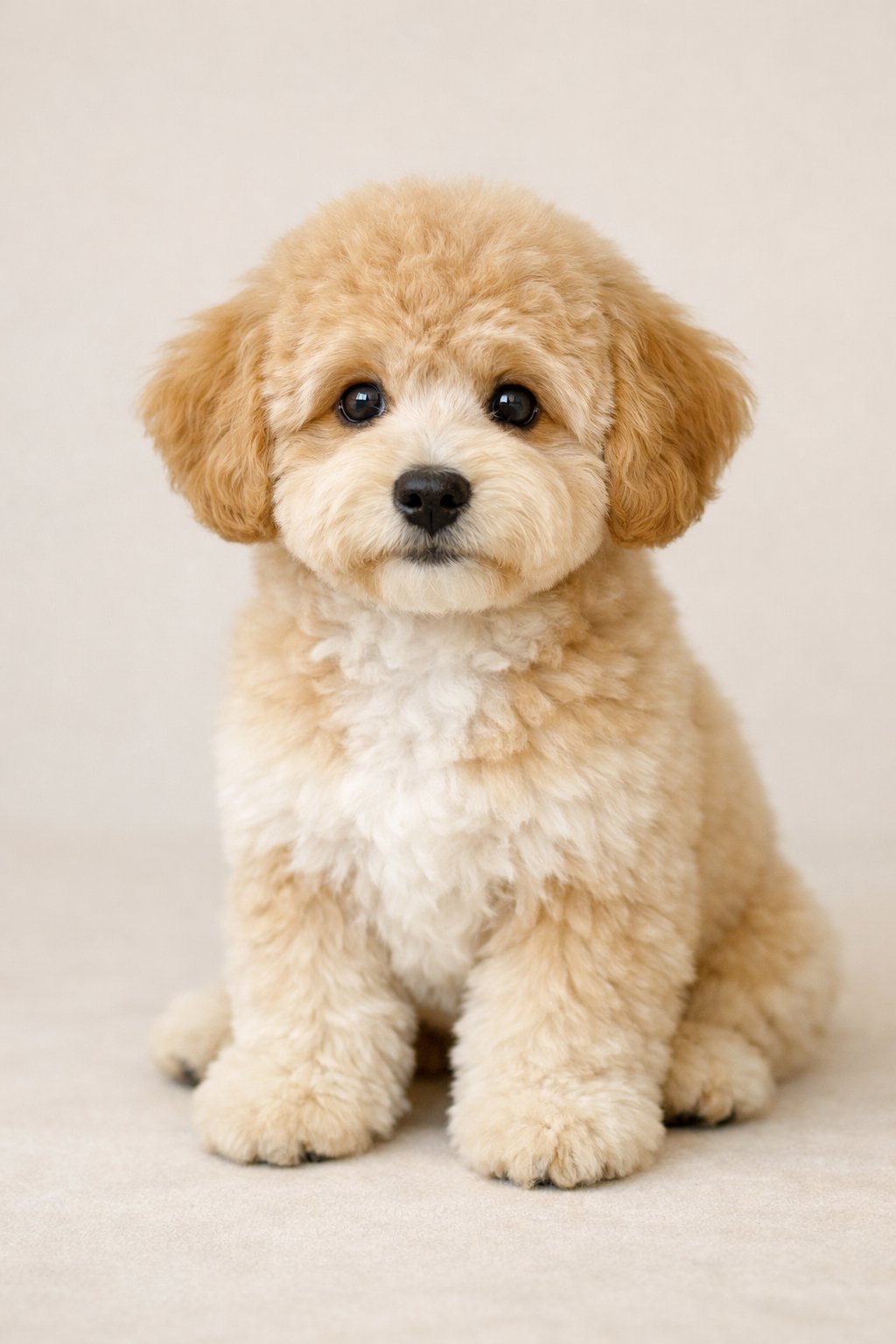
Doodle breeds need regular grooming to stay healthy and comfortable. The puppy cut is popular because it works well for busy pet parents who want their dogs to look adorable without spending hours brushing every week.
This style keeps your doodle cool in summer and prevents painful mats from forming in their curly or wavy fur. Whether you groom at home or visit a professional, understanding the puppy cut will help you make the best choice for your fluffy friend.
This guide covers everything you need to know about achieving and maintaining this practical doodle haircut so your pup stays comfortable and cute year-round.
Key Takeaways
- The puppy cut keeps your doodle’s coat short and manageable at one to two inches long all over
- This grooming style reduces matting and makes brushing easier while keeping your dog comfortable
- Regular grooming every six to eight weeks maintains the puppy cut and keeps your doodle’s coat healthy
What Is the Doodle Puppy Cut?
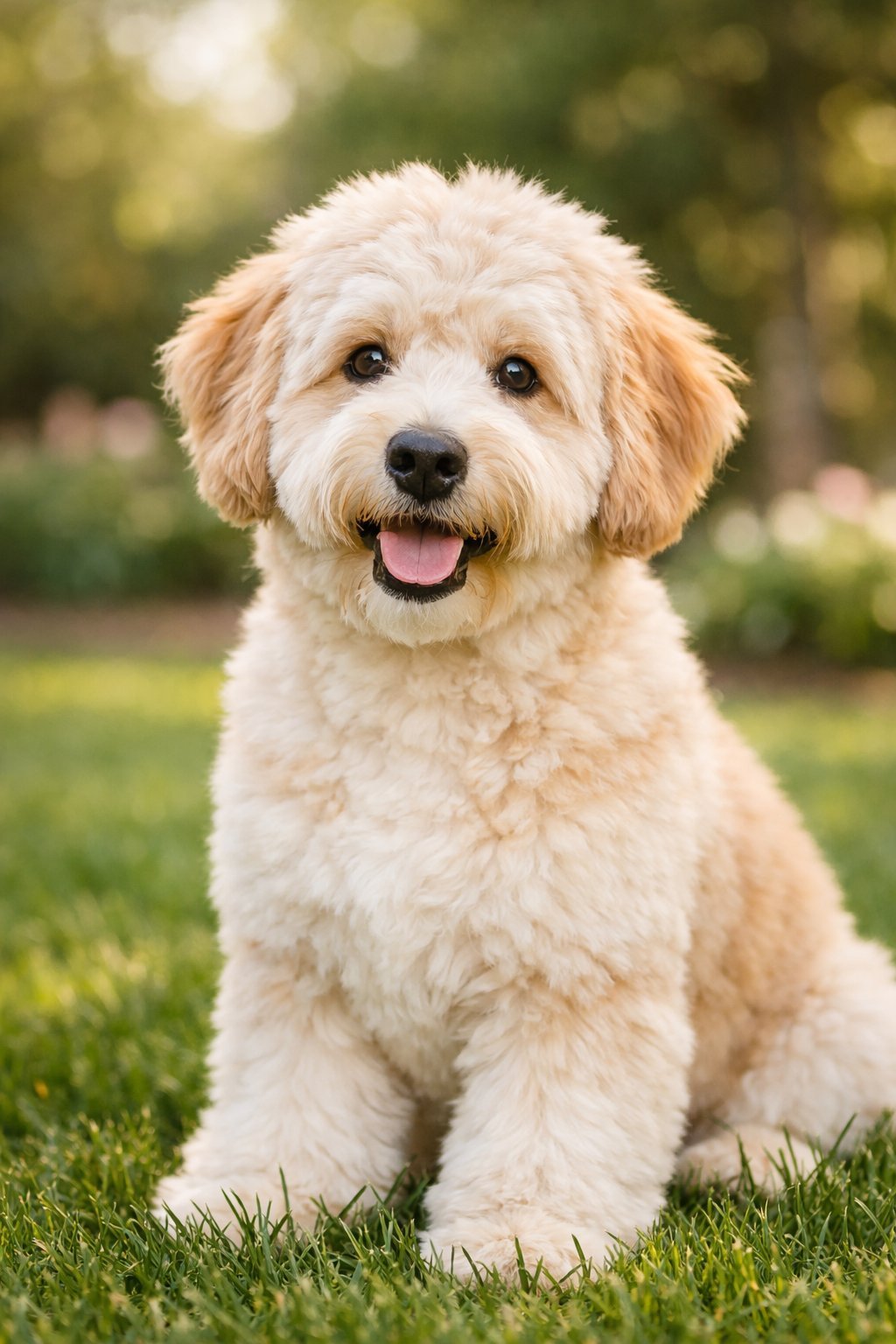
The puppy cut keeps your doodle’s coat trimmed to a uniform length of about 1 to 2 inches all over their body. This style works for any doodle breed and coat type while maintaining that youthful, fluffy appearance.
Defining the Doodle Puppy Cut
The puppy cut is a standard trimmed style where groomers clip the hair to the same length across your dog’s entire body. It creates a clean, balanced look without complicated styling.
Your groomer will typically use a longer blade or clipper guard to achieve the signature fluffy appearance. The hair is usually kept between 1 to 2 inches long, though you can adjust this based on your preference.
Some people call this the teddy bear cut because it makes doodles look cuddly and young. The face gets slightly feathered, and the legs and feet have layered hair that adds to the overall fluffy look.
This cut doesn’t require shaping different body parts to different lengths, which makes it simpler than other grooming styles.
Types of Doodle Breeds That Love the Puppy Cut
The puppy cut works beautifully on Goldendoodles, Labradoodles, Bernedoodles, and Aussiedoodles. It looks fantastic on mini doodles and standard-sized ones too.
This style suits dogs with wavy, curly, or even straighter coats. Whether your doodle has tight poodle curls or looser golden retriever waves, the puppy cut adapts well.
Smaller doodle breeds like Cavapoos and Cockapoos also rock this cut. The consistent length across their body makes them look like walking teddy bears.
Why Choose This Style for Your Fluffy Pup
The puppy cut helps prevent matting and tangles in doodles with wavy to curly hair while leaving enough protection for cooler weather. It’s low-maintenance compared to longer styles that need daily brushing.
This cut keeps your doodle comfortable during warmer months without going too short. The 1 to 2 inch length is a sweet spot between staying cool and maintaining that adorable fluffy look.
Your dog can play, swim, and run around without hair getting in their eyes or dragging on the ground. Grooming appointments are easier to schedule because this cut grows out evenly.
You’ll typically need a trim every 6 to 8 weeks to maintain the style. If you decide to try something different later, the puppy cut is easy to transition from to other styles like the lamb cut or lion cut.
Benefits of the Doodle Puppy Cut
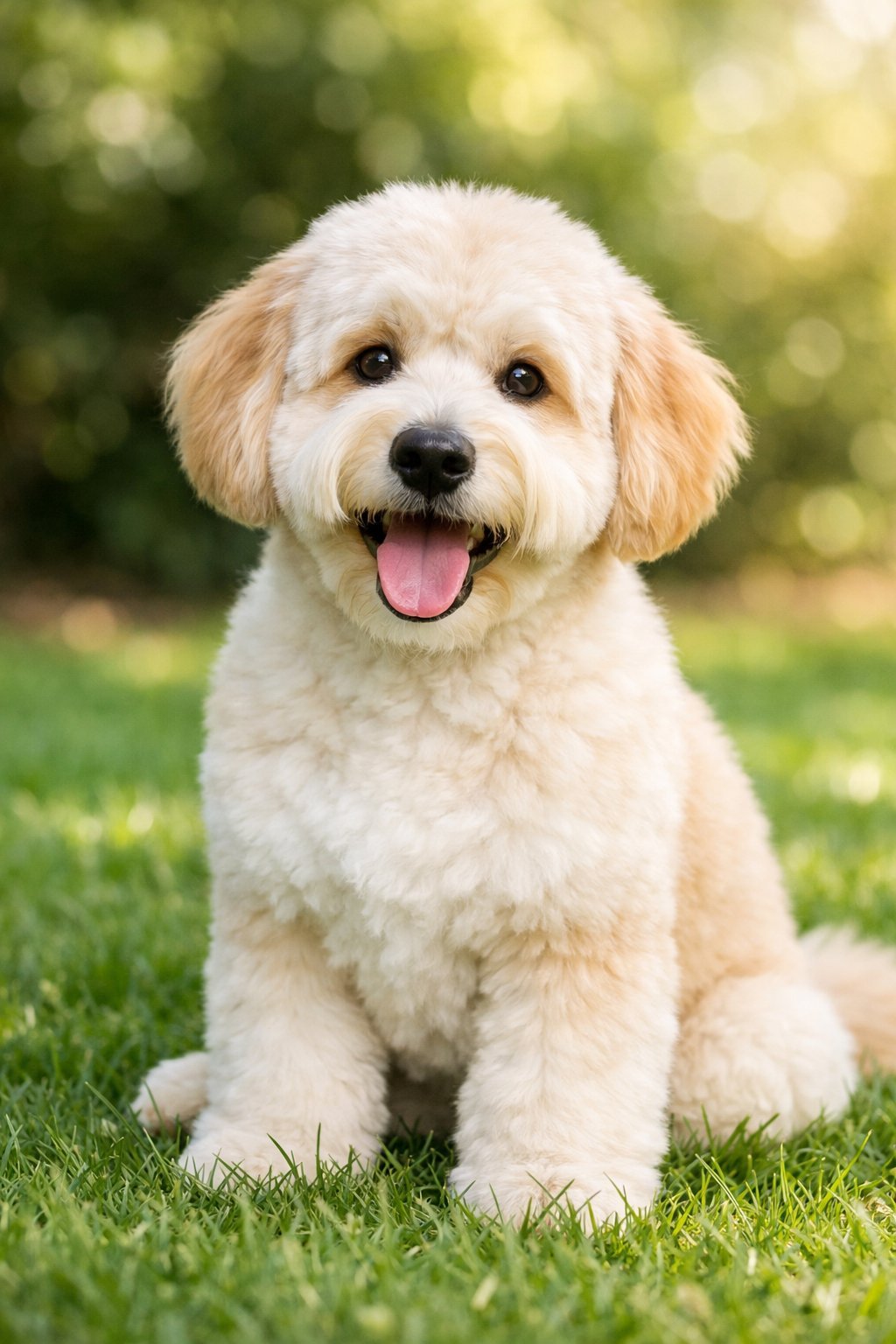
The puppy cut keeps your doodle looking young and fluffy while making daily care much easier. This grooming style cuts down on tangles and saves time during brushing sessions.
Keeps Your Pup Cute and Scruffy
The puppy cut gives your doodle that adorable teddy bear look. The hair stays at an even length of about 1 to 2 inches all over the body, which creates a soft and youthful appearance.
This popular grooming style keeps the natural curls and waves while trimming away excess length. Your pup maintains that fluffy charm without looking shaggy or unkempt.
The style highlights your dog’s features without hiding their face or eyes. The trimmed coat still has enough body to look full and cuddly.
Your doodle will look like a puppy even as they grow older, which is why so many owners choose this cut year after year.
Reduces Matting and Tangles
Doodle coats mix poodle curls with retriever waves, which means they mat easily if left too long. The puppy cut keeps hair short enough to prevent serious tangling while maintaining that fluffy texture.
Shorter hair means less chance for dirt and debris to get trapped in the coat. Goldendoodles and Bernedoodles are prone to matting when their coats grow long, especially in areas where legs rub together or around the collar.
With the puppy cut, mats form much less often because the hair doesn’t have enough length to twist into knots. This is especially helpful for active dogs who run, swim, or play outside often.
Simplifies Regular Grooming
The puppy cut makes daily brushing faster and easier. Instead of spending 30 minutes working through tangles, you can brush through the shorter coat in just 10 to 15 minutes.
This low-maintenance style means less time at the groomer and fewer products needed at home. You won’t need to buy as many detangling sprays or special tools for working through difficult knots.
Bath time becomes simpler too because shorter hair dries faster and requires less shampoo. The even length means you don’t have to worry about trimming different areas to different lengths between professional grooming appointments.
How to Achieve the Perfect Doodle Puppy Cut
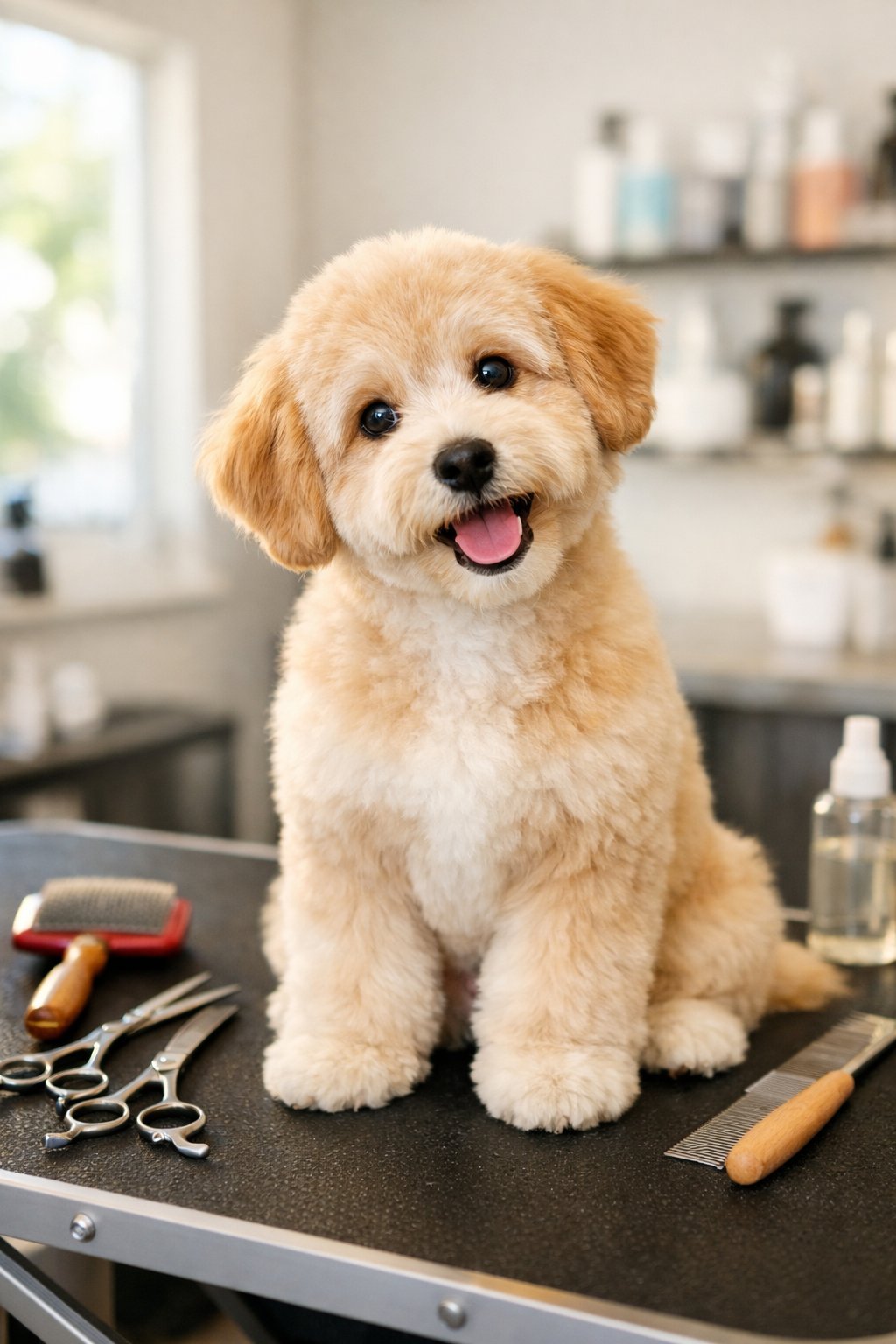
Getting that adorable puppy cut at home requires the right tools, a clear plan, and some patience. I’ll walk you through everything from clippers to finishing touches so your doodle looks fluffy and feels comfortable.
Essential Tools and Supplies
Start with quality clippers designed for thick, curly coats. A clipper with a #4 or #5 blade guard works well for the body, giving you that 1 to 1.5 inch length that defines the puppy cut.
You’ll need several key items:
- Clippers with various guard sizes (#4, #5, #7 for different areas)
- Stainless steel grooming scissors for detail work around the face and paws
- Slicker brush to remove mats before cutting
- Metal comb to check for tangles
- Thinning shears for blending
- Grooming table or non-slip mat
Invest in professional-grade clippers rather than cheap ones. They won’t overheat or pull on your dog’s coat.
A good pair costs more upfront but lasts years and makes grooming much easier.
Step-by-Step Grooming Guide
Always brush your doodle thoroughly before touching the clippers. Mats and tangles will snag in the blades and pull painfully on the skin.
Start with a clean, dry coat. Wet fur doesn’t cut evenly and can damage your clippers.
Begin clipping at the neck and work backward toward the tail using smooth, even strokes. Use a #4 or #5 guard for the body to maintain that 1 to 2 inch length typical of puppy cuts.
Move in the direction of hair growth for an even finish. For the legs, keep the same length as the body for a uniform look.
Trim around the paws carefully with scissors to create neat, rounded feet. The tail gets trimmed to match the body length, with a slightly rounded tip.
Face trimming requires extra care. Use scissors around the eyes, keeping hair short enough that it doesn’t obstruct vision.
The muzzle stays fluffy but neat, and round the ears to frame the face nicely.
Tips for Maintaining That Adorably Scruffy Look
Brush your doodle at least three times per week between cuts. This prevents mats from forming while keeping that fluffy texture intact.
Focus on areas that tangle easily like behind the ears, under the legs, and around the collar. The puppy cut typically needs refreshing every 6 to 8 weeks.
You can stretch it longer if you maintain regular brushing and do minor touch-ups at home. Trim around the eyes and paws every 2-3 weeks to keep things tidy.
Between full grooming sessions, use thinning shears to blend any choppy spots. This maintains the soft, fluffy puppy-like look without creating harsh lines.
A light spritz of detangling spray before brushing helps too. Regular baths every 4 to 6 weeks keep the coat fresh and manageable.
Always dry completely before any trimming work to ensure even cuts.
How Often Should You Groom Your Doodle?
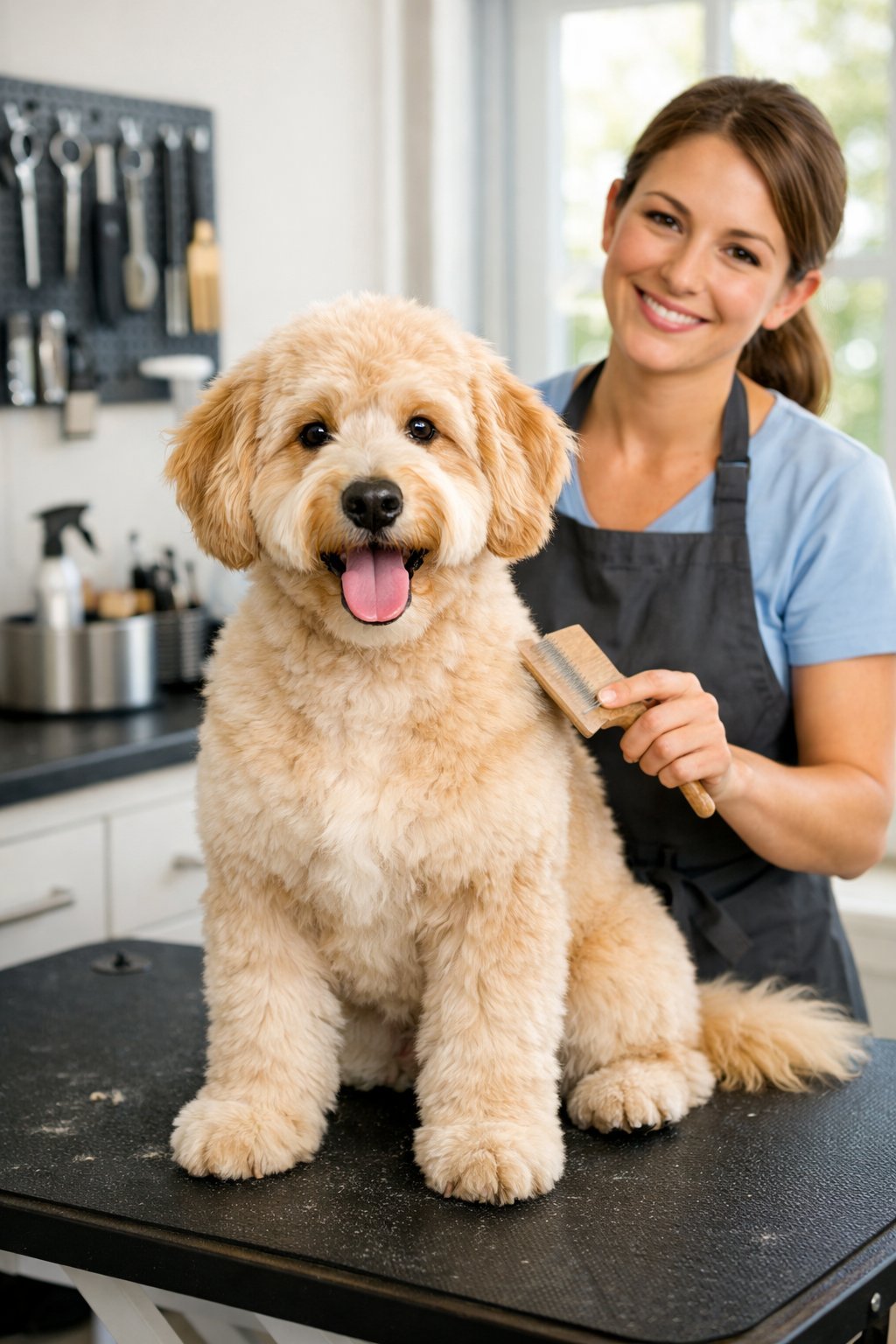
I recommend professional grooming every 4-6 weeks for most doodles. Brush at home several times per week to prevent mats and tangles.
Ideal Grooming Schedules
Doodles should be groomed every 4-6 weeks to maintain their coat health and prevent matting. If your pup has a longer coat style, you’ll need to book appointments closer to every 4 weeks.
Between professional grooming sessions, brush your doodle at least 3-4 times per week. This keeps tangles from forming and reduces the work needed during professional grooms.
Regular brushing has a huge impact on how often you need professional grooming, which saves money over time. Bathing should happen every 4-6 weeks as well, usually during your professional grooming appointment.
If your pup gets particularly dirty between appointments, you can bathe them at home with a gentle dog shampoo. Check ears weekly and trim nails every 3-4 weeks to help prevent infections and keep your doodle comfortable.
Signs It’s Time for a Trim
I watch for specific signs that tell me my doodle needs grooming sooner than scheduled. Visible mats or tangles are the most obvious indicator, especially behind the ears, under the legs, and around the collar area.
When hair covers your pup’s eyes or makes it hard for them to see clearly, it’s time for a trim. Hair around the paws that collects debris or causes slipping on floors also needs attention.
If you feel knots while petting your dog or see clumps of fur, book an appointment right away. Waiting too long can lead to painful matting that requires shaving.
Your doodle might scratch more often or seem uncomfortable when touching certain areas. This discomfort often means the coat has become too thick or matted against the skin.
Common Mistakes to Avoid With the Puppy Cut
The puppy cut seems simple, but I’ve seen many well-meaning owners make errors that damage their doodle’s coat or ruin that adorable fluffy appearance. Getting the length wrong, ignoring your dog’s specific fur texture, and forgetting about regular maintenance can turn a cute trim into a grooming disaster.
Over-Trimming and Losing the Fluffy Look
I can’t tell you how many times I’ve seen doodles come back from the groomer looking nearly shaved instead of fluffy and soft. The biggest mistake is cutting the fur too short, which strips away that signature teddy bear appearance.
The puppy cut should keep fur between 1 to 2 inches long all over the body. When you go shorter than this, your doodle loses that plush, scruffy texture that makes the style so appealing.
Be specific with your groomer about the exact length you want. Another issue is cutting too close around the face.
The puppy cut keeps the muzzle and ears slightly longer and rounded to maintain that sweet puppy expression. If these areas get trimmed too short, your dog ends up looking more like a poodle with a traditional poodle-style clip.
Hair takes time to grow back. If you’re trying the cut for the first time, start a bit longer than you think you want and adjust from there.
Ignoring Unique Coat Types
Not all doodle coats are the same, and treating them like they are leads to common grooming mistakes. F1 doodles often have wavy coats that behave differently than F1b doodles with tighter curls.
Curly coats need different clipper blade sizes and techniques than wavy or straight coats. I learned this the hard way when I used the same approach on my friend’s curly goldendoodle that I used on my wavy labradoodle.
Your doodle’s coat texture affects how the puppy cut looks and how often you need trims. Curlier coats tend to look fuller and need more frequent grooming to prevent matting.
Wavy coats might need less maintenance but can lose their shape faster. I always check my dog’s coat type before deciding on blade guards and scissor work.
When working with a new groomer, I make sure they understand my doodle’s specific fur texture so they can adjust their technique properly.
Skipping Regular Brushing
Getting a puppy cut doesn’t mean I can forget about brushing between grooming appointments. This is probably the most damaging mistake I see doodle owners make.
Doodle coats are prone to matting and tangling even when kept short. I brush my doodle at least three times per week, working through the entire coat with a slicker brush.
The areas behind the ears, under the legs, and around the collar mat the fastest. When mats form, they pull tight against the skin and cause pain.
If the matting gets bad enough, groomers have no choice but to shave your dog much shorter than you wanted. Between professional grooming visits, I spend about 10 to 15 minutes brushing.
This keeps the coat fluffy and prevents those painful tangles from forming in the first place.
Frequently Asked Questions
Most doodle owners want to know which tools work best for at-home grooming and how to keep their pup’s coat looking fresh between professional visits. The puppy cut requires specific techniques and regular maintenance to prevent matting while keeping that adorable scruffy appearance.
What are the essential tools I need for a puppy doodle cut at home?
I recommend starting with a quality slicker brush and a metal comb as your foundation tools. These help remove tangles and check for mats before you begin any cutting.
For trimming, you’ll need professional-grade grooming scissors or clippers with guard attachments. I suggest getting rounded-tip scissors for safety around sensitive areas like the face and paws.
A good pair of thinning shears helps blend different sections for that natural, scruffy look. You’ll also want nail clippers, styptic powder for accidents, and treats to keep your pup calm during the process.
Can you walk me through the steps of trimming my doodle puppy’s fur to achieve that scruffy look?
I always start by thoroughly brushing out the entire coat to remove any tangles or mats. This step is crucial because cutting over mats can be painful and damage your scissors.
Next, I bathe and completely dry my doodle before trimming. Wet fur cuts unevenly and makes it harder to see the true length.
I begin with the body, using clippers with a guard to maintain an even 1-2 inch length all over. For the puppy cut, I keep the hair slightly longer on the legs and shorter on the body.
I trim the face carefully with scissors, keeping the hair around the eyes short enough to see clearly. The ears get a light trim to remove bulk while maintaining their fluffy shape.
Finally, I use thinning shears to blend any harsh lines between sections. This creates that naturally scruffy, teddy bear appearance that makes the puppy cut so charming.
How often should I schedule grooming sessions to maintain my doodle’s puppy cut?
I take my doodle to a professional groomer every 6-8 weeks to maintain the puppy cut shape. This timing prevents the coat from becoming too long and difficult to manage.
Between professional visits, I brush my pup at least three times per week to prevent matting and tangling. Daily brushing works even better, especially for doodles with curlier coats.
I do minor touch-ups at home every 2-3 weeks. This includes trimming around the eyes, paws, and sanitary areas to keep my doodle comfortable and clean.
Are there any specific grooming techniques to keep my doodle’s coat healthy and tidy with this style?
I use a technique called line brushing to ensure I reach all the way down to the skin. This means brushing in sections rather than just skimming over the top layer.
For the puppy cut specifically, I focus on maintaining even length throughout the body. I run my comb through each section after trimming to check for missed spots or uneven areas.
I pay special attention to friction areas like under the legs, behind the ears, and around the collar. These spots mat faster and need extra care during brushing sessions.
Regular bathing with dog-specific shampoo keeps the coat soft and manageable. I always brush before bathing and use a detangling spray when needed.
What are the common mistakes to avoid while giving my doodle a puppy cut?
I learned the hard way not to rush through the brushing phase. Skipping thorough detangling before cutting leads to uneven results and can hurt your pup.
Never use human clippers or dull blades on your doodle’s coat. These tools pull hair instead of cutting cleanly, which causes discomfort and poor results.
I avoid cutting too close to the skin, especially around sensitive areas. Leaving at least an inch of fur prevents clipper burn and protects your doodle’s skin.
Don’t try to fix mistakes by cutting more and more hair. I stop when things don’t look right and let a professional groomer correct the issue at the next appointment.
Many owners forget to check their clipper blade temperature. I touch the blade to my wrist every few minutes because hot blades can burn your dog’s skin.
How can I ensure my puppy stays comfortable and safe during the grooming process?
I start grooming sessions when my doodle is tired from exercise or play. A calm, relaxed pup is much easier to work with than an energetic one.
I keep sessions short at first, maybe just 10-15 minutes. This helps build positive associations with grooming.
I use high-value treats throughout the process and take frequent breaks. Positive reinforcement makes grooming feel like a rewarding experience for my doodle.
I always work in a well-lit, non-slip area where my pup feels secure. A grooming table with a non-slip mat is great, but a stable counter or floor space works too.
I never leave sharp tools within my dog’s reach. I always point scissors away from the body, since safety comes first.
