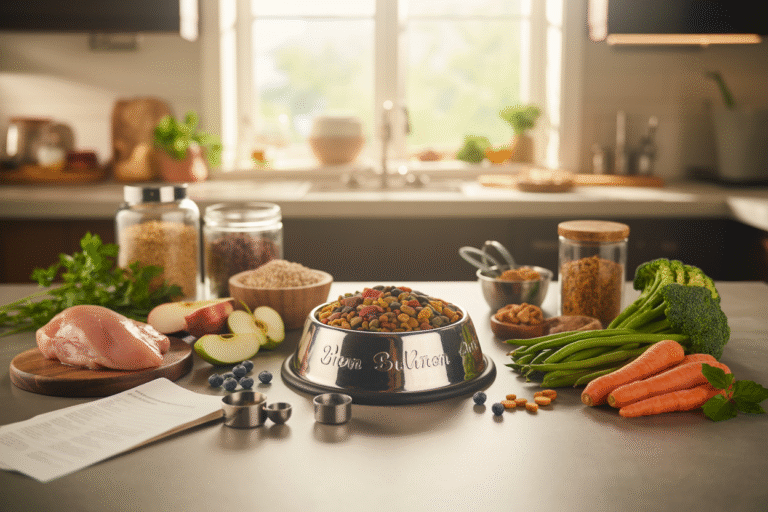
Carrot Dog Treats: A Healthy and Delicious Homemade Snack Your Pup Will Love

Making homemade dog treats doesn’t have to be complicated or time-consuming. Carrot dog treats are healthy, easy to make, and most dogs love their natural sweetness and crunchy texture.
I’ve found that carrots work great in dog treats because they’re packed with vitamins and are low in calories.
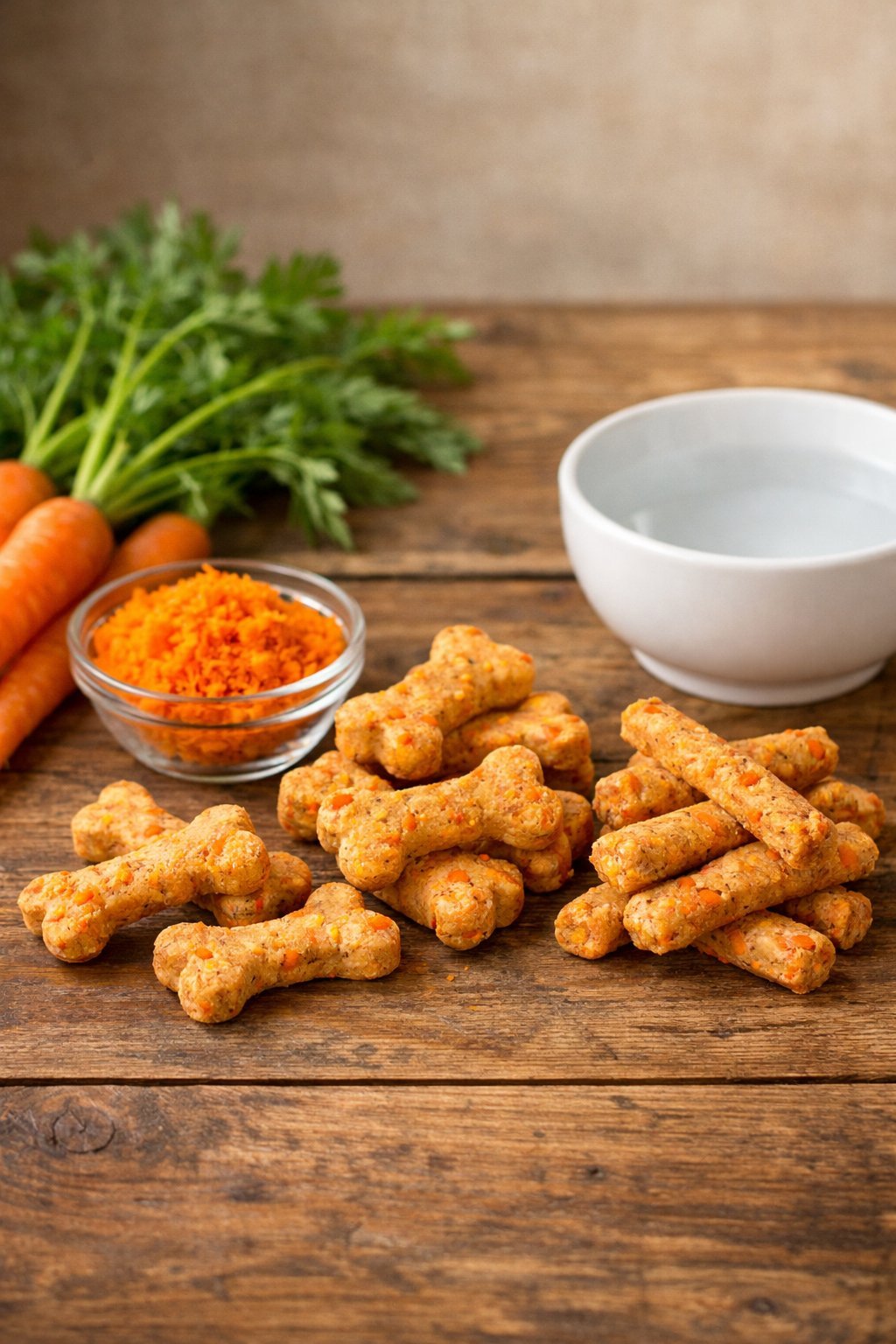
Whether you want to bake simple carrot cake dog treats or try no-bake peanut butter and carrot options, you have plenty of choices. I love that these treats use ingredients I already have in my kitchen.
Plus, I know exactly what my dog is eating when I make treats at home.
In this guide, I’ll share everything you need to know about making carrot dog treats. You’ll learn which ingredients work best, how to store your homemade treats, and important safety tips to keep your pup healthy and happy.
Key Takeaways
- Carrots provide vitamins and crunch while staying low in calories for dogs
- You can make both baked and no-bake versions using simple kitchen ingredients
- Proper storage and portion control help keep homemade treats fresh and safe
Health Benefits of Carrot Dog Treats
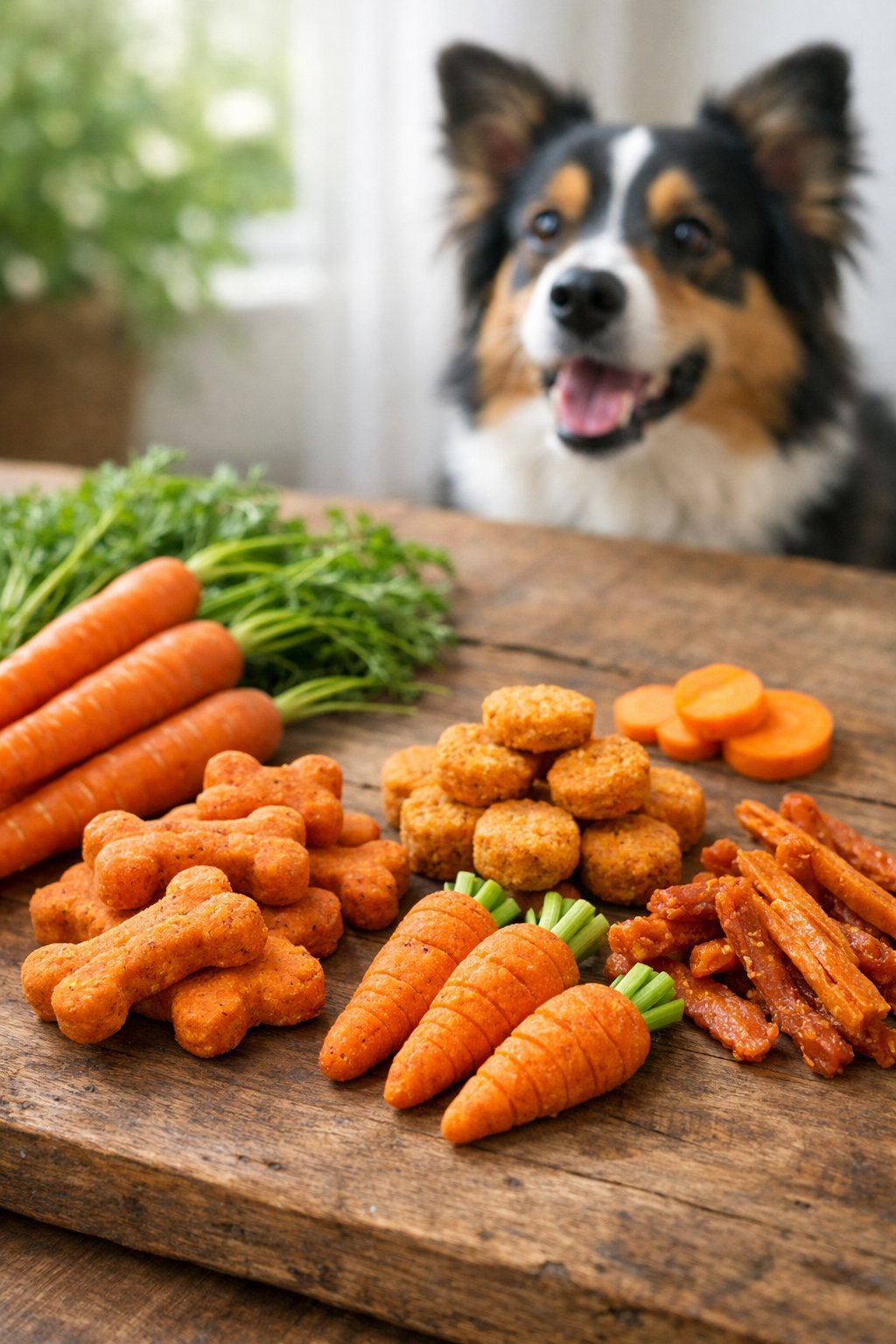
Carrots pack a powerful nutritional punch for dogs while keeping calories low and supporting their dental health. These crunchy vegetables deliver vitamins and minerals that benefit everything from vision to immune function.
Essential Nutrients in Carrots
I love that carrots are loaded with vitamin A, which plays a crucial role in maintaining healthy vision, skin, and coat in dogs. A single medium carrot contains enough beta-carotene to support your pup’s eye health and immune system function.
Beyond vitamin A, carrots provide fiber that aids in healthy digestion and helps dogs feel satisfied after eating. The fiber content supports your dog’s overall well-being by promoting regular bowel movements and gut health.
Carrots also contain vitamin K, potassium, and antioxidants that fight cellular damage. These vegetables offer B vitamins that help convert food into energy your dog needs for daily activities.
The natural minerals found in carrots support bone health and proper muscle function without any artificial additives or preservatives.
Low-Calorie Reward Options
I find that carrots make perfect low-calorie treats for dogs who need to watch their weight or maintain a healthy size. A whole raw carrot typically contains only about 25 calories, making it an excellent alternative to high-calorie commercial treats.
This low calorie count means I can reward my dog throughout the day without worrying about weight gain. Carrots provide satisfying crunch and natural sweetness that dogs enjoy without the added sugars or fats found in many store-bought treats.
For dogs on restricted diets or those prone to obesity, carrots offer a guilt-free way to show love and provide positive reinforcement during training. The high water content in carrots also helps keep dogs hydrated while they snack.
Dental Health Support
Raw carrots act as a natural toothbrush when dogs chew on them, helping scrape away plaque and food particles from teeth surfaces. The crunching action stimulates gums and promotes better oral health with each bite.
I’ve noticed that the firm texture of carrots requires dogs to chew thoroughly, which increases saliva production that naturally cleanses the mouth. This mechanical cleaning action can help reduce tartar buildup between professional dental cleanings.
While carrots don’t replace proper dental care like brushing, they serve as a beneficial supplement to your dog’s oral hygiene routine. The vegetable’s natural abrasiveness gently cleans teeth without the artificial ingredients or potential allergens found in some dental chews.
Choosing Ingredients for Carrot Dog Treats
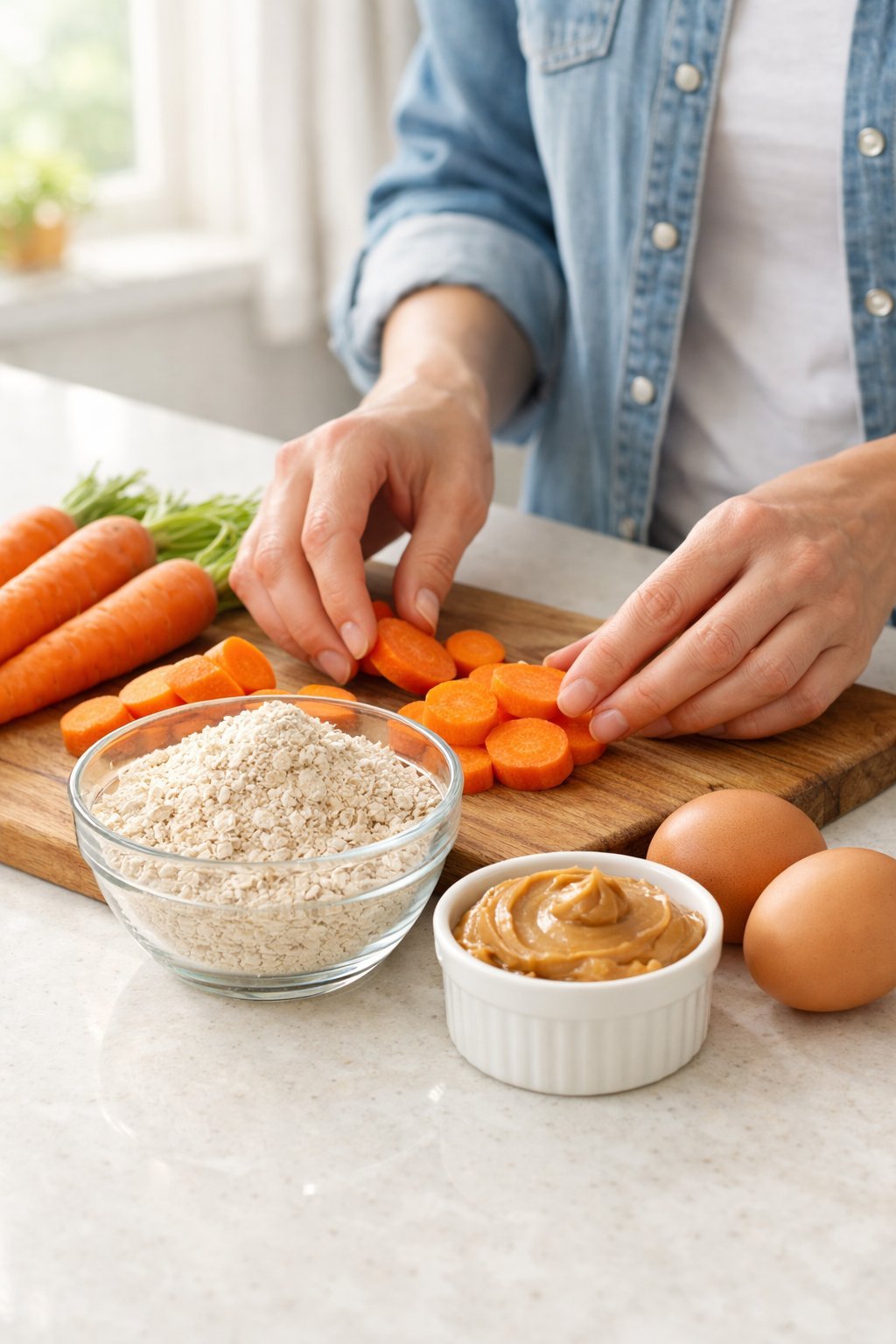
When I make carrot dog treats at home, I focus on picking fresh, wholesome ingredients that keep my pup healthy and happy. The right combination of carrots, safe add-ins, and avoiding harmful foods makes all the difference in creating treats my dog loves.
Selecting Fresh Carrots
I always choose firm, bright orange carrots without soft spots or wrinkles. Fresh carrots have the most nutrients and natural sweetness that dogs enjoy.
Organic carrots are my first choice when possible since they don’t have pesticide residue. I wash and peel carrots before using them in treats.
This removes any dirt and chemicals from the surface. Baby carrots work well too, but I prefer regular carrots because they’re more affordable and easier to grate or chop.
The size and preparation method matters for different recipes. I grate carrots for baked treats so they mix evenly into the dough.
For dehydrated chips, I slice them into thin rounds about 1/8 inch thick. Thicker slices take longer to dry and might stay chewy instead of crunchy.
I store unused carrots in the refrigerator in a sealed bag. They stay fresh for about two weeks this way.
If carrots start getting soft or slimy, I toss them out rather than use them in dog treats.
Safe Additives and Mix-Ins
I include ingredients that add nutrition and flavor without harming my dog. Whole wheat flour or oat flour work as excellent bases for baked treats.
Rice flour is a good option if my dog has grain sensitivities. Some of my favorite safe add-ins include:
- Peanut butter (xylitol-free only)
- Unsweetened applesauce
- Plain pumpkin puree
- Eggs for binding
- Cinnamon in small amounts
- Parsley for fresh breath
I’ve found that carrot and applesauce combinations create naturally sweet treats dogs love. The applesauce adds moisture and helps bind ingredients together.
When using peanut butter, I always check the label first. Natural peanut butter with just peanuts and maybe salt is safest.
I avoid any product containing xylitol, which is toxic to dogs even in tiny amounts.
Ingredients to Avoid
I never use chocolate, grapes, raisins, onions, or garlic in dog treats. These foods are toxic to dogs and can cause serious health problems.
Even small amounts can be dangerous. Xylitol is the most important ingredient to avoid.
This artificial sweetener appears in sugar-free peanut butter, baked goods, and some yogurts. It causes rapid insulin release in dogs and can lead to liver failure.
I skip macadamia nuts, which cause weakness and vomiting in dogs. Nutmeg is another spice I avoid since it contains compounds that are toxic to pets.
While cinnamon is safe in small amounts, nutmeg is not. Salt and sugar should be minimal or absent from dog treats.
Dogs don’t need added sodium or sweeteners. Too much salt causes excessive thirst and urination.
Excess sugar leads to weight gain and dental problems. I also avoid using cooked bones, corn cobs, or anything with sharp edges.
These can cause choking or digestive blockages. Raw dough with yeast is dangerous too since it expands in the stomach.
Homemade Carrot Dog Treat Recipes
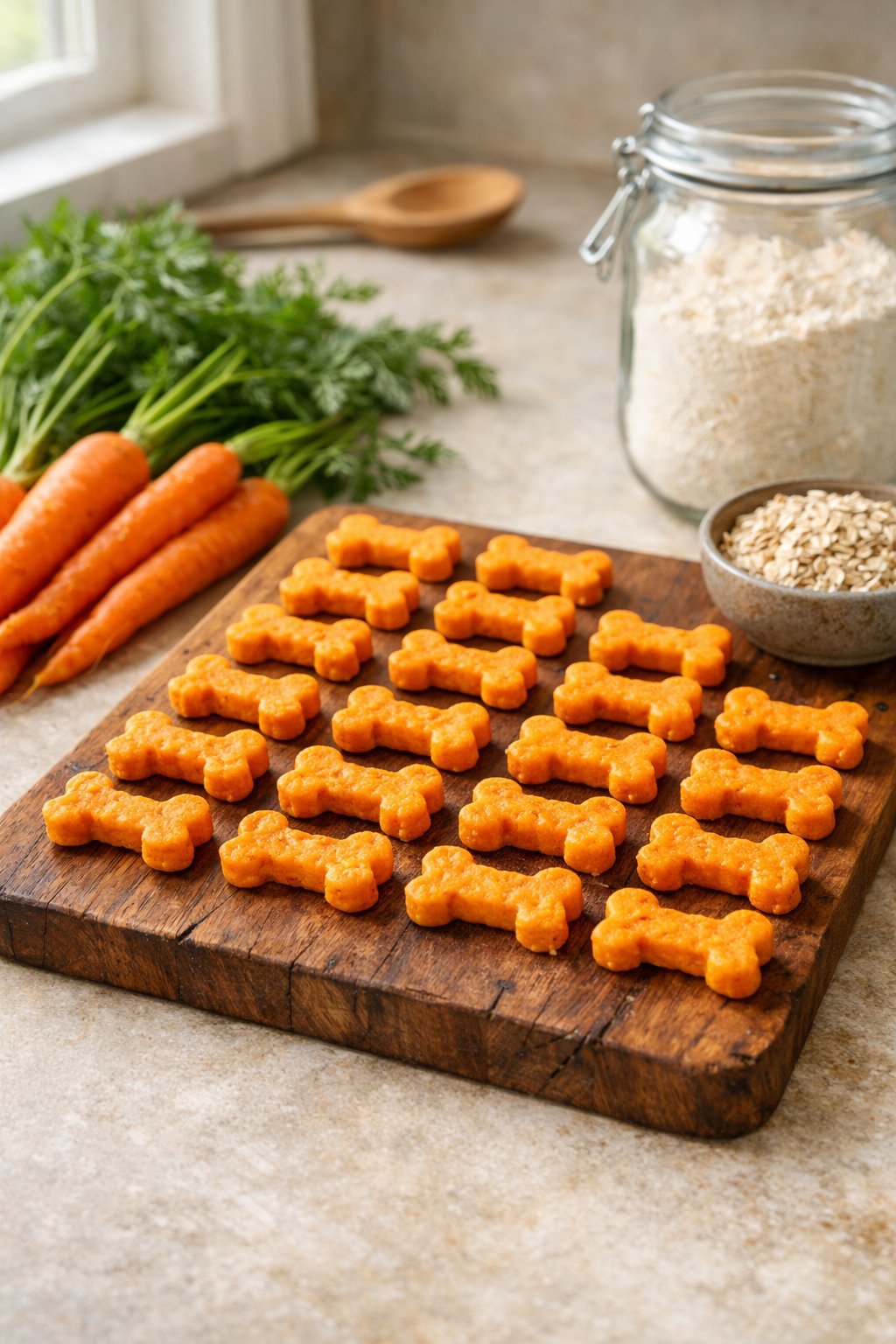
Making carrot treats at home gives you full control over ingredients while saving money compared to store-bought options. These three recipes range from simple baked biscuits to frozen snacks that work for different preferences and dietary needs.
Simple Baked Carrot Dog Treats
I start with basic ingredients that most people already have in their kitchen. You’ll need one cup of finely shredded carrots, two cups of whole wheat flour, one egg, and three tablespoons of vegetable oil.
Mix the shredded carrots with the egg and oil in a bowl. Add the flour gradually until you get a firm dough that isn’t sticky.
Roll the dough out to about a quarter-inch thickness on a floured surface. Use cookie cutters to make fun shapes, or simply cut the dough into small squares with a knife.
Place the treats on a lined baking sheet and bake at 350°F for 25-30 minutes. They should turn golden brown and feel firm to the touch.
Let them cool completely before giving them to your dog. These simple carrot dog treats stay fresh for up to two weeks when stored in an airtight container.
Grain-Free Carrot Dog Biscuits
I use this recipe for dogs with grain sensitivities or allergies. The base includes two cups of oat flour, one cup of shredded carrots, half a cup of peanut butter (make sure it doesn’t contain xylitol), and one egg.
Important ingredients to check:
- Peanut butter must be xylitol-free
- Use certified gluten-free oats if needed
- Fresh carrots work better than canned
Combine all ingredients in a large bowl and mix until you form a thick dough. If the mixture feels too dry, add water one tablespoon at a time.
Roll out the dough and cut into your preferred shapes. Bake at 325°F for 20-25 minutes until the edges turn slightly brown.
These grain-free treats offer a healthy alternative for dogs with dietary restrictions. I always shred the carrots finely to prevent choking, especially for smaller dogs.
Frozen Carrot and Yogurt Bites
I make these no-bake treats during hot weather when my dog needs something cool and refreshing. You only need one cup of plain yogurt (avoid any sweeteners or artificial flavors), half a cup of finely grated carrots, and optional add-ins like a tablespoon of honey.
Mix the yogurt and carrots together thoroughly. Spoon small amounts into ice cube trays or silicone molds.
Freeze for at least four hours until completely solid. Pop them out and store in a freezer-safe container or bag.
These frozen bites work great as a summer snack and help keep dogs hydrated. I give them one or two at a time as a special treat, not as a meal replacement.
The yogurt provides probiotics that support digestive health while the carrots add fiber and vitamins.
How to Store and Serve Carrot Dog Treats
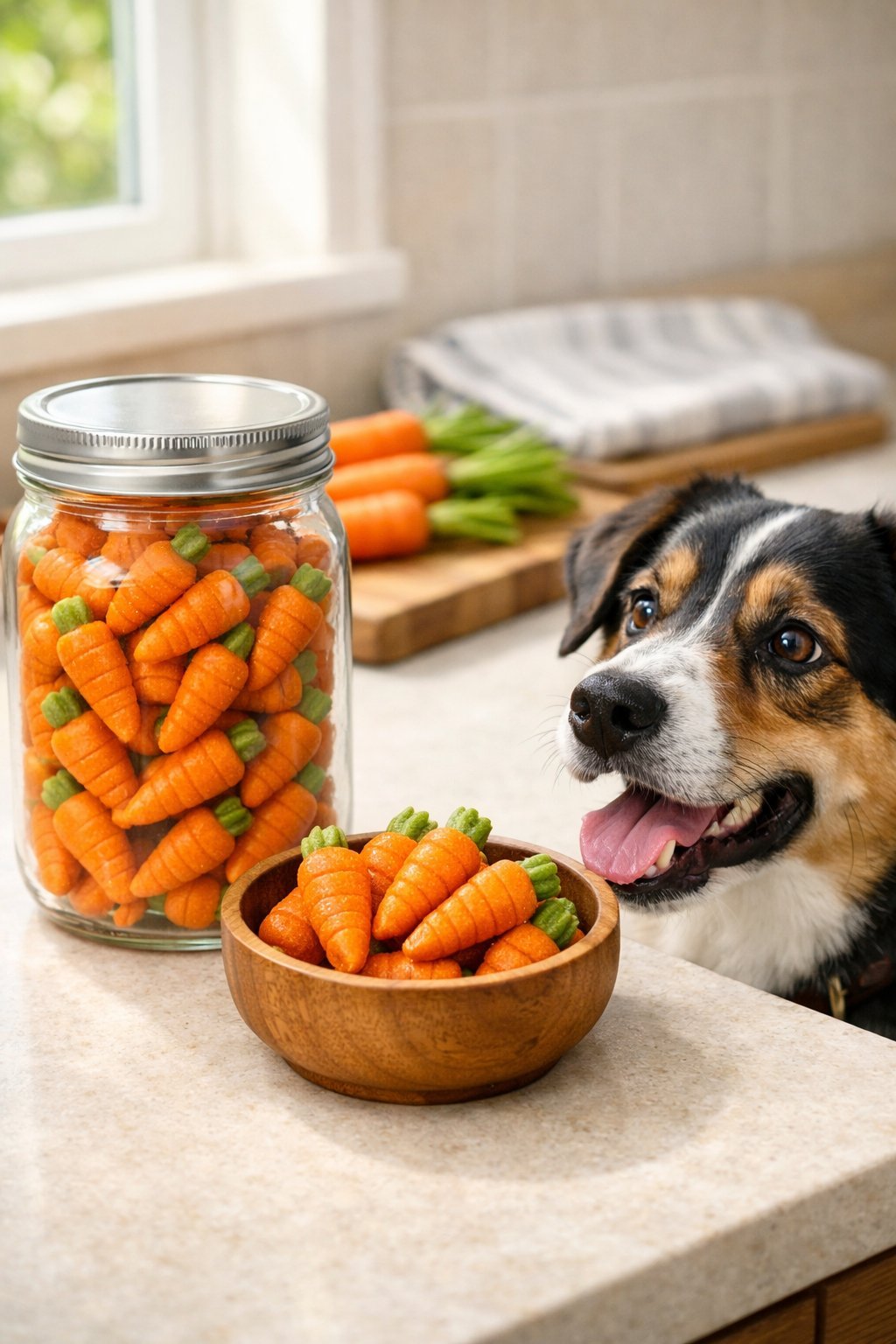
Keeping carrot treats fresh and giving the right amount helps your dog stay healthy and happy. I’ll show you how to store different types of carrot treats and explain proper serving sizes based on your dog’s weight.
Proper Storage Methods
The way I store carrot treats depends on whether they’re baked, dehydrated, or frozen. Each type needs different conditions to stay fresh and safe.
For homemade baked carrot treats, I keep them in an airtight container at room temperature for up to one week. If I want them to last longer, I put them in the refrigerator where they stay good for two weeks.
I always make sure the treats are completely cool before storing them to prevent moisture buildup. Dehydrated carrot treats can be stored in an airtight container at room temperature for up to two weeks.
Since these treats have most of their moisture removed, they stay crunchy longer. For extended storage, I refrigerate them for up to one month.
Frozen carrot treats work differently. I keep them in the freezer in airtight containers or freezer bags for several months.
I don’t thaw them before serving since dogs enjoy them frozen, especially on hot days.
Serving Sizes for Different Dogs
The amount of carrot treats I give depends on my dog’s size and daily calorie needs. Treats should make up no more than 10% of my dog’s total daily calories.
For small dogs under 20 pounds, I give 1-2 small carrot treats per day. Medium dogs between 20-50 pounds can have 2-4 treats daily.
Large dogs over 50 pounds can safely enjoy 4-6 treats each day. I adjust these amounts if my dog is overweight or has health issues.
Even though carrots are low in calories, too many treats can lead to digestive upset or weight gain. I also reduce my dog’s regular food slightly when giving extra treats to keep their total calories balanced.
Safety Tips and Feeding Guidelines
When I give my dog carrot treats, I always start with small amounts and watch for any unusual reactions. Proper portion control and awareness of potential allergies help keep treat time safe and enjoyable.
Introducing New Treats to Your Dog
I recommend starting with just one or two small carrot pieces when I first offer them to my dog. This lets me watch for any digestive issues like upset stomach or diarrhea over the next 24 hours.
I cut carrots into bite-sized pieces based on my dog’s size. For small dogs, I use thin slices or baby carrots cut into quarters.
Large dogs can handle bigger chunks, but I still make sure the pieces are small enough to prevent choking. When I introduce carrots as a healthy snack, I gradually increase the amount over several days.
I never give more than 10% of my dog’s daily calories from treats, including carrots. I always supervise my dog while eating carrots.
Raw carrots are crunchy and firm, so I watch to make sure my dog chews them properly instead of trying to swallow large pieces whole.
Allergy Considerations
Carrot allergies in dogs are rare, but I stay alert for signs just in case. I watch for symptoms like itching, skin redness, excessive scratching, or swelling around the face and paws.
Digestive reactions can also signal sensitivity to carrots. I look for vomiting, diarrhea, or gas after feeding carrots.
If I notice any of these signs, I stop giving carrots immediately and contact my veterinarian.
I keep a food diary when adding new treats to my dog’s diet. This helps me track which foods my dog eats and any reactions that follow.
If my dog has existing food sensitivities, I talk to my vet before introducing carrots.