
Rich Dog Aesthetic: A Complete Guide for Dog Owners Who Want the Best

The rich dog aesthetic is about more than just expensive accessories and designer collars. It combines high-quality grooming, thoughtful styling choices, and premium care that keeps your dog looking polished and feeling their best, all while reflecting a luxurious lifestyle.
This approach focuses on your dog’s health and appearance through professional grooming techniques and carefully selected supplies. Paying attention to the small details can make a big difference.
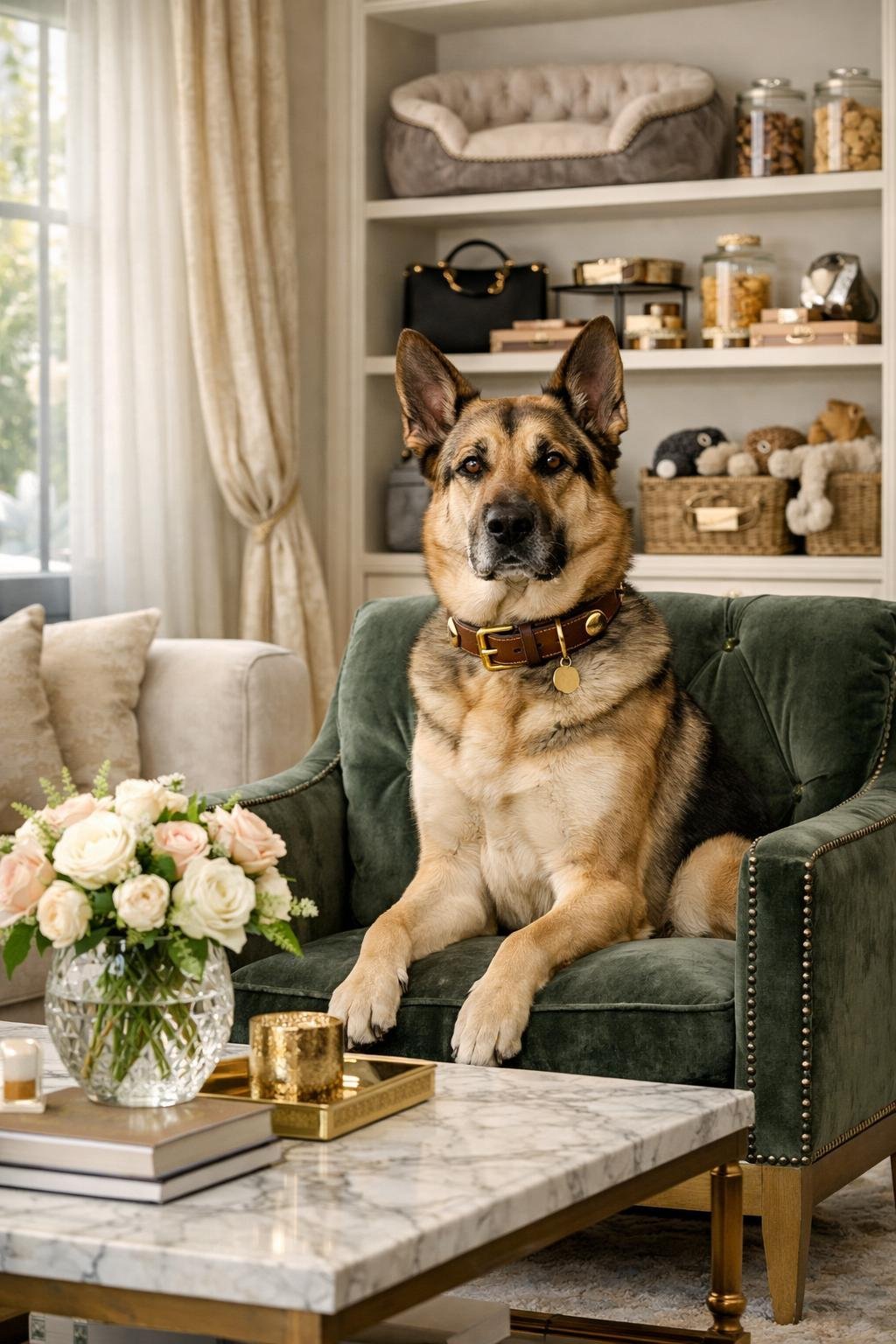
More dog owners are embracing this refined style because it celebrates their pets while keeping care routines practical. Dogs aesthetic centers on capturing visual charm through photography and creative presentation, but the rich dog aesthetic levels up with premium products and higher care standards.
Whether you’re into elegant photo shoots or just want your furry friend to look great on daily walks, this guide has you covered.
From choosing the right grooming tools to picking out aesthetic dog supplies that actually enhance your dog’s look, I’ll show you practical steps that balance style with your pet’s comfort. You don’t need unlimited funds to achieve this vibe—just smart choices about where to invest your time and money.
Key Takeaways
- Rich dog aesthetic blends premium grooming, quality supplies, and thoughtful styling to highlight both your dog’s appearance and health.
- Regular professional grooming and the right tools create a polished look while preventing coat problems and keeping your dog comfortable.
- You can personalize your dog’s style with color coordination, accessories, and lifestyle choices that match your preferences without sacrificing practicality.
The Essence of the Rich Dog Aesthetic
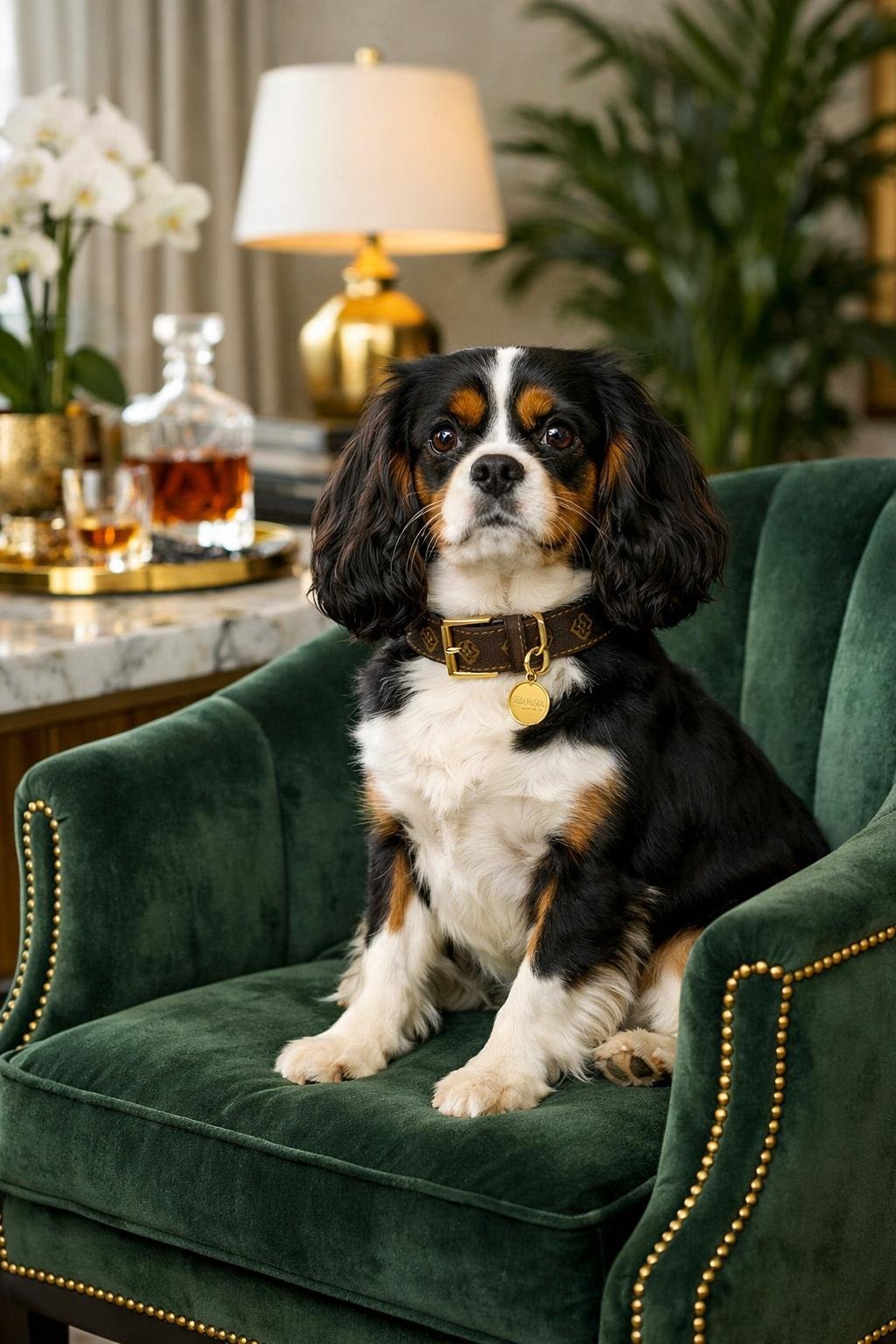
The rich dog aesthetic mixes luxury fashion, premium care, and social media presence to show off dogs living their best lives. This trend covers specific breeds, designer accessories, and a lifestyle that spotlights comfort and style.
Defining the Rich Dog Aesthetic
The rich dog aesthetic is all about dogs enjoying the finer things in life. It’s not just about expensive accessories—it’s about creating an image of luxury and sophistication for your pet.
This vibe includes designer collars, custom clothing, and high-end grooming services. Dogs often wear outfits that match current fashion trends, and their owners may invest in premium food, spa treatments, and professional photo sessions.
The look is all about cleanliness, perfect grooming, and a polished appearance. Many of these dogs even have their own social media accounts, showing up in staged photos with luxury items like designer bags or fancy cars.
Popular Rich Dog Breeds and Trends
Some breeds just fit the luxury dog aesthetic naturally. Small breeds like Pomeranians and French Bulldogs are especially popular because their size makes them easy to bring to upscale events.
Top breeds in the rich dog aesthetic:
- Pomeranians
- French Bulldogs
- Chihuahuas
- Cavalier King Charles Spaniels
- Yorkshire Terriers
Larger breeds like Golden Retrievers and Samoyeds also make the cut. Their fluffy coats and friendly faces look great in photos, and Dalmatians add a classic touch with their unique spots.
White or cream-colored dogs, like Samoyeds, pop up a lot in this trend. Their pristine coats photograph beautifully and give off an elegant vibe.
Influence of Canine Fashion and Social Media
Social media is a huge driver of canine fashion trends. Instagram and TikTok are full of dogs showing off rich dog outfits and accessories, inspiring owners everywhere to up their pets’ style game.
This trend has created a whole industry around pet fashion, with designers making sweaters, coats, bow ties, and even formal wear just for dogs.
It’s not just about clothes—owners share photos of their dogs at cafes, hotels, and on vacation, creating aspirational lifestyles for other pet parents to follow.
Popular hashtags help these trends go viral, and posts with luxury pet content rack up thousands of likes. All this attention encourages more dog owners to get in on the aesthetic for their own pups.
Dog Grooming for Health and Aesthetics
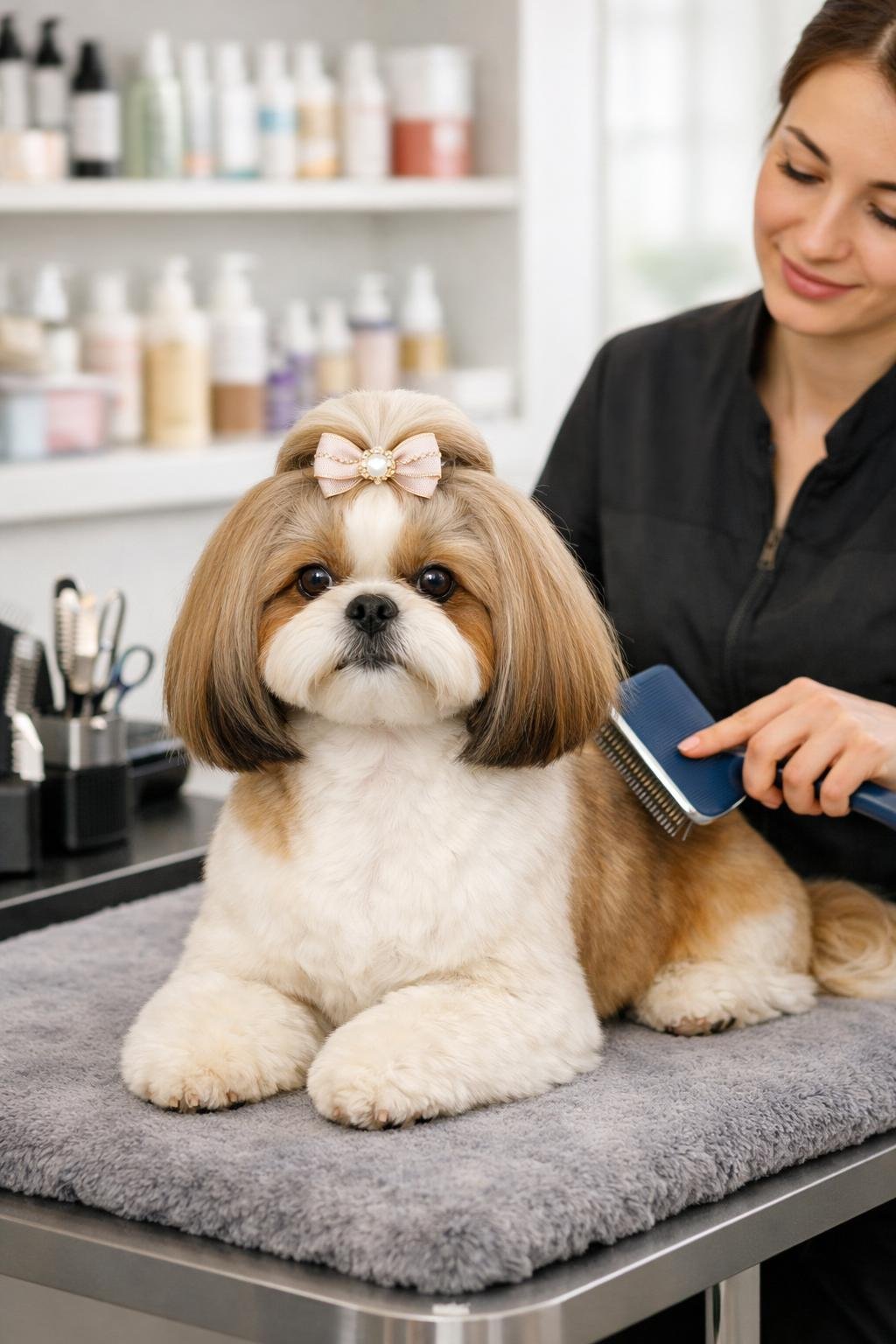
Grooming your dog is about keeping them healthy and making sure they look fantastic. The right grooming routine prevents skin problems, catches health issues early, and creates that polished look everyone loves.
Why Grooming Matters for Style and Wellness
Dog grooming is more than just making your pup look good. Regular grooming helps you spot lumps, skin irritations, or parasites before they become big problems.
A well-groomed coat prevents painful mats and tangles. Brushing removes dirt and spreads natural oils, keeping the coat shiny and your dog comfortable.
Health benefits include:
- Early detection of skin issues or abnormalities
- Prevention of ear infections through regular cleaning
- Reduced risk of paw pad injuries
- Better temperature regulation
A freshly groomed dog with a clean coat and trimmed nails always looks more refined and cared for.
Fundamental Grooming Techniques
Different dogs need different care based on their coat type. Breed-specific grooming techniques can make a big difference.
Short coats (like Beagles) need weekly brushing with a bristle brush and occasional baths. Medium coats (like Cocker Spaniels) require brushing several times a week, especially behind the ears. Long coats (like Shih Tzus) need daily brushing and combing to prevent mats.
Double-coated breeds (like Golden Retrievers) need an undercoat rake during shedding seasons. Curly-coated dogs (like Poodles) benefit from regular clipping to keep their shape.
I always trim nails every 3-4 weeks, clean ears weekly, and brush teeth several times a week. These basics keep your dog comfy and healthy.
Choosing Professional Groomers vs. Home Grooming
I handle basic grooming at home but go to professional groomers for more complex tasks. Pros are trained to handle different breeds and know how to work safely with nervous dogs.
Home grooming is great for routine brushing, nail trims, and basic baths. It saves money and helps build trust with your dog.
Professional grooming is best for breed-specific cuts, hand-stripping, or when you need special equipment. Expert groomers can spot health issues you might miss and handle tough grooming jobs more efficiently.
I usually visit a pro every 6-8 weeks for a full groom, then maintain my dog’s coat at home between visits. This combo gives great results without breaking the bank.
Essential Grooming Tools and Supplies
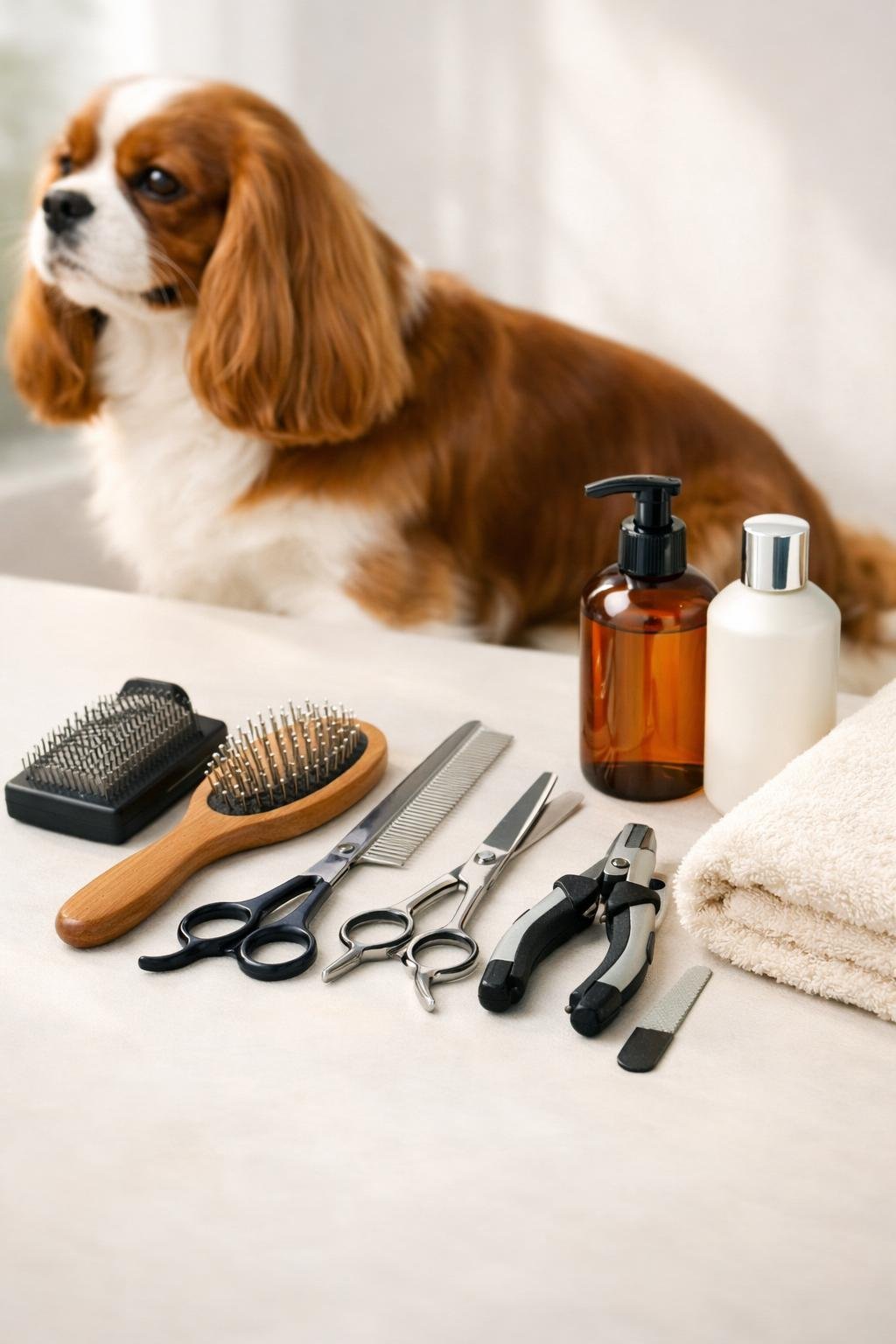
Quality grooming tools are the secret to a dog that truly stands out. The right supplies help you keep your dog’s coat, nails, and overall look in top shape at home.
Must-Have Grooming Tools for Every Owner
A slicker brush is my go-to for any grooming kit. It removes loose fur, tackles tangles, and spreads natural oils for a healthy shine.
For nail care, I use sharp clippers and always have styptic powder handy in case I cut too close. It’s a lifesaver for stopping bleeding fast.
Depending on your dog’s coat, you’ll need different brushes. Pin brushes work for longer fur, while rubber curry brushes are perfect for short-haired breeds. Thinning shears help blend and shape without harsh lines.
A grooming table with a non-slip surface is a game changer. It brings your dog to a comfortable height and keeps them secure, making grooming sessions smoother for both of you.
Selecting the Right Dog Supplies
When shopping for dog supplies, coat type is key. Double-coated breeds need undercoat rakes, while single-coated dogs do better with soft bristle brushes.
Quality over quantity is my motto. Three great tools beat ten cheap ones that break or mess up your dog’s coat. Make sure metal combs have rounded teeth and scissors are sharp for a clean cut.
I always check reviews from professional groomers before buying equipment. They know which brands are worth it and which aren’t. Size matters, too—small clippers are best for paws and faces.
Specialty Products for the Perfect Look
For that extra polished finish, I use sprays that add shine without making fur greasy. Coat whiteners keep light-colored dogs looking bright between baths.
I keep different blade lengths for my clippers since different body areas need different cuts. A #10 blade is great for sanitary areas, while a #4 gives a nice length on the body.
Detangling sprays save time and prevent breakage when working through mats. I spray problem areas before brushing to make things easier. Ear powder helps with ear cleaning, and tooth scaling tools keep that smile bright between dental visits.
Personalizing Your Dog’s Style
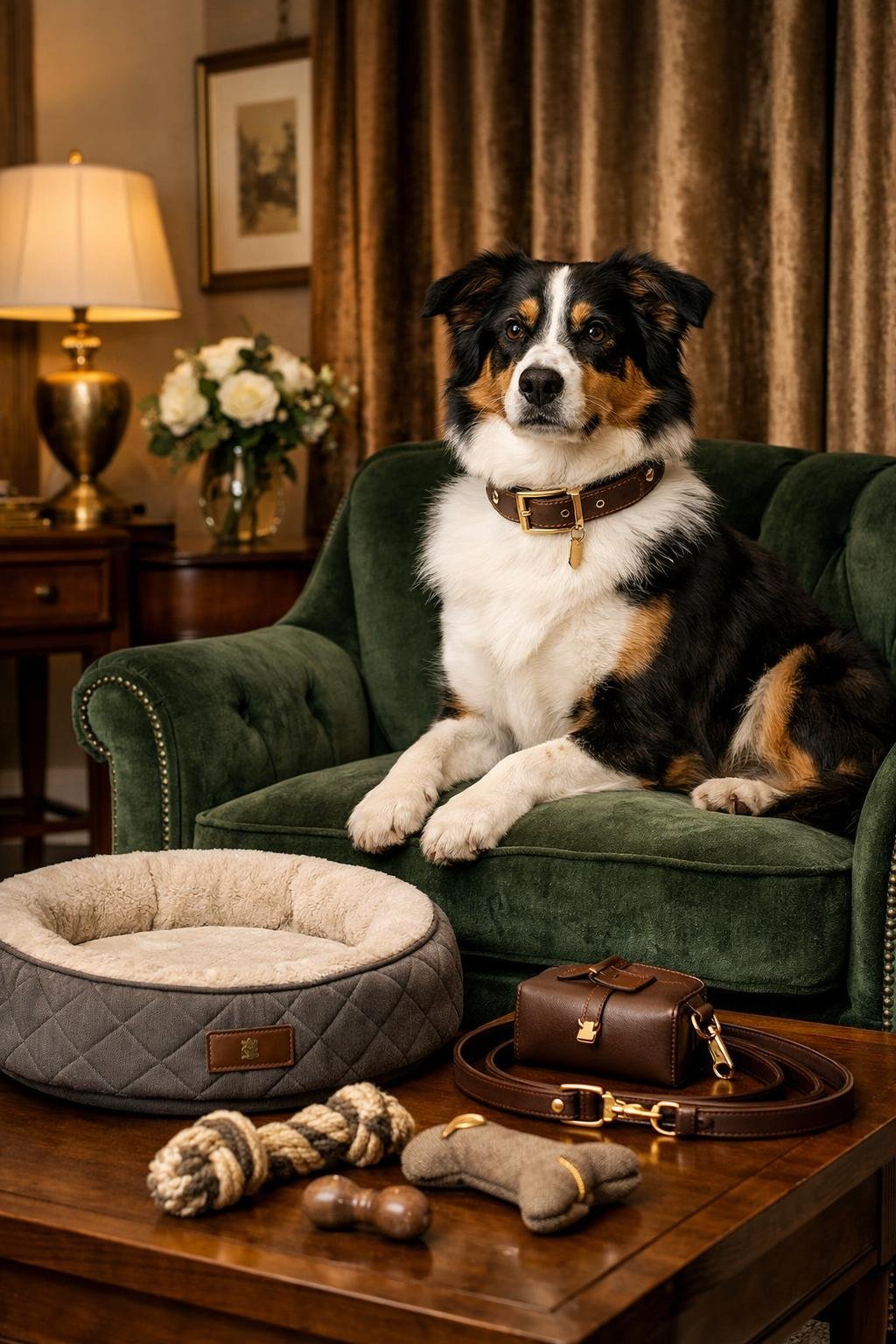
Making your dog’s look unique is all about picking grooming styles that fit their breed, coat, and personality. From creative coloring to classic cuts, personalizing your pup’s look lets their personality shine.
Creative and Aesthetic Grooming Techniques
I love trying out creative grooming techniques that turn regular sessions into something special. Creative grooming can include pet-safe temporary colors, intricate carvings, and even hair extensions for a one-of-a-kind look.
Popular options include:
- Temporary coloring with pastel ombre or rainbow patterns
- Airbrushing for detailed designs on your dog’s coat
- Carved patterns to add texture and visual interest
- Hair extensions for dogs with shorter coats
If you’re new to aesthetic grooming, start small. Try a colored streak or a simple carving before moving on to more complex designs.
Workshops are a great way to learn safety and techniques from experienced groomers. Always use products made for dogs—never use human hair dye, as it can irritate your dog’s skin and cause health issues.
Tailoring Grooming Styles to Breed and Coat Type
I always think about my dog’s breed and coat type before picking a grooming style. Different breeds have unique coat needs that pair well with specific cuts.
Popular breed-specific styles include:
| Breed Type | Recommended Style | Why It Works |
|---|---|---|
| Poodles | Lion cut or teddy bear cut | Manages thick, curly coat |
| Terriers | Hand-stripping or classic terrier trim | Maintains wire coat texture |
| Long-haired breeds | Layered cuts | Reduces matting and tangling |
| Double-coated breeds | Natural coat with regular brushing | Preserves insulation properties |
The lion cut is a favorite for dogs with thick coats. It leaves the face, neck, and tip of the tail fluffy, while the body is trimmed shorter for easier upkeep.
I always match the grooming style to the dog’s fur texture. Fine, silky coats need different care than thick, curly ones.
Expressing Personality and Lifestyle
I like choosing styling options that show off my dog’s personality and fit our daily life. An active dog who loves hiking needs a low-maintenance cut that won’t pick up burrs or dirt.
For energetic, sporty dogs:
- Short, practical cuts in breathable styles
- Minimal accessories for easy movement
- Bright colors that match their playful energy
For calm, elegant dogs:
- Longer, flowing coats with regular care
- Sophisticated accessories like bow ties or bandanas
- Classic grooming styles that highlight their grace
Personalized grooming is more than just a haircut. I love adding touches like bandanas with my dog’s name, seasonal accessories, or colors that complement their coat.
The goal is to create a look that feels true to your dog’s character while keeping them comfy and happy.
Luxury Lifestyle and Care Beyond Grooming
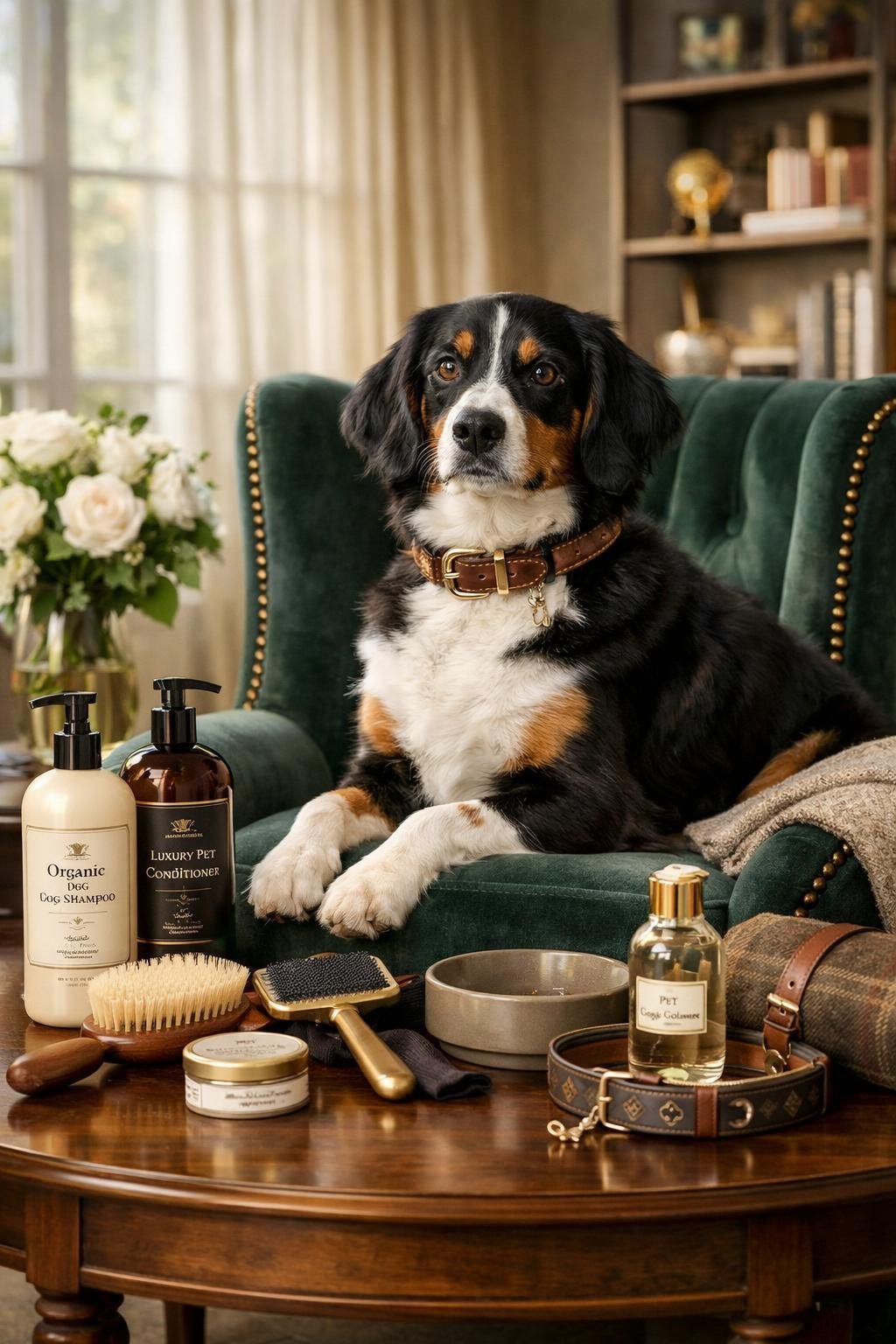
A rich dog aesthetic goes way beyond the grooming salon. It covers everything from designing special spaces at home to picking out premium accessories and focusing on wellness.
Curating Luxurious Dog Spaces at Home
Luxury dog rooms are a big trend right now. These spaces have custom furniture, elegant decor, and amenities that rival boutique hotels.
When I design a luxury space for my dog, comfort and style are top priorities. I invest in high-end bedding, temperature control, and calming lighting.
Key elements I include:
- Custom-built furniture sized for my dog
- Climate control for year-round comfort
- Decorative touches that match my home’s style
- Storage for toys and supplies
- Easy-to-clean luxury flooring
The space should be as well thought out as the rest of my home. I make sure it’s functional for my dog’s daily routine, not just pretty.
Stylish Accessories and Outings
Luxury dog brands are changing the pet fashion world with high-end products for style-conscious owners. Big names like Gucci and Louis Vuitton now have chic dog gear, along with independent luxury labels.
I pick accessories that blend quality materials with smart design. Think designer collars, premium leather leashes, and fashionable carriers for travel.
Each piece should be tough enough for daily use but still look luxurious. When planning outings, I coordinate my dog’s accessories with my own style or pick pieces that look great in photos.
The goal is a cohesive look that works at home and out in public.
Incorporating Wellness and Advanced Pet Care
Luxury pet wellness gets just as much attention as human health in upscale living. I focus on premium nutrition, preventive care, and overall well-being for my dog.
Luxury boarding facilities now offer gourmet meals, spa treatments, and relaxing environments. These services support both physical and mental health.
Premium wellness options I consider:
- Customized nutrition plans with fresh ingredients
- Regular spa treatments for relaxation
- Advanced veterinary care with specialists
- Fitness programs tailored to my dog’s breed and age
- Mental enrichment activities to keep them sharp
I believe in preventive care instead of waiting for problems. This keeps my dog healthier and saves money in the long run, all while giving them the quality of life they deserve.
Frequently Asked Questions
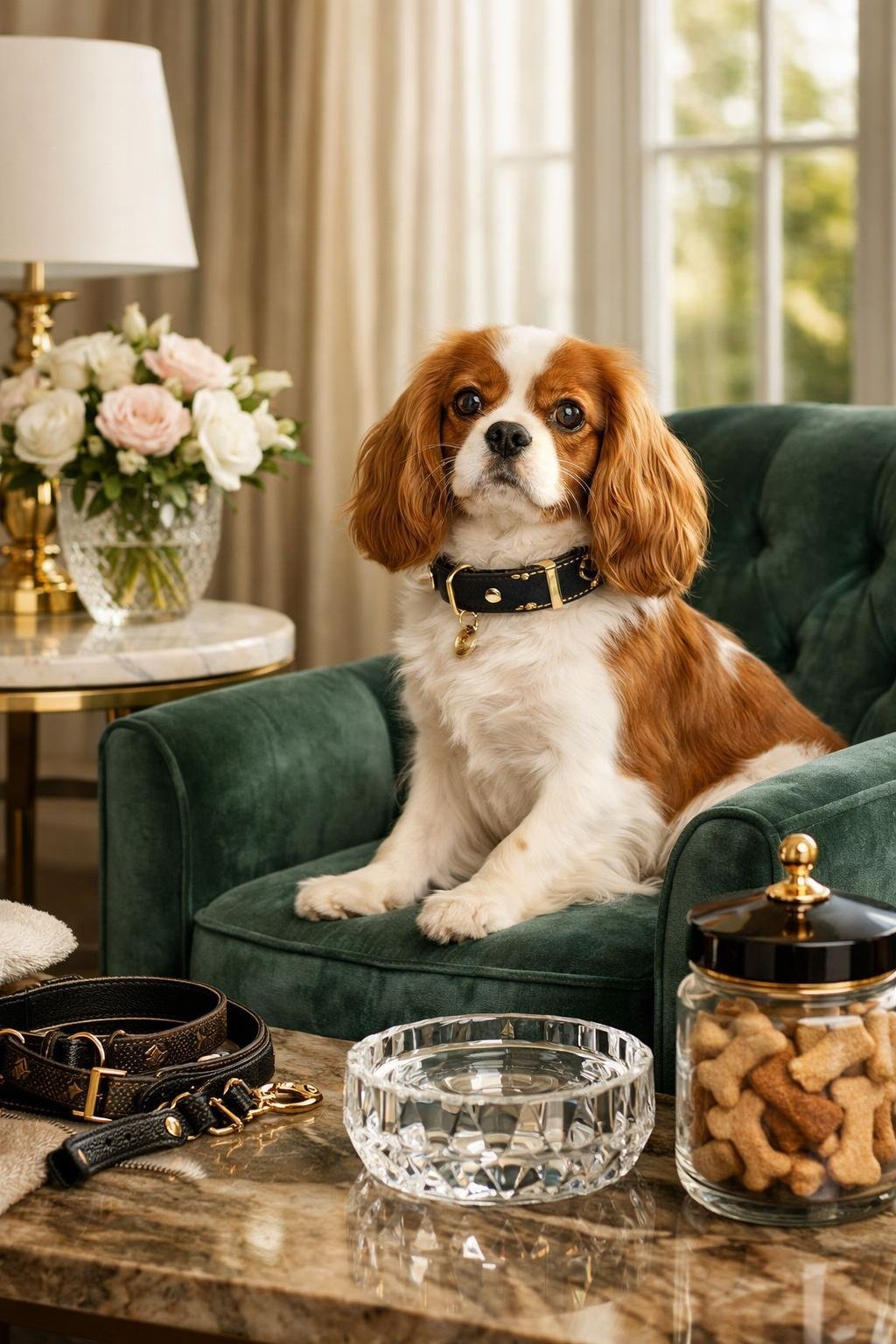
Dog owners often wonder how to give their pets a premium lifestyle while keeping them happy and healthy. Knowing your dog’s breed, grooming needs, and how to spend wisely can help you make great choices.
What does a “luxury dog lifestyle” typically include for a pet owner?
A luxury dog lifestyle means top-notch care in every area of your pet’s life. This covers high-quality food, regular professional grooming, and access to excellent veterinary care.
Luxury dog owners often buy designer accessories like custom collars, beds, and carriers. Many also treat their dogs to spa days, professional training, and pet-friendly travel.
Some even create special spaces at home for their dogs, such as custom sleeping areas, climate-controlled rooms, or unique play zones.
Which dog breeds are most commonly associated with a high-end, upscale look?
Poodles are classic luxury dogs thanks to their elegant look and grooming options. They come in standard, miniature, and toy sizes, so they’re great for different homes.
Chihuahuas are popular with luxury pet owners because they’re small and easy to carry. Other breeds with an upscale vibe include French Bulldogs, Cavalier King Charles Spaniels, and Yorkshire Terriers.
Maltese also make the list, with their white, flowing coats needing lots of grooming for that sophisticated style.
How can I create a stylish, premium look for my dog without sacrificing comfort or safety?
Start with well-fitted, high-quality clothes made from breathable fabrics. Avoid anything that restricts movement or could make your dog too hot.
Pick accessories that are functional first. A padded leather collar protects your dog’s neck and looks sharp. Safety features, like reflective strips, can still be stylish.
Focus on good grooming instead of piling on accessories. A healthy coat, trimmed nails, and clean teeth naturally make your dog look polished and feel comfortable.
What grooming routines and products help keep a dog looking polished and well cared for?
Daily brushing and combing keeps the coat healthy and prevents mats. Professional groomers warn that removing mats can damage the coat and make grooming tougher later.
I use high-quality shampoos made for my dog’s coat type. There are special formulas for texture or softness. Bathing too often can dry out your dog’s skin, so I follow my vet’s advice on timing.
Regular nail trims keep paws healthy and neat. Professional nail clippers make the job safer and less stressful. I also check and clean my dog’s ears to avoid infections that could affect their appearance.
Diet is a big part of coat quality. Groomers say the right food and exercise are key for that show-stopping coat. Fatty acid supplements can help if your dog’s coat looks dull despite good grooming.
What is the 7 7 7 rule for dogs, and how can it help with adjusting to a new home?
The 7 7 7 rule is about how dogs adjust to a new home. The first 7 days are a decompression period, when your dog might feel overwhelmed and unsure.
After 7 weeks, your dog starts to settle in and show their real personality. They’ll learn the household routine and bond with family members.
By 7 months, your dog should feel completely at home and secure. This timeline helps set realistic expectations and reminds me not to rush the adjustment process.
What factors can make a dog cost as much as $1,000,000?
Extremely rare breeding lines with championship pedigrees command the highest prices. Dogs from winning show bloodlines, especially those with multiple generations of champions, can reach extraordinary values.
Tibetan Mastiffs have sold for over a million dollars in luxury pet markets. These sales often involve dogs with exceptional lineage, specific rare colorings, and proven breeding potential.
The buyer isn’t just purchasing a pet but an investment in future breeding opportunities. Training level also affects price significantly.
Dogs trained for specialized work like protection, detection, or professional show competition require years of expert training. When combined with rare genetics and documented health clearances, these factors can push prices into six or seven figures.
