Dog Food: The Complete Guide to Choosing the Best Nutrition for Your Furry Friend

Dog Food – Picking the right food for your dog can feel overwhelming when you walk down the pet store aisle and see hundreds of bags, cans, and packages. I’ve been there myself, staring at labels and wondering what my dog really needs to stay healthy and happy. The good news is that understanding dog food doesn’t have to be complicated once you know the basics.
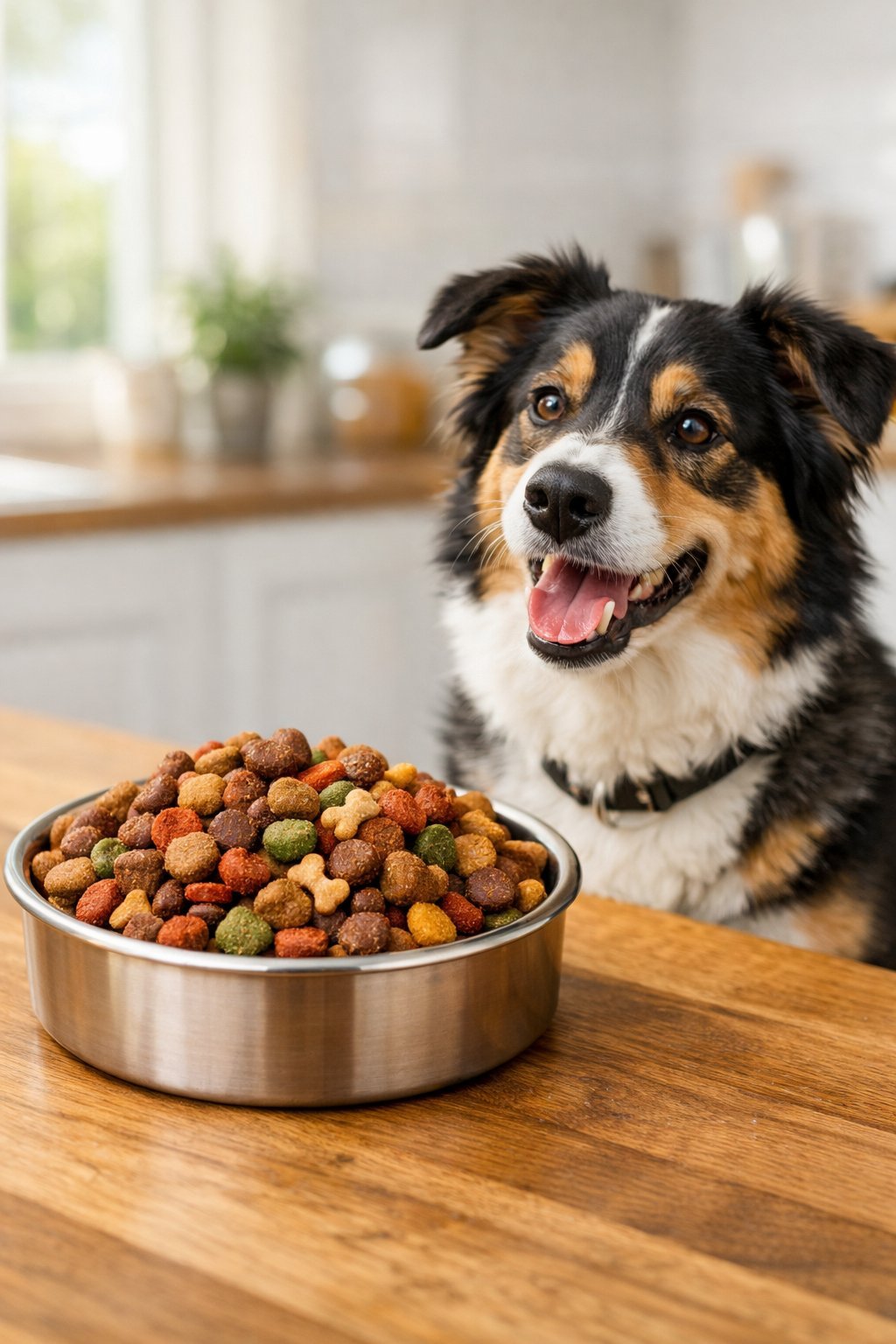
The best dog food for your pet depends on their age, size, activity level, and any health conditions they might have. Some dogs do great on dry kibble while others need wet food or fresh options. Veterinary experts recommend specific foods based on these individual needs, and I’ll help you figure out what works for your furry friend.
Whether you’re feeding a puppy, an adult dog, or a senior pet, getting nutrition right makes a real difference in their energy, coat quality, and overall health. I’ll walk you through the different types of food available, what nutrients matter most, and how to make smart choices that fit your budget and your dog’s needs.
Key Takeaways
- Different dogs need different foods based on their age, size, and health conditions
- Quality dog food should contain the right balance of protein, fats, carbohydrates, vitamins, and minerals
- Proper storage and feeding practices help keep your dog’s food fresh and safe to eat
Types of Dog Food
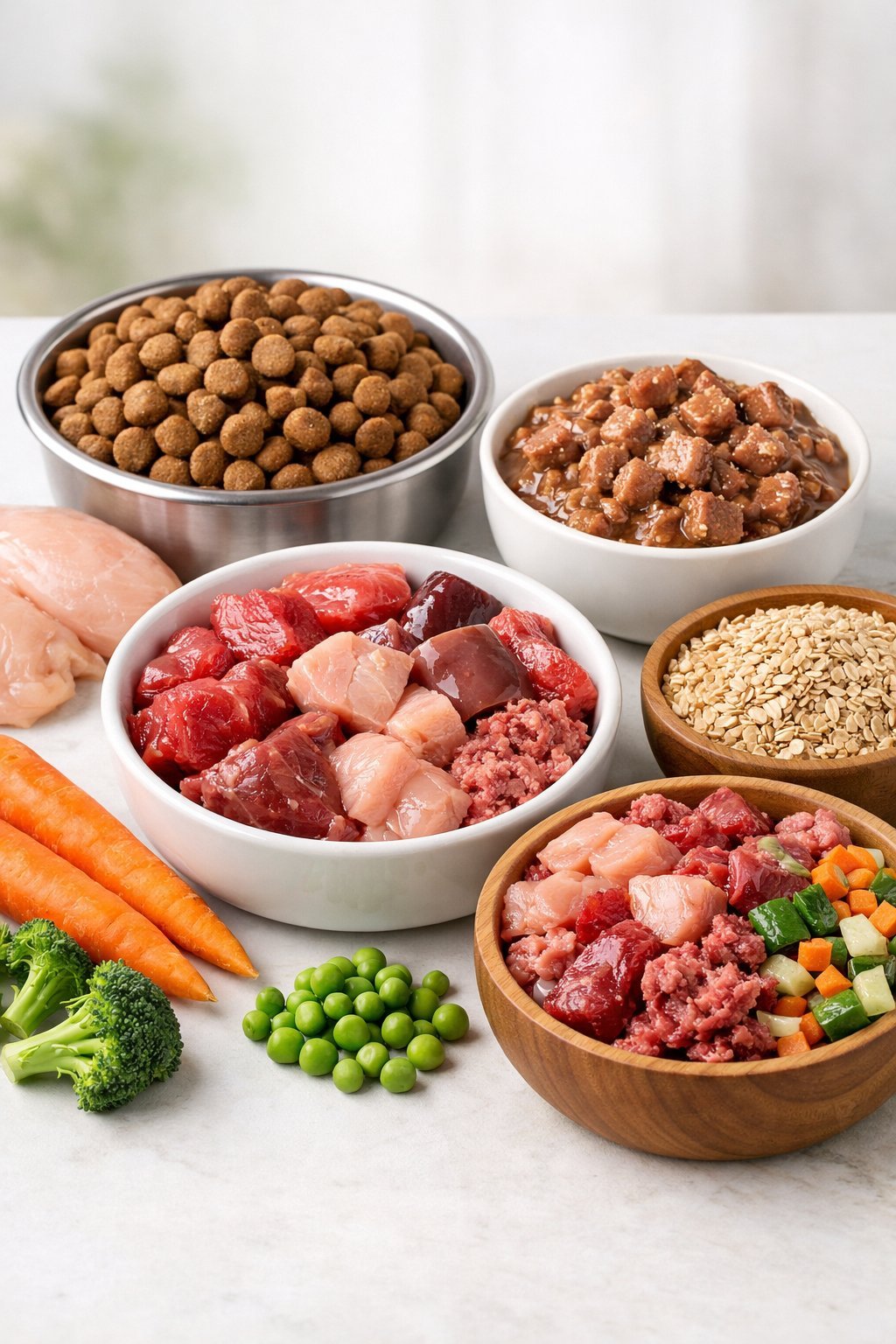
Dog food comes in several main forms, each with different preparation methods, storage needs, and nutritional profiles. The choice between dry kibble, canned wet food, raw diets, or homemade meals depends on your dog’s needs, your budget, and your lifestyle.
Dry Dog Food
Dry dog food, also called kibble, is the most popular option among dog owners. It comes in bags and contains about 10% moisture, which makes it shelf-stable for months.
I find that kibble offers several practical benefits. It’s affordable, easy to store, and doesn’t require refrigeration. You can leave it in your dog’s bowl for hours without worrying about spoilage.
Kibble also helps keep teeth cleaner through the chewing action. The crunchy texture can reduce plaque buildup, though it shouldn’t replace regular dental care.
When selecting dog food, I always check the ingredient list first. Look for named protein sources like chicken, beef, or fish as the first ingredient. Avoid foods where corn, wheat, or meat by-products top the list.
The main drawback is that dry food contains less moisture than other options. I make sure my dog always has fresh water available, especially if kibble is their primary diet.
Wet Dog Food
Wet dog food comes in cans, pouches, or trays and contains 75-85% moisture. It has a softer texture and stronger smell than kibble, which many dogs find more appealing.
I’ve noticed that picky eaters often prefer wet food over dry options. The high moisture content also helps dogs stay hydrated, which is important for kidney and urinary tract health.
Wet food works well for senior dogs or those with dental problems who struggle to chew hard kibble. It’s easier to digest and gentler on sensitive stomachs.
The downside is cost and convenience. Wet food costs more per serving than kibble and requires refrigeration after opening. You’ll need to use opened cans within 2-3 days.
I sometimes mix wet and dry food together. This gives my dog variety while keeping costs manageable. Just remember to adjust portion sizes to avoid overfeeding.
Raw Diet Options
Raw diets consist of uncooked meat, bones, organs, and sometimes vegetables. Some owners prepare these meals at home, while others buy commercially prepared raw food.
Supporters of raw diet options claim benefits like shinier coats, healthier skin, and more energy. Raw bones can provide natural dental cleaning and mental stimulation.
I know that raw feeding requires careful planning. You must balance proteins, fats, vitamins, and minerals correctly. Improper raw diets can lead to nutritional deficiencies or bacterial infections.
Safety is a major concern with raw food. Raw meat can contain harmful bacteria like Salmonella or E. coli that affect both dogs and humans. I always wash my hands thoroughly after handling raw food and clean all surfaces.
Raw diets require freezer space and careful food handling. They’re also more expensive and time-consuming than commercial options.
Homemade Dog Food
Homemade dog food involves cooking meals for your dog using whole ingredients like meat, grains, and vegetables. This gives you complete control over what goes into your dog’s bowl.
I appreciate that homemade food lets me avoid preservatives, fillers, and artificial ingredients. It’s ideal for dogs with specific allergies or food sensitivities that commercial foods can’t accommodate.
However, making balanced homemade meals requires knowledge and effort. Dogs need specific ratios of protein, carbohydrates, fats, vitamins, and minerals. I strongly recommend working with a veterinary nutritionist to develop proper recipes.
Homemade diets take significant time to prepare and can cost more than commercial food. You’ll need to shop regularly for fresh ingredients and spend time cooking and portioning meals.
If I choose to make homemade food, I supplement it with veterinarian-approved vitamins and minerals. This ensures my dog gets nutrients that might be missing from home-cooked meals, like calcium and certain vitamins.
Choosing the Right Dog Food
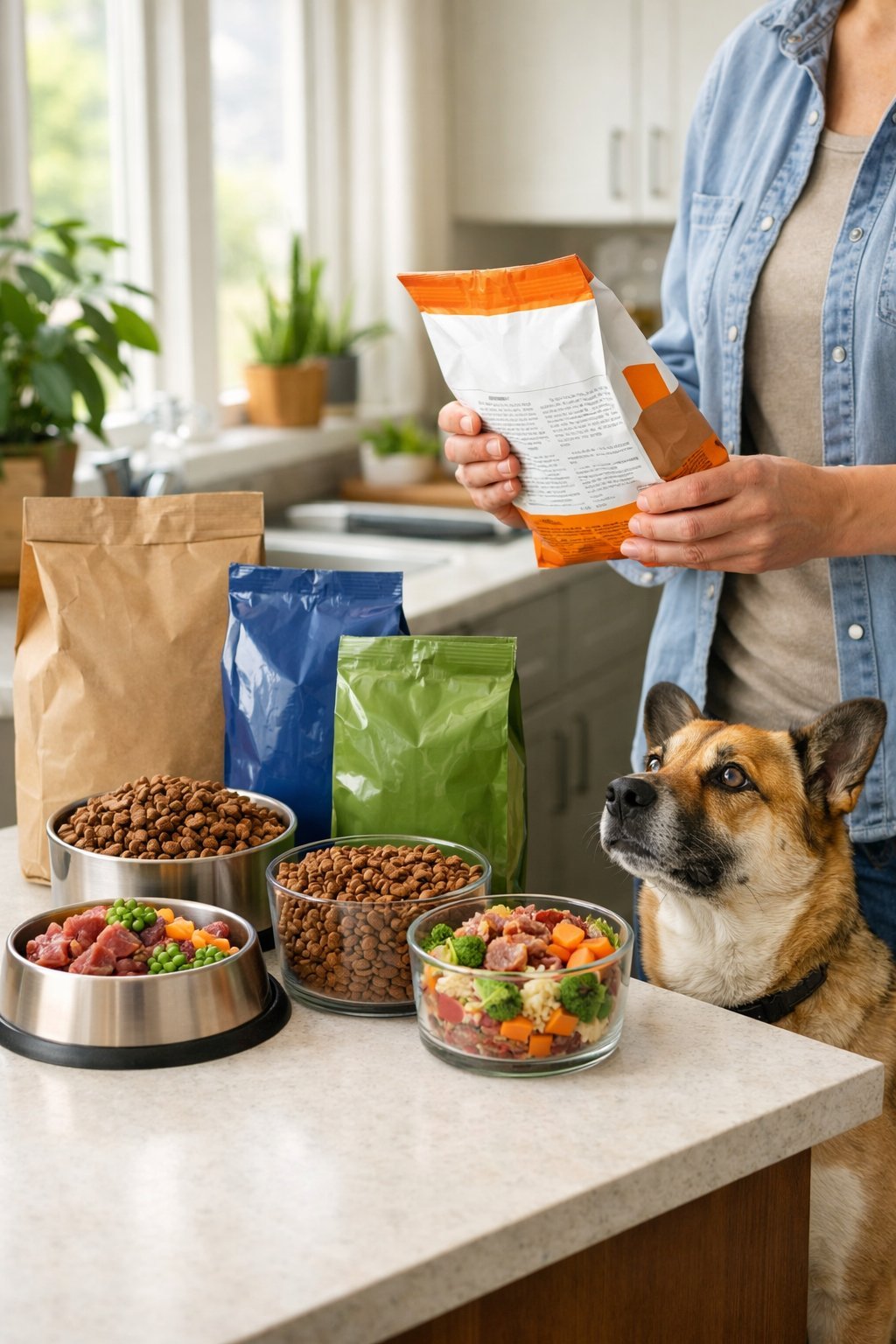
I know that picking the right food for your dog means looking at ingredients carefully, matching nutrition to your dog’s breed, and choosing formulas made for their age.
Understanding Ingredient Labels
When I read dog food labels, I look at the first five ingredients since these make up most of the food. Good dog food contains meat, vegetables, grains, and fruits in high-quality forms.
I always check for a named protein source like “chicken” or “beef” rather than vague terms like “meat meal.” The ingredient list shows items in order by weight, so I want to see protein near the top.
I also look for the AAFCO statement on the label. This tells me if the food meets basic nutrition standards for dogs. Foods marked “complete and balanced” have gone through feeding trials or meet nutrient profiles.
I avoid foods with too many fillers, artificial colors, or preservatives I can’t pronounce. Whole food ingredients like sweet potatoes, carrots, and brown rice are easier for dogs to digest than processed additives.
Breed-Specific Nutrition
I’ve learned that different breeds need different nutrition based on their size and build. Large breed dogs like German Shepherds need controlled calcium levels to support healthy bone growth and prevent joint problems.
Small breeds have faster metabolisms and need more calories per pound of body weight. They also benefit from smaller kibble sizes that fit their tiny mouths.
Working breeds or very active dogs need higher protein and fat content to fuel their energy needs. Breeds prone to skin issues may do better with foods containing omega-3 fatty acids from fish oil.
I consider my dog’s specific health concerns too. Some breeds are more likely to have food sensitivities or allergies that require special formulas.
Puppy vs. Adult Dog Needs
Puppies need more calories, protein, and fat than adult dogs because they’re growing quickly. I feed puppy-specific formulas until my dog reaches about 80% of their expected adult size.
Puppy food supports proper development with higher levels of DHA for brain development and calcium for strong bones. Large breed puppies need special formulas with controlled calcium to prevent growing too fast.
Adult dogs need maintenance diets that keep them at a healthy weight without excess calories. I switch to adult food around 12 months for small breeds and 18-24 months for large breeds.
Senior dogs often need fewer calories but more joint support ingredients like glucosamine. I also look for foods easier to chew if my older dog has dental issues.
Key Nutrients for Dogs
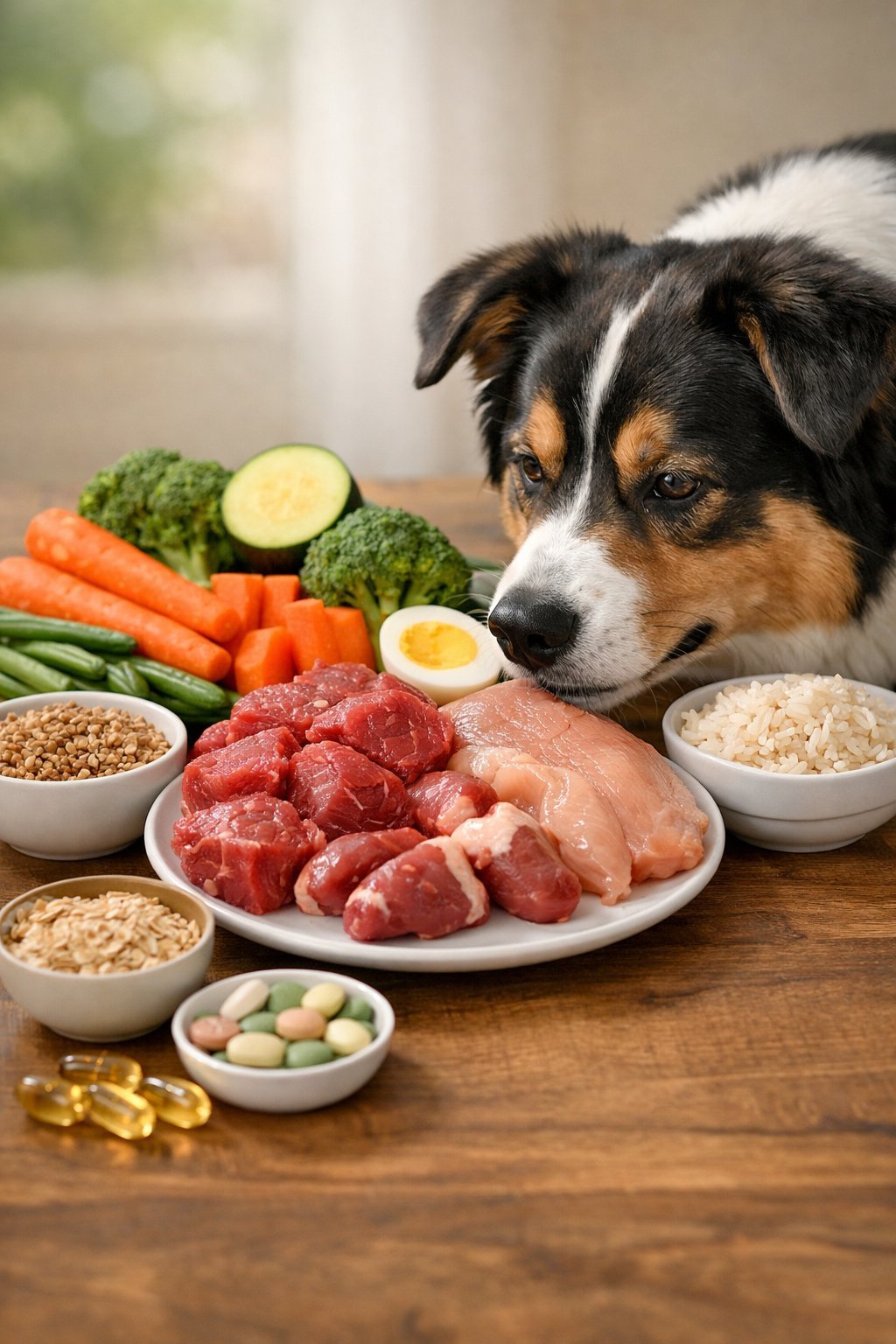
Dogs need six main nutrient groups to stay healthy: protein, fats, carbohydrates, vitamins, minerals, and water. Each nutrient plays a specific role in keeping your dog’s body working properly.
Protein Sources
Protein is the most important nutrient in my dog’s diet. It provides amino acids that build and maintain tissues throughout the body.
Dogs need protein for strong muscles, healthy skin, and a shiny coat. Their bodies also use protein to make enzymes and hormones that control important functions.
The best protein sources for dogs include:
- Chicken – Easy to digest and widely available
- Beef – Rich in iron and B vitamins
- Fish – Contains omega-3 fatty acids
- Lamb – Good for dogs with food sensitivities
- Eggs – Highly digestible complete protein
I look for dog foods that list a whole meat source as the first ingredient. Quality matters more than quantity when it comes to protein.
Essential Fats
Fats give my dog energy and help absorb certain vitamins. They’re necessary for healthy skin and a glossy coat.
Dogs require 40 essential nutrients from different nutrient groups. Fats provide concentrated calories that active dogs especially need.
The two most important fatty acids are omega-3 and omega-6. Omega-3 fats reduce inflammation and support brain function. Omega-6 fats promote skin health and proper growth.
Good fat sources include fish oil, flaxseed, and chicken fat. I make sure my dog’s food contains balanced amounts of both omega fatty acids.
Vitamins and Minerals
Vitamins and minerals work together to support my dog’s immune system, bones, and overall health. A balanced dog diet includes these nutrients along with protein, fats, and carbohydrates.
Key vitamins my dog needs include vitamin A for vision, B vitamins for energy, vitamin D for bone health, and vitamin E as an antioxidant.
Important minerals include calcium and phosphorus for strong bones and teeth, iron for healthy blood, and zinc for wound healing. Dogs also need smaller amounts of copper, manganese, and selenium.
Most complete dog foods contain the right vitamin and mineral balance. I avoid adding supplements unless my vet recommends them because too much can be harmful.
Special Dietary Needs
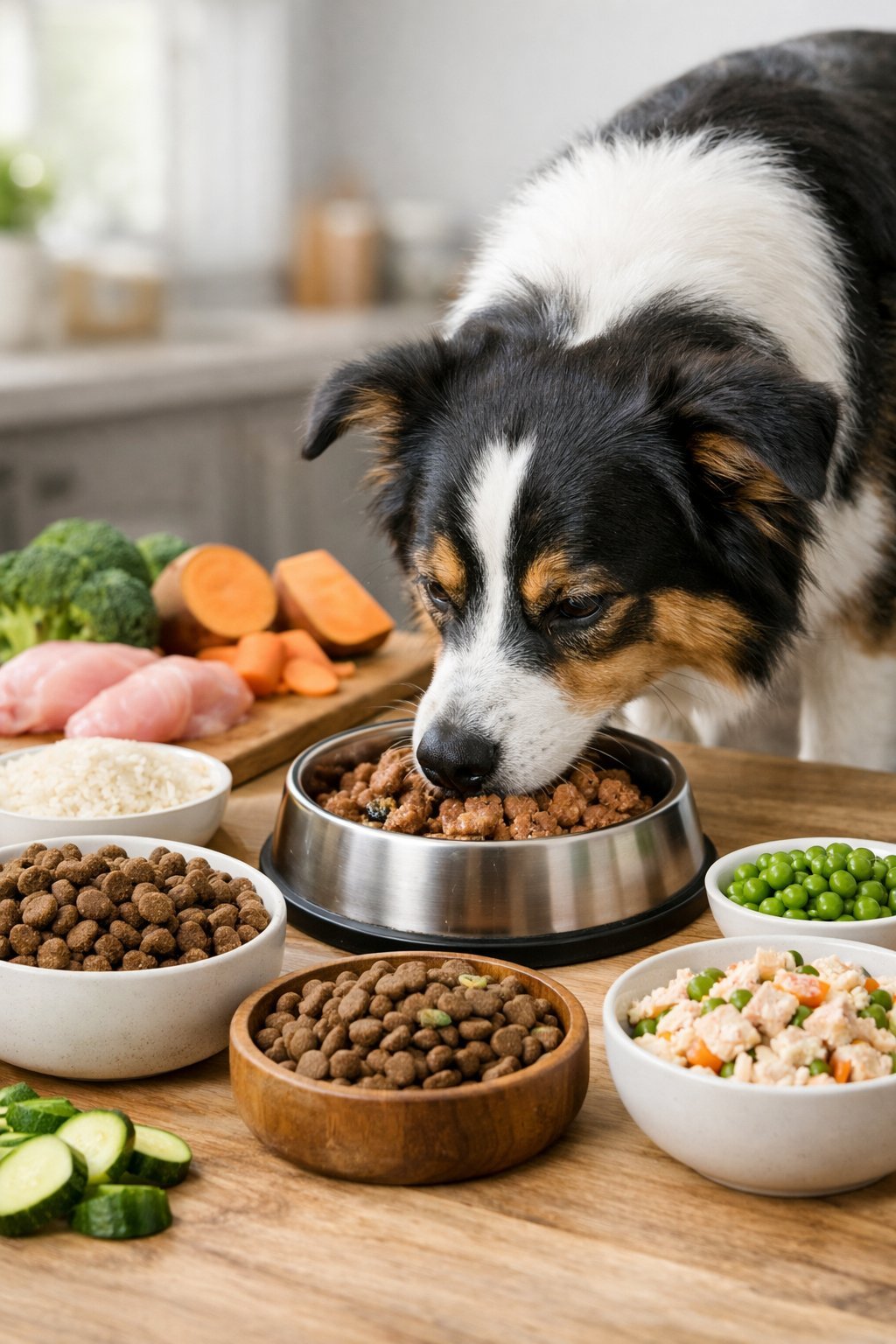
Dogs face unique health challenges that require specific nutritional adjustments, from managing food sensitivities to supporting aging bodies and maintaining healthy weight levels.
Food Allergies and Sensitivities
I’ve learned that food allergies in dogs show up differently than you might expect. Common signs include itchy skin, ear infections, digestive upset, and excessive licking of paws.
The most common allergens are beef, dairy, wheat, chicken, and soy. When I suspect a food allergy, I work with my vet to try an elimination diet that removes potential problem ingredients one at a time.
Limited ingredient diets help identify triggers by using fewer components. These foods typically feature a single protein source and one carbohydrate source. Novel proteins like venison, duck, or fish work well for dogs who react to common meats.
I always introduce new foods gradually over 7-10 days to avoid stomach problems. Many commercial dog foods are designed for specific health conditions, including grain-free and hypoallergenic options that make managing allergies easier.
Weight Management Formulas
Overweight dogs need fewer calories without sacrificing essential nutrients. Weight management formulas contain more fiber to help my dog feel full while reducing fat content.
These foods typically have 10-20% fewer calories than standard formulas. I look for options with L-carnitine, which helps the body burn fat more efficiently. Protein levels stay high to maintain muscle mass during weight loss.
Portion control matters just as much as the food itself. I measure every meal with a standard cup instead of eyeballing amounts. Treats should make up less than 10% of daily calories.
Regular weigh-ins help me track progress and adjust portions as needed. Weight loss should happen slowly at about 1-2% of body weight per week.
Senior Dog Nutrition
Older dogs have different nutritional requirements than younger animals. I’ve noticed my senior dog needs fewer calories because he’s less active, but he still requires high-quality protein to maintain muscle.
Senior or overweight dogs benefit from balanced diets formulated for their specific life stage. Joint-supporting ingredients like glucosamine and chondroitin help with mobility issues that come with age.
Antioxidants such as vitamins E and C support brain function and immune health. Omega-3 fatty acids reduce inflammation and keep skin and coat healthy. I also look for foods with added fiber to help with digestive regularity.
Senior formulas often have softer kibble that’s easier to chew for dogs with dental problems. Some older dogs need wet food or kibble soaked in water if they have trouble eating hard pieces.
Safe Storage and Feeding Tips
Keeping dog food fresh requires specific storage techniques, while maintaining a consistent meal schedule helps support your dog’s digestive health and behavior.
Proper Storage Methods
I always keep dry dog food in its original bag because manufacturers design these bags to protect against air and moisture. The bag contains important information like expiration dates and batch numbers that I might need later.
I place the entire bag inside an airtight container made of food-grade plastic or metal. This prevents spoilage and keeps pests away while maintaining freshness.
I store my dog’s food in a cool, dry place away from direct sunlight. Heat and humidity can break down the nutrients and cause the food to go bad faster. My storage area stays below 80 degrees Fahrenheit.
For wet food, I refrigerate any unused portions immediately after opening. I transfer the food to a sealed container and use it within 3 to 5 days. I never leave wet food out for more than 2 hours at room temperature.
I check expiration dates regularly and follow the “best by” recommendations on packaging. I also wash food containers monthly with hot, soapy water to prevent bacteria buildup.
Establishing a Feeding Schedule
I feed my adult dog at the same times each day, typically twice daily with meals spaced 8 to 12 hours apart. This routine helps regulate digestion and bathroom habits.
Puppies need more frequent meals. I feed puppies under 6 months old three to four times daily to support their growth and maintain stable blood sugar levels.
I measure portions according to the feeding guidelines on my dog’s food package, adjusting based on my dog’s activity level and body condition. I avoid free-feeding, which can lead to overeating and weight gain.
I remove uneaten food after 15 to 20 minutes. This prevents food from spoiling and teaches my dog to eat at designated times. I provide fresh water at all times, changing it at least twice daily.