The Ultimate Small Dog Aesthetic Guide That Every Dog Parent Should Read: Style, Care & Inspiration

Small Dog Aesthetic – Small dogs are more than just pets—they’re style icons now. From perfectly groomed Poodles to Shih Tzus with bow-tied topknots, these little companions have won our hearts and taken over our Instagram feeds.
Creating a signature aesthetic for your small dog means picking the right grooming styles, accessories, and lifestyle touches that reflect both your pup’s personality and your own taste.
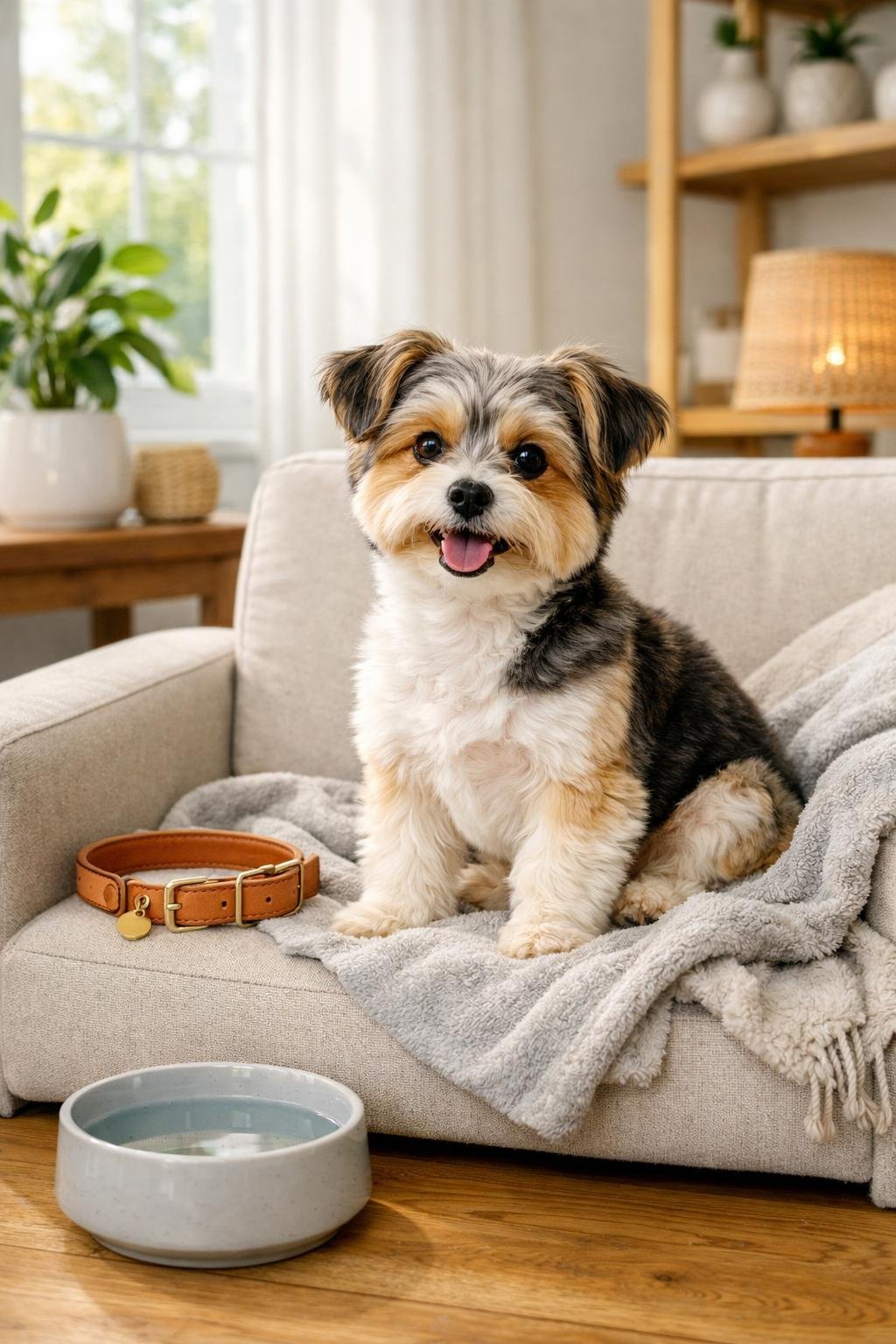
I’ve spent years noticing how dogs aesthetic centers on capturing visual charm through photography, styling, and creative presentation. Whether you love a coquette look with ribbons and bows or prefer a minimalist vibe with clean lines and neutral tones, your small dog can totally rock any style you imagine.
The trick is knowing which breeds naturally fit certain aesthetics and how to keep their look fresh with proper care.
In this guide, I’ll show you everything from choosing popular small dog haircuts to picking accessories that finish off your pup’s signature style. You’ll get tips on balancing beauty with comfort so your furry friend looks cute and stays happy.
Key Takeaways
- Small dog aesthetics mix grooming, accessories, and lifestyle choices that show off your dog’s personality and your own style.
- Regular grooming every 6-8 weeks and good maintenance keep your small dog looking stylish and healthy.
- Creating your dog’s aesthetic means matching their natural features with the right haircuts, accessories, and daily care.
Understanding the Small Dog Aesthetic
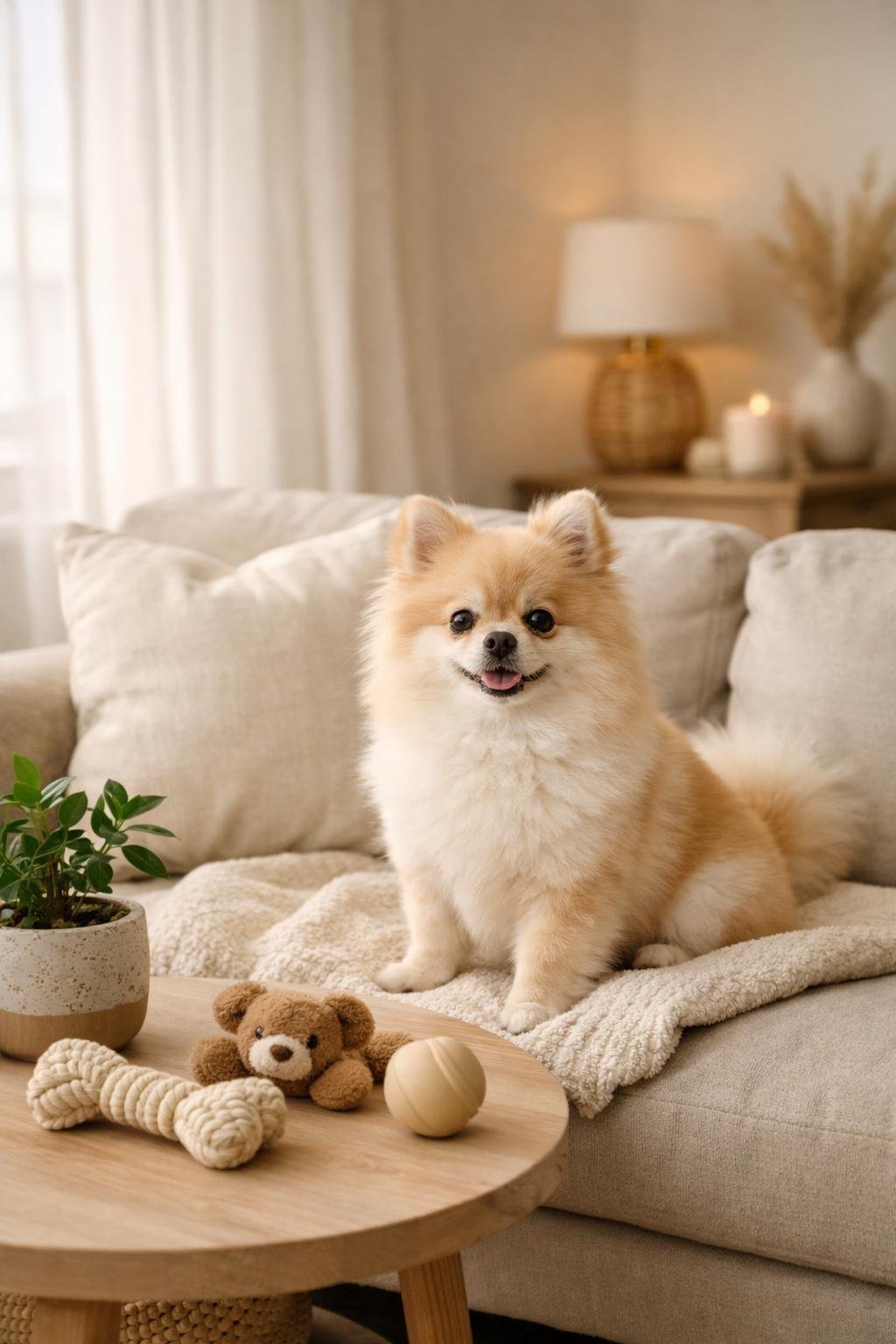
Small dog aesthetic is all about visual charm, personality, and styling choices that make tiny breeds stand out. It’s about showing off their cuteness and unique features with great photos, fun fashion, and lifestyle choices.
What Is the Small Dog Aesthetic?
The small dog aesthetic centers on capturing visual charm through creative presentation and styling. It’s about showing off the adorable qualities of tiny dogs in ways that feel real and look great.
I like to think of it as celebrating small breeds in every way. This covers how I take photos of my dog, what accessories they wear, and how I share their personality online.
The dog person aesthetic blends color palettes, themes, and visual elements that work together. For example, a fluffy white Pomeranian looks amazing with pastel backgrounds, while a sleek Chihuahua fits right in with modern minimalist decor.
Core components include:
- Photography style and composition
- Color coordination with your dog’s coat
- Accessories and fashion choices
- The emotional connection you share
Elements That Define Small Dog Appeal
Small breeds have unique features that make them super photogenic. Their compact size, expressive faces, and different coat textures give you lots of styling options.
Tiny dogs often have big, soulful eyes that really pop in photos. Their proportions make them look forever young, which is just adorable.
Many small breeds also have special features like the Pomeranian’s fluffy coat or the French Bulldog’s bat ears.
The dog person aesthetic ideas often highlight these traits:
| Feature | Aesthetic Impact |
|---|---|
| Size | Portable, fits in cozy settings |
| Coat texture | Creates visual interest in photos |
| Facial expressions | Conveys personality and emotion |
| Color variations | Offers styling flexibility |
Lap dogs are perfect for lifestyle photography since they fit right into everyday spaces. I love including my small dog in coffee shop visits, cozy nooks, or even travel snaps.
Why Small Dog Style Resonates with Pet Parents
The appeal of tiny dog aesthetic is all about mixing companionship with creative expression. Small dogs work well in modern lifestyles, especially for apartment living and frequent travelers.
Styling small dogs feels easier than with bigger breeds. Their size makes grooming, outfit changes, and photoshoots a breeze.
The emotional bond is strong, too. Small breeds often form deep attachments with their owners, making every moment together extra special.
Social media has made this trend huge. Platforms like Instagram love consistent visual themes, and small dogs are perfect for curated feeds. Their portability means you can snap pics in all kinds of places, keeping your content fun and fresh.
Exploring Popular Small Dog Breeds with Iconic Style
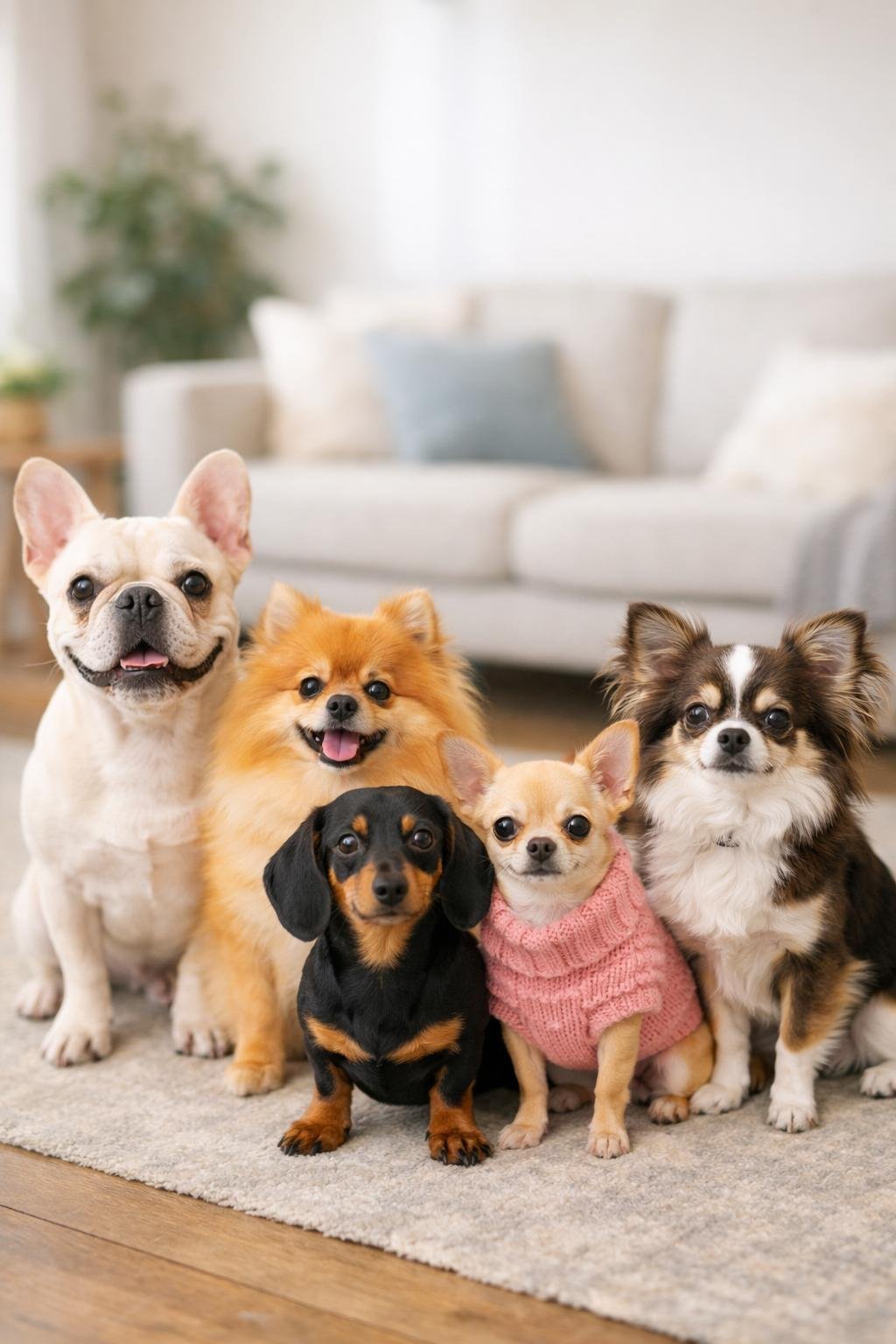
Each small breed brings its own vibe, from the Pomeranian’s fluffy coat to the sleek Italian Greyhound. Knowing these breed-specific aesthetics helps you show off your dog’s natural style and find looks that fit their personality.
Breed Personalities That Shine Through
A dog’s personality often matches their look. The French Bulldog’s muscular build and bat ears show off their confident, playful side.
According to the latest American Kennel Club data, French Bulldogs are the most popular small dog, thanks to their unique look and silly, affectionate personality.
Yorkshire Terriers act regal and have silky, floor-length coats. Chihuahuas pack big personalities into tiny bodies, and their alert expressions match their bold spirit.
Cavalier King Charles Spaniels have gentle, sweet personalities that show in their soft eyes and long ears. Boston Terriers look dapper with their tuxedo markings, fitting their friendly, gentleman-like vibe.
Pomeranians act like little lions, with fluffy manes to match their confident attitudes.
Best Small Dog Breeds with Distinct Aesthetics
Some breeds are just unmistakable. The Pomeranian has a fluffy, fox-like coat in colors from orange to cream.
The Chinese Crested comes in hairless and powderpuff types, making them super unique.
Shih Tzus have long, flowing coats that you can style in tons of ways. Their round faces and short noses give them a cute, doll-like look.
Miniature Schnauzers have beards and eyebrows that make them look wise and distinguished.
The Maltese has a pure white, silky coat that drapes beautifully. Bichon Frises sport curly white coats that look like little powder puffs.
Papillons have butterfly-like ears with long, fringed hair.
Italian Greyhounds are all about sleek, athletic elegance with their slim builds and short coats. Brussels Griffons have expressive, almost human-like faces with either wiry or smooth coats.
Pembroke Welsh Corgis are known for their short legs, fox-like faces, and fluffy coats.
Tiny Dogs with Big Visual Impact
Small dogs can make a big statement. The Toy Poodle stands out with its curly, non-shedding coat that can be styled in creative ways.
Their intelligence shines in their bright, expressive eyes.
Havanese dogs have soft, wavy coats in lots of colors and happy, bouncy personalities.
Pekingese look regal with their lion-like manes and flat faces.
The Japanese Chin has a unique black and white coat, a pushed-in face, and big, expressive eyes.
Jack Russell Terriers may be small, but their athletic build and intense expressions show off their high energy.
Cocker Spaniels (in their smaller variations) have long, silky ears and soulful eyes. The Dachshund’s unique long body makes them instantly recognizable and super popular.
Selecting a Breed to Match Your Ideal Vibe
Think about your own style before picking a breed. If you love glam looks, breeds like Yorkshire Terriers, Maltese, or Shih Tzus have gorgeous coats you can style with bows and accessories.
For a sporty vibe, check out Boston Terriers, Jack Russell Terriers, or Italian Greyhounds. Their sleek builds and active personalities are a great match for an on-the-go lifestyle.
If you’re into classic, sophisticated looks, Cavalier King Charles Spaniels or Toy Poodles are perfect.
Want something totally unique? Chinese Cresteds, Pembroke Welsh Corgis, or Brussels Griffons have eye-catching looks that always get attention.
Minimalists might prefer low-maintenance breeds like Chihuahuas or Miniature Schnauzers.
Your home size matters, too. Apartment dwellers often pick breeds that handle small spaces well but still look great.
Keep in mind grooming needs—some breeds need daily brushing and regular trips to the groomer to keep their signature style.
Creating the Perfect Small Dog Aesthetic at Home
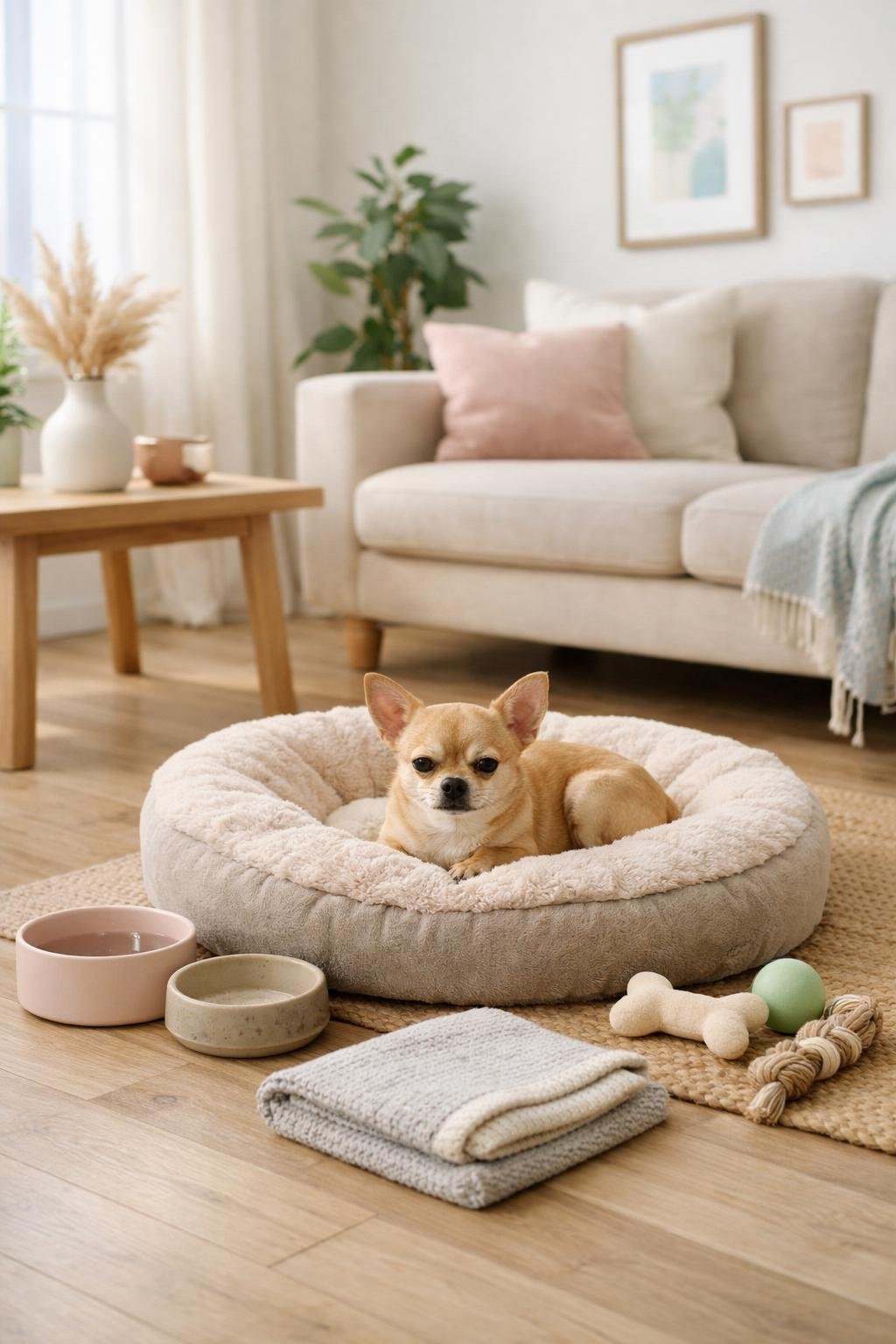
Your home should show off the happiness your small dog brings. Here’s how to mix style and function with furniture, accessories, and decor that celebrate your pup.
Styling Your Living Space with Small Dog Charm
Start with furniture that works for both you and your dog. Dog crate side tables are awesome because they look like regular tables but give your pup a cozy spot underneath.
Corner spaces are perfect for small dog setups. I like to put a soft cushion in an empty corner and hang wall hooks nearby for leashes and collars.
Built-in crate cabinets blend right in with your furniture. Repurpose an old dresser or sideboard to make a safe, stylish spot for your dog.
Under-stair areas are another smart solution. You can turn that space into a custom crate nook with shelves for toys and treats.
Aesthetic Dog Accessories and Essentials
The right accessories make your small dog look adorable and keep things practical. I like to pick items that match my home’s color palette and my dog’s vibe.
Must-Have Aesthetic Accessories:
- Matching collar and leash sets in neutral tones or pastels
- Stylish food and water bowls in ceramic or stainless steel
- Canvas toy baskets that fit your decor
- Soft blankets in coordinating colors
- Fashion-forward harnesses for walks
Dog person aesthetic ideas often include photo displays of you and your pup. I hang framed photos near my dog’s favorite spots for a personal touch.
Choose accessories based on your dog’s needs. A Pomeranian might need a cute sweater collection, while other lap dogs may love step stools covered in matching fabric.
Cozy Decor Ideas for Small Dog Lovers
I create cozy spaces by adding personal touches that celebrate my love for dogs. A gallery wall with paw print art and candid photos of my pup makes the space feel warm.
Throw pillows with dog-themed patterns work well on couches where your small dog lounges. I pick designs that aren’t too busy or childish so they fit my overall home style.
Plants placed on higher shelves add life to dog spaces without posing risks. I avoid toxic varieties and keep them out of reach.
Stylish crate covers transform basic wire crates into decor pieces. I use washable fabric that matches my room’s palette and add side pockets for storing small items.
Storage benches near the door hold dog supplies while providing a spot to sit. I keep grooming tools, extra collars, and waste bags inside so everything stays organized and hidden.
Grooming and Presentation for Maximum Cuteness
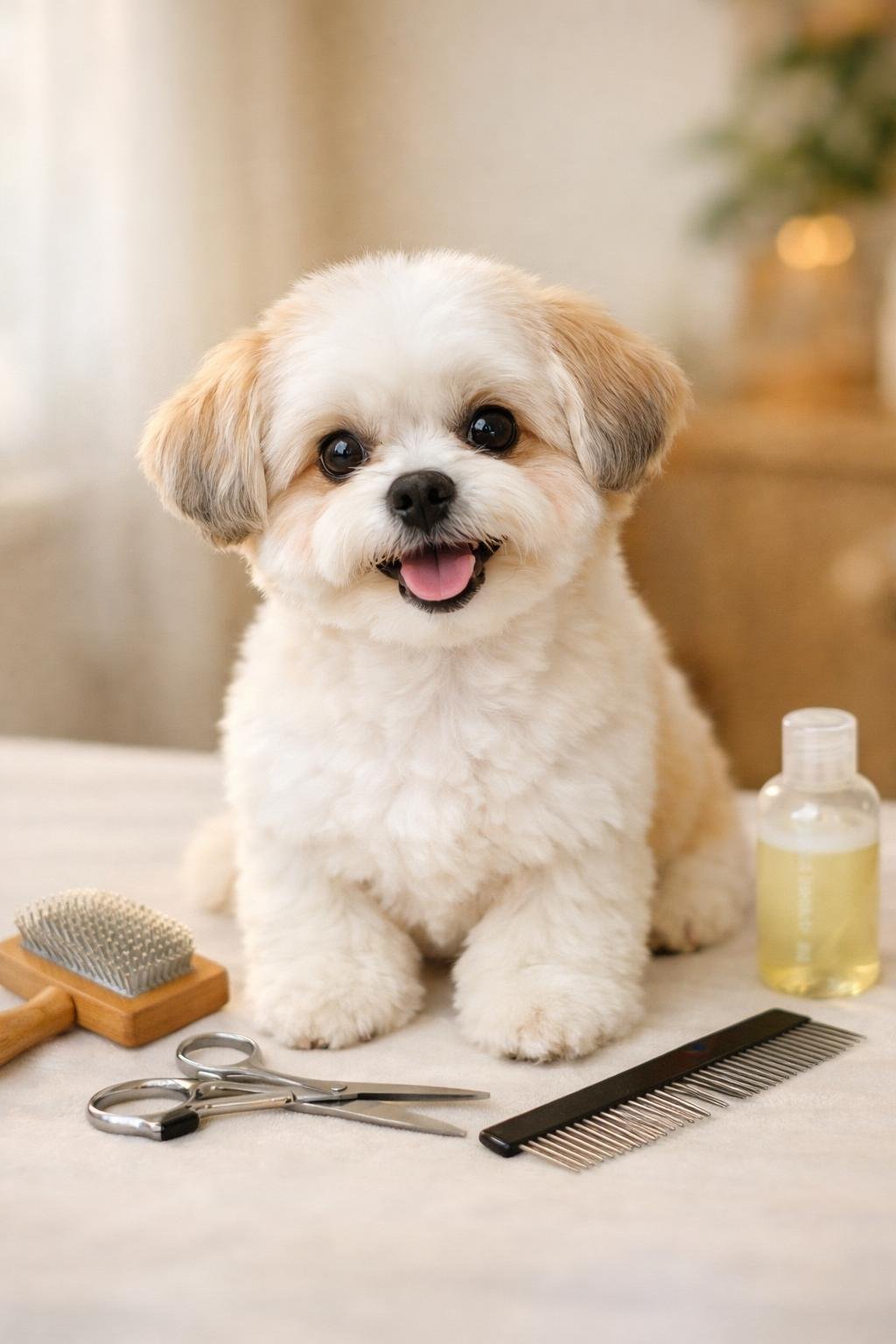
Small dog grooming transforms your pet’s appearance through strategic cuts, styling techniques, and regular maintenance. The right tools and trending styles help you create looks that suit your dog’s personality while keeping them comfortable and healthy.
Popular Grooming Trends for Small Dogs
The teddy bear cut is a favorite for breeds like toy poodles, Bichon Frises, and Shih Tzus. This cut keeps the face rounded and fluffy while trimming the body to an even length.
The puppy cut works well for dogs with longer coats. I recommend this style for Maltese and Pomeranian owners who want a low-maintenance look.
Asian fusion grooming has become popular for Toy Poodles and Miniature Schnauzers. This style features clean lines, creative shaping, and sometimes adds color-safe dyes for artistic patterns.
Top knots and bows add finishing touches to breeds with long hair on the head. Shih Tzus and Maltese look especially charming with their face hair gathered into small ponytails secured with decorative accessories.
Essential Grooming Tools and Techniques
I rely on a few key tools to groom my small dog at home. A slicker brush removes tangles and loose fur from long silky coats and double coats.
A metal comb helps me work through tough knots near the skin without pulling. For trimming, I use blunt-tip scissors around sensitive areas like the face and paws.
Clippers with guard attachments let me safely trim the body without cutting too close to the skin. I always brush my dog completely before bathing to prevent mats from tightening when wet.
Nail clippers or a grinder keep paws healthy and prevent painful splits. I trim small amounts at a time, watching for the pale dot in the center that signals I’m near the quick.
Styptic powder stops bleeding if I accidentally cut too short. I bathe my dog in warm water using a non-slip mat for safety.
After shampooing, I rinse thoroughly because leftover product causes itching. A low-heat dryer speeds drying time while I brush the coat smooth.
Creative Ways to Style Your Small Dog
Bandanas instantly upgrade any look. I rotate through different colors and patterns that match seasons or holidays.
They slip over the collar and frame your dog’s face without requiring any grooming skill. Bows and clips work perfectly for dogs with longer facial hair.
I secure top knots with small elastic bands, then add decorative bows that complement my dog’s coloring. This keeps hair out of their eyes while adding personality.
Seasonal trims let me experiment with creative shapes. During summer, I ask my groomer for shorter cuts that keep my Pomeranian cool.
In winter, I let the coat grow longer for warmth while maintaining a neat appearance around the paws and sanitary areas. Accessorizing with collars, harnesses, and ID tags in coordinating colors ties the whole look together.
I choose styles that match my dog’s grooming aesthetic, whether that’s classic and elegant or fun and playful.
Lifestyle Tips: Living the Small Dog Aesthetic Every Day
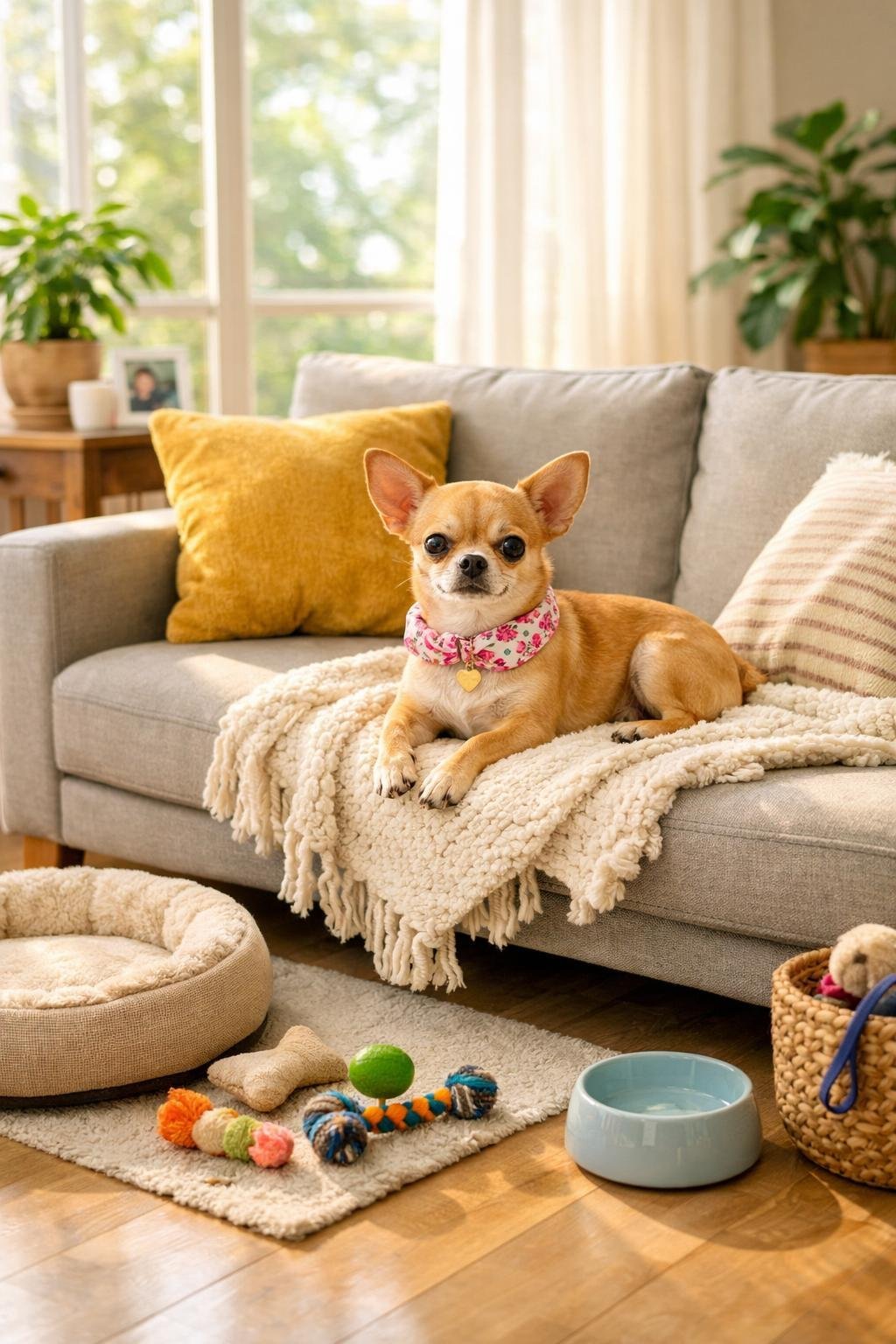
Building a life around your small dog means finding beauty in everyday moments, from morning cuddles to afternoon walks. It’s not just about photos—it’s about routines and experiences that celebrate your bond with your tiny companion.
Capturing Social Media-Worthy Moments
The best photos usually happen naturally during daily activities. Keep your phone ready when your Pomeranian stretches after a nap or your Chihuahua curls up in a sunny spot.
Natural lighting makes a huge difference in photo quality. I shoot near windows during morning hours or take advantage of the soft light just before sunset.
Your small dog’s size is perfect for creative composition. I place my Yorkshire Terrier next to everyday objects like coffee cups or books to highlight their tiny features.
Quick tips for better photos:
- Get down to your dog’s eye level
- Use treats to grab their attention
- Capture candid moments during playtime
- Keep backgrounds simple and uncluttered
Incorporating Your Dog into Daily Routines
I bring my small dog along for errands whenever possible. Many stores welcome well-behaved lap dogs in carriers or bags.
Morning routines become more special with a small companion. I let my dog sit nearby while I have coffee, and we spend a few minutes playing before the day starts.
Create a dedicated space for your dog that matches your home’s style. I chose a bed in colors that complement my living room, so it feels like part of the decor.
Daily routine ideas:
- Morning walks before breakfast
- Afternoon play sessions
- Evening cuddle time on the couch
- Bedtime treats and settling routines
Fashion and Outings for Small Breed Companions
I dress my small dog based on weather and activity rather than just looks. A sweater keeps my Chihuahua warm during winter walks while still looking cute.
Matching accessories create a cohesive look without being over the top. I coordinate my dog’s collar or bandana with my outfit color palette for photos and special occasions.
Small dogs travel easily, making them perfect companions for outings. I take mine to dog-friendly cafes, farmers markets, and parks.
A comfortable carrier makes transportation simple while keeping them safe. Choose outfits that allow full movement.
I avoid anything too tight around the chest or that restricts walking. Comfort matters more than style when your dog needs to move naturally.
Health, Training, and Care for Stylish Small Dogs
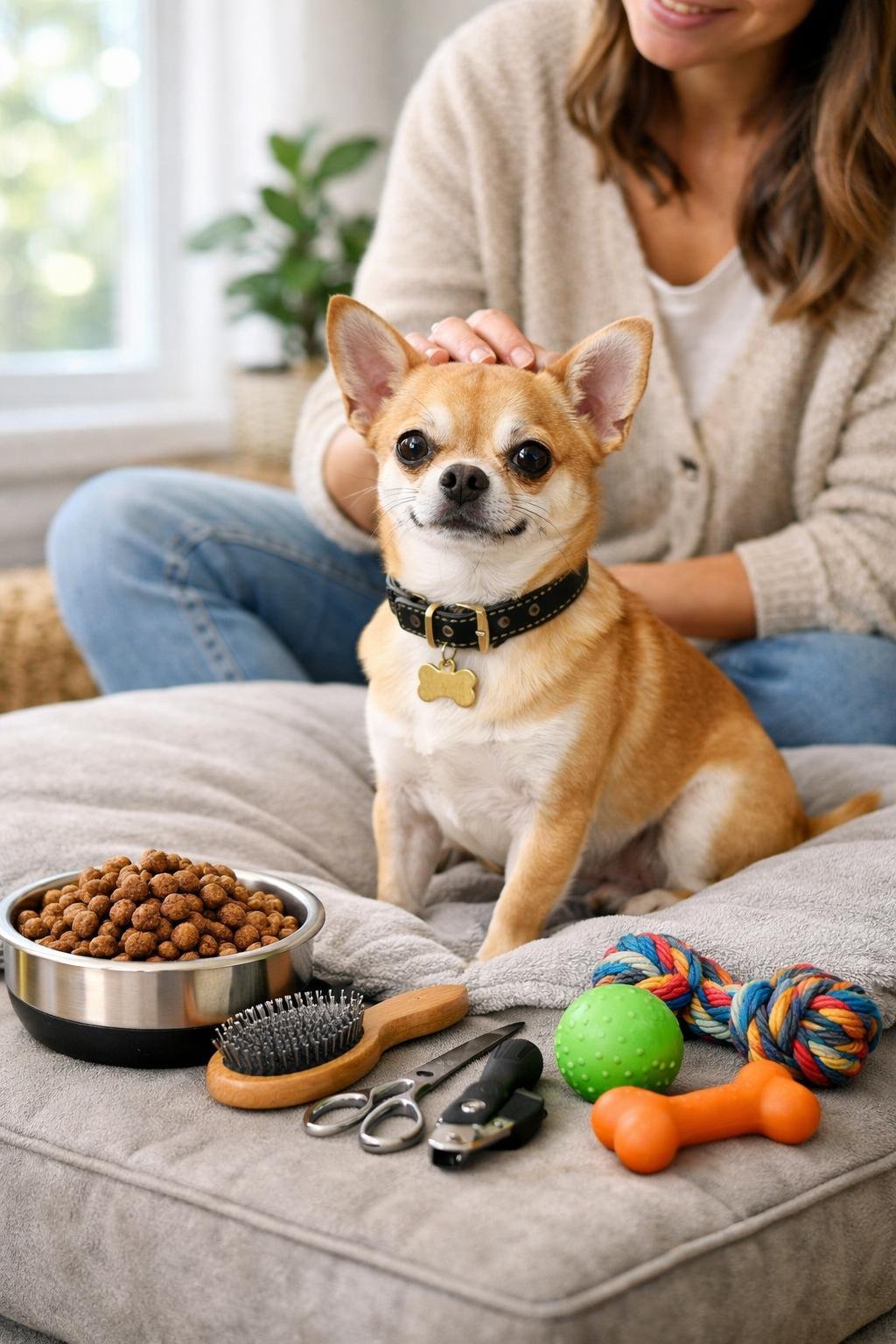
Keeping your small dog looking fabulous goes hand-in-hand with proper nutrition, consistent training, and regular veterinary care. Healthy dogs naturally have shinier coats, brighter eyes, and more confident personalities.
Nutrition and Exercise for Small Breeds
Small dogs have faster metabolisms than larger breeds, so they need nutrient-dense food in appropriate portions. I recommend feeding high-quality dog food formulated specifically for small breeds.
Key nutritional considerations:
- Protein: Look for foods with real meat as the first ingredient
- Calories: Small dogs need about 40 calories per pound of body weight daily
- Meal frequency: Feed 2-3 small meals throughout the day to maintain stable blood sugar
Exercise keeps your Pomeranian or Cavalier King Charles Spaniel at a healthy weight and maintains their coat condition. Most small dogs need 30-60 minutes of activity daily, broken into shorter walks and play sessions.
Some breeds, like the Miniature Schnauzer, have higher energy levels and benefit from more vigorous exercise. Shih Tzus and Bichon Frises do well with moderate activity.
Regular movement helps prevent obesity, which can dull their coat and affect their overall appearance.
Training Tips for Well-Behaved Companions
Training small dogs properly ensures they’re well-mannered companions. I always start training as soon as I bring a puppy home.
Essential commands every small dog should know:
- Sit
- Stay
- Come
- Down
- Drop it
I use positive reinforcement with small treats and praise. Small dogs respond better to gentle, consistent training methods.
Keep training sessions short (5-10 minutes) since tiny dogs have shorter attention spans. Socialization is equally important for breeds like the Cavalier King Charles Spaniel and Bichon Frise.
I expose my dogs to different people, environments, and situations early on. This builds their confidence and prevents behavioral issues that could interfere with grooming or vet visits.
Regular Health Checks and Breed-Specific Needs
I schedule veterinary checkups every 6-12 months to catch potential health issues early. Small dogs face unique health challenges that can affect their appearance and quality of life.
Common breed-specific concerns:
| Breed | Health Issues to Monitor |
|---|---|
| Pomeranian | Dental problems, luxating patella, tracheal collapse |
| Shih Tzu | Eye issues, breathing problems, skin allergies |
| Miniature Schnauzer | Pancreatitis, diabetes, bladder stones |
| Bichon Frise | Allergies, dental disease, ear infections |
Dental care is critical for all small breeds. I brush my dog’s teeth 3-4 times weekly and provide dental chews to prevent tartar buildup and bad breath.
Poor dental health can lead to serious infections and affects how comfortable your dog feels during grooming. Eye care matters especially for breeds with prominent eyes like Shih Tzus.
I wipe around their eyes daily to prevent tear staining, which can ruin even the most carefully planned aesthetic. Regular grooming appointments every 4-8 weeks keep coats healthy and styled while allowing professionals to spot potential skin issues early.
Frequently Asked Questions
Small dog parents often wonder about the essentials they need, from basic supplies to smart accessories that make daily life easier. These questions cover everything from must-have items to adjustment periods for new puppies.
What are the must-have supplies every small dog parent should keep on hand?
I always recommend starting with a properly fitted harness designed specifically for small breeds. Small dogs need harnesses rather than collars to protect their delicate necks and throats from injury.
A crate that fits your dog’s size is essential for safe spaces and house training. Small dogs have small bladders, so having a crate helps establish routines.
I keep high-value training treats that are low in calories on hand at all times. Small dogs only need a few hundred calories per day, so treats with less than one calorie each prevent weight gain while still rewarding good behavior.
Food and water bowls at the right height prevent neck strain. I also stock grooming supplies including brushes, nail clippers, toothbrushes, and ear cleaning solutions since small dogs need regular grooming just like larger breeds.
Short and long leads give me flexibility for different training situations. A potty bell is another item I find helpful for preventing accidents indoors.
Which pet tech gadgets are actually worth buying for a small dog?
Automatic feeders with portion control are genuinely useful for small dogs. They help prevent overfeeding since small breeds are easy to overfeed accidentally.
Pet cameras with two-way audio let me check in on my dog during the day. I can talk to them and even dispense treats remotely, which helps with separation anxiety.
Smart collars track activity levels so I can make sure my dog gets enough exercise. Some models also monitor sleep patterns and calories burned.
GPS trackers give me peace of mind since small dogs can squeeze through tiny spaces and wander off. I look for trackers with long battery life and reliable connectivity.
Interactive puzzle feeders keep my dog mentally stimulated when I’m away. Mental exercise is just as important as physical activity for preventing boredom.
Where can I find stylish dog accessories from shops similar to The Foggy Dog?
I like shopping at boutique pet stores that focus on quality materials and modern designs. These stores often carry handmade collars, leashes, and bandanas in trendy patterns.
Etsy has tons of independent makers who create custom accessories. I can find unique items like hand-stitched harnesses, personalized name tags, and seasonal bow ties.
Instagram shops run by small businesses offer curated collections of stylish pet gear. Many of them focus on sustainable materials and ethical production.
Local craft fairs and farmers markets sometimes feature pet accessory vendors. I’ve found some of my favorite pieces at these events.
Are luxury accessories like a Loewe dog collar practical for everyday use, and how do I choose the right size?
Luxury collars can be practical if they’re made from durable leather and have quality hardware. I look for collars with reinforced stitching and secure buckles that won’t fail during walks.
For sizing, I measure my dog’s neck and add two fingers’ worth of space. The collar should fit snugly without choking or sliding over their head.
I think about whether the collar will hold up to daily wear, including water and dirt. Some luxury pieces work better as special occasion items rather than everyday gear.
The weight of the collar matters for small dogs. Heavy hardware or thick leather can be uncomfortable, so I pick lightweight options even in the luxury category.
I also check if the collar has a D-ring placed properly for leash attachment. The ring should sit at the top of the neck to distribute pressure evenly.
What are the best puppy products to help a small dog settle in comfortably at home?
I start with a cozy bed sized just right for my puppy’s small frame. Beds with raised edges give them a sense of security and a comfy place to rest their head.
Puppy pads help with house training in the early weeks. I place them in designated spots and move them closer to the door as my puppy learns.
Soft toys without small parts keep my puppy entertained safely. I pick toys made specifically for small mouths.
A warm blanket with my scent helps my puppy feel secure during their first nights. I also use a ticking clock or white noise machine to mimic the presence of littermates.
Baby gates let me control which rooms my puppy can access. This helps prevent accidents and keeps them safe while they learn house rules.
What is the 7-7-7 rule for dogs, and how can it help my small dog adjust after moving?
The 7-7-7 rule means 7 days to decompress, 7 weeks to learn your routine, and 7 months to feel completely at home. It’s a handy way to set realistic expectations for your dog’s adjustment period.
During the first 7 days, keep things calm and quiet. Your dog might feel overwhelmed, so it’s best to avoid introducing them to too many new people or places right away.
In the first 7 weeks, your dog starts picking up on daily routines like feeding times, walk schedules, and bedtime. Staying consistent with these routines helps them feel secure.
Over the full 7 months, your dog’s personality really starts to shine. They become more confident in their new home and form strong bonds with family members.
Every dog is different, though. Some small dogs might take a bit longer to settle in, especially if they’re naturally anxious or have had a tough past.