
Dog House Outdoor: Your Complete Guide to Choosing the Perfect Shelter for Your Furry Friend

Your dog deserves a safe and comfortable space outside. An outdoor dog house protects your pet from rain, wind, and extreme temperatures while giving them their own cozy retreat in your yard.
The best options depend on your dog’s size, your local weather, and how much time your pet spends outdoors.

I’ve learned that choosing an outdoor dog house involves thinking about size, design, building materials, placement, and bedding. Small dogs need different features than large breeds.
Cold climates require insulation, while hot areas need good airflow.
In this guide, I’ll walk you through everything you need to know about outdoor dog houses. You’ll learn which materials last longest, what features keep your dog comfortable, and how to maintain the house through different seasons.
Key Takeaways
- Pick a dog house size based on your pet’s breed and measurements so they can stand, turn around, and lie down comfortably.
- Look for weather-resistant materials like treated wood or durable plastic with proper insulation for year-round protection.
- Place the house in a shaded spot with good drainage and clean it regularly to keep your dog healthy and comfortable.
Choosing the Right Dog House Outdoor
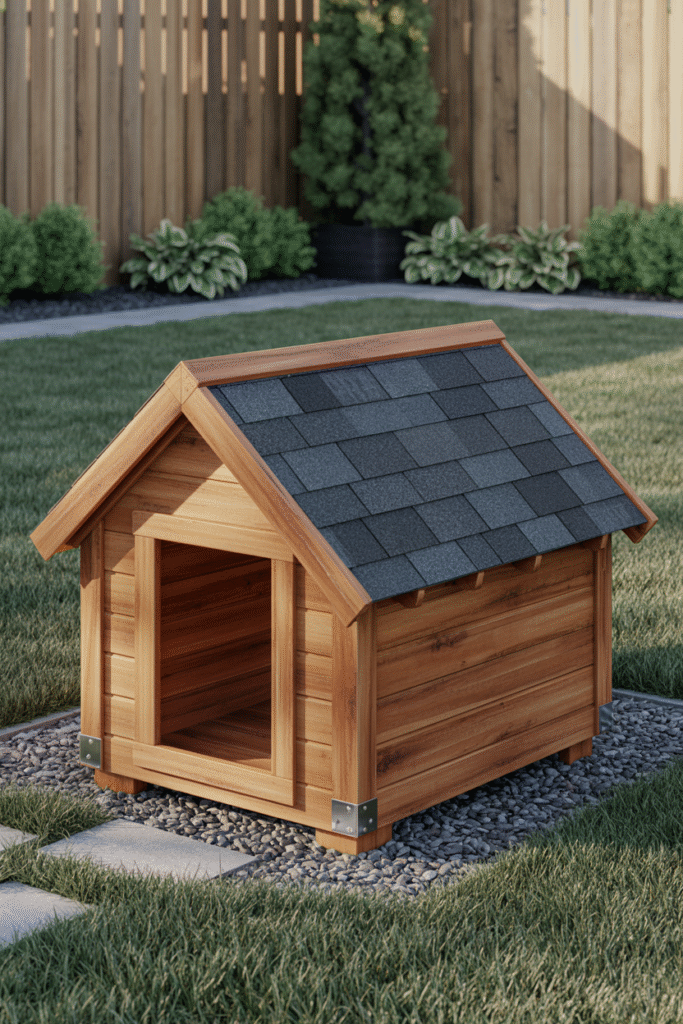
Finding the perfect outdoor dog house means matching your dog’s specific needs with the right features. I’ll walk you through the most important factors, from sizing to weather protection.
Key Factors to Consider
Material durability affects how long your dog house will last. Wood offers natural insulation but requires regular maintenance to prevent rot.
Plastic resists weather damage and cleans easily. Metal provides strength but can get hot in summer or cold in winter.
Ventilation keeps air flowing inside the house. I recommend looking for adjustable vents or windows that let fresh air in without creating drafts.
Good airflow prevents moisture buildup and keeps your dog comfortable.
Entry design matters for your dog’s comfort. A raised floor keeps water out and provides insulation from cold ground.
The doorway should face away from prevailing winds. Some houses include door flaps or removable panels for different seasons.
Ease of cleaning saves you time and keeps your dog healthy. Look for houses with removable roofs or floors.
Smooth interior surfaces wipe down faster than rough ones.
Sizing Guide for Different Breeds
I measure my dog from nose to tail and add 6-12 inches for length. For height, I measure from ground to the top of the head and add 3-6 inches.
The house should let your dog stand, turn around, and lie down comfortably.
Small breeds (under 25 pounds) like Chihuahuas or Pugs need houses around 24-30 inches long. Medium breeds (25-50 pounds) such as Beagles or Cocker Spaniels fit best in 30-36 inch houses.
Large breeds (50-90 pounds) like Labradors require 36-42 inches. Extra-large breeds (over 90 pounds) including German Shepherds need 42-48 inches or more.
A house that’s too big loses body heat in winter. One that’s too small feels cramped and uncomfortable.
Weather and Climate Considerations
Cold climates require insulated dog houses to trap body heat. I look for walls with foam insulation or double layers.
Raised floors prevent cold from seeping up from frozen ground. Some owners add heated pads or self-warming beds for extreme temperatures.
Hot climates need shade and airflow. Light-colored materials reflect sunlight better than dark ones.
Extra ventilation holes or mesh windows increase cooling. Elevated designs let air circulate underneath.
Wet climates demand waterproof materials and sloped roofs. I check that roofs have proper drainage and overhangs to keep rain from blowing inside.
Raised floors prevent flooding during heavy storms.
Materials for Outdoor Dog Houses

Choosing the right material affects how well the dog house protects your pet and how long it lasts. Each material option offers different benefits for insulation, weather resistance, and maintenance needs.
Wood Construction
Wood remains my top choice for outdoor dog houses because it provides natural insulation. Wood is the best overall material according to the ASPCA, as it helps regulate temperature throughout different seasons.
I recommend pressure-treated wood for the base and floor. This type resists rot and moisture damage from ground contact.
Cedar and redwood work great for walls because they naturally repel insects and resist decay. The main advantage I see with wood is its ability to keep dogs warm in winter and cool in summer.
Wood breathes naturally, which prevents condensation buildup inside the house. You can also easily customize wooden structures by adding windows, doors, or extra insulation.
Wood does require some maintenance. I suggest applying a weatherproof sealant every year or two to protect against rain and sun damage.
Avoid painting the interior since dogs might chew treated surfaces.
Plastic Designs
Plastic dog houses offer a low-maintenance option that I find appealing for busy pet owners. High-density polyethylene (HDPE) plastic stands out as an excellent choice for outdoor use.
These structures are lightweight and easy to move around your yard. I like that plastic won’t rot, crack, or splinter like wood can.
Most plastic designs snap together without tools, making assembly quick and simple. Cleaning plastic dog houses is straightforward.
I just spray them down with a hose and wipe the interior with pet-safe cleaner. The material doesn’t absorb odors or harbor pests.
The downside is that plastic provides less natural insulation than wood. I notice these houses can get hot in direct summer sun.
Look for designs with ventilation slots and consider adding foam insulation panels during extreme weather.
Metal Frame Options
Metal frames create sturdy structures that last for years. I’ve seen metal dog houses withstand strong winds and heavy snow loads better than other materials.
Aluminum and galvanized steel are the most common metals used. These resist rust and corrosion in wet climates.
Metal frames often come with fabric or plastic covers that you can remove for washing. I appreciate that metal doesn’t attract termites or other wood-boring insects.
The frames stay solid without warping or rotting. Many metal designs fold flat for storage during off-seasons.
Metal conducts temperature, which means these houses get very hot or cold without proper insulation. I always add insulated panels or thick bedding inside metal structures.
Make sure any metal edges are smooth and covered to prevent injuries.
Essential Features for Comfort and Safety

A good outdoor dog house needs features that protect your dog from weather and keep them comfortable year-round. The right ventilation, insulation, and door design make the difference between a basic shelter and a safe home for your pet.
Proper Ventilation
I always check that a dog house has good airflow before buying one. Ventilation prevents moisture buildup and keeps the air fresh inside.
Most quality dog houses include vents near the roof line. These openings let hot air escape during summer while preventing rain from getting inside.
I recommend looking for adjustable vents that you can open wider in warm months and close partially during winter.
Key ventilation features include:
- Roof vents or gaps near the peak
- Side vents positioned to avoid direct rain entry
- Cross-ventilation with openings on opposite walls
- Mesh screens to keep insects out
Without proper airflow, condensation can form inside the house. This creates a damp environment that’s uncomfortable and unhealthy for your dog.
Insulation and Weatherproofing
I’ve learned that protection from rain, wind, and extreme temperatures keeps dogs safe in all seasons. Insulated walls help maintain a stable temperature inside the house.
Look for houses with walls at least 1-2 inches thick. Foam insulation or double-wall construction works well for temperature control.
The floor should be raised off the ground by 3-4 inches to prevent moisture from seeping up and to add another layer of insulation from cold or hot ground.
Weatherproofing features I prioritize include slanted roofs that shed water quickly and overhangs that extend past the doorway. Sealed seams and waterproof materials prevent leaks during heavy rain.
Entryway and Door Styles
The entrance to a dog house affects both comfort and energy efficiency. I size the door opening so my dog can enter easily without it being too large.
The door height should allow your dog to walk through without ducking too much. Width should be about 2-3 inches wider than your dog’s shoulders.
A door that’s too big lets in cold drafts and rain.
Popular door options:
- Flap doors: Flexible vinyl or rubber flaps that seal the entrance
- Offset entries: Doorways positioned to one side to block wind
- Covered porches: Extended roof areas that protect the entrance
I prefer offset entryways because they create a wind barrier naturally. Adding a removable flap door gives extra protection during harsh weather while keeping ventilation options open in mild conditions.
Setting Up Your Outdoor Dog House

The right placement and setup can make the difference between a dog house that works well and one that doesn’t. I’ll show you how to pick the perfect spot, create a solid foundation, and keep everything secure.
Selecting the Ideal Location
I always look for spots that offer natural shade during the hottest parts of the day. Trees work great for this, but I make sure they won’t drop heavy branches or excessive leaves onto the roof.
The location needs good drainage so water doesn’t pool around the dog house. I avoid low spots in the yard where rain naturally collects.
A slight slope helps water run away from the structure. I position the door away from prevailing winds.
This keeps cold air and rain from blowing directly inside during storms. In most areas, this means facing the entrance south or east.
Distance from your home matters too. I place the dog house close enough that my dog still feels connected to the family but far enough to give them their own space.
About 20 to 30 feet from the back door works well for most yards.
Foundation and Elevation Tips
I raise the dog house at least 4 to 6 inches off the ground. This prevents moisture from seeping up through the floor and helps with air circulation underneath.
Common elevation methods include:
- Pressure-treated 4×4 lumber as runners
- Concrete blocks at each corner
- Gravel bed with pavers on top
- Wooden pallets (if sturdy and level)
I check that the foundation is completely level before placing the dog house. An uneven base causes doors to stick and can make my dog uncomfortable.
For areas with heavy rain, I add a layer of gravel beneath whatever elevation method I use. The gravel improves drainage and prevents mud from forming under the structure.
Anchoring and Stability
I secure the dog house to prevent it from tipping over in strong winds.
Building a stable outdoor shelter protects both the structure and my dog.
Metal ground anchors work best for most situations.
I drill them into the soil at an angle and attach them to the dog house frame with heavy-duty straps or chains.
This method holds firm without being permanent.
For concrete or deck surfaces, I use L-brackets to bolt the dog house down.
I make sure the bolts won’t poke through where my dog could get scratched.
I test the stability by pushing firmly on all sides.
The structure shouldn’t rock or shift at all.
If it does, I add more anchor points until it stays completely still.
Maintenance and Upkeep
I’ve learned that keeping an outdoor dog house in good shape takes regular attention to cleaning, adjusting for weather changes, and fixing problems before they get worse.
These tasks protect my dog’s health and make the shelter last longer.
Cleaning Procedures
I clean my dog’s outdoor house at least once a month to keep it safe and comfortable.
I start by removing all bedding, toys, and food bowls from inside.
I use a mixture of warm water and mild pet-safe soap to scrub the interior walls, floor, and ceiling.
A stiff brush helps me get into corners where dirt builds up.
I make sure to remove dirt, debris, and potential allergens that can make my dog sick.
After washing, I rinse everything with clean water and let the house air dry completely before putting bedding back in.
I also wipe down the exterior to prevent mold and mildew growth.
During hot months, I clean more often because dust and bacteria build up faster.
I replace bedding materials like blankets or straw every two weeks or sooner if they get wet or dirty.
Seasonal Adjustments
I prepare the dog house differently depending on the season to keep my dog comfortable year-round.
In winter, I add extra insulation and install a flap over the door to block cold drafts.
During summer months, I focus on ventilation and cooling.
I check that air vents stay clear and sometimes add a small battery-powered fan.
I also position the house in a shaded area when possible.
Spring brings rain, so I inspect the roof for leaks and make sure water drains away from the foundation.
I apply fresh sealant or paint annually to maintain weather resistance and protect the wood.
In fall, I do a thorough inspection before winter hits.
I replace worn weatherstripping and check that the roof can handle snow weight in colder climates.
Repairing Wear and Tear
I inspect my dog’s house every few weeks for signs of damage that need fixing. Common problems include loose screws, cracked panels, and worn hinges on the door.
Common repairs I make:
- Tightening or replacing screws and bolts
- Patching cracks in wood or plastic with wood filler
- Replacing damaged roof shingles
- Fixing broken door latches
- Repainting chipped or peeling surfaces
Small cracks can let water in, which leads to rot and mold.
I keep basic repair supplies on hand like wood glue, exterior paint, screws, and weatherproof caulk. This way I can fix minor issues right away instead of waiting.
